Explore our elite range of specialty coupling agents, silanes, and chemical products engineered to meet demanding industrial environments.
In modern high-precision manufacturing, release agents act as critical process catalysts. High-temperature operations, particularly in automotive die casting, rubber vulcanization, composite molding, and plastic extrusion, demand chemical formulations that can withstand extreme thermo-oxidative stress without degrading. Classical release materials such as mineral oils and organic waxes degrade or carbonize rapidly when exposed to temperatures exceeding 150°C. This degradation leads to mold buildup, surface defects on molded parts, and costly downtime for cleaning.
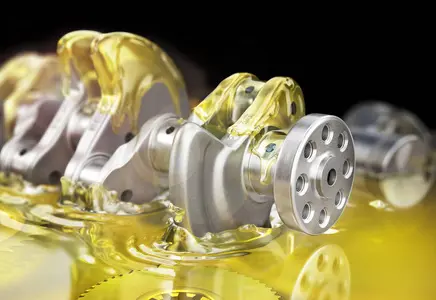
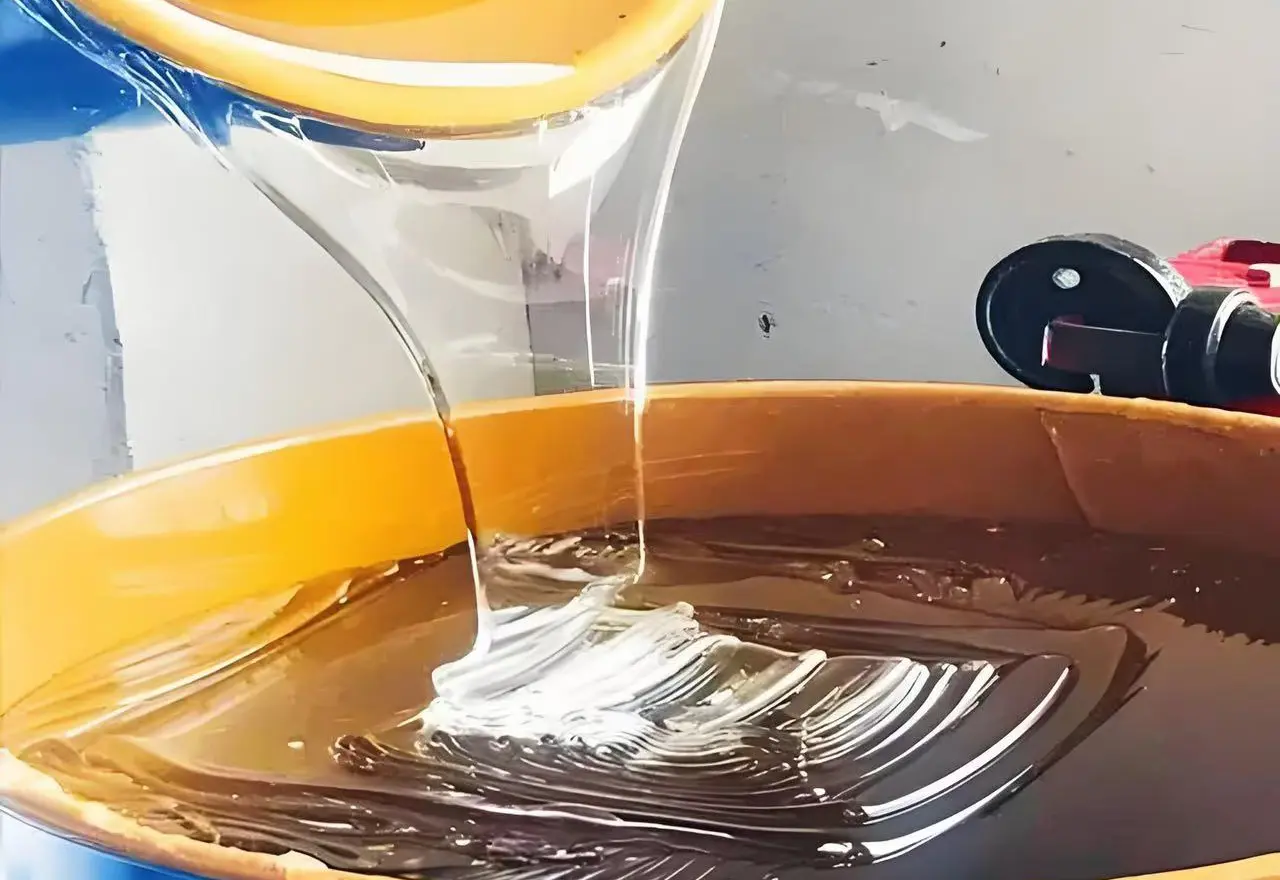
This is where High-Temperature Release Agent Silicone Oil shines. Leveraging the unique inorganic-organic structure of silicones (Si-O-Si backbone), these advanced oils offer exceptional thermal stability (up to 300°C and beyond), incredibly low surface tension, excellent spreadability, and chemical inertness. The global industrial landscape has shifted heavily toward high-performance methylphenyl silicone oils and modified reactive silicone fluids to achieve cleaner releases, reduce cycle times, and extend tool lifetimes. By forming a durable, micro-thin release film on the mold surface, these fluids facilitate seamless demolding even under complex geometric constraints.
Maintains structural integrity and viscosity under extreme continuous heat, preventing smoke emission and carbon deposits on the mold.
Boasts extremely low surface tension, allowing the release fluid to wet and cover complex micro-textures on steel, aluminum, and copper molds.
Does not chemically react with the molding polymers, resins, or elastomeric substrates, preserving critical structural and cosmetic specifications.
Bridging basic chemical monomers with high-performance industrial applications through rigorous molecular engineering.
Founded in 2012, Shandong Boctok Chemical Co. has developed into a premier force in organosilicone synthesis, marketing, and distribution. Achieving a landmark sales volume of US$280 million in 2023, the company has consolidated its technical footprint across domestic and international markets, specializing heavily in the Russian Federation, Europe, and the CIS region. Our chemical synthesis capabilities are divided into complex categories designed to enhance materials across their processing life cycle.
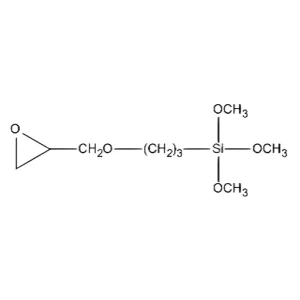
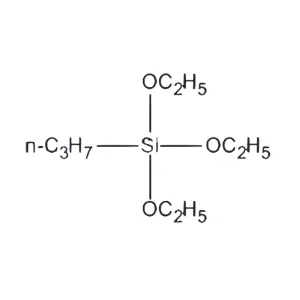
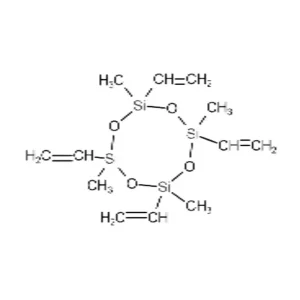
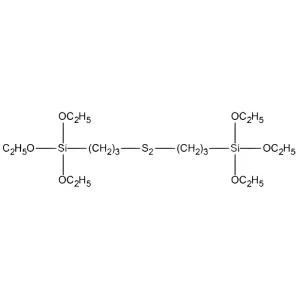
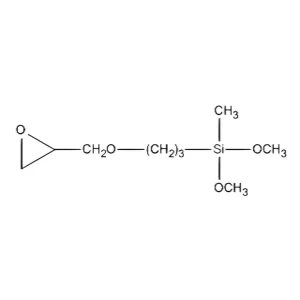
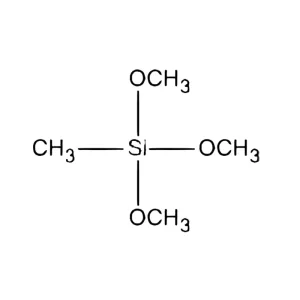
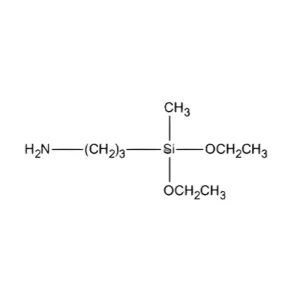
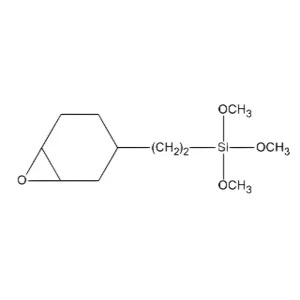
Our organosilicone matrix is comprehensive, covering twelve series of silane coupling agents and crosslinkers. These include:
Boctok's chemical engineers synthesize highly specialized silicone fluids designed specifically for release applications:
How Boctok leverages structural integration, geographic positioning, and automation to guarantee stable global supply.
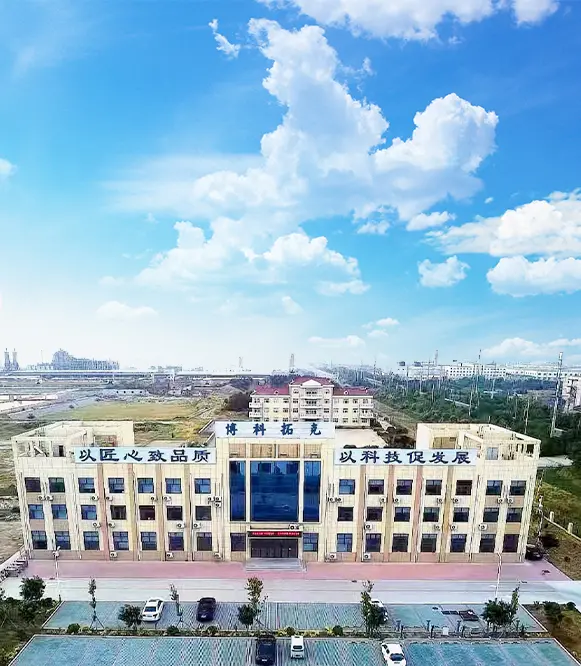
Located in the Shouguang Bohai Industrial Park, Shandong Province. This facility expands our production chain of silane coupling agents with an annual output of 30,000 tons.
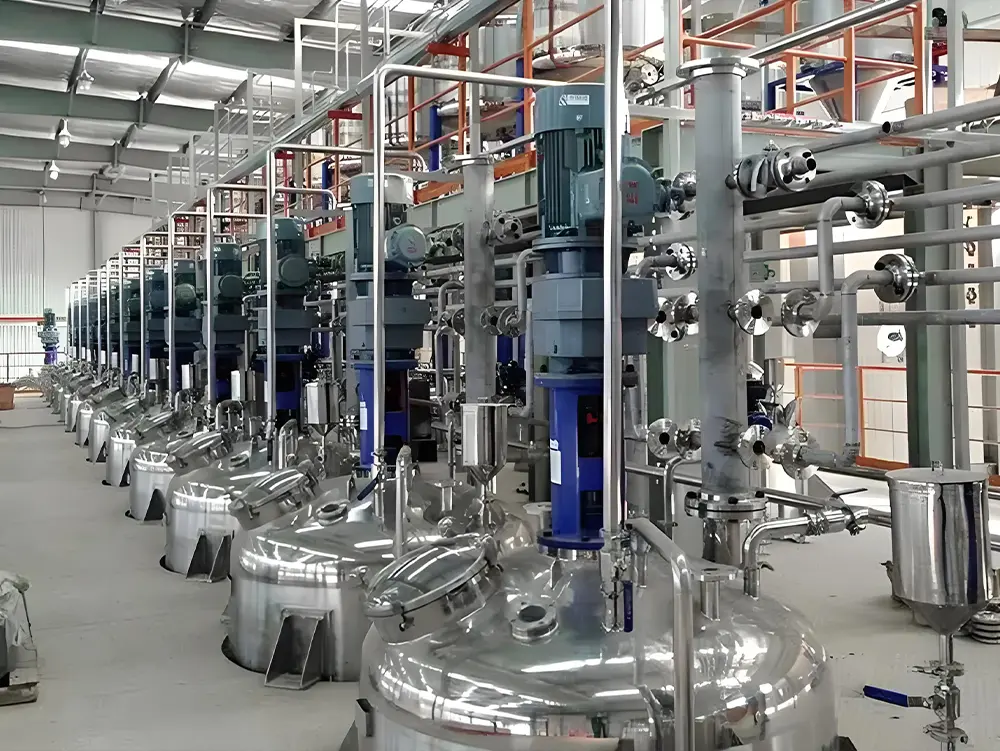
Equipped with 6 automated Distributed Control System (DCS) lines and Safety Instrumented Systems (SIS), guaranteeing batch-to-batch consistency and rigorous quality control.
Capitalizing on deep supply integrations with SINOPEC and PetroChina. This ensures a steady feedstock flow for our petroleum resins (C5, C9, DCPD) and organosilicon raw materials.
Sustainable chemistry is no longer optional. Boctok has constructed massive environmental treatment infrastructures, incorporating state-of-the-art waste gas collection systems (scrubbers, thermal oxidizers) and advanced wastewater cycling systems. This ensures compliance with regional environmental mandates while protecting nearby communities. Operating under strict ISO9001 and ISO14001 guidelines, our production processes achieve high yields with minimal carbon footprints.
Visualizing the manufacturing scale that powers Boctok's global supply chain.
How our silicone formulas solve specific engineering challenges in diverse localized operating environments.
In regions like Eastern Europe and Russia (e.g., GAZ, KamAZ automotive hubs), engines and transmission casings are cast from molten aluminum and magnesium alloys at temperatures exceeding 600°C. Standard release agents break down instantly, causing micro-porosity and metal soldering to the steel molds. High-temperature silicone oil, emulsified and diluted, forms a robust thermal barrier film on the die. This guarantees rapid solidification, prevents hot-tearing, and leaves zero paint-disrupting residue on the finished cast parts.
Silicone rubbers like LSR and high-consistency silicone rubber (HCR) require precise cross-linking. During the manufacturing of high-voltage transmission line insulators and XLPE electrical cables, our crosslinking silanes and vinyl silicone oils ensure high insulation resistance and high thermal aging limits. The localized mold release agent prevents the tacky rubber compound from sticking to the multi-cavity compression molds, speeding up injection cycles.
In tire manufacturing plants in the Urals, Germany, and North America, rubber vulcanization occurs in bladder molds at high pressures and temperatures up to 200°C. Using a semi-permanent release agent formulated with phenyl-modified silicone oil and MQ resin increases bladder life from 100 cure cycles to over 500. This dramatically lowers operation costs and limits the scrap rate of expensive agricultural and commercial vehicle tires.
Construction sectors rely on silicone fluid emulsions to coat gypsum boards (drywall), cement sheets, and decorative laminates. The silicone oil acts as a pore-sealer and release agent on stainless steel press plates. This ensures a clean separation and protects structural panels from water absorption during transit and installation.
Pioneering the next wave of green chemistry, zero-VOC formulations, and high-integrity polymers.
Phasing out volatile organic solvents (VOCs) by replacing them with high-stability water-borne silicone emulsions. Incorporating non-ionic surfactants to optimize emulsion stability during high-shear spray operations.
Integrating nano-scale silica networks (MQ/VMQ resin matrices) into the silicone oil base. This creates a sacrificial barrier film that increases durability and prevents migration onto the molded component.
Synthesizing silicones using plant-derived carbon inputs and bio-ethanol, significantly reducing Scope 3 emissions for global automotive and electronics suppliers.
As microelectronics shift to sub-nanometer nodes, packaging processes demand mold release materials with ultra-low ion counts and high thermal limits. Epoxy molding compounds (EMC) used for semiconductor encapsulations require highly engineered organofunctional silicone fluids that cause zero circuit corrosion or signal attenuation.
Simultaneously, wind turbine blade manufacturing utilizes lightweight carbon fiber composites cured under vacuum. These large surfaces require reliable, long-lasting release coatings to prevent damage during demolding. This is a primary driver behind Boctok’s ongoing research and development into reactive siloxanes.
Navigating global chemical guidelines and providing reliable supply chains across continents.
Our operations comply with REACH (Europe), TSCA (USA), and GHS regulations. We provide detailed Safety Data Sheets (SDS) and technical documents in multiple languages to ensure smooth customs clearance and safe handling.
With the BOCTOK brand dedicated to serving the Russian and CIS markets, we provide localized technical support, custom packaging options, and logistics solutions optimized for Eurasian transport routes.
We modify viscosity, crosslinking rates, and active content concentrations to match your specific production lines, mold designs, temperatures, and application techniques.
Expert technical answers to common queries regarding high-temperature release agent silicone oils.
Silicone oils feature a highly stable silicon-oxygen (Si-O-Si) backbone, which exhibits a higher bond energy than the carbon-carbon (C-C) bonds in organic waxes. This molecular structure allows silicone oils to withstand temperatures up to 300°C without oxidizing, carbonizing, or forming heavy deposits on the mold surface. This preserves the surface finish of the molded parts and reduces mold cleaning intervals.
Replacing methyl groups with phenyl groups on the siloxane backbone increases the thermo-oxidative stability of the fluid. Phenyl silicone oils exhibit much lower volatility, higher flash points, and better thermal stability at elevated temperatures compared to standard polydimethylsiloxanes (PDMS). They are the preferred option for heavy-duty metal casting and high-temperature rubber curing.
To prevent release agent transfer, you can use reactive silanes or MQ resin-modified silicones. These components cross-link on the mold surface to form a tough, non-migrating film. In addition, using highly diluted silicone oil emulsions or performing a solvent-wash step after demolding prepares the parts for paint or adhesive application.
Boctok offers packaging options ranging from 25kg drums and 200kg steel drums to 1000kg IBC containers. Leveraging our Shouguang chemical park infrastructure and relationships with global shipping partners, standard orders are processed and shipped within 14 to 21 days from port of lading. We also maintain buffer stocks for key partners to ensure short lead times.
Yes. We specialize in water-based, solvent-free emulsions that contain zero VOCs and minimal environmental footprints. Our processing units recycle wastewater and treat off-gases, complying with modern chemical safety standards.
Our comprehensive portfolio of chemical intermediates engineered to improve stability and adhesive interfaces.
A complete breakdown of application areas where our organosilicon products and petroleum resins are utilized.
Established in 2012, Shandong Boctok Chemical Co. serves as a leading marketing, sales, and manufacturing hub for domestic and international organosilicone business. Specializing in high-performance silicone fluids, silane coupling agents, hydrocarbon resins, and agricultural intermediates, we deliver chemical solutions that improve product lifetime, processing speeds, and material integrity across dozens of industries globally.
With production sites in Zibo, Fushun, Shouguang, and Nanjing, Boctok leverages secure raw material access from Chinese petrochemical groups SINOPEC and PetroChina to guarantee competitive pricing, supply reliability, and quality. Our Shouguang facility boasts an annual output of 30,000 tons of silane coupling agents, utilizing advanced safety instrument systems (SIS) and ISO9001 standards to maintain stable quality.
 Boctok Chemical