Direct supply from state-of-the-art manufacturing lines ensuring chemical purity, stability, and high performance
An in-depth guide on thermal fluid chemistry, market dynamics, and procurement best practices
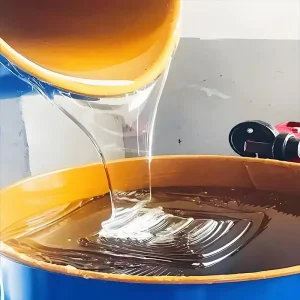
High-temperature oil bath silicone oils are synthetic polymeric structures, predominantly based on polydimethylsiloxane (PDMS) or polymethylphenylsiloxane. The core chemical backbone consisting of alternating silicon and oxygen atoms (Si-O-Si) exhibits a high bond energy of approximately 460 kJ/mol. This is significantly stronger than the carbon-carbon (C-C) bonds found in organic heat transfer fluids, which have an energy of about 348 kJ/mol. This fundamental chemical difference allows silicone fluids to withstand prolonged heat exposure without experiencing thermal cracking or carbonaceous residue formation.
In high-temperature laboratory oil baths, fluid requirements transition beyond simple thermal conductivity. The fluid must maintain a stable viscosity curve across a vast temperature delta (typically -40°C to +300°C). Methyl phenyl silicone oils are specifically synthesized to optimize these properties. By introducing phenyl groups to the siloxane chain, the intermolecular interactions are altered, which increases the flash point up to >320°C and raises the auto-ignition temperature to >400°C. This makes them highly suitable for open-bath applications where safety is a primary engineering design criterion.
The global demand for high-temperature thermal fluids is rising due to advancements in industrial R&D, chemical synthesis, and precision electronics testing. Geographically, North America and Western Europe remain primary consumption hubs for ultra-pure laboratory grade silicone oils, driven by stringent workplace safety regulations (such as OSHA and EU-OSHA) that mandate the replacement of low-flash-point mineral oils.
Meanwhile, the Asia-Pacific region, led by China, South Korea, and India, represents the fastest-growing market. This growth is directly linked to the expansion of semiconductor manufacturing, automotive component stress testing, and solar thermal energy capture systems. Factories and chemical compounders in these regions rely on bulk silicone fluids for continuous high-temperature validation loops.
| Property Group | Methyl Silicone Fluid (Standard) | Methyl Phenyl Silicone Fluid (Premium) | Typical Application Range |
|---|---|---|---|
| Thermal Stability Limit | Up to 220°C | Up to 300°C (Closed system 350°C) | High-temp heating baths & reaction units |
| Flash Point (Open Cup) | > 300°C (high viscosity grades) | > 320°C | Open vessel oil baths, lab safety zones |
| Viscosity-Temp Coefficient | 0.59 - 0.62 | 0.75 - 0.85 | Calibration instruments & sensors |
| Volatility (200°C, 24h) | < 2.0% | < 0.5% | Cleanroom & semiconductor testing lab |
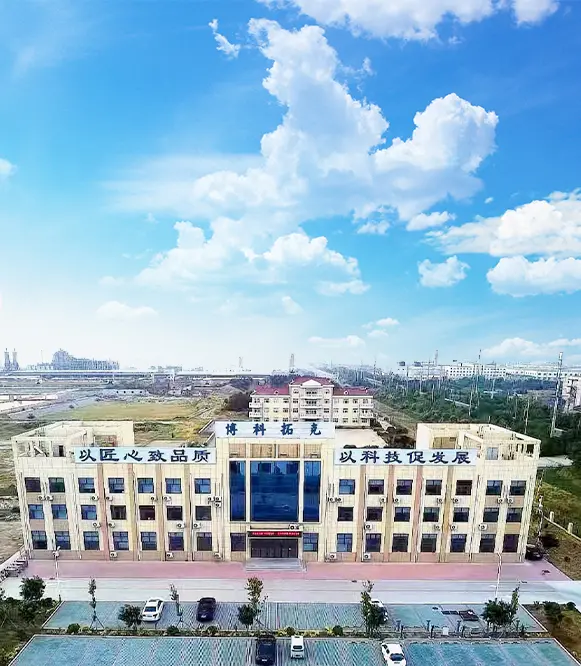
Shandong Boctok Chemical Co. was founded in 2012 as a marketing and sales center for Boctok™ domestic and overseas businesses and achieved sales of US$280 million in 2023. The BOCTOK brand specializes in serving the Russian market and global high-performance industrial chemical demands.
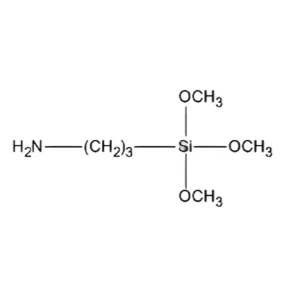
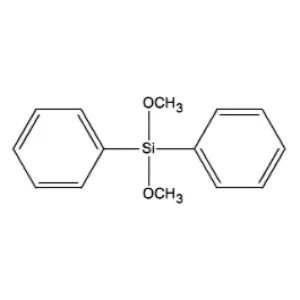
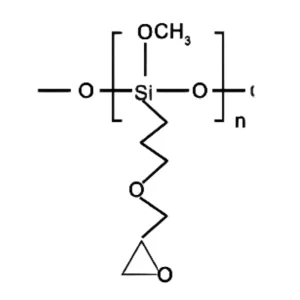
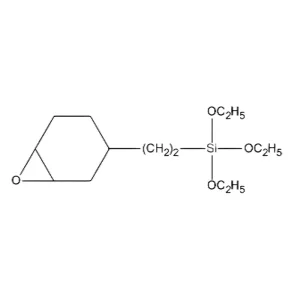
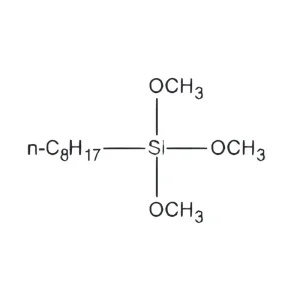
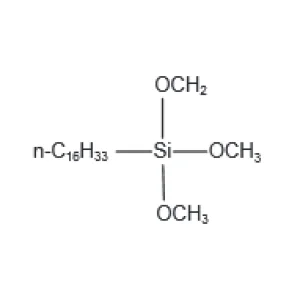
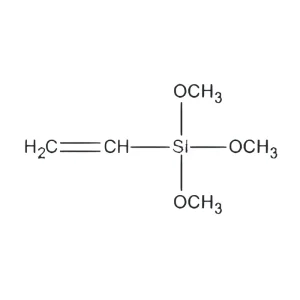
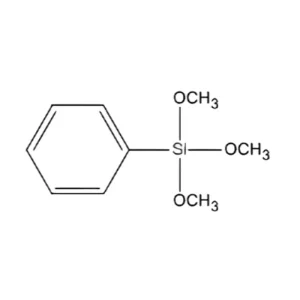
Boctok has three main product categories, the first core business of organosilicone covers twelve series of silane coupling agents and crosslinkers, including aminosilane, methacrylate silane, epoxy silane, vinyl silane, mercaptosilane, alkyl silane, ethyl silicate, chlorosilane, silane isocyanates, phenyl silane, ureidosilane and serosilane.
Boctok also focuses on silicon oil, silicon resin, and silicon rubber, covering high-hydrogen silicone oil, dimethicone, vinyl silicone oil, polyphenylmethyldimethylsiloxane, phenyl silicone oil, silanol silicone oil and OH polymer, alkoxy silicone oil, methyl MQ resin, vinyl VMQ resin, room-temperature vulcanized methyl silicone rubber, 110 methyl vinyl silicone rubber, 120 methyl phenyl rubber. They are widely used in glass fiber, electronics, wind energy, daily necessities, chemical industry, coatings, adhesives, XLPE electric cables and hot water pipes, oil field drilling, textiles, rubber and molding, etc. to improve the quality and performance of the applied products.


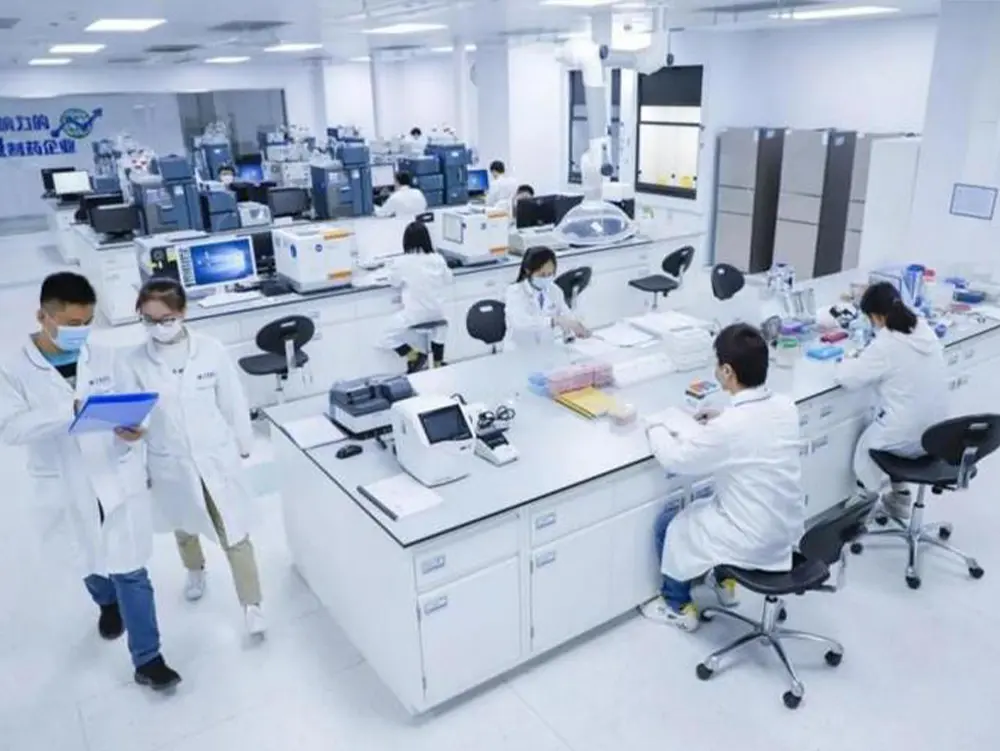
Driving advanced molecular synthesis across international chemical markets
The global sourcing of organic silicone chemicals has shifted toward integrated chemical clusters in mainland China. The primary factor behind this transition is the structural optimization of Chinese chemical manufacturers. Upstream raw materials such as high-purity silicon metal, methyl chloride, and carbon-based reagents are sourced through mature pipeline systems within integrated industrial parks, significantly reducing intra-provincial transport costs.
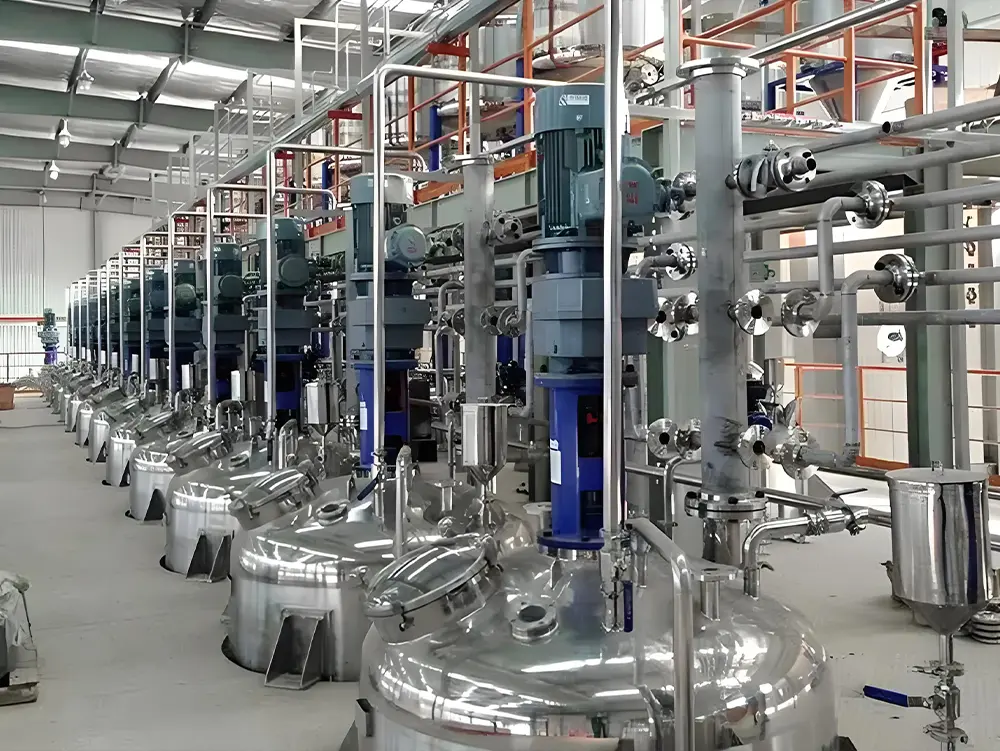
Shandong Boctok Chemical Co. leverages these logistics advantages. Located in Shouguang, Shandong Province, the facility operates with continuous DCS (Distributed Control Systems) automation. This enables real-time adjustments of reaction feed-rates, temperature zones, and polymer chain-length termination, ensuring high batch-to-batch consistency.
Furthermore, environmental control policies in Chinese chemical zones are integrated directly into the infrastructure. Advanced waste gas capture systems and multi-tier wastewater filtration allow modern factories to run continuous production lines with minimal regulatory downtime, offering global partners a secure supply chain during turbulent market cycles.
High-temperature silicone oil finds critical usage in specialized fields where standard oils fail due to oxidation, fuming, or viscosity shifts. Below are the key applications:
Comprehensive industry integration utilizing feedstock from major energy entities
Boctok's Tier II core business is petroleum resins. We have invested in a key hydrocarbon resin manufacturer in China. We currently have three operating hydrocarbon resin factories located in Zibo, Fushun, and Nanjing. Taking advantage of reliable and abundant raw materials from SINOPEC and PetroChina, our advanced production facilities, and our decades of marketing experience, our products are widely used by customers, including many Fortune 500 companies, in both domestic and overseas markets.
These products include C9 hydrogenated resins, C5 hydrocarbon resins, C5 modified C9 hydrocarbon resins, C9 hydrocarbon resins, dicyclopentadiene, and methyl cyclopentadiene dimer.
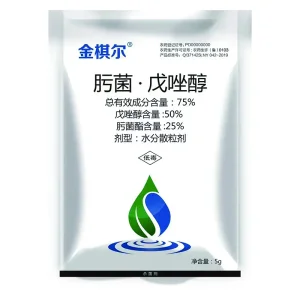
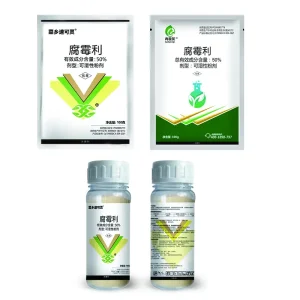
Boctok also focuses on the agrochemical industry. We synthesize premium intermediates and raw materials for the production of pesticides, fungicides, insecticides, seed treatments, herbicides, and plant growth regulators.
By controlling intermediate quality at the molecular level, we provide crop protection producers with the consistent raw materials required to meet regional crop yield targets and environmental compliance policies worldwide.
Engineered chemicals developed for specific global market demands

Advanced organosilicone polymers, silane coupling agents, crosslinkers, and custom chemical synthesis blocks.

Crop protection chemical intermediates, dispersing agents, and crop growth regulators for agriculture.
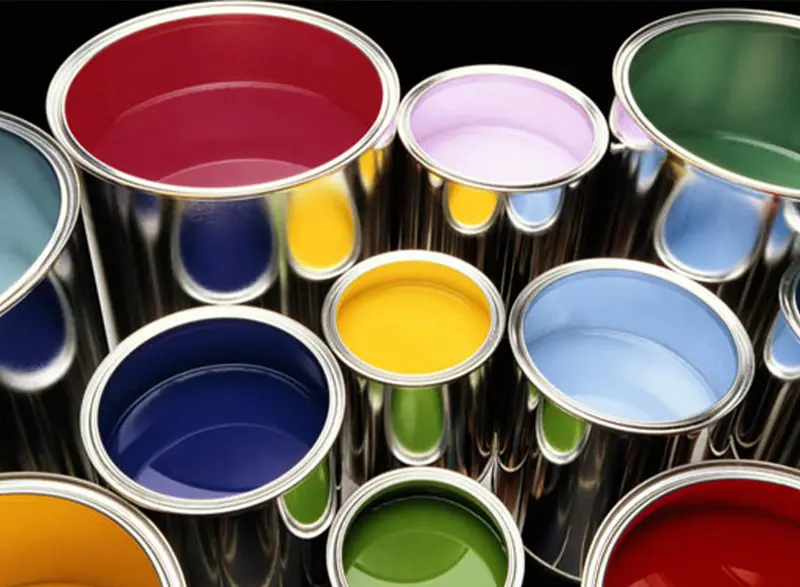
C5 and C9 hydrocarbon resins utilizing Sinopec feedstocks for automotive paints, road markings, and coatings.






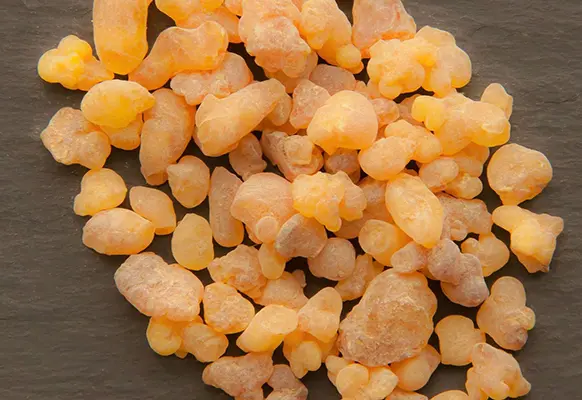



Industrial procurement teams seeking thermal management fluids must evaluate potential suppliers based on specific chemical and engineering requirements to ensure operational safety. Standard datasheets listing viscosity are insufficient for high-temperature applications. Procurement parameters must include:
The high-temperature silicone oil sector is evolving to meet emerging technical challenges:
Answers to common questions about thermal performance, safety, and compatibility
Premium functional monomers, coupling agents, and modifiers for industrial compounding
 Boctok Chemical