 Boctok Chemical
1. Comprehensive Analysis of High Phenyl Silicone Oil Chemistry
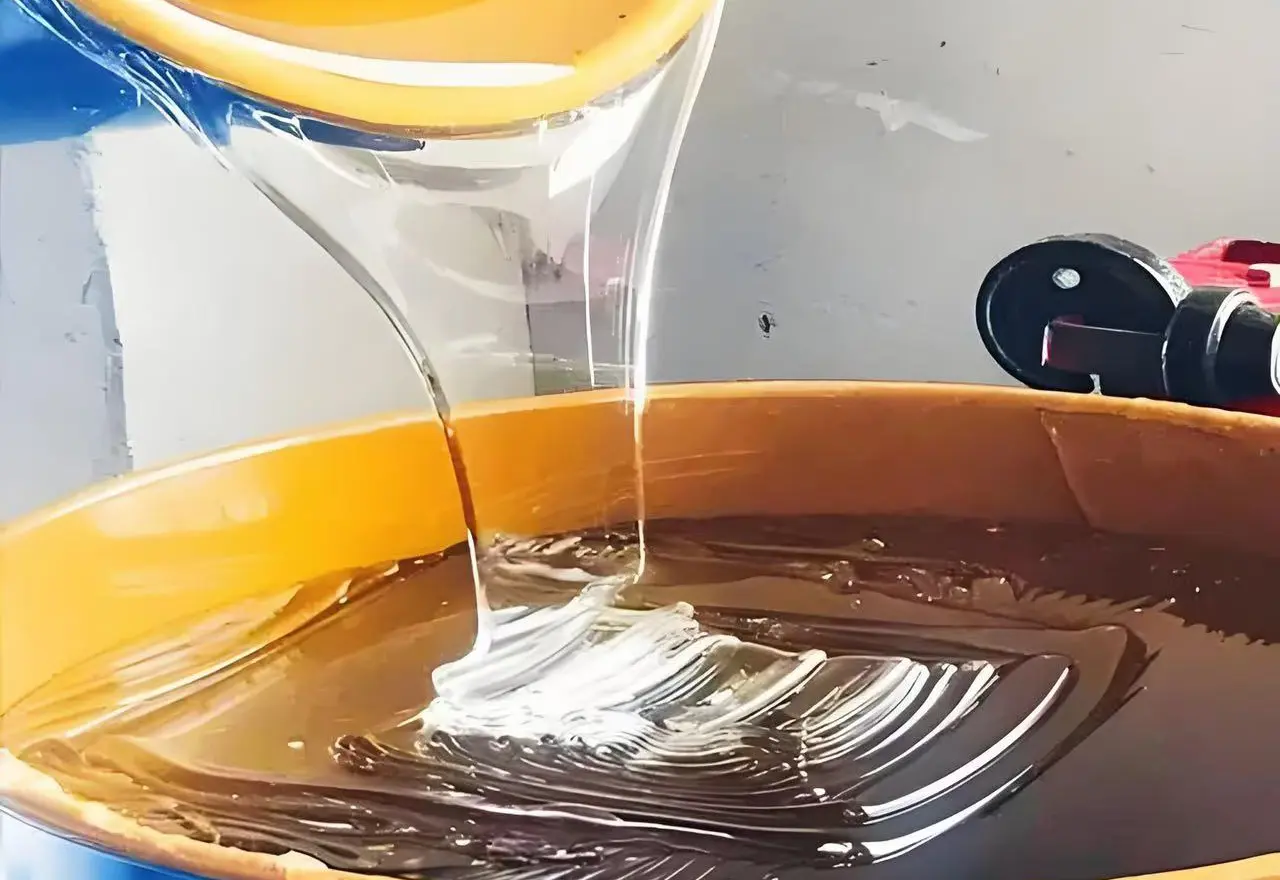
High Phenyl Silicone Oil (scientifically classified within the category of polyphenylmethyldimethylsiloxane and methylphenyl siloxane copolymers) represents a peak innovation in organosilicone science. The incorporation of aromatic phenyl groups into the siloxane backbone replaces standard methyl substituents, which essentially alters the molecular structure. This structural substitution reduces molecular packing and introduces steric hindrance, resulting in remarkable properties.
Specifically, the ratio of phenyl-to-methyl groups determines the oil's thermodynamic thresholds. Low phenyl silicone oils offer low-temperature fluidity, whereas High Phenyl Silicone Oils (typically possessing phenyl molar concentrations greater than 30% to 50%) provide superior high-temperature thermal stability and high refractive indexes. These oils remain stable at temperatures exceeding 250°C and can withstand spikes up to 350°C. Standard polydimethylsiloxanes (PDMS) deteriorate under these conditions. The aromatic rings dissipate energy efficiently, allowing these chemicals to resist radiation and oxidation, which makes them critical for aerospace applications, nuclear facilities, and deep-well drilling rigs.
2. Global Industrial Trends & Strategic Shift Toward Phenyl-Based Synthetics
The transition toward high-performance materials in electronics, defense, and electric vehicles (EVs) has stimulated global demand for high-end organosilicone compounds. Recent market research suggests that the global high phenyl silicone oil market is growing at a compound annual rate (CAGR) of over 6.8%. This growth is driven by three main factors:
- Optical Packaging and High-Density LED Manufacturing: The rise of micro-LEDs and automotive sensor electronics requires encapsulation media with refractive indices of 1.48 to 1.55. High phenyl silicone oils meet these optical demands while maintaining transparency under heat.
- Thermal Interface Materials (TIMs) in Electric Vehicles: Next-generation EV battery setups and power electronics generate high heat. High phenyl silicone oils are used as base oils for thermal greases due to their thermal stability and insulation properties.
- Environmental Regulations: Global manufacturing is shifting away from chlorinated paraffins and toxic synthetic esters. Phenyl silicone oils offer an environmentally compliant alternative that meets strict RoHS and REACH directives.
3. Global Enterprise Procurement: Key Evaluation Criteria
Procuring raw chemicals for multinational operations requires strict quality control. Procurement managers evaluate suppliers on the following criteria to ensure process compatibility and minimize risks:
- Viscosity-Temperature Coefficient (VTC): Premium high phenyl silicone oils must maintain a stable viscosity curve across operating temperatures (-40°C to +250°C) to prevent lubrication failure.
- Volatile Loss and Flash Point: High-vacuum applications require low volatility. Superior formulations maintain volatile loss below 1% at 200°C for 24 hours, with flash points exceeding 300°C.
- Chemical Purity & Trace Element Control: In semiconductor applications, trace metal impurities (like sodium, potassium, or iron) must remain below 1 ppm to avoid dielectric breakdown.
- Batch-to-Batch Consistency: Automated polymer extrusion and optical encapsulation require consistent molecular weight distribution (Mw/Mn). Quality suppliers use DCS automated controls to achieve this.
4. Macro-Industry Solutions & Customized Formulations
Industrial applications rarely rely on "one-size-fits-all" chemical configurations. Boctok Chemical develops macro-industry solutions that adapt our organosilicone portfolio to specific client technologies:
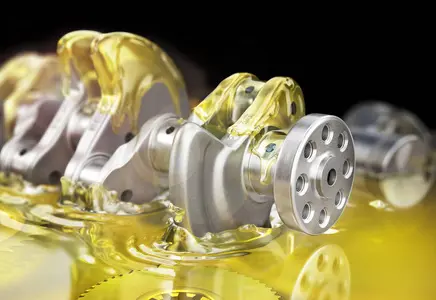
For example, in high-pressure lubrication, we combine methyl phenyl oils with extreme-pressure additives to prevent gear wear. In personal care, cosmetic formulators use customized emulsions of phenyl trimethicone to balance shine, skin spreadability, and compatibility with organic cosmetic ingredients. Our technical teams adjust viscosity levels (from 30 cSt to over 50,000 cSt) to meet customer design requirements.
5. About Shandong Boctok Chemical Co.
Shandong Boctok Chemical Co. was founded in 2012 as a marketing and sales center for Boctok™ domestic and overseas businesses, achieving sales of US$280 million in 2023. The BOCTOK brand specializes in serving the Russian market while supplying high-quality products globally.
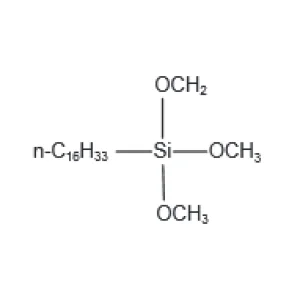
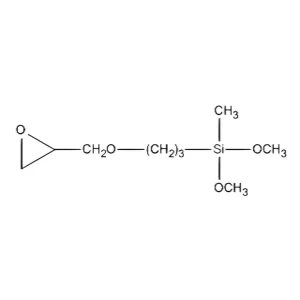
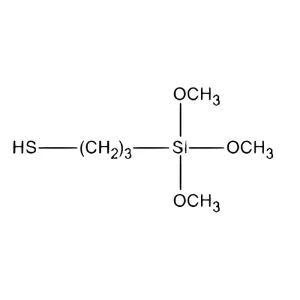
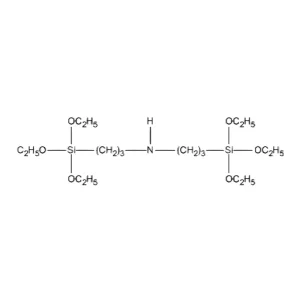
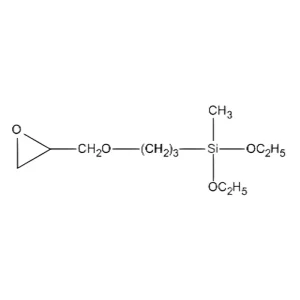
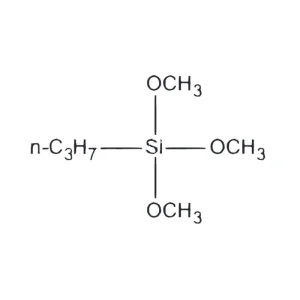
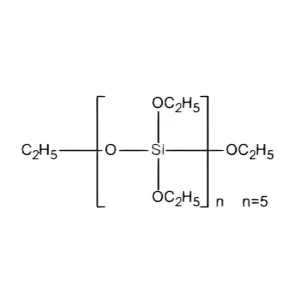
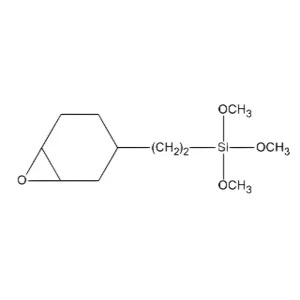
Boctok operates three main product categories. Our core organosilicone business covers twelve series of silane coupling agents and crosslinkers, including: aminosilane, methacrylate silane, epoxy silane, vinyl silane, mercaptosilane, alkyl silane, ethyl silicate, chlorosilane, silane isocyanates, phenyl silane, ureidosilane, and serosilane.
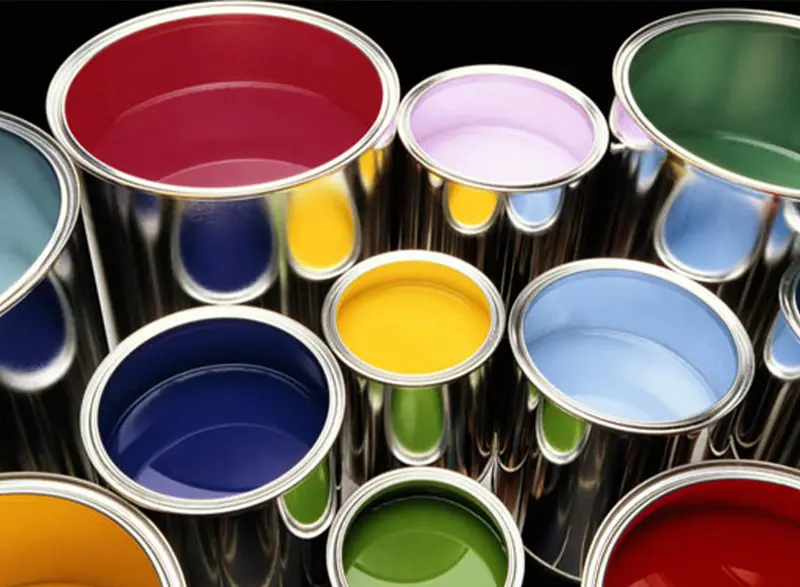
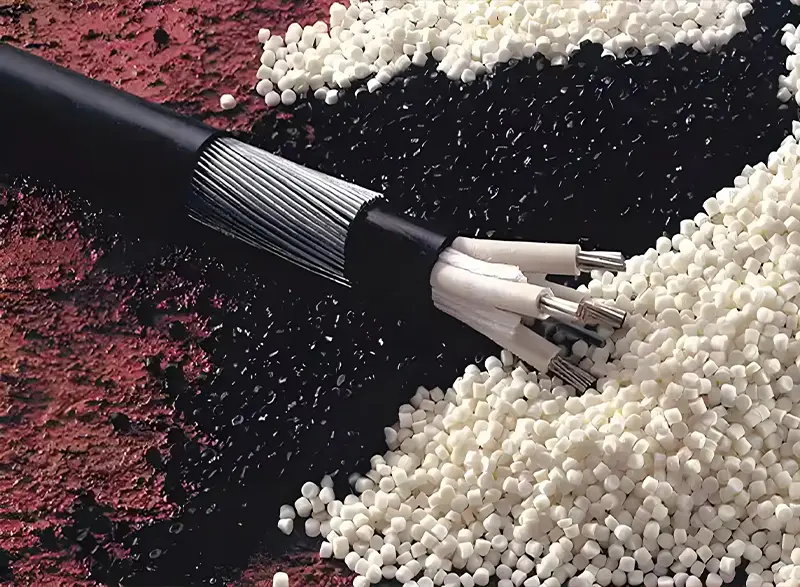
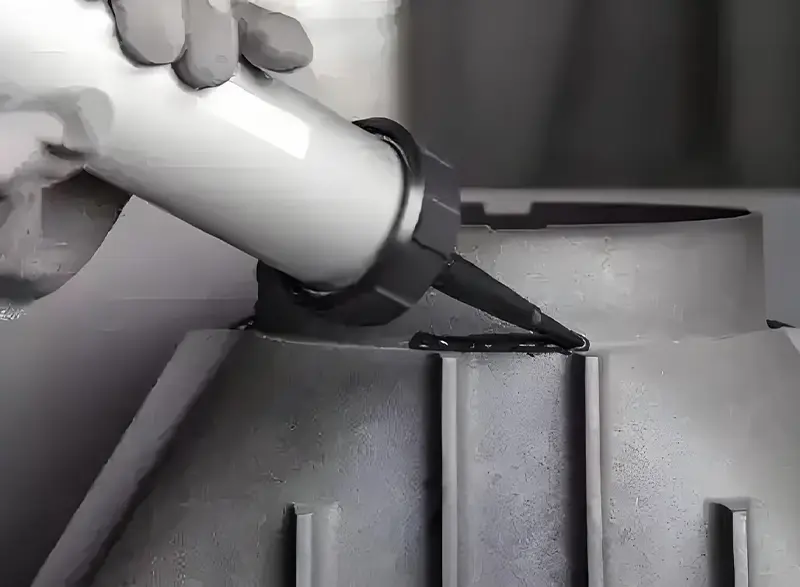
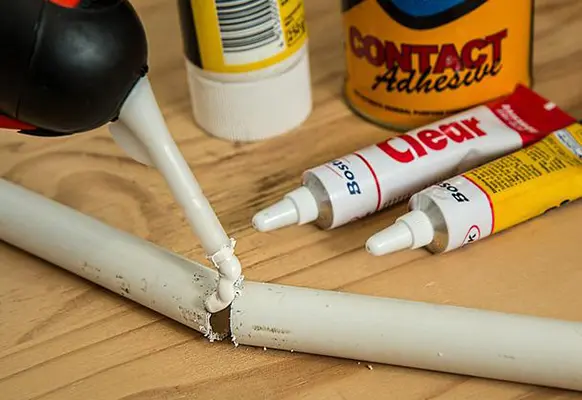
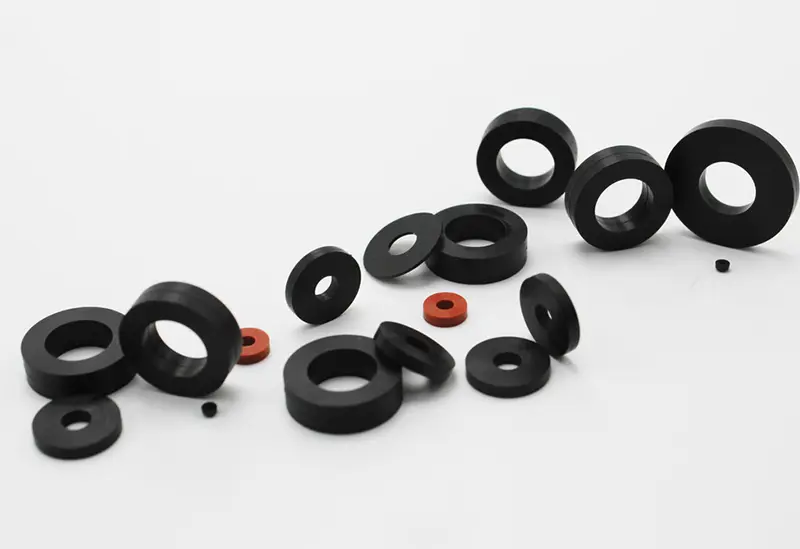
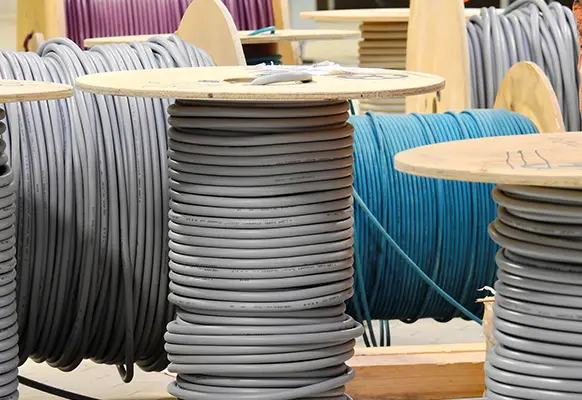
Boctok also focuses on silicone oil, silicone resin, and silicone rubber. This range includes high-hydrogen silicone oil, dimethicone, vinyl silicone oil, polyphenylmethyldimethylsiloxane, phenyl silicone oil, silanol silicone oil, OH polymer, alkoxy silicone oil, methyl MQ resin, vinyl VMQ resin, room-temperature vulcanized methyl silicone rubber, 110 methyl vinyl silicone rubber, and 120 methyl phenyl rubber. These materials are widely used in glass fiber, electronics, wind energy, daily necessities, chemical industry, coatings, adhesives, XLPE electric cables, hot water pipes, oil field drilling, textiles, rubber, and molding to improve the quality and performance of final products.
Industrial Resins & Agrochemicals
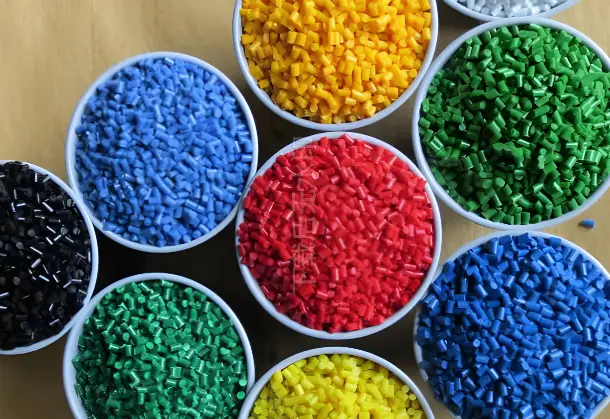
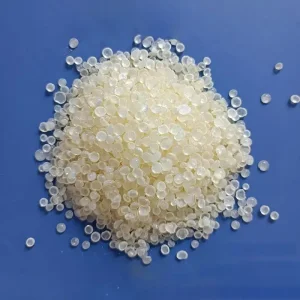
Boctok's Tier II core business is petroleum resins. We have invested in a key hydrocarbon resin manufacturer in China. We currently have three operating hydrocarbon resin factories located in Zibo, Fushun, and Nanjing. Taking advantage of reliable and abundant raw materials from SINOPEC and PetroChina, our advanced production facilities, and our decades of marketing experience, our products are widely used by customers, including many Fortune 500 companies, in both domestic and overseas markets. These products include C9 hydrogenated resins, C5 hydrocarbon resins, C5 modified C9 hydrocarbon resins, C9 hydrocarbon resins, dicyclopentadiene, and methyl cyclopentadiene dimer.
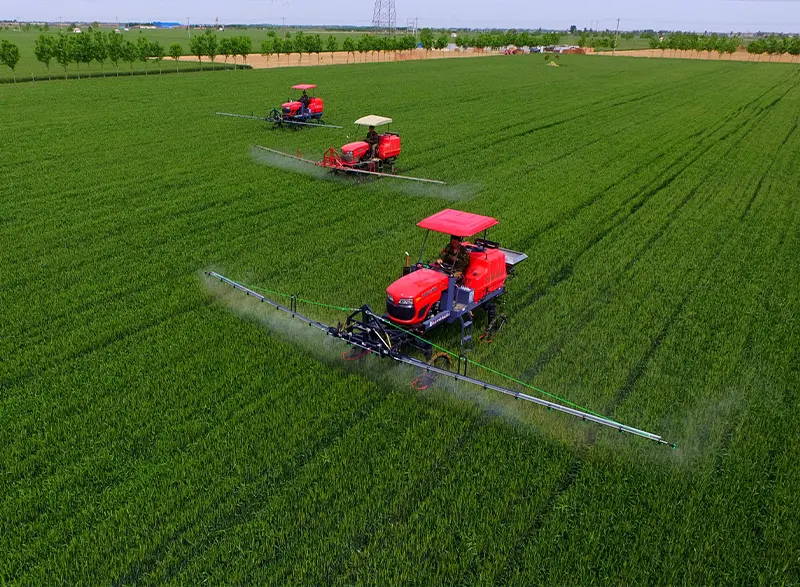
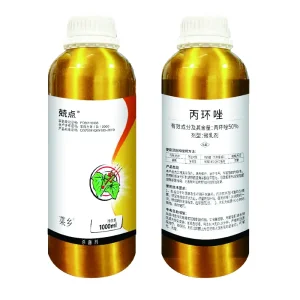
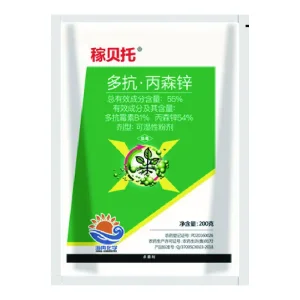
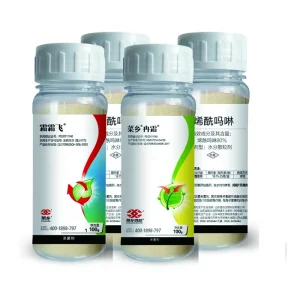
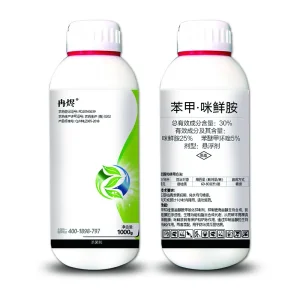
Boctok also focuses on the agrochemical industry. It produces intermediates and raw materials for the production of pesticides, fungicides, insecticides, seed treatments, herbicides, plant growth regulators, and more.



6. Global Infrastructure, Logistics & Localization
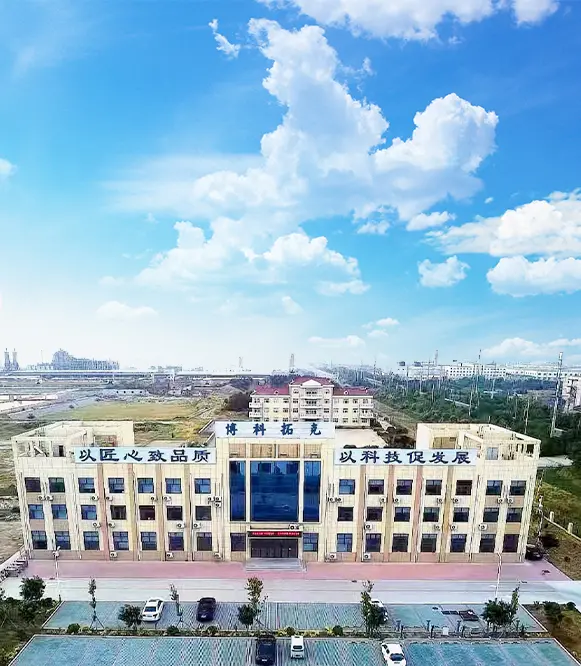
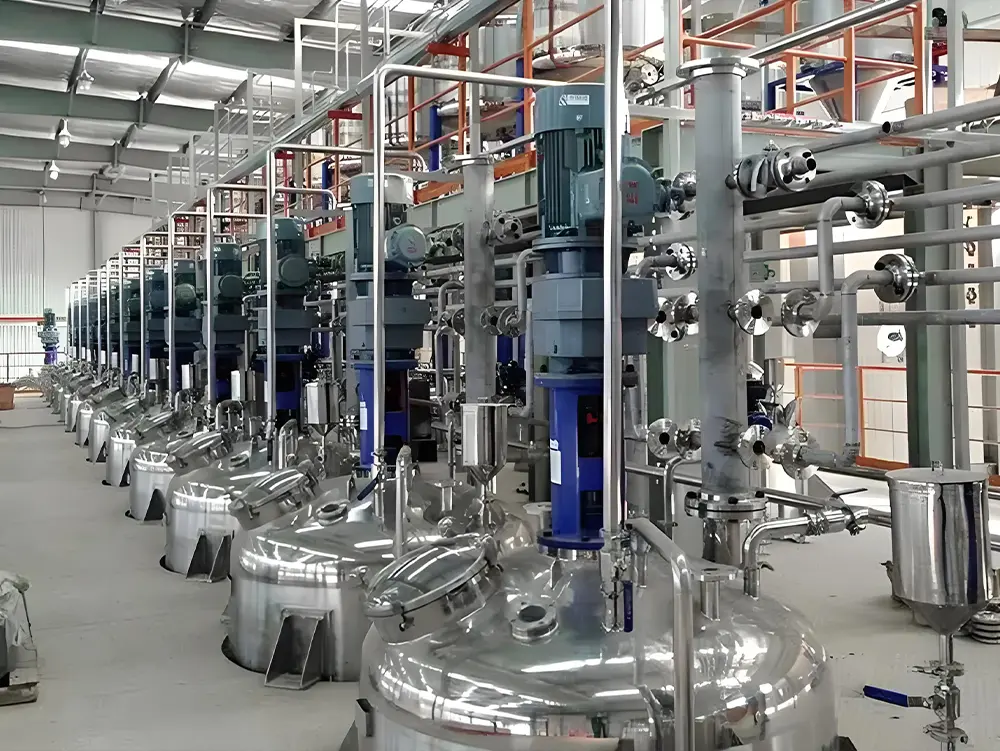
Boctok recently invested US$65 million to build a new plant in Bohai Industrial Park, a provincial chemical industry park in Shouguang City, Shandong Province. This facility expands our silane coupling agent production chain and features 6 automatic DCS production lines with an annual output of 30,000 tons.
The production lines in the new factory are equipped with DCS automatic remote control systems, SIS safety instrument systems, and other safety equipment. We implement ISO9001 quality management standards throughout the manufacturing process to ensure consistent chemical quality. To protect the environment, we built integrated waste gas collection and wastewater treatment facilities on site.
Our products are sold throughout China and exported to North America, Europe, Japan, South Korea, Australia, South America, the Middle East, India, Southeast Asia, and Russia. This global network allows us to coordinate logistics, assist with customs, and provide local regulatory support (including REACH registrations and safety data documentation).
7. Technical Roadmap & Future R&D Horizons
As industrial demands evolve, our chemical research teams focus on three key development paths:
- Ultra-High Refractive Indexes: Developing phenyl silicones with refractive indexes above 1.57 by adjusting molecular architecture to introduce high-density aromatic networks.
- Hybrid Fluorosilicone Materials: Combining fluorocarbon stability with phenyl thermal resistance to create solvents that resist aggressive chemicals and extreme heat.
- Sustainable Processing: Developing green synthesis routes that eliminate hazardous side-products and reduce energy consumption during silane polymerization.