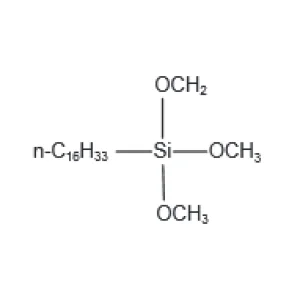
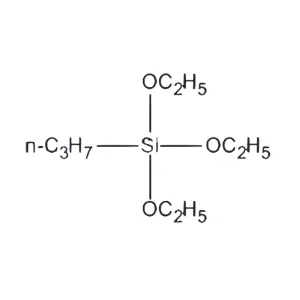
In the rapidly advancing arena of material science, interfaces play a definitive role in structural integrity, longevity, and environmental resistance. Among the various chemical families utilized to manage interfacial dynamics, Dodecyltriethoxysilane has emerged as an indispensable component. As a long-chain alkyl functional silane, it provides unique properties that differentiate it from short-chain alternatives. Featuring a dodecyl ($C_{12}$) carbon backbone, it delivers a powerful balance between steric hindrance, hydrophobic shielding, and stable network integration.
Industrial procurers and design engineers rely on Dodecyltriethoxysilane to address critical vulnerabilities in composite materials, protective sealants, and functionalized mineral coatings. The chemical mechanism relies on its dual reactivity: three hydrolyzable ethoxy groups bond covalently with inorganic hydroxyl-rich surfaces, while the non-polar, long-chain alkyl tail projects outward. This creates a dense, self-assembled monolayer (SAM) that acts as an impermeable barrier against liquid water, moisture vapor, and corrosive ions.
The long $C_{12}$ alkyl tail provides exceptional water-repellent properties. Unlike shorter chains, it forms a robust steric barrier that minimizes surface tension, preventing liquid ingress while preserving vapor permeability.
Covalent Si-O-Si bonds formed on treated substrates withstand high temperatures and ultraviolet exposure, ensuring the protective barrier remains intact long after organic coatings degrade.
By modifying mineral filler surfaces (like silica, kaolin, or alumina), it improves matrix-particle interactions within polymers, lowering processing viscosity and enhancing mechanical strength.
The global market for advanced silane coupling agents is undergoing structural shifts. Industrial demand is increasingly driven by modern building standards, chemical regulations, and performance expectations in harsh environments. In North America and Europe, chemical safety laws like REACH encourage clean-label alternatives and low-VOC (volatile organic compound) materials. Dodecyltriethoxysilane satisfies these regulatory conditions by releasing ethanol upon hydrolysis, which offers a lower environmental footprint than methoxy-silanes that yield toxic methanol.
Global procurement teams recognize that sourcing specialized silanes is not merely about finding the lowest cost per metric ton; it requires verifying supplier compliance, chemical purity, and logistical resilience. To meet these needs, leading manufacturers must demonstrate trace-level analytical transparency using Gas Chromatography (GC) and FTIR spectroscopy to confirm the active ingredient concentration meets standard thresholds.
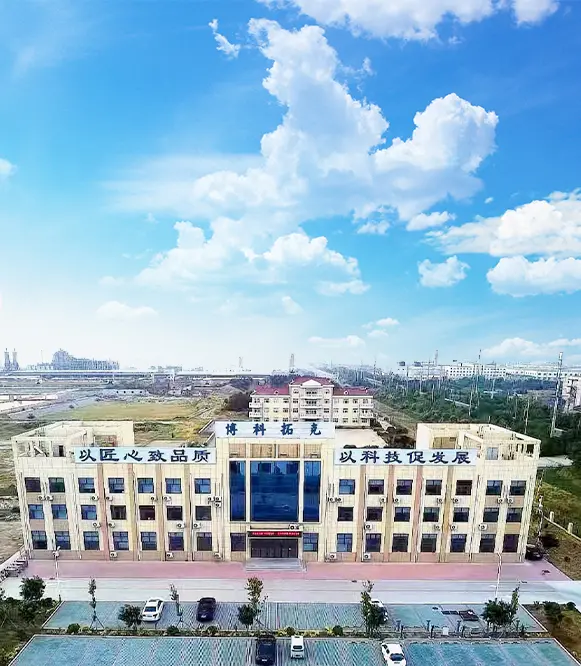
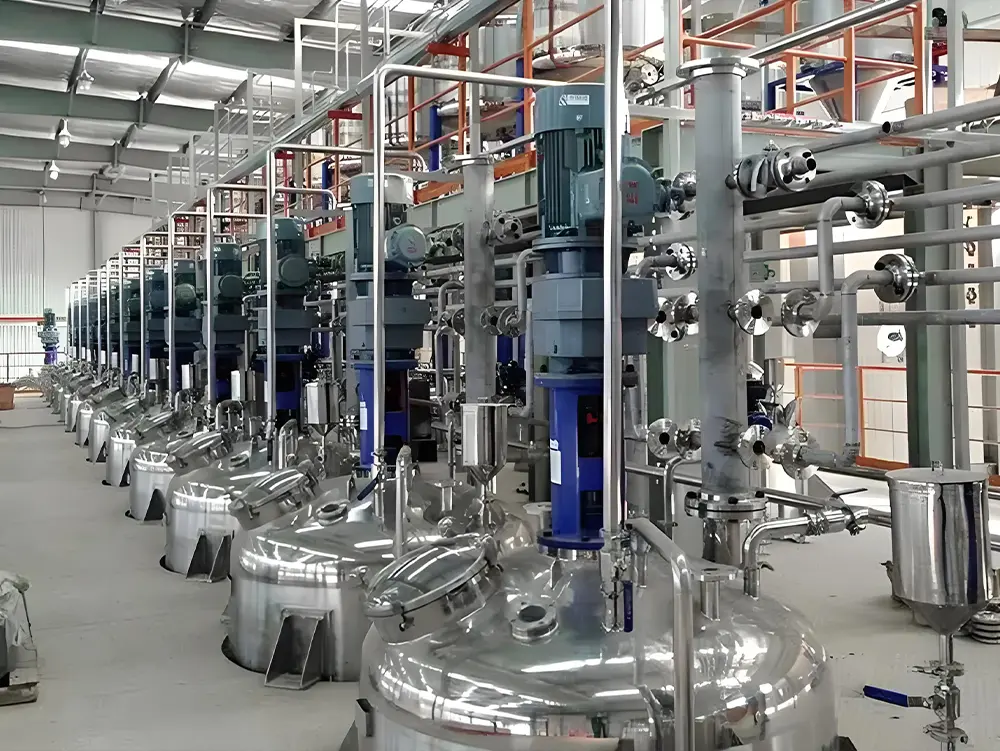
China's chemical manufacturing sector has evolved from a volume-focused industry to a technology-driven, environmentally responsible ecosystem. Modern Chinese silane production facilities deploy Factory 4.0 automation, integrating Distributed Control Systems (DCS) and Safety Instrumented Systems (SIS) across the manufacturing process. These platforms monitor pressure, temperature, and feeding ratios in real time, mitigating human error and guaranteeing consistent product quality.
This automation is key to managing the supply chain volatility that affects international procurement. Leading manufacturers like Shandong Boctok Chemical Co. invest in integrated supply networks, drawing raw materials from domestic suppliers like SINOPEC and PetroChina. This deep integration buffers global buyers against fluctuations in monomer supply, ensuring reliable production schedules and predictable lead times even during global shipping disruptions.
Founded in 2012, Shandong Boctok Chemical Co. has grown to become a prominent supplier and manufacturer of organosilicones, petroleum resins, and agrochemical products. In 2023, the group achieved total sales of US$280 million, reinforcing its position as a major player in domestic and overseas markets. Leveraging the specialized BOCTOK brand, the company maintains a dedicated focus on serving key international regions, including the Russian market.
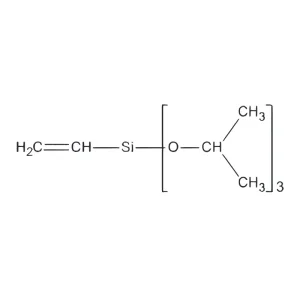
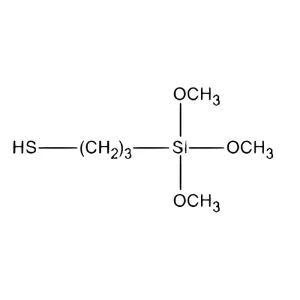
Boctok’s core organosilicon portfolio spans twelve series of silane coupling agents and crosslinkers. These include:
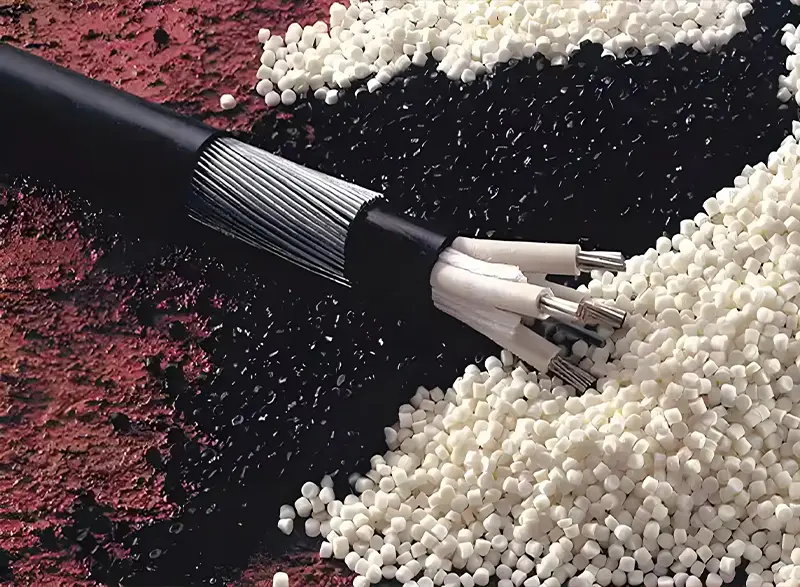
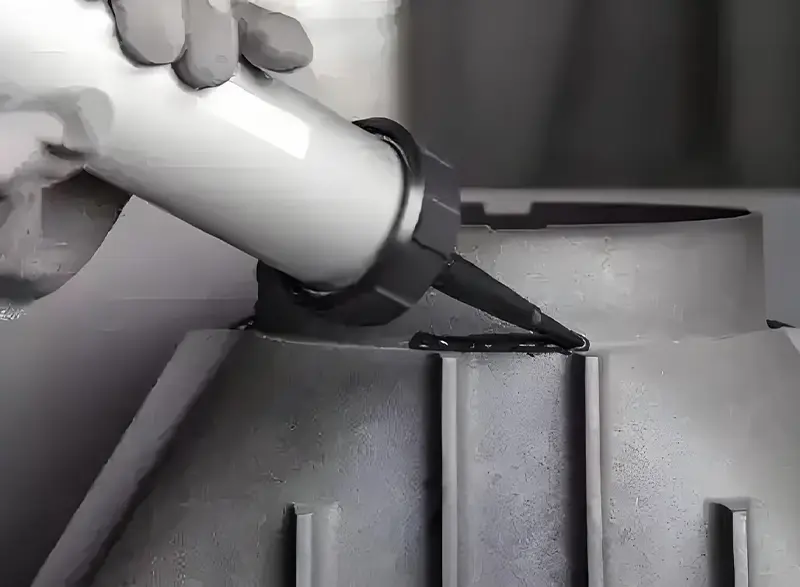
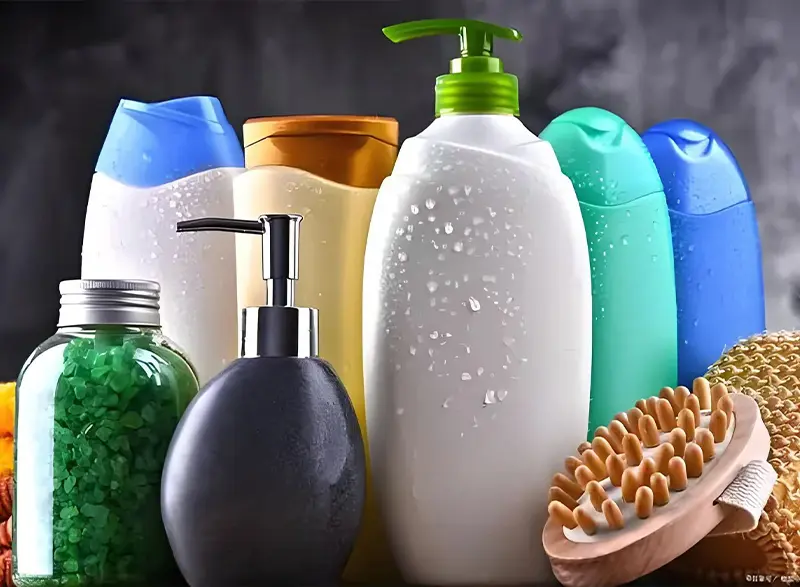
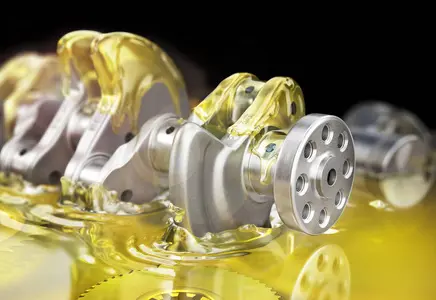
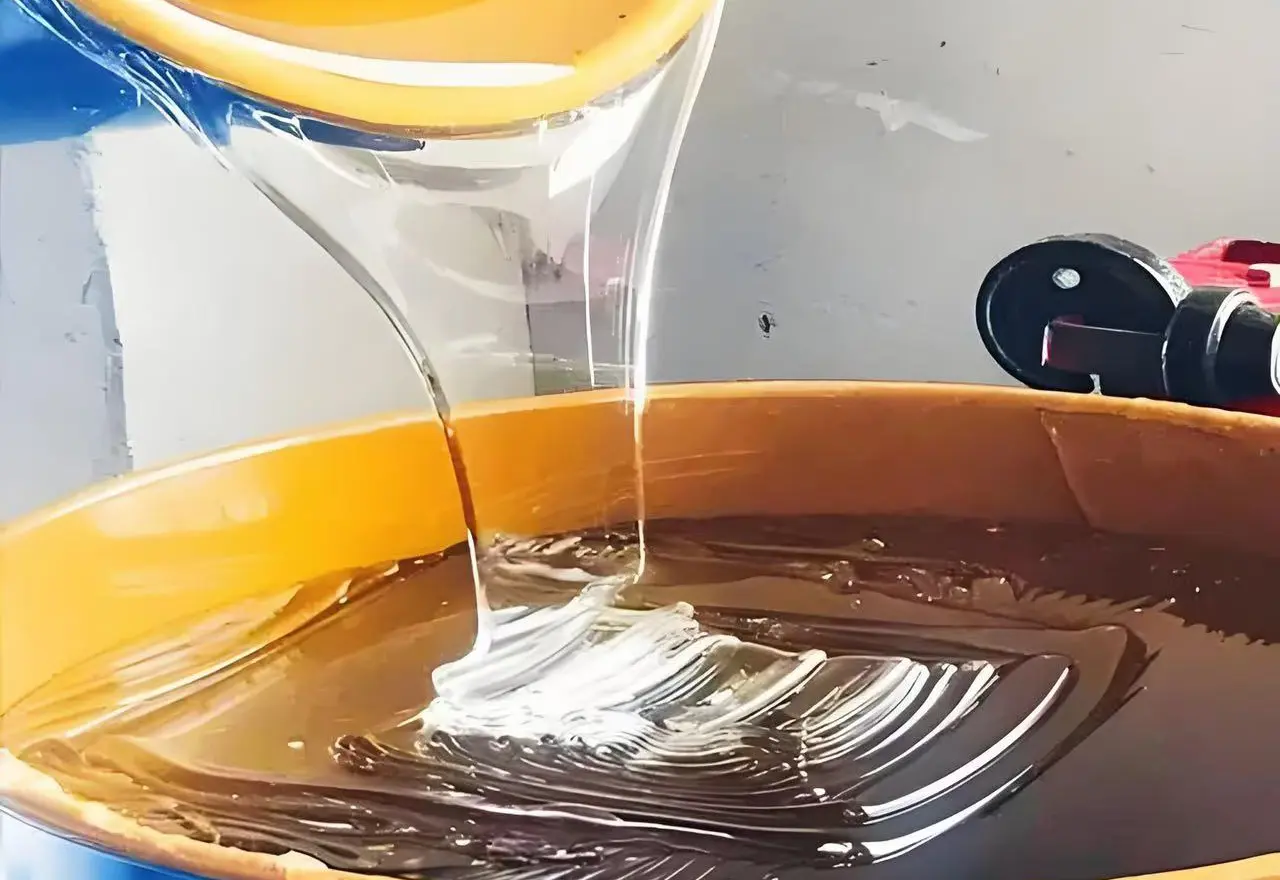
Beyond silanes, Boctok offers high-performance silicone fluids and gums, such as high-hydrogen silicone oil, dimethicone, vinyl silicone oil, and specialized methyl MQ resins. These products are widely utilized in glass fiber composites, wind energy systems, electrical cables, coatings, adhesives, and cosmetics.
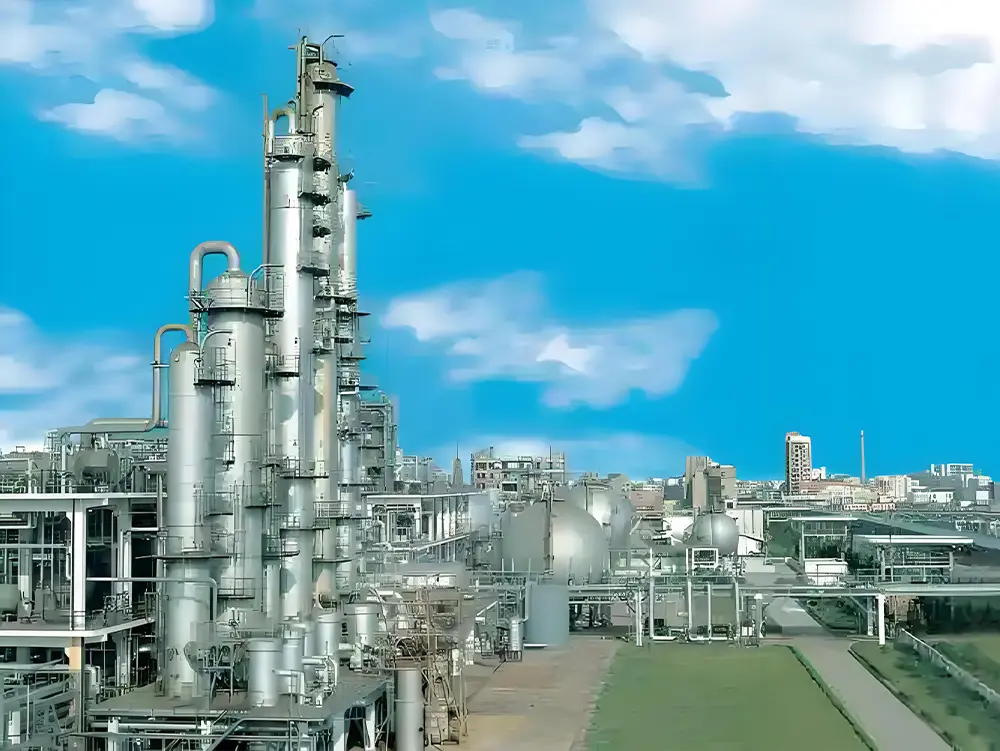
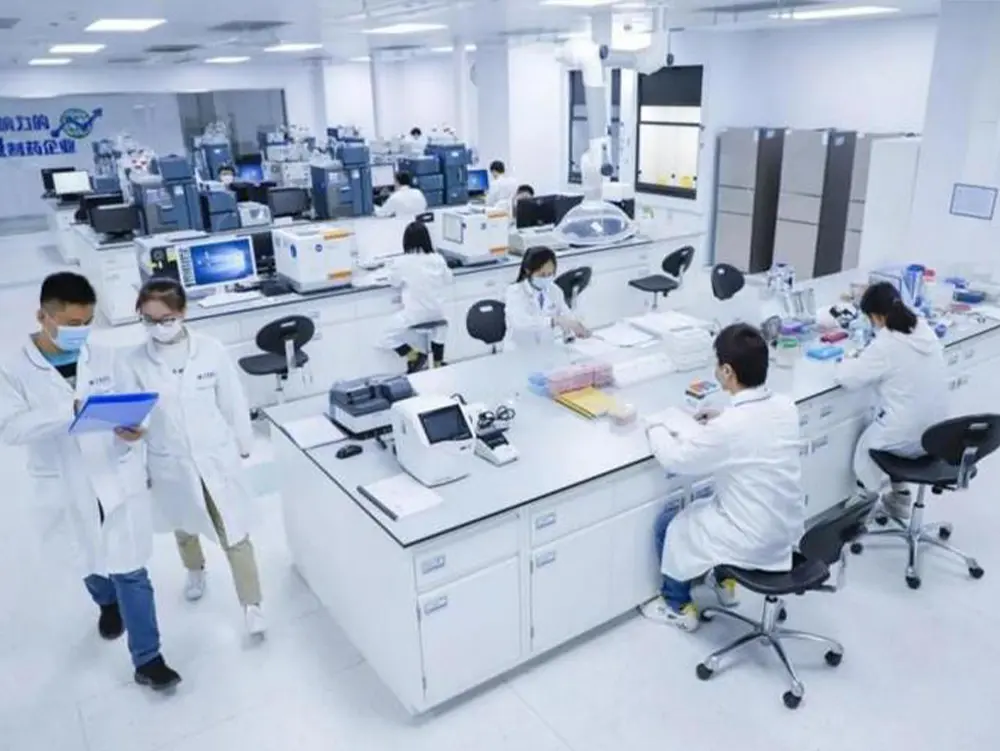
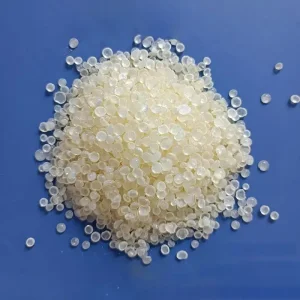
Boctok’s secondary core business focuses on high-purity petroleum resins. Partnering with major hydrocarbon resin plants in China, Boctok operates three production factories located in Zibo, Fushun, and Nanjing. Drawing feedstocks from SINOPEC and PetroChina, Boctok supplies:
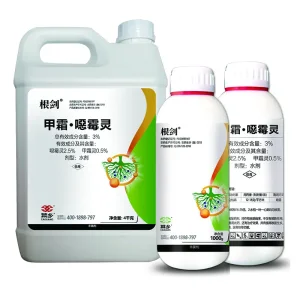
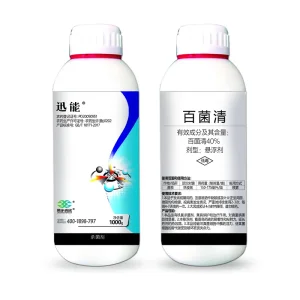
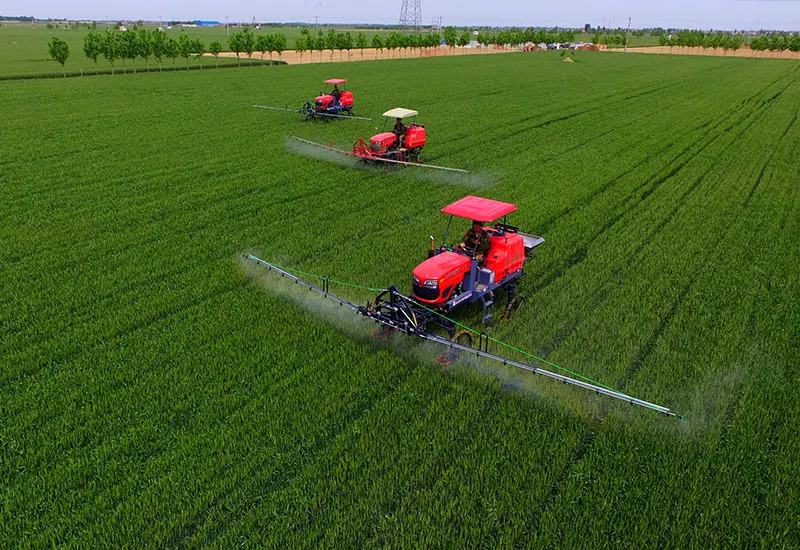
The group also operates a dedicated division for the agricultural sector, manufacturing active intermediates, raw materials for pesticides, fungicides, seed treatments, and plant growth regulators.
Boctok recently completed a US$65 million expansion in Bohai Industrial Park, a provincial chemical industry zone in Shouguang City, Shandong Province. This state-of-the-art facility features 6 fully automated DCS production lines, boosting our annual capacity for silane coupling agents to 30,000 tons.

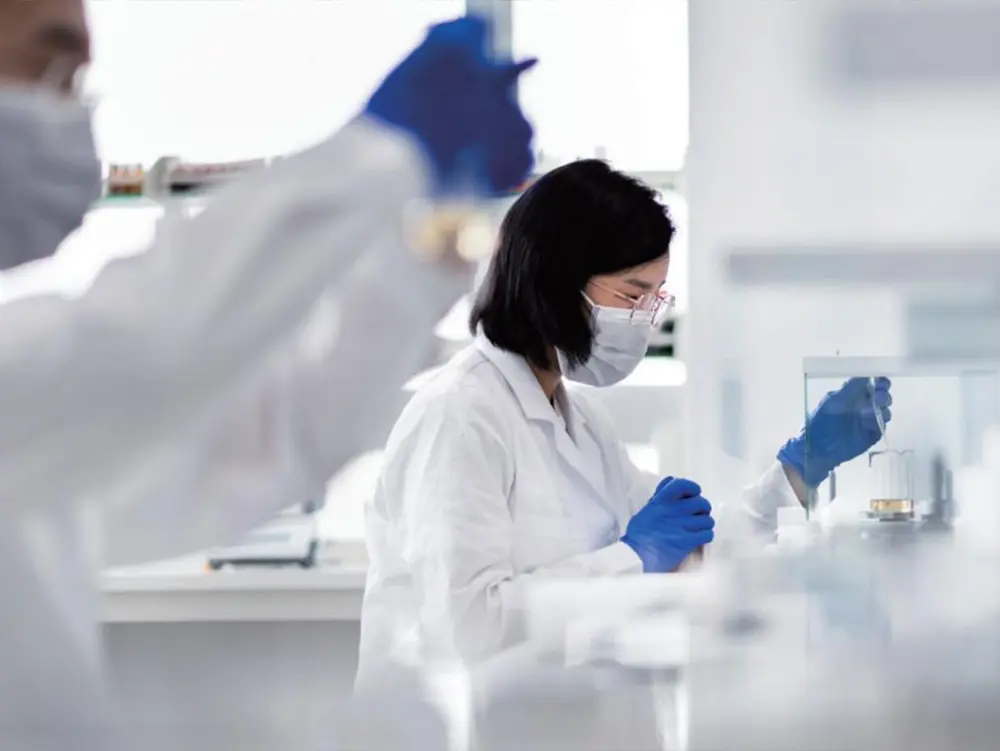
Every batch undergoes rigorous quality validation, implementing ISO9001 standards at every step to verify active content, viscosity, refractive index, and color value.

Our automated DCS lines and SIS safety systems allow us to scale production efficiently, facilitating bulk contract processing and custom configurations.

Our technical support team is online 24 hours a day, providing logistics tracking, customs documentation support, and custom synthesis consultation.

We operate an optimized supply chain with dedicated logistics partners, ensuring timely container delivery to destinations in North America, Europe, Asia, and Russia.
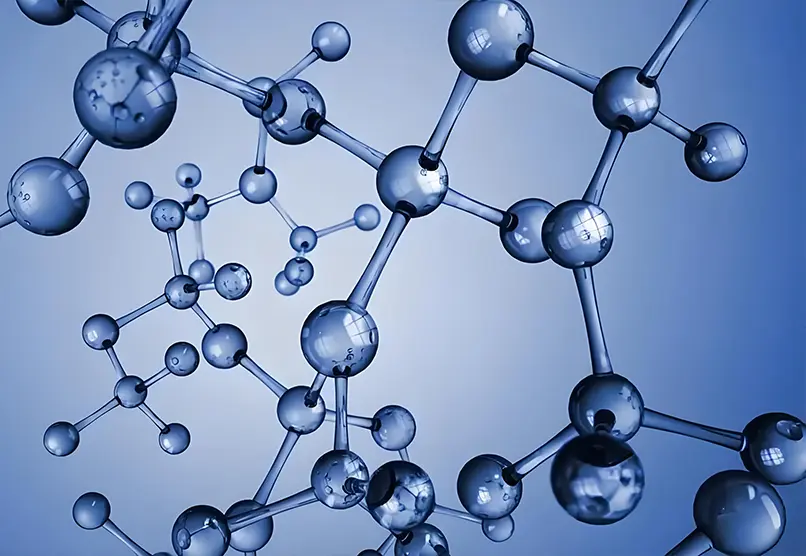
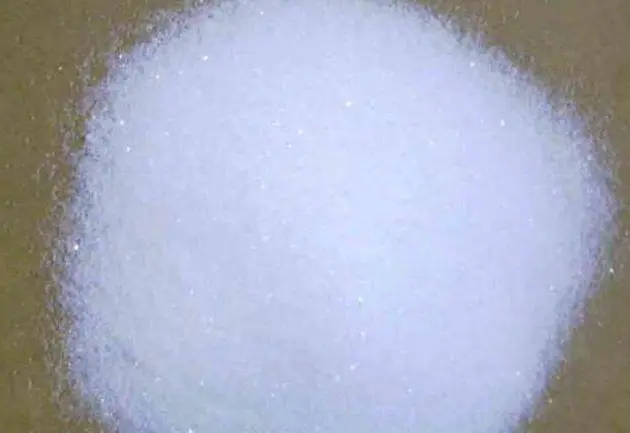
High-purity silane coupling agents, specialized crosslinkers, silicone rubber, and MQ resins configured for demanding industrial requirements.
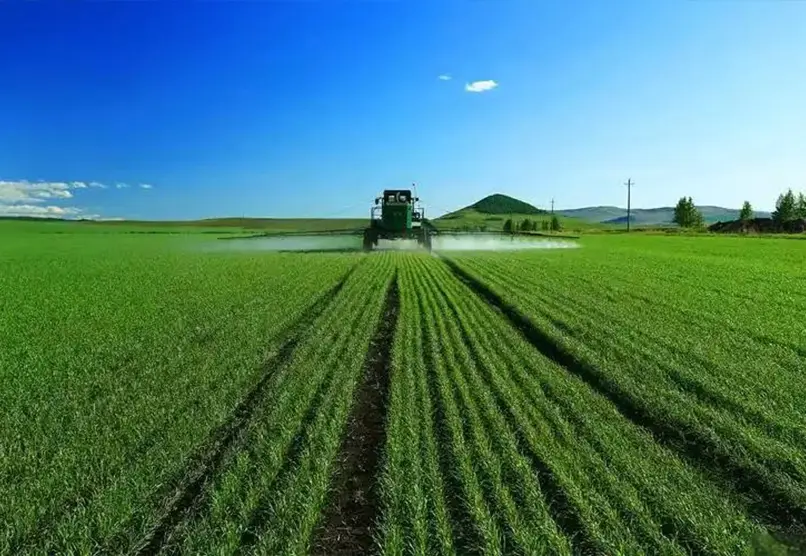
Pesticide intermediates, crop protection compounds, fungicides, and customized growth regulators manufactured to strict safety standards.
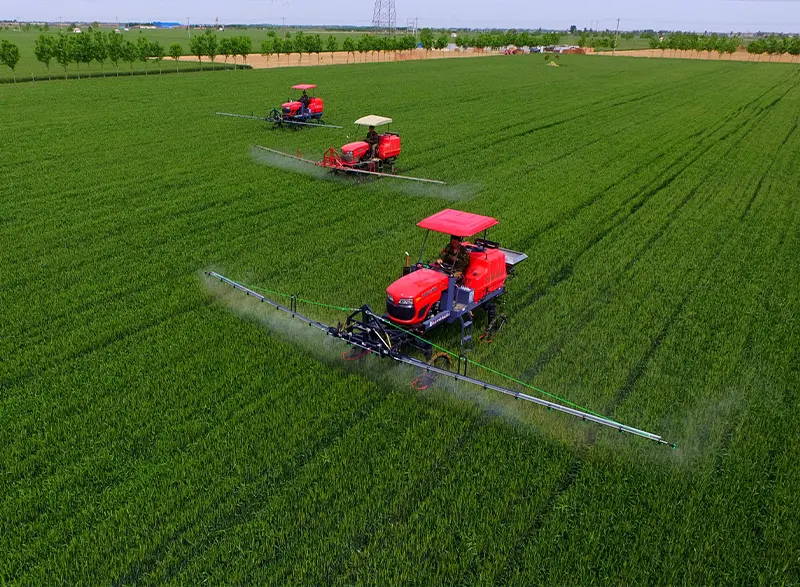











 Boctok Chemical