Famous Dimethyl Silicone Oil Companies & Factory

A Comprehensive Industry Whitepaper on Global Sourcing, Technical Specifications, and Supply Chain Integration

Global Industry Landscape of Dimethyl Silicone Oil

Dimethyl Silicone Oil, chemically identified as Polydimethylsiloxane (PDMS), stands as a cornerstone in modern industrial chemistry. Characterized by its exceptional thermal stability, shear resistance, dielectric properties, and chemical inertness, it plays a vital role across automotive, electronics, textile, cosmetics, and pharmaceutical sectors. As global manufacturing demands shift toward materials with heightened precision and longer lifespans, identifying a trustworthy, large-scale manufacturer becomes a strategic priority for global procurement networks.

Shandong Boctok Chemical Co., founded in 2012, operates as a leading hub for organosilicone, petroleum resins, and agrochemical intermediates. Through continuous engineering innovation and a robust international sales network, Boctok recorded US$280 million in sales in 2023. Under its specialized BOCTOK™ brand, the company has developed deep-seated partnerships across domestic Chinese markets, North America, Europe, East Asia, and notably the Russian industrial sector. By integrating cutting-edge manufacturing facilities with strict quality controls, Boctok provides consistent product supplies to Fortune 500 enterprises and specialized manufacturing operations worldwide.
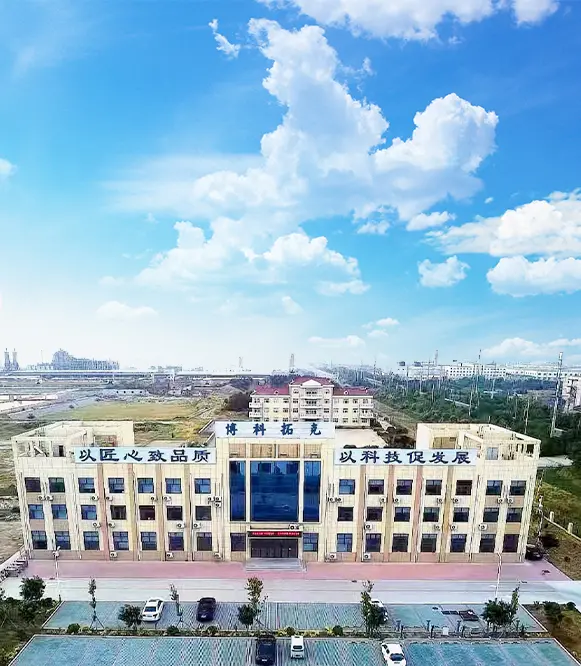
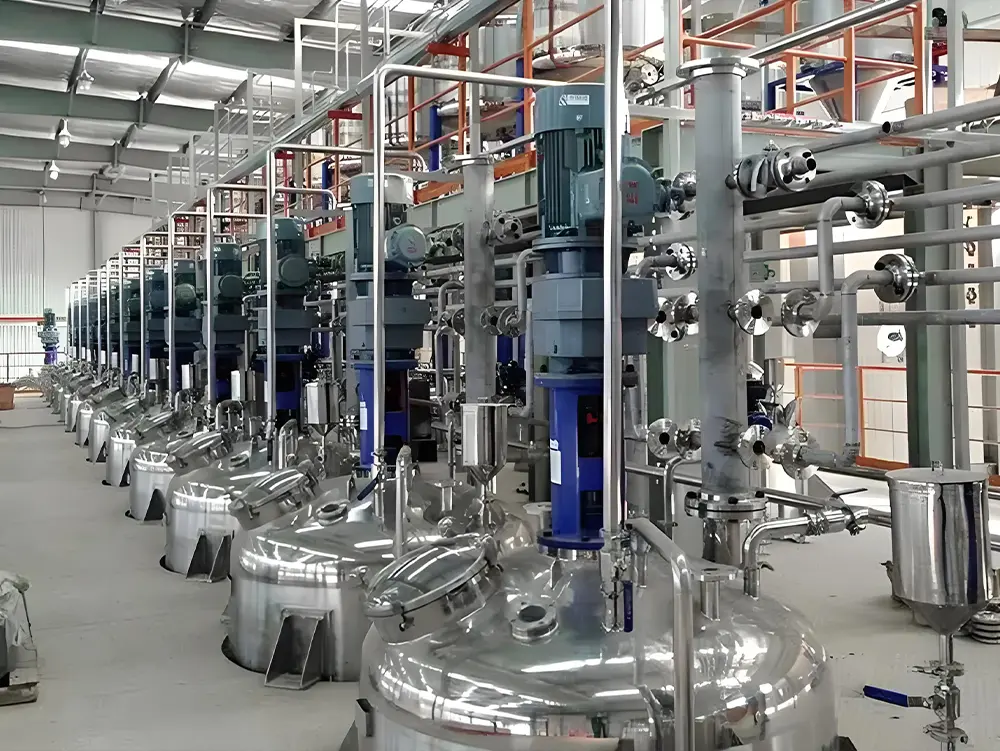
Boctok Chemical Industry Facility Overview

Global Sourcing Drivers & Industrial Trends

Crucial factors shaping the procurement pathways and technical requirements of dimethyl silicone oil on a global scale.

1. High-Viscosity Calibration

Industrial application environments demand exact, temperature-resistant viscosity indices. Modern manufacturers rely on automated polymerization systems to synthesize narrow-distribution molecular weight profiles, ensuring consistent viscosity ranging from 0.65 cSt up to 1,000,000 cSt.

2. Low Volatile Cyclic Siloxanes

With strict global regulations (such as EU REACH) targeting trace amounts of D4, D5, and D6 cyclic siloxanes, high-tier chemical plants utilize thin-film evaporators and multi-stage vacuum stripping to maintain volatile content below industry-mandated limits.

3. Environmental & Bio-Compatibility

Non-toxicity, biological inertness, and compliance with cosmetic and FDA regulations make dimethyl silicone oil the standard carrier in skincare formulations, medical-grade lubricants, and food-contact releases.

China Factory 4.0: Supply Chain Resilience & Smart Controls

To secure absolute chemical consistency, Shandong Boctok Chemical Co. invested US$65 million to establish a modern plant in Bohai Industrial Park, a certified chemical zone in Shouguang City, Shandong Province. Spanning 6 automated DCS lines with a dedicated capacity of 30,000 tons of silane coupling agents and silicone compounds, this installation is designed to meet complex demands.

  • DCS Automated Integration: Production lines feature remote Distributed Control Systems (DCS), reducing manual intervention and optimizing the polymerization reaction window.
  • Safety Instrumented System (SIS): Built-in SIS automated units instantly control pressure variations and feed ratios, ensuring safe operating parameters during catalytic cracking and balancing.
  • Environmental Stewardship: Comprehensive emissions recovery systems capture volatile gases, while an on-site wastewater treatment plant handles process effluents, aligning with global green procurement audits.
$280M
Sales Achieved in 2023
$65M
Investment in Shouguang Plant
30,000 T
Annual Silane & Organosilicone Output

Technical Specification & Viscosity Profiles

Typical physical and chemical properties of Polydimethylsiloxane (Dimethyl Silicone Oil) across diverse viscosities.

Property / Grade Low Viscosity (0.65 - 20 cSt) Medium Viscosity (50 - 1,000 cSt) High Viscosity (5,000 - 60,000 cSt) Super-High Viscosity (>100k cSt)
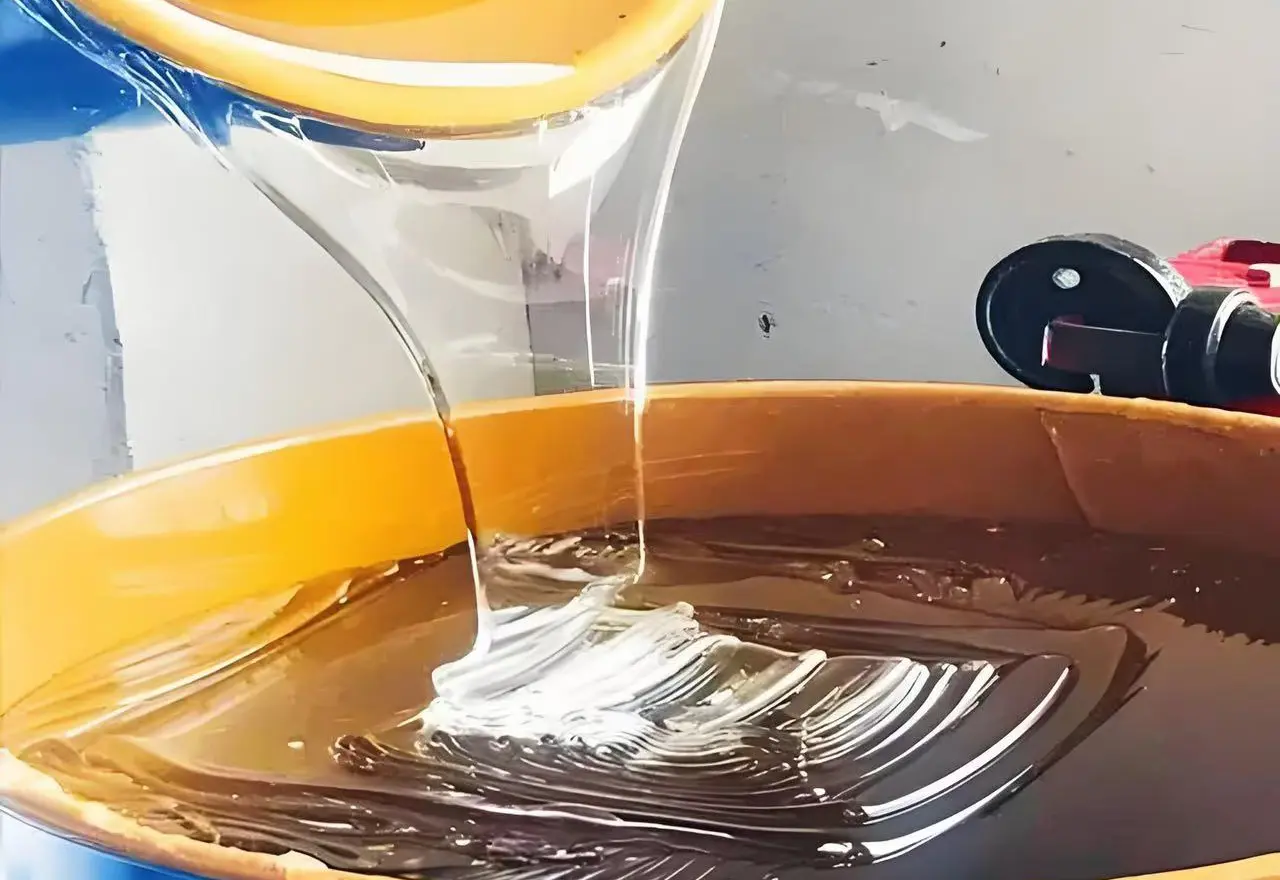
Appearance Water-white transparent liquid Water-white transparent liquid Water-white clear fluid Highly viscous clear gel-like fluid
Flash Point (°C) 35 to 220 °C > 280 °C > 310 °C > 315 °C
Specific Gravity (25°C) 0.760 - 0.950 0.960 - 0.970 0.971 - 0.975 0.976 - 0.978
Refractive Index (25°C) 1.380 - 1.398 1.400 - 1.403 1.403 - 1.404 1.404 - 1.405
Volatile Content (150°C, 2h) ≤ 10.0% (grade dependent) ≤ 1.0% ≤ 0.8% ≤ 0.5%
Volatility / Low D4-D6 Stripped grades available Certified Low-D4 < 0.1% Certified Low-D4 < 0.1% Certified Low-D4 < 0.1%

Cross-Industry Application Scenarios

From industrial insulation to biological agriculture, dimethyl silicone oil and related resin derivatives optimize key product properties.


Chemical Material Classification
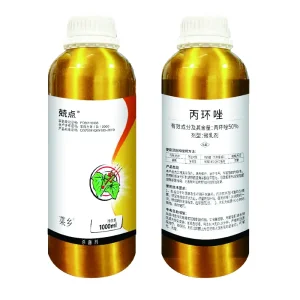
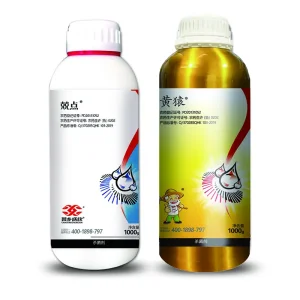
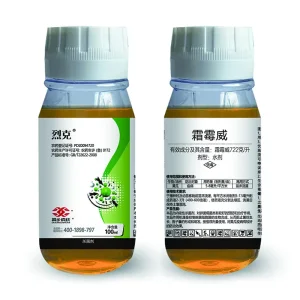
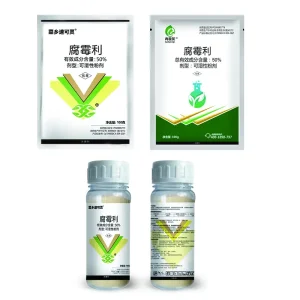
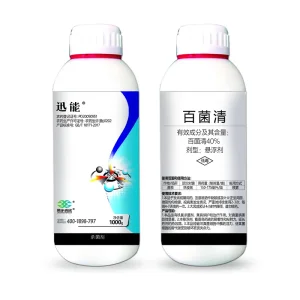
Pesticides and Formulation Adjustments
Pesticides & Agrochemical Synergists
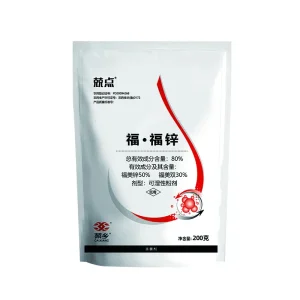
Pesticides - Fertilizers
Pesticides - Melons and Fruits
Pesticides - Melons & Fruits
Pesticides - Flora
Pesticides - Flora Support
Pesticides - agricultural crops
Pesticides - Agricultural Crops
Pesticides - Vegetables
Pesticides - Vegetable Formulations
Petroleum resins - coatings
Petroleum Resins - Coatings
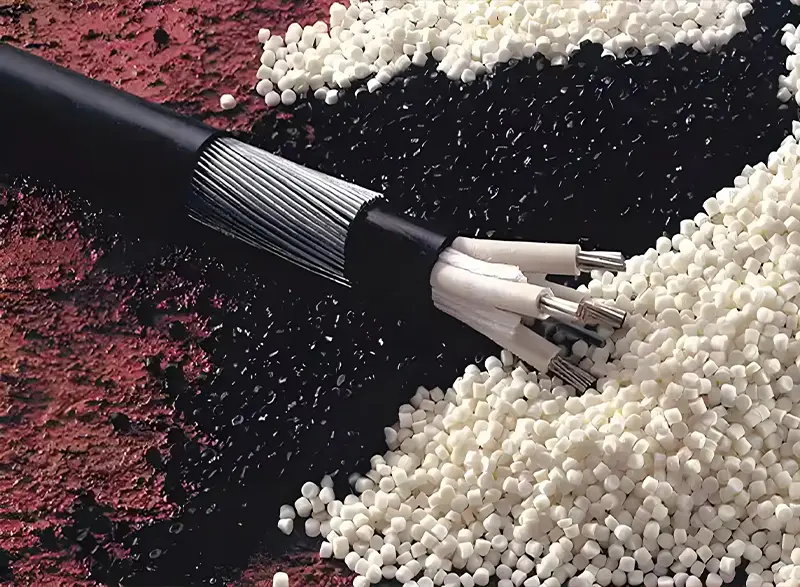
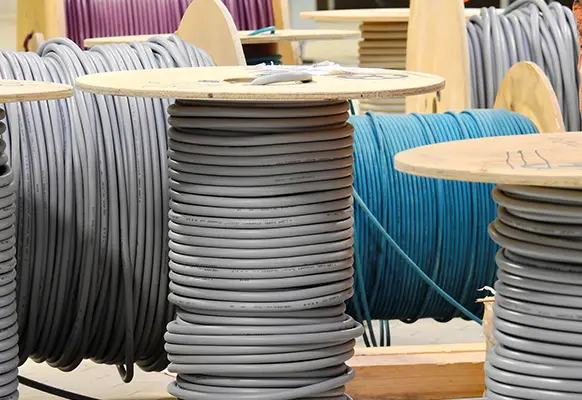
Silicones - cable materials and casting materials
Silicones - Cable & Casting Materials
Silicone textiles
Silicone Textiles Treatment
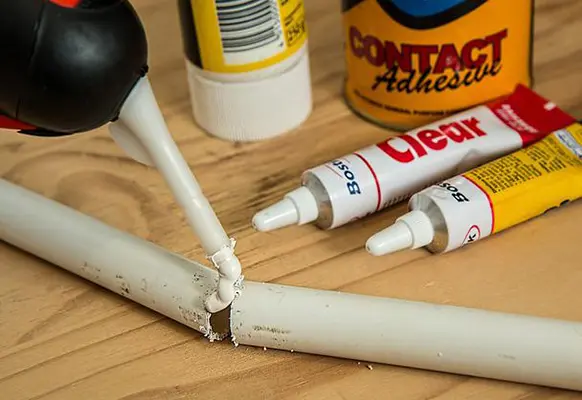
Silicone adhesives
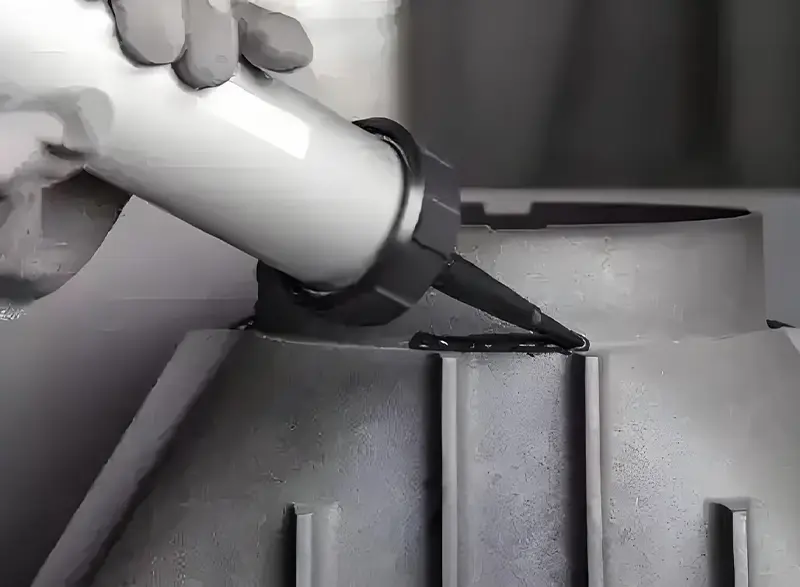
Silicone Adhesives & Sealants
Organic silicone is a daily chemical
Organic Silicone Daily Chemicals
Pharmaceutical and Pesticide Industry
Pharmaceutical & Pesticide Industry
Cosmetics and Personal Care Products (Petroleum Resins)
Cosmetics & Personal Care (Resins)
Industrial Adhesives (Petroleum Resins)
Rubber Industry
Rubber Industry Processes
Paints and Coatings (Petroleum Resins)
Paints & Coatings (Resins)
Plastics Industry (Petroleum Resins)
Pesticides Sourcing
Pesticides Solutions
Self-lubricating LSR
Self-lubricating LSR Compounds
Antifoaming Agent Formulation
Antifoaming Agents
Drywall Additives
Drywall & Construction Additives
Cosmetics and Personal Care Products (Silicone Oil)
Cosmetics & Personal Care (Silicone)
Silicone Liquids Base
Silicone Liquids
Automotive, Marine and Aviation Industries
Automotive, Marine & Aviation
Forms Mould Release
Mold Release Forms
Electronics Industry Insulators
Electronics Thermal Interface
Construction Industry Sealants
Construction Industry
Construction Adhesives and Sealants
Construction Adhesives & Sealants
Paint and Varnish Coatings protection
Paint & Varnish Coatings
Metal Surface Treatment
Wire and Cable Insulators
Wire & Cable Compounds
Synthesis and Casting of Resins
Synthesis & Casting of Resins
Construction Materials Processing
Wind Turbine Manufacturing
Biomedical Materials
Textile Finishes
Textile Finishing Agents
Processing of Minerals and Fillers
Processing of Minerals & Fillers
Micro- and Trapezoidal Polymers (Silicones)
Micro- & Trapezoidal Polymers
Plastics (Silicon)
Plastics (Silicon modifications)
Adhesives Formulation
Adhesives Formulations
Paints (Silicone)
Paints (Silicone modified)

Operation Architecture & Competitive Advantages

How Shandong Boctok Chemical Co. coordinates global supply pathways, technological design, and regulatory compliance.

Quality Assurance

Our products undergo rigorous testing protocols in advanced chemistry laboratories to ensure that every aspect meets the highest quality standards before shipping.

Production Capacity

We operate advanced, digital production lines that allow us to effectively expand production capacity and meet the demand for mass customization and bulk shipments.

Customer Service

Our professional team is available online 24 hours a day to provide attentive service and answer all technical, logistical, and commercial inquiries.

Fast & Secure Delivery

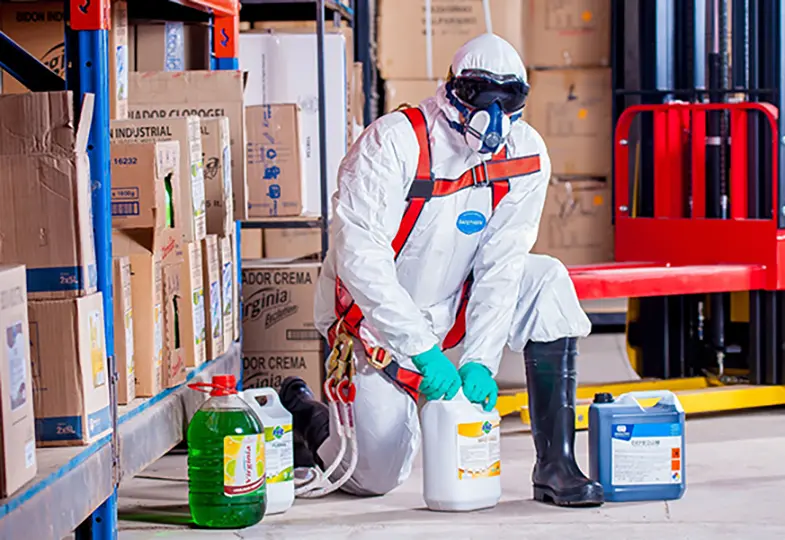
An optimized logistics system ensures fast order processing, dangerous goods shipping documentation compliance, and timely delivery to global ports.

Expert Q&A (Frequently Asked Questions)

Detailed chemical, structural, and procurement insights compiled by senior organosilicone developers.

[Q1] What is the molecular difference between Dimethyl Silicone Oil and Phenyl Silicone Oil?
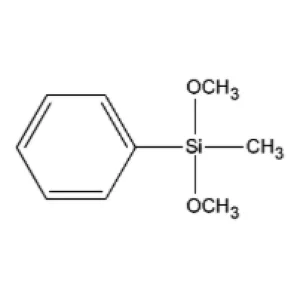
Dimethyl Silicone Oil (PDMS) consists of repeating units of methyl groups attached to the silicon-oxygen backbone. Phenyl Silicone Oil replaces a portion of these methyl groups with phenyl groups (polyphenylmethyldimethylsiloxane). The addition of bulky phenyl rings enhances thermal stability, radiation resistance, and shear performance at low and high temperatures, but increases cost. Dimethyl silicone oil remains the more cost-effective choice for general lubrication, water repellency, and defoaming.
[Q2] How does Boctok Chemical control cyclic volatile siloxanes (D4, D5, D6) in its silicone oil grades?
At our new Shouguang plant, we apply high-vacuum multi-stage stripping columns and specialized thin-film distillation equipment. This process separates volatile, low-molecular-weight rings (D4-D6) from the linear PDMS chains. We offer low-volatile grades with residual levels below 0.1%, complying with European REACH requirements and cosmetics guidelines.

[Q3] Can dimethyl silicone oil be customized to specific viscosities, and what are the testing standards?
Yes. We can blend and synthesize target viscosities from 0.65 cSt to over 1,000,000 cSt. Every batch is calibrated at 25°C using rotational viscometers and capillary viscometers. Testing standards conform to ASTM D445 and ISO 3104 guidelines, ensuring viscosity deviations remain within ±5% of specified values.
[Q4] How do petroleum resins (Tier II business) and silane coupling agents integrate with silicone oil?
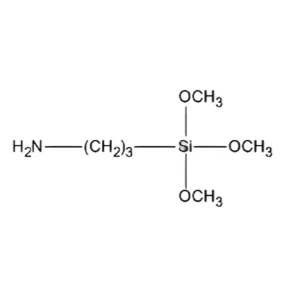
Many industrial adhesive formulations require a blend of silicone fluid, silane coupling agents, and hydrocarbon tackifying resins (such as C5/C9 petroleum resins). Boctok offers a complete chemicals portfolio. For instance, in hot-melt adhesives and sealants, silane coupling agents (e.g., aminosilanes, epoxysilanes) promote bonding to substrates, while low-viscosity silicone fluids act as plasticizers and C9 resins provide adhesion strength.
[Q5] What is the role of silicone oil in agricultural pesticide and fertilizer formulations?
Modified silicone oils, specifically polyether-modified trisiloxanes, serve as super-spreading surfactants and agricultural adjuvants. They reduce the surface tension of spray solutions on plant leaves, allowing pesticides and fertilizers to spread uniformly, resist rain washing, and penetrate leaf stomata, which improves the application efficiency of crop protection agents.
[Q6] What packaging options does Boctok offer for bulk global shipping?
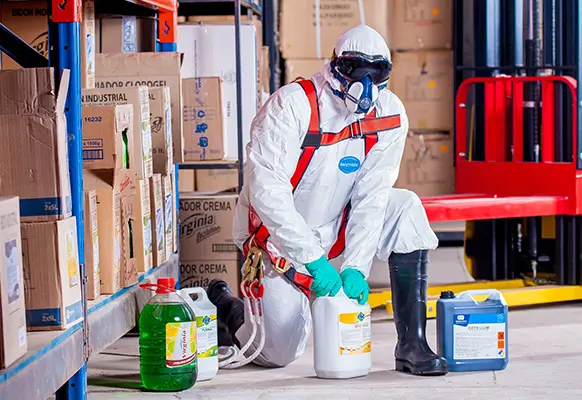
To ensure safe transit across oceans and land corridors, we supply dimethyl silicone oil in 200kg iron drums, 950kg IBC containers, and bulk ISO tanks. For international shipping, we supply MSDS reports, REACH certifications, and hazardous/non-hazardous chemical classifications depending on the specific flash point and composition of the product.