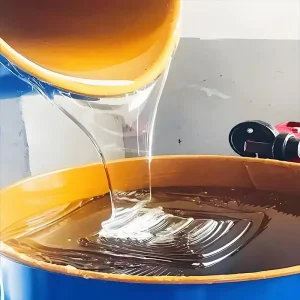
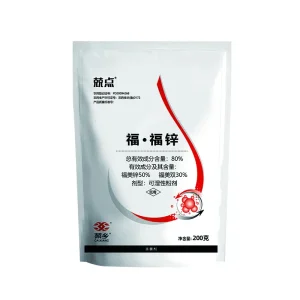
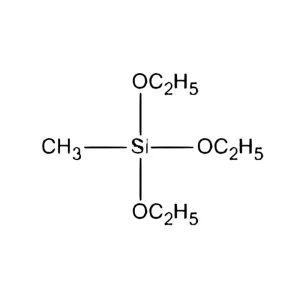
Explore our primary selection of high-performance chemicals, including monomeric silanes, copolymerized hydrocarbon resins, high-purity siloxanes, and specialty pesticide formulations engineered for modern industrial processing.
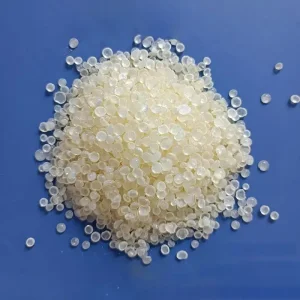
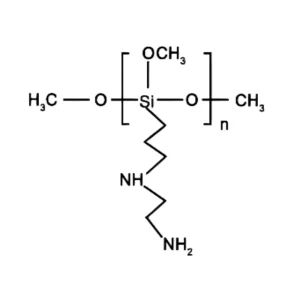
Diamino Silane Polymers (specifically classified under categories including Bis(aminosilane) polymers like CAS 106163-31-5) represent a key advancement in interface science and hybrid polymer engineering. By containing two amino functional groups (typically primary and secondary amines) along with multiple hydrolyzable alkoxy groups, these polymers function as highly efficient adhesion promoters, surface modifiers, and crosslinking agents. Unlike traditional mono-amino silanes, the diamino configuration offers enhanced thermal stability, improved moisture resistance, and superior density of covalent bonding across inorganic-organic interfaces.
The primary and secondary amine groups provide distinct nucleophilic reaction pathways. They form strong ionic and covalent complexes with epoxy, polyurethane, and phenolic matrices, ensuring resilient chemical integration.
By undergoing controlled hydrolysis, the terminal alkoxysilyl groups form stable silanol networks. Condensation reactions then construct highly crosslinked siloxane (Si-O-Si) barriers on mineral substrates.
A dense diamino silane polymer film creates a hydrophobic barrier, blocking electrolyte diffusion and moisture penetration to significantly reduce chemical degradation at oxide interfaces.
The selection of diamino silane systems depends heavily on active amine content, hydrolytic kinetics, and polymer chain molecular weight:
| Functional Category | Representative Compound / CAS | Primary Reaction Substrates | Key Technical Benefit |
|---|---|---|---|
| Bis(aminosilane) Polymers | CAS 106163-31-5 | Epoxies, Glass Fiber, Metallic Oxides | Extreme thermal durability, high cohesive strength under moisture stress. |
| Secondary Amino Silanes | CAS 13497-18-2 | Polyurethanes, RTV Silicones, Polysulfides | Flexible backbone linkage, optimized elongation at break. |
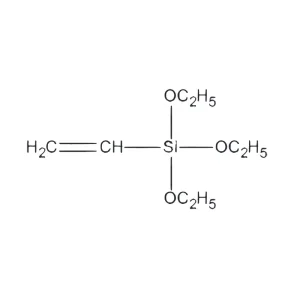
| Vinyltriethoxysilane systems | CAS 78-08-0 | XLPE Cables, EPDM Rubber, PE Matrix | Peroxide-initiated crosslinking, excellent dielectric insulation. |
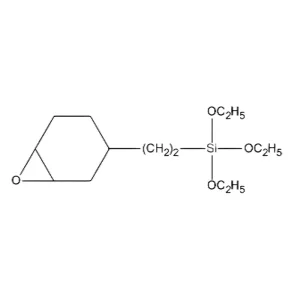
| Epoxy Cyclohexyl Silanes | CAS 10217-34-2 | Cycloaliphatic Epoxies, Led Encapsulants | High UV resistance, rapid UV curing profiles. |
In the modern chemical processing landscape, Diamino Silane Polymers have transitioned from niche additive chemistry to a cornerstone technology for automotive, aerospace, wind energy, and semiconductor packaging. The rising demand is driven by the global transition to high-voltage electric vehicle (EV) platforms and durable structural adhesives.
Internationally, key market regions require highly customized organosilicon systems:
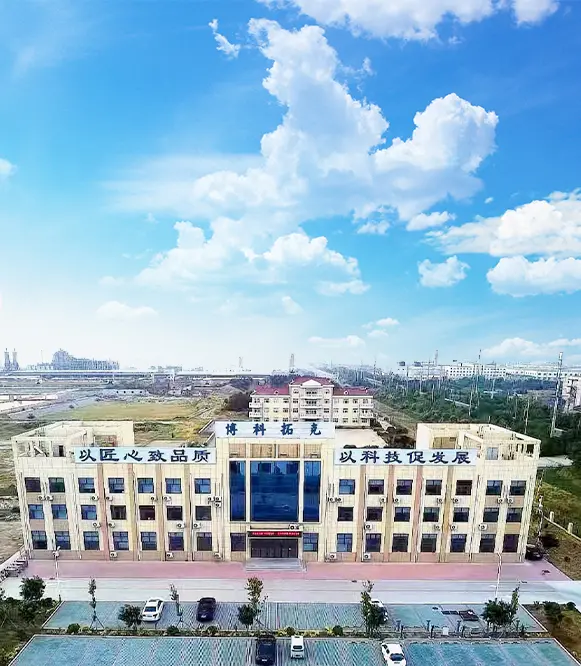
Shandong Boctok Chemical Co. leverages the unique infrastructure advantages of China's chemical supply chain to provide consistent quality at scale. Our strategic integration with primary raw material suppliers and automated infrastructure ensures stable production and pricing, even during global market shifts.
We recently invested US$65 million to construct our new facility in Shouguang, Shandong. Spanning a provincial-level chemical park, this site is engineered for sustainable chemical production.
The facility runs 6 automated Distributed Control System (DCS) production lines alongside Safety Instrument Systems (SIS). These systems maintain tight control over temperature, pressure, and flow rates to ensure high product purity.
Equipped with dedicated waste gas collection, absorption systems, and advanced wastewater treatment facilities, our operations comply with strict environmental policies.
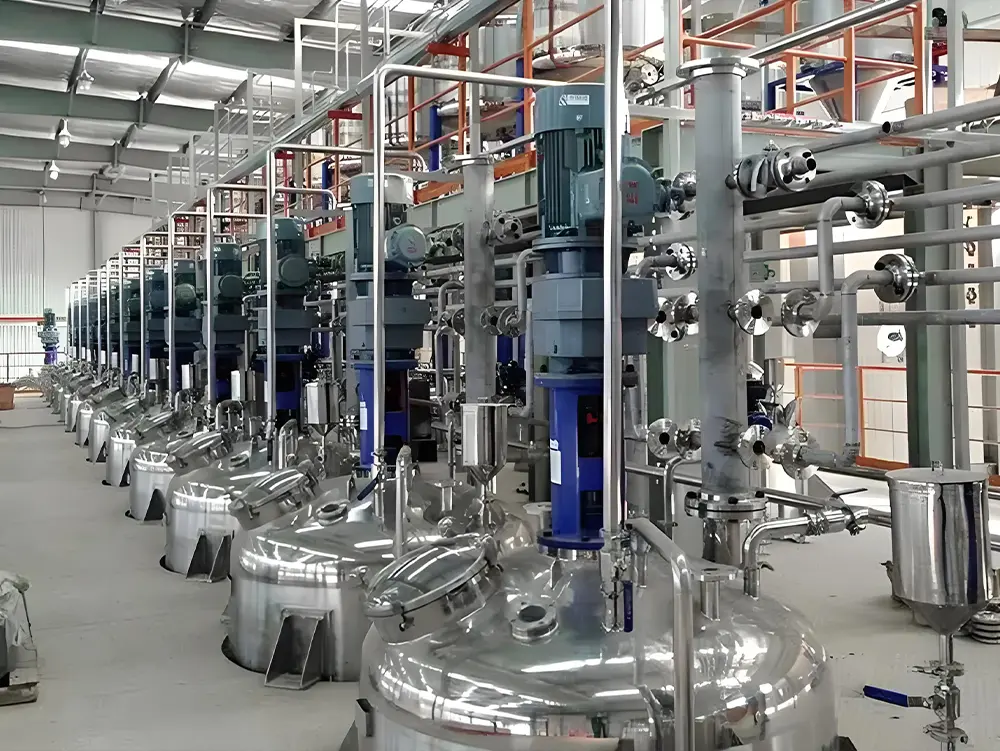
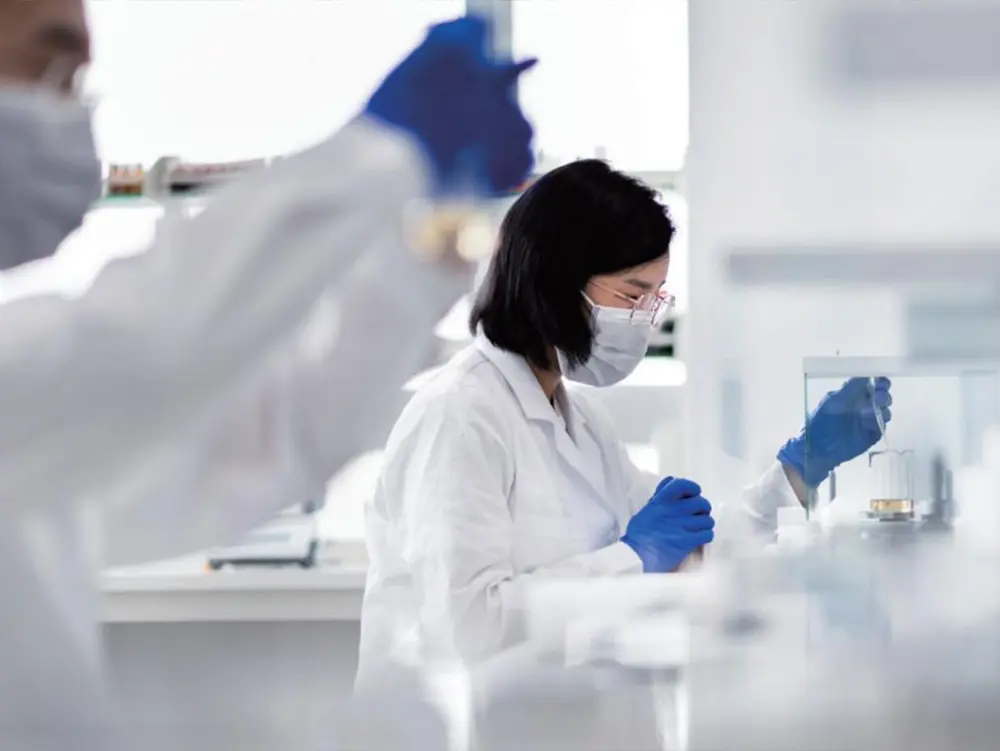
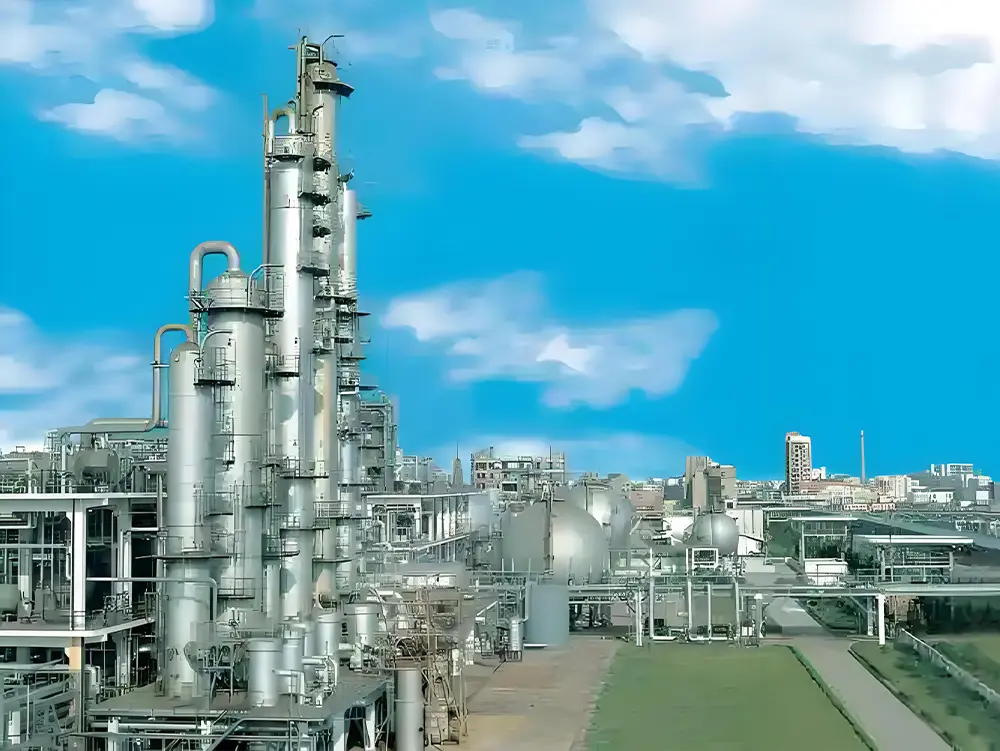
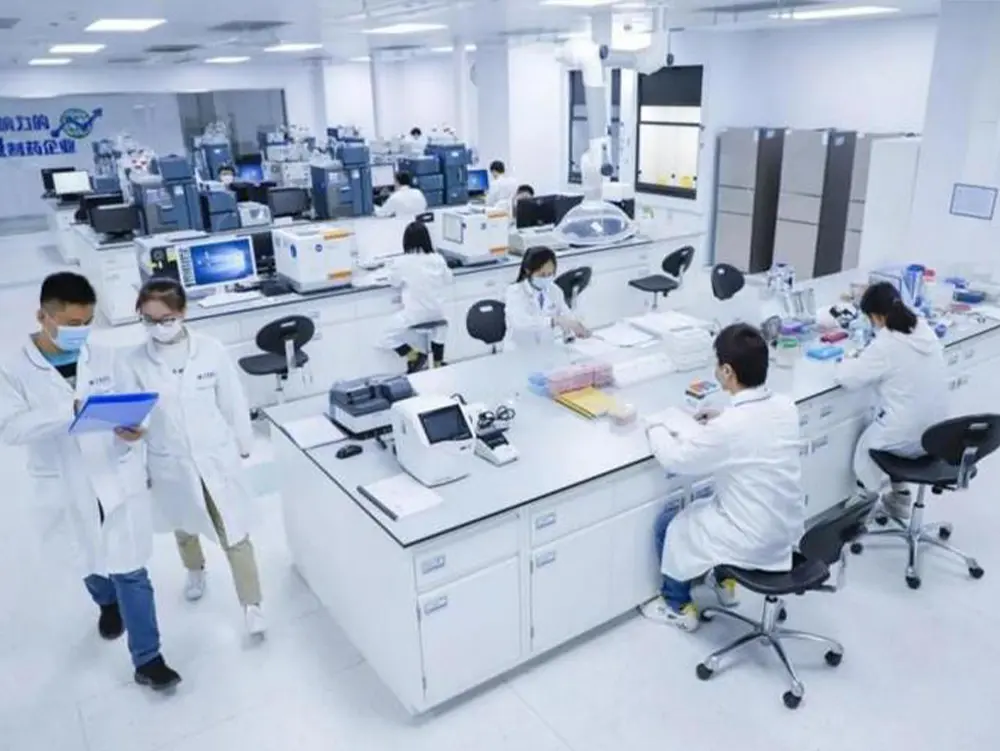
By integrating SINOPEC and PetroChina raw material pipelines, we minimize supply chain interruptions for key chemical precursors. This vertical integration allows us to offer:
Established in 2012, Shandong Boctok Chemical Co. serves as the marketing, sales, and technical service center for domestic and international markets. Achieving sales of US$280 million in 2023, the BOCTOK brand specializes in serving the Russian market while supplying chemical materials globally. Our operations are divided into three primary divisions, allowing us to serve diverse industrial applications:
Our organosilicon business spans 12 series of silane coupling agents and crosslinkers, including aminosilane, methacrylate silane, epoxy silane, vinyl silane, mercaptosilane, alkyl silane, ethyl silicate, chlorosilane, silane isocyanates, phenyl silane, ureidosilane, and serosilane.
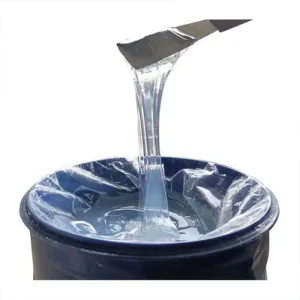
We also produce high-hydrogen silicone oils, dimethicone, vinyl silicone oils, polyphenylmethyldimethylsiloxane, phenyl silicone oils, silanol silicone oils, OH polymers, alkoxy silicone oils, methyl MQ resins, vinyl VMQ resins, RTV rubbers, and vinyl silicone rubbers (types 110 & 120).
We operate three production facilities located in Zibo, Fushun, and Nanjing. Utilizing raw materials from SINOPEC and PetroChina, we produce C9 hydrogenated resins, C5 hydrocarbon resins, C5/C9 copolymerized resins, dicyclopentadiene (DCPD), and methyl cyclopentadiene dimer.
These products serve as tackifiers, modifiers, and weatherproofing agents in sealants, hot melt adhesives, and road marking paints.
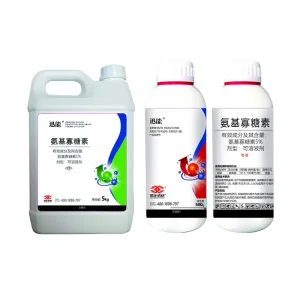
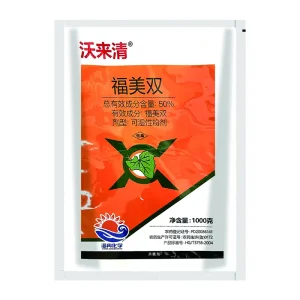
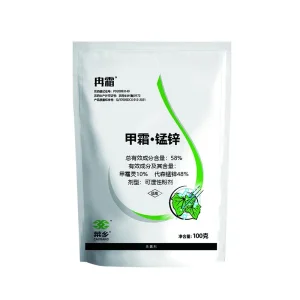
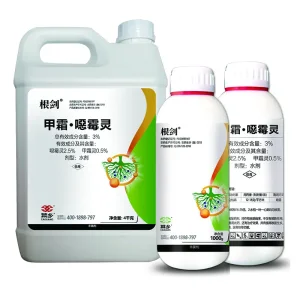
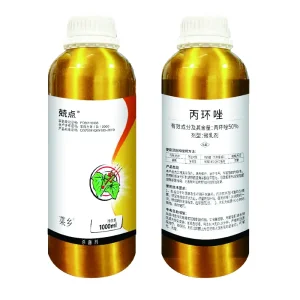
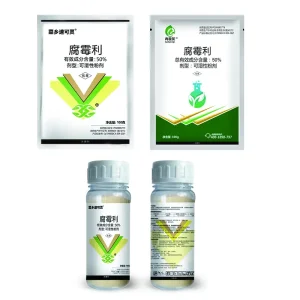
We supply high-stability agricultural products, intermediates, and active ingredients. Our product line supports pesticide formulations, fungicides, insecticides, seed treatments, herbicides, and plant growth regulators designed to enhance crop yields.
Our organosilicon agents, structural resins, and agricultural formulations are used across multiple sectors to improve polymer strength, weather resistance, and surface adhesion.
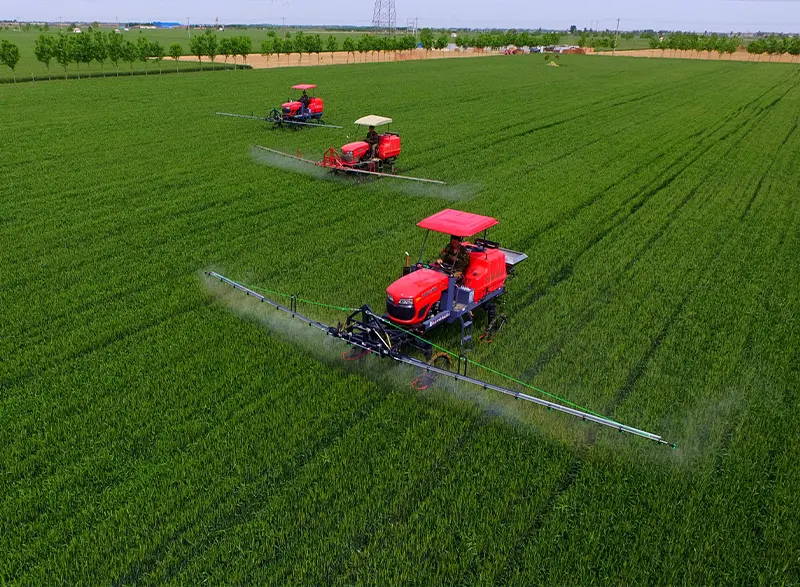
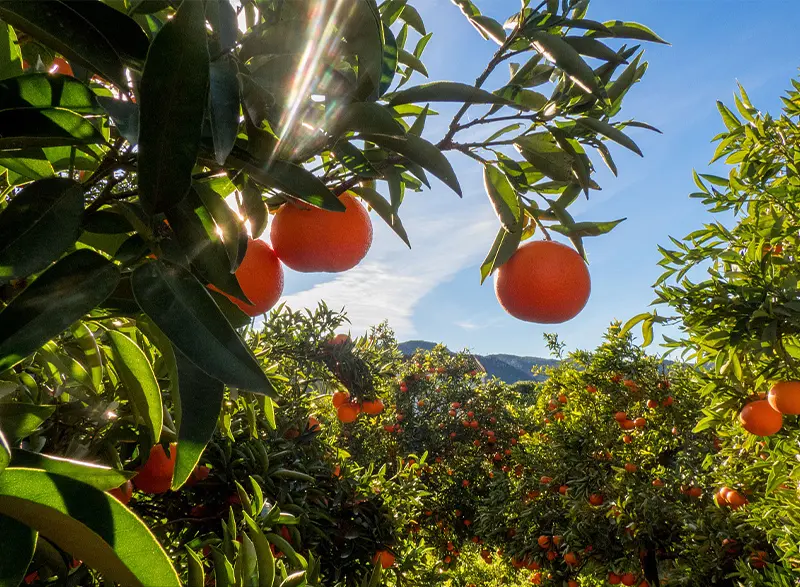

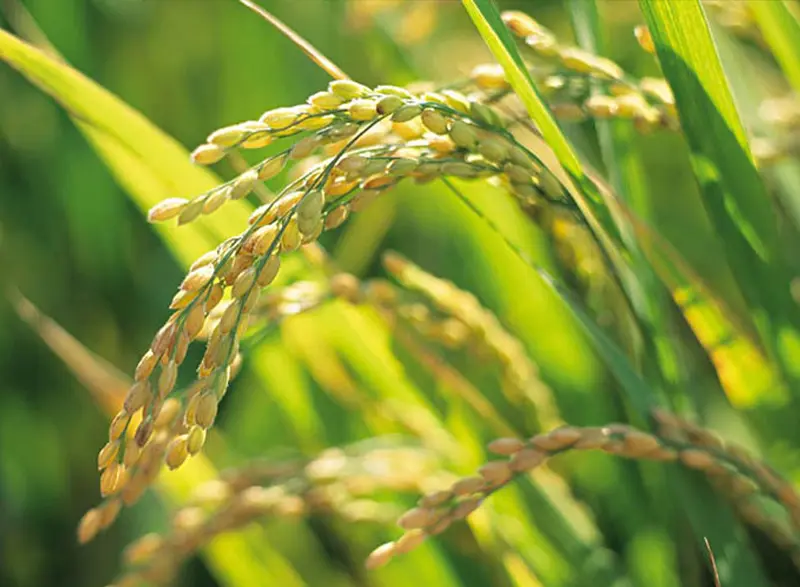
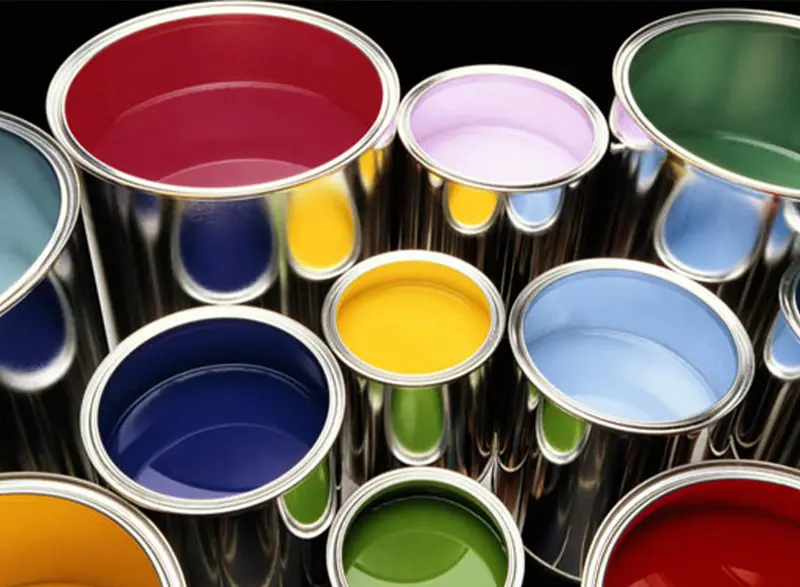
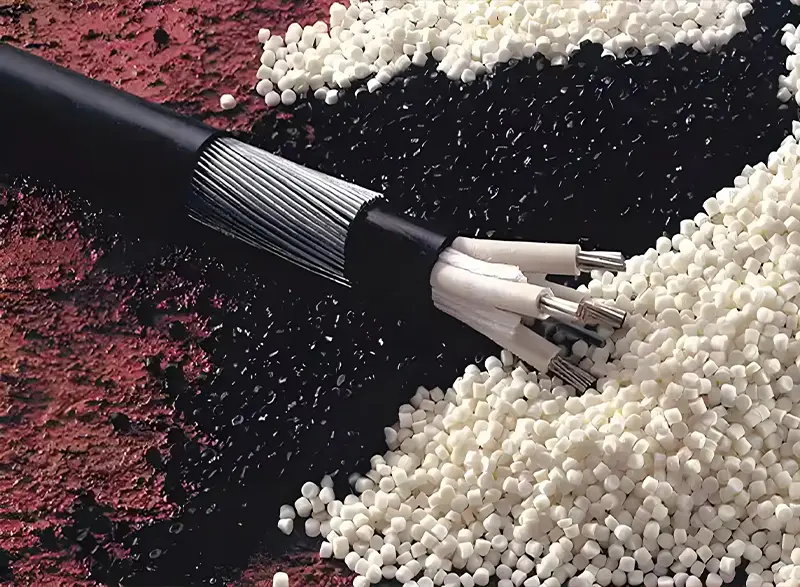
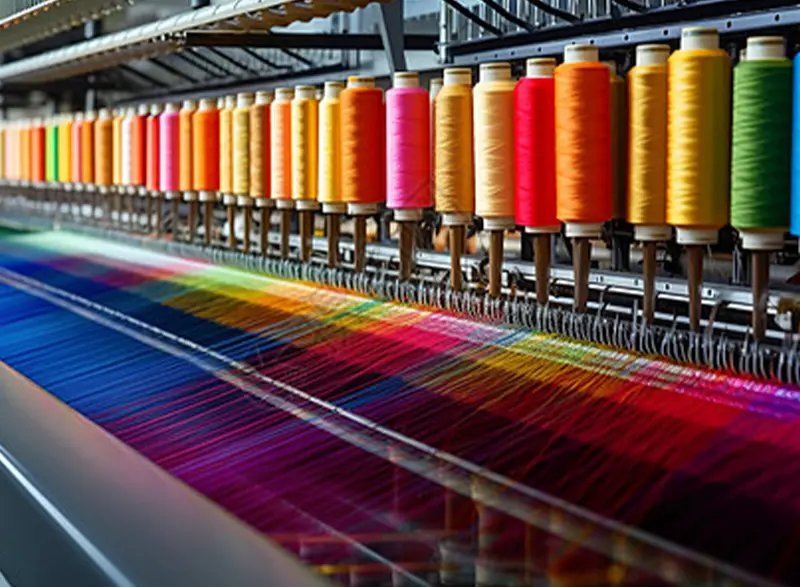
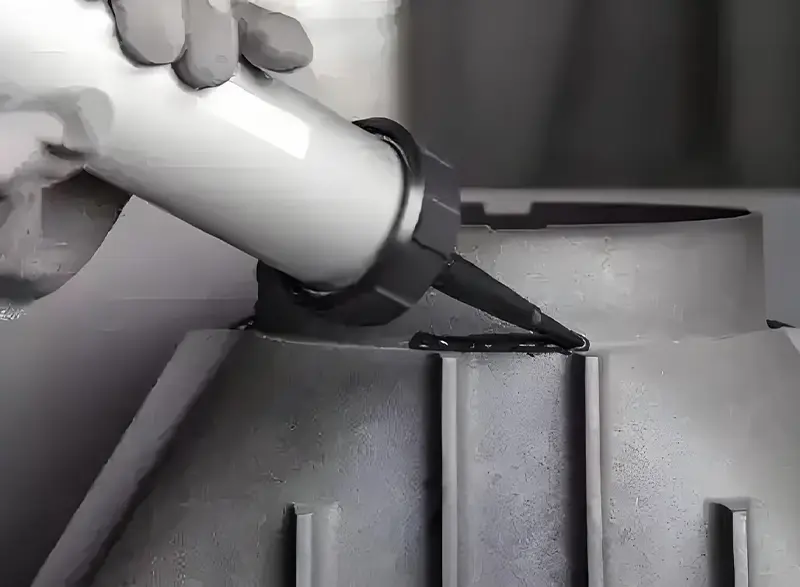
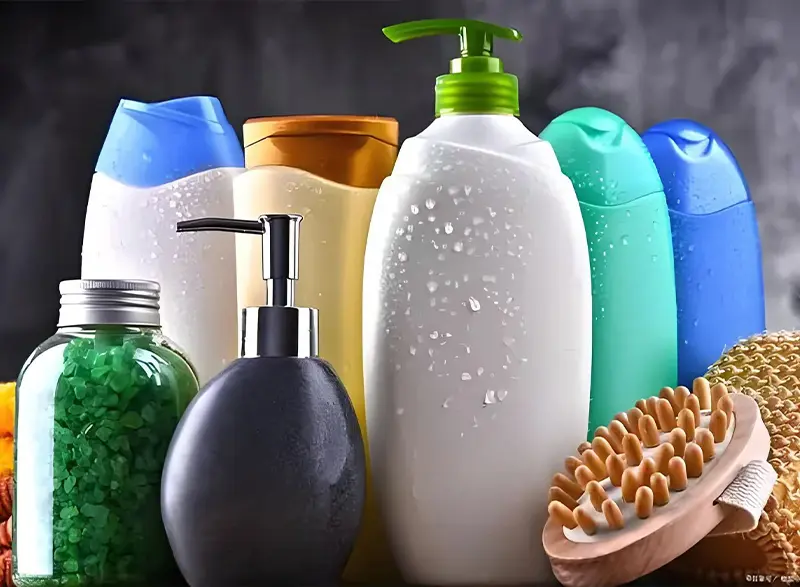
Our organosilicon polymers, petroleum resins, and agricultural products are designed to meet performance specifications across a range of applications, including pharmaceuticals, high-voltage insulation, and renewable energy.
Providing functional intermediates and active raw materials for stable formulations and targeted pesticide delivery.
Utilizing high-purity dimethicone and silicone oils to deliver smooth application and water-resistant properties in skincare formulations.
Supplying vinyl silanes (such as Vinyltriethoxysilane) to crosslink polyethylene (XLPE), enhancing thermal and electrical performance.
Supplying weather-resistant siloxanes and heat-stable silicone rubbers for critical gaskets, wire harnesses, and seals.
Using amino and epoxy-functional coupling agents to improve the adhesion of polyurethane and silicone sealants to glass and concrete.
Applying Bis(aminosilane) polymers to reinforce glass fiber epoxy composites, improving fatigue resistance under dynamic loads.
High-purity organosilicon compounds designed for biocompatibility, medical molding, and fluid handling systems.
Using silanes for surface treatment of silica, kaolin, and calcium carbonate to improve dispersion in polymer matrices.
The global organosilicon market is evolving toward eco-friendly solutions and reduced environmental footprints. Manufacturers face the challenge of minimizing volatile organic compound (VOC) emissions during silane hydrolysis, while maintaining crosslinking performance.
Developing water-borne silane systems that release ethanol rather than methanol during hydrolysis, helping customers meet environmental regulations.
Reclaiming and recycling byproduct chlorosilanes and silicon residues to lower waste generation and carbon intensity per ton.
Evaluating raw material alternatives and renewable energy sources for furnace operations to reduce greenhouse gas emissions in silicone monomer synthesis.
As a global supplier, Shandong Boctok Chemical Co. supports international procurement requirements with clear specifications and reliable logistics.
| Procurement Stage | Standards & Operations | Boctok Support Specification |
|---|---|---|
| Quality Certification | ISO 9001:2015, REACH registration compliance, GHS-compliant Safety Data Sheets. | Batch analysis reports (COA) and FTIR verification spectra provided with every container. |
| Packaging Options | Steel drums (200kg), IBC totes (1000kg), and ISO tanks for liquid siloxanes. | Nitrogen blanketed packaging to prevent ambient moisture contamination of active alkoxy groups. |
| Logistics & Delivery | Fast shipment routing from Qingdao, Tianjin, and Shanghai ports. | Real-time shipment tracking and customs documentation processing for overseas ports. |
| Custom Formulation | Tailoring amine active contents, diluent types, and viscosity levels. | On-demand chemical synthesis adjustment via our R&D facility. |
Technical answers regarding properties, hydrolysis rates, and application guidelines for our organosilicon products.
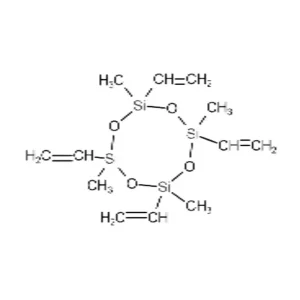
View our selection of vinyl polymers, specialty cyclic siloxanes, crosslinkers, and agrochemical formulations designed for global distribution.
 Boctok Chemical
![China Bis-[3-(triethoxysilyl)-propyl]amine](https://site.cdnfile.io/www.boctoksilicone.com/837bedcc9470a3ee1f202feb49d8ce69300_300.webp)