High-purity chemical compounds engineered for high-performance concrete waterproofing and surface crosslinking
An in-depth whitepaper analysis on the chemical defense mechanism and commercial adoption of organosilicon protectants
Concrete remains the foundational backbone of global civil engineering, yet its inherent porous structure leaves it highly vulnerable to moisture infiltration, carbonation, chemical attack, and reinforcing steel corrosion. In the modern era of infrastructure development, extending the service life of reinforced concrete structures is both an economic necessity and an environmental priority. Organosilicon technologies—specifically alkylalkoxysilanes (commonly referred to as concrete waterproof silanes)—have emerged as the gold standard in deep-penetrating water repellents.
Unlike traditional surface coatings or membrane barriers that trap moisture internally and degrade under solar ultraviolet (UV) radiation, monomeric silanes possess extremely low molecular sizes. This structural characteristic enables them to penetrate deep into the concrete's capillary pores (typically from 2mm to well over 10mm depending on concrete density and application method). Once inside the pores, these compounds react with the silicate-rich concrete matrix in the presence of ambient humidity, forming a permanent, chemically bonded, hydrophobic silicone barrier.
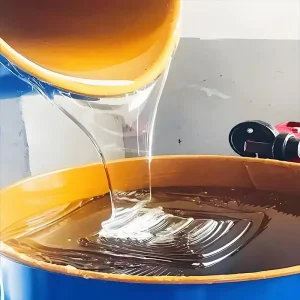
Monomeric silanes exhibit ultra-low viscosity and surface tension, allowing them to seep deep into the porous alkaline substrate before polymerizing into active molecules.
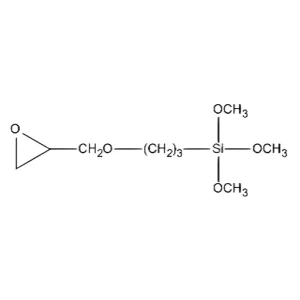
The silane chemical structure alters the concrete pore surfaces from hydrophilic to hydrophobic, drastically increasing the contact angle of water droplets.
While preventing liquid water from entering the capillary network, the treated concrete retains high breathability, allowing internal moisture vapor to escape.
The global commercial demand for these advanced protectants is driven by heavy investments in infrastructure across the globe. From high-speed rail networks and marine ports to municipal bridges and urban basements, silane-treated concrete demonstrates up to 90% resistance to chloride ion diffusion. Consequently, this prevents structural degradation caused by marine environment exposure or salt spray, significantly reducing municipal maintenance budgets.
Transitioning toward low-VOC, water-borne systems and multi-functional organosilicon formulations
Historically, concrete waterproof silane solutions were heavily solvent-borne, using volatile organic compounds (VOCs) such as alcohols or hydrocarbons as carriers to facilitate penetration. However, modern environmental regulations, including European REACH standards and strict EPA regulations in North America, have driven the industry toward water-based silane emulsions and low-VOC alternatives.
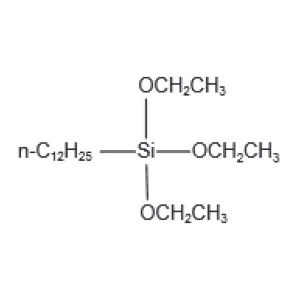
The technological shift has sparked extensive R&D into oligomeric siloxanes and alkyltriethoxysilane emulsions. These modern formulations yield equivalent depth of penetration without releasing hazardous volatile byproducts during the cure phase. Additionally, manufacturers are pursuing hybrid compounds that merge silane hydrophobicity with chemical additives designed for microbial control and freeze-thaw resistance.
A Global Standard in Organosilicon Innovation and Specialty Chemical Manufacturing
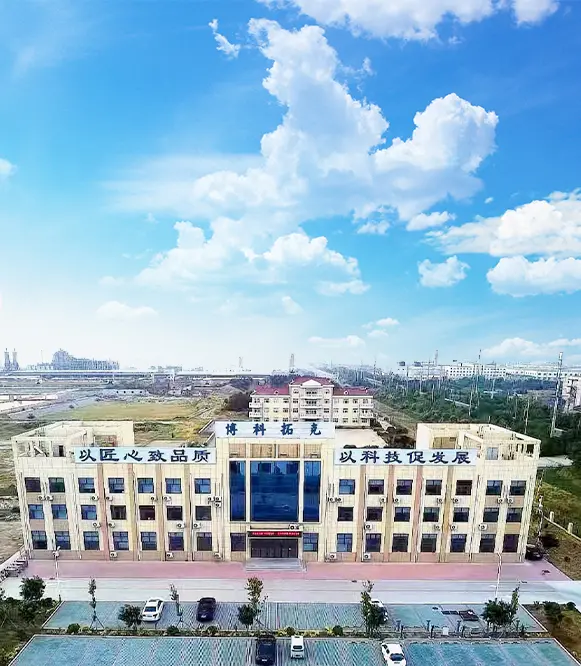
Shandong Boctok Chemical Co. was founded in 2012 as a centralized marketing and sales engine for the Boctok™ domestic and international organosilicon businesses. Through specialized engineering, strict adherence to global standards, and a focus on premium quality, the company achieved sales of US$280 million in 2023. Under the dedicated BOCTOK brand, we have established a dominant and trusted market presence, particularly servicing high-performance demands in the Russian and Eastern European chemical sectors.
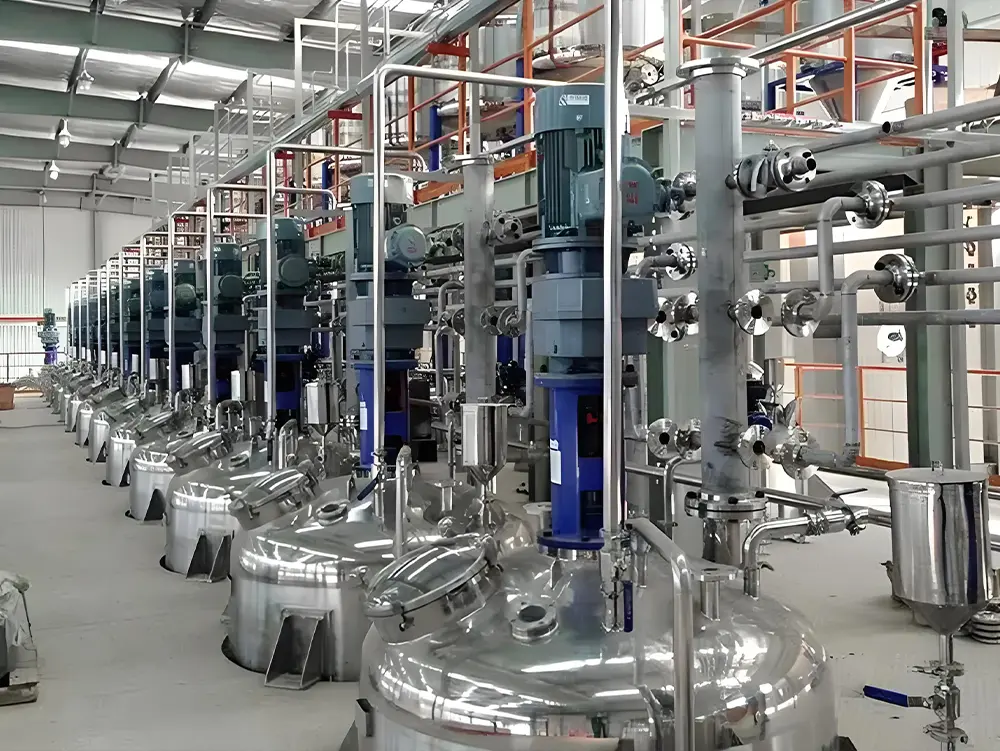
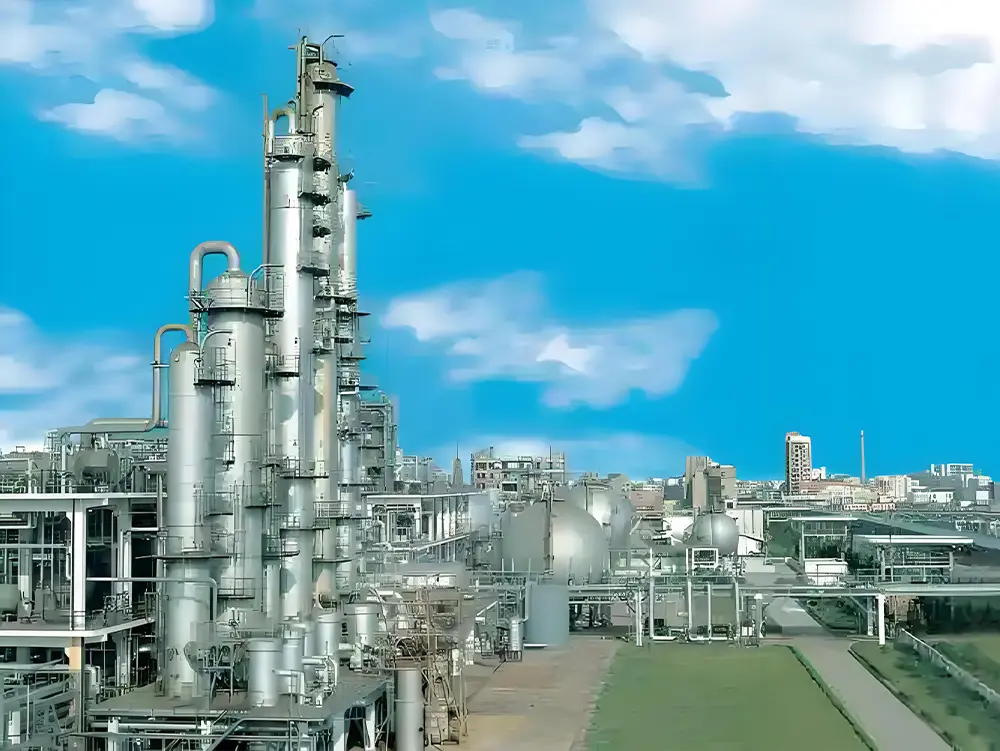
To support this global demand, Boctok recently invested US$65 million to construct a new chemical facility in Bohai Industrial Park, a certified, state-level provincial chemical industry park located in Shouguang City, Shandong Province. This facility expands our production chain of silane coupling agents and concrete waterproof materials, hosting 6 fully automated DCS production lines with an annual capacity of 30,000 tons.
A look at the logistical, chemical, and operational advantages that set us apart

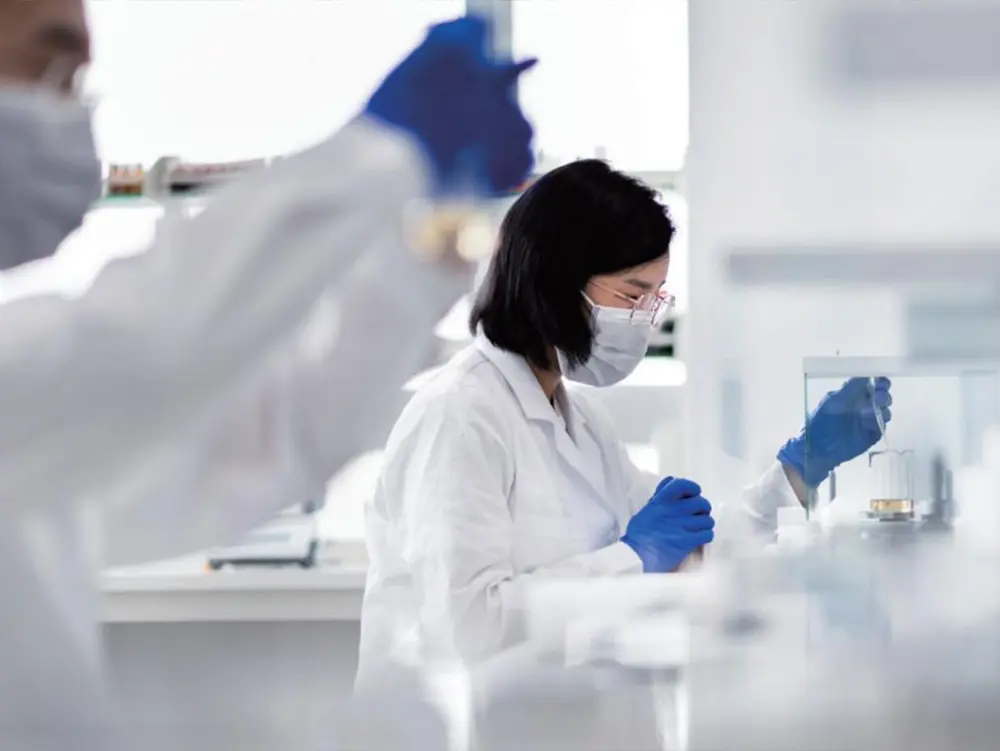
Our raw materials and synthesized products undergo rigorous chromatographical and physical testing to ensure top performance under extreme structural loads.

Six automated DCS production lines in Shouguang City allow us to comfortably scale production to meet industrial supply contracts and bulk customization requests.

Our dedicated chemical engineers provide comprehensive consultation services, guiding you through application parameters and chemical selection.

Leveraging efficient marine shipping networks from major ports (including Qingdao and Shanghai), we guarantee timely transport to over 40 countries.
Three core sectors driving global engineering, adhesive manufacturing, and chemical synthesis
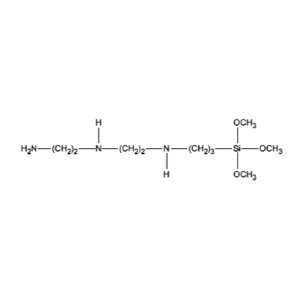
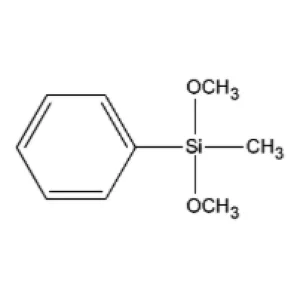
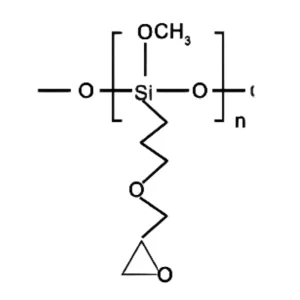
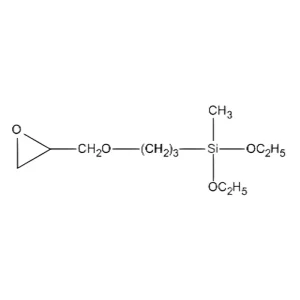
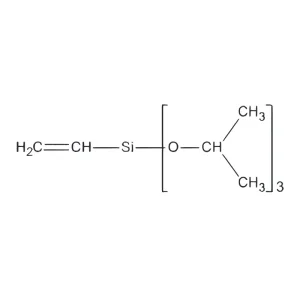
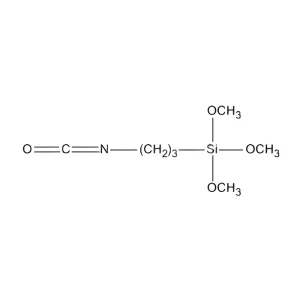
Covers 12 functional classes of silane coupling agents and crosslinkers: aminosilane, methacrylate silane, epoxy silane, vinyl silane, mercaptosilane, alkyl silane, ethyl silicate, chlorosilane, silane isocyanates, phenyl silane, ureidosilane, and serosilane.
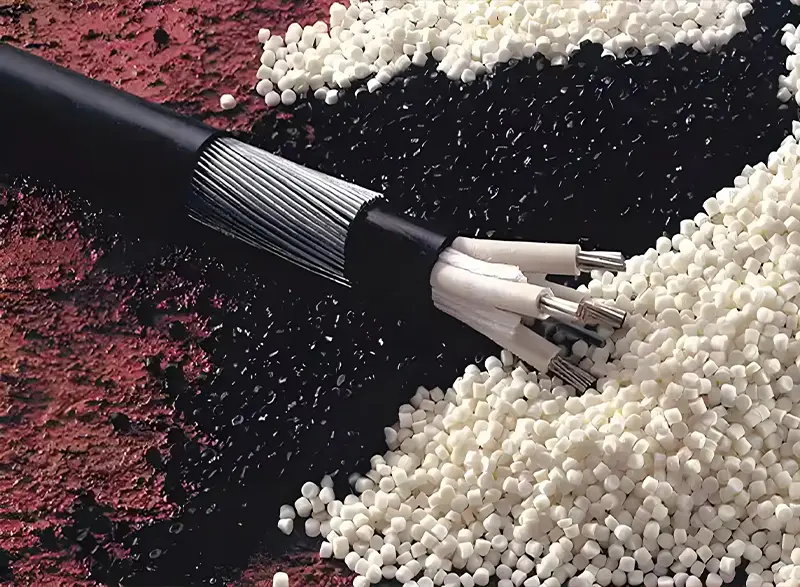
Additionally, we manufacture silicone fluids (dimethicone, vinyl and hydroxyl-terminated silicone oil), silicone resins (MQ, VMQ), and room-temperature vulcanized rubbers.
Boctok has invested in a key hydrocarbon resin manufacturer in China, with operating plants in Zibo, Fushun, and Nanjing. We source petrochemical feeds from SINOPEC and PetroChina.
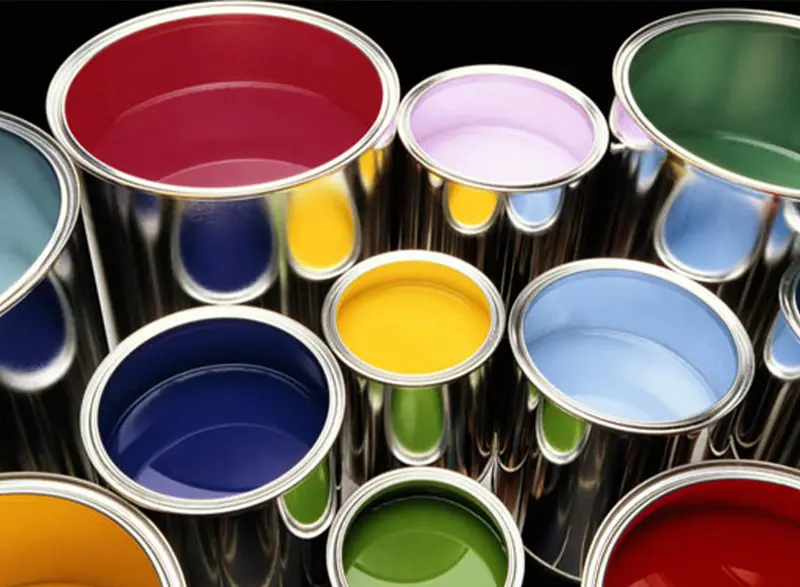
Products include C9 hydrogenated resins, C5 hydrocarbon resins, C5 modified C9 resins, dicyclopentadiene (DCPD), and methyl cyclopentadiene dimer, widely used in road markings, hot-melt adhesives, and protective paints.
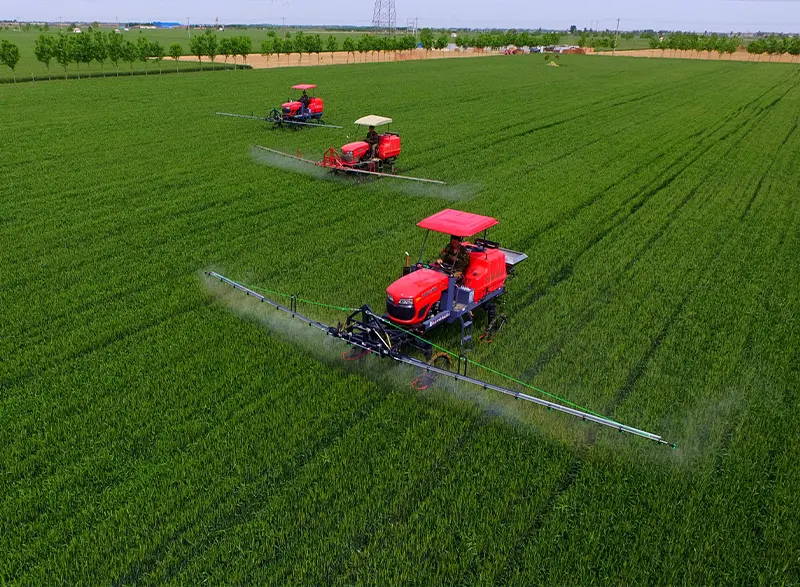
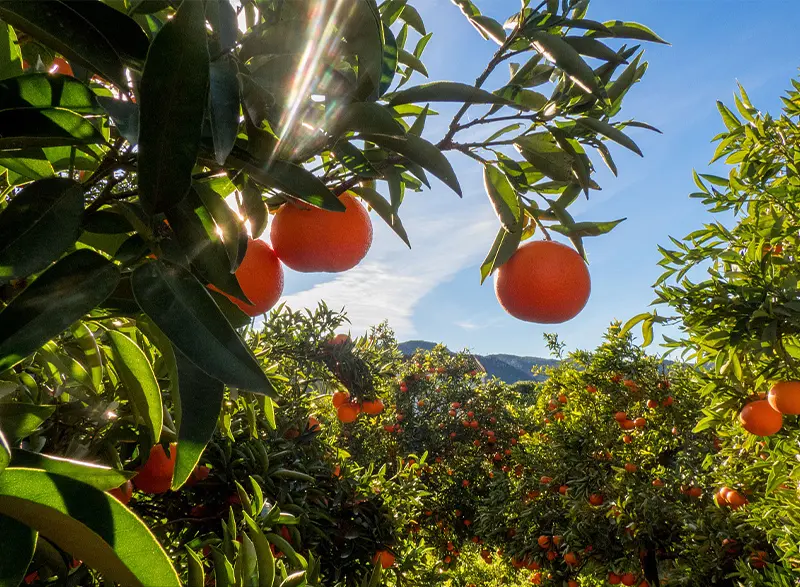
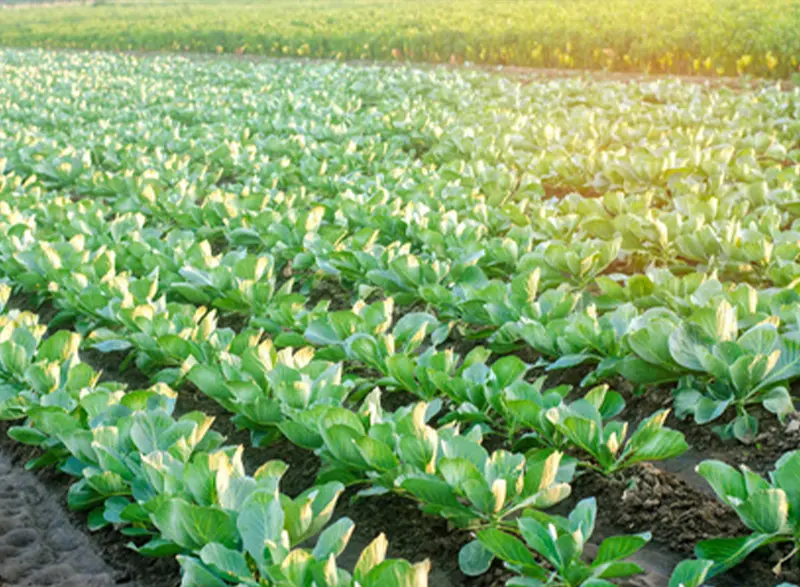
Synthesizing active intermediates and precursors for agricultural applications, including raw materials for high-efficiency insecticides, selective herbicides, plant growth regulators, fungicides, and seed treatment agents.
Our chemical manufacturing sites maintain strict environmental controls, assuring safety and purity standards suitable for modern agricultural formulations.
Targeted protection systems engineered for diverse environmental hazards
Concrete structures exposed to deicing salts (sodium chloride, calcium chloride) suffer accelerated corrosion of internal structural rebars. Deep penetration of alkylalkoxysilanes forms a hydrophobic layer that shuts off saline water transport, ensuring safety and reducing concrete spalling.
Sea walls, dry docks, and port piers are exposed to continuous splash zones and airborne salts. Treating these surfaces with high-purity monomeric silanes blocks chloride ingress by up to 95%, defending the structural concrete core from sulfate attacks.
High hydrostatic pressure and constant contact with groundwater demand reliable subterranean waterproofing. Integrating silane coupling treatments and organosilicon injection agents helps seal micro-cracks, preventing capillary water rising and efflorescence.
Preserving historical stone, mortar, and concrete requires water-repellent treatments that do not change the structural appearance. Our breathable silane treatments allow internal moisture to exit as vapor, avoiding frost damage while preserving structural aesthetics.
Industrial environments endure heavy mechanical abrasion and chemical spills. Applying an active silane-silicone hybrid system provides deep chemical protection, reducing concrete dusting, improving abrasion resistance, and shielding against oil or chemical penetration.
The roadmap toward smart, self-healing, bio-based concrete preservation technologies
To maintain a leading edge in the organosilicon sector, Shandong Boctok Chemical Co. has outlined a strategic technology roadmap focused on three key areas:
1. Molecular Design and Nano-Hybridization: Our laboratory is developing next-generation nano-silane formulations. By integrating polyhedral oligomeric silsesquioxanes (POSS) with traditional alkylalkoxysilanes, these systems achieve tighter crosslinking networks, offering long-lasting UV resistance and mechanical durability.
2. Micro-encapsulated Self-Healing Materials: We are researching self-healing concrete additives. When localized micro-cracks form under mechanical loads, the embedded silane microcapsules rupture, releasing reactive monomers that polymerize on contact with ambient moisture, sealing the cracks automatically.
3. Bio-Based Silane Precursors: Guided by global sustainability targets, Boctok is transitioning toward bio-derived alcohols and bio-based raw materials as organic radical carriers, minimizing our dependence on fossil-fuel chemical intermediates.
Practical application sectors for our extensive portfolio of organosilicons, petroleum resins, and agricultural agents


Detailed chemical answers from our senior engineering panel regarding concrete preservation
Custom-formulated chemical agents and high-stability organosilicon derivatives for industrial manufacturing
 Boctok Chemical