Explore our top-tier organosilicon monomers, silicone oils, and specialty agricultural intermediates engineered for outstanding performance.
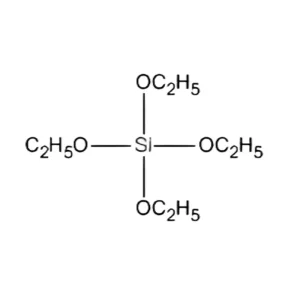
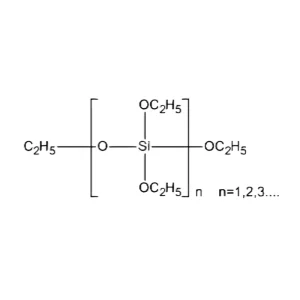
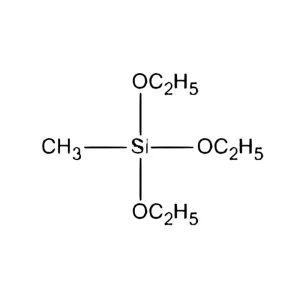
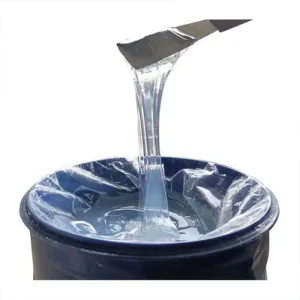
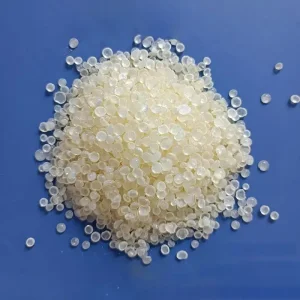
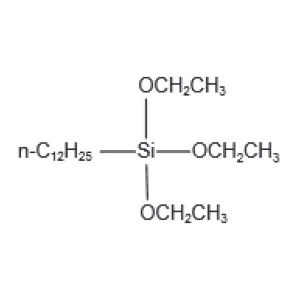
Amino silane chemical raw materials serve as crucial dual-reactive coupling agents and adhesion promoters across modern manufacturing. Architecturally characterized by the general chemical formula R-Si(OR')3, where R is an organofunctional group containing primary, secondary, or tertiary amines, and OR' represents hydrolyzable alkoxy groups (such as methoxy or ethoxy groups), these compounds effectively bridge the gap between inorganic substrates and organic polymer networks.
The mechanism of coupling involves a dual chemical reaction. Upon exposure to moisture or controlled aqueous systems, the hydrolyzable alkoxy silane groups undergo rapid hydrolysis to form highly reactive silanols. These silanol monomers subsequently coordinate with hydroxyl groups present on inorganic surfaces (such as silica, glass, quartz, alumina, and various metals), forming stable, covalent siloxane linkages (Si-O-Si) or strong hydrogen bonds. Simultaneously, the organofunctional amino tail remains free to react or interpenetrate with the organic polymer phase during extrusion, mixing, or curing. This molecular-level customization alters surface energy, enhances matrix compatibility, and improves physical performance in high-stress applications.
"By establishing stable covalent interfaces between disparate material phases, aminosilanes play an indispensable role in advanced composite manufacturing, electronic insulation, micro-electronics packaging, and protective coatings."
The selection of the specific amino silane species depends highly on the target organic matrix. For instance, primary aminosilanes such as APTES (3-Aminopropyltriethoxysilane) are extensively utilized with epoxies, phenolics, and polyurethanes, whereas secondary or diamino-functional silanes are favored for specialized acrylic or polyolefin compounds. This molecular engineering ensures that the structural integrity of composite materials is preserved even under severe hydrothermal aging conditions.
Founded in 2012 as the primary marketing, sales, and technical service hub for domestic and overseas markets, Shandong Boctok Chemical Co. has established itself as an industry leader in the organosilicon sector. Reflecting robust market demand and deep commercial trust, the company achieved total sales of US$280 million in 2023. Under our specialized brand BOCTOK™, we have built an extensive market presence across Eastern Europe and Russia, delivering chemical intermediates and structural components that meet precise regional requirements.
Boctok’s core operations are structured into three distinct product divisions. The organosilicon division encompasses twelve distinct series of silane coupling agents and crosslinkers—including amino, methacrylate, epoxy, vinyl, mercapto, alkyl, ethyl silicate, chlorosilane, isocyanate, phenyl, ureido, and serosilane formulations. In addition, Boctok is a prominent producer of silicone fluids, resins, and rubbers, offering high-hydrogen silicone oil, dimethicone, vinyl silicone oil, polyphenylmethyldimethylsiloxane, phenyl silicone oil, silanol fluid, OH polymer, alkoxy silicone oil, methyl MQ resin, vinyl VMQ resin, and room-temperature vulcanized (RTV) methyl silicone rubber.
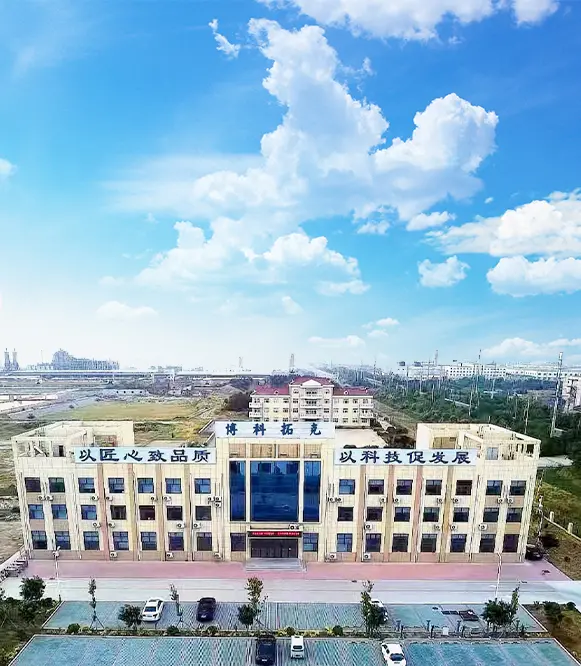
To support the rising global demand for silane coupling agents, Boctok recently completed a US$65 million greenfield facility located within Shouguang's Bohai Industrial Park, a certified provincial chemical development zone in Shandong Province. This state-of-the-art manufacturing plant features six fully automated DCS (Distributed Control System) lines engineered specifically for the synthesis of complex silanes.
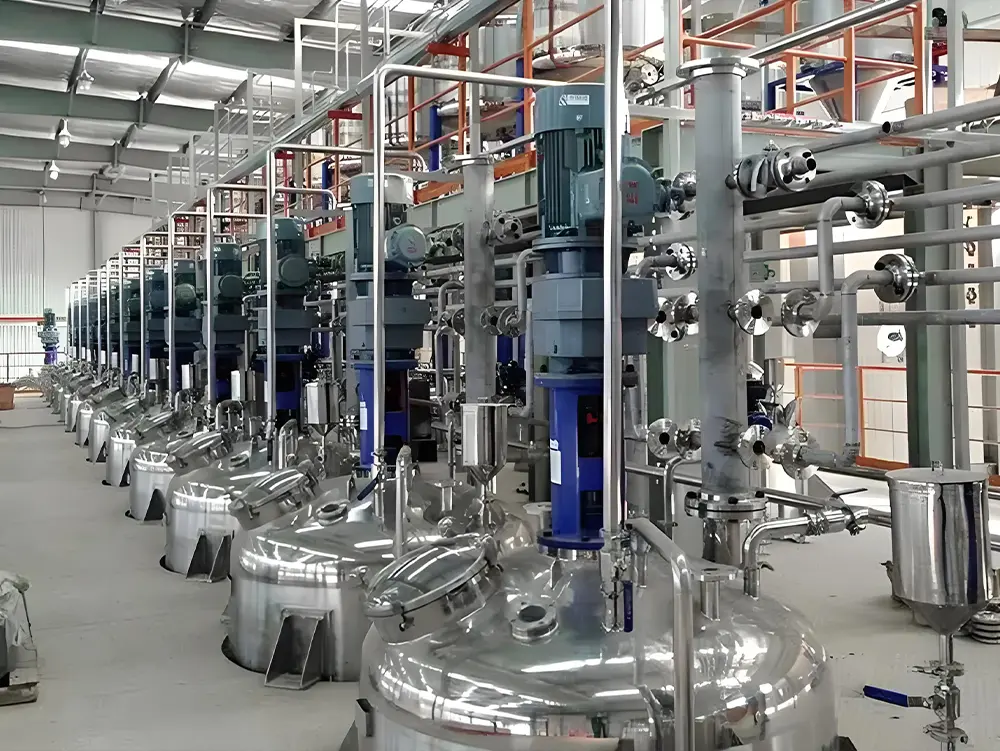
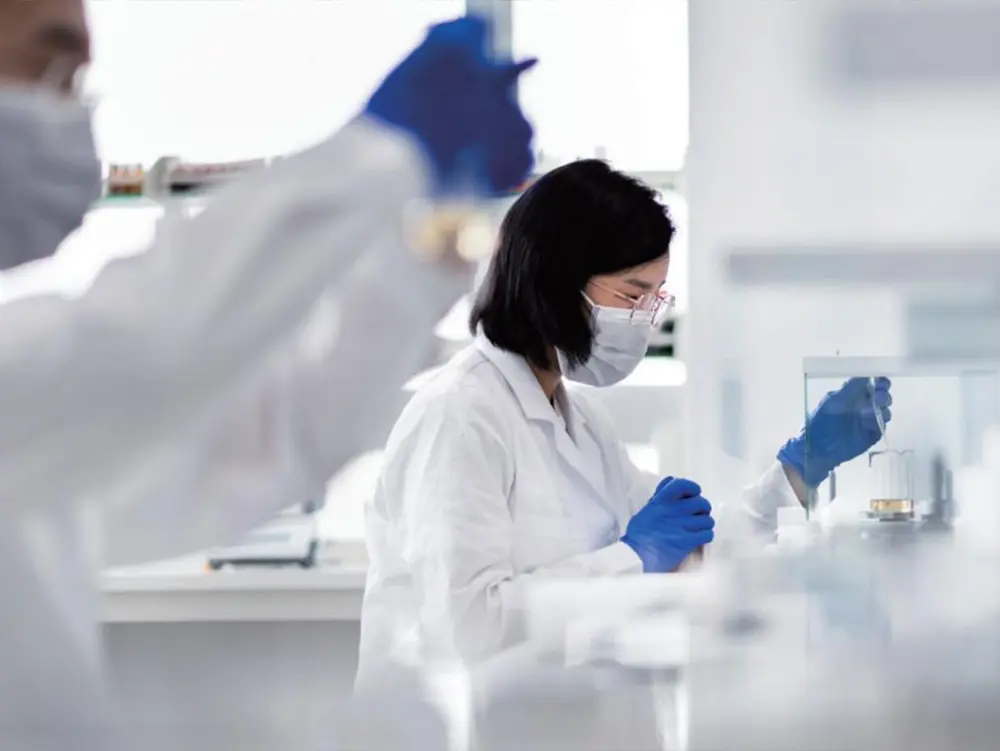
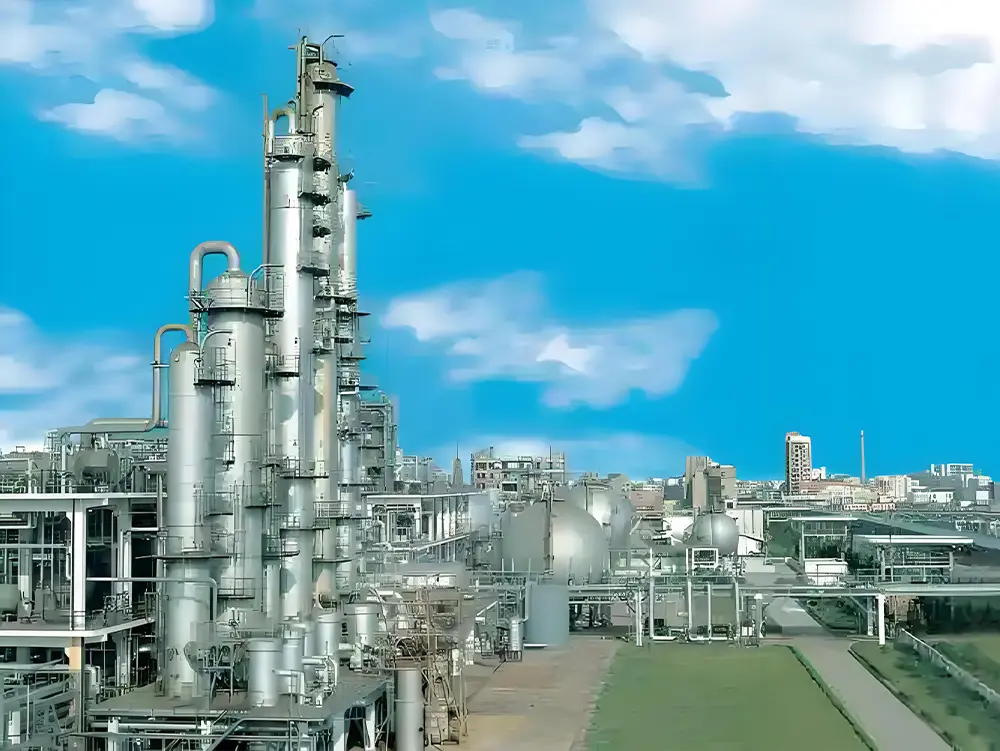
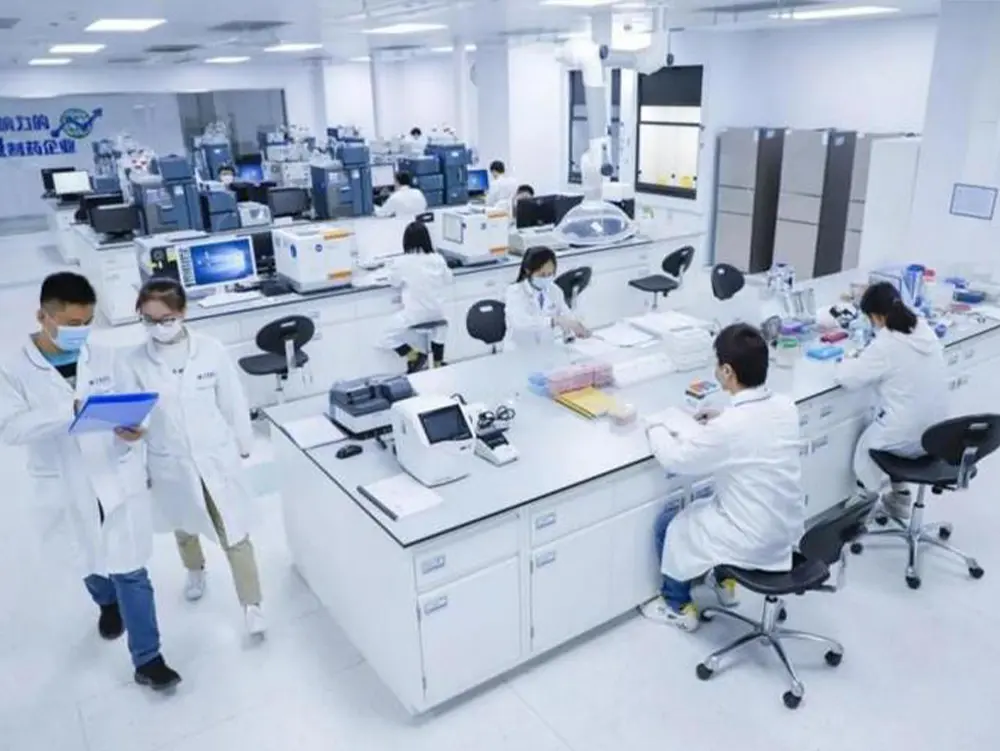
In addition to our core organosilicon division, Boctok's Tier II operations focus on high-quality hydrocarbon and petroleum resins. Leveraging raw materials from SINOPEC and PetroChina, our three production units in Zibo, Fushun, and Nanjing manufacture C9 hydrogenated resins, C5 aliphatic resins, C5/C9 copolymerized resins, and specialty monomers like dicyclopentadiene (DCPD). These products are used as tackifiers in industrial sealants, hot-melt adhesives, and protective coatings, supplying both regional partners and global Fortune 500 companies.
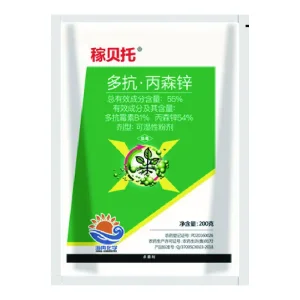
We also operate a dedicated agricultural division producing intermediates for crop protection, herbicides, seed treatments, and plant growth regulators. This integration allows Boctok to serve as a single-source chemical raw material supplier for global manufacturing supply chains.
The global demand for amino silane chemical raw materials is growing due to several key developments:
The wind power sector relies heavily on epoxy-based glass-fiber reinforced plastics (GFRP). Amino silane acts as the primary glass fiber sizing agent, ensuring optimal load transfer between the brittle glass filaments and the polymer matrix to prevent premature fatigue failure.
With the shift toward electric vehicles (EVs), light-weighting and battery cell encapsulation are top priorities. Multi-material bonding (such as aluminum-to-composite) utilizes aminosilane-modified polyurethanes and MS polymers to achieve durable adhesion under harsh conditions.
Environmental regulations like REACH and EPA are driving the adoption of waterborne systems. High-purity, low-alcohol releasing amino silane monomers serve as crosslinkers that improve scrub resistance and adhesion without compromising VOC limits.
Geographically, the market is undergoing a structural realignment. While North America and Western Europe remain centers for high-purity microelectronic-grade silane research, Asia-Pacific and Russia represent the fastest-growing industrial consumption regions. Boctok’s strong market positioning and direct shipping networks allow us to supply stable chemical raw materials to these manufacturing hubs.
As a forward-looking chemical manufacturer, Boctok’s R&D department focuses on several major chemical technological advancements:
Conventional aminosilanes release methanol or ethanol during hydrolysis. Our R&D team is developing pre-hydrolyzed, water-stable oligomeric silanes that release minimal volatile organic compounds (VOCs), making them suitable for eco-friendly architectural coatings.
By engineering secondary amine groups and incorporating ether-oxygen linkages, we are developing silanes with improved thermal stability and flexibility, specifically designed for next-generation epoxy molding compounds (EMC) in semiconductor packaging.
To reduce our carbon footprint, Boctok is researching the integration of agricultural and bio-derived alcohol sources for alkoxysilane synthesis. This aligns with global carbon-neutral manufacturing standards.
Our organosilicon, hydrocarbon resins, and agricultural intermediates are utilized in diverse industrial manufacturing processes globally.
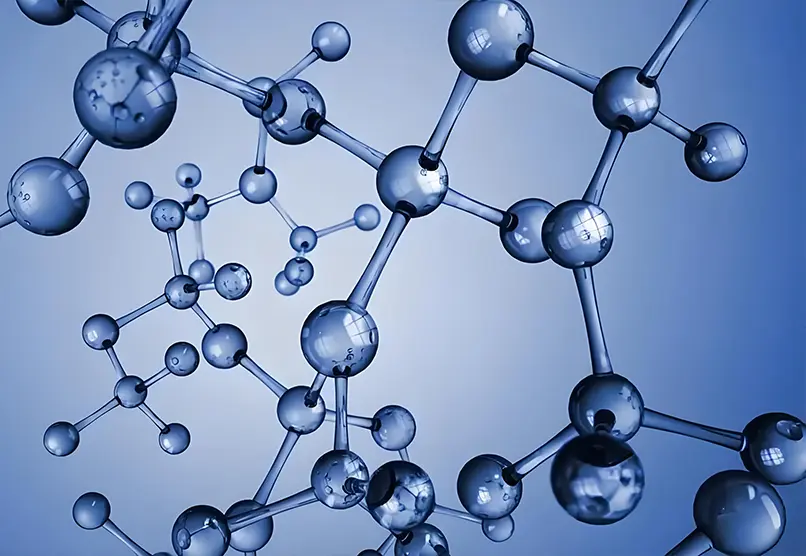
Base organosilicon, silane coupling agents, and custom monomers for polymers.
Learn More →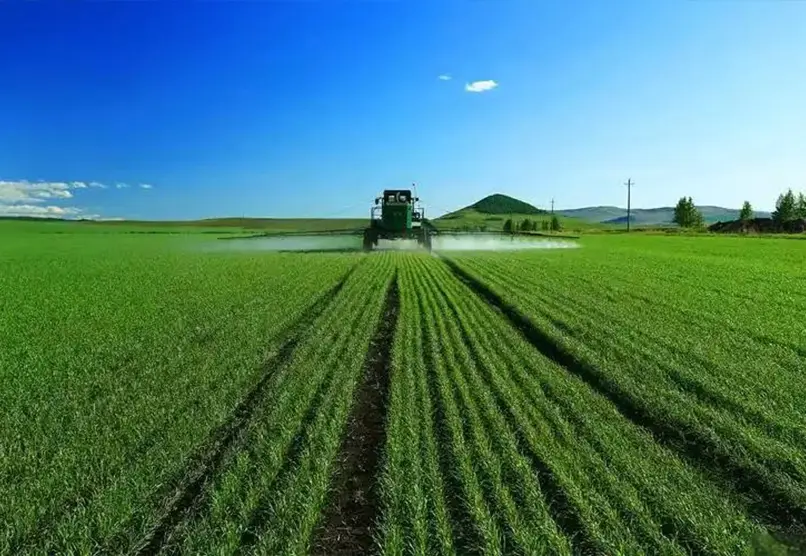
Fungicides, crop protectants, and intermediates built for modern agriculture.
Learn More →
High-purity building blocks for custom synthesis and active ingredients.
Learn More →
Silicone oils, resins, and hydrocarbon derivatives for formulations.
Learn More →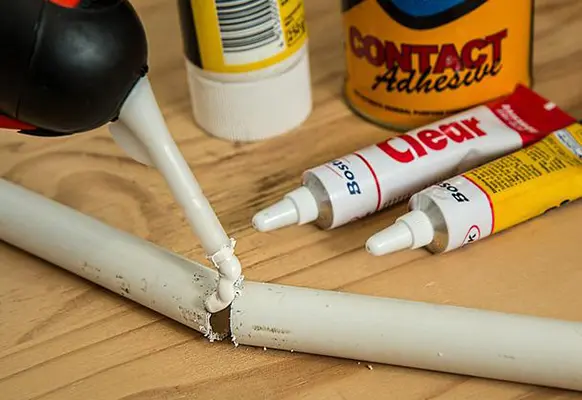
Petroleum resins and aminosilanes designed for bonding strength.
Learn More →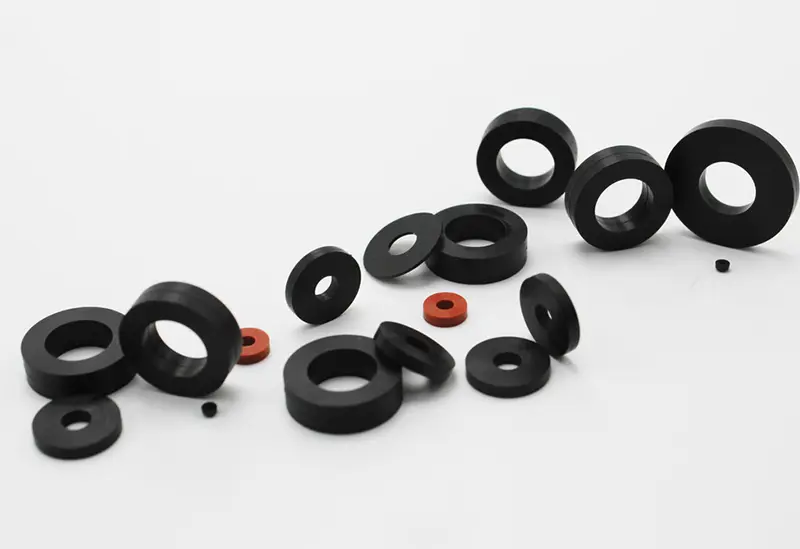
Silane coupling agents that improve filler dispersion and mechanical properties.
Learn More →
Liquid silicone rubbers customized for low-friction automotive seals.
Learn More →

Specialized water repellents that prevent moisture ingress in building materials.
Learn More →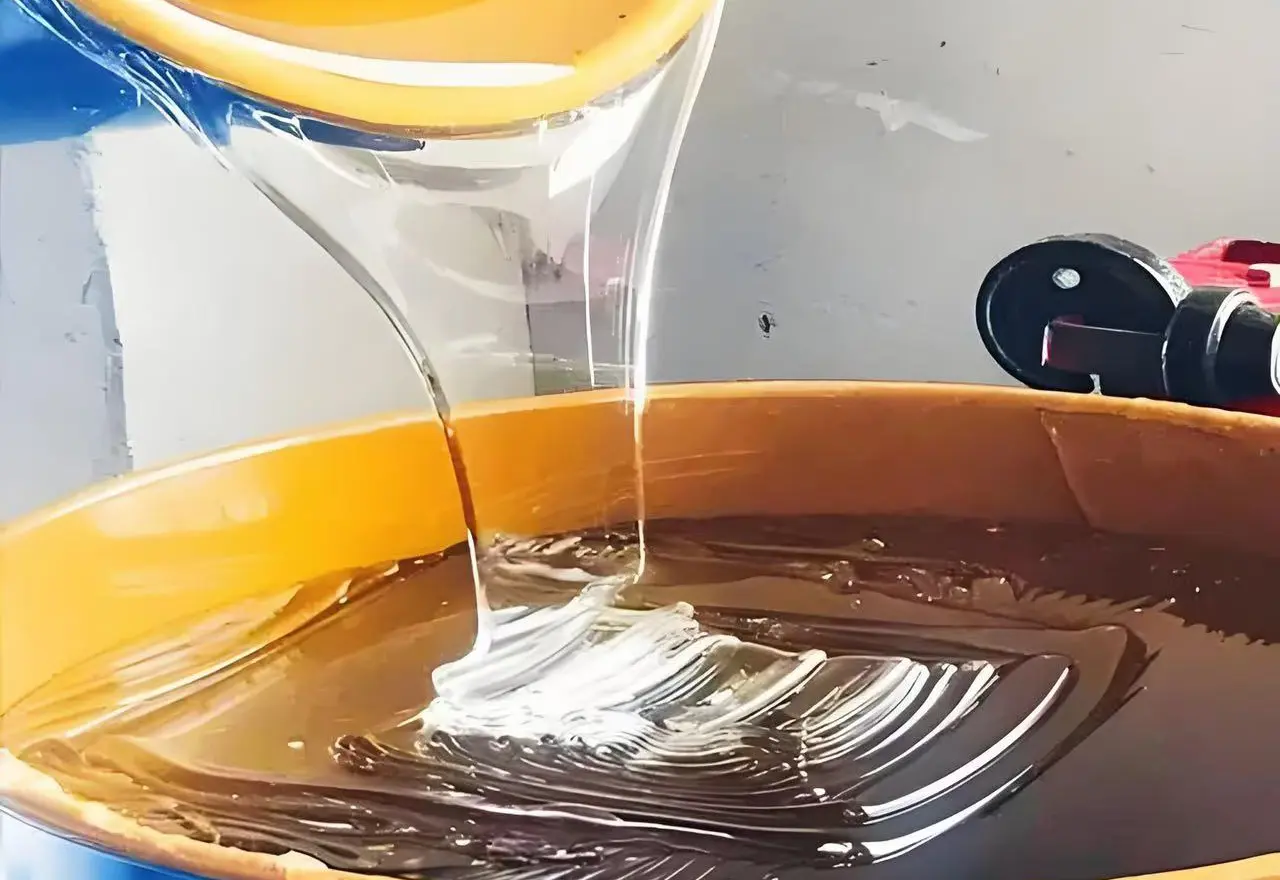

High-reliability sealants, lubricants, and structural composites.
Learn More →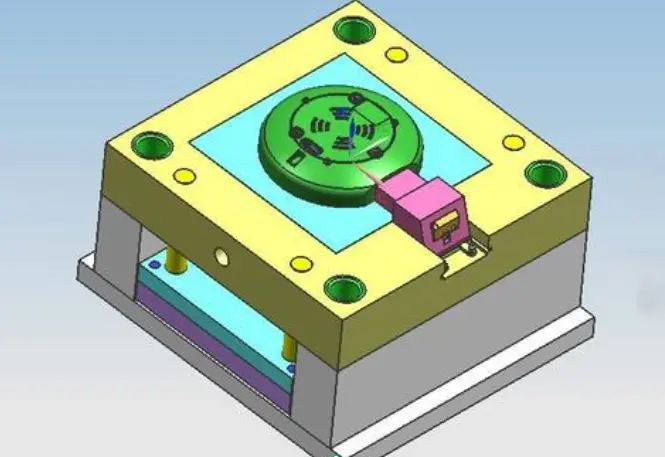
Tear-resistant room temperature vulcanizing rubbers for detailed casting.
Learn More →
Encapsulants, thermal interface materials, and PCB conformal coatings.
Learn More →
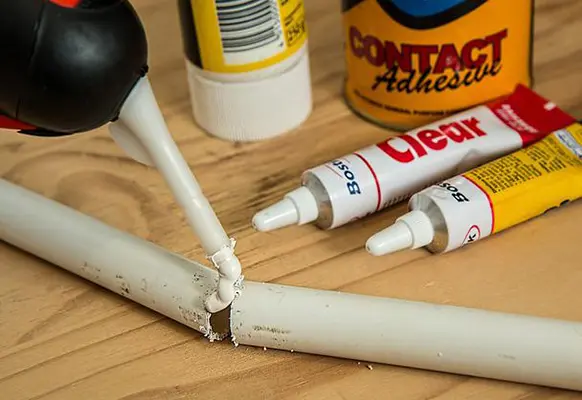
High-elasticity silicone and MS polymer compounds for structural glass facades.
Learn More →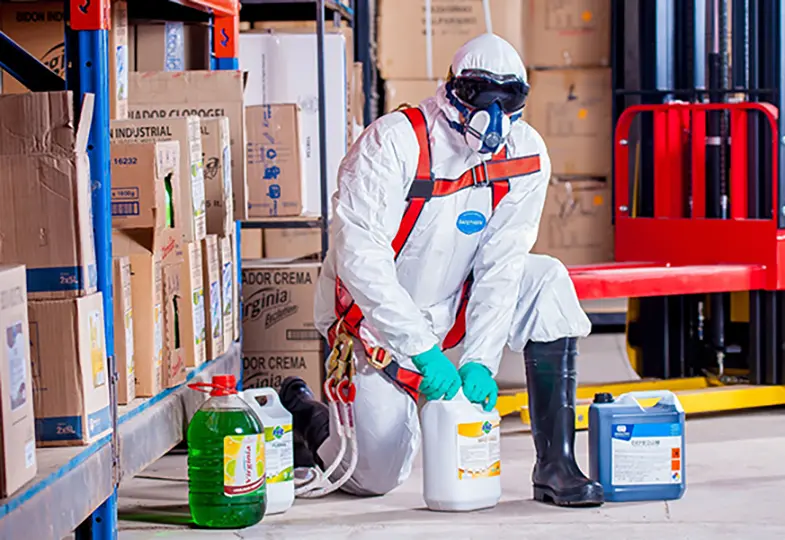
Additives that improve substrate wetting, scratch resistance, and flow properties.
Learn More →
Chromate-free conversion coatings using reactive organofunctional silanes.
Learn More →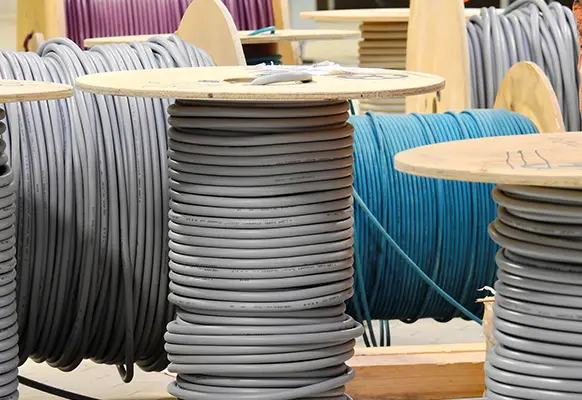
Crosslinkable polyethylene (XLPE) formulations designed for medium-to-high voltage transmission.
Learn More →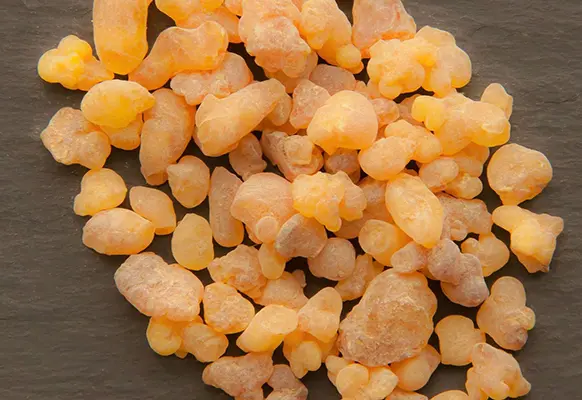
Unsaturated polyester, epoxy, and phenolic resin modification systems.
Learn More →
Admixture chemicals that improve the durability and crack resistance of concrete matrices.
Learn More →
Adhesion systems for giant rotor blades made of carbon and glass-fiber reinforced composites.
Learn More →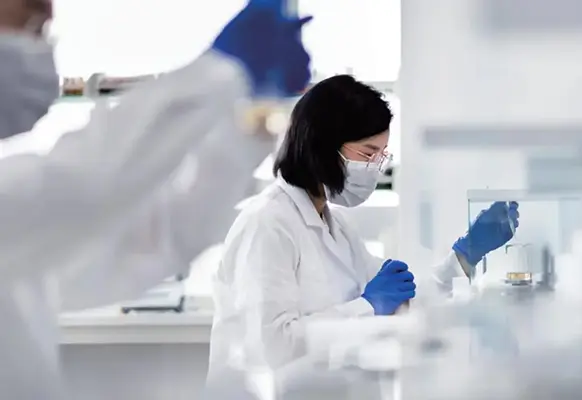
Silicone-based elastomer polymers and diagnostic surface modification chemistry.
Learn More →
Amino-functional silicone emulsion softeners and water repellent finishes.
Learn More →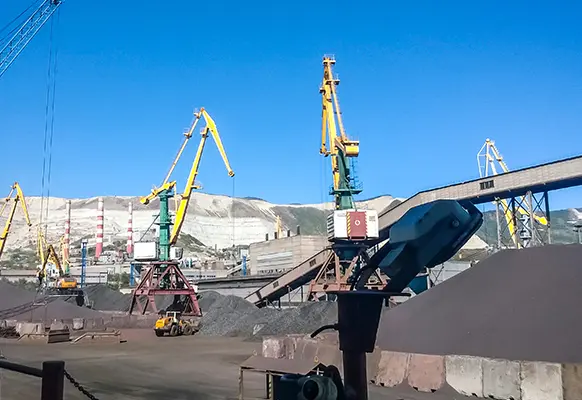
Surface coupling modification of silica, kaolin, talc, and metal hydroxide flame retardants.
Learn More →The performance of organosilicon coupling agents and resins depends heavily on localized environmental conditions and chemical regulations. At Boctok, we customize our chemical formulations for specific regional applications:
In northern climates, structural materials must withstand heavy freeze-thaw cycles. Boctok’s RTV silicone sealants and crosslinked cable compounds are formulated with specific phenyl silicone modifiers. By incorporating phenyl groups into the siloxane backbone, we suppress the crystallization temperature of the silicone matrix down to -60°C, ensuring flexibility and preventing cracking in high-voltage cables and joint sealants.
In humid, tropical climates, the hydrolysis of typical alkoxysilanes can occur prematurely during storage or coating application. To address this, Boctok offers stabilized oligomeric aminosilanes with controlled hydrolysis kinetics. These slow-releasing agents prevent early gelation and maintain consistent adhesion to wet metallic and concrete surfaces.
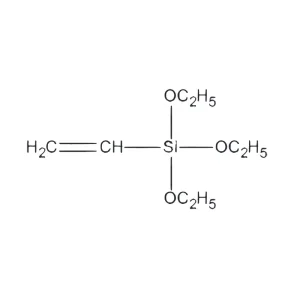
For electrical distribution in high-temperature environments, our silane crosslinked polyethylene (XLPE) systems utilize specialized vinyl silane compounds combined with sterically hindered phenolic antioxidants. This composition prevents thermo-oxidative degradation of cables and distribution units operating continuously at temperatures above 90°C.
Addressing core technical questions from chemical engineers, material formulators, and procurement managers.
Explore our additional range of specialized silanes, crosslinkers, and copper-based agricultural compounds.
 Boctok Chemical