Advanced functional monomers, crosslinkers, and core industrial intermediates supplying global bio-chemical and synthetic processes.
An in-depth analysis of biochemical pathways, synthetic innovations, and raw material interfaces driving global manufacturers.
Amino acids constitute the fundamental building blocks of proteins and find expansive applications across animal nutrition, human healthcare, pharmaceuticals, food technology, cosmetics, and advanced agricultural chemistry. With the global amino acid market projected to exceed USD 35 billion by 2030, understanding the dynamics of famous amino acid manufacturers and companies requires a deep dive into both biochemical fermentation pathways and downstream synthetic modification techniques. Manufacturers in this domain are increasingly pivoting towards green chemistry and bio-based raw materials, reducing dependence on fossil-fuel derivatives while optimizing output yields.
Modern biochemical industries do not operate in isolation. There is a deep, functional synergy between primary amino acids (such as L-Lysine, L-Methionine, and L-Glutamic acid) and organosilicon compounds, silanes, and petroleum resins. For instance, aminosilane oligomers and organosilicone derivatives are widely employed to surface-treat, encapsulate, or modify amino acid formulations in personal care and agricultural products. This allows for controlled-release mechanisms and enhanced hydrophobic capabilities. Shandong Boctok Chemical Co. stands at the cross-section of these chemical frameworks, serving as a critical global supplier of functional silane coupling agents, silicone fluids, and petroleum resins that form the technical backbone of biochemical synthesis pipelines.
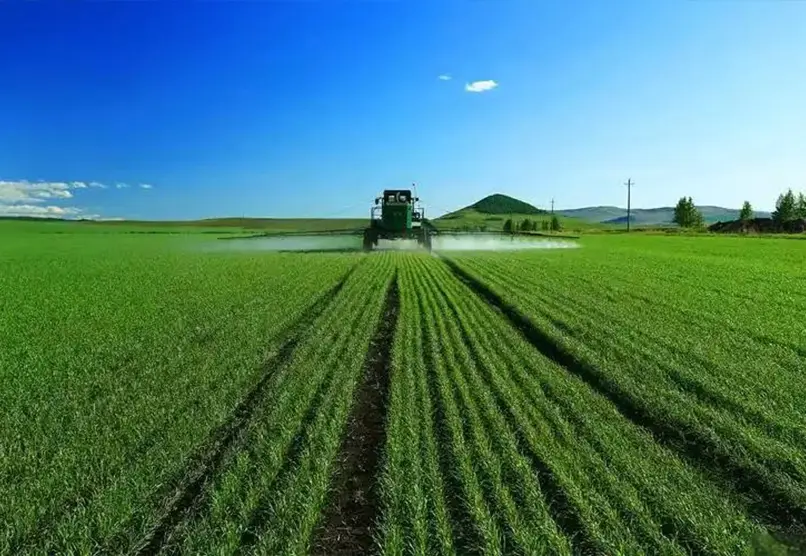
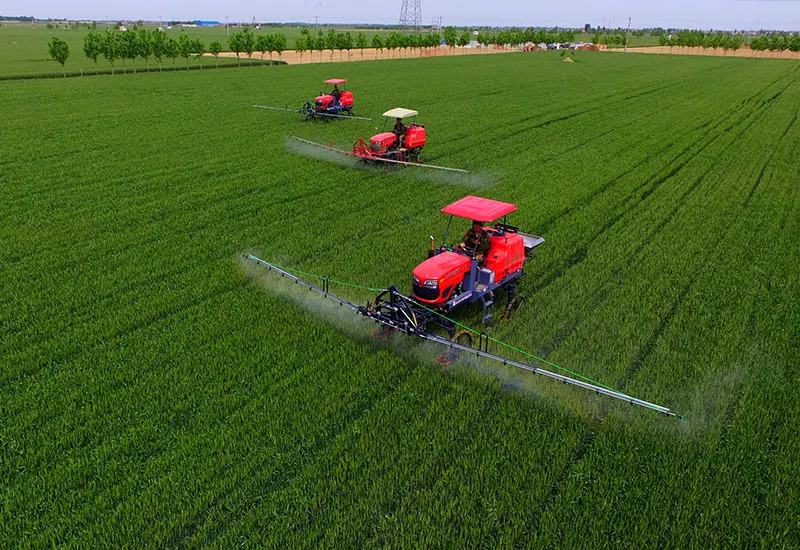
Localized application scenarios dictate the success of famous amino acid and chemical manufacturers. In the Russian and Eurasian markets, specialized distributors depend heavily on robust, low-temperature resistant additives and high-purity raw materials. Organosilicon crosslinkers, combined with customized amino acid chelating agents, ensure that pesticides and fertilizers function optimally under extreme climatic conditions. By utilizing localized logistics and tailored synthetic routes, manufacturers can address the exact agricultural and industrial needs of regional end-users, promoting sustainable farming and robust industrial product life cycles.
Shandong Boctok Chemical Co. was founded in 2012 as a marketing and sales center for Boctok™ domestic and overseas businesses. Leveraging advanced chemical synthesis infrastructure, the company achieved sales of US$280 million in 2023. The BOCTOK brand specializes in serving the Russian market, providing exceptional chemical solutions, logistics support, and technical services tailored to the region's demanding conditions.
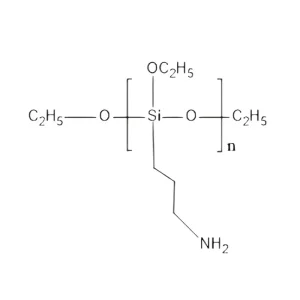
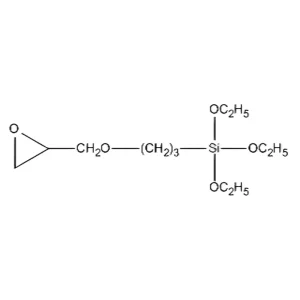
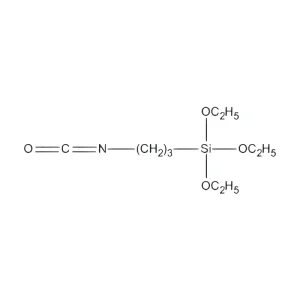
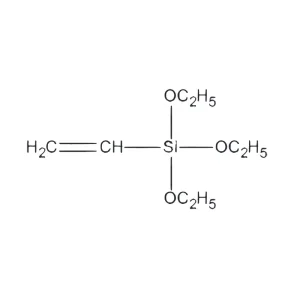
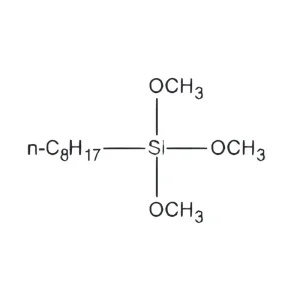
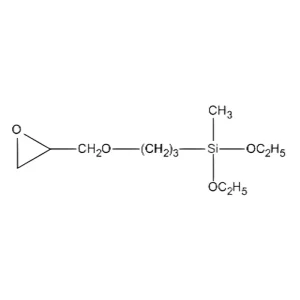
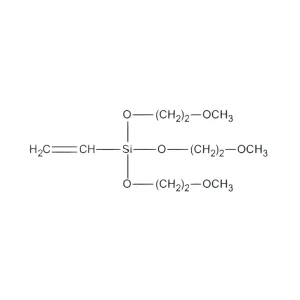
Boctok’s core operations are divided into three highly specialized product categories. Our primary organosilicone business encompasses 12 comprehensive series of silane coupling agents and crosslinkers. These include: aminosilane, methacrylate silane, epoxy silane, vinyl silane, mercaptosilane, alkyl silane, ethyl silicate, chlorosilane, silane isocyanates, phenyl silane, ureidosilane, and serosilane.
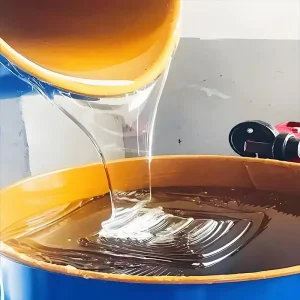
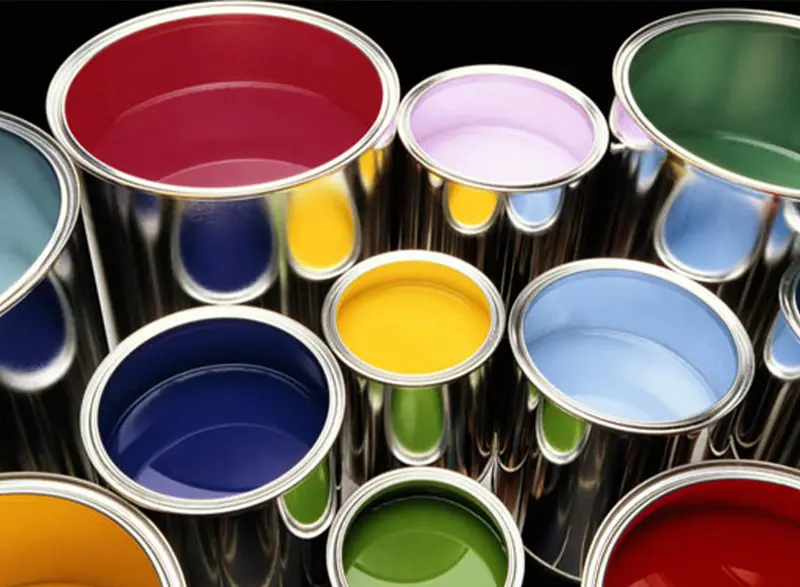
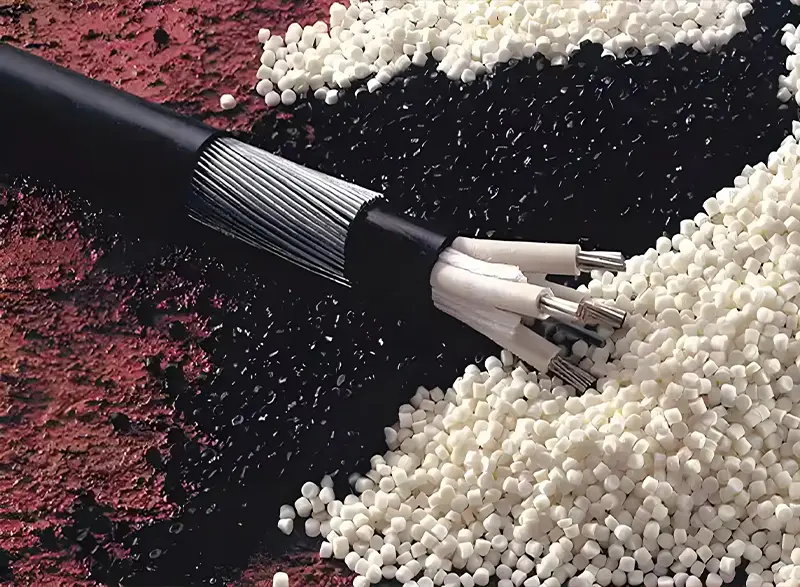
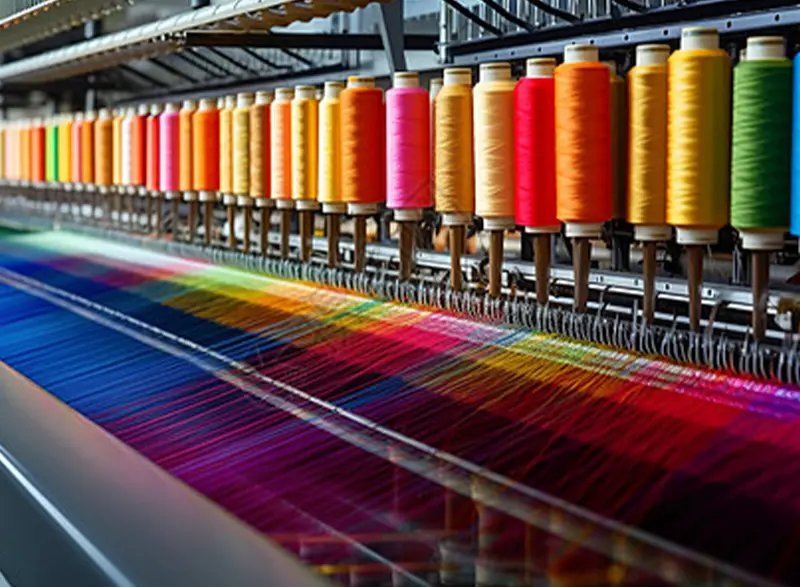
Furthermore, Boctok is a prominent name in silicone fluids, silicone resins, and rubbers, offering high-hydrogen silicone oil, dimethicone, vinyl silicone oil, polyphenylmethyldimethylsiloxane, phenyl silicone oil, silanol silicone oil, OH polymer, alkoxy silicone oil, methyl MQ resin, vinyl VMQ resin, room-temperature vulcanized methyl silicone rubber, 110 methyl vinyl silicone rubber, and 120 methyl phenyl rubber. These materials improve the functional properties of glass fibers, electronics, coatings, XLPE electric cables, textiles, and drilling applications globally.
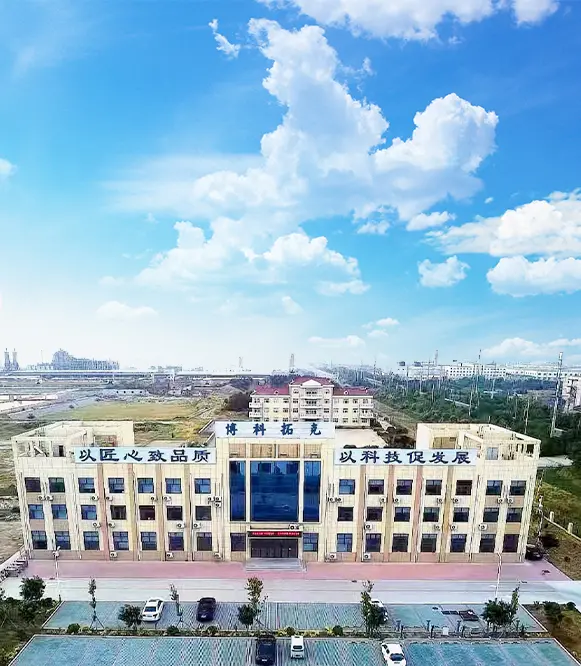
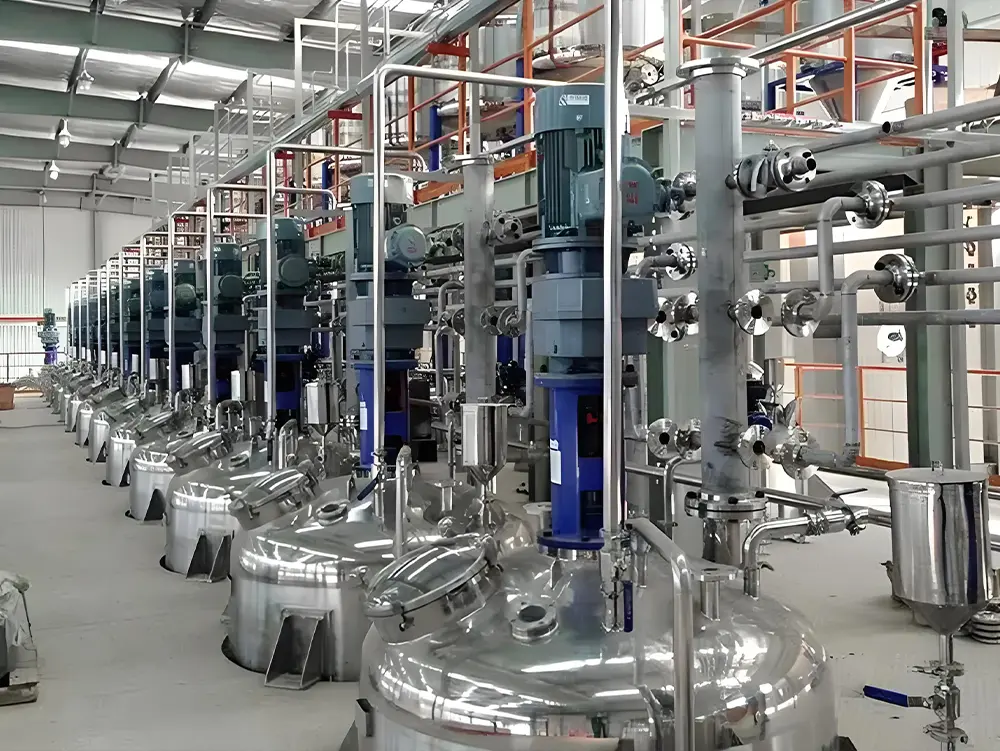
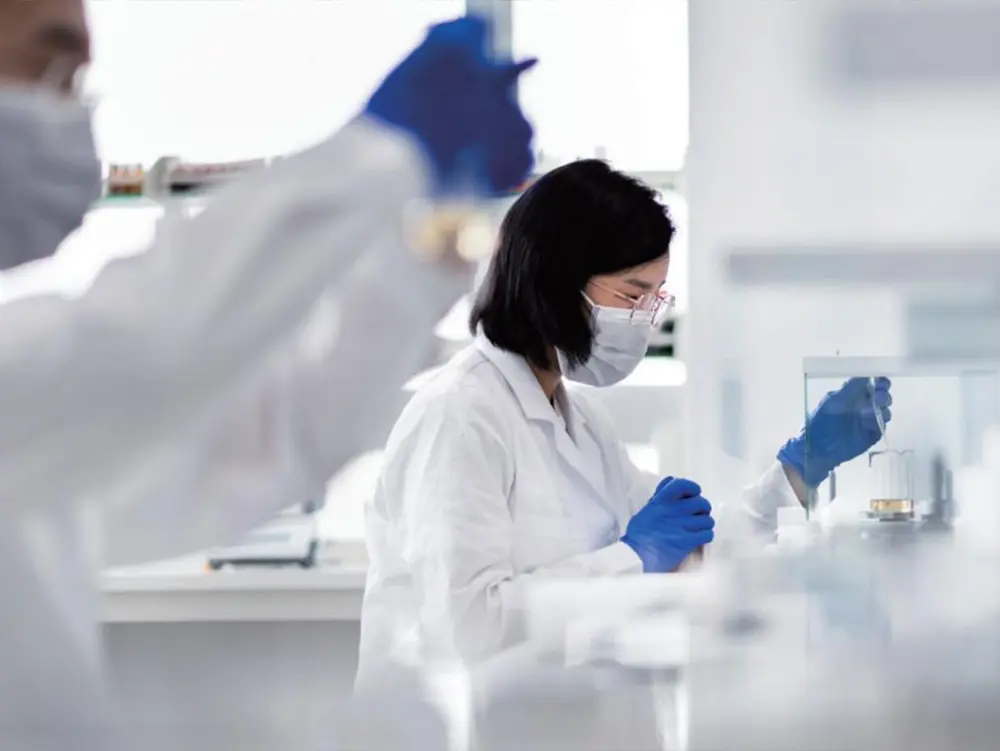
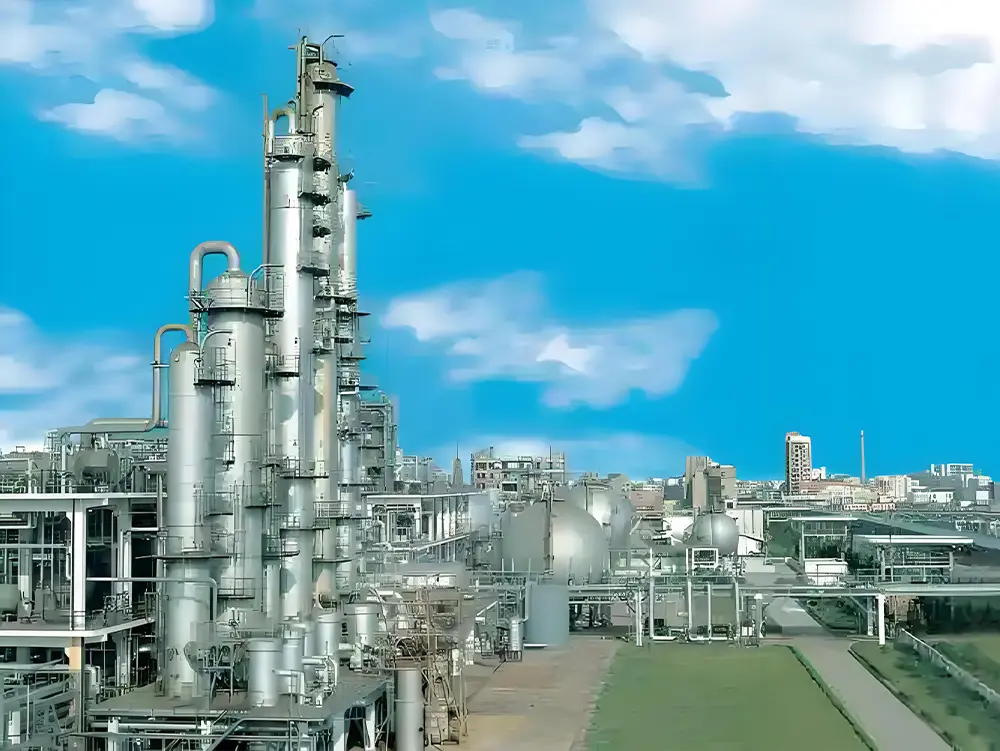
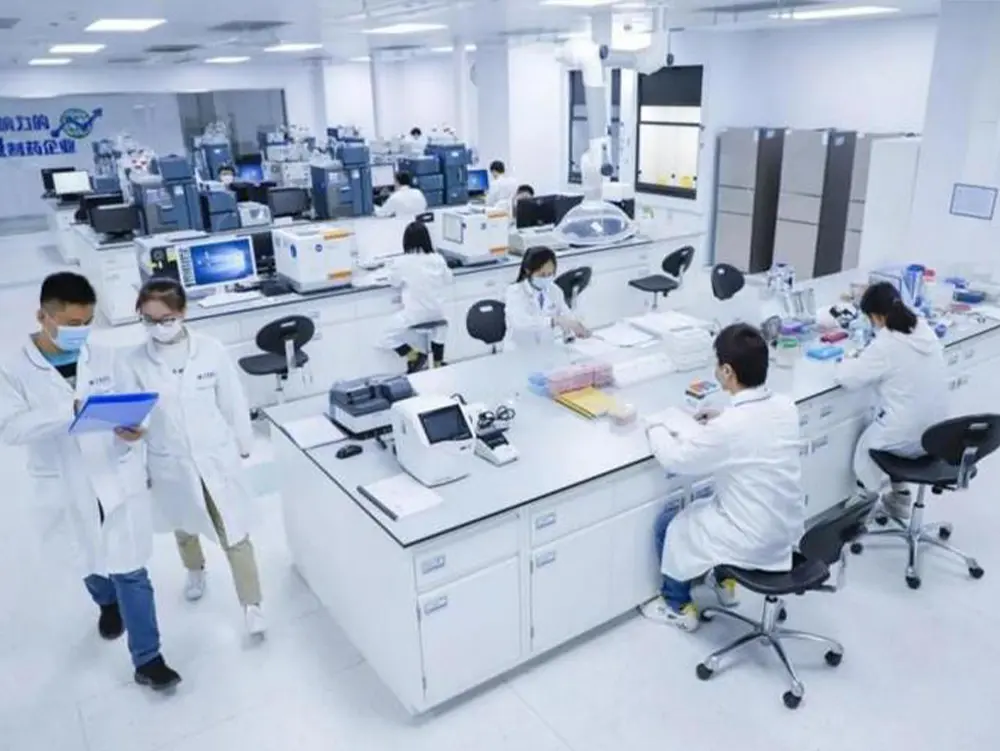
Expanding the value chain through strategic investments, advanced production lines, and global trade frameworks.
Boctok's Tier II core business is petroleum resins. We have invested in a key hydrocarbon resin manufacturer in China. We currently have three operating hydrocarbon resin factories located in Zibo, Fushun, and Nanjing.
Taking advantage of reliable and abundant raw materials from SINOPEC and PetroChina, our advanced production facilities, and our decades of marketing experience, our products are widely used by customers, including many Fortune 500 companies, in both domestic and overseas markets. These products include C9 hydrogenated resins, C5 hydrocarbon resins, C5 modified C9 hydrocarbon resins, C9 hydrocarbon resins, dicyclopentadiene, and methyl cyclopentadiene dimer.
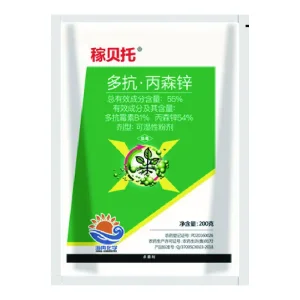
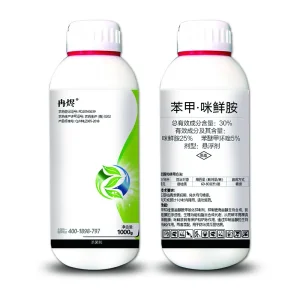
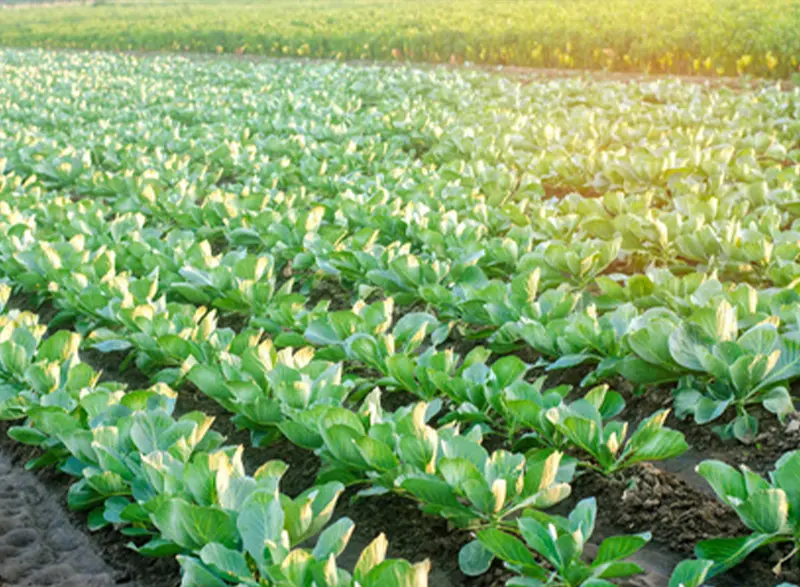
Boctok also focuses on the agrochemical industry. It produces intermediates and raw materials for the production of pesticides, fungicides, insecticides, seed treatments, herbicides, plant growth regulators, and more.
Through molecular integration and chemical synthesis, we supply specialized chelating elements (like zinc polypropylene and copper quinoline complexes) that are critical to modern crop protection and agricultural yield maximization.
Boctok's products are sold throughout China and exported to North America, Europe, Japan, South Korea, Australia, South America, the Middle East, India, Southeast Asia, Russia, etc., enjoying the well-deserved trust of customers.
We work closely with global distribution networks to ensure that our chemical intermediates meet the strict regulatory frameworks of different regions, including REACH in the EU and localized standards in the Eurasian Economic Union.
Ensuring stability, quality compliance, and environmental protection through systematic engineering.
Boctok recently invested US$65 million to build a new plant located in Bohai Industrial Park, a provincial chemical industry park in Shouguang City, Shandong Province, to expand the production chain of silane coupling agents, with 6 automatic DCS production lines with an annual output of 30,000 tons of silane coupling agents.
The production lines in the new factory are equipped with automatic remote control system DCS, safety instrument system SIS, and other advanced safety equipment. ISO9001 quality management system standards are implemented throughout the process to ensure stable quality across all manufacturing batches.
State-of-the-art treatment facilities have been built to protect the environment. This includes a comprehensive waste gas collection and treatment system and a high-capacity wastewater treatment system, aligning with international carbon reduction and ecological guidelines.
Why chemical leaders and multinational organizations choose Shandong Boctok Chemical Co. as their long-term supply chain partner.

Our products undergo rigorous testing to ensure that every aspect meets the highest quality standards, utilizing chromatography and spectrophotometry validation.

We have advanced production lines that allow us to effectively expand production capacity and meet the demand for mass customization and large-scale bulk orders.

Our professional team is available online 24 hours a day to provide attentive service, chemical documentation, and answer all logistics questions.

An optimized logistics system ensures fast order processing, efficient customs clearance pathways, and timely delivery to global customers.
Diverse portfolios engineered for extreme industrial performance and precise synthesis applications.
Our solutions target critical agricultural and industrial segments to improve the quality of downstream applications.
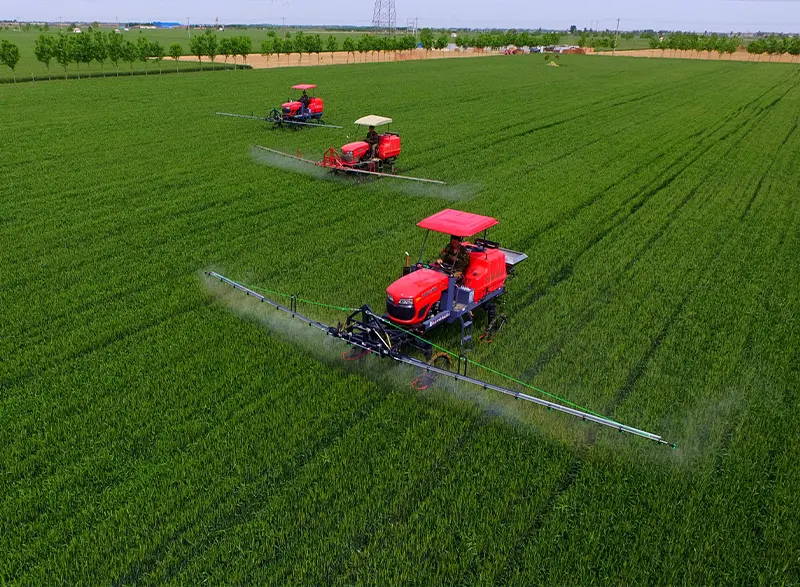
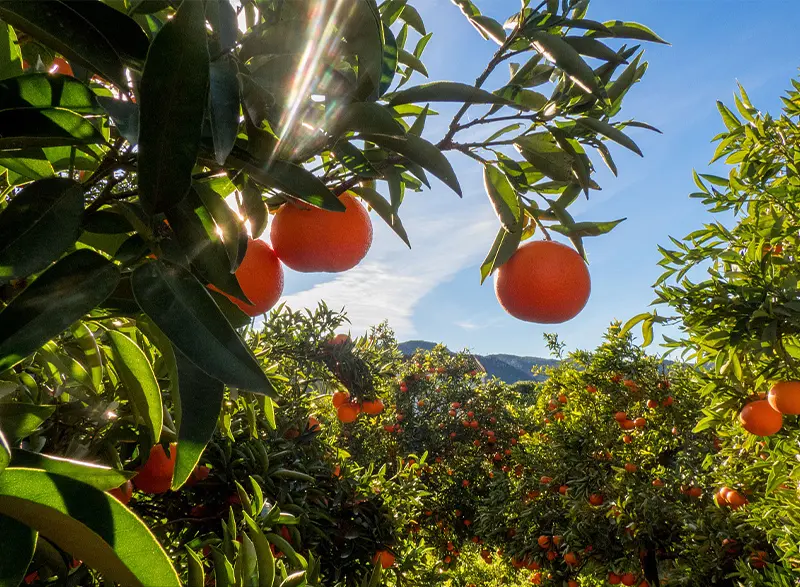

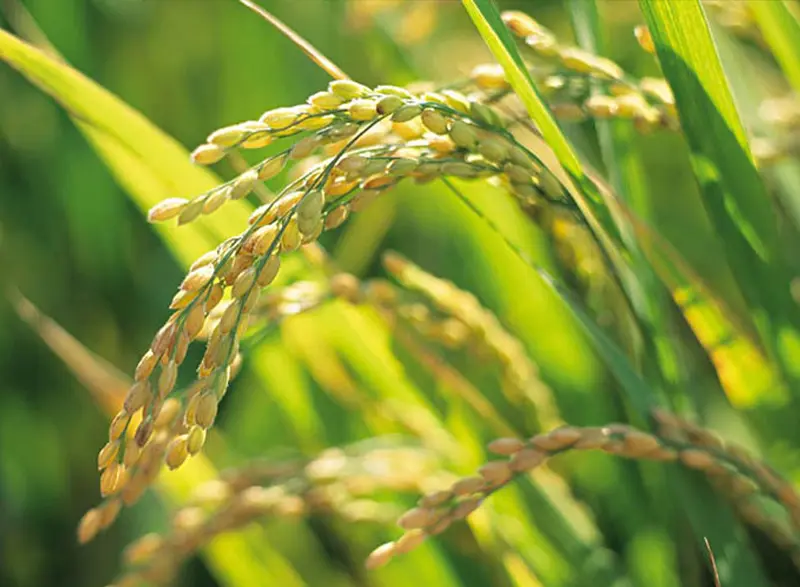
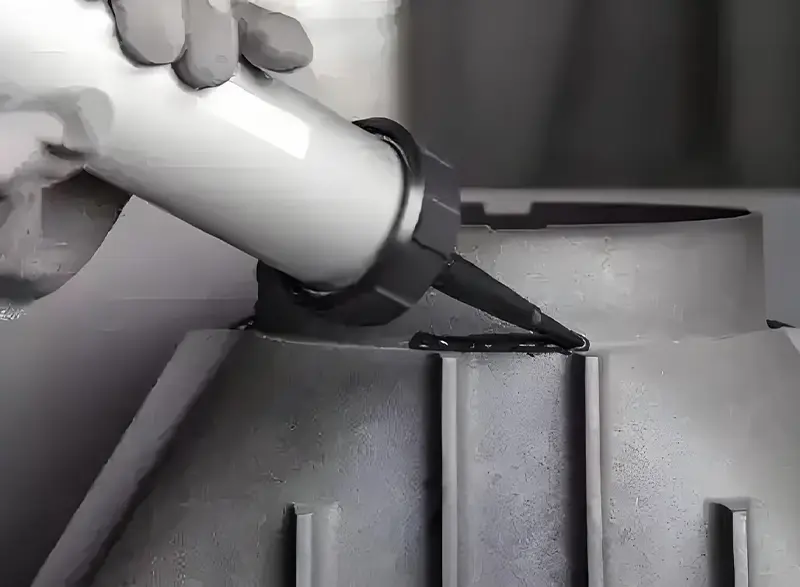
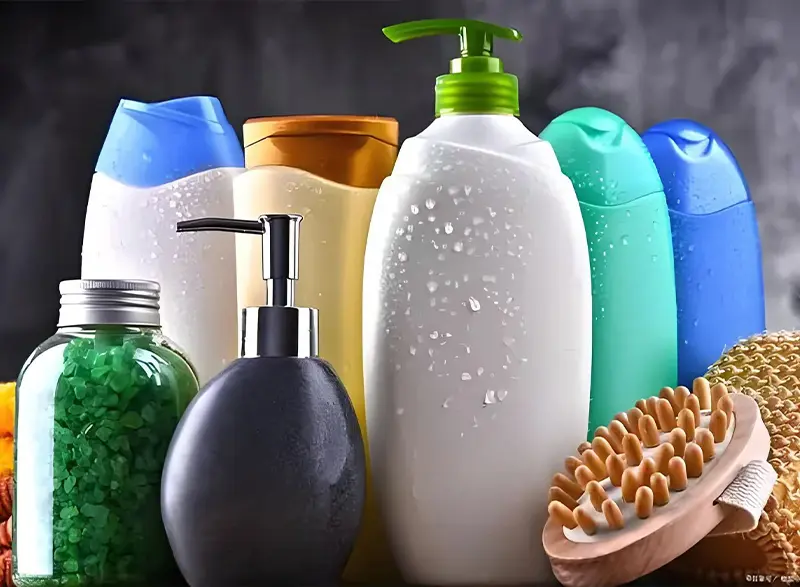
Providing functional durability and chemical efficiency across multi-industry processes.


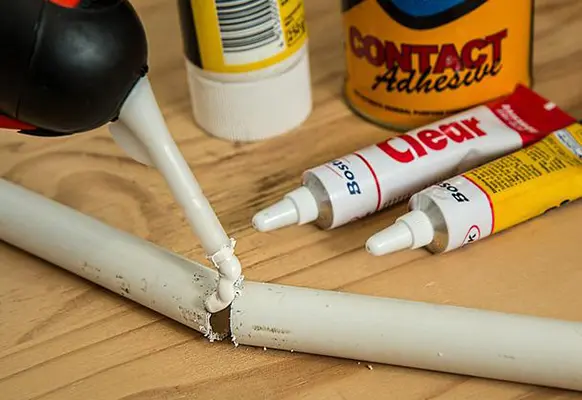
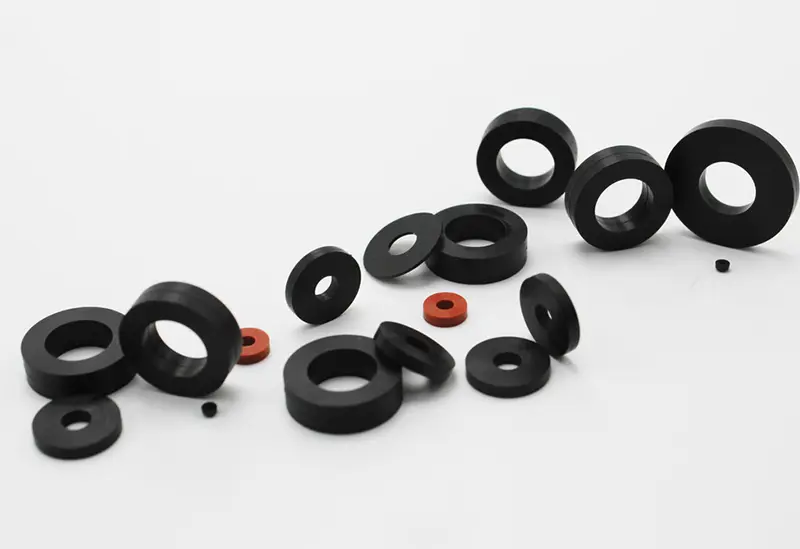








Evaluating standard molecular pathways, catalytic oxidation, and structural modification methodologies.
Modern amino acid manufacturing utilizes two main methodologies: direct microbial fermentation and synthetic chemical synthesis. Each method features unique parameters of cost, purity, environmental footprint, and molecular structure. For feed-grade amino acids like L-Lysine and L-Threonine, large-scale fermentation utilizing genetically modified strains of Corynebacterium glutamicum represents the industry standard. Conversely, DL-Methionine is primarily manufactured synthetically from acrolein, methyl mercaptan, and hydrogen cyanide, highlighting the vital role of petrochemical intermediates in supplying major protein nutrients.
For pharmaceutical applications (such as intravenous nutrition solutions) and advanced cosmetics, chemical purity requirements are exceptionally stringent. Manufacturers utilize chromatographic purification processes and crystallization methods to achieve optical isomer purity exceeding 99.5%. At Shandong Boctok Chemical Co., we support these processes by supplying high-purity silane coupling agents that act as solid-phase synthesis media supports. Aminosilanes and epoxy silanes allow chemical plants to functionalize silica supports, facilitating the chromatographic separation of amino acid enantiomers.
Another key area of development is the synthesis of amino acid surfactants (e.g., sodium cocoyl glycinate) which are rapidly replacing traditional alkyl sulfates in the cosmetics sector. These biodegradable surfactants require the condensation of natural fatty acid chlorides with amino acids. Silicones and organomodified dimethicones, supplied by companies like Boctok, are formulated in tandem with these surfactants to improve lather stability, skin feel, and moisture retention in personal care products. This highlights the deep functional integration between traditional organic silicon compounds and modern amino-acid derived ingredients.
Addressing core queries regarding amino acid manufacturing, chemical intermediate synthesis, and global sourcing parameters.
High-performance chemical catalysts, resins, and functional silanes tailored for global chemical syntheses.
 Boctok Chemical