Premium silanes, cyclics, and functional coupling agents engineered for extreme reliability and performance.
Founded in 2012, Shandong Boctok Chemical Co. has established itself as an authoritative force in the international chemical landscape. Serving as the primary marketing, sales, and technical service center for Boctok™ domestic and overseas businesses, we have engineered robust pathways to global markets. In 2023, Boctok registered total sales of US$280 million, demonstrating our scale, operational reliability, and deep market integration.
Under the BOCTOK brand, we maintain a dedicated presence in global markets, specializing in high-performance organosilicon synthesis, specialty petroleum resins, and target agricultural intermediates. Our manufacturing philosophy centers on molecular design precision, ensuring that whether we are formulating complex silane coupling agents or synthesizing structural MQ resins, the final product exhibits outstanding stability and application-specific efficiency.
Four highly coordinated production centers delivering unmatched quality, environmental compliance, and delivery guarantees.

Alkoxy silicone oils and functional organosilicon fluids represent the pinnacle of surface science innovation. The integration of alkoxy groups (methoxy, ethoxy, and isopropoxy) onto the siloxane backbone grants these materials a unique dual reactivity: the organic functionalities interact with polymers, while the hydrolyzable alkoxy groups form covalent siloxane bonds with inorganic matrices upon exposure to ambient humidity.
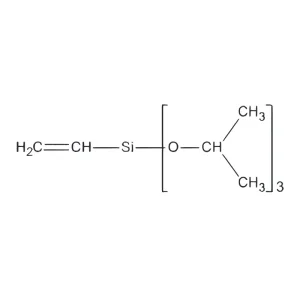
The global market is witnessing a distinct transition toward low-VOC, hazard-free crosslinking chemistries. Standard methoxy-based silanes release methanol during hydrolysis, whereas modern advancements are driving the development of ethoxy and isopropoxy analogs (such as Vinyltriisopropoxysilane) which release non-toxic byproducts, aligning with stringent REACH and TSCA frameworks. In key sectors like automotive engineering, wind energy, and electronics encapsulation, alkoxy silicone technology provides thermal resistance, moisture protection, and mechanical flexibility.
As microelectronics scale down and EV battery architectures demand higher thermal management efficiencies, the role of structural silicone resins, dimethicones, and phenyl-based fluids becomes vital. Boctok is addressing these needs through structured molecular weight distributions and minimal volatile content, establishing our materials as the standard for international procurement divisions.
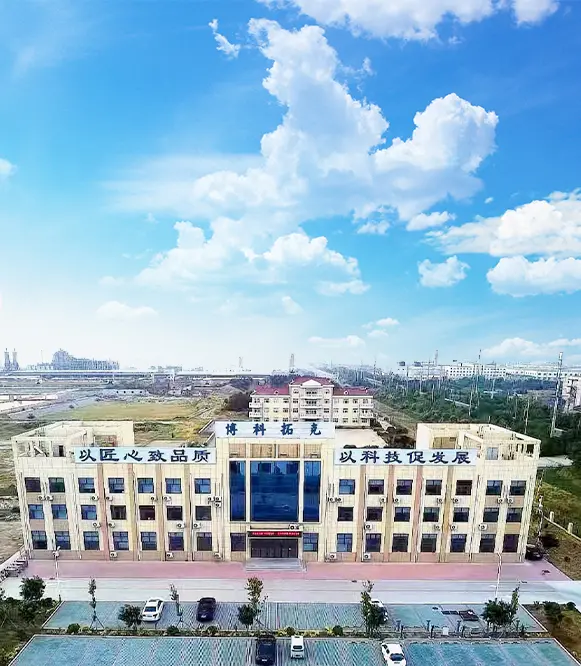
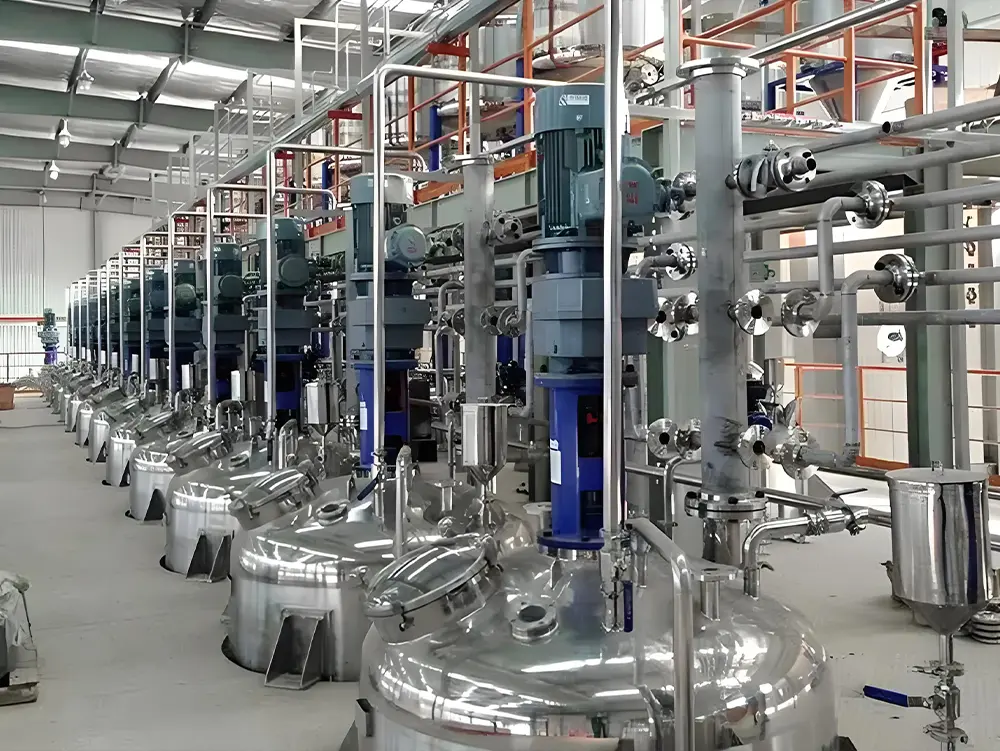
To meet the growing requirements for specialty chemical precursors, Boctok invested US$65 million to construct a state-of-the-art facility in the Bohai Industrial Park, Shouguang City, Shandong Province. This provincial-grade chemical park provides a regulated environment for safe, sustainable, and high-volume chemical synthesis. Operating with 6 automatic DCS production lines, the plant maintains an annual capacity of 30,000 tons of silane coupling agents.
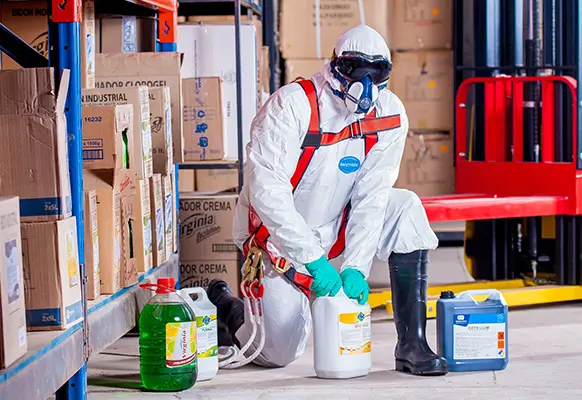
Our smart manufacturing process is built on key safety and quality control systems:
Explore Boctok’s core divisions, from organosilicon chemistry to petroleum resins and crop protection systems.
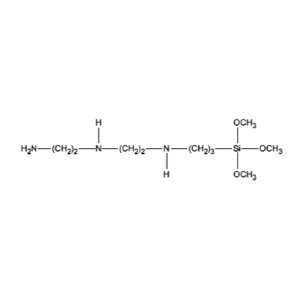
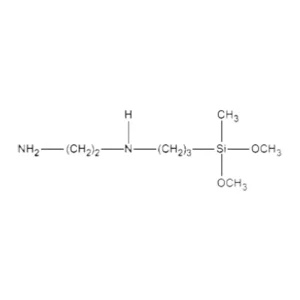
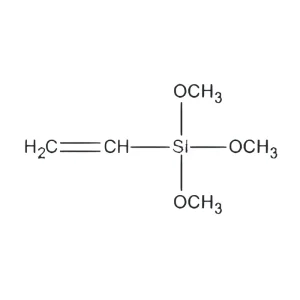
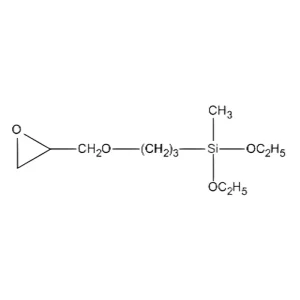
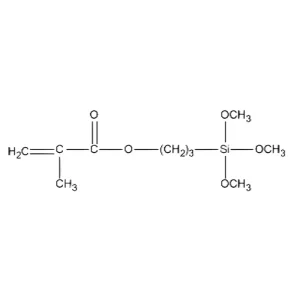
Our organosilicon business covers twelve series of silane coupling agents and crosslinkers: aminosilane, methacrylate silane, epoxy silane, vinyl silane, mercaptosilane, alkyl silane, ethyl silicate, chlorosilane, silane isocyanates, phenyl silane, ureidosilane, and serosilane.
Additionally, we focus on high-hydrogen silicone oil, dimethicone, vinyl silicone oil, polyphenylmethyldimethylsiloxane, phenyl silicone oil, silanol silicone oil & OH polymer, alkoxy silicone oil, methyl MQ resin, vinyl VMQ resin, room-temperature vulcanized methyl silicone rubber, 110 methyl vinyl silicone rubber, and 120 methyl phenyl rubber.
Our second-tier core business leverages partnerships with SINOPEC and PetroChina for raw material supply. Operating three advanced hydrocarbon resin plants in Zibo, Fushun, and Nanjing, we manufacture high-performance polymers for adhesive, rubber, and paint applications.
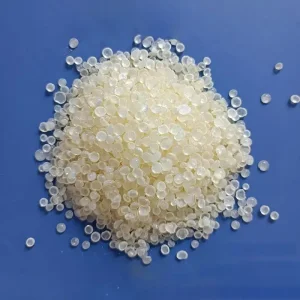
Products include C9 hydrogenated resins, C5 hydrocarbon resins, C5 modified C9 hydrocarbon resins, C9 hydrocarbon resins, dicyclopentadiene (DCPD), and methyl cyclopentadiene dimer, catering to multiple Fortune 500 manufacturers.
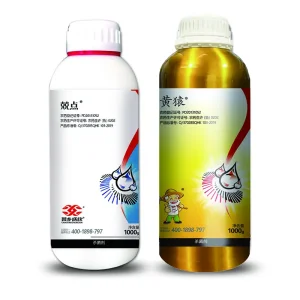
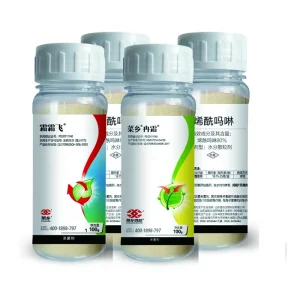
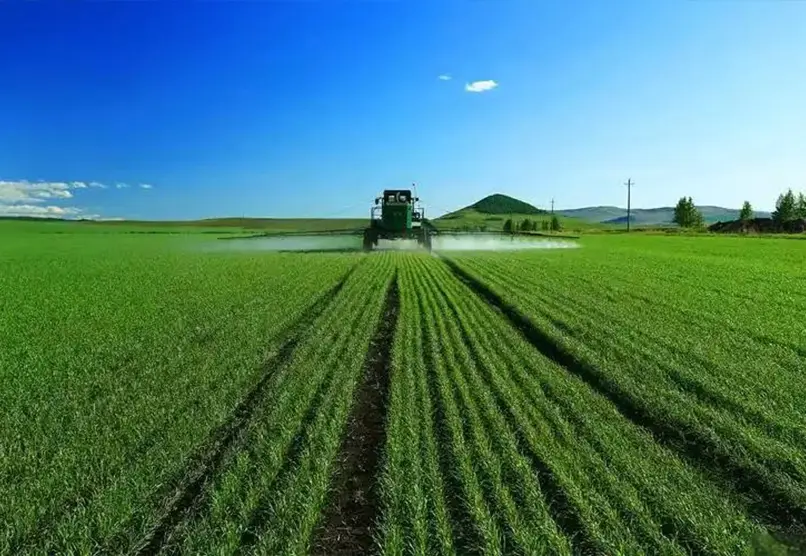
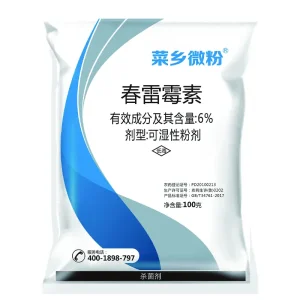
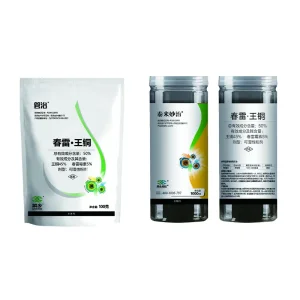
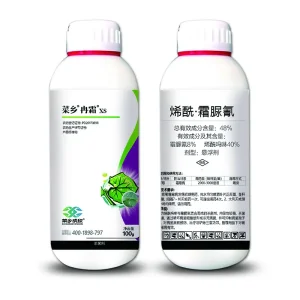
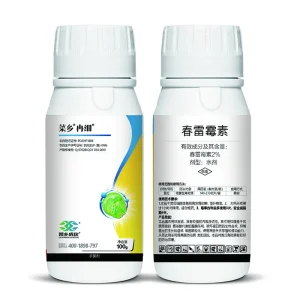
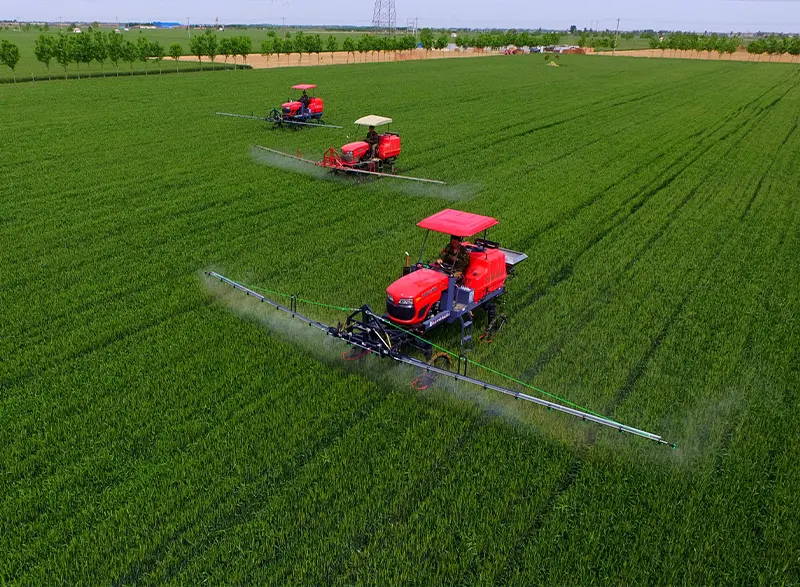
Boctok supports global agricultural productivity by producing intermediates, precursors, and chemical formulations for crop protection, plant health, and soil management systems.
Our portfolio delivers reliable raw materials for the production of herbicides, insecticides, targeted fungicides, seed treatments, and plant growth regulators (PGR), exported to key agricultural zones globally.
Systematic categorization designed to meet strict performance metrics across target industries.
Our operational framework is designed to optimize product quality, output capacity, and supply chain resilience.

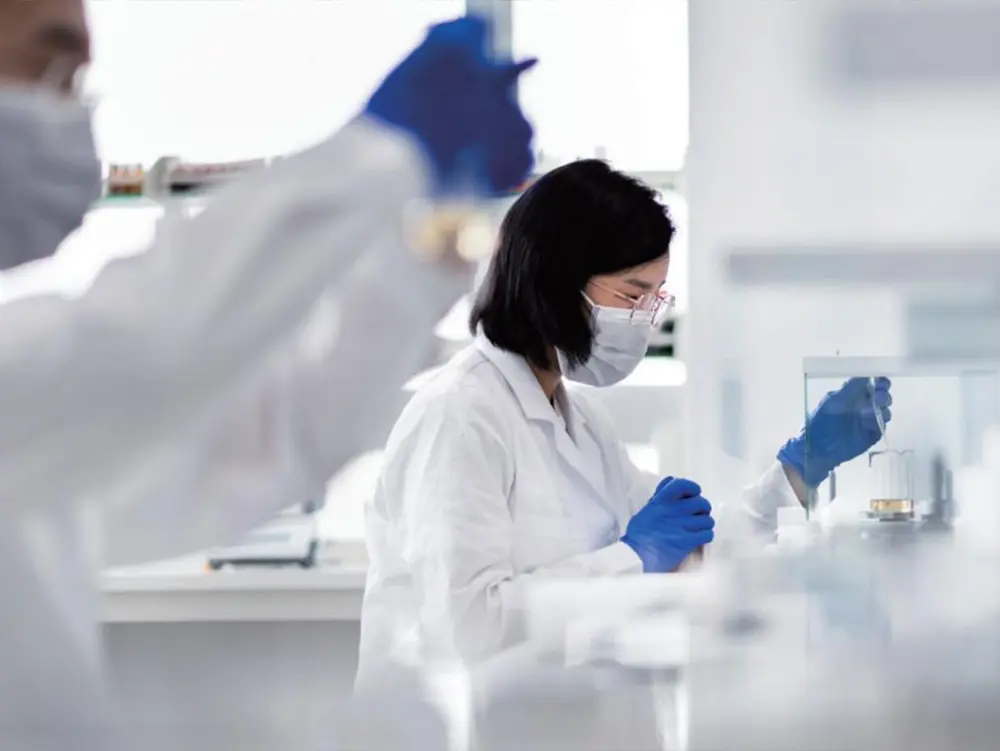
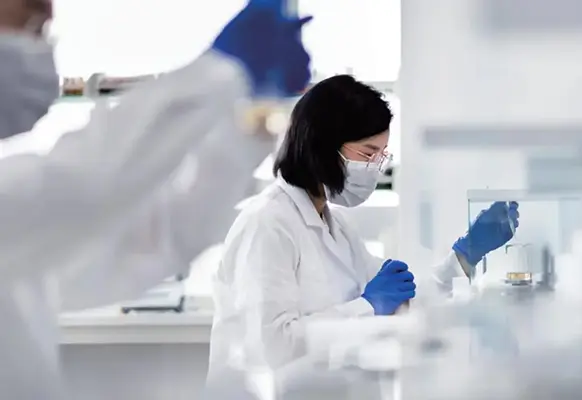
Our products undergo multi-stage chromatographic and spectroscopic testing to ensure they meet international purity standards.

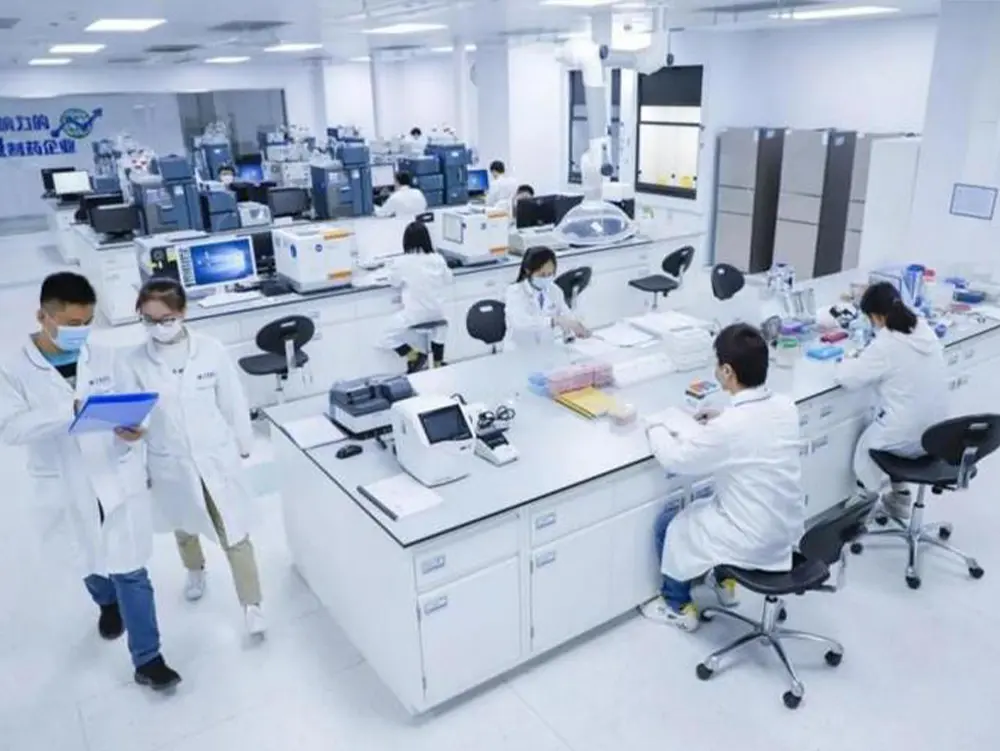
Advanced chemical engineering units and DCS automation scale production quickly to meet high-volume global demands.

Our application engineering team provides technical consultations, formulation support, and chemical analysis around the clock.

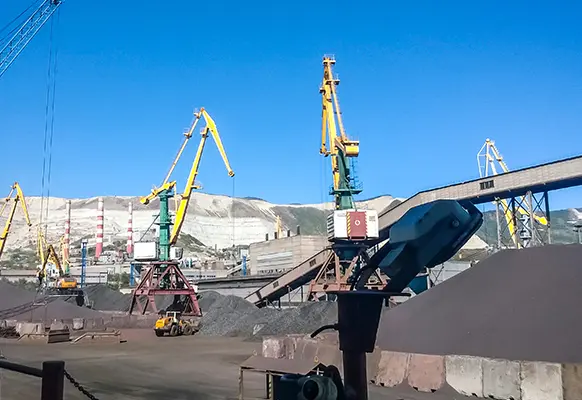
Strategic logistics routes, integrated shipping profiles, and multi-hub distribution centers guarantee timely, safe cargo delivery.
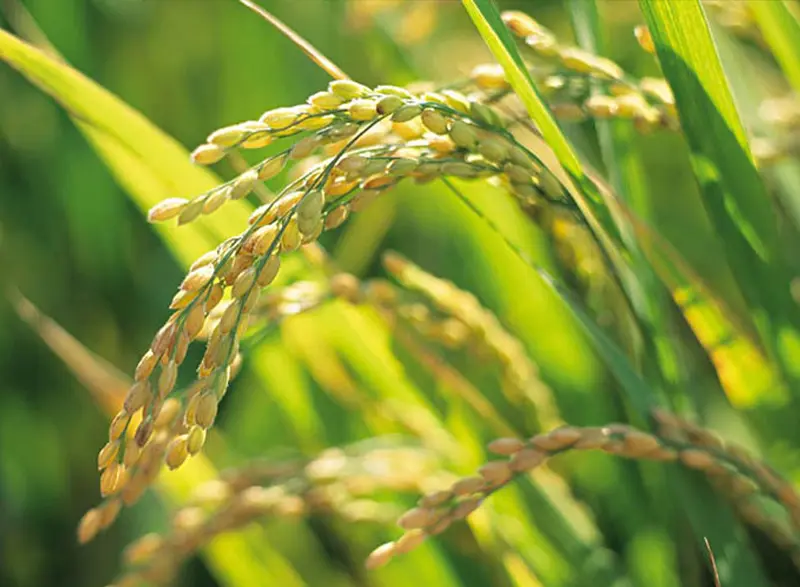
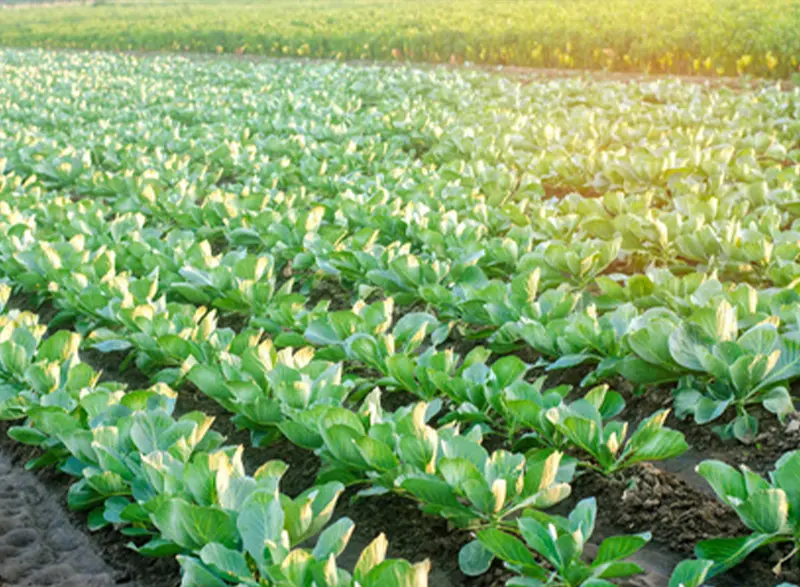
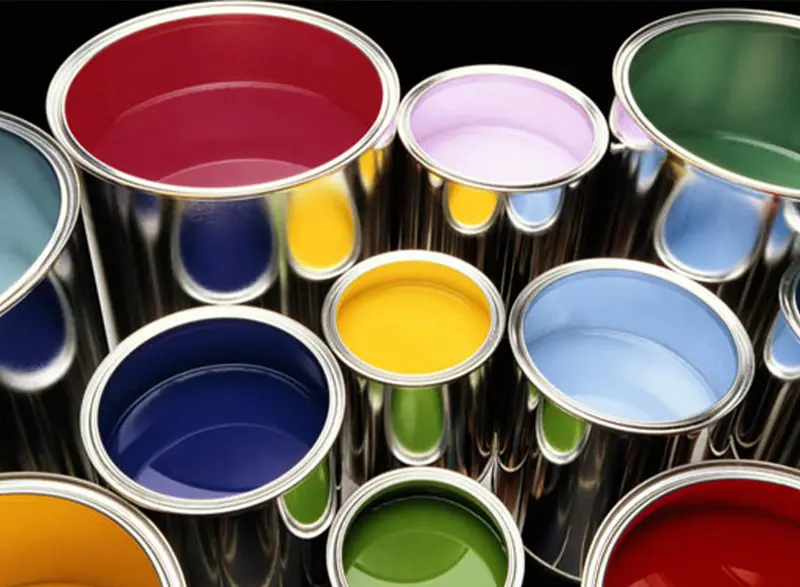
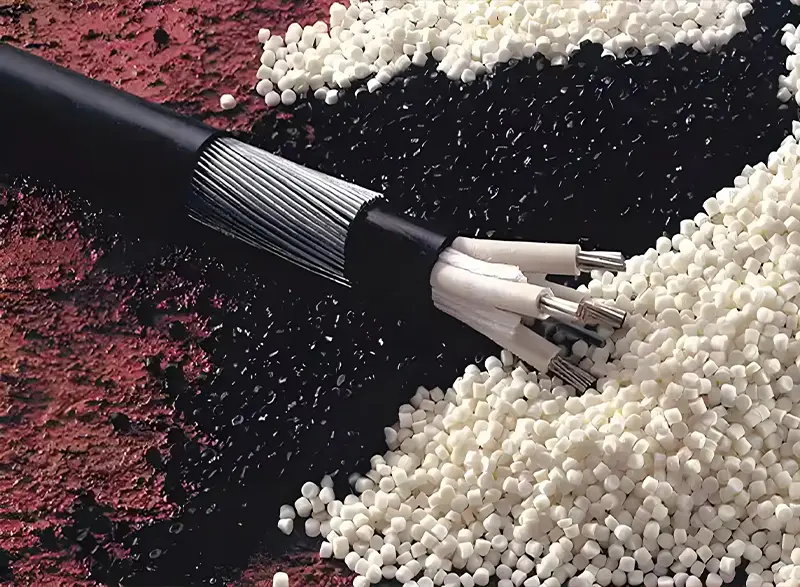
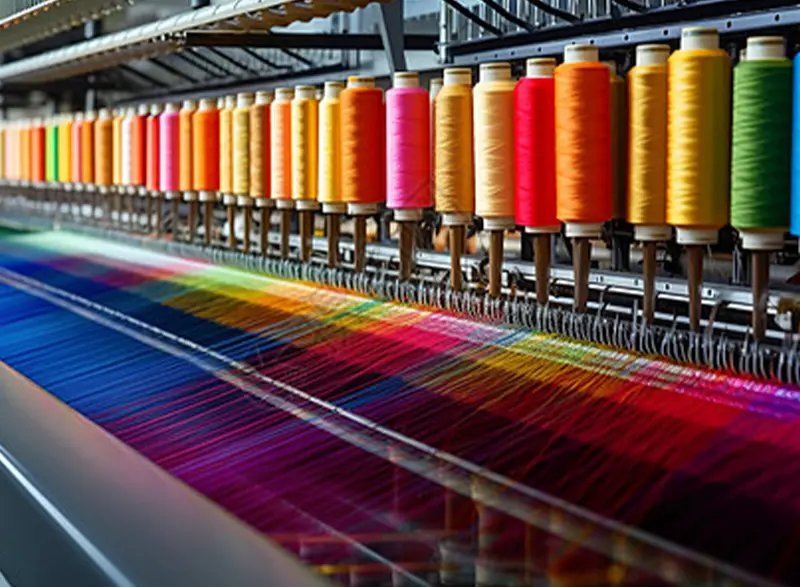
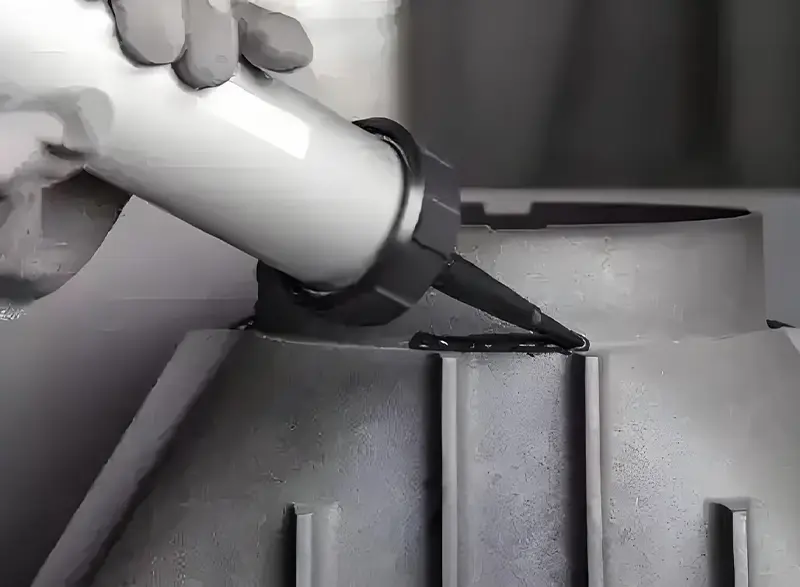
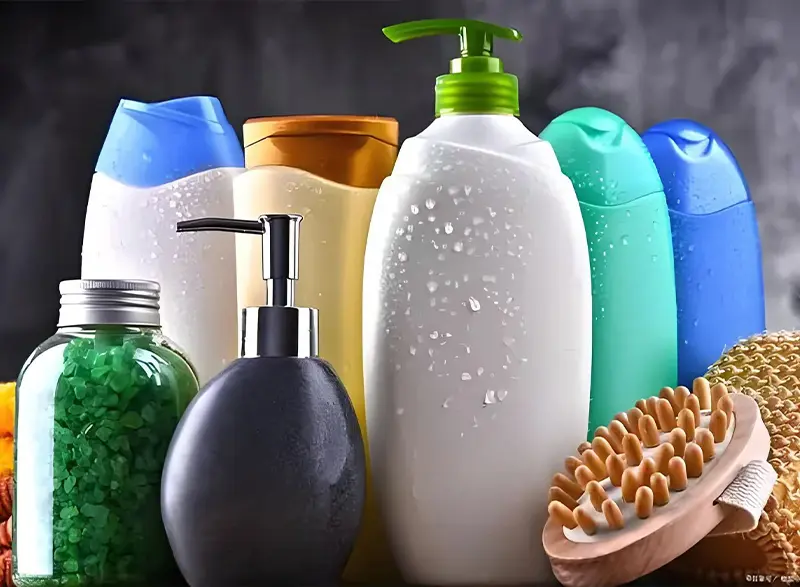
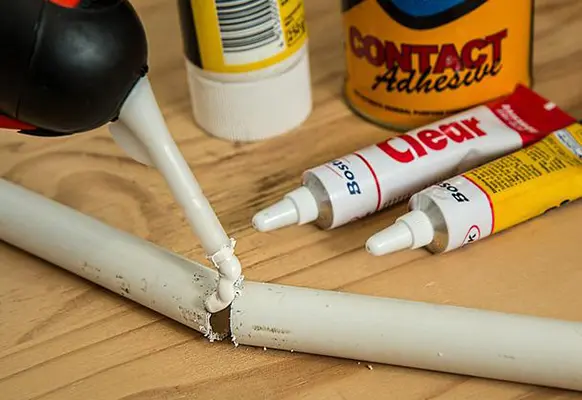
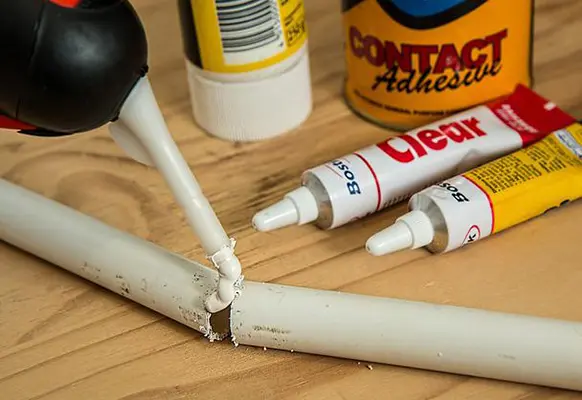
From industrial sealants and automotive wiring to crop science, our products are engineered for specific application demands.



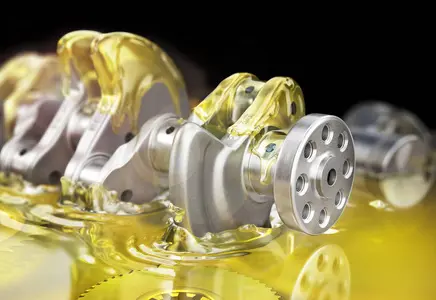
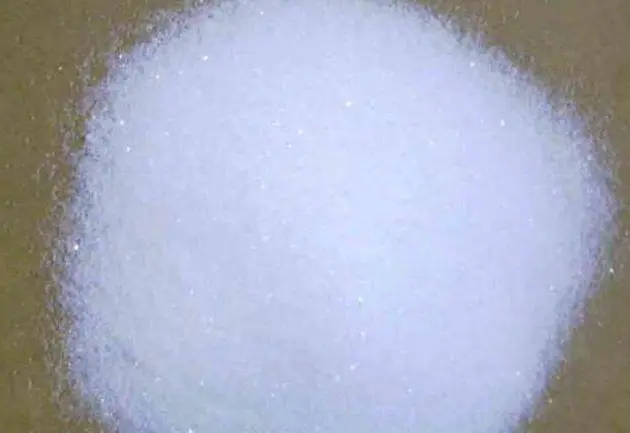

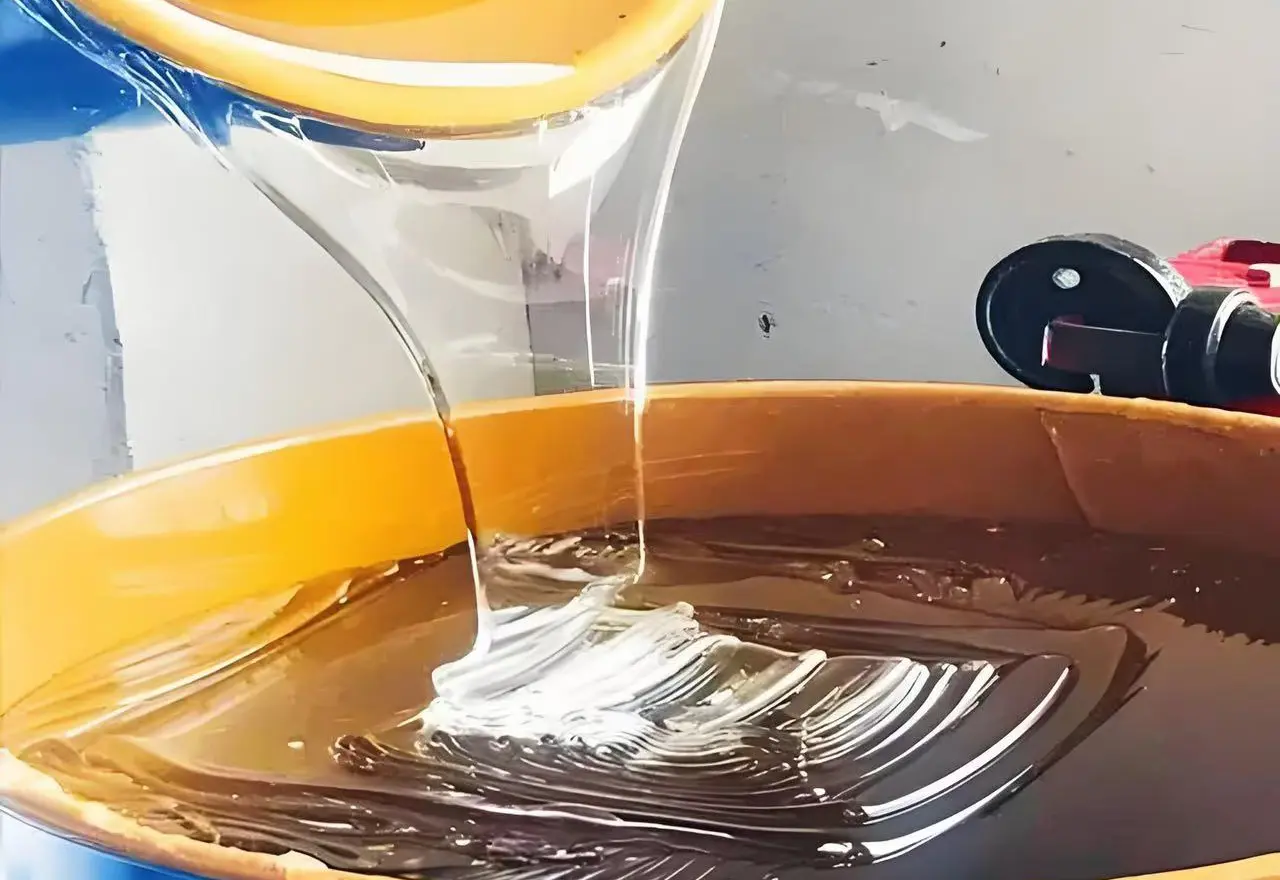

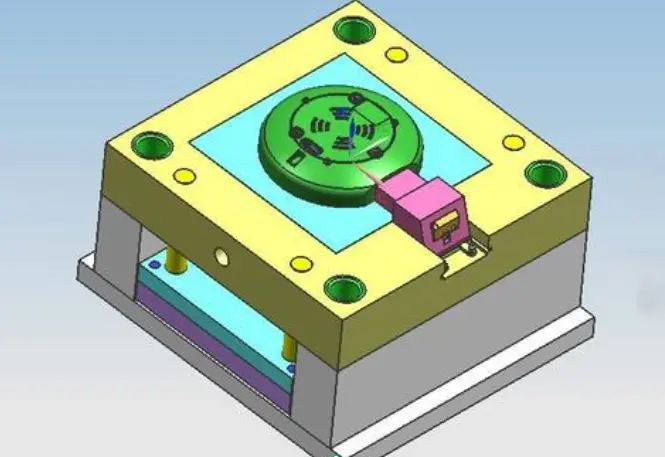


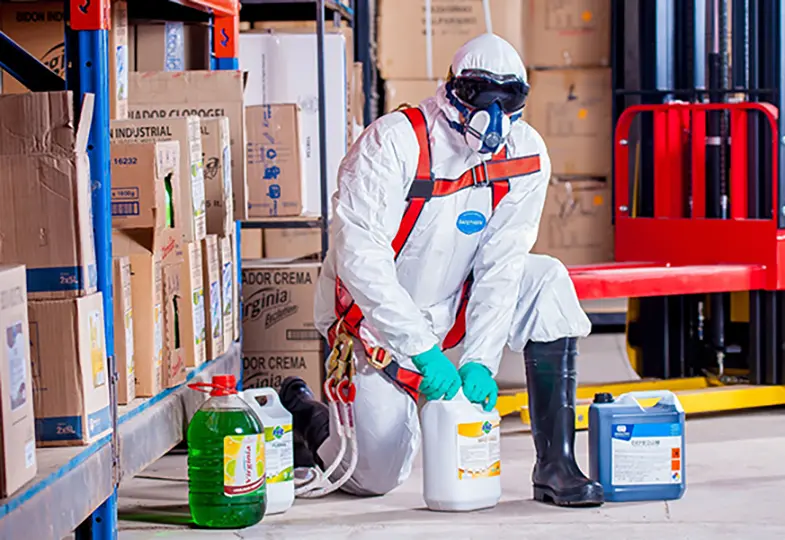




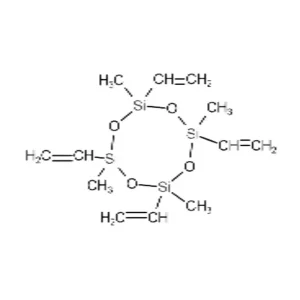
Global procurement teams in the automotive, aerospace, and energy sectors operate under strict performance frameworks. When sourcing alkoxy silicone oils and organosilicon crosslinkers, chemical consistency, shelf-life reliability, and trace impurity levels (such as cyclic siloxane residuals D4, D5, D6) are critical metrics. Our manufacturing processes address these requirements by employing advanced vacuum distillation systems to keep cyclic content within specified limits, satisfying strict safety and environmental standards.
Moreover, modern supply chain management requires suppliers who can deliver integrated solutions. Rather than purchasing silane coupling agents and carrier silicone oils from separate vendors, procurement teams prefer partners like Boctok who can supply both silanes and specialized hydrocarbon resins. By optimizing both inorganic and organic phases, we help clients improve interfacial adhesion and mechanical performance in their formulations.
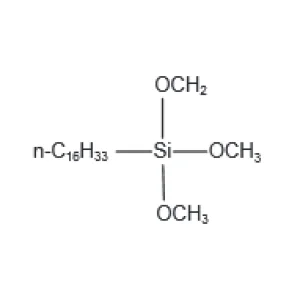
Environmental conditions vary greatly depending on where functional chemicals are applied. In cold industrial zones, structural adhesives formulated with our low-temperature cured alkoxy silicone oils and vinyl-terminated polymers maintain elastic memory and resist micro-fractures down to -60°C. In contrast, in humid, high-temperature regions, our alkyl silanes (such as Cetyltrimethoxysilane CAS 16415-12-6) are used in masonry waterproofing to prevent moisture migration and salt efflorescence.
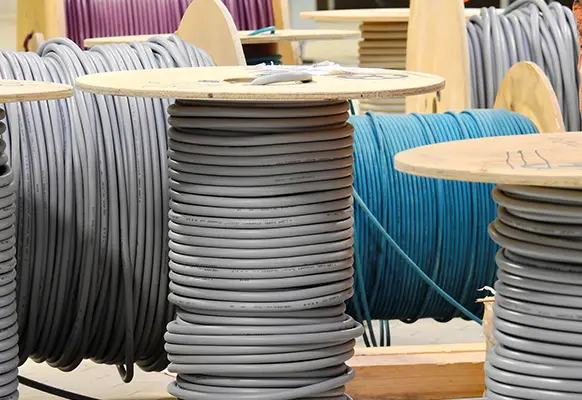
In power distribution and telecommunications, our vinyl silane modified crosslinked polyethylene (XLPE) compounds provide long-term insulation stability under high thermal and electrical loads. By optimizing the hydrolysis kinetics of the silane grafting process, we help compound manufacturers achieve stable extrusion rates and crosslinking speeds under various ambient humidity profiles, ensuring reliable performance in diverse climates.
Answers to technical questions about alkoxy siloxanes, crosslinking mechanisms, and application engineering.
Additional high-purity silane coupling agents, hydrocarbon modifiers, and specialty agricultural formulations.
 Boctok Chemical