Premium grade organosilicon and silane-based adhesion promoter catalog optimized for structural packaging, coatings, and heavy industry polymer manufacturing.
A professional analytical overview of adhesion-promoting silicone primers in engineering applications.
Adhesion promoting silicone primers serve as the structural backbone of modern composite materials, multi-substrate laminates, and critical protective coatings. At their core, these primers rely on the molecular capability of bi-functional organosilanes to span the organic-inorganic divide. In typical multi-material assemblies, traditional adhesives fail due to interfacial tension, mechanical mismatch, or low substrate surface energy. Silicone primers act as molecular bridges, aligning their hydrolyzable groups toward polar surfaces (like metals, glass, and mineral fillers) and their organofunctional groups toward target organic polymer matrices.
By establishing chemical bonds at the interface, these primers replace weak boundary layers with a hybrid network that resists degradation from humidity, UV radiation, and thermal cycling. This white paper reviews the operational methodologies, product classes, and market factors that define leading manufacturers, with a focus on Shandong Boctok Chemical Co. and its specialized solutions for international markets.
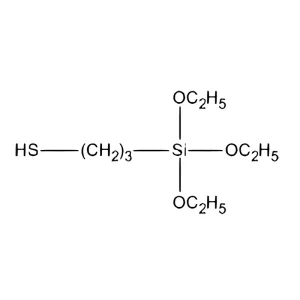
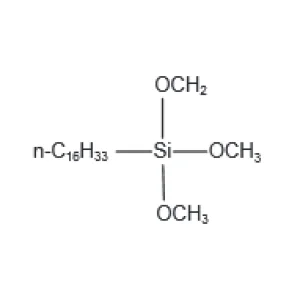
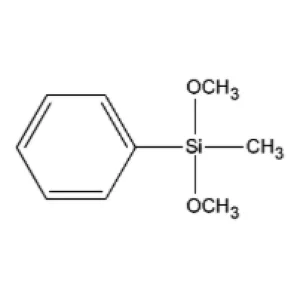
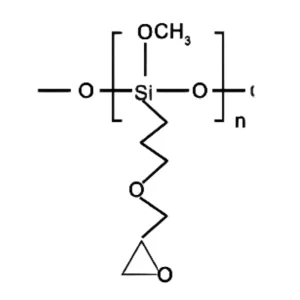
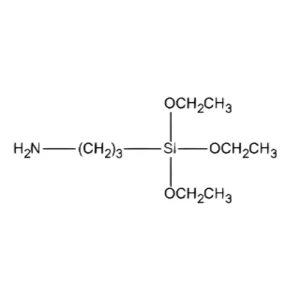
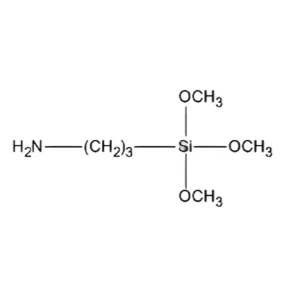
The basic formula of a silane coupling agent is Y-R-Si(OR')3. Here, Y represents the organofunctional group (amino, epoxy, vinyl, mercapto) that reacts with the organic polymer phase. The OR' represents hydrolyzable alkoxy groups (methoxy, ethoxy) that release alcohol to form silanols, which then bond with inorganic substrate hydroxyls (Si-O-Si or Si-O-Metal bonds).
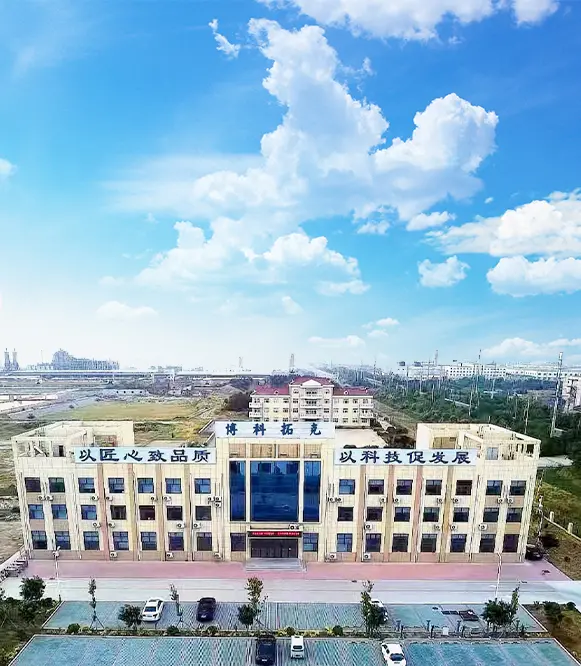
A leading force in industrial organosilicone synthesis, petroleum resin refinement, and global agrochemical supplies.
Founded in 2012, Shandong Boctok Chemical Co. has grown to become a major manufacturer and marketer of silicones, specialty hydrocarbons, and agrochemical formulations. In 2023, the organization achieved a consolidated sales volume of US$280 million, demonstrating the scale of its supply networks across domestic Chinese markets, the Russian Federation (under the BOCTOK brand), Europe, North America, and dynamic industrial hubs across South Asia.
To maintain its market position, Boctok invested US$65 million in a new manufacturing plant located in the Bohai Industrial Park, a provincial chemical zone in Shouguang City, Shandong Province. This facility expands Boctok's silane coupling agent capacity, housing six automated production lines with a total annual output capacity of 30,000 tons.
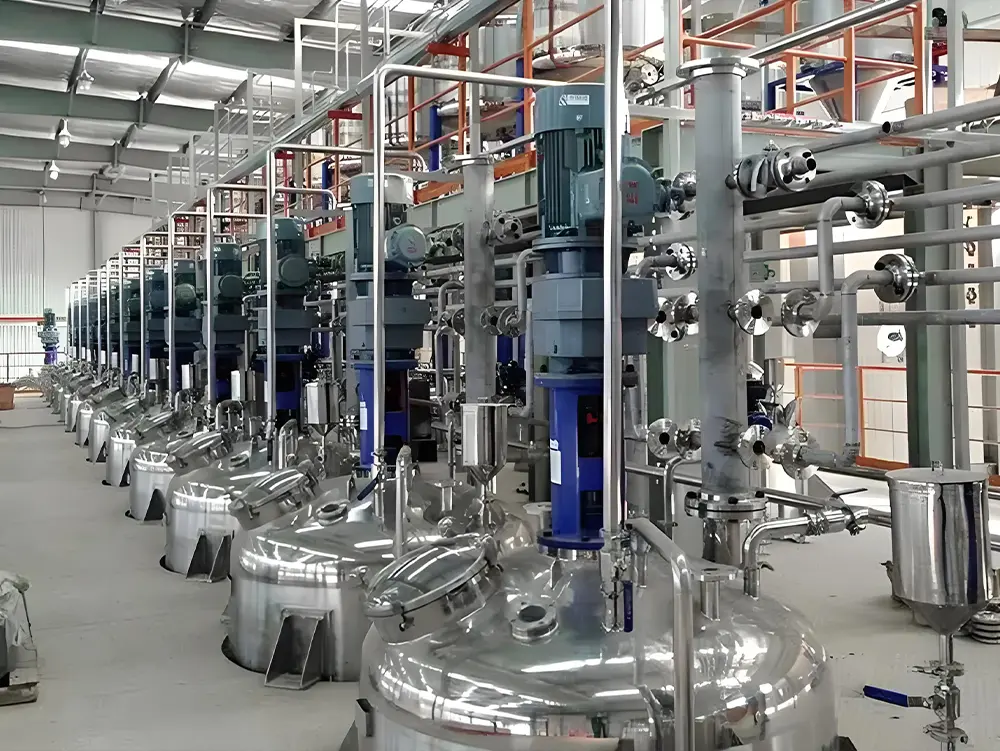
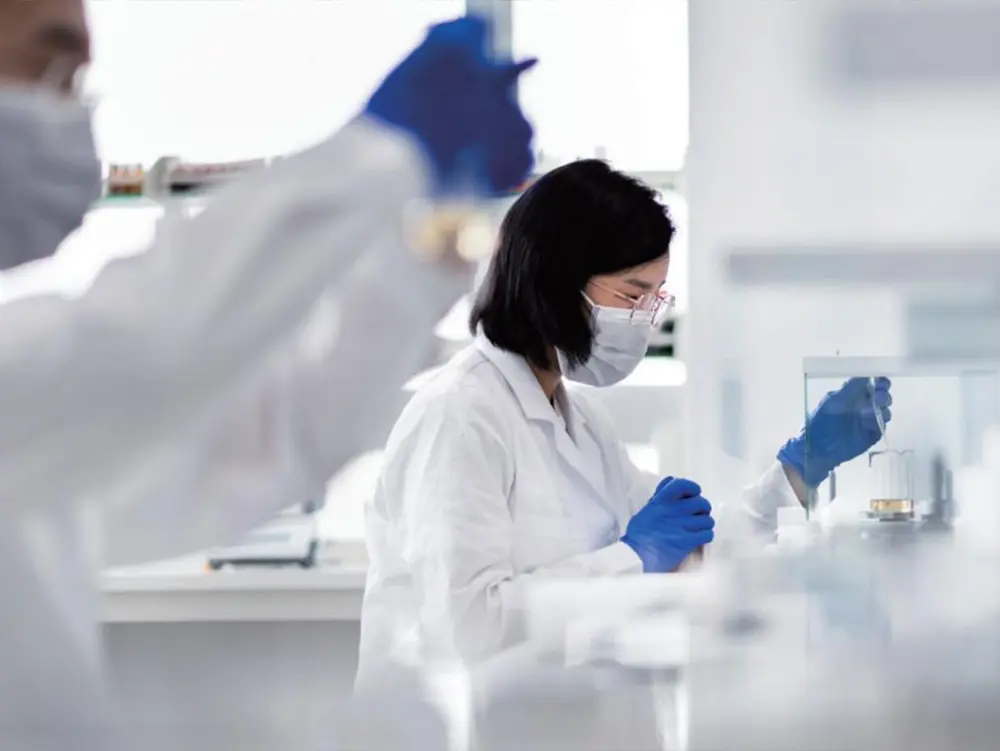

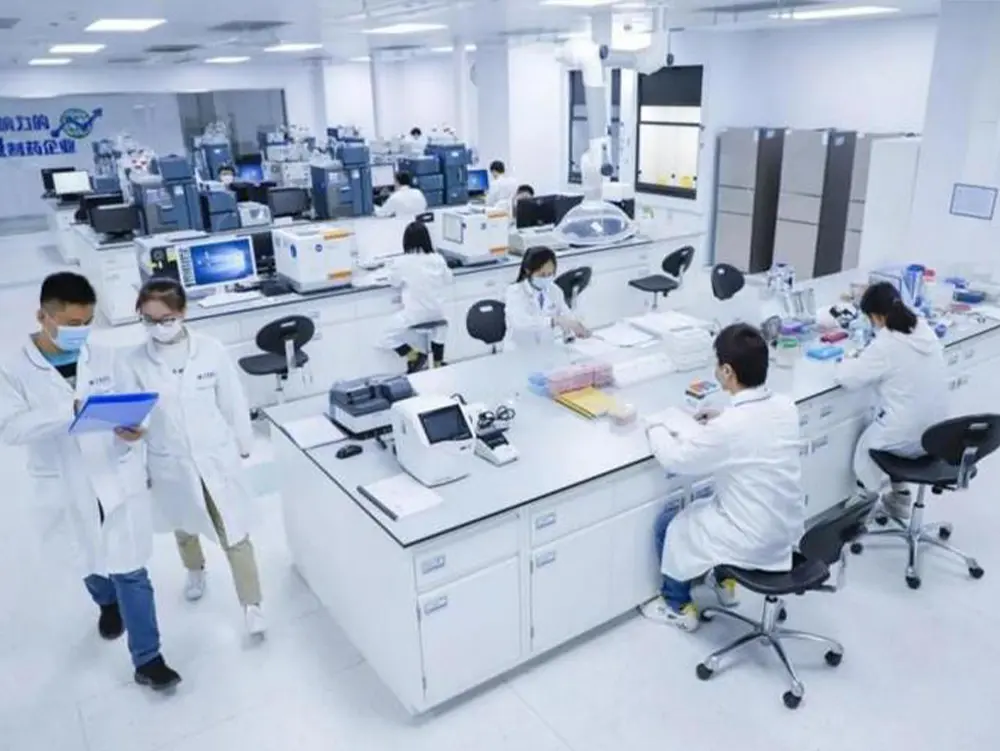
The Shouguang facility features the Distributed Control System (DCS) for remote automated process management and the Safety Instrumented System (SIS) for emergency shutoff. This system provides safety and quality metrics across all synthesis routes.
To meet environmental standards, the plant operates integrated waste gas collection networks alongside advanced wastewater treatment systems. These systems convert chemical co-products and volatiles into neutralized streams, reducing emission metrics.
A chemical breakdown of the molecular platforms that drive modern adhesion, crosslinking, and polymer coupling.
Commonly used in epoxy resins, phenolic matrices, and polyurethane coatings. They bond with both inorganic substrates and reactive resins.
Key to acrylic polymerizations and UV-cured adhesives, providing optical clarity and weatherability under sunlight exposure.
Provides thermal stability and chemical resistance. Used in electronic packaging and resin casting systems.
Used in moisture-crosslinked polyethylene (XLPE) cable systems and thermoplastic vulcanizates (TPVs) to enhance physical properties.
Used in sulfur-vulcanized rubbers and silica-tire compounds. They reduce rolling resistance while maintaining durability.
Provide hydrophobic properties, sealing concrete and masonry structures against moisture ingress and efflorescence.
Inorganic binders used in zinc-rich industrial primers, investment casting molds, and stone conservation materials.
Precursor intermediates used in the synthesis of silicone rubbers, functional oils, and specialized resins.
Used in polyurethane sealants and hybrid systems. They provide crosslinking without releasing carbon dioxide gas.
Enhance thermal stability in silicone resins and polymer coatings exposed to high temperatures.
Promote adhesion in waterborne coatings and architectural paints, with low yellowing characteristics over time.
Specialized silanes developed to treat difficult substrates and synthetic hybrid composites in demanding environments.
An overview of Shandong Boctok's broader industrial chemical portfolio, including hydrocarbon resins and crop protection products.
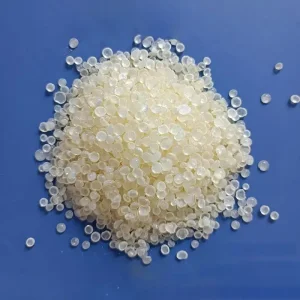
Boctok's Tier II core business centers on **Petroleum Resins**. Our investments target leading hydrocarbon resin facilities within China, with active plants located across Zibo, Fushun, and Nanjing. Leveraging stable chemical feedstock pipelines from state producers **SINOPEC** and **PetroChina**, Boctok produces a range of high-performance resins, including:
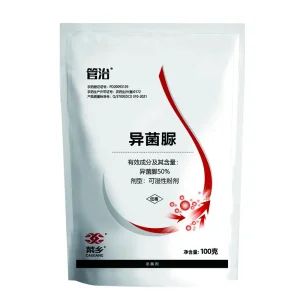
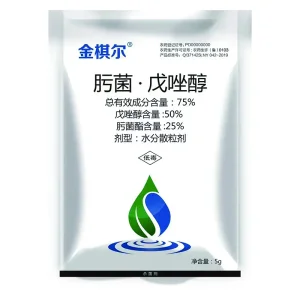
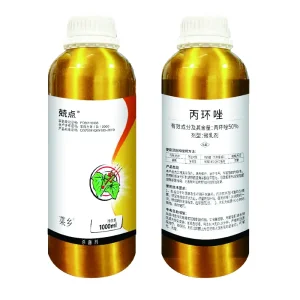
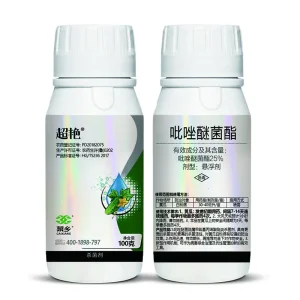
In the **Agrochemical Sector**, Boctok manufactures chemical intermediates, raw active ingredients, and crop protection formulations. The line supports the synthesis of selective pesticides, broad-spectrum fungicides, modern insecticides, seed treatments, herbicides, and plant growth regulators.
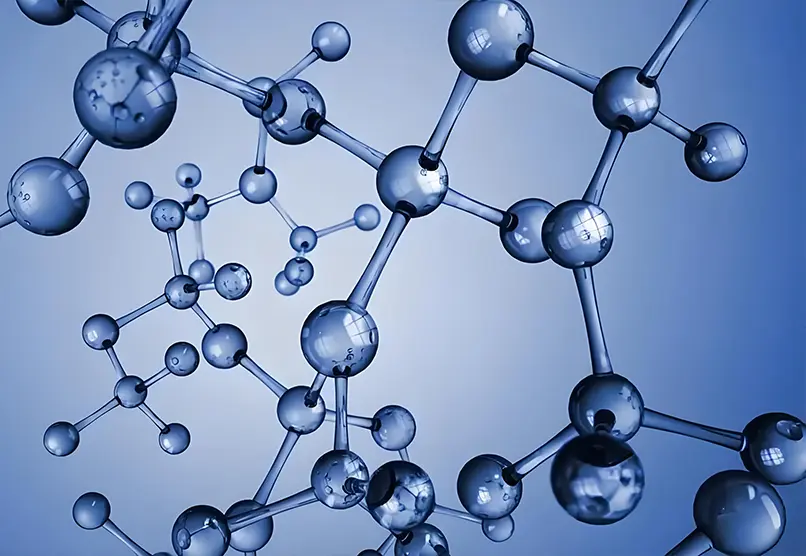

Four pillars supporting our global supply chain, customer service operations, and product quality.

Every product batch undergoes testing in our analytical facilities. We monitor silane monomer purity, molecular weight distribution, and VOC content to meet ISO9001 and international performance specifications.

Our Shouguang facility features automated DCS lines that scale production to match demand. This capability supports both large-volume orders and custom, small-batch formulations.

Our technical team provides application engineering, compatibility assessment, and troubleshooting. We assist customers worldwide with custom formulation development and chemical integration.

We work with international logistics providers to coordinate shipping across oceans and overland corridors. This ensures timely delivery and compliance with global safety regulations.
Where chemistry meets structural engineering. How our silane coupling agents and resins perform across diverse target industries.
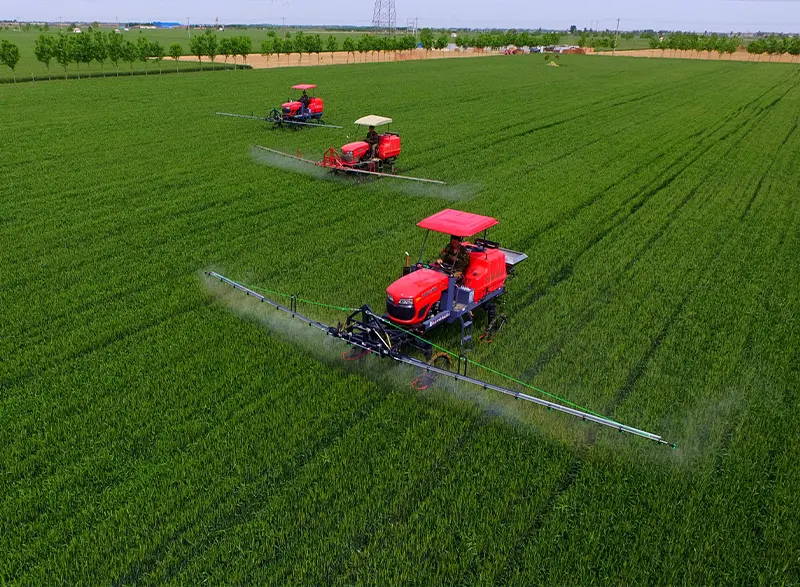
Pesticides - Fertilizers

Pesticides - Melons & Fruits

Pesticides - Flora

Pesticides - Agricultural Crops

Pesticides - Vegetables
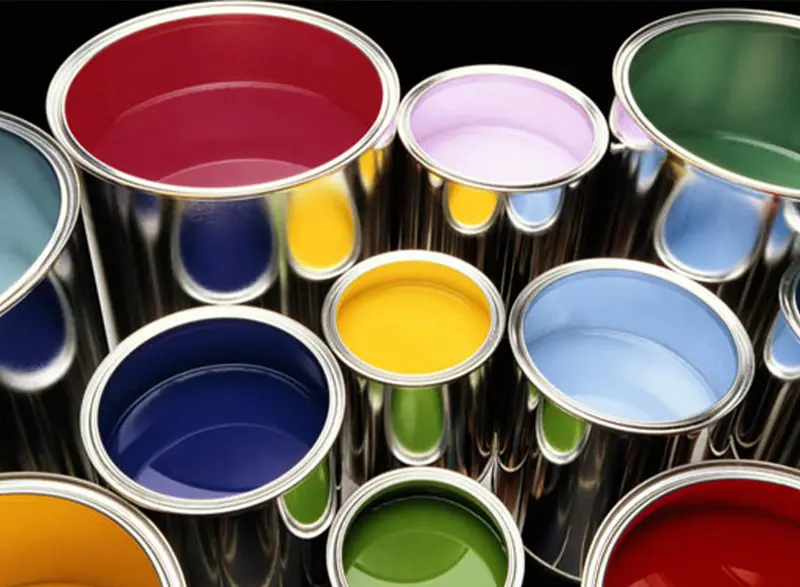
Petroleum Resins - Coatings
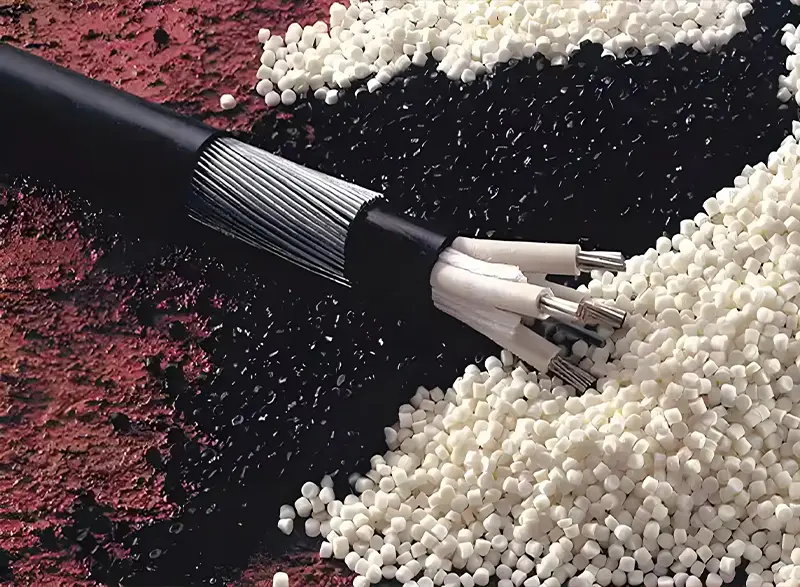
Silicones - Cable & Casting
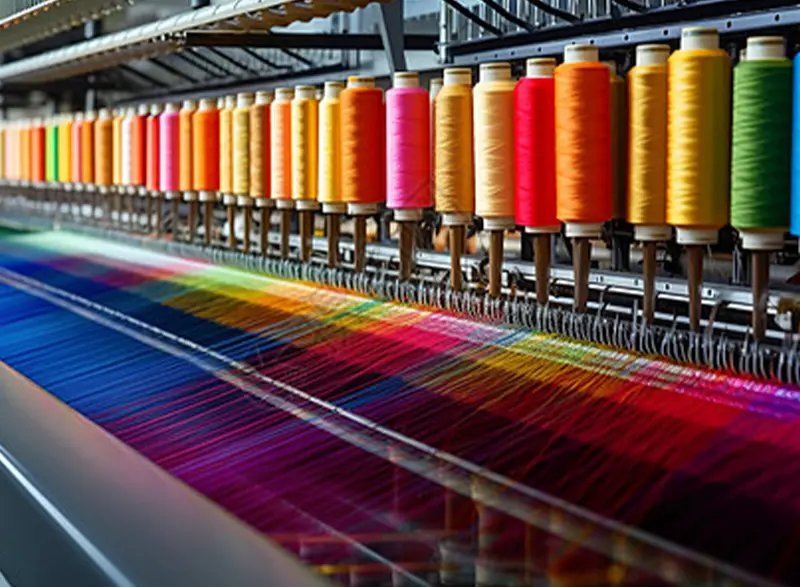
Silicone Textiles
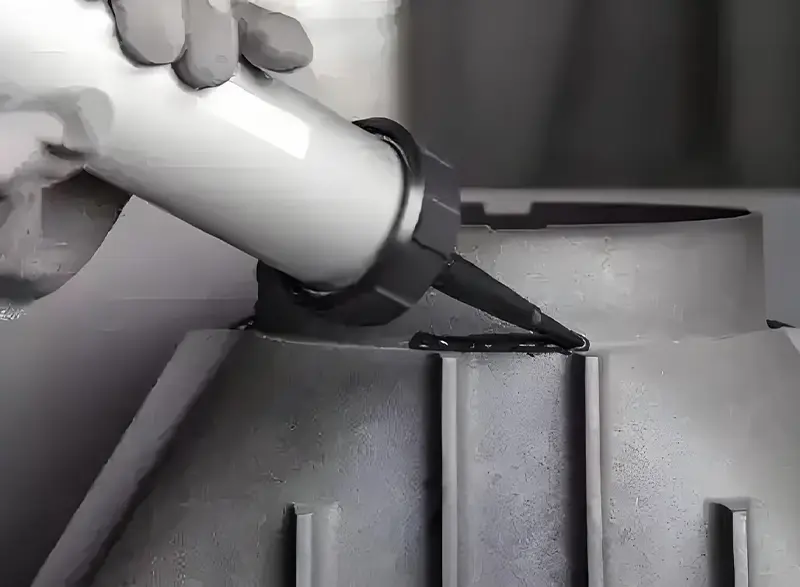
Silicone Adhesives
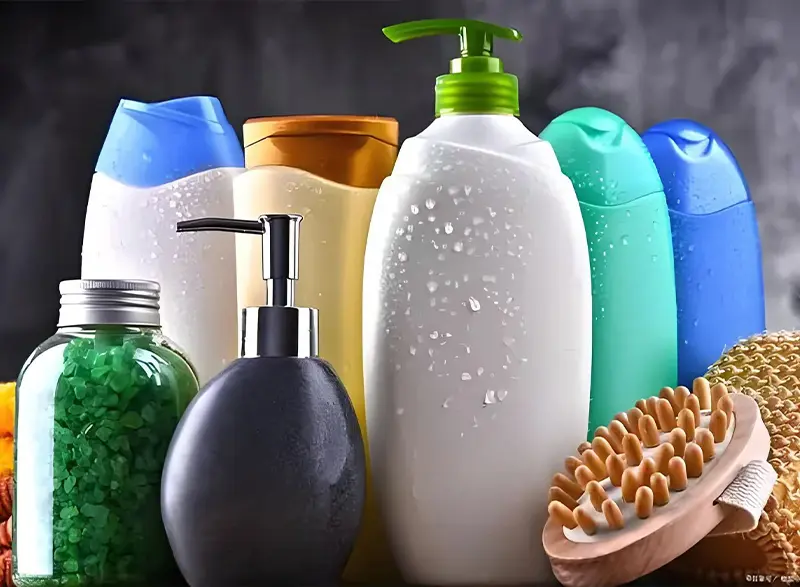
Silicone Daily Chemicals
An in-depth directory of our compounds applied in primary industrial manufacturing sectors.

Pharma & Agrochemicals

Cosmetics & Personal Care
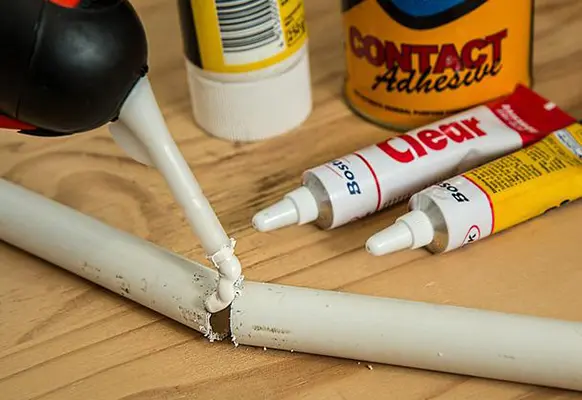
Industrial Adhesives
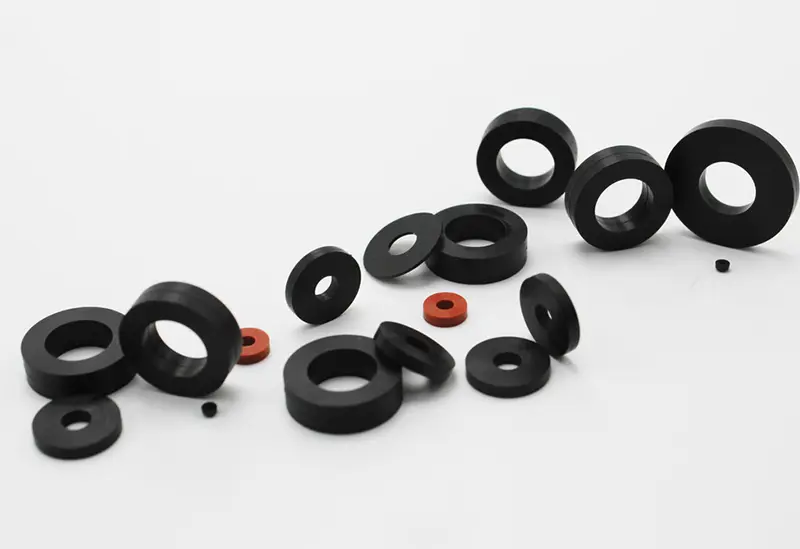
Rubber Industry
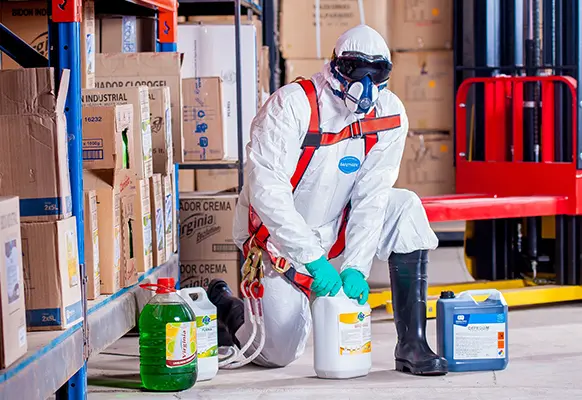
Paints & Coatings
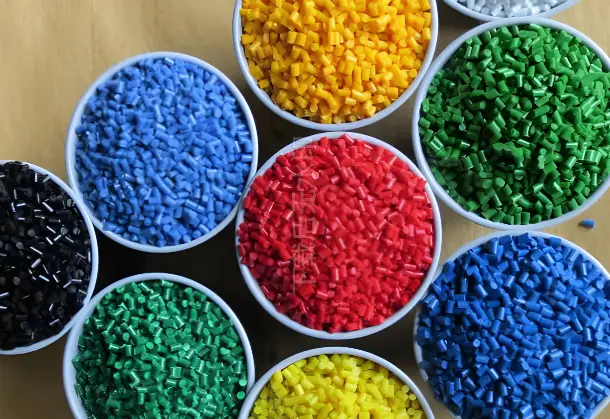
Plastics Industry (Resins)
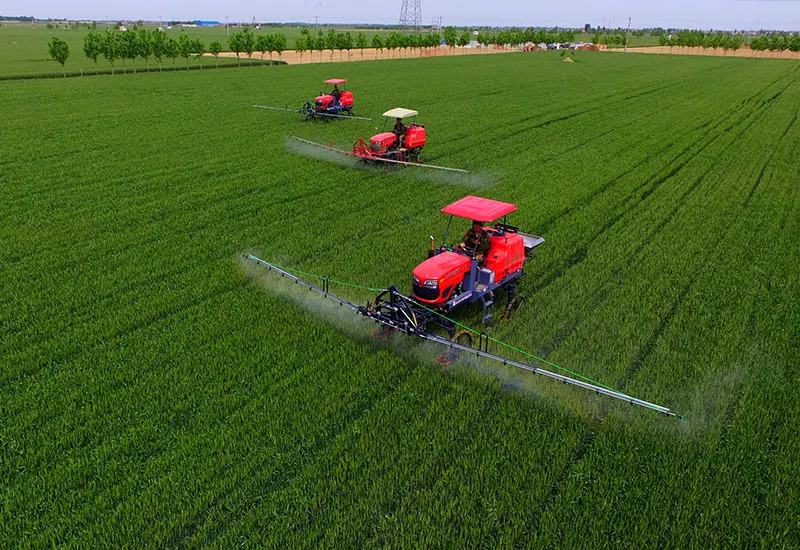
Pesticides
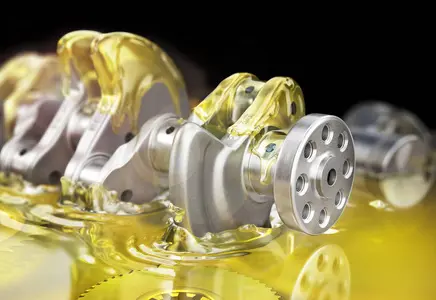
Self-lubricating LSR
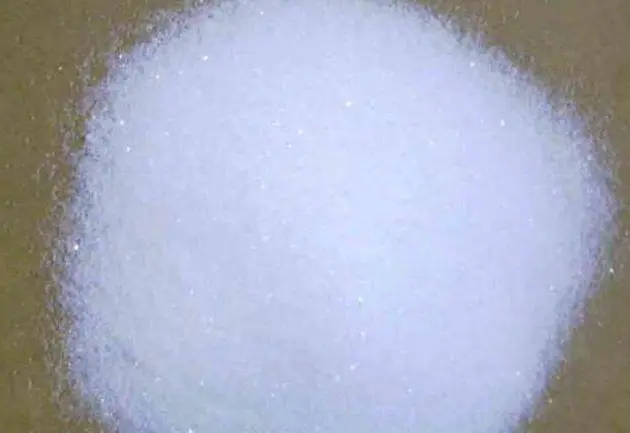
Antifoaming Agents

Drywall & Gypsum
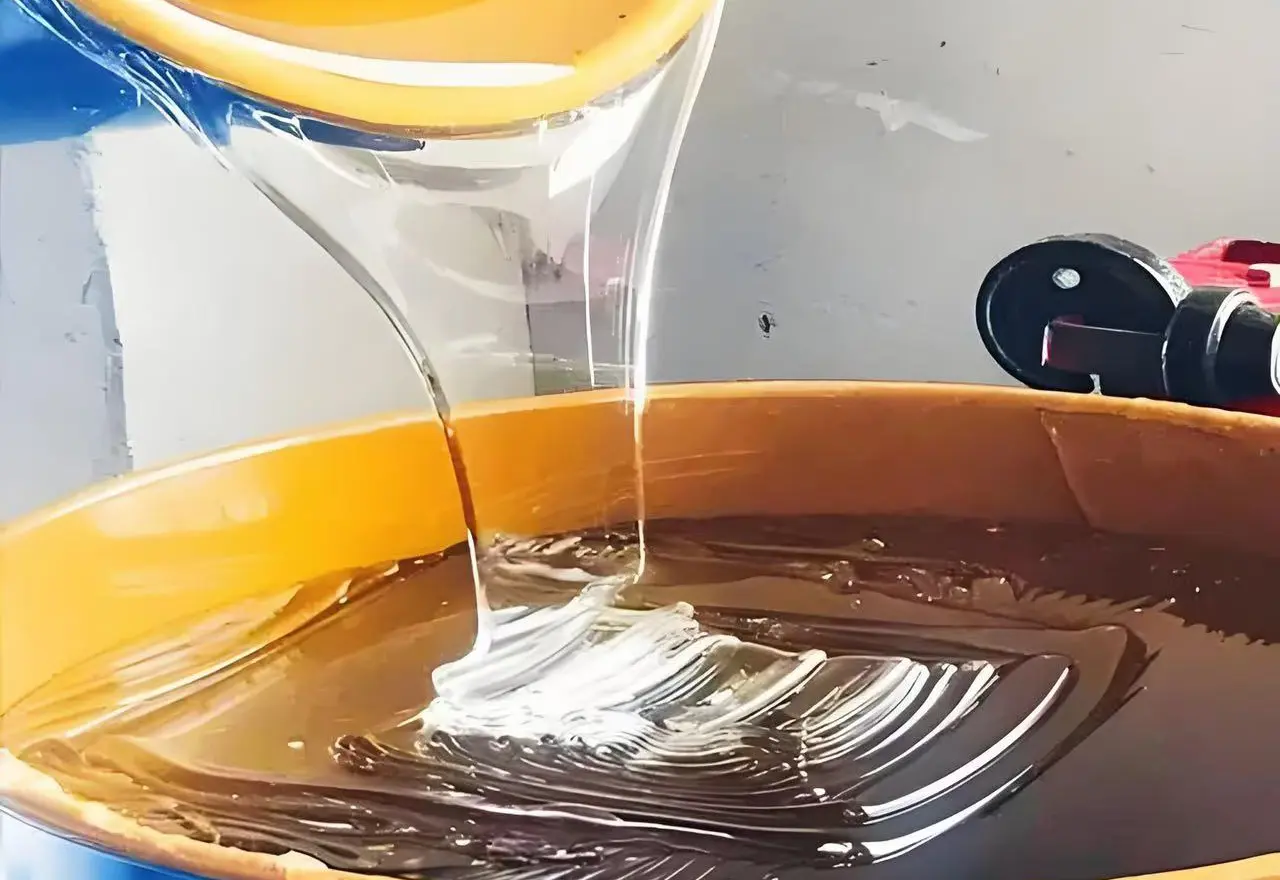
Silicone Liquids

Automotive, Marine & Aero
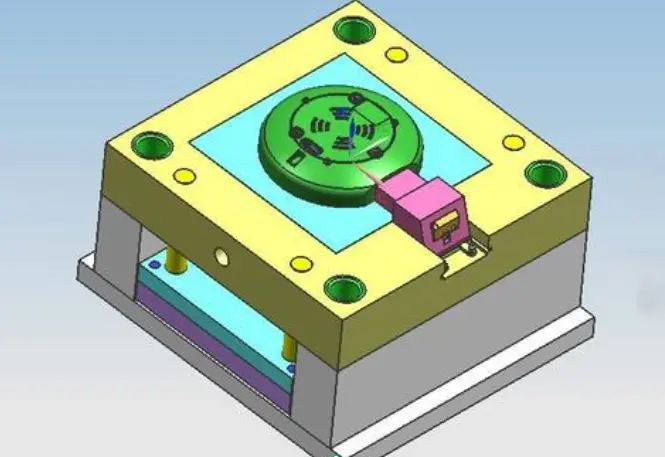
Molds & Forms

Electronics Industry

Construction Industry
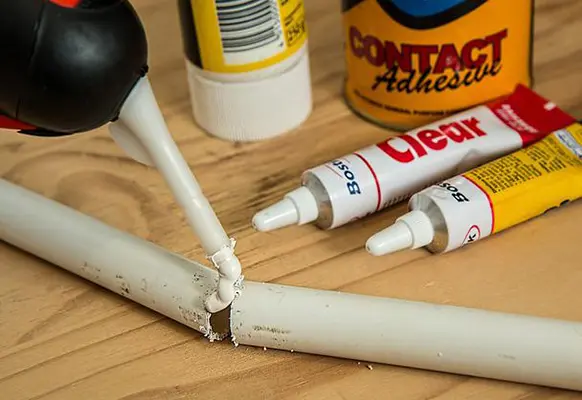
Sealants & Adhesives
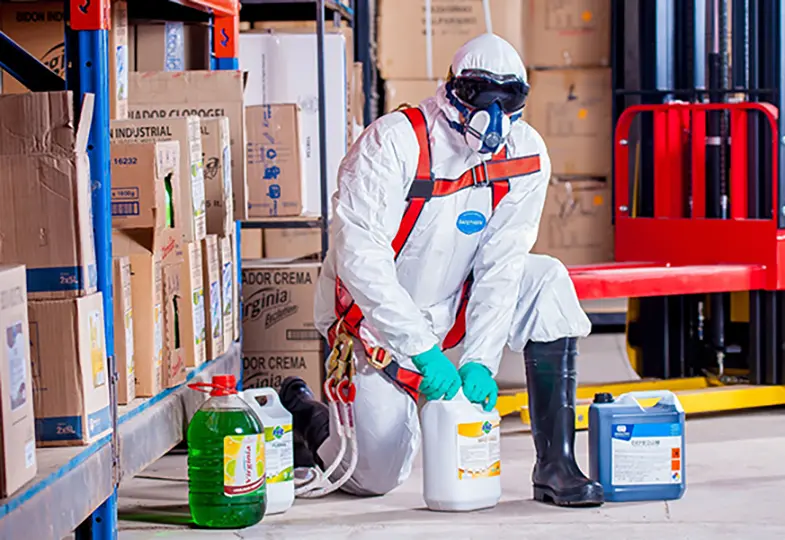
Paints & Varnishes

Metal Surface Pretreatment
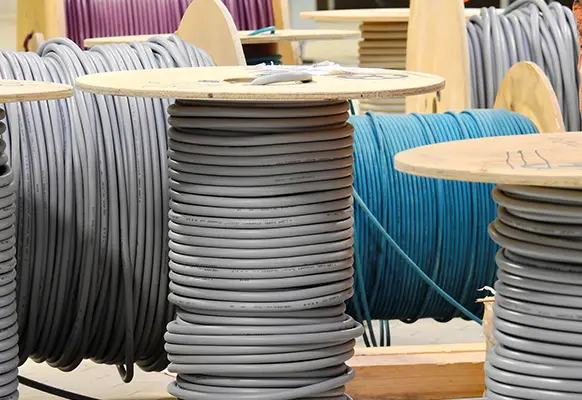
Wire & Cable Protection
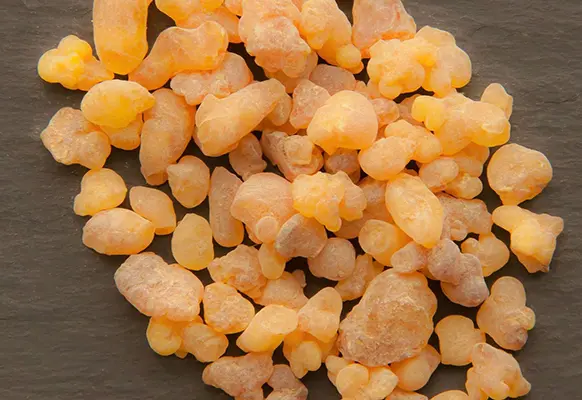
Resin Synthesis & Casting

Construction Materials

Wind Turbine Assembly
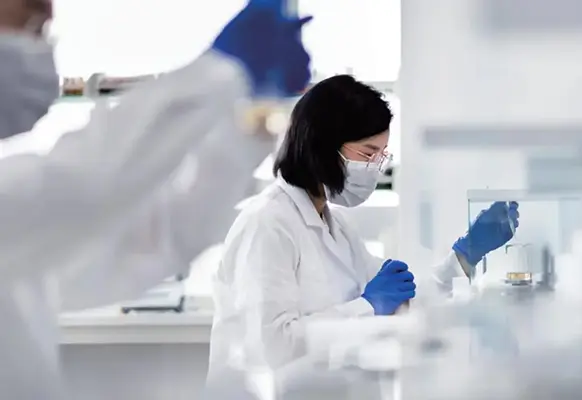
Biomedical Systems

Textile Treatments

Mineral & Filler Processing
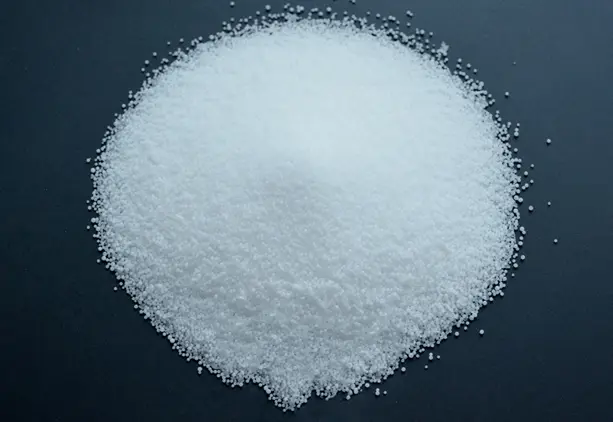
Micro- & Specialty Polymers
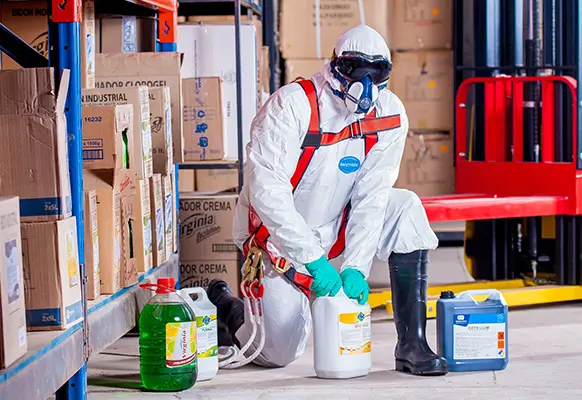
Silicone Paints
Analyzing key industrial requirements, supply chain configurations, and regional regulatory compliance for bulk chemical procurement.
Industrial procurement teams sourcing silane coupling agents and hydrocarbon resins focus on three main metrics: **chemical purity**, **supply chain reliability**, and **regulatory compliance**. With volatile feedstock costs and changing environmental rules (like EU REACH and US TSCA), buyers look for manufacturers that control their raw material pipelines.
Boctok maintains partnerships with major state producers **SINOPEC** and **PetroChina**. This integration ensures a stable supply of monomers and feedstocks, shielding buyers from price swings and production delays.
Modern applications require tailored chemical solutions. For example, in wind energy, structural adhesives must bond composites under variable humidity. In high-voltage cables, silanes must graft onto polyethylene without pre-hydrolysis. Boctok addresses these needs through:
| Product Family | Key Feedstock Source | Primary Global Certifications | Core Market Focus |
|---|---|---|---|
| Organosilicones | Direct Synthesis/Chlorosilanes | ISO9001, RoHS, REACH Compliant | CIS, Europe, South Asia, Middle East |
| C5/C9 Resins | SINOPEC / PetroChina | FDA food contact approvals | Global Adhesive Manufacturers |
| Agrochemicals | Internal Intermediates | FAO Standard Compliant | Russian Federation, Central Asia |
Through our BOCTOK brand, we maintain specialized warehousing and regulatory compliance divisions tailored for the Russian Federation and CIS states, resolving customs, technical registration, and direct delivery challenges.
Anticipating next-generation molecular coupling agents and sustainable performance trends for the next decade.
We are phasing out methanol-releasing silanes in favor of ethanol-releasing and water-borne alternatives. This transition helps users meet VOC limits and improves occupational safety on production lines.
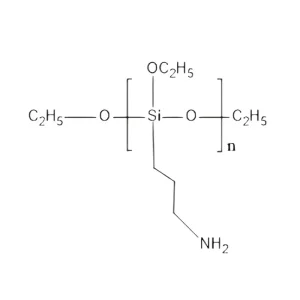
Oligomeric silanes contain multiple silicon atoms in each molecule. They provide stronger adhesion, lower volatility, and higher flash points than traditional monomeric silanes.
We are developing silanes with reversible chemical bonds (such as Diels-Alder networks). These bonds can reform after mechanical stress, extending the lifespan of composite materials.
Expert answers to common questions about selecting, processing, and supplying adhesion-promoting silane primers.
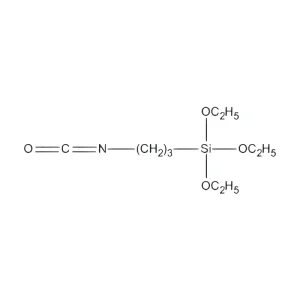
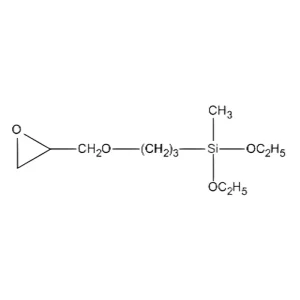
A secondary selection of our specialized silanes, crosslinkers, and organic intermediates for industrial synthesis.
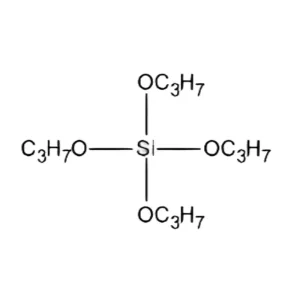
 Boctok Chemical