Explore our primary series of advanced organosilicon polymers, chemical intermediates, and synthetic compounds manufactured to strict global standards for high-performance industrial applications.
Shandong Boctok Chemical Co. was established in 2012 as the core global marketing and sales enterprise for the Boctok™ domestic and international business units. Driven by strict regulatory alignment and advanced technological frameworks, we achieved an annual sales volume of US$280 million in 2023. The BOCTOK brand maintains a dedicated division optimized for Russian and Eurasian Economic Union (EAEU) manufacturing markets, supplying tailored high-quality compound additives.
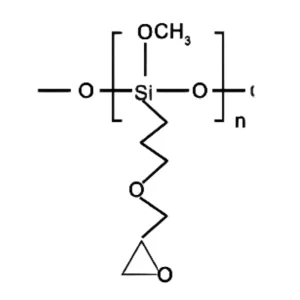
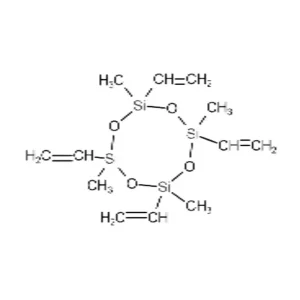
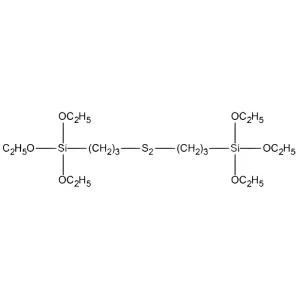
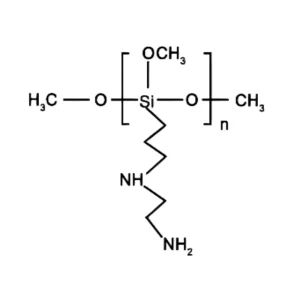
Our primary focus centers on the design, optimization, and synthesis of premium organosilicon derivatives. Our extensive product portfolio spans twelve series of silane coupling agents and crosslinkers, encompassing: aminosilane, methacrylate silane, epoxy silane, vinyl silane, mercaptosilane, alkyl silane, ethyl silicate, chlorosilane, silane isocyanates, phenyl silane, ureidosilane, and serosilane.
Furthermore, Boctok excels in manufacturing high-purity silicone fluids, resins, and elastomers, including: high-hydrogen silicone oil, dimethicone, vinyl silicone oil, polyphenylmethyldimethylsiloxane, phenyl silicone oil, silanol silicone oil, hydroxyl termination OH polymer, alkoxy silicone oil, methyl MQ resin, vinyl VMQ resin, room-temperature vulcanized (RTV) methyl silicone rubber, 110 methyl vinyl silicone rubber, and 120 methyl phenyl rubber.
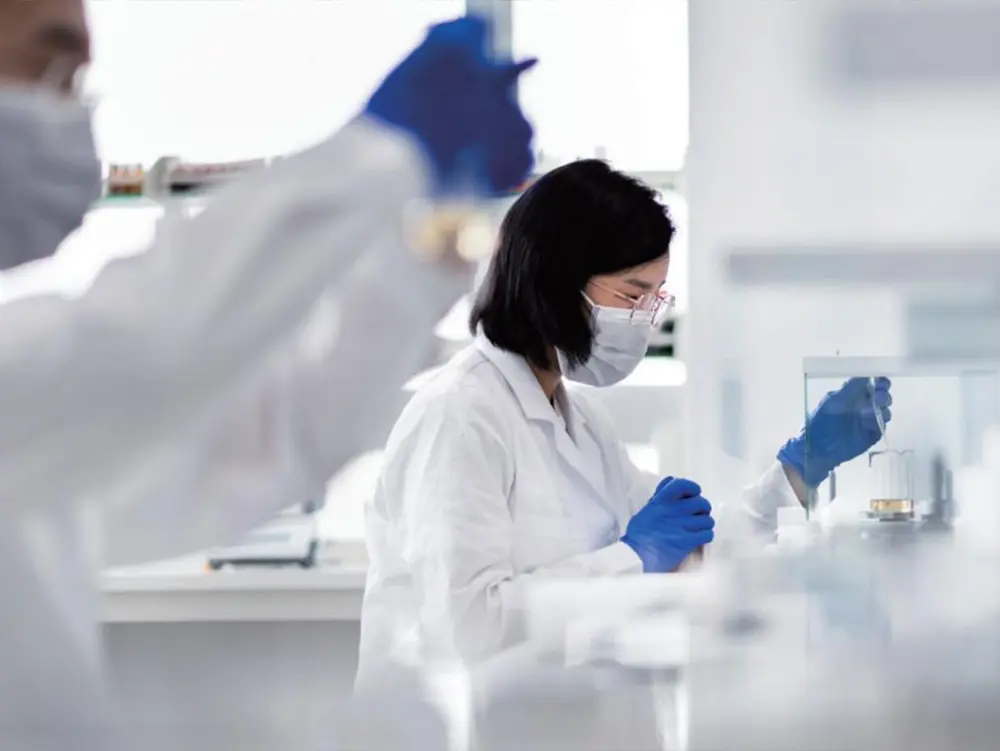
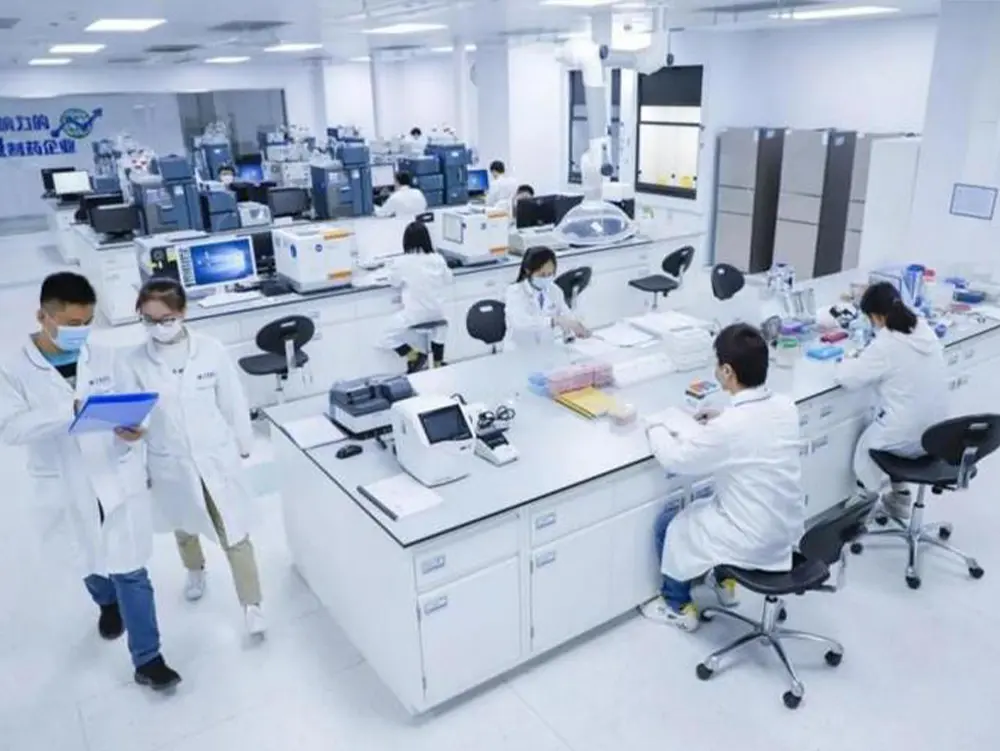
The global polymer, compound, and coatings industries are experiencing a major paradigm shift toward performance optimization, long-term durability, and sustainable composition. Additive silicone oils act as essential modifiers inside complex formulations. By lowering interface tension, altering viscoelastic behaviors, and conferring heat, moisture, and chemical resistance, these specialty additives transform bulk materials into engineered structural components.
From a macro-industrial standpoint, the demand for high-efficiency silicone fluid additives is driven by developments in electric vehicle (EV) battery systems, high-temperature wire and cable insulations (XLPE), microelectronics packaging, and structural sealants for green architectural projects. The modern chemical logistics market demands that additives perform multiple functions. They should not only act as lubricants or release agents but also as adhesion promoters, thermal conduits, and reliable electrical isolators.
Integrating specific siloxane backbones into organic polymers (such as PU, PMMA, and epoxy resins) enables high levels of flexibility, low-temperature resilience, and UV degradation resistance.
By engineering defined molecular weight distributions in dimethicone and hydroxyl-terminated silicone fluids, we offer viscosity control ranging from 0.65 cSt to over 1,000,000 cSt.
Leveraging secure raw chemical supplies from partners like SINOPEC and PetroChina ensures that our synthetic processes remain stable and highly cost-competitive through shifting global economic cycles.
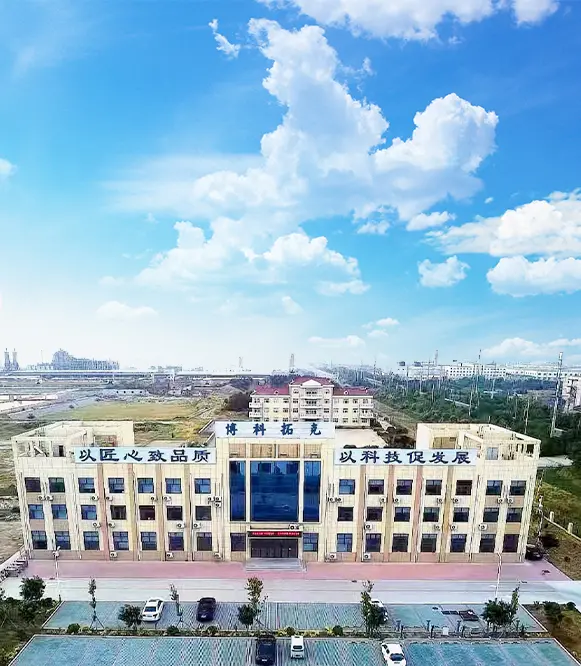
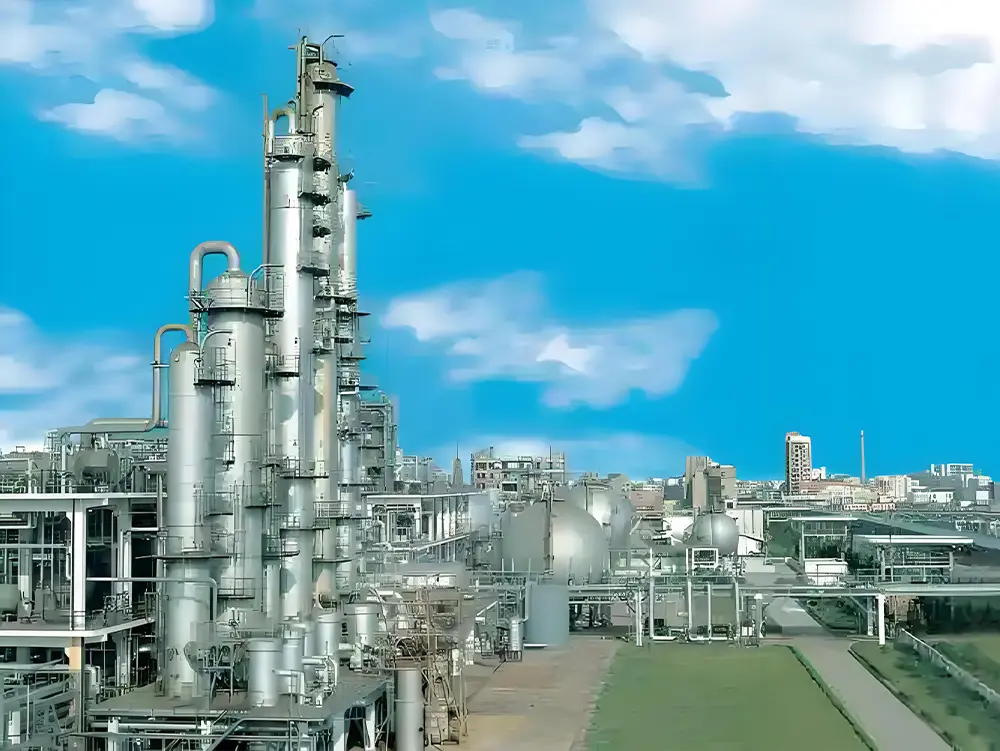
Boctok has invested US$65 million to construct a state-of-the-art chemical synthesis plant located in the Bohai Industrial Park, a certified provincial chemical industry zone in Shouguang City, Shandong Province. This complex significantly increases the production chain of our silane coupling agents and specialty silicone additives.
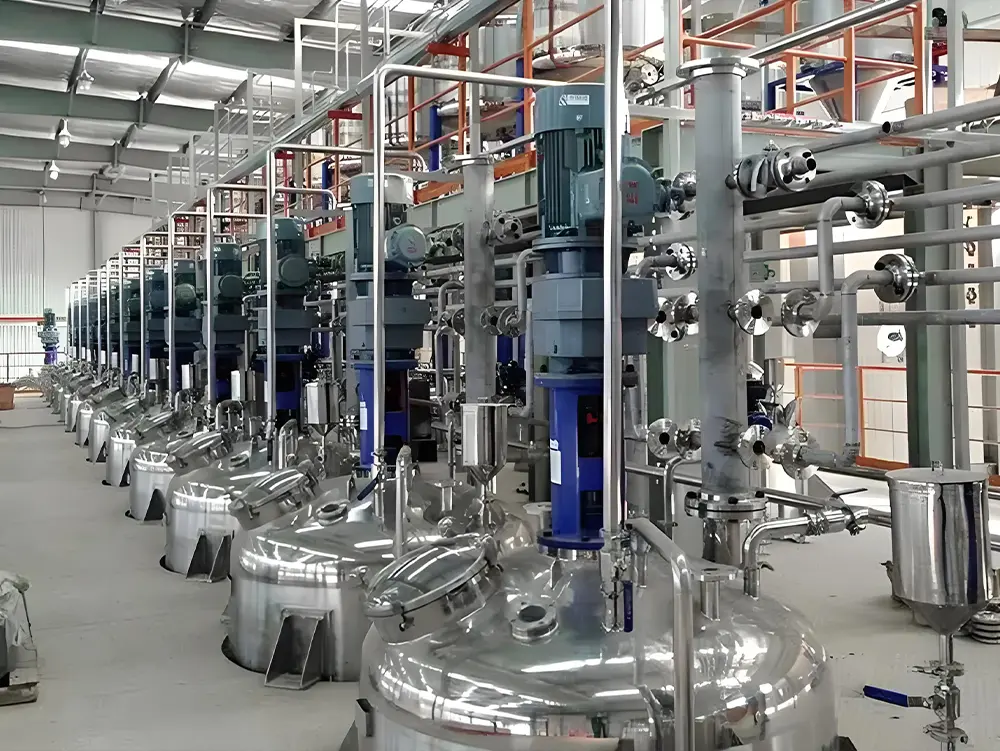
The Shouguang manufacturing plant integrates a fully remote Distributed Control System (DCS) and a Safety Instrumented System (SIS) for safety management. The facility strictly implements ISO9001 quality management standards to ensure batch-to-batch consistency. Furthermore, to support green manufacturing practices, the site features dedicated high-capacity waste gas collection systems and on-site chemical wastewater treatment facilities.
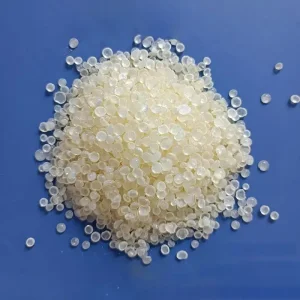
In addition to organosilicon products, Boctok manages a Tier II core business division focusing on high-performance petroleum resins. We have invested directly in a key hydrocarbon resin manufacturer in China, operating three modernized production units located in Zibo (Shandong), Fushun (Liaoning), and Nanjing (Jiangsu). These sites utilize premium feedstocks to manufacture C9 hydrogenated resins, C5 hydrocarbon resins, C5 modified C9 resins, dicyclopentadiene (DCPD), and methyl cyclopentadiene dimer.
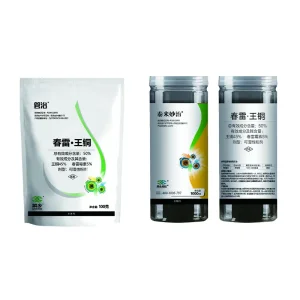
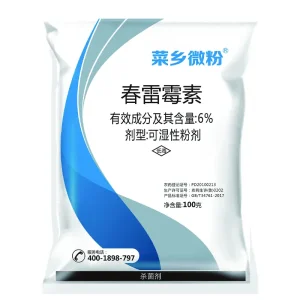
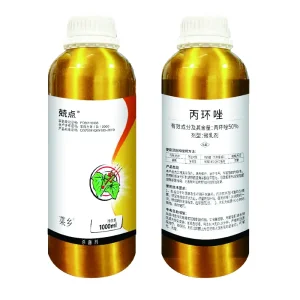
These materials are widely used in the production of thermoplastic road marking paints, hot-melt adhesives (HMA), rubber compounds, and protective surface coatings for several Fortune 500 chemical companies globally. In parallel, our specialized agrochemical business synthesizes key intermediates, active ingredients, and formulation additives for herbicides, fungicides, seed treatment agents, and plant growth regulators.
Our silicones, petroleum resins, and chemical intermediates serve crucial roles across diverse industrial sectors. Below are the primary application domains where Boctok products improve material performance, lifespan, and processing efficiency:
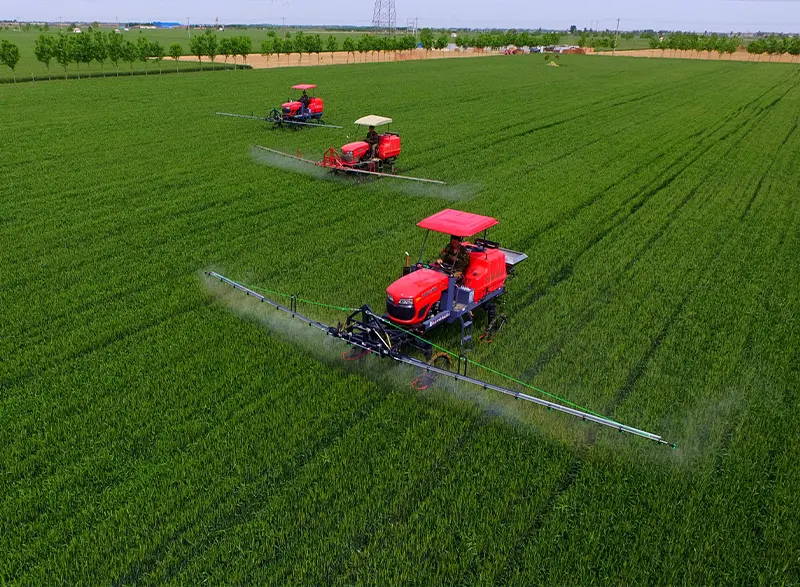
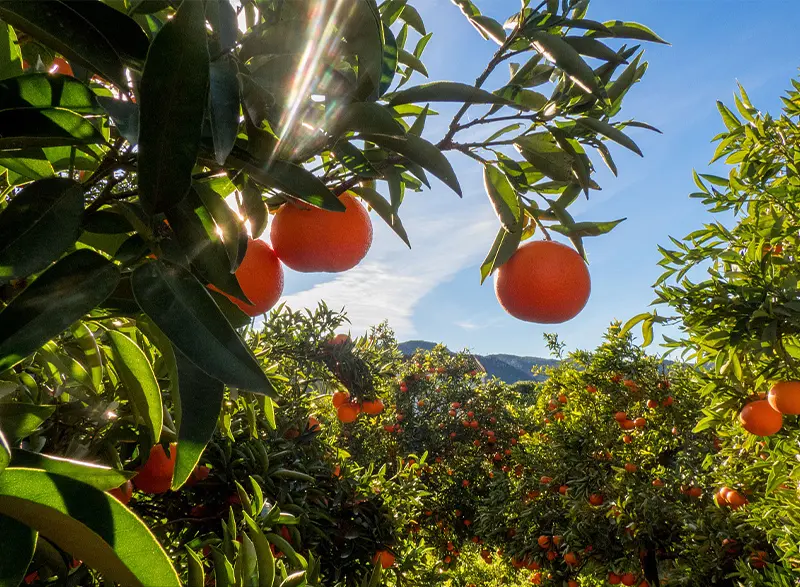



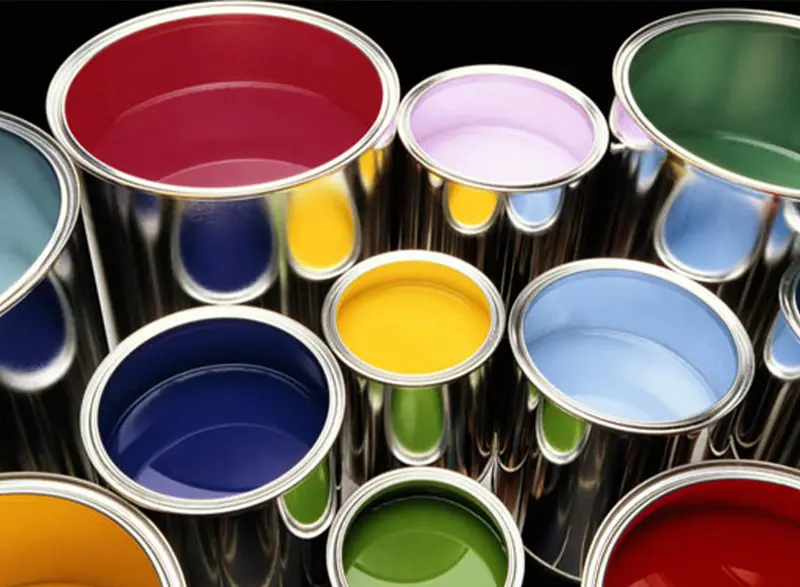
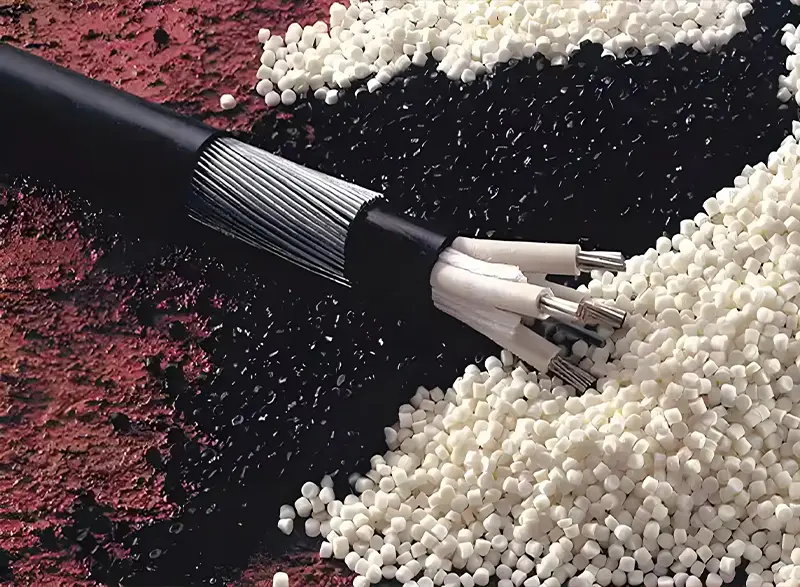
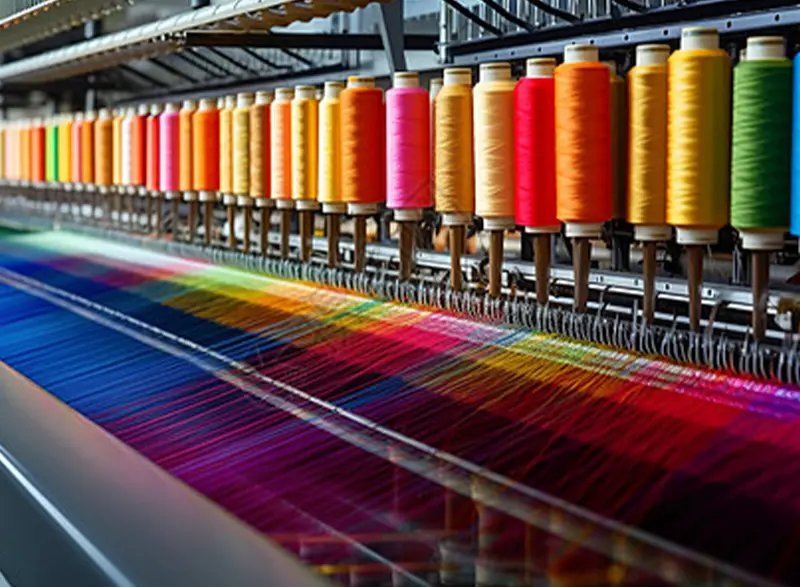
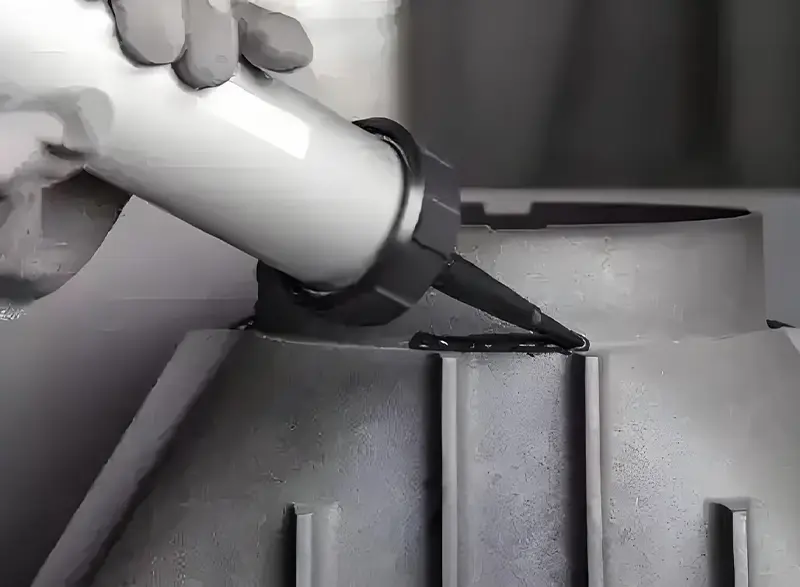

Every manufacturing sector requires specific physical properties from siloxane and hydrocarbon systems. Our chemistry centers on modifying interfacial interfaces to resolve issues like thermal degradation, substrate shear, and moisture ingress.
Operating across multiple international borders requires deep alignment with regional regulatory frameworks. Boctok maintains comprehensive compliance systems to support seamless customs operations and local technical integration. Our dedicated team specializes in aligning shipments with local standards, including GOST standards, TR EAEU 041/2017 (Eurasian REACH equivalent chemical safety regulations), and ISO9001:2015 quality protocols.
To ensure continuity of supply, Boctok operates localized customer support centers and regional distribution hubs. Our logistics network handles door-to-door bulk transportation, customs clearance, and local warehousing. This allows us to offer short lead times for crucial chemical components to clients in Russia, Eastern Europe, Central Asia, and other international manufacturing zones.
The future of organosilicon chemistry lies in molecular precision and sustainability. Our current R&D roadmap focuses on three main development pillars:
Researching methods to synthesize siloxanes using renewable carbon feedstocks and energy-efficient, low-temperature catalytic reactions. This approach aims to reduce the overall carbon footprint of our manufacturing process.
Developing next-generation fluoro-silicone hybrids and high-phenyl content fluids. These materials are designed to withstand extreme thermal ranges (-60°C to +300°C) for aerospace and high-voltage power transmission applications.
Integrating advanced data models into our synthesis workflows to predict how changes in siloxane molecular weight and side-chain composition affect performance in coatings and adhesives.
To assist formulation chemists and procurement managers, our engineering team answers common technical inquiries regarding silicone additive applications:
Silane coupling agents act as molecular bridges. They contain inorganic-reactive groups (like alkoxy groups that hydrolyze to form silanols) and organic-reactive groups (like amino, epoxy, or vinyl groups). The silanol groups bond chemically with inorganic fillers like silica, glass fiber, or talc. Meanwhile, the organic functional groups react with the polymer matrix. This chemical bridge improves mechanical strength, moisture resistance, and electrical insulation in the composite material.
In cosmetics, viscosity determines the sensory feel and application properties of the formulation. Low-viscosity dimethicones (e.g., 5 cSt to 20 cSt) offer high spreadability, a light, non-greasy feel, and act as volatile carriers. High-viscosity dimethicones (e.g., 350 cSt to 10,000 cSt) form a protective, water-resistant barrier on the skin and hair, providing smooth application and long-lasting protection.
Petroleum resins act as binder matrices. C5 resins provide good thermal stability, low melt viscosity, and excellent compatibility with base polymers like EVA and elastomers. This ensures smooth application, rapid drying times, and high wear resistance on asphalt surfaces. C9 resins improve paint hardness, adhesion to concrete, and resistance to environmental factors like rainwater and UV exposure.
Our Shouguang facility is equipped with automated Distributed Control Systems (DCS) to monitor critical process variables like temperature and pressure in real-time. It also features Safety Instrumented Systems (SIS) designed to automatically trigger safety protocols and shut down equipment in the event of process deviations. This minimizes risks and ensures stable, safe chemical production.
Browse our selection of performance modifiers, high-purity polymers, active agricultural compounds, and crosslinking agents engineered for specialized industrial manufacturing:
 Boctok Chemical