Understanding the chemistry of Vinyl Silane and how it acts as a molecular bridge to elevate physical performance in thermoplastic and thermoset composites.
Modern advanced polymer compounding demands materials that can withstand extreme mechanical stresses, moisture degradation, and chemical exposure. To achieve these properties, manufacturers rely on fillers—such as glass fiber, silica, clay, and mineral hydroxides. However, the fundamental incompatibility between hydrophilic inorganic fillers and hydrophobic organic polymers often leads to structural failure at the interface.
This is where Vinyl Silane for plastic reinforcement plays a vital role. Featuring a dual-reactive molecular architecture, vinyl silanes possess a hydrolyzable alkoxy group (e.g., methoxy or ethoxy) that chemically bonds to the inorganic filler surface, and a highly reactive vinyl organofunctional group that copolymerizes directly into the polymer backbone (such as polyethylene or EPDM) during crosslinking or extrusion.
Analyzing the shift toward lightweight materials, high-voltage insulation, and circular economy requirements in the chemical sector.
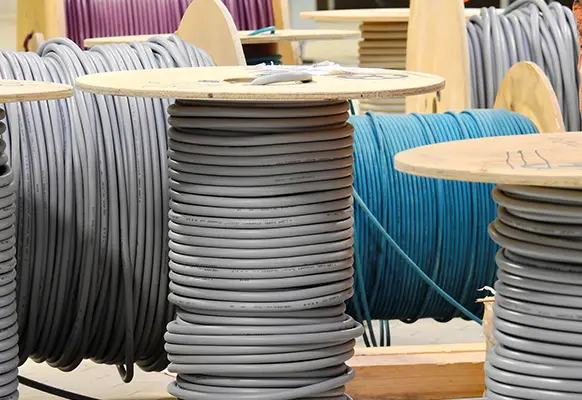
The global push for grid modernization and renewable energy integration has exponentially increased the requirement for Crosslinked Polyethylene (XLPE) cables. Vinyl silane acts as the primary moisture-curing agent, enabling cables to maintain electrical insulation performance under high temperatures and wet environments.
Tightening environmental regulations have accelerated the adoption of HFFR compounds containing high volumes of ATH or MDH. Vinyl silane treats these mineral surfaces, optimizing processability, reducing compounding melt viscosity, and preserving high mechanical strength at high filler loading ratios.
Automobile manufacturers are replacing structural metal components with glass-fiber-reinforced plastics (FRP). Vinyl silane coatings on glass fiber mats increase shear strength and dynamic fatigue limits, enabling the design of thinner, lighter, and more fuel-efficient vehicle components.
A premier global supplier of organosilicon solutions, hydrocarbon resins, and agricultural materials.
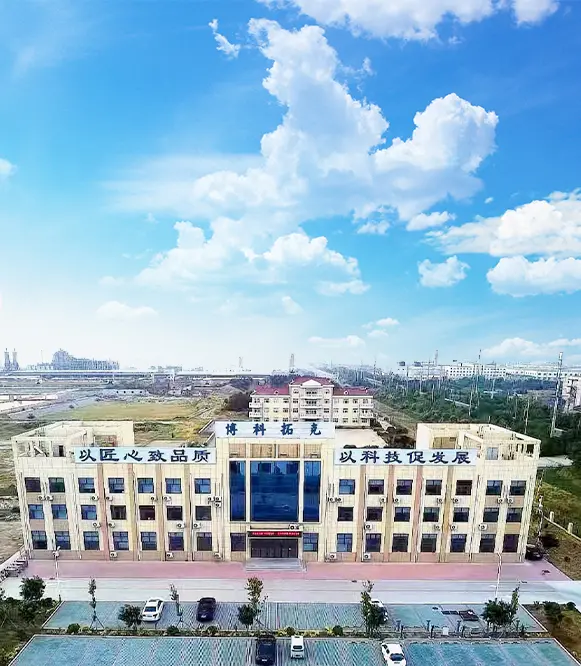
Founded in 2012, Shandong Boctok Chemical Co. was established as the primary marketing and sales hub for the domestic and international expansion of the Boctok™ brand. Through rigorous quality systems and structural market expansion, we achieved a sales milestone of US$280 million in 2023. Over the decade, our brand has established specialized market dominance in regions such as the Russian market, while simultaneously growing our footprint across major industrial hubs globally.
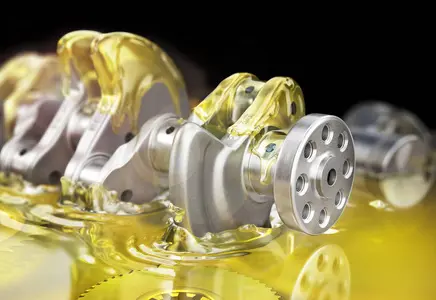
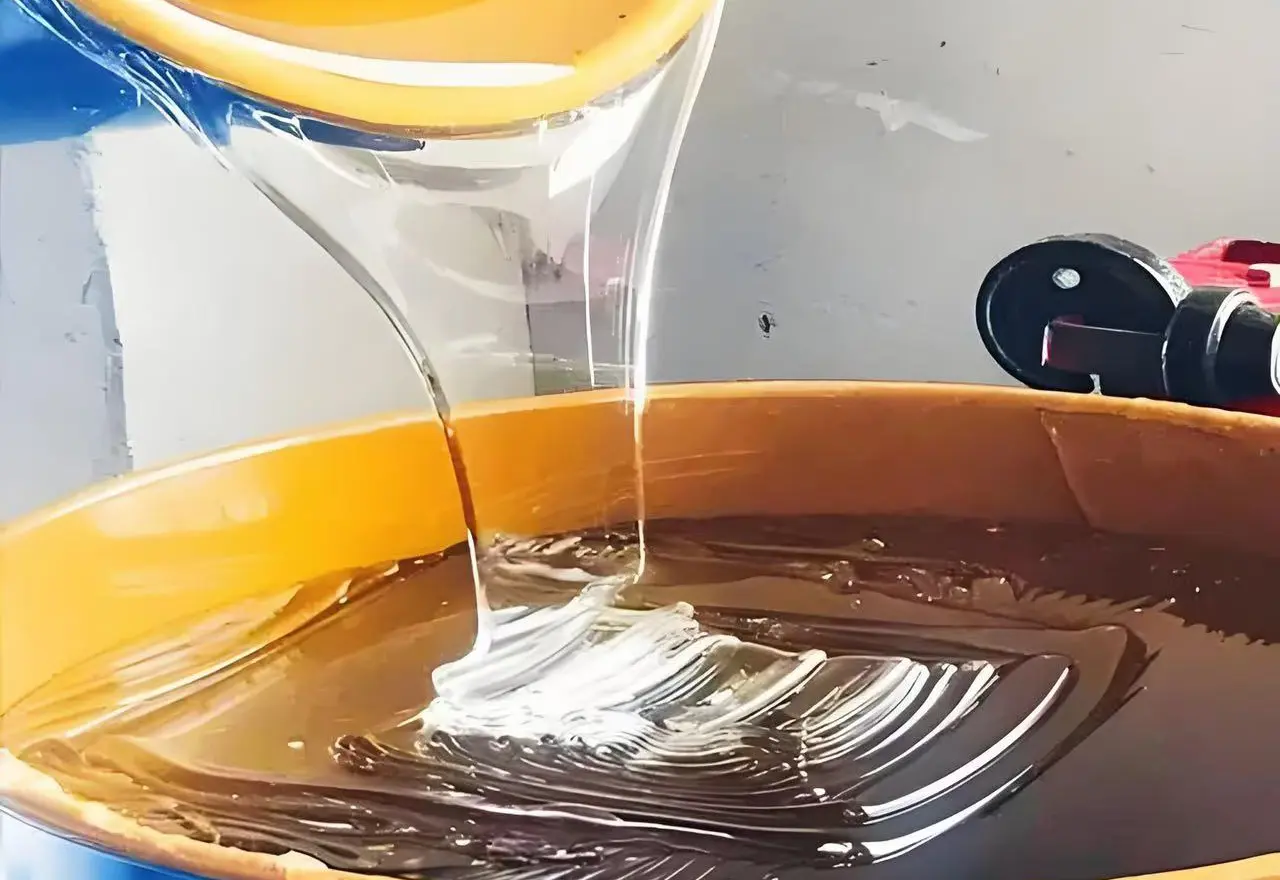
Our organosilicon core portfolio covers twelve comprehensive series of silane coupling agents and crosslinkers. These include: aminosilane, methacrylate silane, epoxy silane, vinyl silane, mercaptosilane, alkyl silane, ethyl silicate, chlorosilane, silane isocyanates, phenyl silane, ureidosilane, and serosilane. Additionally, we produce high-performance silicone fluids and elastomers, including high-hydrogen silicone oil, dimethicone, vinyl silicone oil, polyphenylmethyldimethylsiloxane, phenyl silicone oil, silanol silicone oil, alkoxy silicone oil, methyl MQ resin, vinyl VMQ resin, RTV silicone rubber, 110 methyl vinyl silicone rubber, and 120 methyl phenyl rubber.


Leveraging upstream chemical synergies to support global manufacturing and agricultural infrastructure.
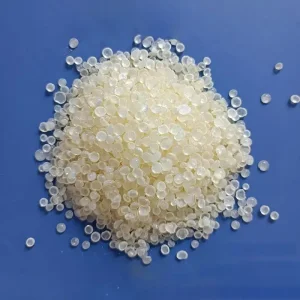
Boctok's Tier II core business encompasses high-grade petroleum resins. Through strategic investments in China's key hydrocarbon resin manufacturing facilities, we operate three large-scale factories in Zibo, Fushun, and Nanjing. Benefiting from a steady feed of raw materials via long-term partnerships with SINOPEC and PetroChina, our products serve many Fortune 500 companies.
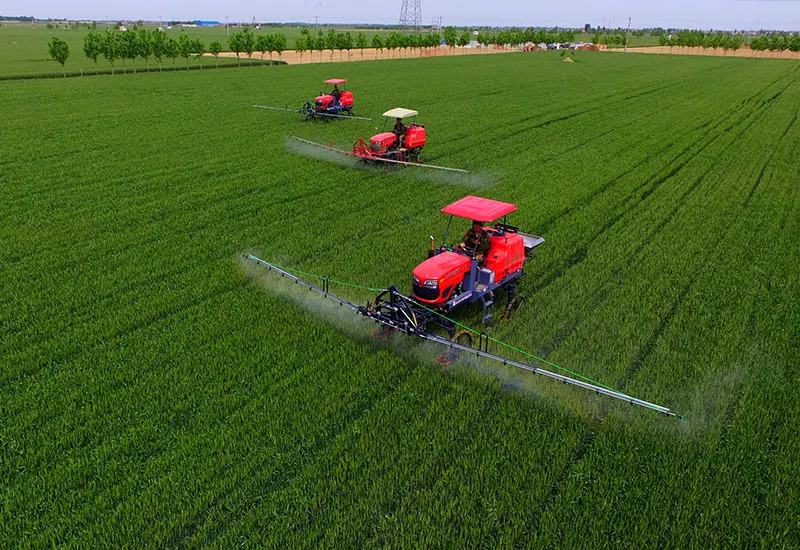
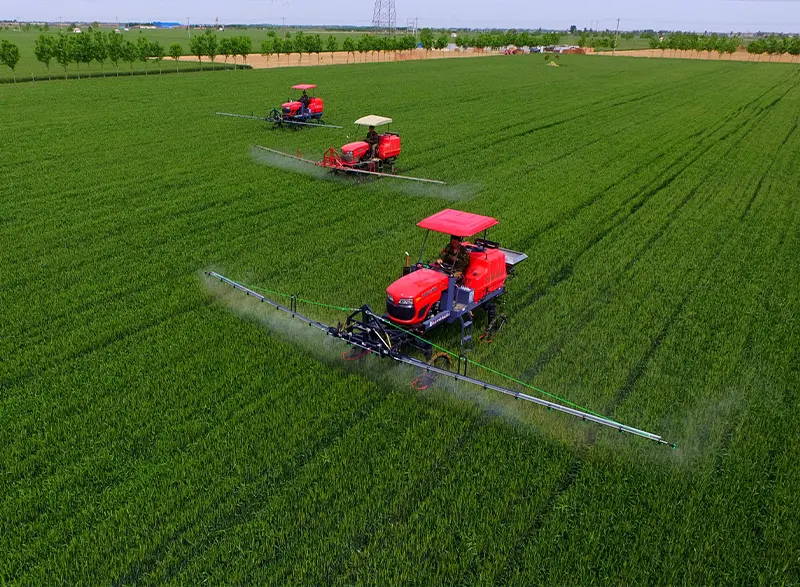
In addition to our organosilicon and resin platforms, we cater to the agrochemical industry. Boctok manufactures key intermediates and raw materials used globally in agricultural formulations, ensuring crop safety and yield enhancement.
Highlighting our US$65 Million investment in digital control, process safety, and ecological sustainability.
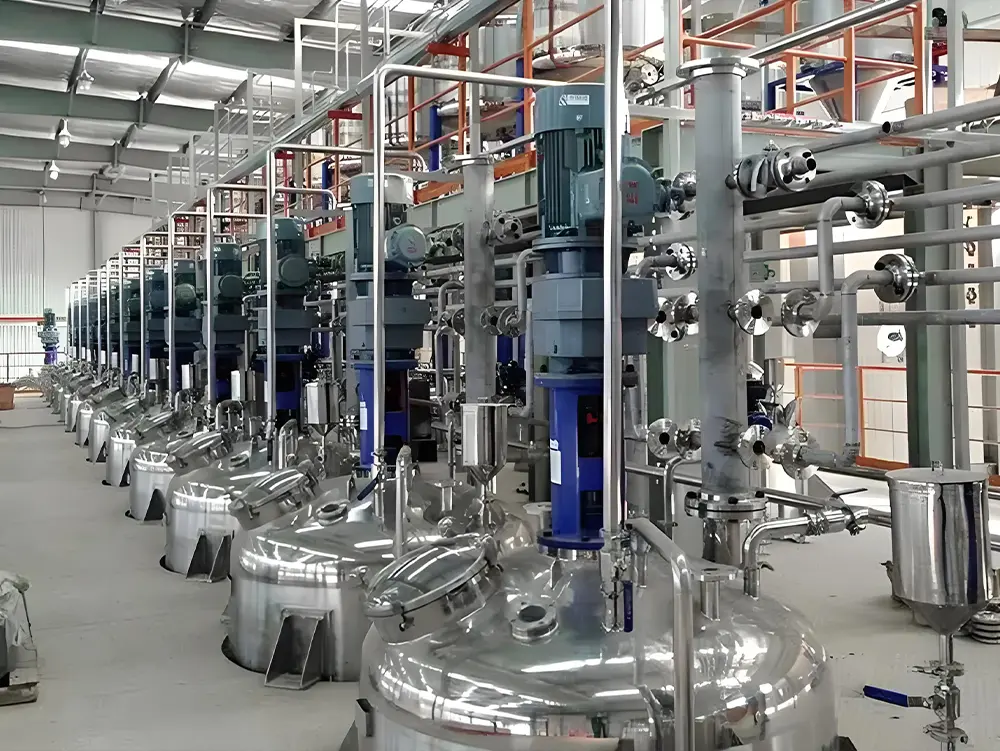
Our newly established plant located in Bohai Industrial Park, a provincial chemical industry park in Shouguang City, Shandong Province, represents a US$65 million investment. Spanning 6 automatic DCS lines, the site yields an annual capacity of 30,000 tons of silane coupling agents.
Every phase is monitored via integrated Distributed Control Systems (DCS) and Safety Instrumented Systems (SIS), complying fully with ISO9001 standards to secure structural quality consistency across production runs.
Committed to eco-friendly production, the Shouguang plant operates dedicated waste gas collection systems, thermal oxidizers, and state-of-the-art biological wastewater treatment facilities to minimize environmental impact.
The global chemical market demands reliable and timely raw material sourcing. By positioning our primary manufacturing base within the industrial heart of Shandong, Boctok leverages direct pipelines to key petrochemical inputs, protecting our clients from volatility in intermediate chemical pricing.
Our strategic distribution channels ship products from China to North America, Europe, Japan, South Korea, Australia, South America, the Middle East, India, Southeast Asia, and Russia. We operate localized warehousing hubs and maintain close partnerships with international freight forwarders, assuring standard containerized and bulk chemical delivery services.
A professional guide for selection based on polymer matrix types and specific inorganic reinforcement fillers.
| Vinyl Silane Chemtype | Common CAS Numbers | Target Polymer Systems | Suitable Fillers & Fibers | Key Enhancements |
|---|---|---|---|---|
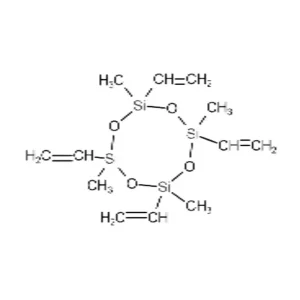
| Vinyltrimethoxysilane (VTMS) | 2768-02-7 | PE, PP, EVA, EPDM, Acrylics | Silica, Kaolin, ATH, MDH, Glass Fiber | Accelerated hydrolysis, excellent wet mechanical strength retention. |
| Vinyltriethoxysilane (VTES) | 78-08-0 | Polyethylene, Crosslinked Polyethylene (XLPE) | Fumed/Precipitated Silica, Glass fiber | Lower VOC profile during hydrolysis (releases ethanol instead of methanol). |
| Vinyltris(2-methoxyethoxy)silane | 1067-53-4 | EPDM, EPR, Crosslinked PE | Mineral fillers (Calcined Clay, Silica) | Excellent thermal stability, highly used in medium-to-high voltage power cables. |
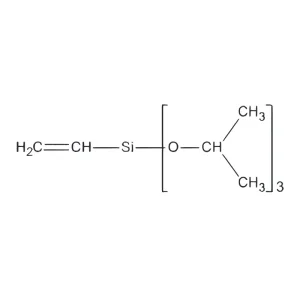
| Vinyltriisopropoxysilane | 18023-33-1 | Specialty RTV Silastic, Fluoropolymers | Precipitated Carbonates, Treated Glass Fibers | Extremely controlled hydrolysis rates, optimized shelf life in single-component formulations. |
Visual map of where Boctok's silicone, resin, and chemical technologies are deployed worldwide.
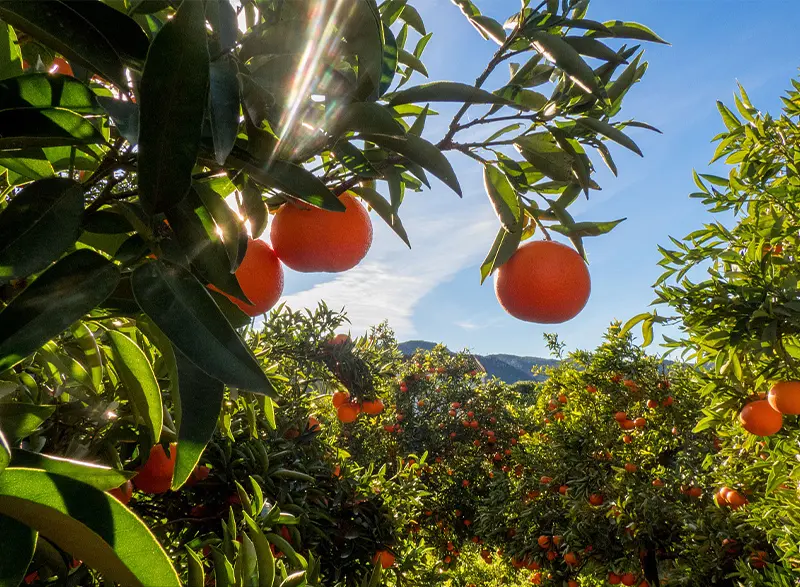



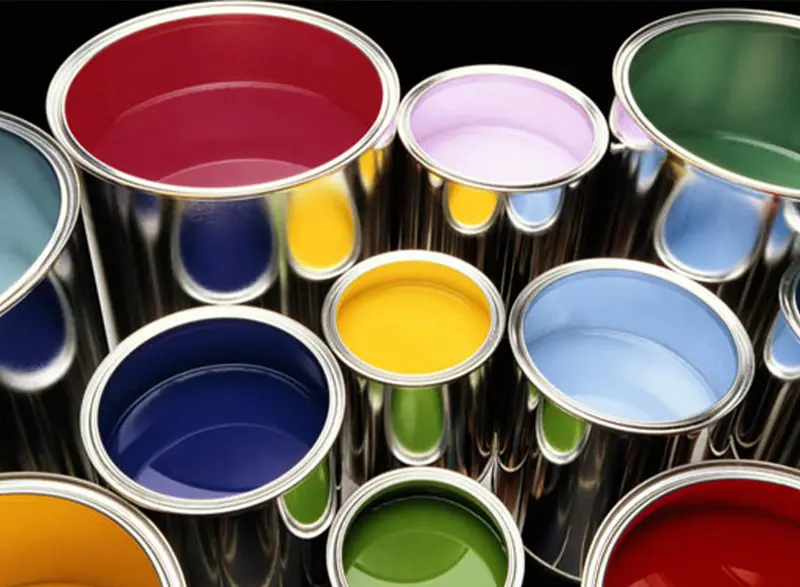
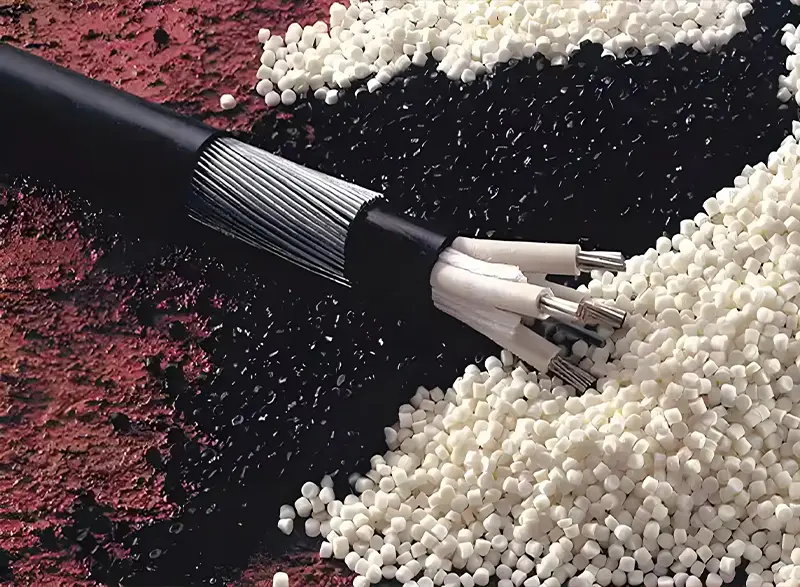
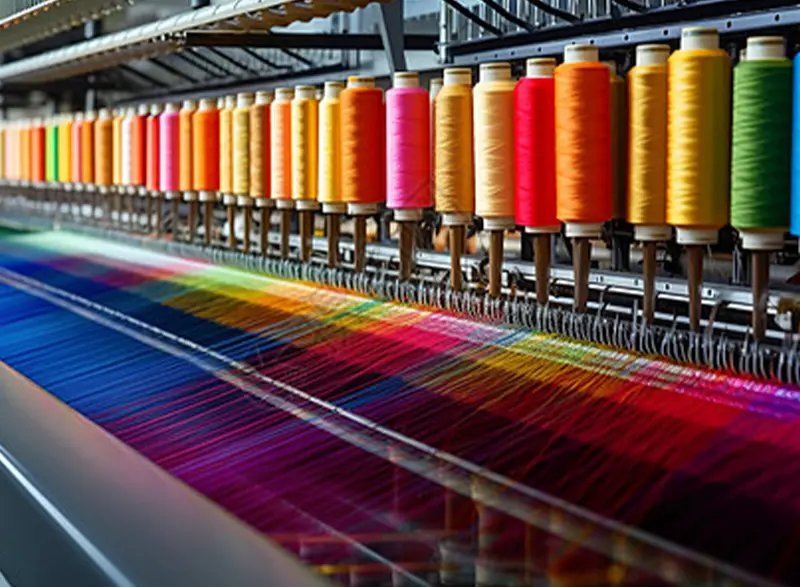

How our comprehensive product classifications serve distinct industrial market requirements globally.
Incorporated into EPDM rubber formulations, vinyl silanes optimize dynamic properties, decrease compression set, and boost crosslinking density. Our silane range helps rubber processing plants achieve clean profiles, optimal dimensional stability, and prolonged weather resistance in outdoor automotive profiles.
For XLPE hot water pipes and high-voltage power cables, our vinyl functional crosslinkers provide efficient moisture-induced vulcanization. This enables the polymer matrix to resist high thermal loads, stress cracking, and electric treeing over decades of continuous underground service.
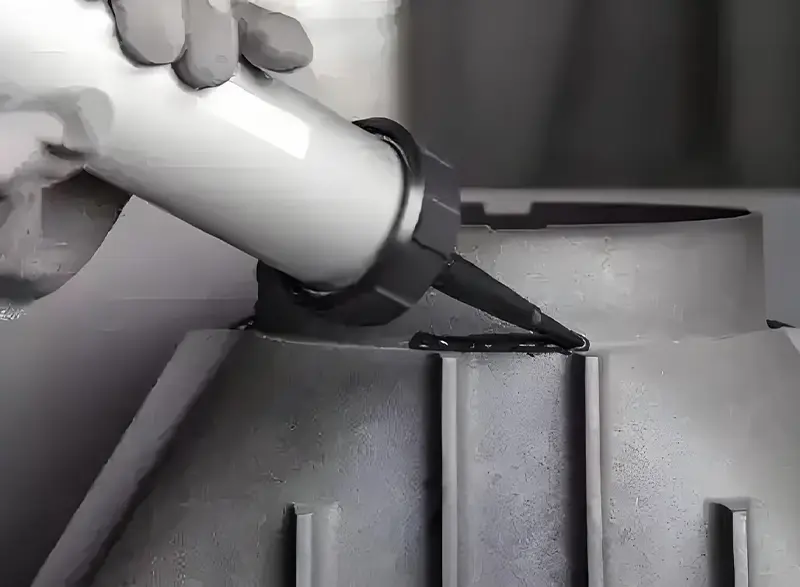
Our vinyl silanes improve wet adhesion characteristics on challenging inorganic substrates such as glass, steel, and aluminum. They prevent water migration along the interface, maintaining high peel strength in polyether sealants and acrylic coatings.
Why global polymer compounders and chemical importers partner with Shandong Boctok Chemical.

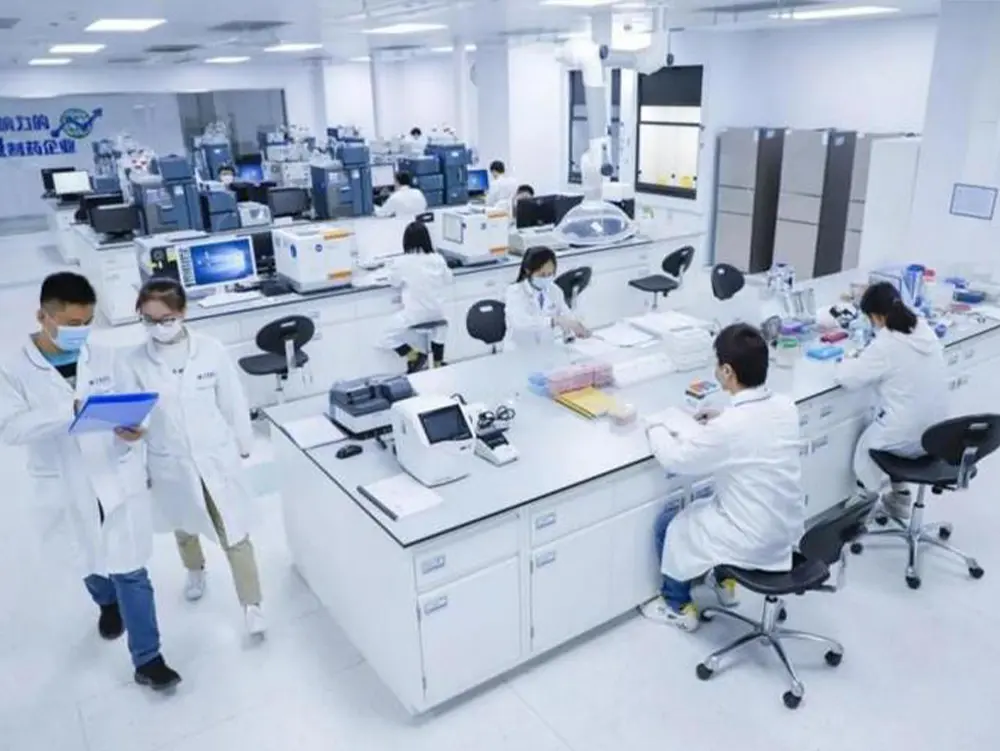
Our products undergo rigorous testing protocols. From gas chromatography (GC) purity validation to moisture content analysis, we ensure every delivered batch meets strict parameters.

Equipped with advanced DCS lines, our facility is scaled to support mass customization. We adjust chemical structures to fit specific processing windows.

Our engineering and logistics teams are available online 24 hours a day to address processing concerns, technical inquiries, and custom packaging requests.

With an optimized global logistics setup, we minimize lead times, offering safe international shipping in compliance with international maritime hazardous cargo standards.
Technical answers to key procurement and chemical engineering inquiries regarding Vinyl Silanes.
 Boctok Chemical