Explore our premium quality silicone polymers, coupling agents, and specialty resins manufactured to international standards.
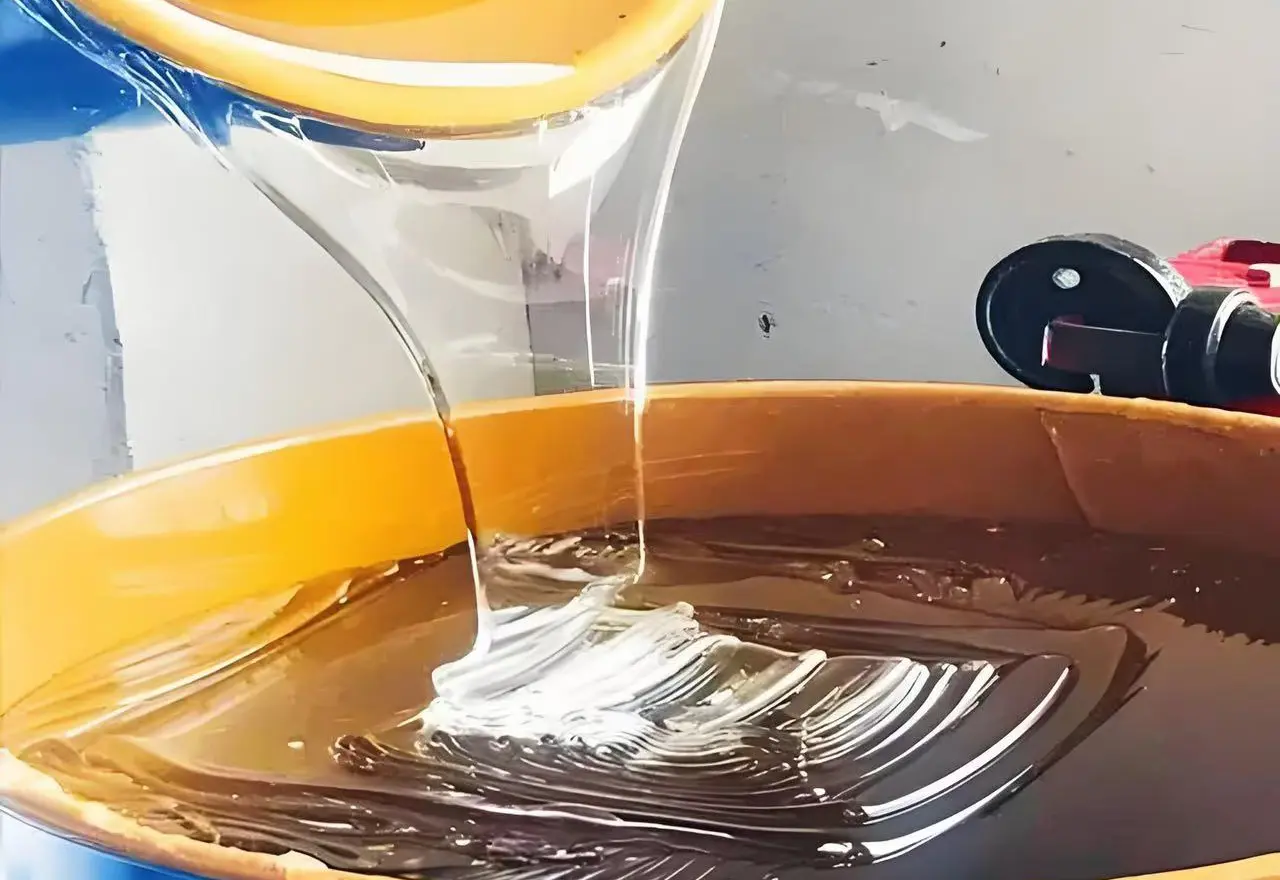
Transparent Hydrogen Silicone Oil, chemically identified as Polymethylhydrosiloxane (PMHS), is a high-performance organosilicon polymer structured with active silicon-hydrogen (Si-H) bonds. Under the influence of metal catalysts (typically platinum complexes) or at specific elevated temperatures, these active Si-H bonds readily undergo addition or cross-linking reactions. This unique reactivity makes it a cornerstone chemical in synthesizing modified silicone fluids, liquid silicone rubbers (LSR), and highly durable waterproofing treatments.
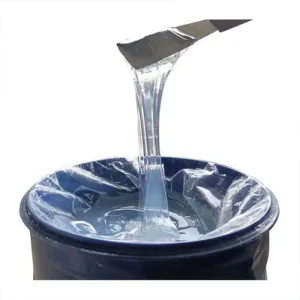
The primary index defining the quality of transparent hydrogen silicone oil is its optical clarity combined with a precise hydrogen content (typically ranging from 1.5% to 1.62%). The maintaining of a completely clear, water-white transparent appearance requires advanced catalytic processes and purification stages that eliminate cyclic siloxanes (D4, D5, D6) and catalyst residues, ensuring excellent thermal stability, low volatile organic compound (VOC) emissions, and high durability when deployed in demanding industrial environments.
"High-purity transparent hydrogen silicone oil is critical for optical-grade applications, electronic encapsulants, and durable building protective coatings, where trace impurities can cause cloudiness, catalyst poisoning, or yellowing over time."
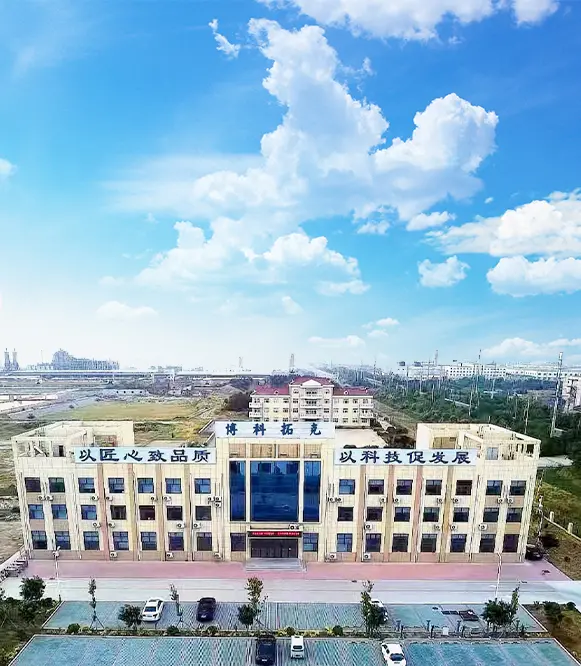
A Premier Manufacturer and Global Exporter of Organosilicon and Specialty Resins


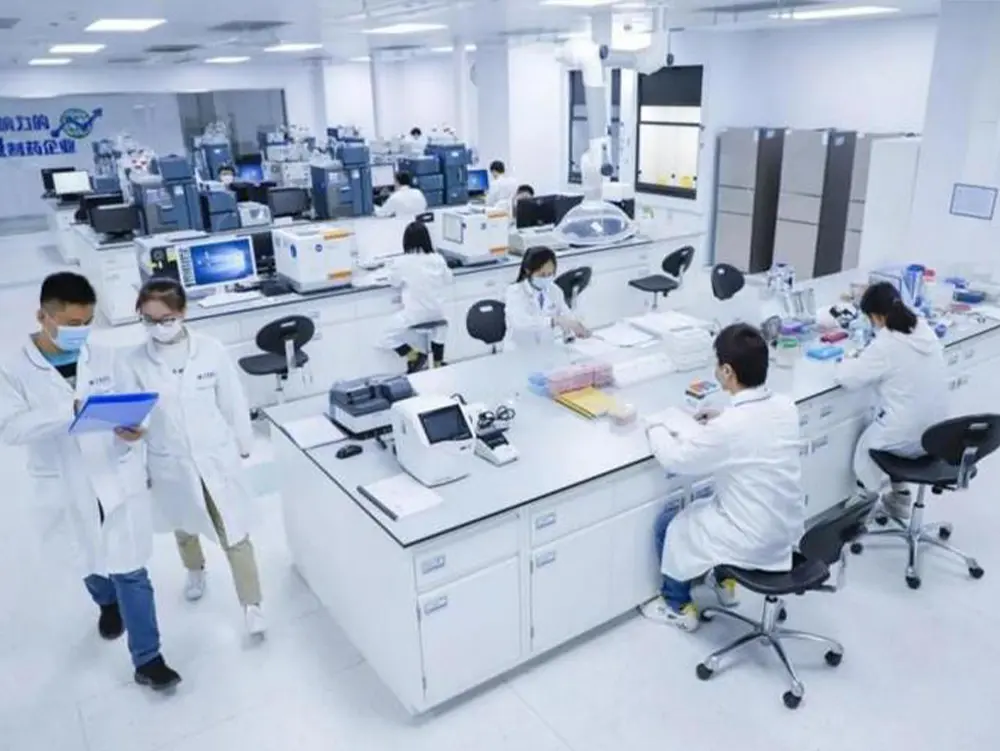
Founded in 2012, Shandong Boctok Chemical Co. serves as the unified marketing and sales center for both domestic and overseas business. Guided by a commitment to quality and technical innovation, the company achieved global sales of US$280 million in 2023. The BOCTOK brand has established a deep and specialized presence in major international markets, notably serving the Russian industrial sector with tailormade cold-resistant and high-stability organosilicon products.
Boctok’s comprehensive product portfolio is divided into key chemical series:
How China's raw material depth and automation technology stabilize global supply lines.
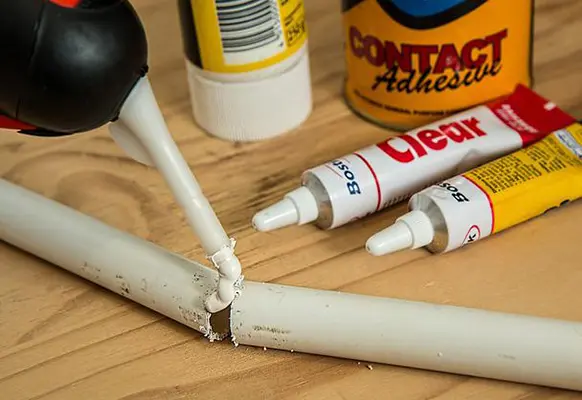
Beyond organosilicon chemistry, Boctok is a strategic investor in major hydrocarbon resin plants in China. Operating three high-capacity factories in Zibo, Fushun, and Nanjing, we secure a reliable supply of raw monomers by leveraging direct integrations with SINOPEC and PetroChina. Our advanced production processes yield high-grade C9 hydrogenated resins, C5 hydrocarbon resins, C5 modified C9 resins, dicyclopentadiene (DCPD), and methyl cyclopentadiene dimer, catering to adhesive and coating industries globally.
Boctok also serves as an essential manufacturing partner in the agrochemical market. We synthesize key active ingredients, intermediates, and formulary raw materials for the production of high-efficiency pesticides, fungicides, insecticides, seed treatments, herbicides, and plant growth regulators. This dual capability in silicones and agricultural chemical formulations enables us to offer unique surfactant formulations such as polyether-modified trisiloxanes.
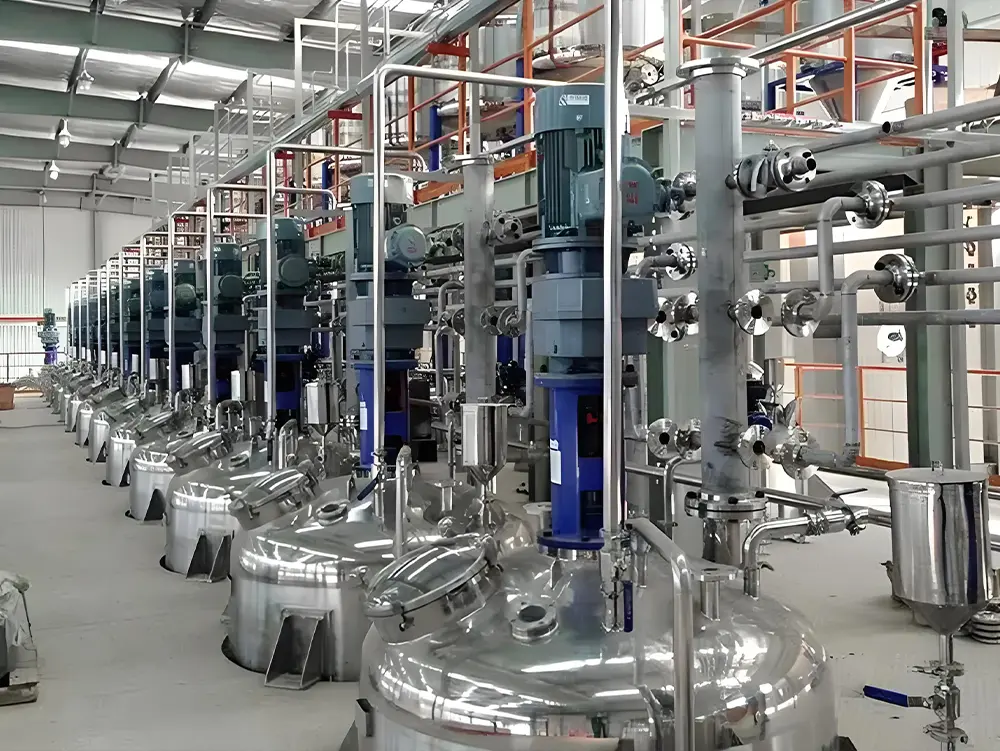
To secure next-generation capacity, Boctok recently invested US$65 million to construct a new manufacturing facility in Bohai Industrial Park, Shouguang City, Shandong Province. This provincial-grade chemical park hosts our 6 fully automated DCS (Distributed Control System) production lines. With an annual capacity of 30,000 tons of silane coupling agents and silicone products, the facility runs under strict ISO9001 and ISO14001 guidelines, integrated with comprehensive wastewater and safety (SIS) systems.
How Polymethylhydrosiloxane acts as a high-performance agent across diverse global sectors.
In the gypsum board and drywall manufacturing sectors, transparent hydrogen silicone oil is applied as a primary hydrophobizing agent. By reaction with moisture under basic conditions, it forms a highly durable, water-resistant network within the gypsum core. It drastically lowers the water absorption coefficient of boards below 5%, preventing structural softening and mold growth in humid construction zones.
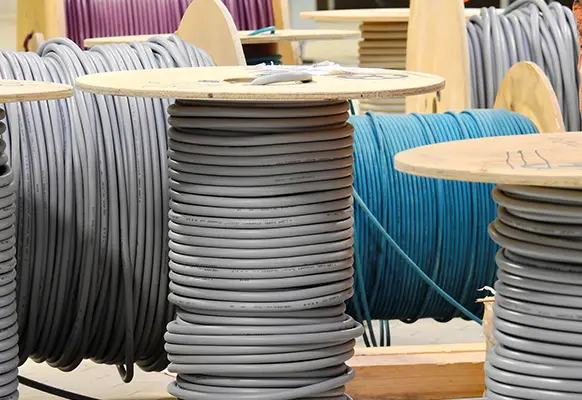
PMHS acts as the fundamental crosslinker in addition-curing liquid silicone rubber. Due to its precise Si-H density and optical transparency, it ensures that the resulting elastomers maintain excellent light transmission, high mechanical stretch, and self-lubricating properties. This makes it ideal for medical tubing, electrical wire accessories, and premium baby care products.
For cosmetics and personal care formulations, high-purity transparent hydrogen silicone oil is deployed for surface treatment of inorganic cosmetic pigments (such as Titanium Dioxide and Zinc Oxide). It renders the powders hydrophobic, improving dispersion, enhancing skin feel, and preventing the degradation of active ingredients due to sweat or external moisture.
Applied to natural and synthetic fibers, PMHS forms an elastic, water-repellent film on the fiber surface when cured in the presence of emulsified metal salts. It imparts wash-resistant water repellency while maintaining the breathability and softness of the fabrics, commonly used in outdoor gear and specialty industrial workwear.
Through hydrosilylation with allyl polyethers, hydrogen silicone oil is synthesized into silicone agricultural adjuvants. These organosilicone surfactants possess super-spreading capabilities, drastically reducing the surface tension of agricultural spray mixtures on crop leaves, thus enhancing pesticide absorption and efficiency.
In power transmission grids, the compound is formulated into composite insulator coatings and transformer potting compounds. Excellent dielectric properties, coupled with moisture-repellent capabilities, prevent surface tracking and corona discharge under extreme meteorological conditions (such as heavy fog, frost, or coastal salt air).
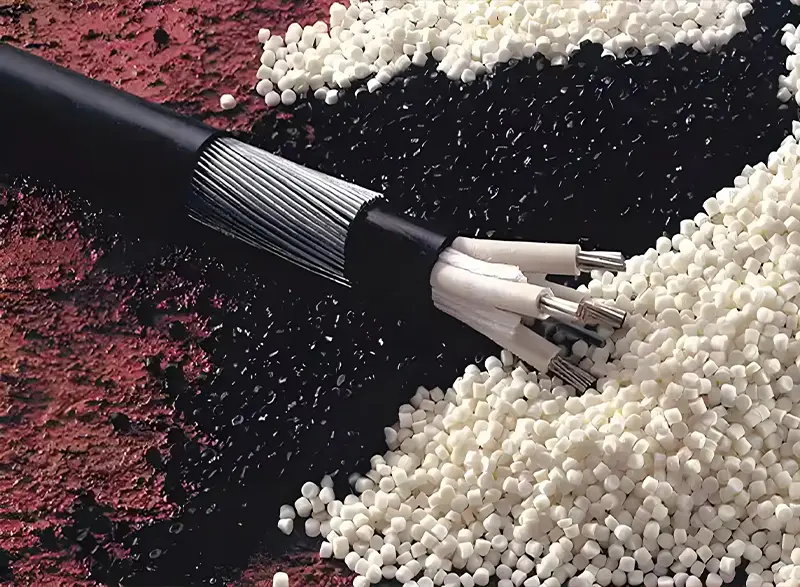
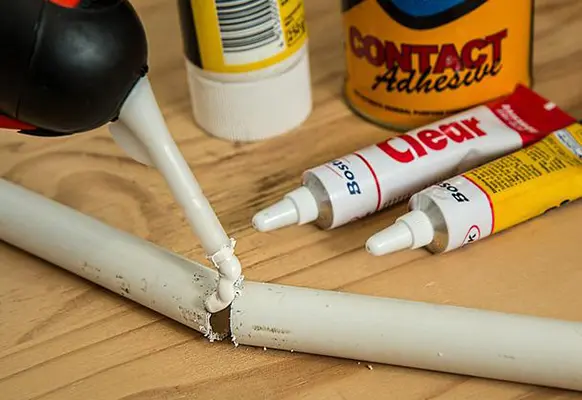
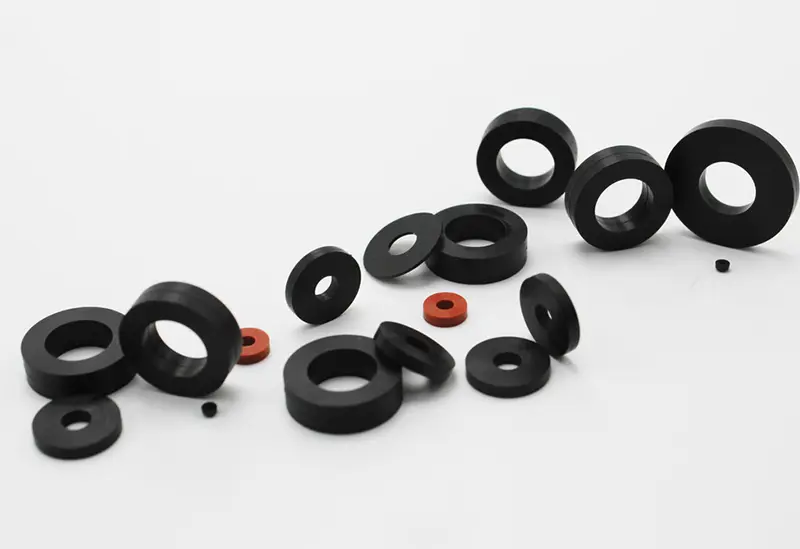
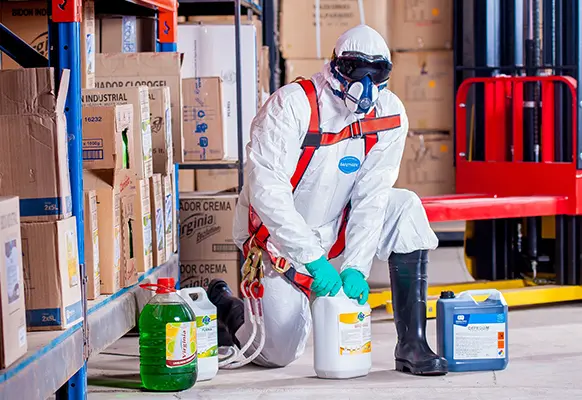
Visual directory of the diverse industries served by Shandong Boctok Chemical Co.
Emphasizing environmentally friendly practices and high-efficiency synthesis vectors.
Environmental standards globally demand lower levels of low-molecular-weight siloxane cyclics (specifically D4, D5, and D6). Boctok's technical development team is engineering stripping columns designed to reduce these volatile cyclics down to below 0.1 wt%, making transparent hydrogen silicone oil fully compliant with the most stringent cosmetic, aerospace, and medical safety regulations.
By investing in proprietary, non-toxic catalysts for the synthesis of PMHS, Boctok is transitioning away from traditional acid-clay systems to modern homogeneous catalysts. This path yields hydrogen silicone oil with an narrow molecular weight distribution, eliminating side reactions that result in cloudiness or undesirable visual defects.
To reduce carbon intensity in upstream chemical production, Boctok is exploring routes utilizing bio-derived alcohols and bio-silicon derived from sustainable silica sources. By blending green energy inputs with our direct petroleum resin synergies, we aim to lower the carbon footprint of our finished organosilicon fluids by 30% before 2030.
Guaranteeing batch consistency, global compliance, and end-to-end supply stability.
Boctok’s newly constructed facilities in Shouguang chemical park are equipped with state-of-the-art Distributed Control Systems (DCS) and Safety Instrumented Systems (SIS). These control networks ensure that every step of the condensation, polymerization, and volatile-stripping processes is carefully monitored and regulated. The result is unparalleled batch-to-batch consistency in terms of active hydrogen content and kinematic viscosity.
We proactively manage regulatory requirements across export markets. Our products comply fully with European REACH registration, GHS labeling guidelines, and RoHS criteria. Under our active ISO9001 and ISO14001 certifications, Boctok guarantees that the chemical characteristics stated in our Certificates of Analysis (COA) match the exact composition of the delivered fluid batches.
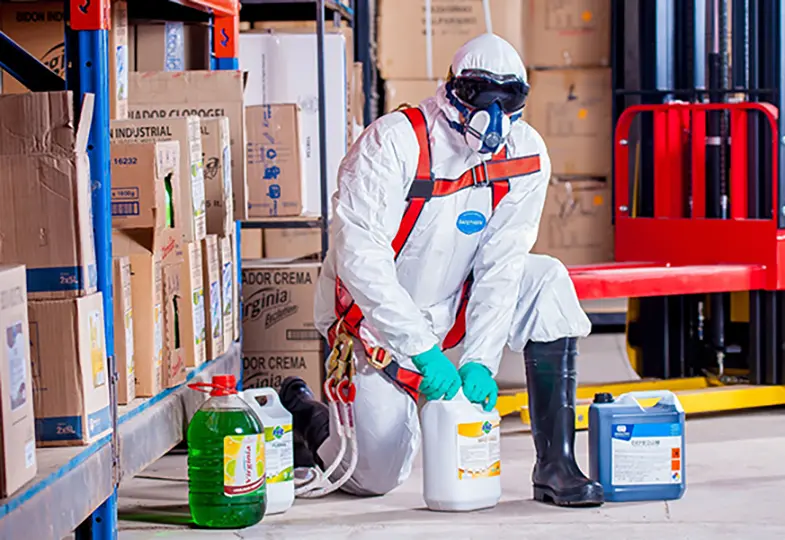
Transporting hydrogen silicone oil demands specialized packaging to prevent hydrolysis and pressure build-up. We pack our transparent PMHS in epoxy-lined 200kg steel drums and 1000kg IBC totes, blanketed with high-purity nitrogen. Coupled with our optimized logistics partnerships, we ensure stable transit conditions, safe shipping, and quick delivery worldwide.
Addressing the core inquiries of global silicone buyers, formulation chemists, and chemical procurement managers.
Our standard transparent hydrogen silicone oil (PMHS) is available with active hydrogen content levels ranging from 1.50% to 1.62%. We also provide customized formulations with lower hydrogen densities (e.g., 0.18% to 0.75%) or copolymer fluids designed for specific crosslinking configurations or addition-curing formulations.
Transparency indicates the absence of suspended particulate catalysts, trace metal salts, and non-homogeneous poly-cyclic impurities. In optical encapsulants, cosmetic coatings, and high-voltage composite insulators, any haze or discoloration will impair performance, compromise light transmission, or cause premature aging under exposure to UV radiation.
Hydrogen silicone oil can release hydrogen gas when exposed to trace alkalis, strong acids, water, or heavy metal salts. To ensure transport safety, Boctok packages our products in heavy-gauge, epoxy-lined steel drums or robust IBC containers. Each package is thoroughly purged and filled with high-purity dry nitrogen gas. We recommend storing the containers in cool, dry, and well-ventilated spaces, separated from oxidizers, alkalis, and acids.
Yes. While our standard industrial grades have a kinematic viscosity range of 15 cSt to 40 cSt at 25°C, our manufacturing facilities can adjust polymerization parameters to customize viscosity anywhere from 10 cSt to over 100 cSt, fitting specific application requirements.
When kept sealed in its original nitrogen-blanketed container under 25°C, the product maintains a stable active hydrogen level and viscosity profile for a minimum of 12 months from the manufacturing date. Exposure to air, high moisture levels, or heat can accelerate degradation.
High-purity organic silanes, petroleum resins, and specialty agricultural intermediates.
 Boctok Chemical
![Famous Bis-[3-(trimethoxysilyl)-propyl]amine CAS 82985-35-1 Products, Product](https://site.cdnfile.io/www.boctoksilicone.com/b7a8c47713f462756c9e61cb65cea17f300_300.webp)