China Tetrapropyl Orthosilicate Suppliers & Product Ecosystem

An Industrial Guide to Sourcing High-Purity Silicon Alkoxides, Advanced Sol-Gel Chemistry, and Factory 4.0 Supply Chain Integration

Featured Industrial Silicone & Agrochemical Products

Browse our top-tier industrial silanes, specialty silicone oils, agrochemical formulations, and intermediate compounds manufactured to international standards.
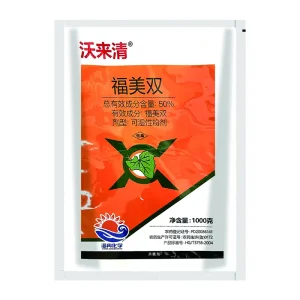
Famous 50% фуми дабл Product

Famous 50% фуми дабл Product, Factory

View Details
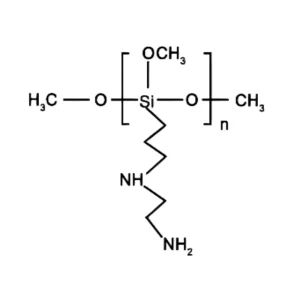
China Bisaminosilane polymers

China Bis(aminosilane) polymers CAS 106163-31-5

View Details
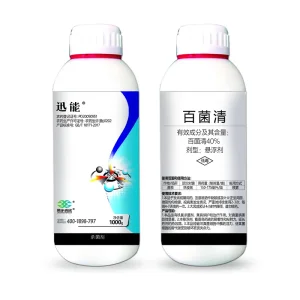
China 40% бактериальной очистки

China 40% бактериальной очистки Company, Factory

View Details
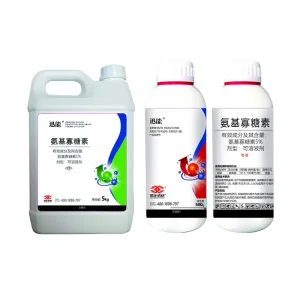
China 5% аминолитроглицина

China 5% аминолитроглицина Manufacturers, Factory

View Details
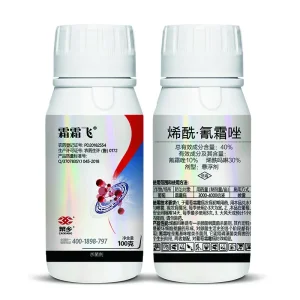
China 40% энцетилцианилазоидов

China 40% энцетилцианилазоидов Suppliers, Factory

View Details
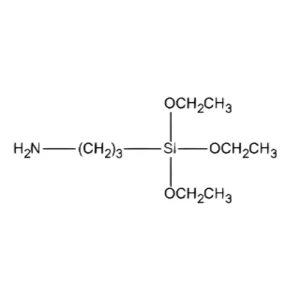
China 3-Aminopropyltriethoxysilane

China 3-Aminopropyltriethoxysilane CAS 919-30-2

View Details
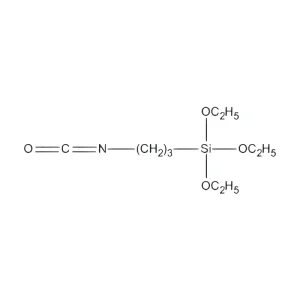
Famous Gamma-isocyanato propyltriethoxysilane

Gamma-isocyanato propyltriethoxysilane CAS 24801-88-5

View Details
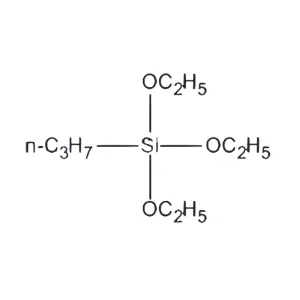
Famous Propyltriethoxysilane

Famous Propyltriethoxysilane CAS 2550-02-9

View Details

Industrial Significance & Sol-Gel Kinetics of Tetrapropyl Orthosilicate (TPOS)

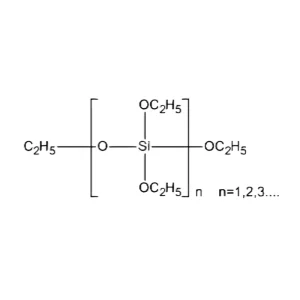
In the rapidly advancing world of organosilicon chemistry, Tetrapropyl Orthosilicate (TPOS), also known as Silicon Tetrapropoxide (CAS number 682-01-9), has established itself as an indispensable chemical precursor. Belonging to the class of silicon alkoxides, TPOS undergoes controlled hydrolysis and polycondensation reactions to generate high-density, high-purity amorphous silica networks ($SiO_2$). Sourcing high-quality TPOS is a strategic priority for advanced materials manufacturers globally, serving key sectors from semiconductor fabrication to precision glass coatings and architectural sealants.

Controlled Hydrolysis

Due to the steric hindrance of the bulky propoxy groups, TPOS exhibits slower and more controllable hydrolysis kinetics compared to TEOS, facilitating high-precision coatings.

High Chemical Purity

Designed to minimize trace heavy metals and chloride ions, TPOS acts as a superior precursor for microelectronics and optical fiber technologies.

Formulation Versatility

Seamlessly integrates as a crosslinker for RTV silicone rubbers, altering physical properties such as tensile strength, elongation, and thermal stability.

The synthesis mechanism of Tetrapropyl Orthosilicate involves the esterification of silicon tetrachloride with n-propanol. This yields a liquid compound that exhibits reduced volatility relative to Tetramethyl Orthosilicate (TMOS) and Tetraethyl Orthosilicate (TEOS), reducing industrial workplace exposure hazards. The hydrolysis reaction:
Si(OC₃H₇)₄ + 4 H₂O → Si(OH)₄ + 4 C₃H₇OH
Subsequent condensation leads to siloxane linkages ($Si-O-Si$), yielding dense ceramic networks. Through modern formulation processes, chemical designers optimize solvent dilution, acid or base catalysis, and water ratios to synthesize specific sol-gel architectures tailored to substrates like metals, polymers, and mineral composites.

Global Procurement Demand & Industry Trends

As manufacturing environments transition toward zero-defect tolerances and high automation, procurement strategies for organosilicon compounds are undergoing major shifts. Global enterprises are no longer looking purely at the cost-per-kilogram of raw chemicals. Instead, search intent mining from procurement managers highlights a transition toward E-E-A-T verified suppliers who can offer end-to-end trace documentation, stable supply chains, and specialized regulatory compliances.

Major Trends Shaping The Global TPOS Sourcing Landscape:

  • Low-VOC Requirements: With international protocols restricting volatile organic compounds, chemical processors are tuning the hydrolysis rate of silicon esters. Slower release profiles during curing steps allow for safer, more complaint gaseous emissions management.
  • Miniaturization of Electronics: In thin-film semiconductor coatings and optical lens processing, the demand for semiconductor-grade TPOS with parts-per-billion (ppb) purity levels has surged. Sourcing departments prioritize suppliers utilizing advanced multi-column vacuum fractional distillation systems.
  • Logistical Traceability: Due to TPOS sensitivity to ambient atmospheric moisture, specialized packaging, including nitrogen-blanketed steel drums and ISO tanks, is essential. The demand for suppliers offering predictive shipping tracking and reliable customs clearances is at an all-time high.
The commercial deployment of Tetrapropyl Orthosilicate crosses several industrial domains. In anti-corrosion protective coatings, TPOS acts as a binder, chemically bonding with metal surfaces to form an inert silicate layer that resists chemical attacks. For the construction sector, it forms the basis of specialty concrete hardeners and stone consolidators, penetrating porous substrates, reacting with calcium hydroxide, and producing calcium silicate hydrate gels that dramatically increase compressive strength and weathering resistance.
US$280M
Sales Volume in 2023
30,000T
Annual Silane Output
6 Lines
DCS Automated Production
US$65M
Recent Plant Investment

About Shandong Boctok Chemical Co.

Established in 2012, Shandong Boctok Chemical Co. serves as a robust marketing, sales, and manufacturing center for Boctok™ domestic and international operations. Demonstrating stellar commercial performance, the company reached a landmark sales volume of US$280 million in 2023. Our designated BOCTOK brand focuses intently on the Russian market while sustaining robust shipping networks across Europe, North America, the Middle East, and Asia.

To satisfy the growing global demand for silane coupling agents and silicone crosslinkers, Boctok recently completed a US$65 million expansion facility located in the Bohai Industrial Park, a highly regulated provincial chemical industrial zone in Shouguang City, Shandong Province. Spanning a state-of-the-art facility, our new manufacturing base operates 6 fully automated DCS production lines with an annual output capacity of 30,000 tons of high-performance silanes.
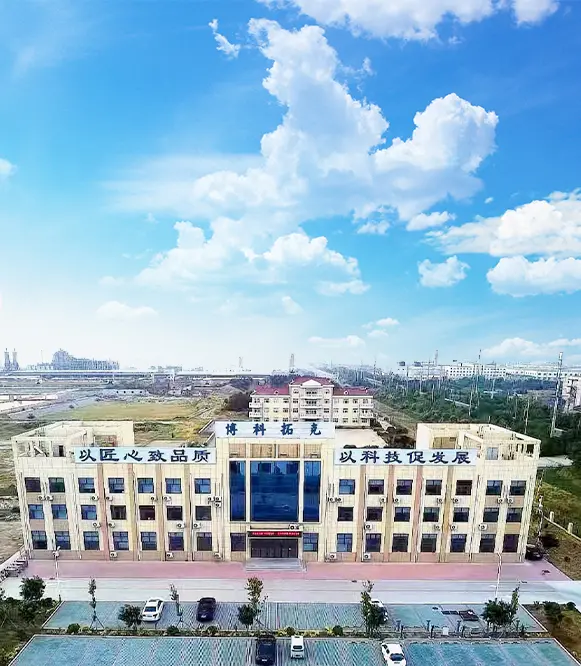
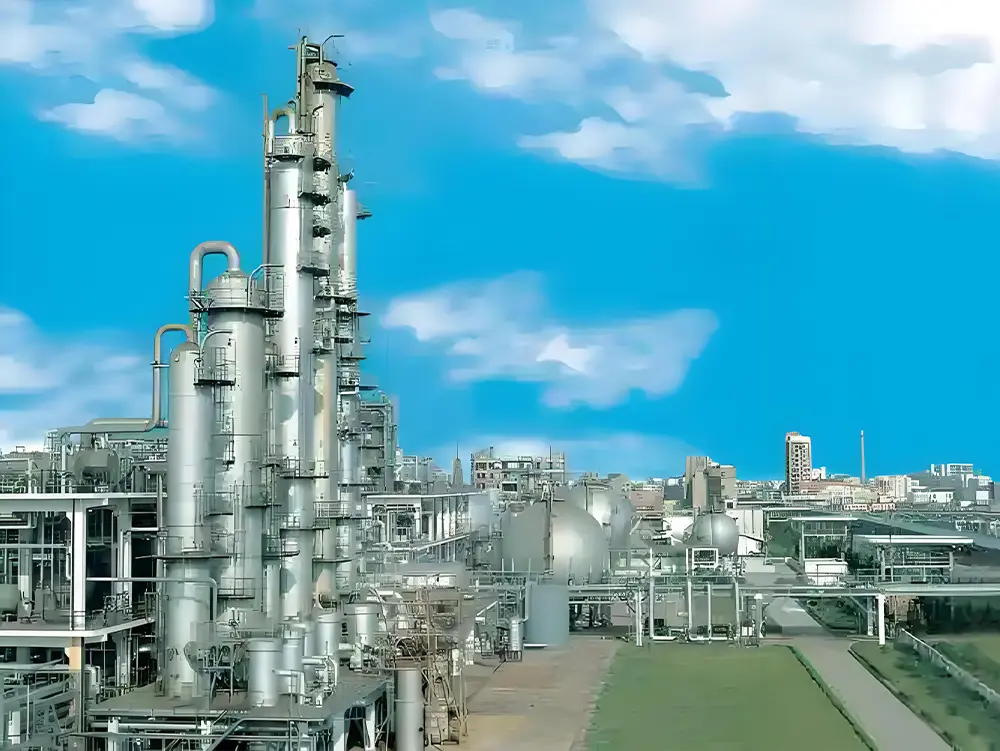
Shandong Boctok Chemical Plant

China Factory 4.0: Supply Chain Resilience & Process Control

Explore how our modern digital infrastructure ensures chemical consistency, safety, and stable international supply lines.

DCS & SIS Integration

Every reactor is governed by Distributed Control Systems (DCS) and backed by safety instrumented systems (SIS) to achieve absolute process safety and batch consistency.

ISO 9001 Compliance

Our operations strictly observe ISO 9001 standards throughout raw material inbound tracking, reaction parameters logging, and product filtration steps.

Environmental Defense

Features online scrubbing systems for vaporized chemical reclamation and integrated wastewater treatment plants to comply with green manufacturing guidelines.

01. Infrastructure Expansion

Shandong Boctok invested US$65 million to construct the Shouguang City plant in Bohai Industrial Park, focusing on establishing 6 high-throughput DCS production lines.

02. Automation & Safety

Equipped with automatic remote control DCS and Safety Instrument System (SIS) to ensure safe, stable processing and limit environmental exposure.

03. Green Chemical Manufacturing

Operational waste gas collection systems and advanced chemical biological wastewater facilities process all byproducts to meet environmental regulations.

Operational Strengths & Advantages

Delivering commercial value through structural quality assurance, extensive production volumes, and optimized shipping procedures.
Quality Assurance

Quality Assurance

Every chemical batch undergoes testing to ensure that purity, viscosity, color, and trace element metrics strictly correspond to our Technical Data Sheets.

Production Capacity

Production Capacity

Advanced production facilities and multi-million dollar investments allow us to easily scale outputs to fulfill mass custom industrial orders.

Customer Service

Customer Service

Our technical support team is online 24 hours a day to provide application support, logistics consultation, and technical documentation.

Fast Delivery

Fast Delivery

Optimized logistical configurations and partnerships with international transport lanes ensure rapid order processing and punctual delivery.

Boctok Chemical Product Categories & Hydrocarbon Resins

Shandong Boctok Chemical operates across three core business pillars, consolidating a comprehensive ecosystem of industrial silanes, hydrocarbon resins, and agricultural intermediates.

I. Organosilicons & Silanes

Encompasses 12 distinct families of silane coupling agents and crosslinkers: aminosilane, methacrylate silane, epoxy silane, vinyl silane, mercaptosilane, alkyl silane, ethyl silicate, chlorosilane, silane isocyanates, phenyl silane, ureidosilane, and serosilane. Additional lines feature dimethicone, vinyl silicone oil, silanol silicone oil, alkoxy silicone oil, methyl MQ resin, and vulcanized methyl phenyl rubber.

II. Petroleum Resins

Operating three large-scale hydrocarbon resin facilities in Zibo, Fushun, and Nanjing. Capitalizing on raw materials sourced from SINOPEC and PetroChina, Boctok produces C9 hydrogenated resins, C5 hydrocarbon resins, C5/C9 modified resins, and dicyclopentadiene, widely utilized by Fortune 500 chemical manufacturers.

III. Agrochemical Intermediates

Supplying critical raw materials and functional synthesis intermediates for the production of pesticides, selective fungicides, crop insecticides, customized seed treatments, selective herbicides, and plant growth regulators.
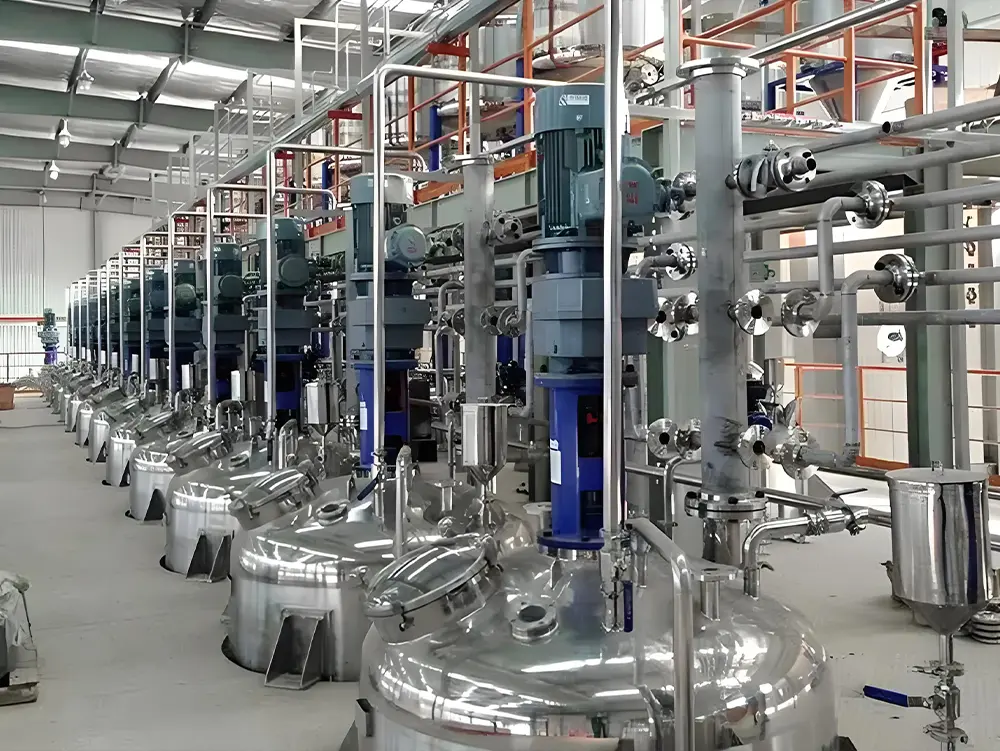

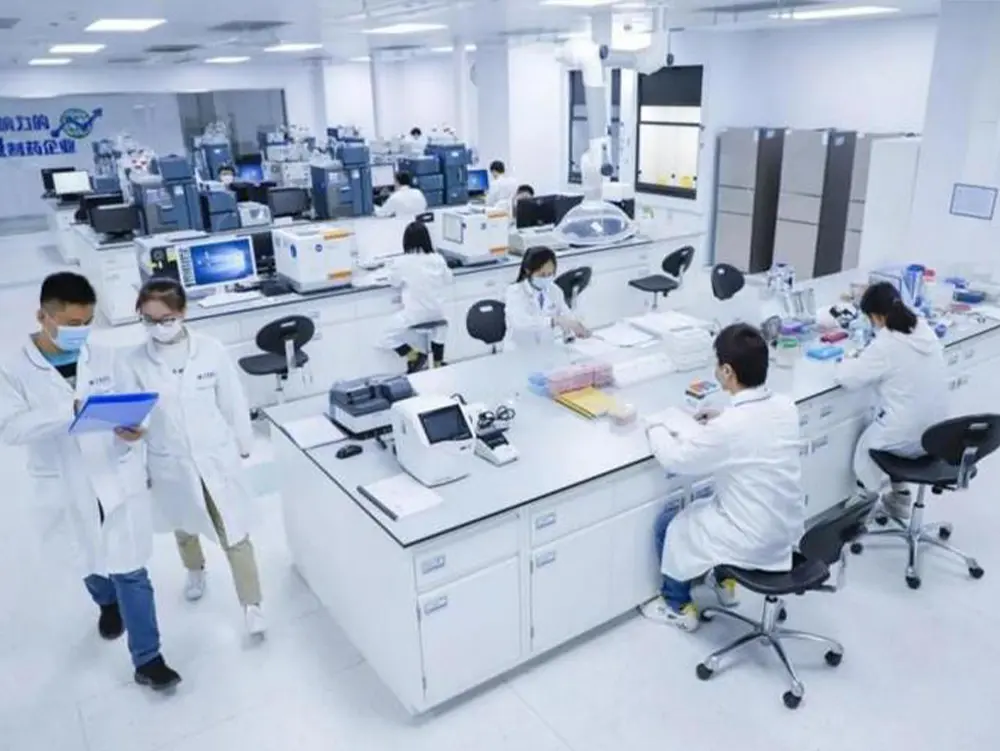
Chemical Processing Plant 1 Chemical Processing Plant 2 Quality Control Lab 1 Quality Control Lab 2

Industrial & Localized Application Scenarios

Boctok chemical solutions improve product lifespan, surface adhesion, environmental resistance, and synthesis yield in various modern applications.


Classification of Products

Chemical Material

Chemical Material

Pesticides

Pesticides

Target Industries

Pesticides - Fertilizers

Pesticides - Fertilizers

Pesticides - Melons and Fruits

Pesticides - Melons and Fruits

Pesticides - Flora

Pesticides - Flora

Pesticides - Agricultural Crops

Pesticides - Agricultural Crops

Pesticides - Vegetables

Pesticides - Vegetables

Petroleum resins - coatings

Petroleum resins - coatings

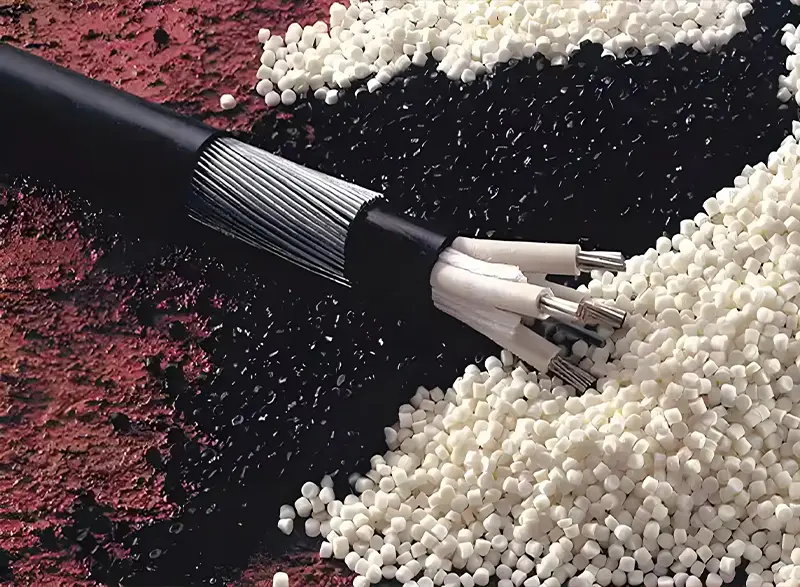
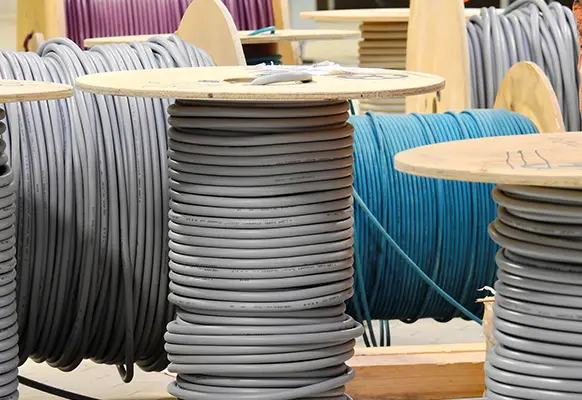
Silicones - cable materials and casting materials

Silicones - cable and casting

Silicone textiles

Silicone textiles

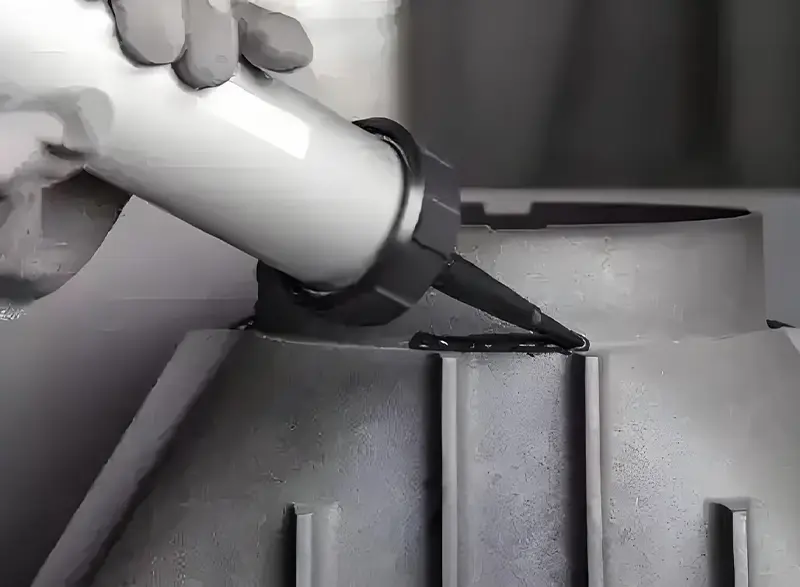
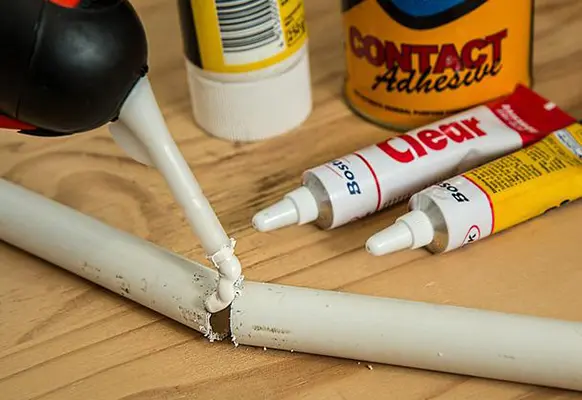
Silicone adhesives

Silicone adhesives

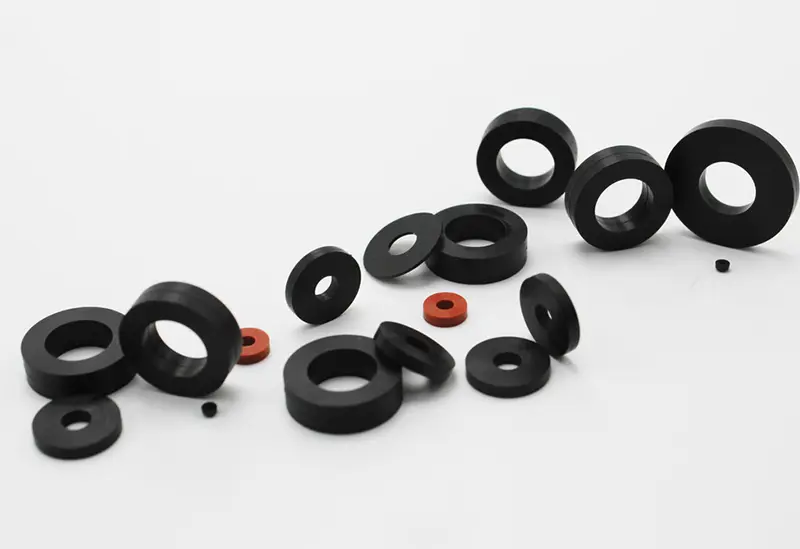
Organic silicone is a daily chemical

Organic silicone daily chemicals

Industrial Scenarios & Applied Materials

Pharmaceutical and Pesticide Industry

Cosmetics & Personal Care Resins

Industrial Adhesives

Rubber Industry

Paints and Coatings

Plastics Industry

Pesticides

Self-lubricating LSR

Drywall

Cosmetics & Personal Care Oils

Silicone Liquids

Automotive, Marine & Aviation

Forms

Electronics Industry

Construction Industry

Adhesives and Sealants

Paint and Varnish Coatings

Metal Surface Treatment

Wire and Cable

Synthesis & Casting of Resins

Construction Processing

Wind Turbine Manufacturing

Biomedical

Textile

Minerals and Fillers

Micro- & Trapezoidal Polymers

Plastics (Silicon)

Adhesives

Paints (Silicone)

Q&A / Technical FAQ on Tetrapropyl Orthosilicate & Silicone Chemistry

Review detailed, expert-compiled inquiries concerning the chemical mechanism, procurement parameters, and application specifics of TPOS and silane esters.

What is Tetrapropyl Orthosilicate (TPOS) and how does it differ from TEOS?
Tetrapropyl Orthosilicate (TPOS, CAS 682-01-9) is a silicon alkoxide comprising four propoxy groups bound to a central silicon atom. The primary difference between TPOS and Tetraethyl Orthosilicate (TEOS) lies in the length and size of the organic chain. The propoxy groups on TPOS introduce greater steric hindrance. Consequently, the hydrolysis and condensation reactions occur at a slower, more controllable rate than TEOS. This makes TPOS ideal for precise sol-gel coatings and processes requiring long open-times or slow ceramic matrix formation.
What are the optimal storage conditions to avoid TPOS degradation?
TPOS is highly sensitive to atmospheric moisture, which initiates premature hydrolysis, producing n-propanol and silica gel. To prevent degradation, it must be stored in airtight containers, preferably blanketed with an inert gas like dry nitrogen. Keep the product in a cool, well-ventilated warehouse away from direct sunlight, open flames, and strong acidic or alkaline substances.
How does TPOS function as a crosslinking agent in room temperature vulcanized (RTV) rubbers?
In RTV silicone rubbers, TPOS acts as a moisture-initiated crosslinker. When exposed to ambient humidity, the alkoxy groups hydrolyze into silanol groups ($Si-OH$), which subsequently react with the silanol-terminated polydimethylsiloxane (PDMS) chains. This condensation links the polymer chains into a three-dimensional elastomeric network, imparting mechanical durability, elasticity, and temperature resistance to the silicone compound.
What are the key specifications global procurement teams look for when sourcing TPOS?
Procurement teams typically monitor: 1) Chemical Purity (usually specified ≥ 98.0% or ≥ 99.0% by Gas Chromatography); 2) Refractive index and density; 3) Moisture content (ideally below 0.05% to avoid pre-hydrolysis); 4) Color value (measured on the APHA scale, aiming for clear and colorless); and 5) Trace chloride levels, especially for electronics applications.

Can TPOS be utilized in architectural preservation and stone consolidation?
Yes. TPOS is widely used as a stone consolidator. When applied to weathered, porous mineral surfaces, the liquid penetrates deep into the pores. It reacts with mineral humidity and ambient moisture, depositing a binder of amorphous silica. This synthetic silica consolidates the crumbling particles, restoring structural integrity to historic stone, concrete, and plaster without altering vapor permeability.
How does Boctok Chemical ensure supply chain resilience during global logistical challenges?
Boctok Chemical mitigates logistics risks through strategic positioning and production stability. By operating three hydrocarbon factories in Zibo, Fushun, and Nanjing, and partnering directly with national suppliers like SINOPEC and PetroChina, we maintain secure raw material streams. Furthermore, our newly established Shouguang facility boasts 30,000 tons of annual output across 6 automated DCS lines, backed by dedicated hazardous cargo logistics and buffer stocks.
What environmental safety protocols does Boctok Chemical employ?
Our Shouguang plant is built to meet ecological standards. We feature specialized waste gas collection systems that recycle and neutralize vapor emissions. Our wastewater treatment systems process industrial effluents to guarantee zero-harm discharge. Process optimization also minimizes volatile organic byproduct creation during silane and silicone synthesis.

Additional Industrial Materials & Intermediate Products

Explore additional products from our diverse portfolio, including specialized esters, polysiloxanes, and custom hydrocarbon resins.
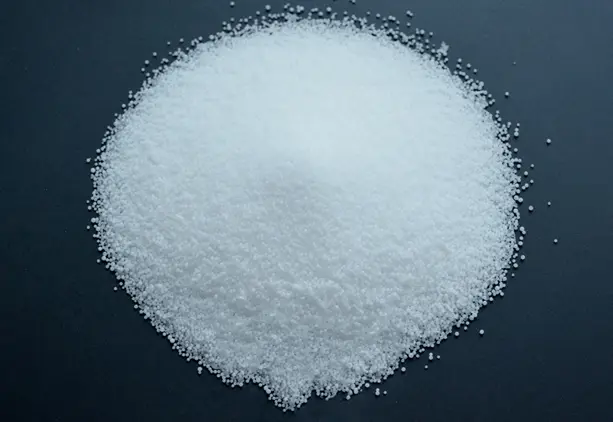
Famous Ethyl silicate 32

Famous Ethyl silicate 32 CAS 11099-06-2

View Details
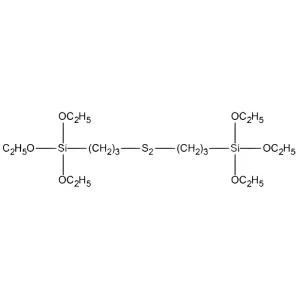
China Bis(3-triethoxysilylpropyl) disulfide

China Bis(3-triethoxysilylpropyl) disulfide CAS 56706-10-6

View Details
China 6% Винбластин

China 6% Винбластин Manufacturer, Company

View Details
Famous Hydroxylic silicone oil

Famous Hydroxylic silicone oil CAS 70131-67-8

View Details
China Phenylmethylsilicone oil

China Phenylmethylsilicone oil CAS 63148-58-3

View Details
China MQ Type Methyl Vinyl Silicone Resin

China MQ Type Methyl Vinyl Silicone Resin CAS 68952-30-7

View Details
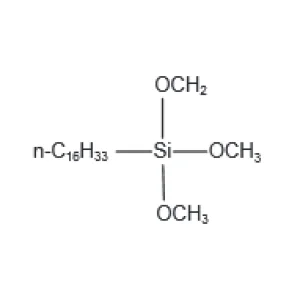
China Cetyltrimethoxysilane

China Cetyltrimethoxysilane CAS 16415-12-6 Factories

View Details
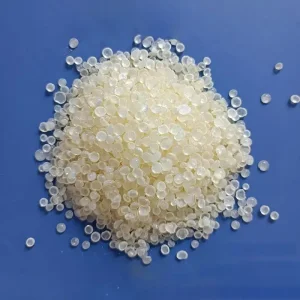
Famous Alpha-Methylstyrene Synthetic Petroleum Resin

Famous Alpha-Methylstyrene Resin C5/C9 CAS 68131-99-7

View Details