Exacting chemical compliance, premium silane architectures, and advanced petroleum-derived catalysts.
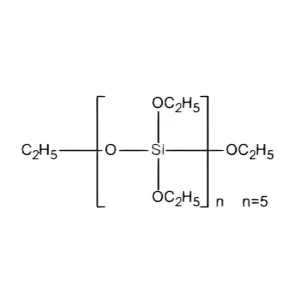
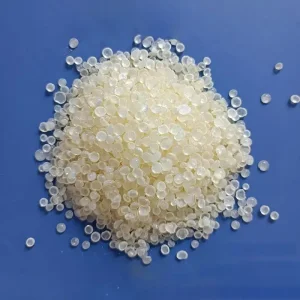
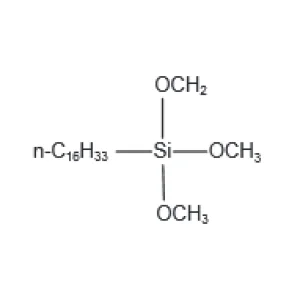
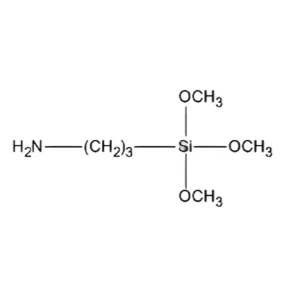
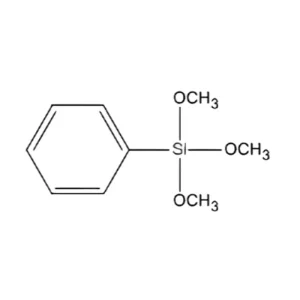
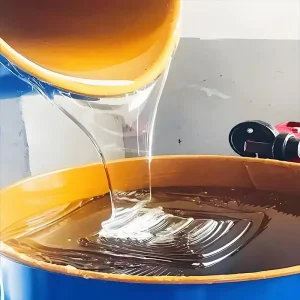
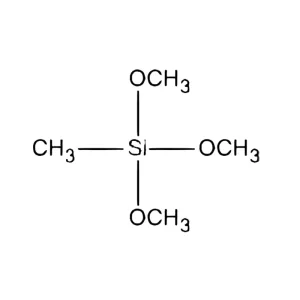
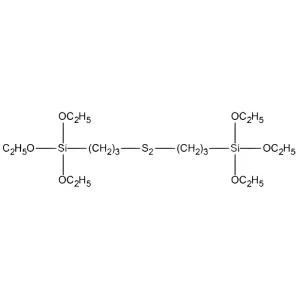
In modern chemical synthesis and polymers, Solid Methyl Resin (principally consisting of polymethylsilsesquioxane and cross-linked silicone lattices) acts as a pinnacle structural component for coatings, laminations, and insulation materials subject to high stress environments. Composed of alternating silicon-oxygen backbones with functional methyl organic ligands, these materials present an optimal compromise between purely organic polymers and mineralized silicate glasses.
Shandong Boctok Chemical Co. has pioneered the design, synthesis, and industrialization of high-efficiency solid methyl resins. By stabilizing the cross-linking ratios and controlling the molecular weight distributions, our chemical architectures achieve continuous service temperatures exceeding 300°C to 500°C while maintaining superior dielectric strength and weather resistance.
As leading manufacturers, we implement advanced multi-phase polycondensation processes. This allows precision tuning of the residual silanol (Si-OH) concentration, yielding solid resin matrices with exceptional solubility profiles in aromatics and esters while preserving rapid curing capabilities.
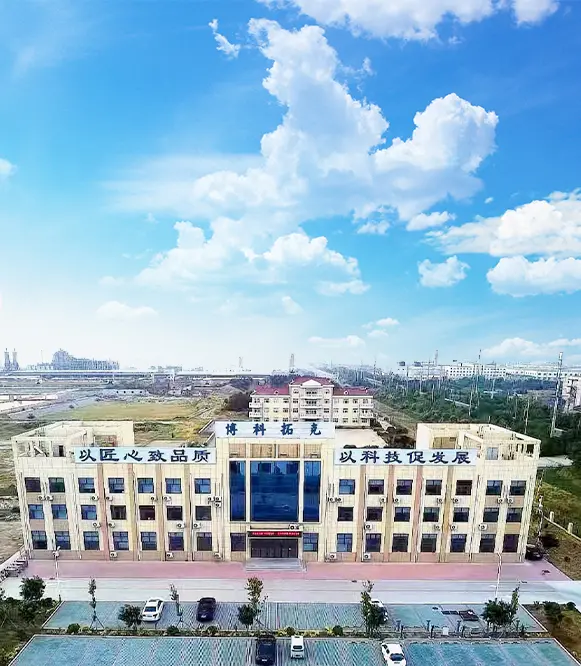
A global leader in silicon chemical formulation, industrial manufacturing, and cross-border chemical logistics.
Founded in 2012, Shandong Boctok Chemical Co. was established as the primary domestic and international sales and marketing nexus for the Boctok™ chemical portfolio. Through sustained investment in chemical infrastructure and safety systems, Boctok successfully achieved a global annual revenue of US$280 million in 2023. Under our core brands, we specialize in high-efficiency industrial integration, serving highly regulated markets across Europe, North America, the Middle East, East Asia, and specifically our dedicated clients in the Russian market.
Boctok's structural operations are built upon three core chemical families, allowing us to serve diverse supply chains seamlessly:
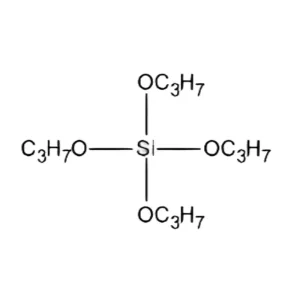
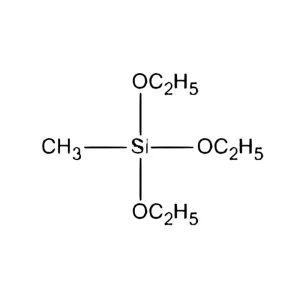
Comprehensive formulation covering twelve functional series: Aminosilane, Methacrylate Silane, Epoxy Silane, Vinyl Silane, Mercaptosilane, Alkyl Silane, Ethyl Silicate, Chlorosilane, Silane Isocyanates, Phenyl Silane, Ureidosilane, and Serosilane systems.
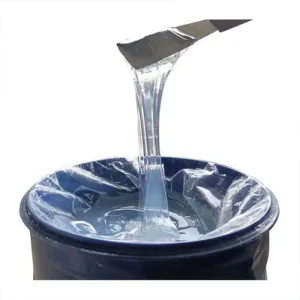
Covering high-hydrogen silicone fluids, Dimethicone, Vinyl Silicone Oil, Polyphenylmethyldimethylsiloxane, Phenyl Silicone Oil, Silanol fluids, OH polymers, Alkoxy Silicone fluids, and highly structured solid lattices like Methyl MQ resins, Vinyl VMQ resins, Room-Temperature Vulcanized Methyl Silicone rubbers, 110 Methyl Vinyl rubbers, and 120 Methyl Phenyl rubbers.
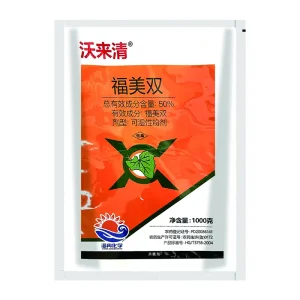
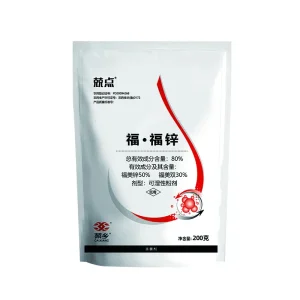
High-purity C9 Hydrogenated resins, C5 Hydrocarbon resins, C5/C9 modifications, Dicyclopentadiene (DCPD), and Methyl cyclopentadiene dimers sourced via SINOPEC and PetroChina feedstocks. In parallel, our Agrochemical division manufactures intermediates for pesticides, fungicides, seed treatments, and plant regulators.
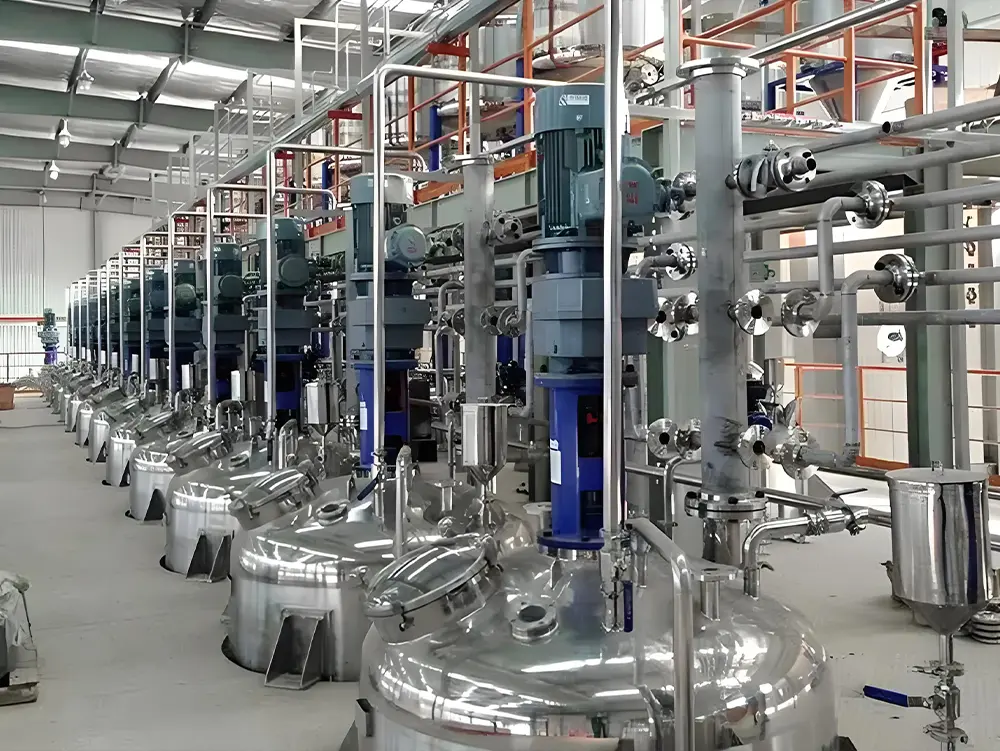


As part of Boctok's Tier II core chemical strategy, we maintain substantial equity and operational partnership in a premier hydrocarbon resin plant in China. Leveraging modern installations located in three major chemical hubs—Zibo, Fushun, and Nanjing—our factories utilize high-purity, consistent petroleum fractions sourced directly from state producers SINOPEC and PetroChina.
Through decades of global trading and polymer refinement, our petroleum resin products have been integrated into adhesives, high-performance paints, and compound elastomers developed by multiple Fortune 500 companies. The product line focuses heavily on:
Shandong Boctok has recently completed a US$65 million infrastructural expansion in the Bohai Industrial Park, a highly regulated, provincial-level chemical zone in Shouguang City, Shandong Province. This facility scales up our organic silane coupling agent and silicone resin chain, utilizing:
Pioneering chemical performance indices across global silicone supply chains.
Precision engineered to optimize international delivery, quality validation, and real-time response.

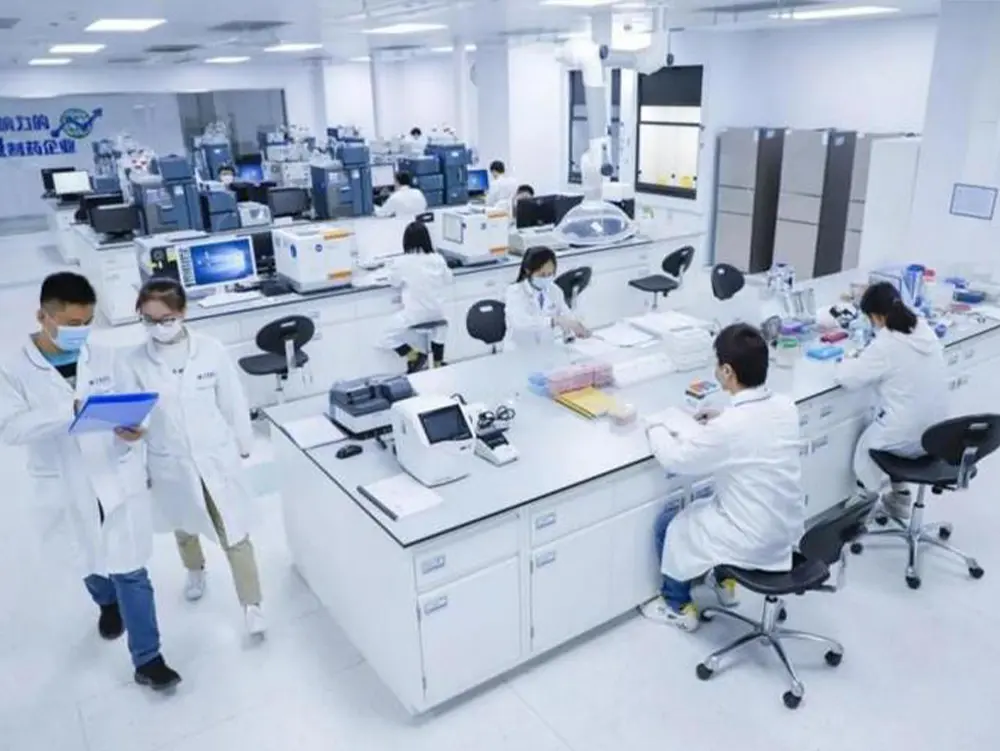
All processes adhere to ISO 9001 quality systems. Advanced GC-MS and molecular characterization verify every batch.

Fully automated lines scale to dynamic market surges, providing consistent batch consistency.

Technical support operates continuous monitoring to resolve cross-border logistics and processing challenges.

Optimized storage near prime logistical networks ensures minimized delivery lead times.
Serving highly specialized technical fields across multiple industrial domains.





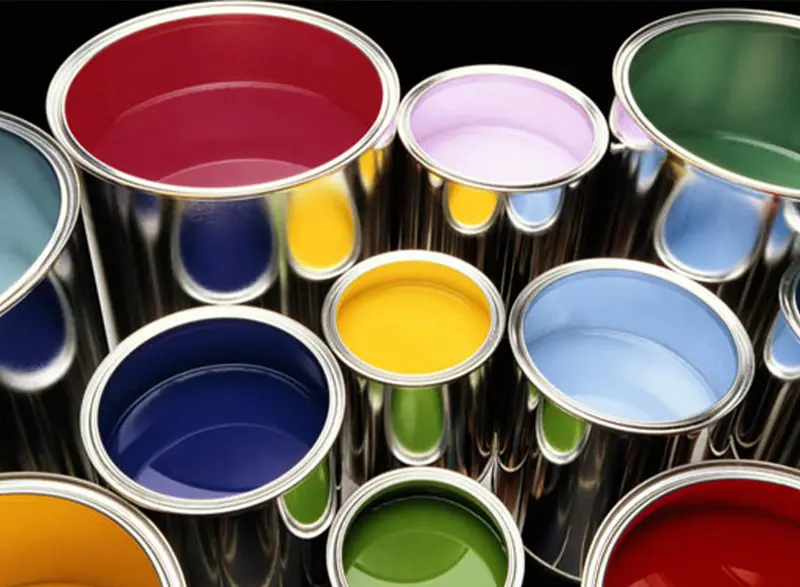
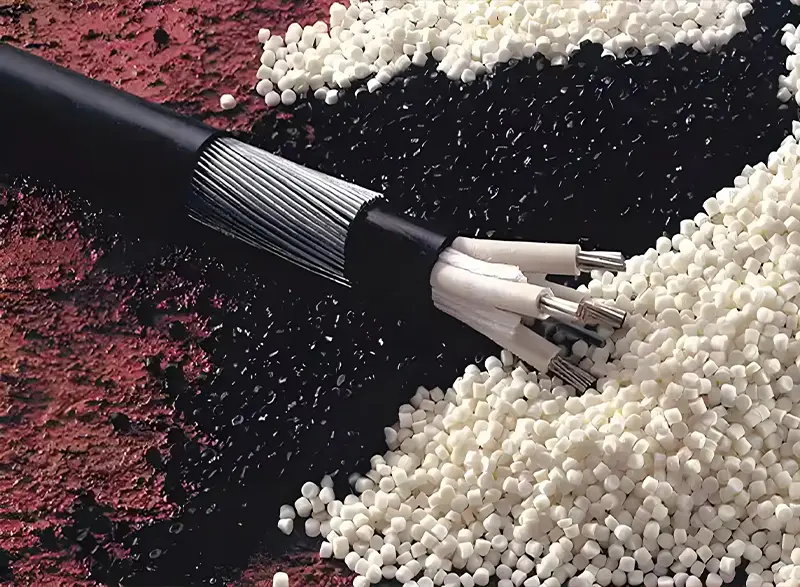

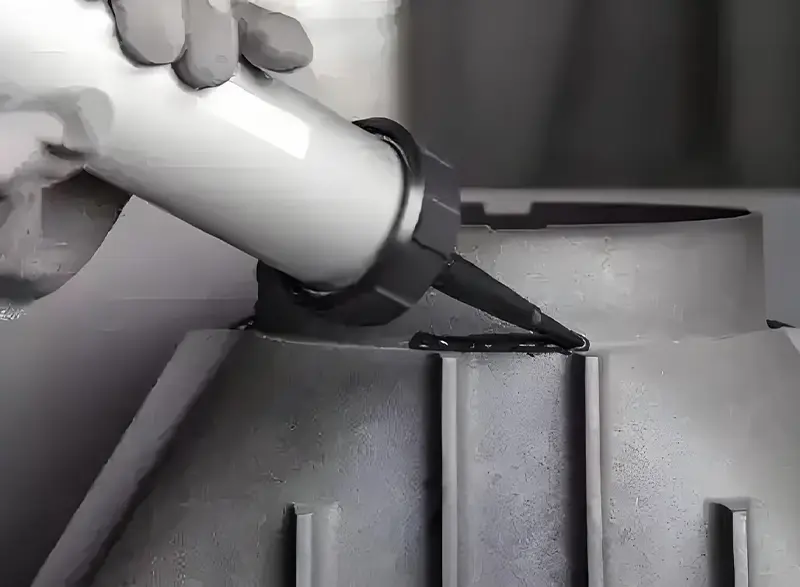

The evolution of Solid Methyl Resin technology is driven by the demand for environmental compliance (VOC reduction) and high-performance capabilities under extreme conditions. Historically, solvent-borne silicone coatings dominated the market. However, with the onset of global green initiatives, manufacturers have shifted towards powder systems and solventless alternatives.
Solid methyl resins are characterized by high silanol content, which undergoes dehydration condensation during thermal activation. The optimization of this matrix involves balancing the ratio of trifunctional T units (CH₃SiO₁.₅) and tetrafunctional Q units (SiO₂). High T-unit ratios offer improved flexibility and impact resistance, while Q-units increase hardness and scratch resistance.
The table below highlights the performance parameters of Solid Methyl Silicone Resin compared to conventional organic alternatives:
| Performance Metric | Solid Methyl Silicone Resin (PMQS) | Standard Silicone MQ Resin | High-Temp Epoxy Resins |
|---|---|---|---|
| Continuous Thermal Limit | 350°C - 550°C | 300°C - 450°C | 180°C - 240°C |
| Dielectric Breakdown (kV/mm) | > 25 | > 20 | > 18 |
| Water Vapor Permeability | Extremely Low | Low | Moderate |
| UV and Weathering Resistance | Exceptional (>20 years) | Exceptional | Degrades (Chalking) |
| Solubility (Xylene/Toluene) | > 99.8% | > 99.5% | High (depending on cure) |
B2B buyers, procurement executives, and manufacturing engineers evaluating global silicone providers face critical quality challenges:
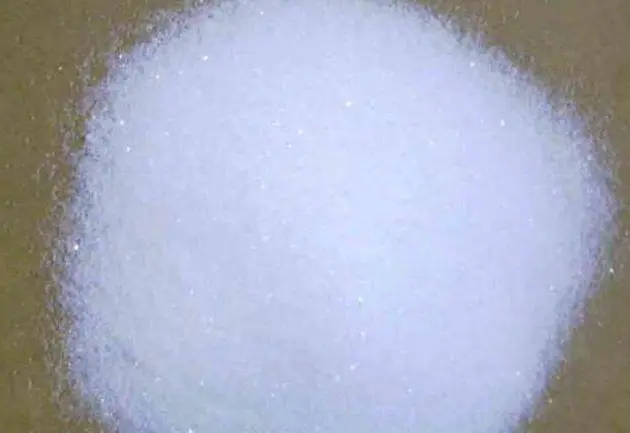
At Boctok Chemical, our Shouguang facility addresses these challenges through closed-loop gas extraction, continuous vacuum stripping of volatiles, and automated sizing parameters that yield highly uniform solid flakes with high surface-to-volume dissolution ratios.
Solid methyl resins are widely applied in modern infrastructure, heavy machinery, and aerospace. They are a preferred choice for:
Interactive exploration of primary industries using Boctok silicone formulations and hydrocarbon resins.
As we look towards the next generation of materials, Boctok's research and development team is focused on expanding the boundaries of silicon-based resin architectures:
Developing low-viscosity, high-melting-point solid flakes that can be micronized easily for dry electrostatic spray powder applications, minimizing target processing volatile emissions.
Copolymerizing solid methyl MQ clusters with bisphenol-A epoxy backbones. This integration offers the thermal resilience of silicones alongside the adhesion and mechanical properties of epoxies.
Precisely adjusting residual hydroxyl concentrations below 1.5 wt% to control shelf life while ensuring reliable cure responses under standard thermal cycles.
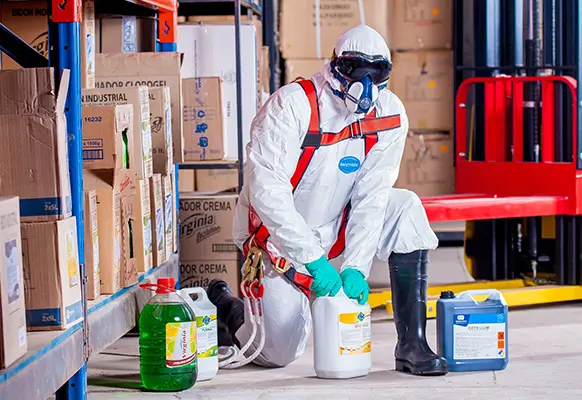
Managing cross-border chemical cargo requires strict compliance and logistics coordination. Shandong Boctok Chemical Co. maintains dedicated operations to ensure delivery safety:
Detailed answers to complex chemical queries from B2B buyers and process engineers.
Chemical intermediates, rubber gum stocks, and functional silanes.
Connect with Shandong Boctok's applications engineering team to receive customized molecular configurations, sample batches, or local delivery timelines.
 Boctok Chemical