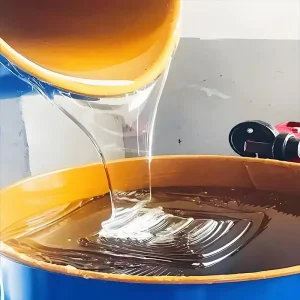
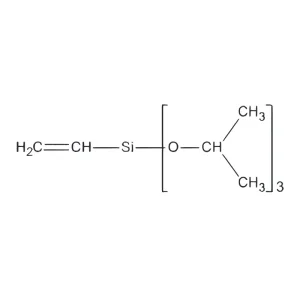
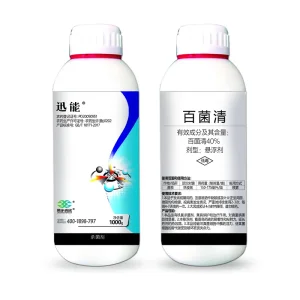
Explore our premium grade chemical coupling agents, industrial functional additives, and agricultural materials engineered for high reliability.
Founded in 2012, Shandong Boctok Chemical Co. has established itself as an industry-leading marketing, sales, and manufacturing powerhouse for advanced chemical materials. Acting as the global bridge for Boctok™ domestic and international business segments, the company achieved an outstanding annual sales volume of US$280 million in 2023.
Under our specialized trademark BOCTOK, we have built a long-term reputation for delivering advanced formulations specifically tailored for challenging environments, including extensive customized logistics and formulation service for the Eurasian and Russian industrial markets. Our comprehensive organosilicone and hydrocarbon resin solutions are essential to optimizing quality and durability for modern industrial applications.
"By merging world-class production infrastructure with customer-focused engineering, Boctok provides consistent chemical solutions that meet the rigorous operational standards of international enterprises."
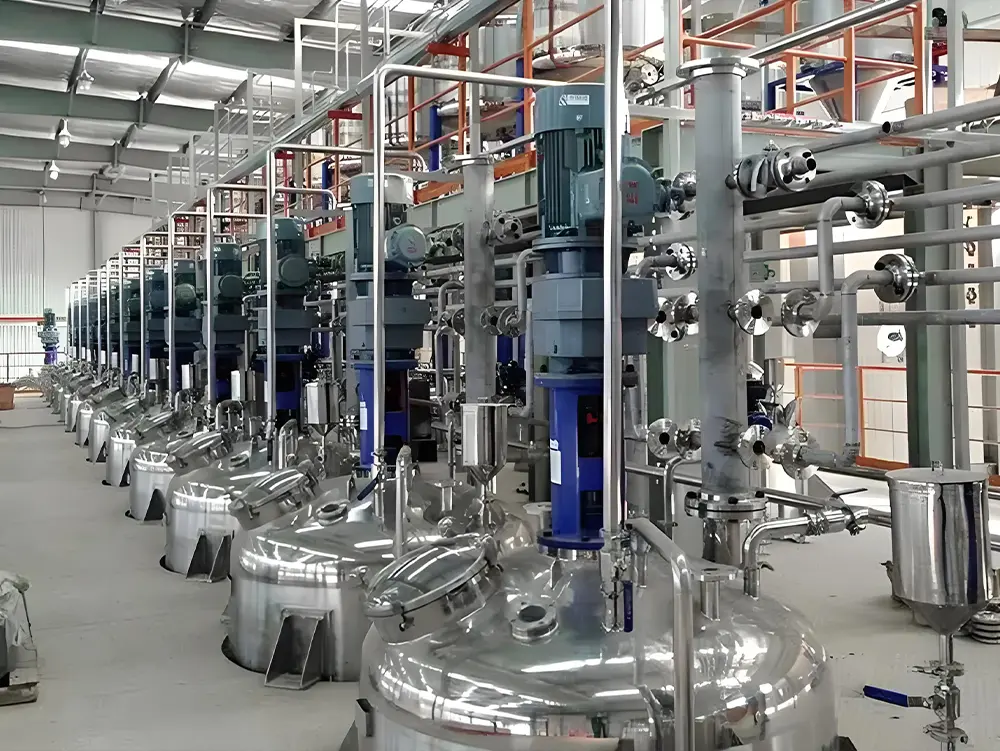
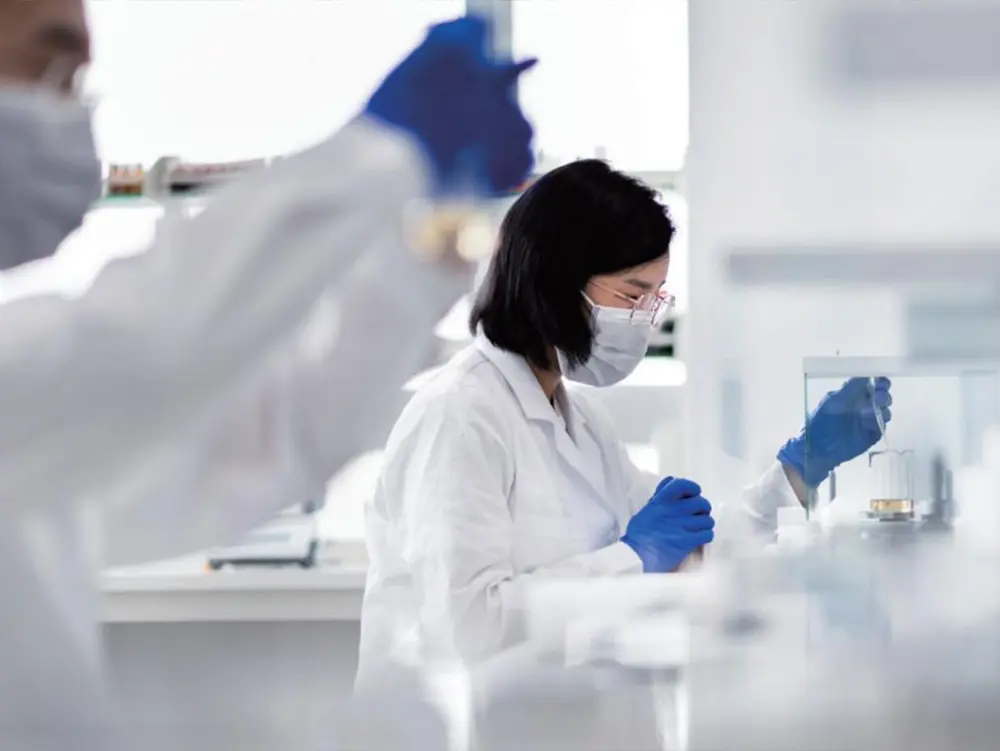

Silicone primers and silane coupling agents act as molecular bridges. Understanding their chemical thermodynamics is key to establishing high-durability bonds between incompatible organic polymers and inorganic substrates.
Silicone primers, specifically those formulated with functional organosilanes, exhibit the general chemical structure Y-R-Si-(OR')₃. The hydrolyzable alkoxy groups (denoted as OR', such as methoxy, ethoxy, or isopropoxy) undergo rapid moisture-activated hydrolysis to form reactive silanols. These silanols then undergo condensation reactions with hydroxyl groups on inorganic surfaces like metals, glass, silica, and ceramics, creating a covalent siloxane bond (Si-O-M, where M represents the substrate metal or silicon atom).
Simultaneously, the non-hydrolyzable organofunctional group (denoted as Y, such as amino, vinyl, epoxy, methacrylate, or mercapto) is engineered to chemically react, diffuse, and co-vulcanize with the organic polymer matrix (e.g., polyurethane, epoxy, silicone rubber, or EPDM). This dual-reactivity eliminates adhesive failure, limits moisture ingress, and improves thermal resistance.
| Silane Coupling Agent Class | Common Organofunctional Group (Y) | Compatible Resins / Polymers | Primary Industrial Applications |
|---|---|---|---|
| Aminosilanes | Amino (-NH₂ / -NH-) | Epoxies, Polyurethanes, Phenolics, Acrylics | Glass fiber composites, foundry resins, structural sealants |
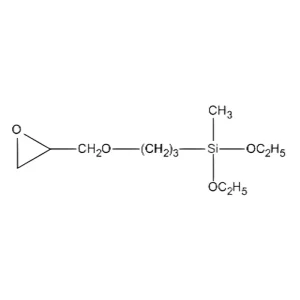
| Epoxysilanes | Glycidoxy / Epoxy | Epoxy resins, Polysulfides, PBT, Acrylic coatings | Electronic packaging, printed circuit boards, high-durability coatings |
| Vinylsilanes | Vinyl (-CH=CH₂) | XLPE, EPDM, Silicone rubbers, Polyolefins | High-voltage electrical cables, hot water piping systems, crosslinked plastics |
| Methacrylatesilanes | Methacryloxy | Unsaturated polyesters, Acrylics, EVA | Wind turbine blades, dental composites, artificial stone slabs |
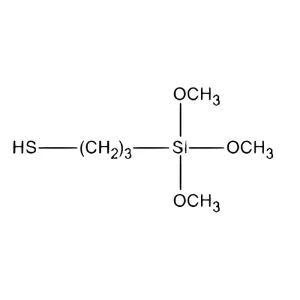
| Mercaptosilanes | Mercapto / Thiol (-SH) | Natural rubber, SBR, Nitrile, Polyurethanes | Green silica-tire tread compounds, mechanical seals, elastomers |
Organosilicone chemistry underpins essential advancements in energy infrastructure, communications, and manufacturing efficiency. Boctok addresses critical engineering challenges worldwide.
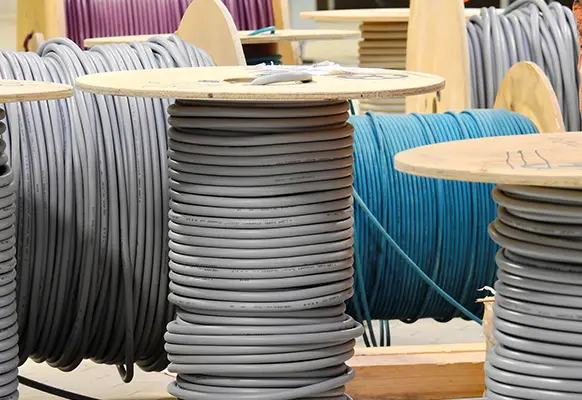
Cross-linked polyethylene (XLPE) power cables require optimal moisture cross-linking mechanisms. Boctok’s vinyl silanes provide stable cross-linking densities, protecting high-voltage distribution systems from premature dielectric breakdown.
Fiberglass-reinforced rotor blades face severe mechanical stresses. Incorporating Methacrylate silanes strengthens the interface between glass fibers and polyester resins, preventing delamination and extending turbine operating lifespans.
Reducing rolling resistance is critical for fuel economy and EV range. Our mercaptosilanes enable the integration of silica into natural and synthetic rubber, optimizing wet grip performance and reducing environmental impact.
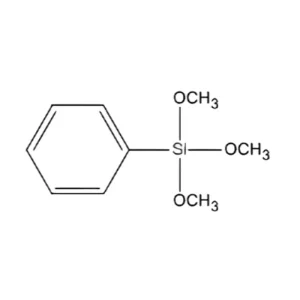
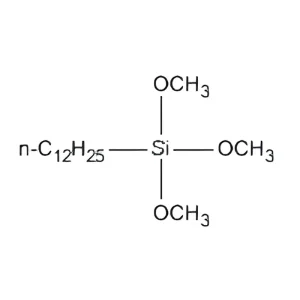
Drilling fluids and cementing formulations operate under high temperatures and pressures. Specialty alkyl and phenyl silanes provide reliable thermal stabilization, ensuring integrity in deep-well environments.
Miniaturized semiconductor packaging relies on MQ and VMQ resins. These materials act as moisture barriers, electrical insulators, and release agents, ensuring high yields and long-term device reliability.
For bridges, marine hulls, and industrial structures, ethyl silicates provide excellent zinc-rich anti-corrosion protection, offering decades of resistance to salt spray and chemical exposure.
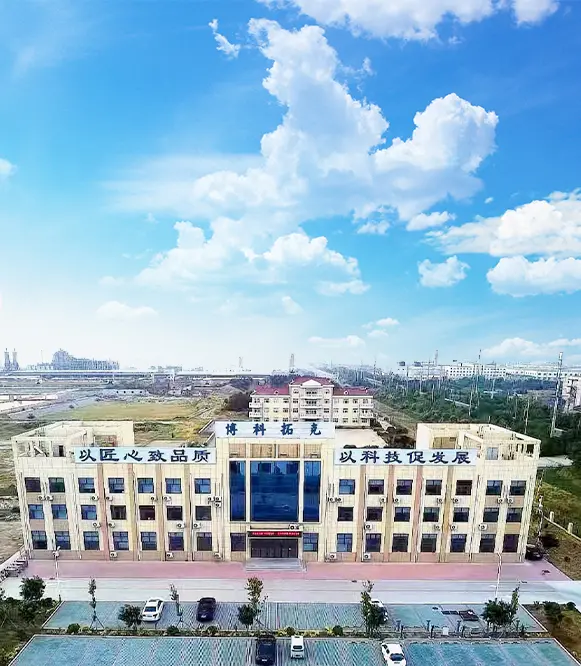
To support growing global demand, Boctok invested US$65 million to establish our new production plant in the Bohai Industrial Park, Shouguang City, Shandong Province. This specialized provincial chemical industry park operates under strict state environmental and safety compliance regulations.
Key highlights of our manufacturing facilities include:
We leverage our supply chain, technology, and service capabilities to deliver consistent value to high-demand industrial sectors globally.
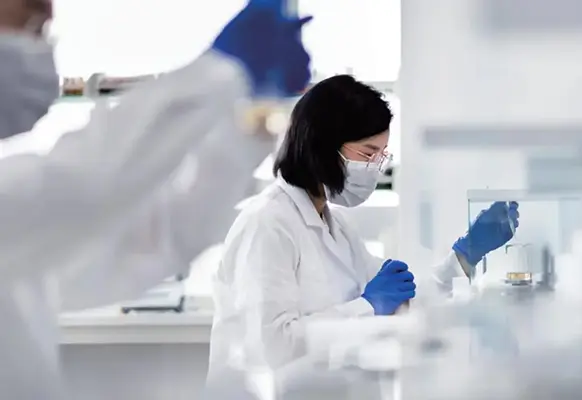
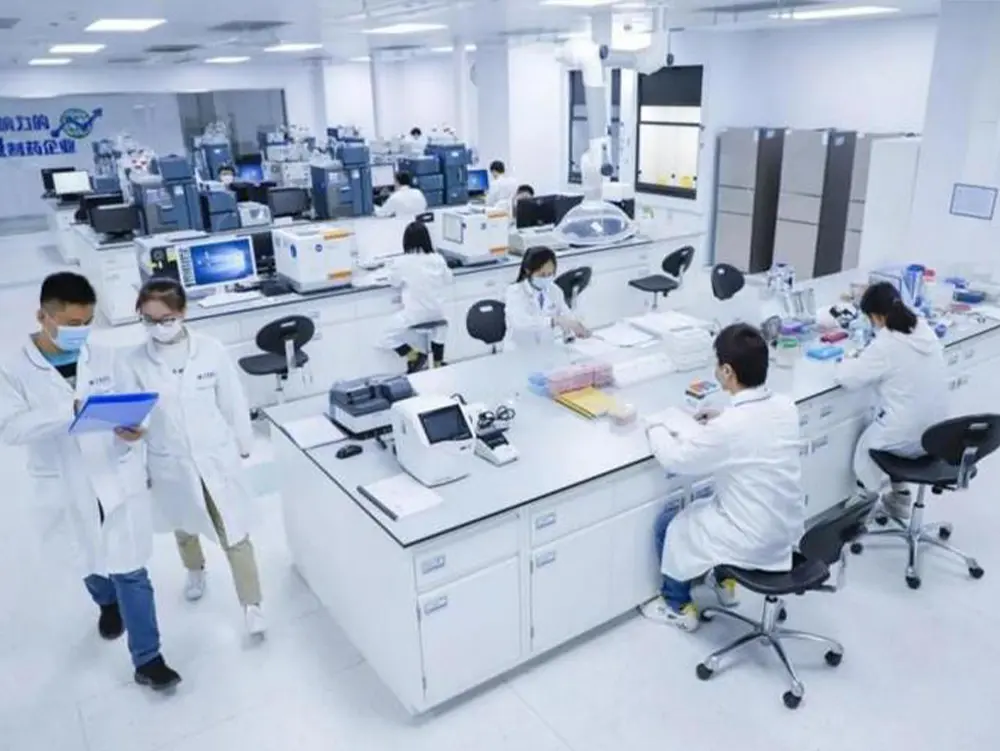
Our analytical laboratories are equipped with Gas Chromatography (GC), Gel Permeation Chromatography (GPC), and Fourier Transform Infrared Spectroscopy (FTIR) to verify chemical purities, molecular weight distributions, and organo-functional active contents.
Our continuous automation infrastructure supports both bulk industrial supply and customized pilot batches, providing consistent scaling for specialized resin and silicone requirements.
Technical support representatives are available around the clock to assist with formulation issues, chemical selection, and logistics coordination across different time zones.
Strategic logistics systems enable fast processing, customs clearance, and delivery to major hubs throughout Europe, Russia, Asia-Pacific, and the Americas.
Explore our main product categories, spanning advanced organosilicones, specialized hydrocarbon resins, and agricultural formulations.
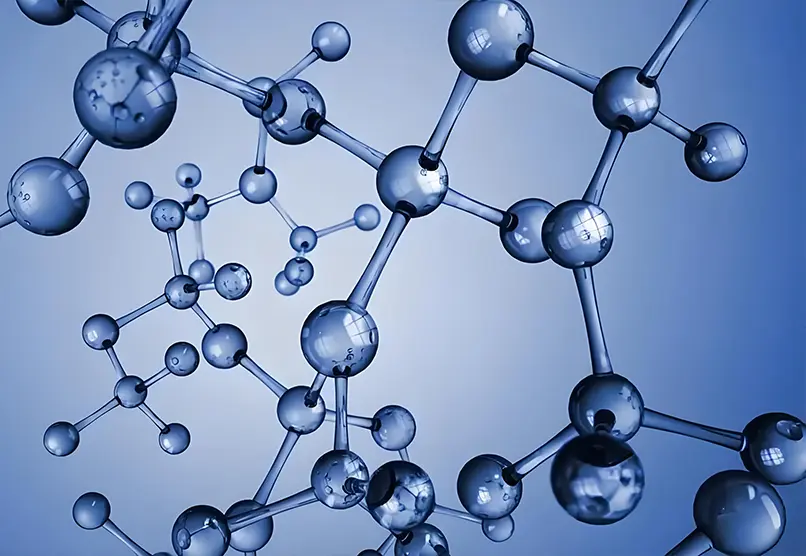

Our Tier II business segment centers on hydrocarbon petroleum resins. We have invested in key hydrocarbon resin manufacturing facilities in China, operating plants in Zibo, Fushun, and Nanjing.
By leveraging raw materials from SINOPEC and PetroChina, our operations provide long-term supply stability for global adhesives, paint formulations, and rubber production. Our portfolio includes:
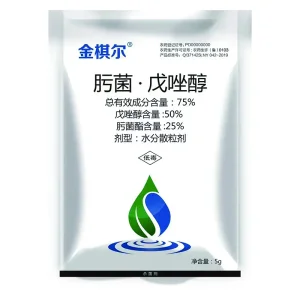
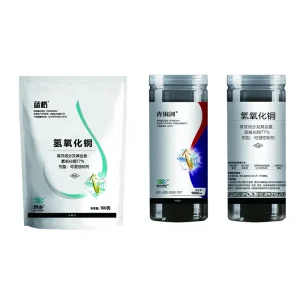
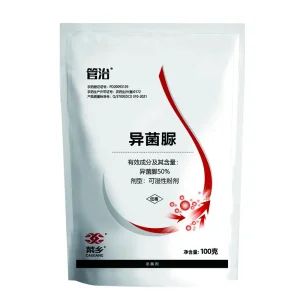
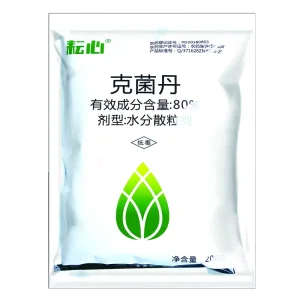
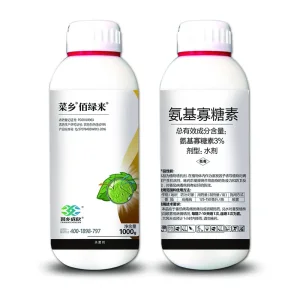
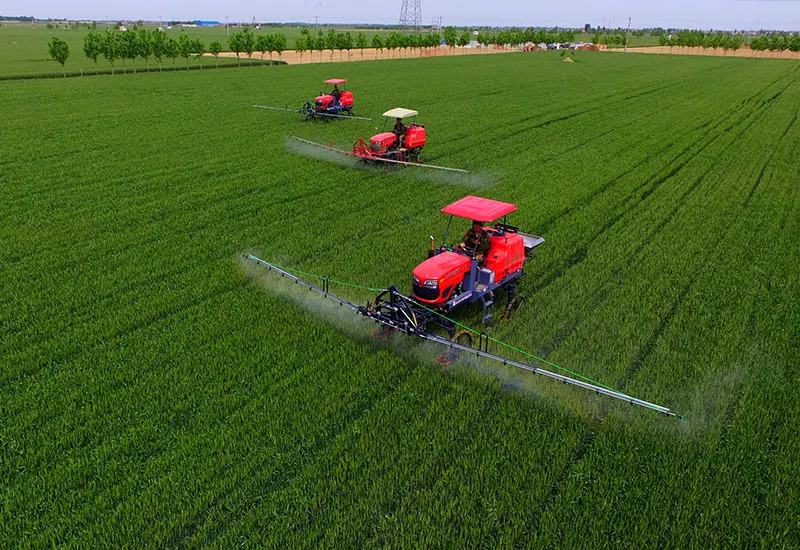
Complementing our material science products, Boctok provides raw materials and intermediates for the agrochemical sector. Our plant-protection formulations support sustainable agriculture globally:
Our agricultural chemical exports reach markets across North America, Europe, Australia, India, and Russia, meeting local regulatory requirements in each region.
Our materials support diverse industrial sectors, including wind energy, daily chemical products, agricultural cultivation, and heavy engineering.
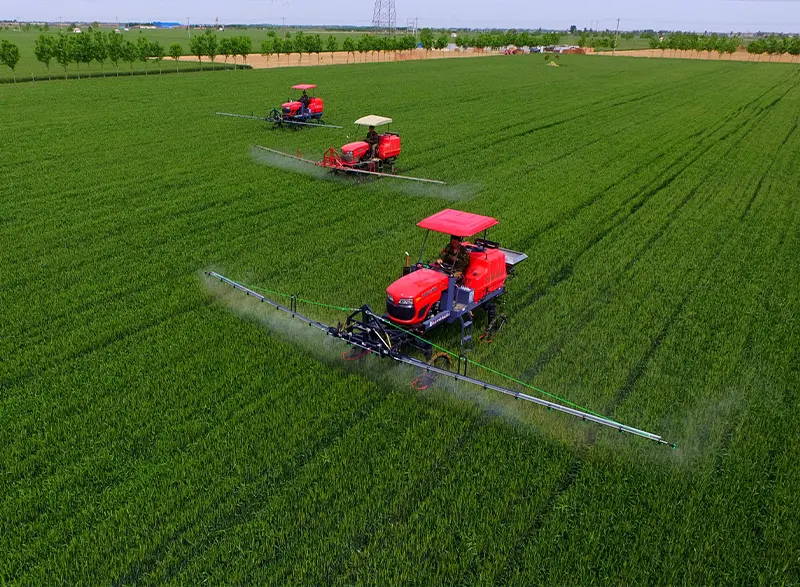




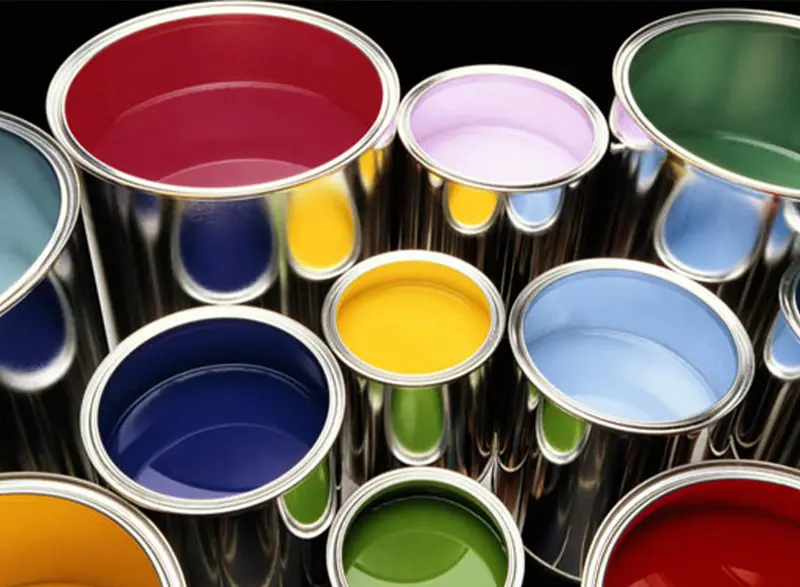
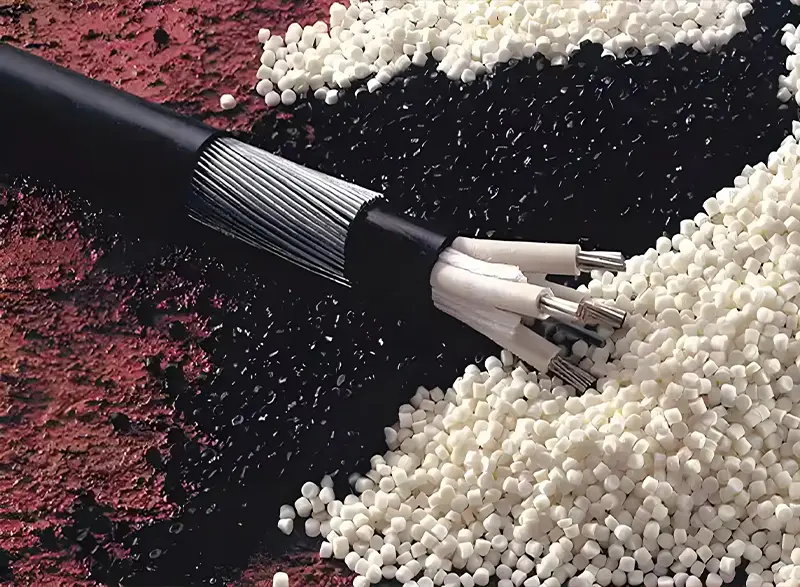
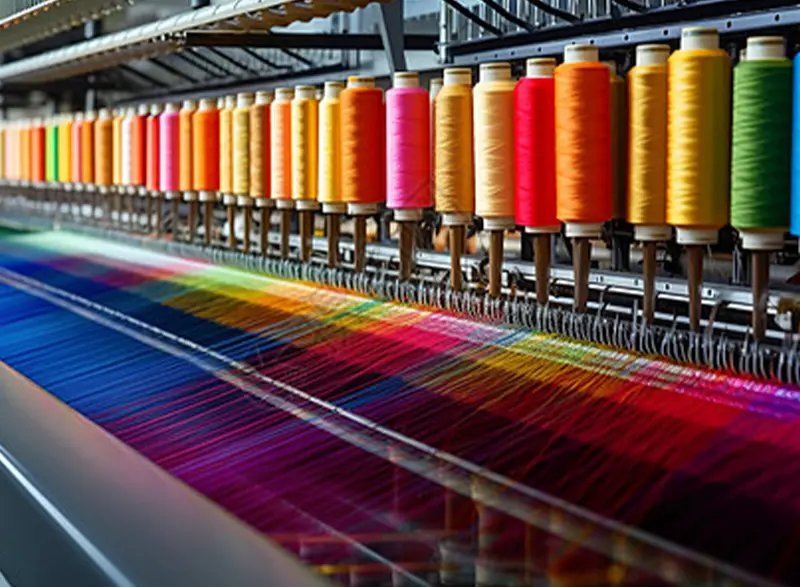
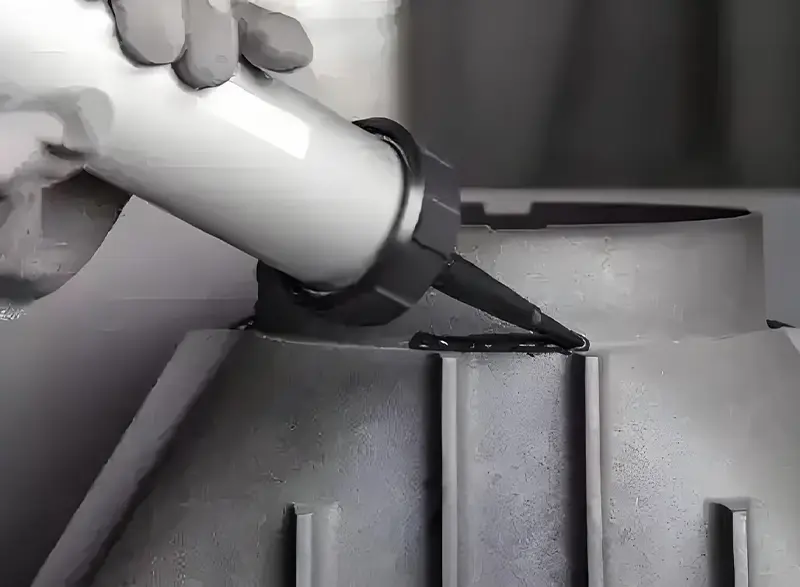
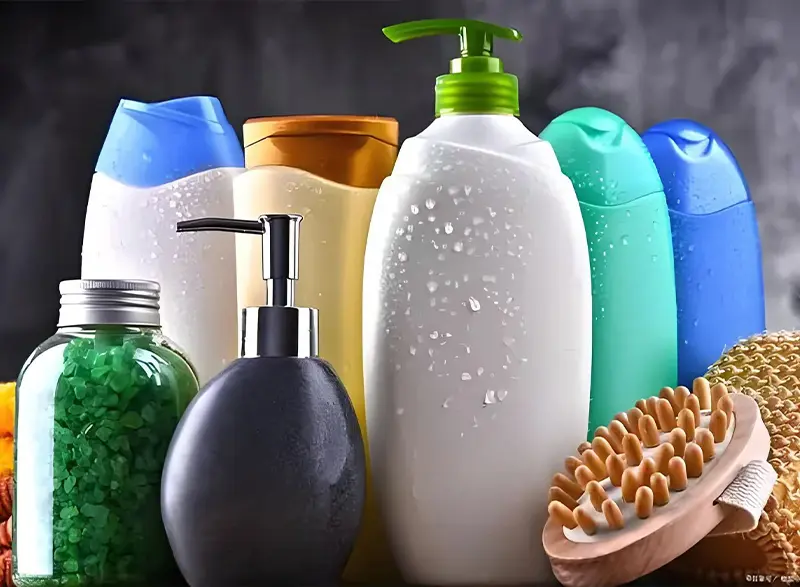
Explore our application categories. Our technical materials improve quality, durability, and processing across global industries.
Industrial chemical manufacturing requires strict compliance with international regulatory bodies. Boctok maintains consistent regulatory alignments for global distribution.
Our organosilicone products and hydrocarbon resins comply with international frameworks, ensuring seamless supply integration:
| Target Region | Applicable Certifications | Document Requirements | Logistic Methods Offered |
|---|---|---|---|
| Eurasia & Russia | TR CU (EAC), GOST-R, SDS (in Russian) | Declaration of Conformity, Technical Data Sheets | Direct rail transit, multimodal sea-land container shipping |
| European Union | EU REACH Registration, RoHS Compliant | Safety Data Sheets (SDS) matching Regulation (EC) 1907/2006 | FCL/LCL ocean freight via major European ports |
| North America | TSCA Inventory Active Status, HCS 2012 SDS | US Customs clearance documentation, certificates of origin | Direct sea shipping to East/West coast hubs |
| Asia-Pacific | IECSC (China), ENCS (Japan), K-REACH (Korea) | COA (Certificate of Analysis) per production batch | Flexitank, ISO Tank transport, dry van containers |
The organosilicone industry is transitioning toward green synthesis, low-VOC systems, and high-performance molecular hybrids.
We are researching methods to eliminate halogenated intermediates from silane production, minimizing chlorine emissions and optimizing material purity.
To meet strict VOC limits, we are developing water-dispersible silane systems that do not release ethanol or methanol during hydrolysis.
Our R&D team is evaluating plant-derived terpene monomers to replace petroleum-derived C5/C9 fractions, supporting renewable product lifecycles.
Common questions regarding silicone primers, silane coupling agents, selection criteria, and industrial application parameters.
A1: Under humid conditions, water molecules can migrate to the adhesive-substrate interface, breaking hydrogen bonds and causing adhesive failure. Silane coupling agents establish covalent Si-O-M bonds at the interface. These bonds are less susceptible to hydrolytic cleavage, protecting adhesion performance under thermal and humid stress.
A2: MQ silicone resins consist of monofunctional silicate M units (R₃SiO0.5) and tetrafunctional Q units (SiO₂). They are primarily used to adjust tackiness and reinforce pressure-sensitive adhesives. VMQ resins incorporate vinyl-functional M or D units, enabling thermal cure mechanisms via addition reactions with hydrogen-containing silicone oils.
A3: The substrate surface must be cleaned of oils and dust. Apply the silane primer as a thin film (typically 0.1 to 1.0 mil wet thickness) via spraying, wiping, or dipping. Allow the primer to air-dry and hydrolyze (often 5 to 30 minutes, depending on moisture levels) before applying the primary adhesive or coating.
A4: Silane synthesis involves exothermic reactions and flammable organic intermediates. The Distributed Control System (DCS) manages routine process automation, while the Safety Instrument System (SIS) acts as a safety layer. The SIS automatically triggers emergency shutdown protocols if temperature or pressure parameters exceed safe operational thresholds.
A5: Alkoxy-functional silanes are sensitive to moisture. They should be stored in original, tightly sealed containers in a cool, dry place. Under these conditions, typical shelf life ranges from 12 to 24 months. Once exposed to atmospheric moisture, hydrolysis will begin, reducing product performance.
Explore our specialized range of high-peel adhesives, tetraethoxysilanes, organofunctional silanes, and agricultural compounds.
 Boctok Chemical