High-purity reactive silanes and advanced compounds engineered for structural waterproofing and surface coupling applications.
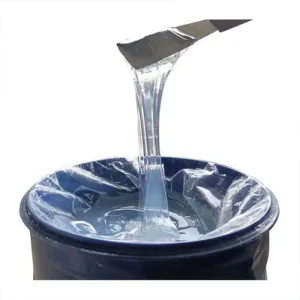
Modern civil engineering and architecture require materials with exceptional service lives, capable of resisting extreme climate oscillations, structural shifts, and chemical erosion. Traditional membrane-based waterproofing systems are prone to degradation from UV radiation, physical puncture, and enzymatic attack. In response, global engineering firms and architectural material manufacturers are increasingly sourcing advanced silicone oils and reactive siloxane coupling agents from China.
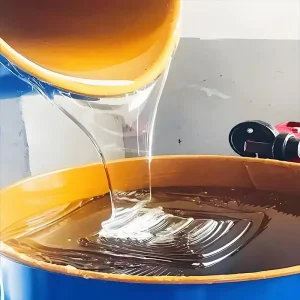
Silicone oil for building waterproofing agents acts by penetrating porous mineral substrates, such as concrete, brick, masonry, and stone, and reacting with moisture and silanol groups inside the substrate to form a highly durable, microscopic hydrophobic layer. Unlike coatings that form a superficial film, silicone-treated materials retain their natural vapor permeability ("breathability"). This crucial mechanism prevents internal moisture accumulation and subsequent structural spalling during freeze-thaw cycles.
For global buyers, identifying a reliable factory with vertical integration—from basic raw materials to highly specialized formulations—is vital for securing stable pricing, consistent chemical purity, and logistical efficiency.
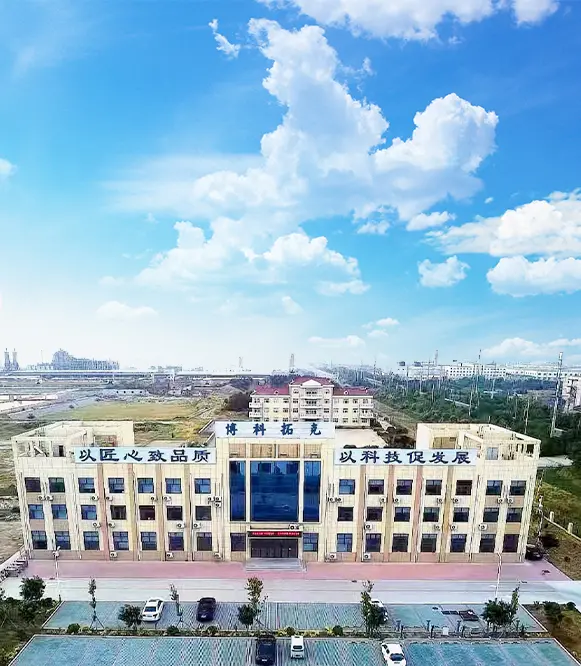
Shandong Boctok Chemical Co. was founded in 2012 as a marketing and sales center for Boctok™ domestic and overseas businesses and achieved sales of US$280 million in 2023. The BOCTOK brand specializes in serving the Russian market.
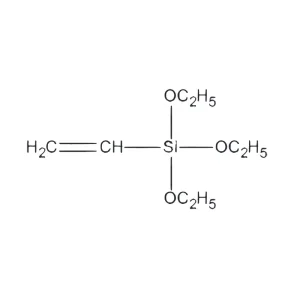
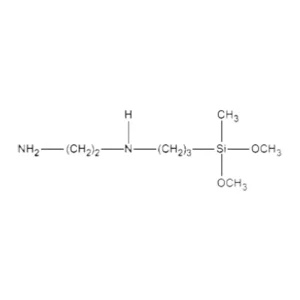
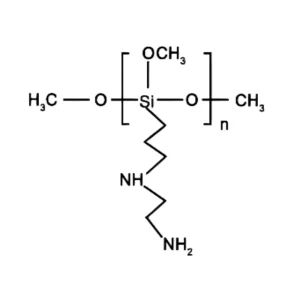
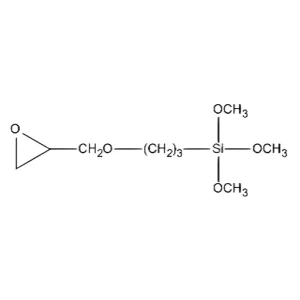
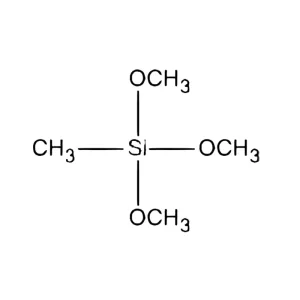
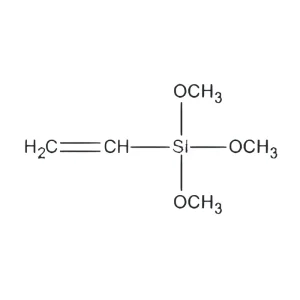
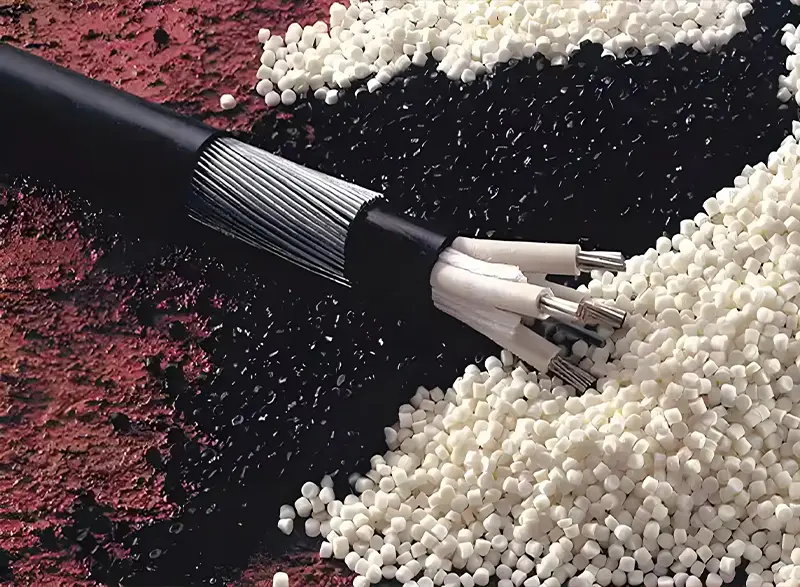
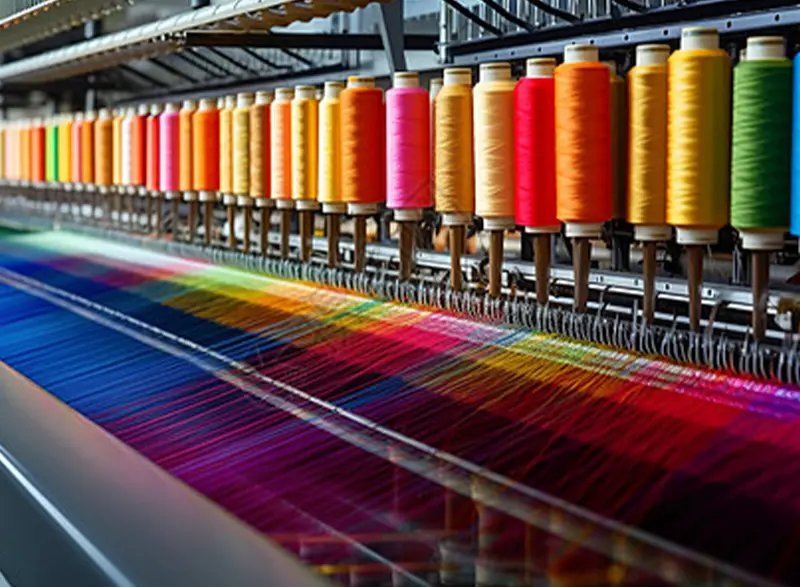
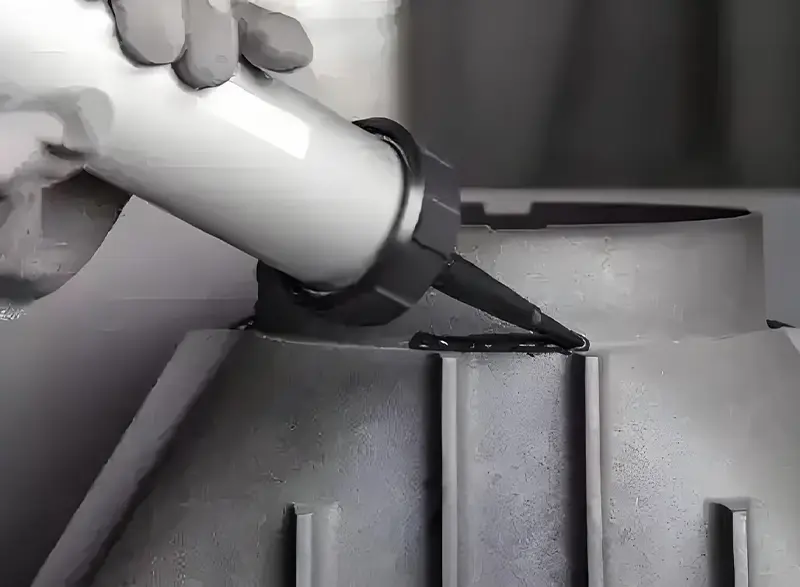
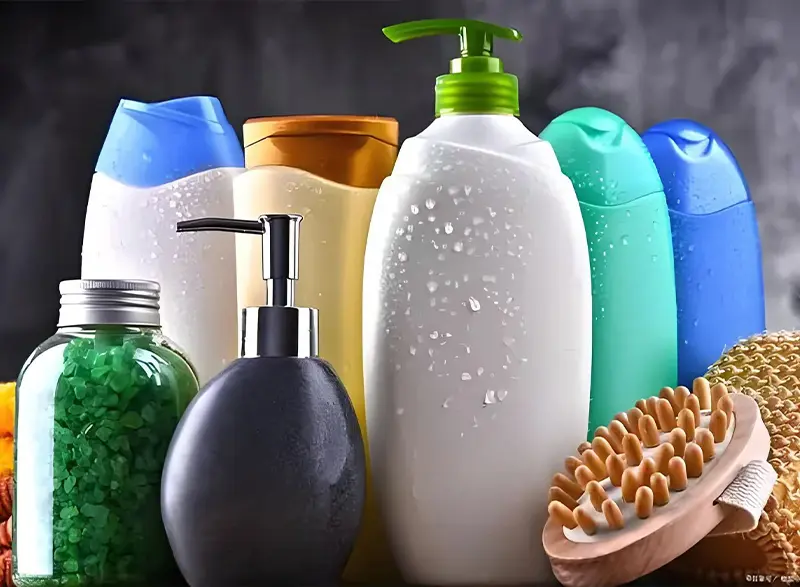
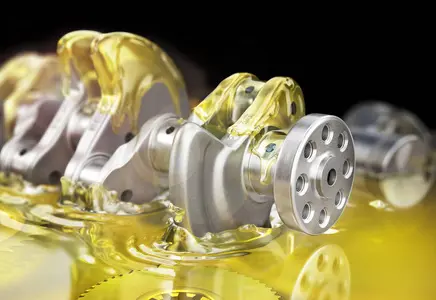
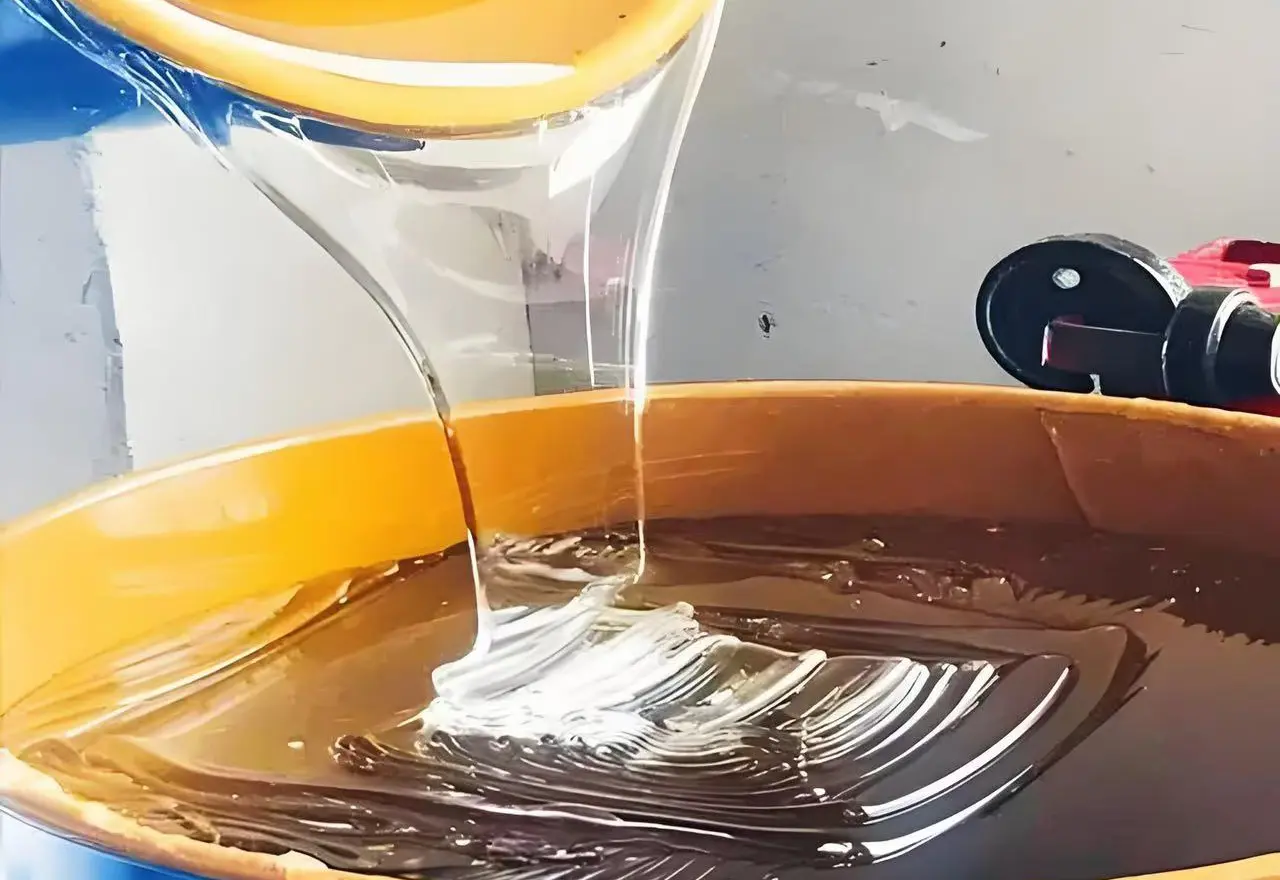
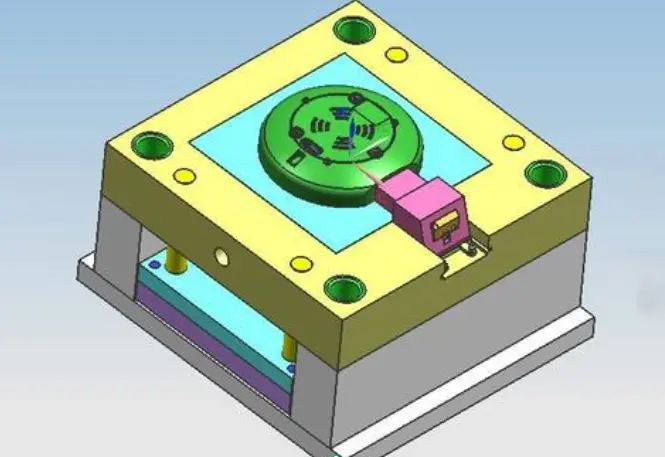
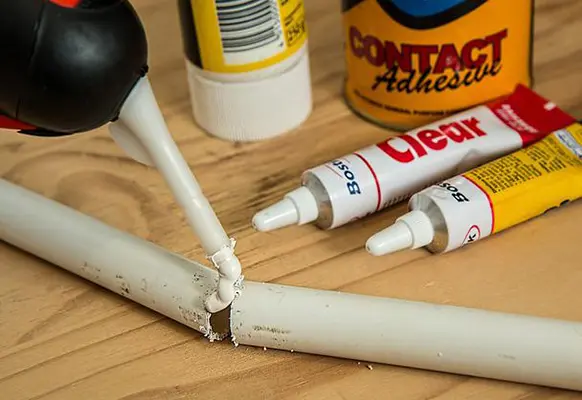
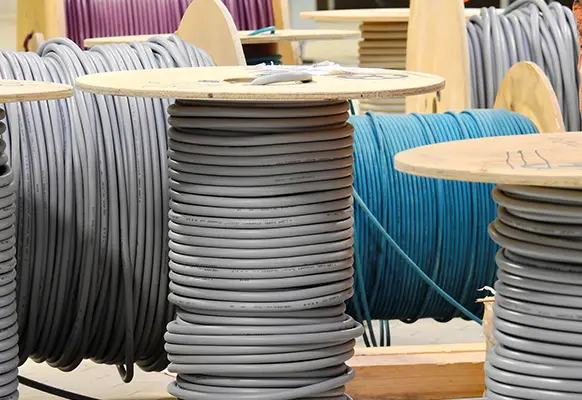
Boctok has three main product categories, the first core business of organosilicone covers twelve series of silane coupling agents and crosslinkers, including aminosilane, methacrylate silane, epoxy silane, vinyl silane, mercaptosilane, alkyl silane, ethyl silicate, chlorosilane, silane isocyanates, phenyl silane, ureidosilane and serosilane. Boctok also focuses on silicon oil, silicon resin, and silicon rubber, covering high-hydrogen silicone oil, dimethicone, vinyl silicone oil, polyphenylmethyldimethylsiloxane, phenyl silicone oil, silanol silicone oil and OH polymer, alkoxy silicone oil, methyl MQ resin, vinyl VMQ resin, room-temperature vulcanized methyl silicone rubber, 110 methyl vinyl silicone rubber, 120 methyl phenyl rubber. They are widely used in glass fiber, electronics, wind energy, daily necessities, chemical industry, coatings, adhesives, XLPE electric cables and hot water pipes, oil field drilling, textiles, rubber and molding, etc. to improve the quality and performance of the applied products.
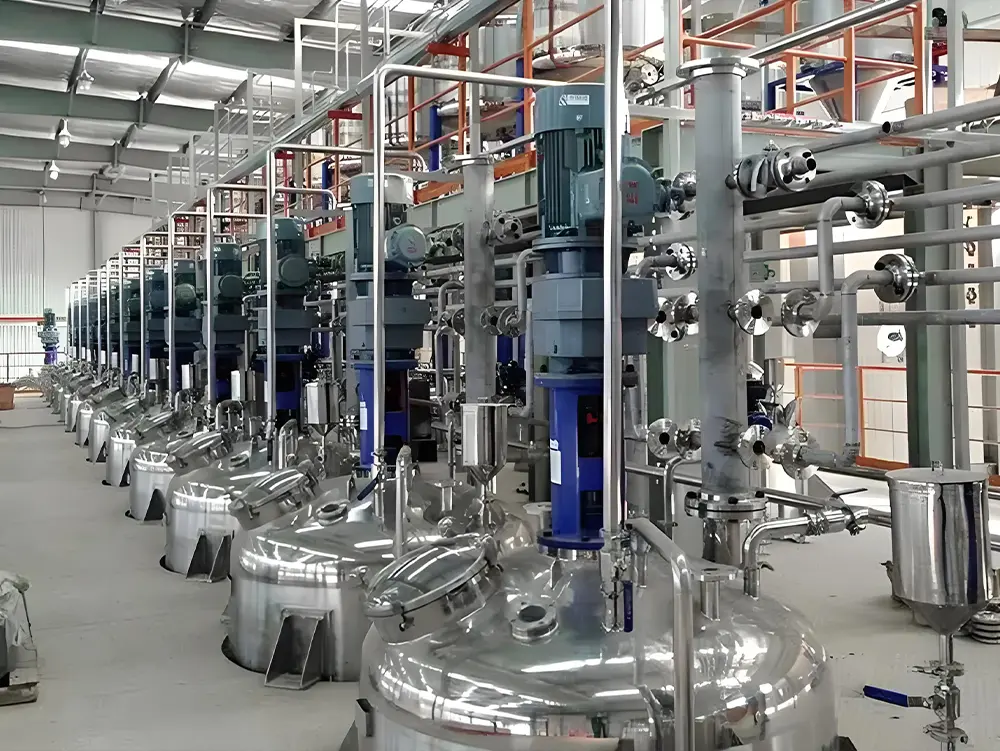
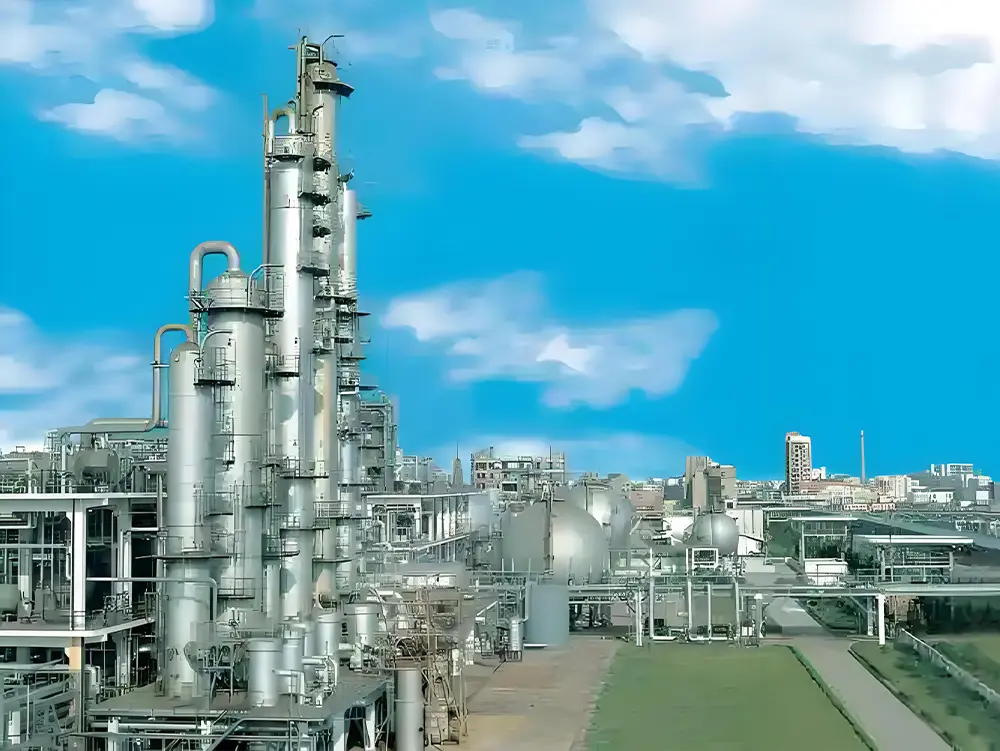
Boctok's Tier II core business focuses on high-performance petroleum resins. Through strategic investments in leading hydrocarbon resin manufacturing plants across China, Boctok operates three modern industrial facilities in Zibo, Fushun, and Nanjing.
By leveraging robust supply agreements and raw chemical feedstocks from domestic giants SINOPEC and PetroChina, Boctok guarantees long-term material consistency. The product portfolio includes C9 hydrogenated resins, C5 hydrocarbon resins, C5 modified C9 hydrocarbon resins, C9 hydrocarbon resins, dicyclopentadiene, and methyl cyclopentadiene dimer. These are widely adopted by global Fortune 500 corporations for formulating adhesives, hot-melt road markings, paints, and rubber compounds.
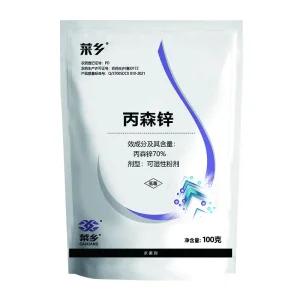
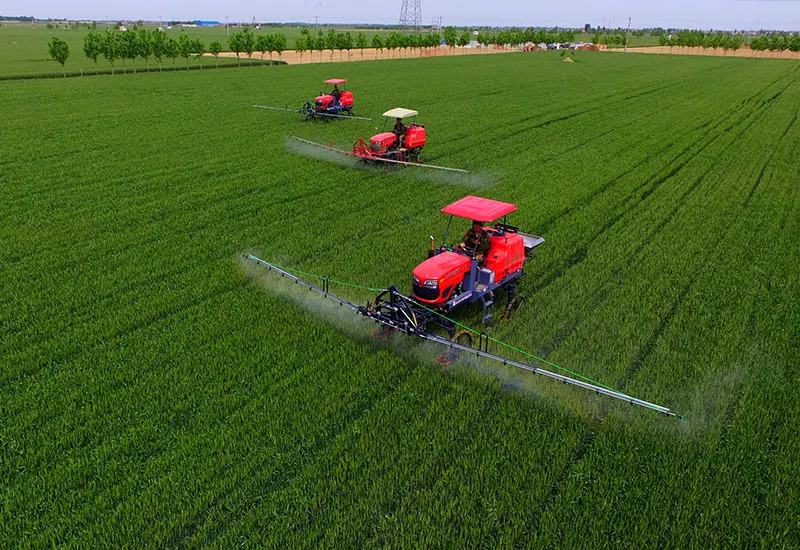
Additionally, Boctok serves the international agrochemical sector, synthesising high-grade intermediates and raw materials for the production of pesticides, fungicides, insecticides, seed treatments, herbicides, and plant growth regulators, ensuring chemical integrity from basic molecules to field applications.
The commercial success of silicone-based waterproofing systems depends on understanding the chemical interface. Industrial waterproofing agents are divided into active silanes and siloxanes. The primary active component, typically methyl hydrogen silicone oil or alkoxy-functional silane, exhibits low molecular weight, allowing it to penetrate up to 10mm into dry concrete substrates.
Once applied, the alkoxy groups (R-Si-OR') undergo hydrolysis with ambient moisture:
R-Si-OR' + H2O → R-Si-OH + R'OH
The resulting silanol (R-Si-OH) groups condense with the hydroxyl groups of the mineral substrate (concrete silanol network) or with adjacent silanols to form stable, covalent siloxane (Si-O-Si) linkages:
R-Si-OH + Substrate-OH → R-Si-O-Substrate + H2O
This creates a chemical bond that cannot wash away, peel off, or degrade under UV radiation, offering superior waterproofing compared to acrylic or polyurethane surface films.
Shandong Boctok Chemical Co. has invested US$65 million in a state-of-the-art plant in the Bohai Industrial Park, Shouguang City, Shandong Province. This specialized site houses 6 automated Distributed Control System (DCS) production lines, outputting 30,000 tons of silane coupling agents annually. This infrastructure is supported by automated Safety Instrument Systems (SIS) and strict ISO9001 quality systems.
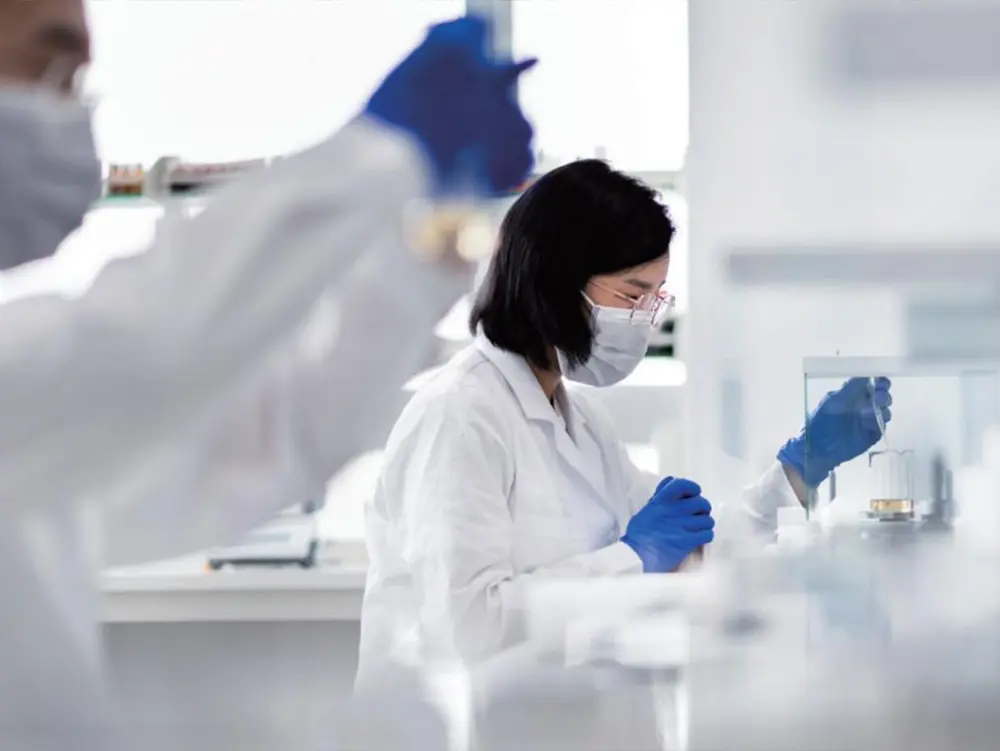
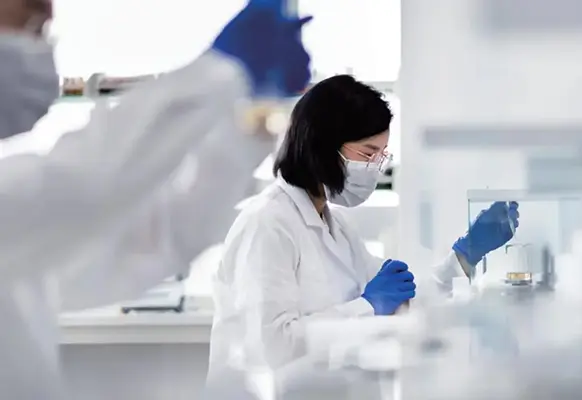
Our products undergo rigorous testing to ensure that every aspect meets the highest quality standards, utilizing ISO9001 compliance and automated SIS control frameworks.
Equipped with 6 automated DCS production lines in Bohai Industrial Park, yielding an annual capacity of 30,000 tons to handle mass customization requests.
Our technical and trade coordination teams are online 24 hours a day to address global client questions, specifications, and formulation customization needs.
Optimized logistics routes out of Shandong enable rapid chemical transport, secure sea-freight packaging, and global door-to-door distribution protocols.
Boctok serves high-demand industries globally, with primary core businesses spanning Chemical Materials, Petroleum Resins, and Agrochemicals.
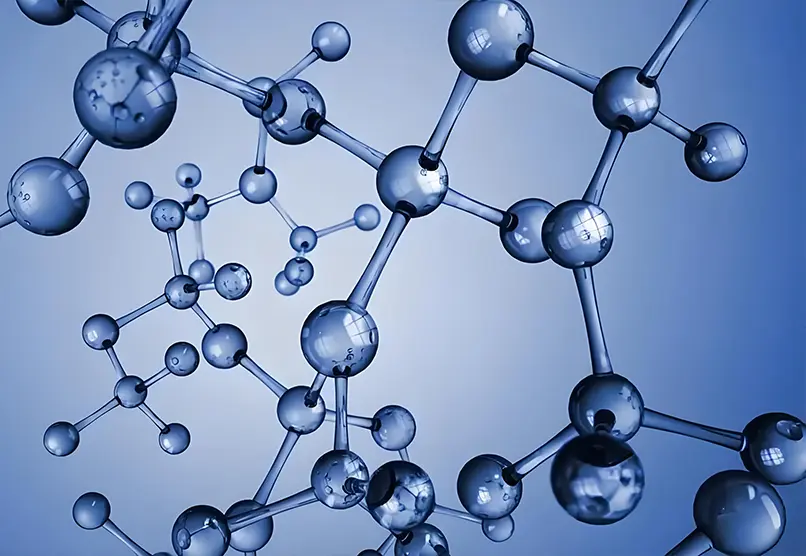
Silanes, silicone oils, functional resins, rubbers, and crosslinkers designed for structural resilience.

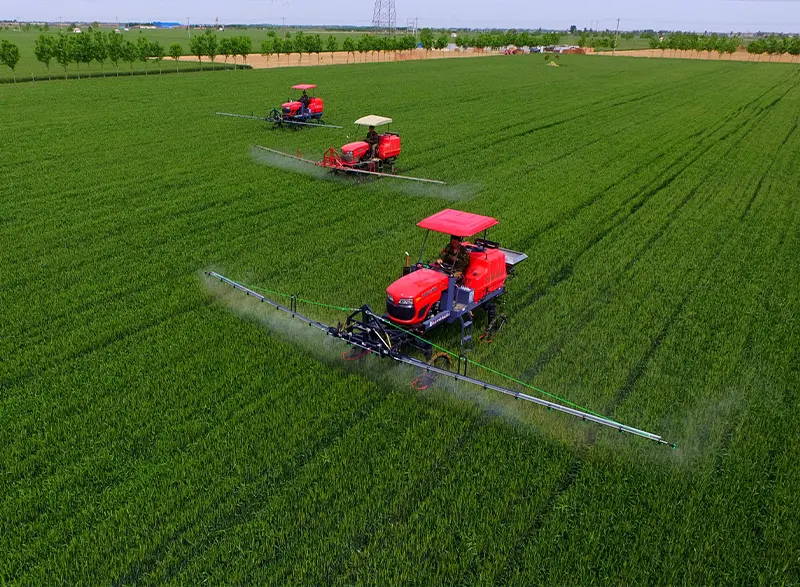
Specialized chemical intermediates, synthesis agents, and plant growth regulators.



As green building standards dictate lower VOC (Volatile Organic Compound) limits, the chemical roadmap for building waterproofing agents is shifting from solvent-borne formulations to water-borne silane/siloxane emulsions. These emulsions use water as the carrier phase, eliminating flammable organic solvents while maintaining chemical potency.
By reducing the active droplet size of siloxanes to the nanometer scale (<50 nm), these agents can penetrate deep into micro-capillaries within ultra-high-performance concrete (UHPC), preventing micro-cracking and freeze-thaw degradation.
Combining functional hydrocarbon resins (C5/C9) with silicone polymers creates durable barriers that resist mechanical shear, thermal shock, and hydrostatic pressure, suitable for subterranean foundations and tunnels.
Developing smart organosilicones that respond to moisture changes, dynamically sealing porous masonry when exposed to rain and opening pores to allow water vapor escape under dry conditions.
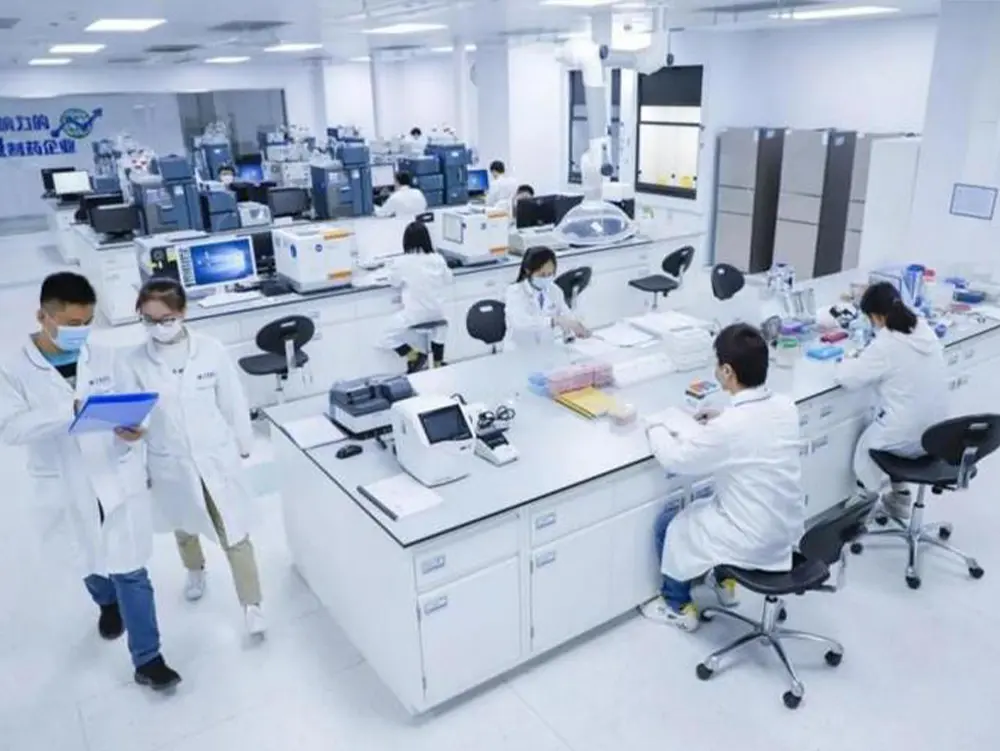
Our R&D facility in Shandong Boctok Chemical Co. is testing next-generation, eco-certified fluorinated silanes. These offer both hydrophobic (water-repellent) and oleophobic (oil-repellent) protection, shielding structures from atmospheric soot and oil-based graffiti.
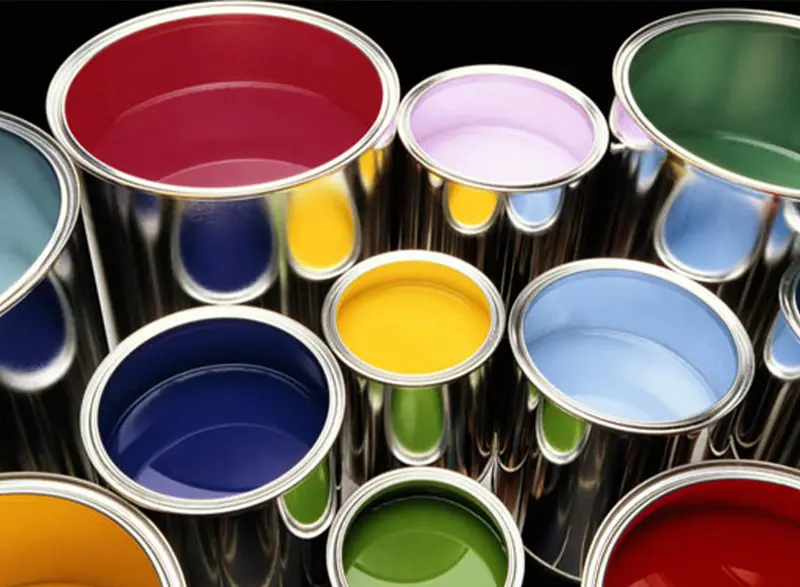
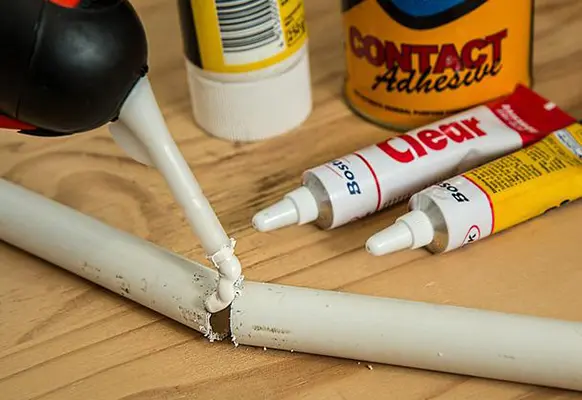
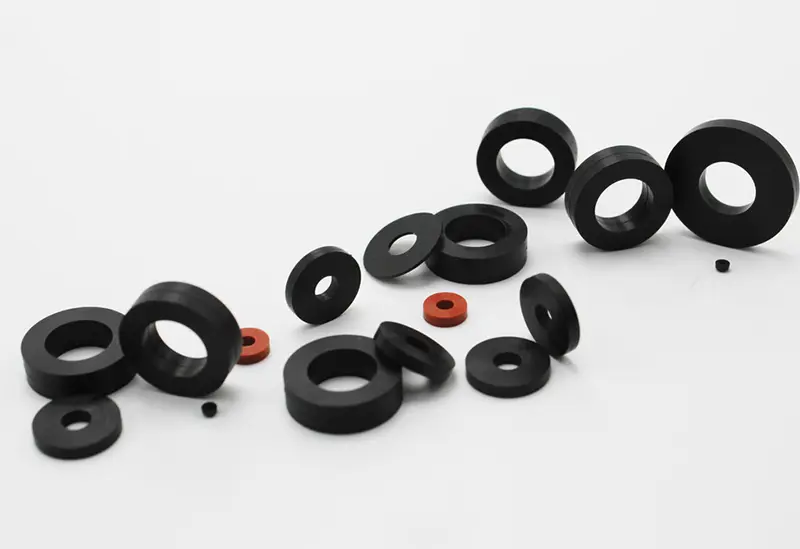
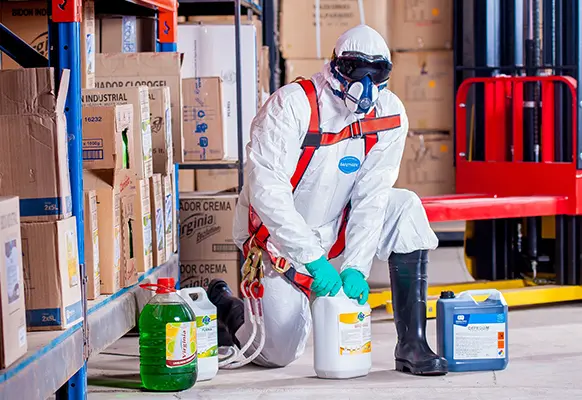
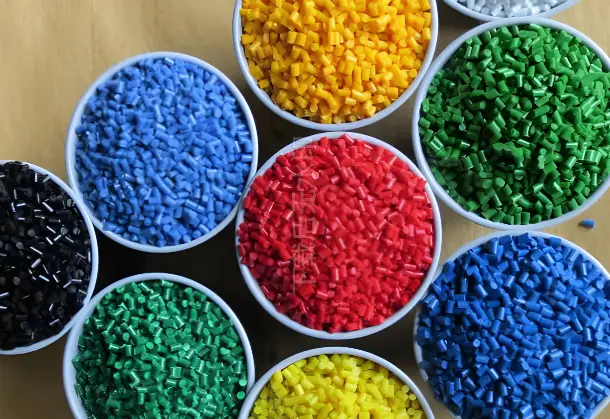
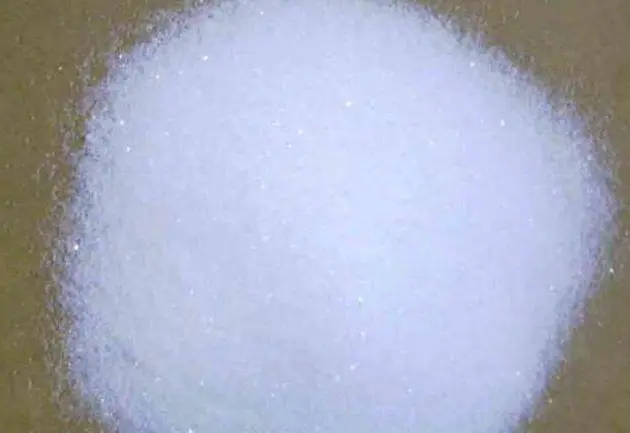
Boctok organosilicones, polymers, and petroleum resins support diverse commercial manufacturing and processing fields globally.






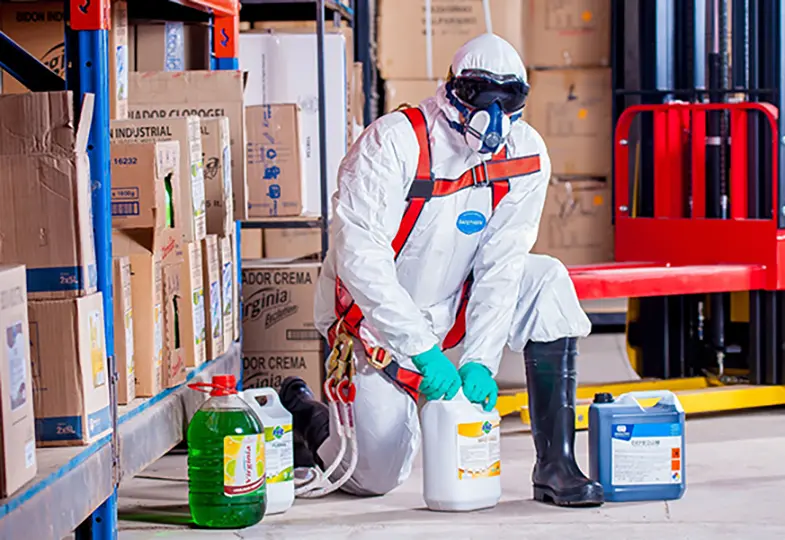




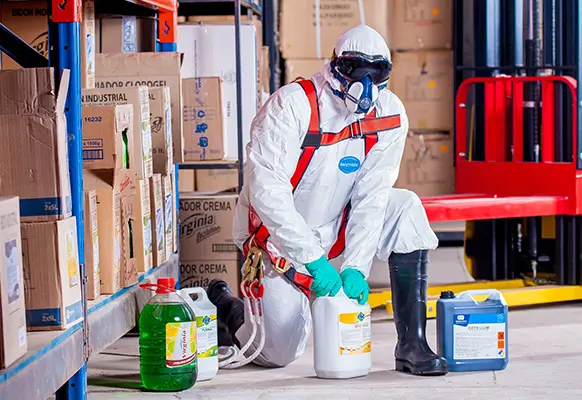
Chemical procurement requires compliance with regional environmental policies. In the European Union, the Registration, Evaluation, Authorisation and Restriction of Chemicals (REACH) regulation imposes strict rules on chemical compounds. Similarly, in North America, compliance with the Toxic Substances Control Act (TSCA) and individual state laws (such as California Proposition 65) is required.
Shandong Boctok Chemical Co. has integrated advanced waste treatment systems into its manufacturing processes. Volatile organic emissions from silane synthesis are treated using Regenerative Thermal Oxidizers (RTOs), achieving VOC removal rates above 99%. Liquid waste streams undergo treatment in a dedicated plant, ensuring effluent matches local environmental limits prior to discharge.
For Russian and Central Asian clients, the BOCTOK brand provides custom compliance documentation, including GOST-R declarations and Russian Safety Data Sheets (SDS), ensuring smooth border clearance and regional distribution.
Answering crucial technical and logistical questions for global procurement managers and waterproofing formulators.
Complete product lineup including high-purity silane polymers, petroleum resins, and metal-complex intermediates.
 Boctok Chemical
![Famous Bis-[3-(trimethoxysilyl)-propyl]amine CAS 82985-35-1](https://site.cdnfile.io/www.boctoksilicone.com/b7a8c47713f462756c9e61cb65cea17f300_300.webp)