Explore our elite portfolio of high-purity silane coupling agents, matching primers, and chemical intermediates optimized for global distribution.
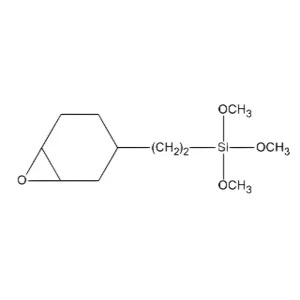
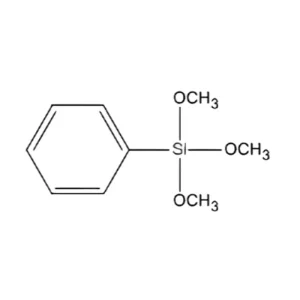
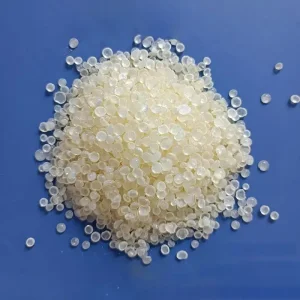
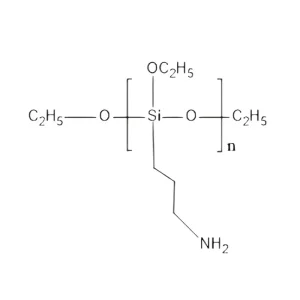
In high-stakes industrial assembly, bonding integrity is not merely a structural preference; it is a fundamental safety and performance imperative. Silicone Adhesive Matching Primers stand at the center of this bonding revolution. While silicone adhesives offer peerless flexibility, thermal range, and UV resistance, their low surface energy often prevents strong chemical adhesion to challenging substrates. This is where specialized interface primers step in, serving as a molecular bridge that transforms physical contact into permanent chemical integration.
By utilizing dual-functional organosilicone chemistry, matching primers modify the substrate's surface energy, preparing it to form covalent bonds with the silicone adhesive matrix. For procurement directors, formulation chemists, and production engineers across Europe, Asia, and the Americas, sourcing high-purity matching primers is essential to preventing delamination failures in critical applications such as automotive glass installation, structural architectural glazing, wind turbine blade assembly, and high-density microelectronic packaging.
Information Gain Insight: Modern structural adhesion is shifting from mechanical fastening to advanced chemical bonding. In highly dynamic environments, utilizing a custom-formulated silane-based primer can improve shear bond strength by up to 350% compared to untreated substrates, while offering superior moisture protection at the bonding interface.
To understand the efficacy of silicone matching primers, one must analyze the molecular dynamics of silane coupling agents. These organosilicon compounds possess a dual chemical nature represented by the general formula:
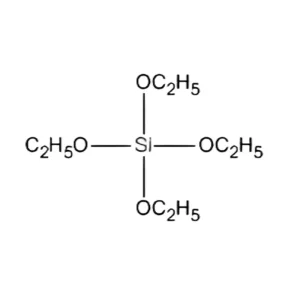
Where R represents an organofunctional group (such as amino, epoxy, vinyl, or methacrylate) compatible with the organic silicone polymer matrix, and OR' represents hydrolyzable alkoxy groups (methoxy, ethoxy) that bind to inorganic substrates.
The priming mechanism occurs in three distinct chemical phases:
As global manufacturing shifts toward lightweight materials, electrification, and green building certifications, the demand for high-performance silane primers is growing rapidly. Several major trends shape today's procurement landscapes:
With the rise of Electric Vehicles (EVs), thermal management and battery pack protection have become major challenges. Silicone matching primers are widely used to prepare battery housings for structural adhesive bonding. They ensure that thermal interface materials (TIMs) and silicone sealants maintain complete adhesion during thermal expansion and heavy vibration, protecting cells from moisture and dust ingress.
In structural glazing applications, silicone sealants are subjected to wind loads, UV rays, and extreme temperature fluctuations. Environmental standards demand low-VOC (volatile organic compound) primers that comply with stringent LEED and REACH standards without compromising bonding strength. Manufacturers are increasingly adopting water-borne silanes or high-solid systems to meet these requirements.
Miniaturization in electronics requires potting materials to adhere perfectly to diverse substrates, including FR4, copper, polyimide, and aluminum. Specialty primers prevent delamination during thermal cycling, avoiding micro-gaps that could lead to humidity-induced short circuits.
Industrial buyers require suppliers who offer more than just low prices. Modern procurement teams prioritize technical competence, stable chemical composition, and supply chain reliability. They need partners who can provide detailed certificate of analysis (COA) documents, RoHS/REACH compliance records, and customized formulations designed for specific production lines.
By working directly with vertically integrated Chinese manufacturers, global companies can stabilize their raw material pipelines. This ensures access to essential precursors like chlorosilanes while maintaining competitive costs through direct-from-source purchasing.

As a leading supplier of silicone precursors and matching primers, Shandong Boctok Chemical Co. represents the modern standard of Chinese chemical manufacturing. Since our founding in 2012, we have focused on technological optimization and production safety, achieving global sales of US$280 million in 2023.
To support growing global demand, Boctok recently invested US$65 million to build a state-of-the-art facility in the Bohai Industrial Park, Shouguang City, Shandong Province. This high-capacity plant features:
Understanding where and how silicone matching primers are applied helps technical teams select the right formulation for their specific environment. The following matrix illustrates key localized applications:
| Substrate Family | Silicon Primer Chemistry | Primary Target Applications | Key Industrial Benefit |
|---|---|---|---|
| Metals (Steel, Al, Copper) | Aminosilane / Epoxy Silane Oligomers | Automotive battery enclosures, marine protective coatings | Excellent corrosion resistance & wet adhesion retention |
| Glass & Ceramics | Methacrylate / Alkoxy Silanes | Structural glass facades, solar module frame sealing | Complete prevention of UV-induced adhesive peeling |
| Engineered Plastics (PA, ABS, PC) | Specialized Epoxy / Aminosilane Blends | Consumer electronics housings, medical plastic assemblies | Overcomes low surface energy without flame treatments |
| Rubbers & Elastomers | Vinyl Silanes / Mercaptosilanes | Wire and cable extrusion, rubber-to-metal bonding | Durable crosslinking under severe shear stresses |
Established in 2012, Shandong Boctok Chemical Co. operates as a leading manufacturer and exporter of specialty organosilicone and petroleum resin products. Focused on delivering high-performance chemical solutions, we serve dynamic industrial markets globally, with dedicated operations optimized for the Russian market under the trusted BOCTOK™ brand.
Our scale and operational highlights demonstrate our position as a reliable industrial partner.
We combine state-of-the-art chemical manufacturing with responsive customer service to deliver consistent quality.
Our products undergo rigorous laboratory testing to ensure that every aspect meets international quality standards. We analyze physical properties, active content, and chemical purity to ensure consistent performance.
Our advanced DCS-controlled chemical plants allow us to scale production efficiently and meet large-scale global demands, ensuring stable supply cycles for our partners.
Our technical team and customer support staff are available to help answer questions, assist with product selection, and resolve technical issues during your bonding process.
We work with optimized logistics partners to process orders quickly and ensure reliable delivery to our customers in North America, Europe, Russia, and Asia.
Our silanes, matching primers, and polymer resins are optimized for high-performance use in demanding industrial fields.





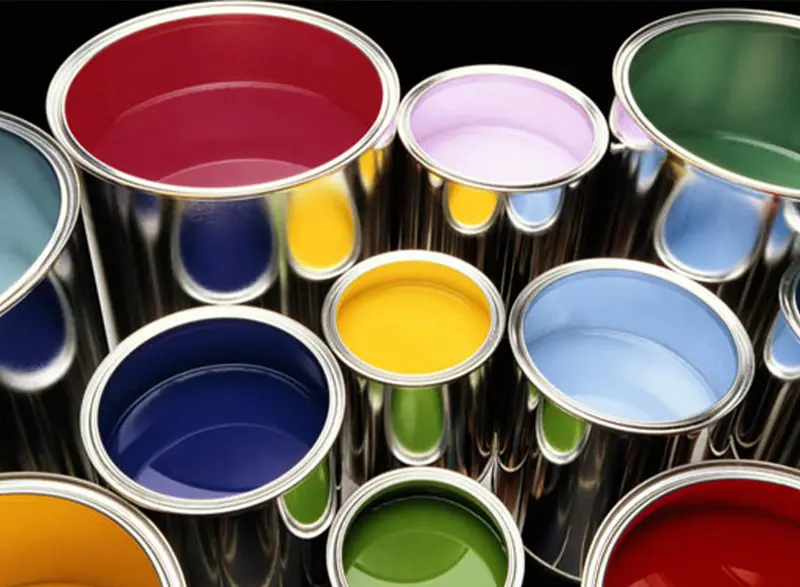
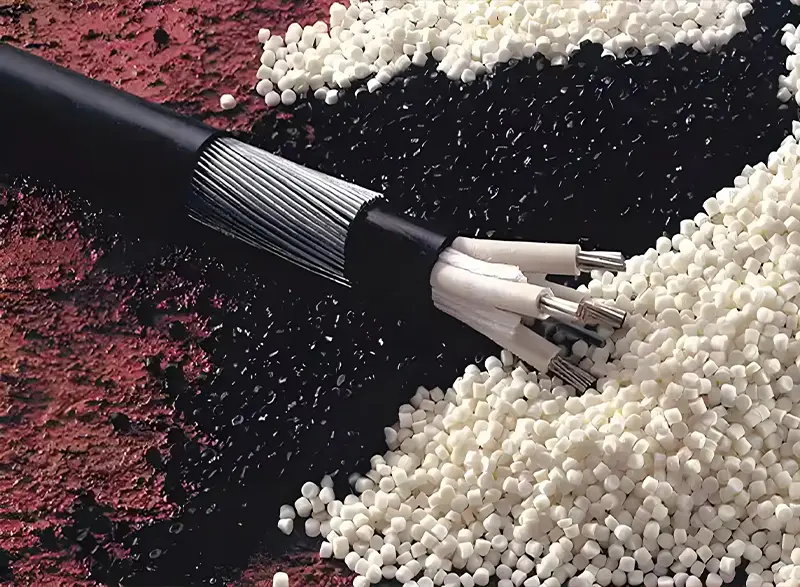
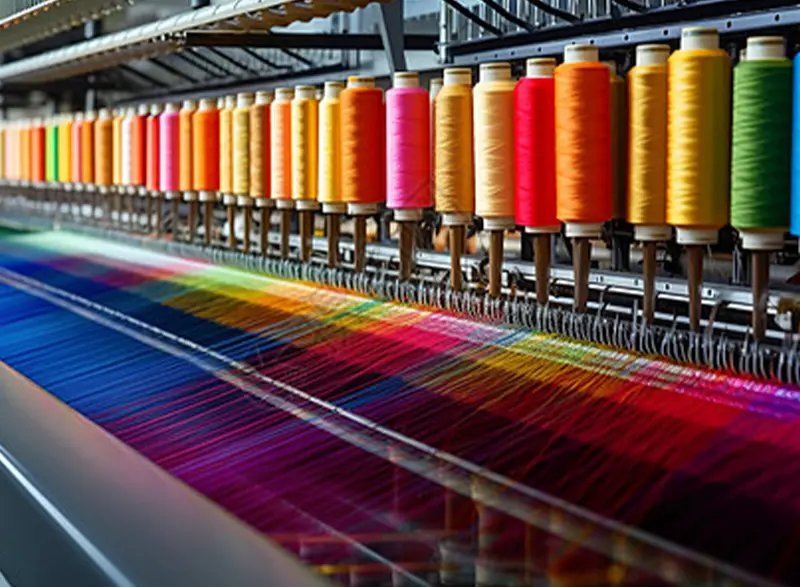
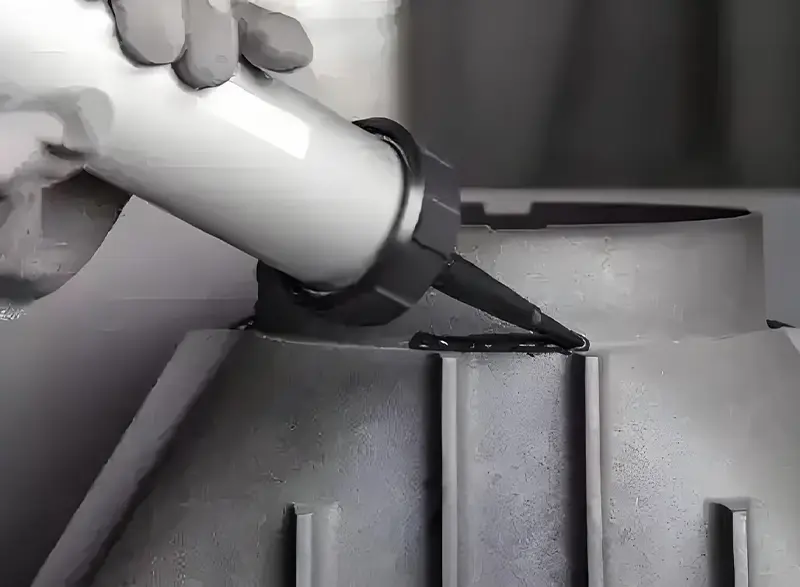
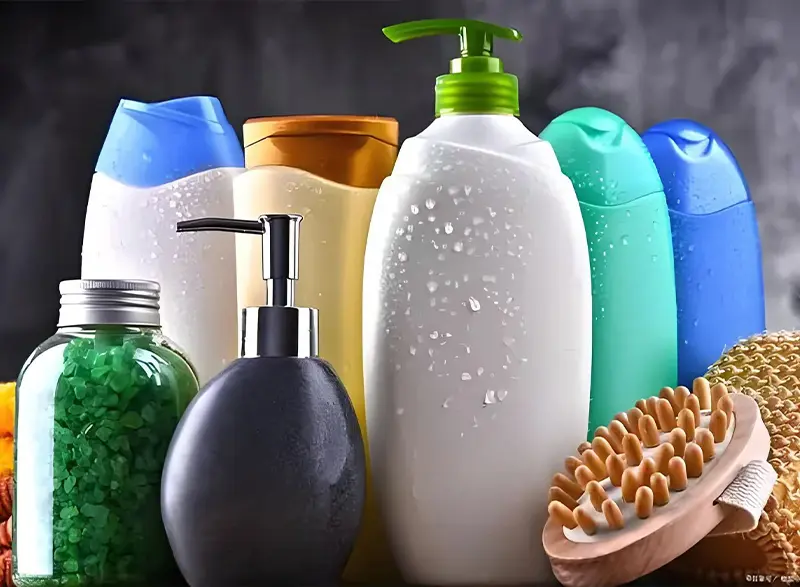
Our materials play critical roles across diverse production sectors. Explore where our products add the most value.

Specialized chemical intermediates and high-purity silanes serving active ingredient synthesis.

Skin-friendly, high-spreadability silicone fluids and hydrocarbon oils for cosmetics formulation.
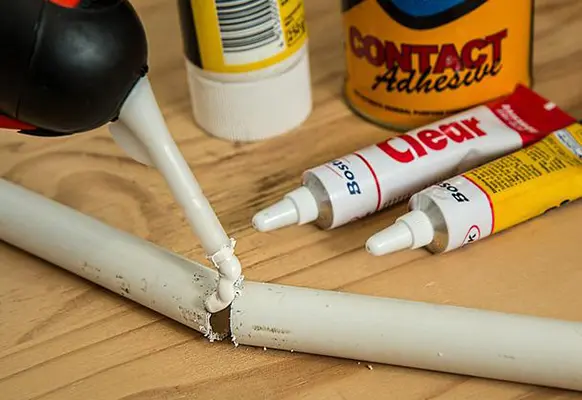
C5/C9 hydrocarbon resins and silane coupling agents that enhance bond durability and green strength.
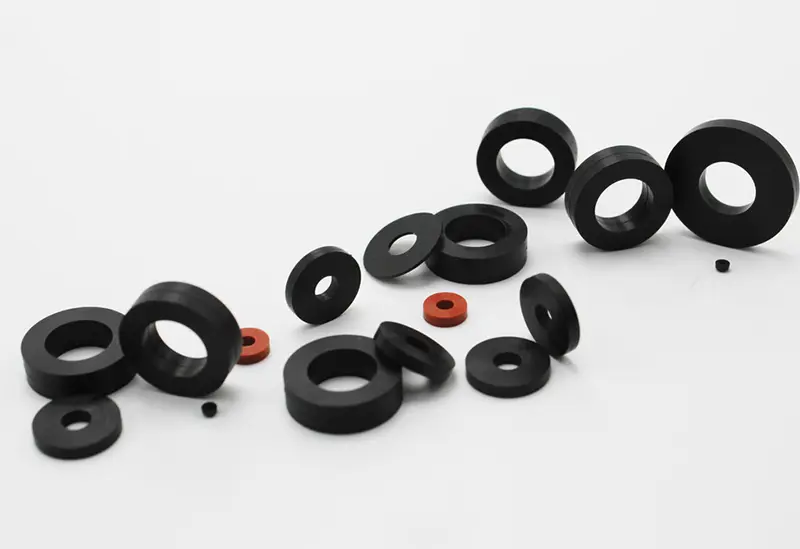
Mercaptosilane and vinyl silane coupling agents that improve tear strength and reduce rolling resistance.
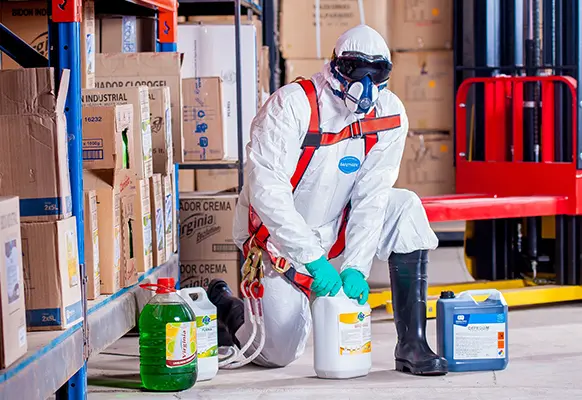
Specialized resin additives that improve pigment dispersion and weather resistance in industrial coatings.
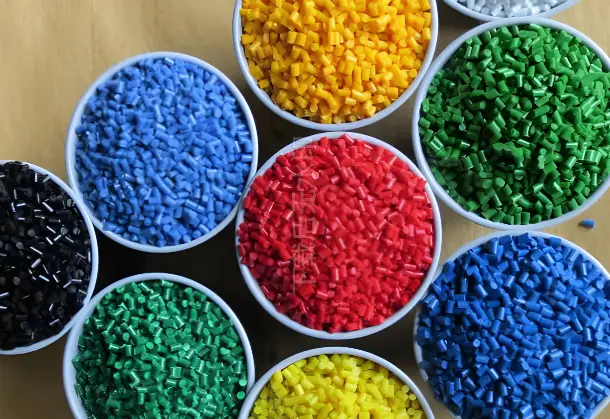
Silicone processing aids and coupling agents that optimize filler loading and polymer extrusion processes.

High-performance adjuvants and silicones that improve wetting and coverage of agricultural treatments.
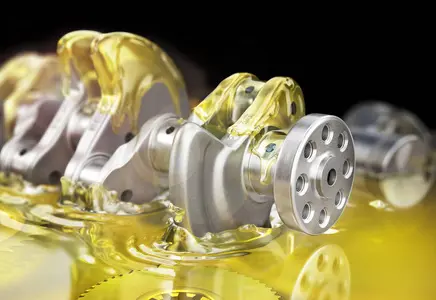
Specialized liquid silicone rubber additives that migrate to the surface to reduce friction in moving parts.
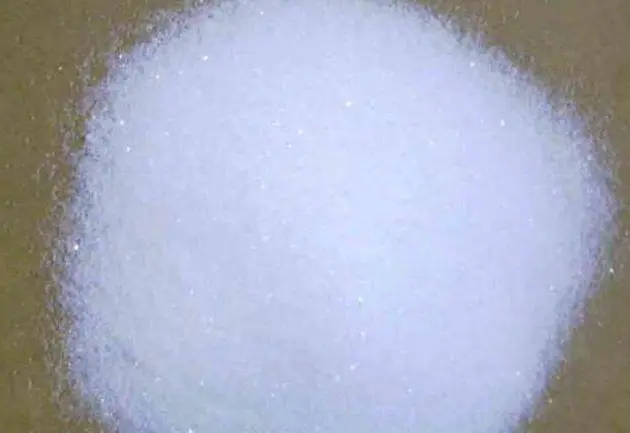
Silicone-based defoamers for wastewater treatment, paper pulp processing, and industrial chemicals.

Silicone hydrophobic agents that protect gypsum drywall and masonry from humidity and moisture absorption.
Under high humidity, water molecules can diffuse through the silicone adhesive and attack the adhesive-substrate interface. If unprimed, the water molecules displace the physical bonds, leading to adhesive failure. A silicone matching primer forms covalent siloxane (Si-O-Si or Si-O-Metal) bonds that resist hydrolysis. This chemical bond protects the interface from moisture infiltration, maintaining adhesion under wet or humid conditions.
Flash-off time refers to the duration needed for the solvent to evaporate and for the silane to hydrolyze and crosslink on the substrate surface. This typically ranges from 10 to 30 minutes depending on ambient temperature and relative humidity. Applying silicone adhesive before the solvent has fully evaporated can trap solvent molecules at the interface, weakening the bond.
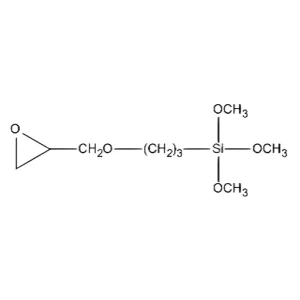
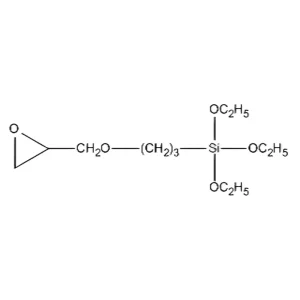
For low-energy plastics, primers containing amino-functional silanes (such as 3-Aminopropyltriethoxysilane) or epoxy-functional silanes (such as 3-Glycidoxypropyltrimethoxysilane) are recommended. The nitrogen or epoxy atoms form hydrogen or covalent bonds with polar groups in the plastics (such as amides in Nylon), while the hydrolyzed silanol groups bond with the silicone matrix.
Our digital control systems (DCS) monitor critical variables, including temperature, pressure, reaction speed, and raw material feed rates. By keeping these parameters within tight limits, DCS automation reduces batch-to-batch variation. This ensures consistent purity and chemical reactivity in our matching primers, helping customers maintain stable production lines.
Because silane primers react with moisture, they are highly sensitive to humidity. Once opened, they should be tightly sealed after use and stored in a cool, dry place. If exposed to air, the silanes can hydrolyze and polymerize, turning cloudy and losing their bonding effectiveness. Always check the appearance of the primer before application.
Explore our specialized silicone compounds and resin products engineered to meet demanding industrial standards.
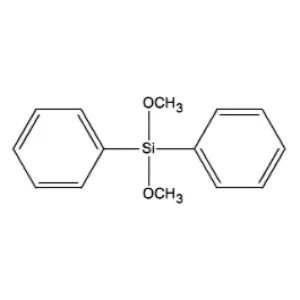
 Boctok Chemical