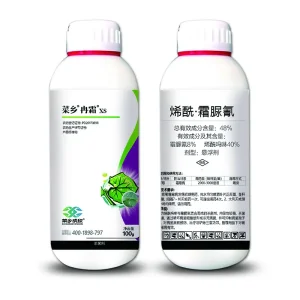
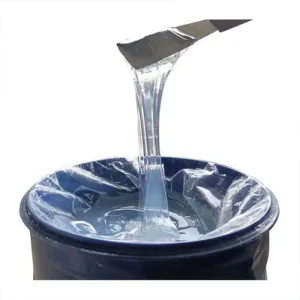
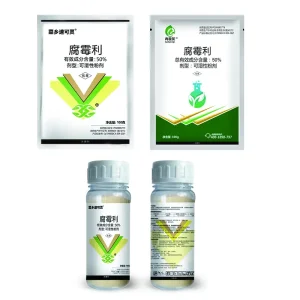
Direct from our state-of-the-art Chinese manufacturing facilities. Fully compliant with international regulatory and high-performance standards.
Founded in 2012, Shandong Boctok Chemical Co. operates as a high-technology marketing, sales, and manufacturing center for domestic and international organosilicon and resin operations. In 2023, Boctok consolidated its leadership position with annual sales reaching US$280 million, specializing heavily in international market infrastructure, including a dedicated wing for the Eastern European and Russian markets.
Our industrial output encompasses multiple advanced chemical chains, designed specifically to interface with next-generation manufacturing demands. At the forefront of this portfolio is our specialized line of silane coupling agents and crosslinkers. These products serve as critical process catalysts, structural crosslinkers, and adhesion promoters in the global textile printing and dyeing industry.
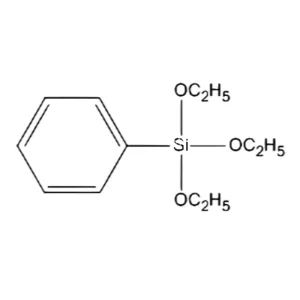
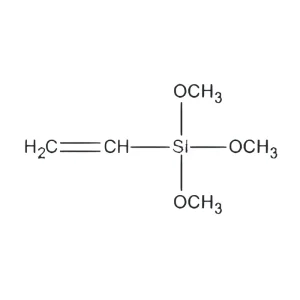
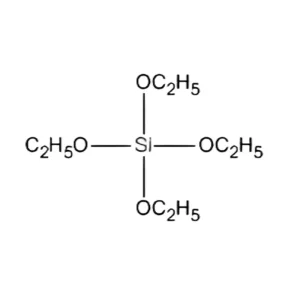
Boctok's organosilicone operation covers twelve major series of silane coupling agents, comprising aminosilanes, methacrylate silanes, epoxy silanes, vinyl silanes, mercaptosilanes, alkyl silanes, ethyl silicate, chlorosilanes, silane isocyanates, phenyl silanes, ureidosilanes, and serosilanes. This technological depth forms the basis of our specialized applications in advanced fibers, non-wovens, high-performance synthetic fabrics, and precision printing binders.

An in-depth look at interfacial chemistry and how organosilicon coupling agents revolutionize modern textile performance.
Organofunctional silanes are dual-functional molecules containing an organic group and a hydrolyzable alkoxy group. In the context of textile processing, printing, and dyeing, these chemistry architectures act as structural linkages between organic polymeric resins (e.g., acrylics, polyurethanes, silicones) and the hydrophilic surfaces of natural cellulose (cotton, linen) or synthetic fibers (polyester, nylon). By constructing a molecular bridge, silanes significantly enhance adhesion, wash-fastness, mechanical strength, and hand-feel properties.
During the hydrolysis phase of textile finishing, the alkoxy groups (such as methoxy or ethoxy) on the silane undergo reaction with moisture to form highly reactive silanols. These silanol structures align themselves and hydrogen-bond with the hydroxyl groups (-OH) present on cellulosic fiber substrates. Under standard industrial drying and curing cycles (typically 120°C to 180°C), covalent siloxane bonds (Si-O-Fiber) are formed via condensation. Simultaneously, the organofunctional tail of the silane (such as an amino, epoxy, or vinyl group) chemically crosslinks with the finish resins, pigments, or softeners, establishing an ultra-durable, wash-resistant interface.
In digital pigment printing and traditional rotary screen printing, binders are required to hold the pigment particles on the fiber surface. Traditional binders often suffer from poor wash fastness and harsh hand-feel. Incorporating epoxy-functional or methacryloxy-functional silanes into the binder copolymerization process creates a crosslinked web. This molecular structure encapsulates the pigment particles and anchors them firmly to the textile fibers, resulting in superior wet/dry crocking fastness, high chemical resistance against laundering agents, and exceptional color brightness without stiffening the fabric matrix.
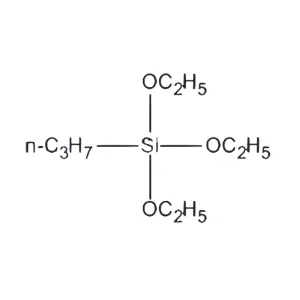
Silane-modified silicone fluids are widely utilized to impart premium tactile properties to fabrics. For example, amino-functional silanes are key intermediates for creating amino-silicone micro-emulsions. These emulsions self-assemble on the fibers, reducing friction and generating a signature soft, smooth, elastomeric hand-feel. When hydrophobic properties are required, such as in outdoor technical textiles, alkyl-functional or vinyl-functional silane treatments construct a low surface energy coating that repels water while allowing moisture vapor to escape through the porous fabric structure, maintaining breathability.
How Boctok integrates raw material security, manufacturing technology, and logistics expertise to serve Fortune 500 chemical companies globally.

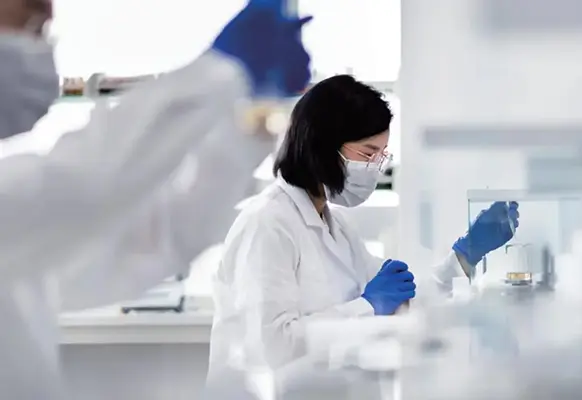
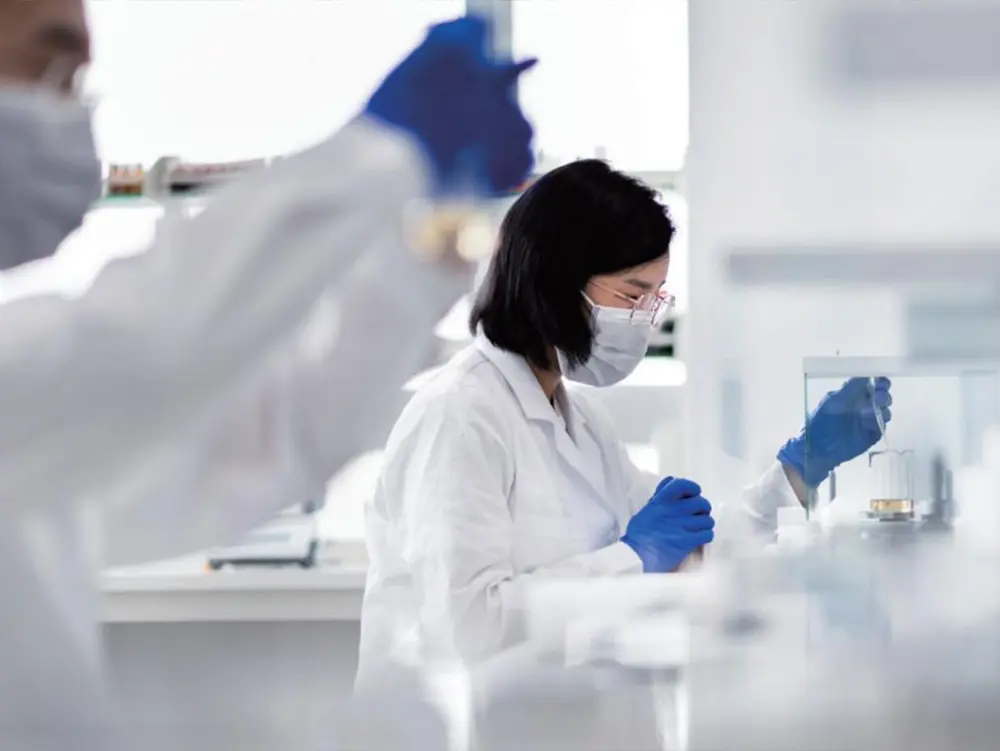
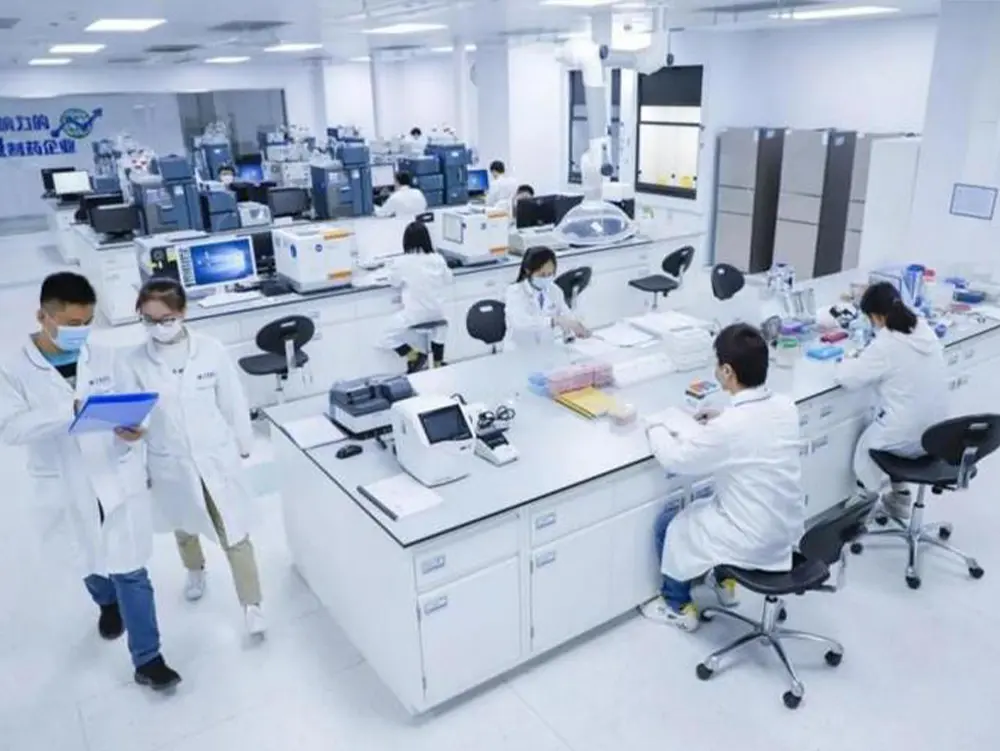
Our silane products undergo rigorous chromatography, physical property verification, and trace impurity analysis. Every production lot matches strict molecular weight distribution standards and active ingredient concentrations to guarantee consistency.

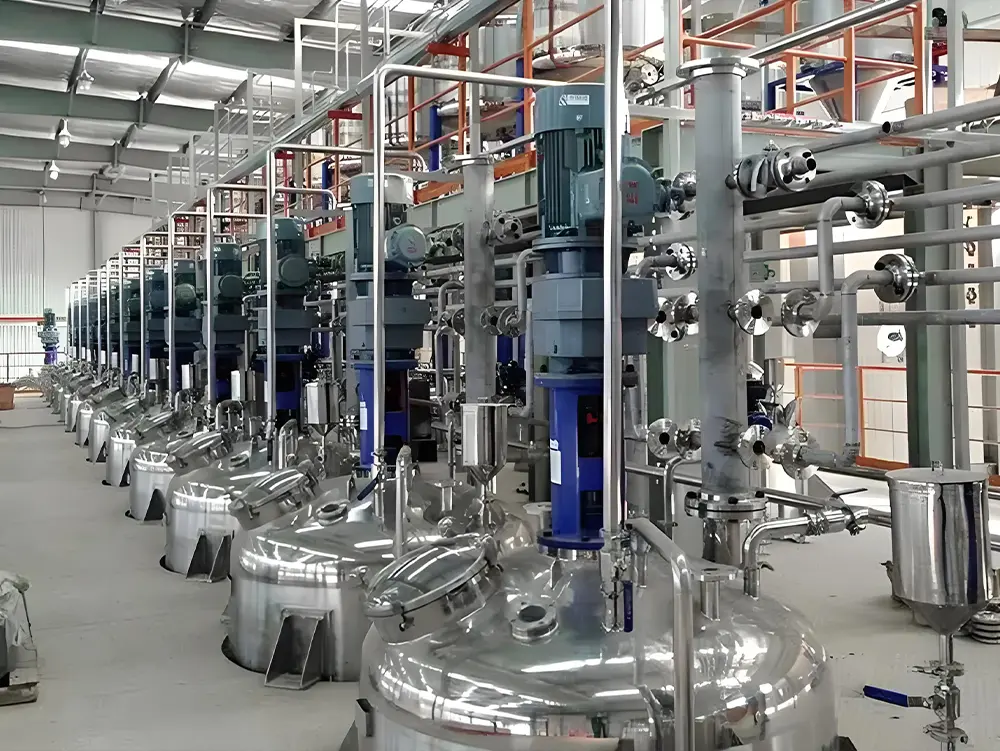
Equipped with DCS automated control and SIS safety systems across 6 dedicated production lines, our newly expanded chemical complex outputs up to 30,000 tons of silane coupling agents annually, facilitating high-volume customization.

Our technical team remains online 24/7 to provide global support. We assist procurement departments and formulation chemists in selecting optimal silane candidates, determining exact dosing levels, and solving application challenges.

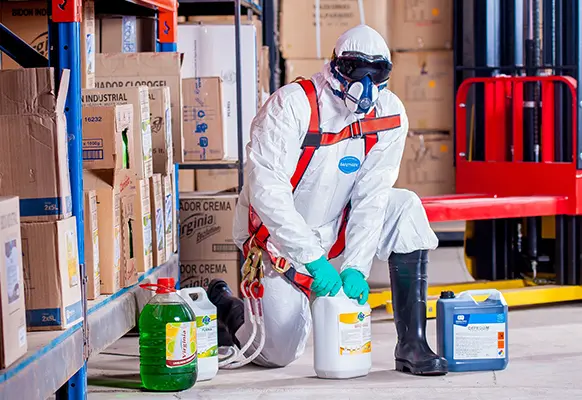
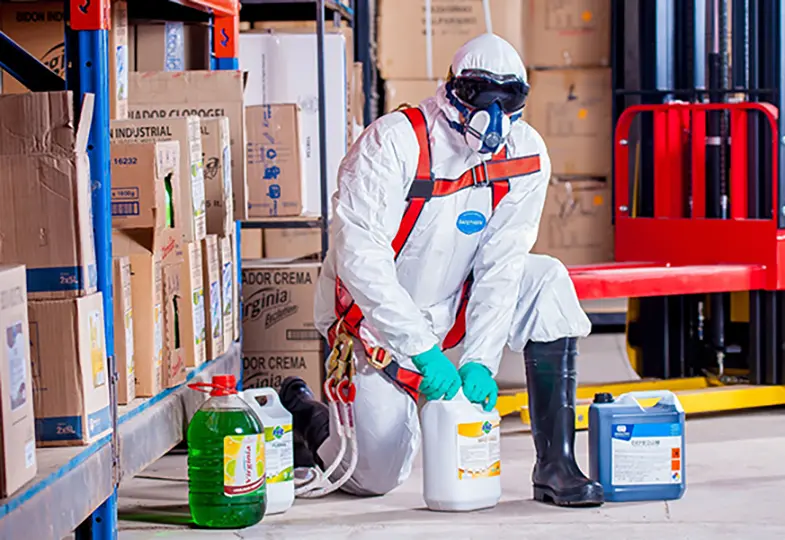
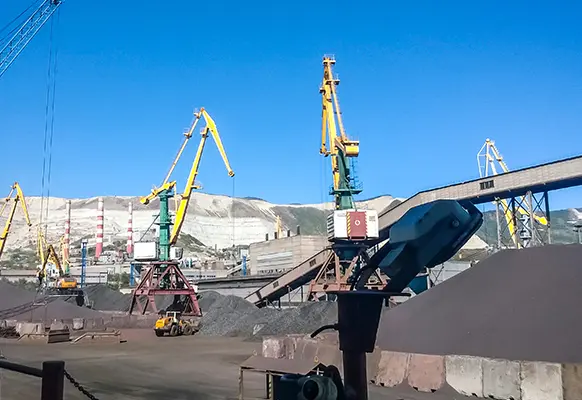
Operating near major logistics hubs in Shandong and utilizing reliable partnerships, we ensure containerized silane shipments are prepared, certified for hazardous/chemical transport regulations, and delivered efficiently to international ports.
Strategic investment and chemical integration in Bohai Industrial Park, Shouguang City, Shandong Province.
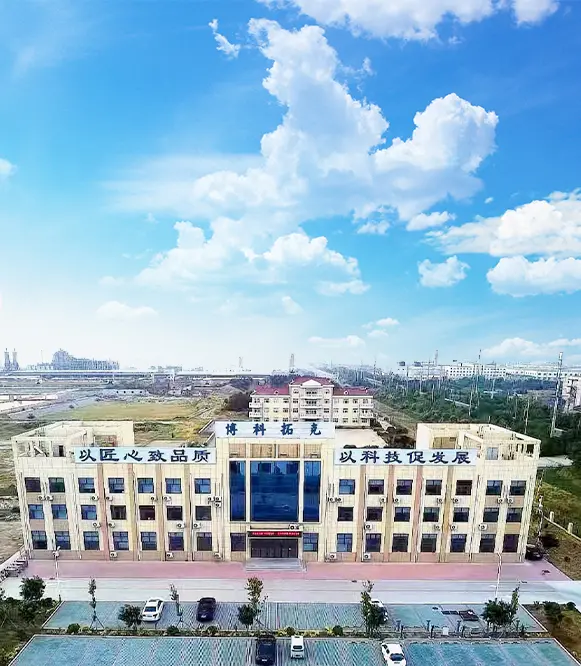
Boctok has invested US$65 million to construct our advanced chemical plant within Bohai Industrial Park, Shouguang City, Shandong Province. This facility boasts 6 automatic DCS (Distributed Control System) production lines with an annual output of 30,000 tons of silane coupling agents. This localized raw material integration allows us to mitigate downstream production costs while keeping final chemical properties highly stable.
By leveraging robust partnerships and sourcing primary petrochemical materials directly from China’s chemical giants, SINOPEC and PetroChina, our operations are safeguarded against upstream market volatility. Our integrated approach covers the full life cycle of organosilicon synthesis, ranging from primary chlorosilane precursors to specialized functional silanes used in high-precision textile operations.
Boctok's operations span three integrated chemical segments, ensuring comprehensive support for modern manufacturing.
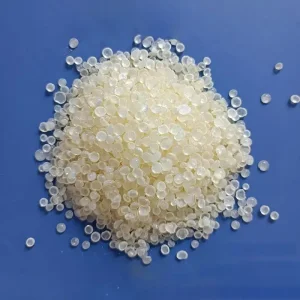
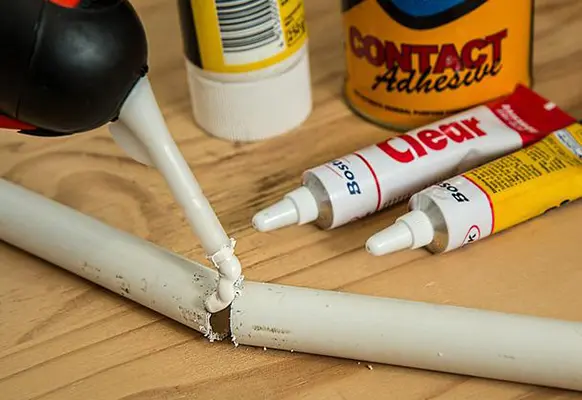
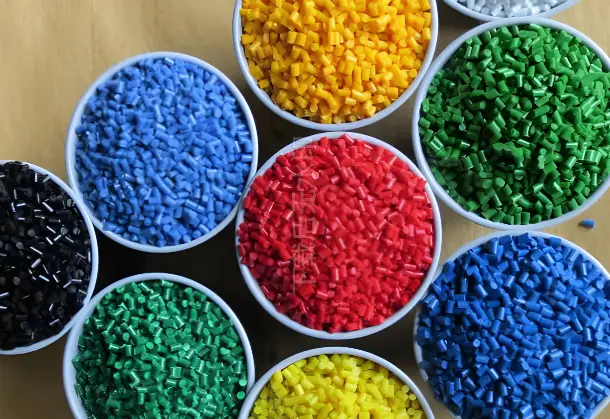
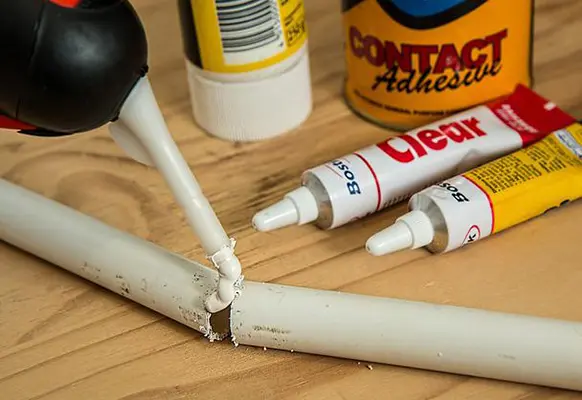
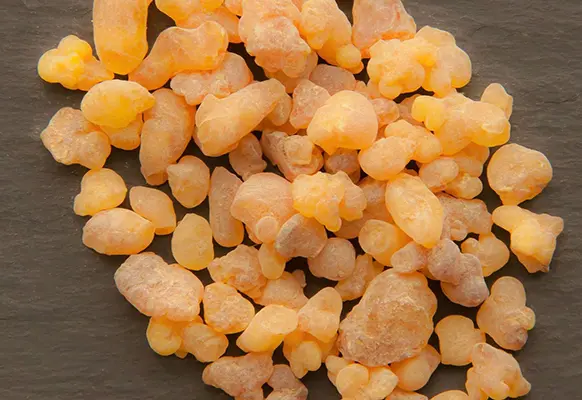
We maintain investments in leading hydrocarbon resin manufacturing sites across China, with three core plants operating in Zibo, Fushun, and Nanjing. Utilizing raw materials from SINOPEC and PetroChina, we produce C9 hydrogenated resins, C5 hydrocarbon resins, C5 modified C9 resins, C9 hydrocarbon resins, dicyclopentadiene (DCPD), and methyl cyclopentadiene dimer. These resins are critical components in industrial adhesives, road marking paints, printing inks, and coatings.
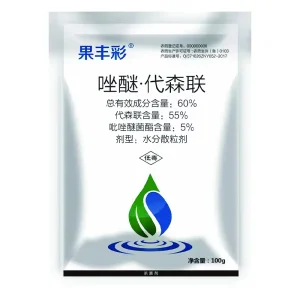
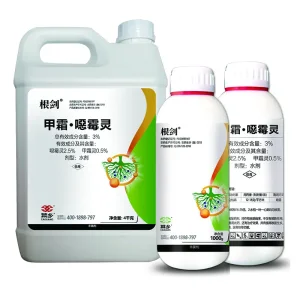
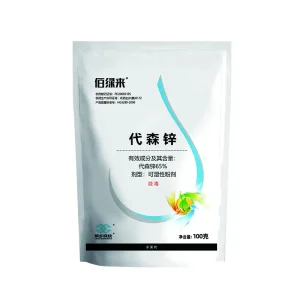
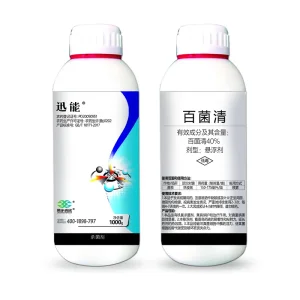
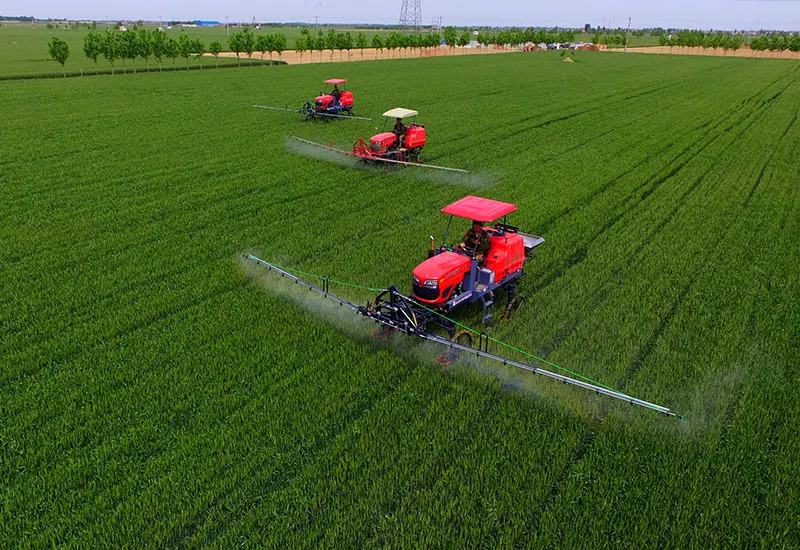
Boctok manufactures key intermediates and raw materials for the production of advanced crop protection agents. This portfolio includes active raw components for pesticides, fungicides, insecticides, seed treatments, herbicides, and plant growth regulators, helping global agricultural brands secure their active ingredient supply chains.
Comprehensive applications of Boctok's organosilicon chemicals, hydrocarbon resins, and agricultural intermediates across diverse sectors.


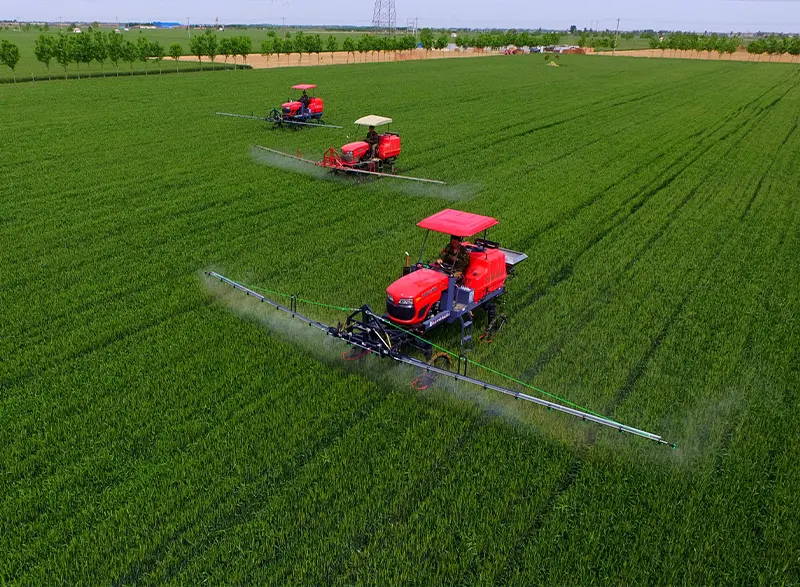
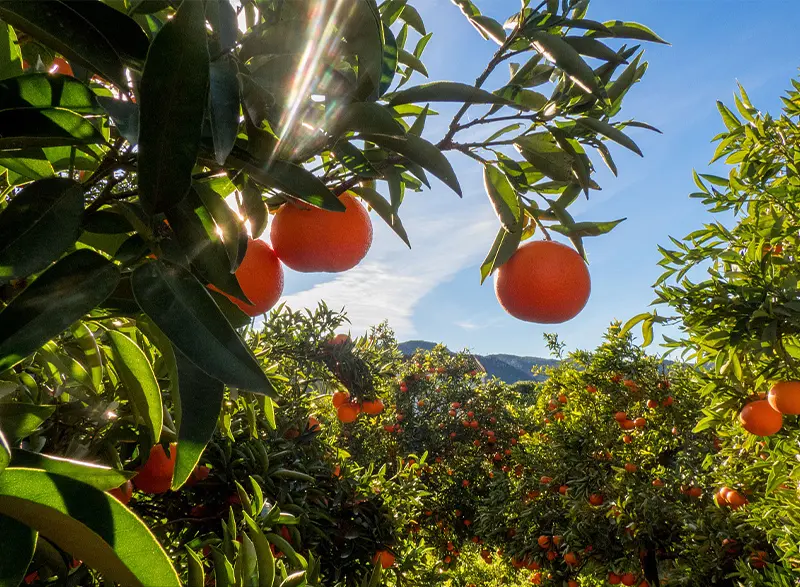


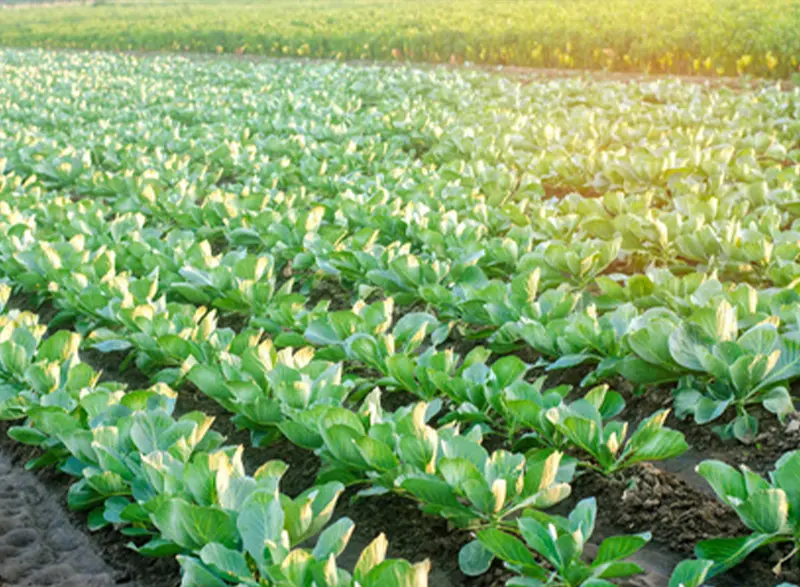
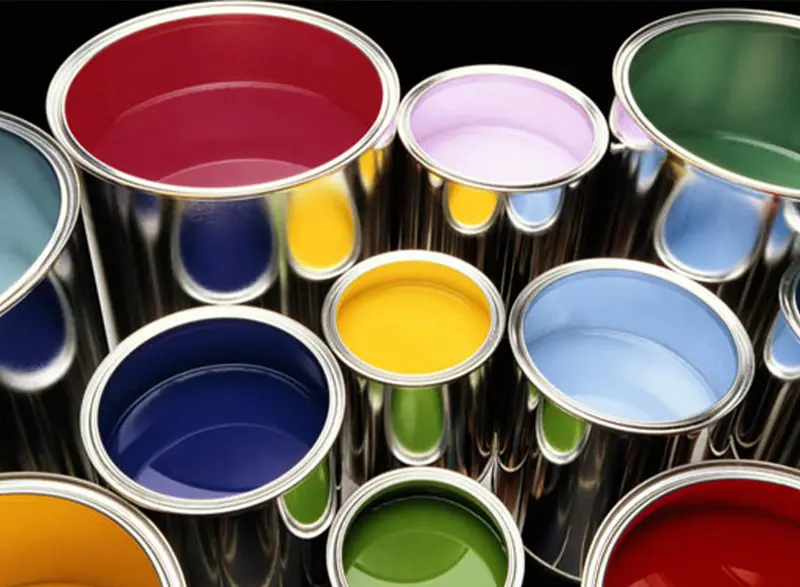
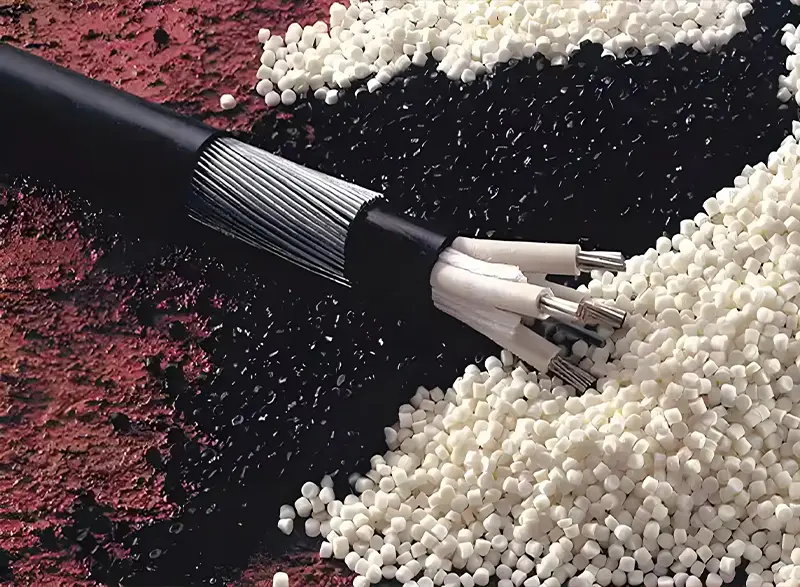
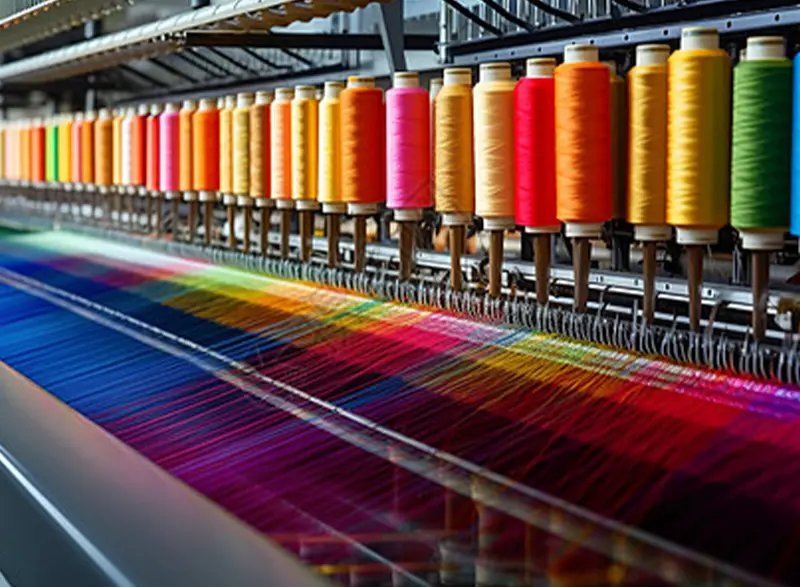
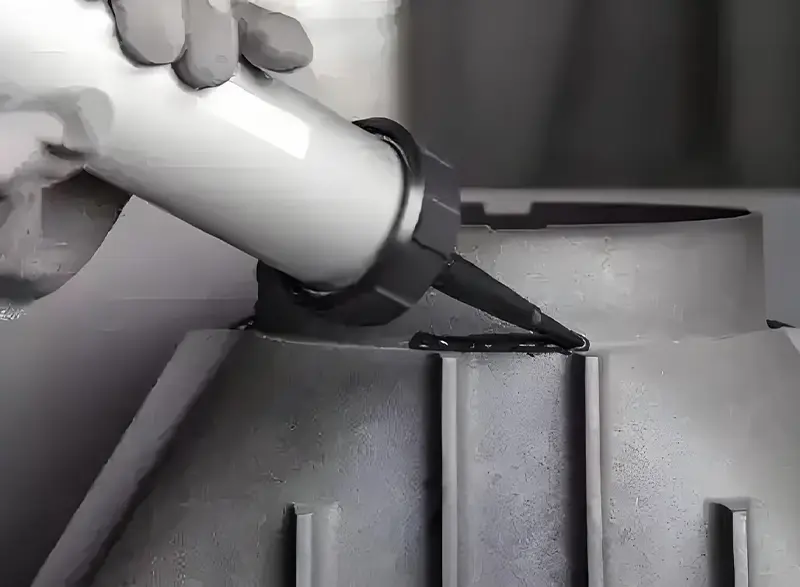

Our organosilicon agents and hydrocarbon derivatives find integration across diverse manufacturing lines globally.
Navigating global standards, environmental mandates, and the shift towards green chemistry in the textile sector.
The global textile printing and dyeing industry faces scrutiny under regulations such as EU REACH, OEKO-TEX Standard 100, and the Zero Discharge of Hazardous Chemicals (ZDHC) program. Traditional finishes often contained alkylphenol ethoxylates (APEOs) or free formaldehyde, which are harmful to aquatic systems and human health. Boctok’s modern silane agents are formulated to be free of restricted substances. During manufacture, we monitor residual methanol and volatile organic compounds (VOCs) to ensure that the final chemical products conform to strict international standards.
The demand for high-performance functional apparel is driving silane application growth. Designers use specialized organosilanes to engineer properties like durable flame retardancy, long-lasting antimicrobial action, and self-cleaning attributes into fabrics. By tethering quaternary ammonium compounds or fluorinated carbon chains to silane bases, chemical engineers can bind these functionalities directly to the textile matrix, maintaining wash-durability through multiple wash cycles.
Managing chemical imports requires navigating regulatory hurdles and supply chain bottlenecks. Boctok addresses these concerns by providing localized technical support and regulatory documentation, including REACH registrations, GOTS declarations, and comprehensive safety data sheets (SDS) aligned with the Global Harmonized System (GHS). This structural transparency enables international buyers to integrate our products into their formulations without compliance delays.
Answering key chemical engineering and supply chain questions for global technical directors and purchasing managers.
Silane coupling agents contain hydrolyzable alkoxy groups that bond covalently to hydroxyl groups on natural fibers, as well as an organofunctional group that crosslinks with the binder matrix. This chemical linkage prevents the binder and pigment from stripping off during washing, improving color retention and laundering resistance.
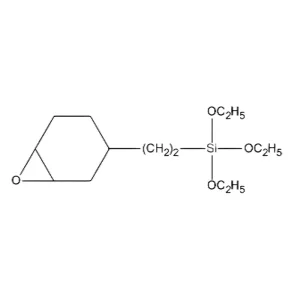
Epoxy-functional silanes (like 2-(3,4-epoxycyclohexyl)ethyltriethoxysilane) and methacryloxy-functional silanes are commonly used. Epoxy silanes react with the acid or amine groups on binder resins, while methacryloxy silanes copolymerize directly into acrylic or polyurethane lattices during synthesis, improving film integrity.
Our facility is equipped with automated Distributed Control Systems (DCS) to monitor reactor parameters and Safety Instrumented Systems (SIS) to prevent process deviations. The entire manufacturing process adheres to ISO9001 quality management guidelines, and every batch undergoes gas chromatography testing to ensure compliance with our specifications.
Yes, we prioritize environmental compliance. We supply REACH-registered silanes and ensure our textile-finishing auxiliaries are free from APEOs, phthalates, and restricted heavy metals, aligning with ZDHC MRSL guidelines and OEKO-TEX Standard 100 requirements.
By maintaining supply agreements with SINOPEC and PetroChina for key precursors, we keep our production cycles stable. Standard sea freight orders are processed and shipped from Qingdao or Shanghai ports within 2 to 4 weeks, accompanied by full hazardous cargo certifications and customs documentation.
Explore our targeted product range optimized for textile finishing, industrial coatings, and agricultural formulations.
 Boctok Chemical