Explore our core selection of high-performance propyltriethoxysilanes, organosilicon polymers, and customized chemical intermediates engineered to meet strict international processing standards.
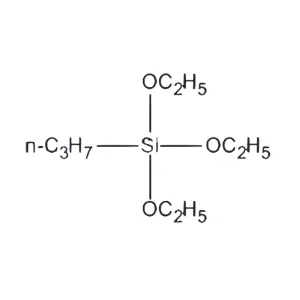
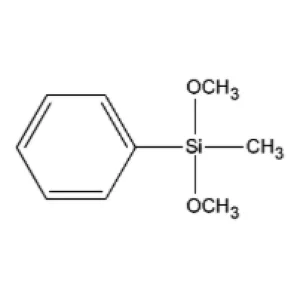
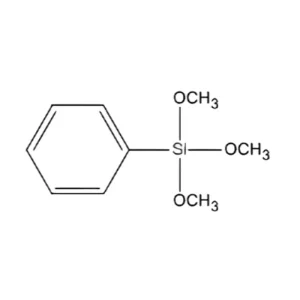
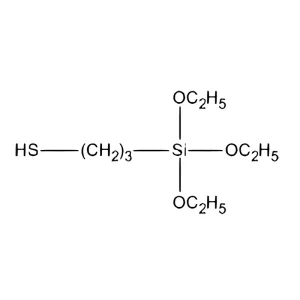
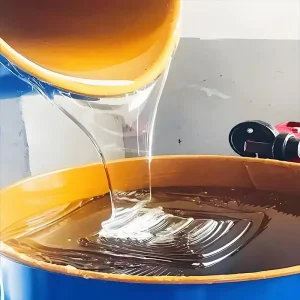
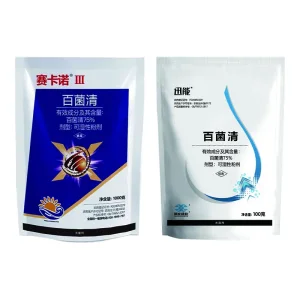
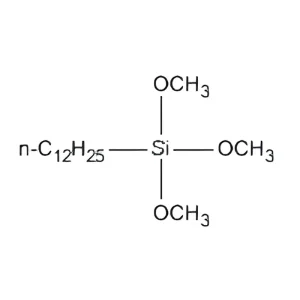
Founded in 2012, Shandong Boctok Chemical Co. has established itself as an industry-leading marketing, sales, and manufacturing powerhouse for Boctok™ domestic and global operations. In 2023, Boctok consolidated its market presence with an annual revenue of US$280 million. With a dedicated emphasis on delivering custom chemical formulations to key international zones, including specialized operations tailored for the Russian market under the BOCTOK brand, we guarantee excellence at every scale of operation.
Our organosilicon chemical category represents our premier core business, featuring twelve advanced series of silane coupling agents and crosslinkers. These classes include aminosilanes, methacrylate silanes, epoxy silanes, vinyl silanes, mercaptosilanes, alkyl silanes, ethyl silicates, chlorosilanes, silane isocyanates, phenyl silanes, ureidosilanes, and specialized serosilanes. In parallel, our high-quality silicone polymer products range from high-hydrogen silicone oil, dimethicone, vinyl silicone oil, and polyphenylmethyldimethylsiloxane to alkoxy silicone oil, MQ resins, and high-performance vulcanized silicone rubber components.
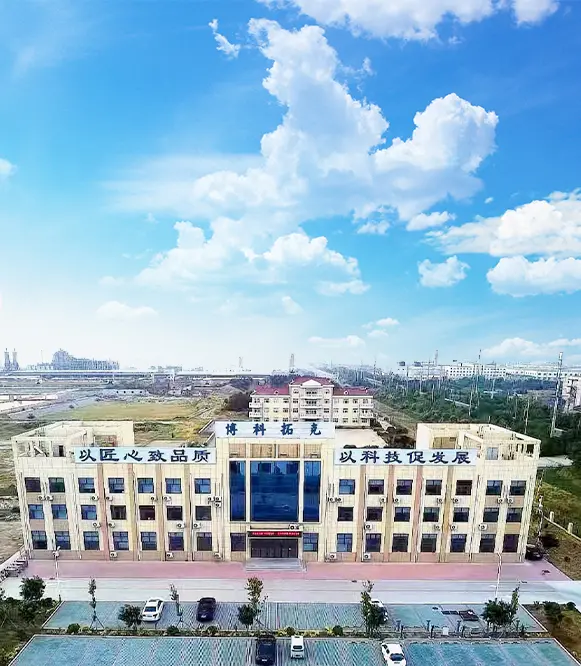
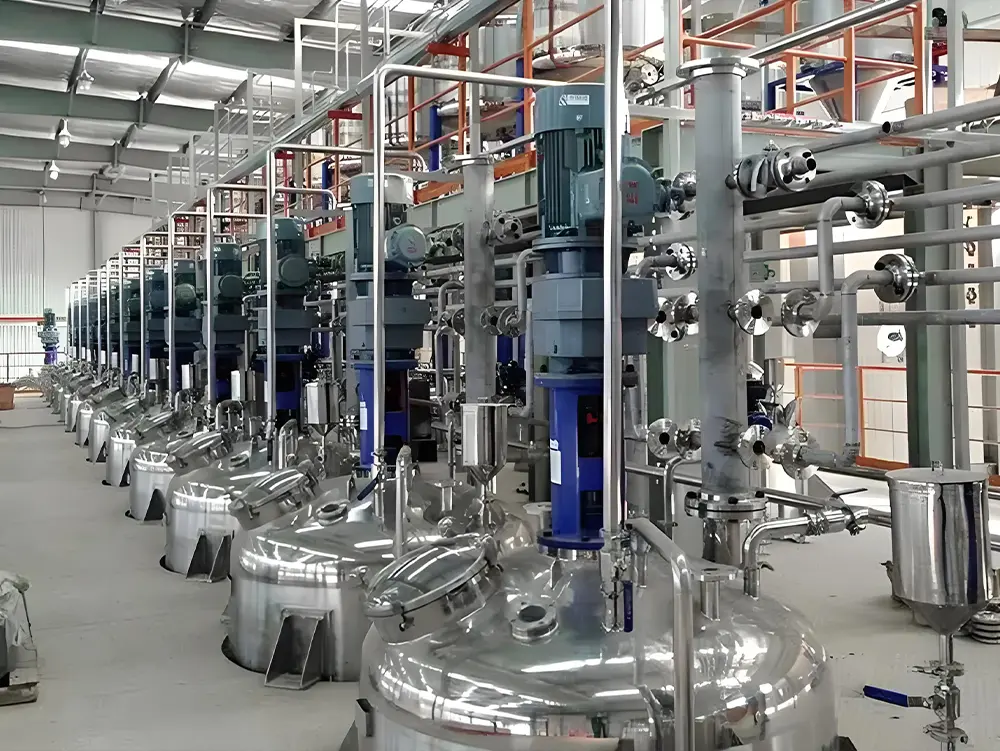
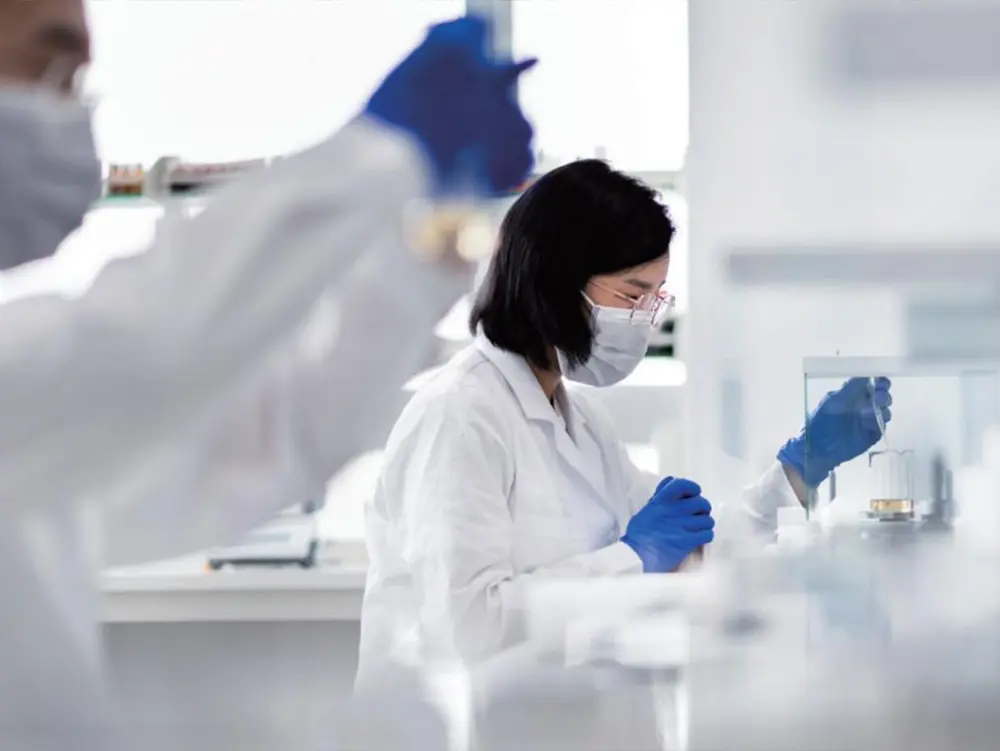
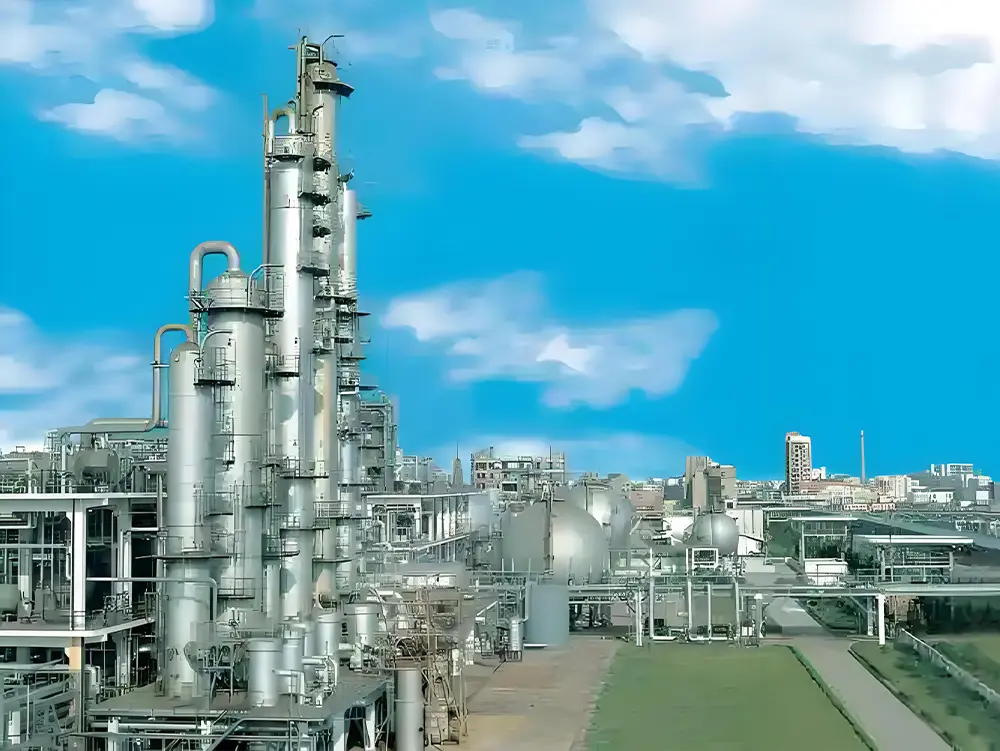
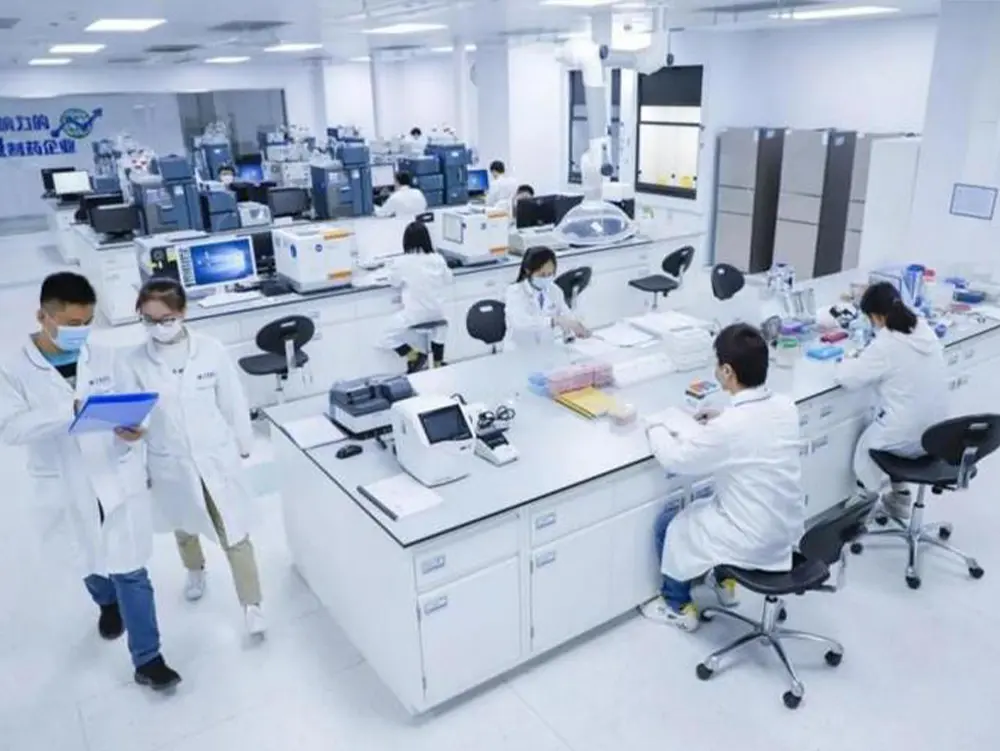
A statistical overview of our manufacturing output, global commercial penetration, and capital investments driving green chemical development worldwide.
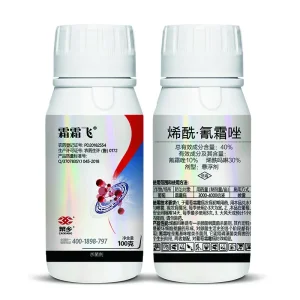
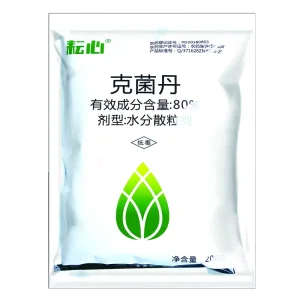
Beyond our core organosilicon offerings, Boctok operates a highly advanced hydrocarbon resin enterprise, leveraging direct joint ventures with key hydrocarbon manufacturing hubs in Zibo, Fushun, and Nanjing. Utilizing pure feedstock directly from Sinopec and PetroChina, our operations encompass high-purity C9 hydrogenated resins, C5 hydrocarbon resins, and dicyclopentadiene (DCPD) utilized by Fortune 500 enterprises. Additionally, our dedicated agrochemical division produces critical intermediates, including insecticides, fungicides, herbicides, and custom plant growth regulators, distributed throughout our global sales network in North America, Europe, the Middle East, and Southeast Asia.
Combining Distributed Control Systems (DCS) with strict environmental frameworks to guarantee persistent, scale-up logistics reliability.
Our recently established Shouguang plant in the Bohai Industrial Park runs 6 highly specialized, fully automated remote-controlled DCS production lines, maintaining uniform chemical parameters and reducing physical intervention anomalies.
Each reactor line is backed by safety instrumented systems (SIS) that monitor critical pressure, flow, and thermal parameters in real-time, matching global chemical risk-mitigation standards for continuous uptime.
Operating a dedicated wastewater filtration plant and closed-loop waste gas collection systems ensures all standard byproducts are rendered harmless, adhering strictly to global eco-compliance and ISO14001 guidelines.
A technical white paper on the molecular design and evolutionary vectors of organofunctional silanes.
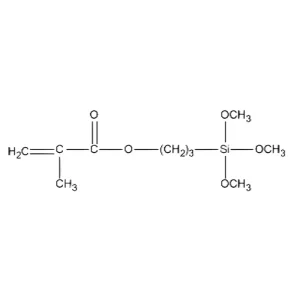
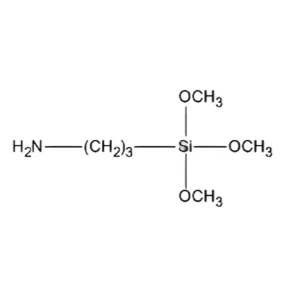
Organofunctional silanes, commonly referred to as silane coupling agents, represent a unique class of hybrid materials featuring the general chemical structure Y-R-Si(OR')₃. The trialkoxysilyl group -Si(OR')₃ (typically methoxy or ethoxy) undergoes ready hydrolysis in the presence of trace moisture to yield highly reactive silanol intermediates. These silanol structures establish stable, covalent siloxane networks (Si-O-Si) with hydroxyl-rich inorganic substrates such as silica, glass fibers, quartz, and metals. Conversely, the organofunctional group Y (such as amino, epoxy, vinyl, mercapto, or methacrylate) participates in cross-linking or physical entanglement with organic polymer matrices during curing.
This dual reactivity is essential for overcoming incompatibility at the organic-inorganic interface. In composite materials, such as glass-fiber-reinforced plastics (FRP) and mineral-filled rubbers, interfacial failure is the primary cause of mechanical degradation. By replacing weak physical interactions with chemical covalent bonds, silanes significantly improve tensile, flexural, and compressive strengths, while also preventing moisture infiltration and subsequent hydrolysis at the interface.
Modern industrial procurers face complex challenges when securing chemical inputs. The key factors influencing large-scale industrial selection include:
The global shift toward green chemistry and renewable energy is accelerating the adoption of silane coupling agents:
Electric Vehicle (EV) Tires: Green tires utilize highly dispersible silica as a reinforcing filler in place of carbon black to reduce rolling resistance and improve fuel efficiency. Sulfur-functional silanes (such as bis(triethoxysilylpropyl)tetrasulfide, TESPT) are critical for coupling silica with natural or synthetic rubber. This coupling improves wet grip, reduces heat buildup, and enhances treadwear resistance, which is essential for managing the high torque of electric vehicles.
Renewable Energy Infrastructure: Wind turbine blades rely on glass-fiber-reinforced epoxy composites to withstand extreme mechanical stress. Methacrylate and epoxy silanes are vital for improving the shear strength and water resistance of these composites, extending their operational lifespan. Additionally, in solar energy, vinyl silanes serve as key cross-linkers for ethylene-vinyl acetate (EVA) encapsulation films, protecting photovoltaic cells from moisture and UV degradation.
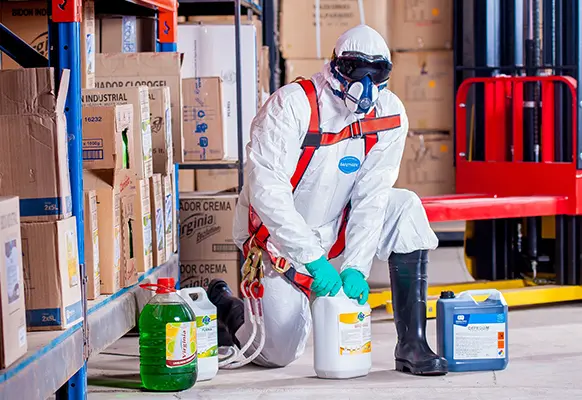
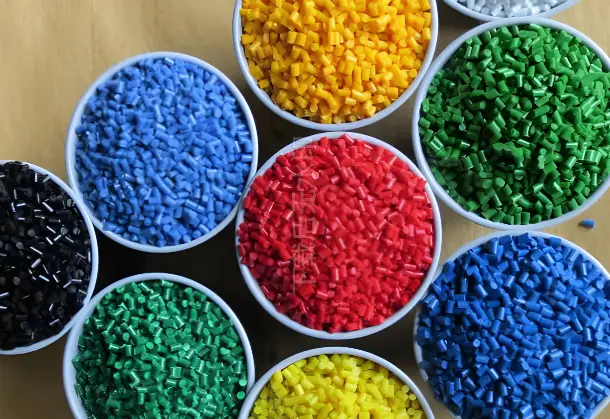
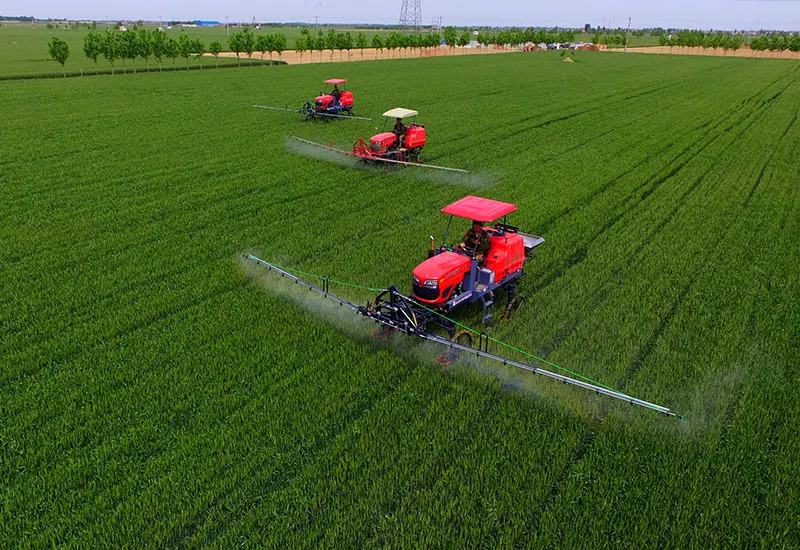
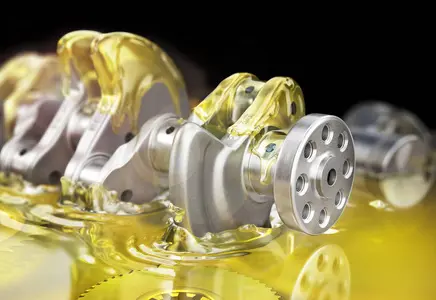
Our organosilicon agents, petroleum resins, and agricultural compounds are used in multiple high-performance industries globally.
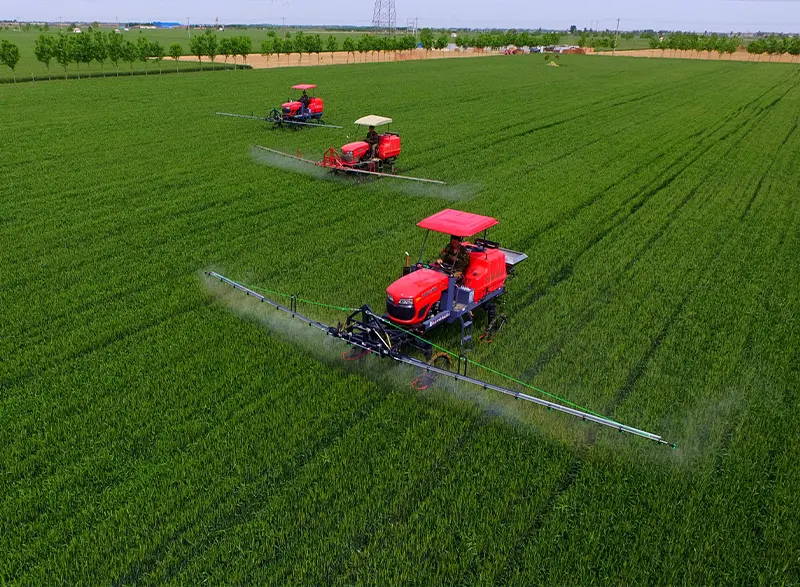




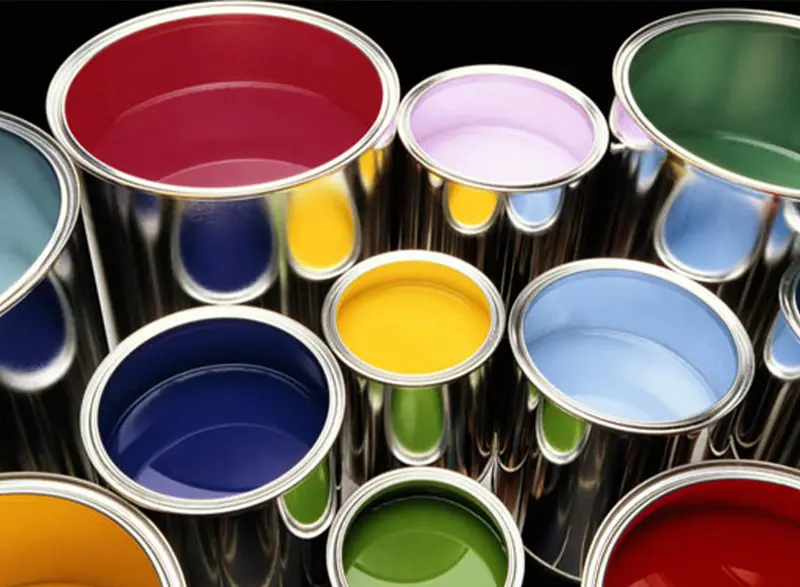
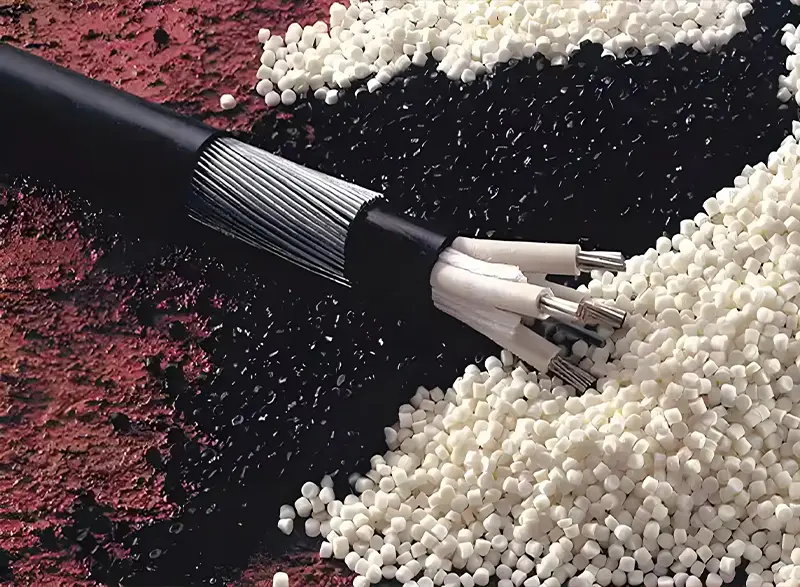
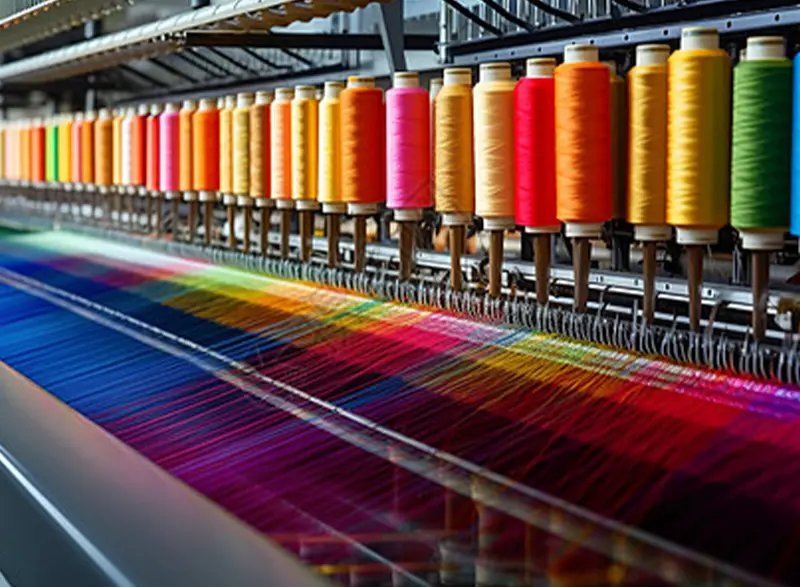
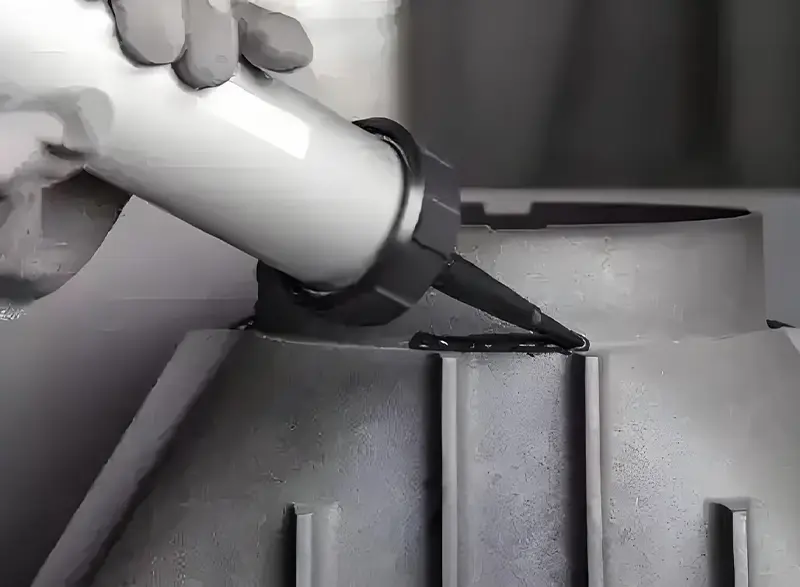
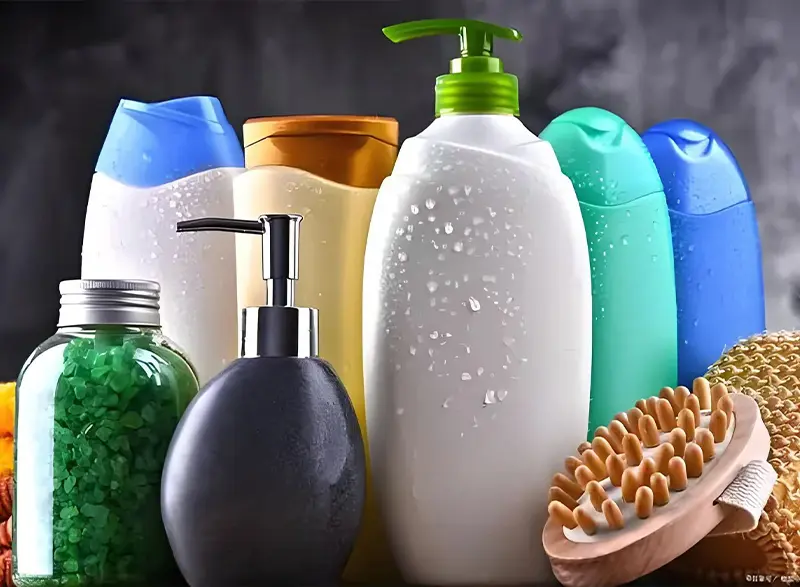
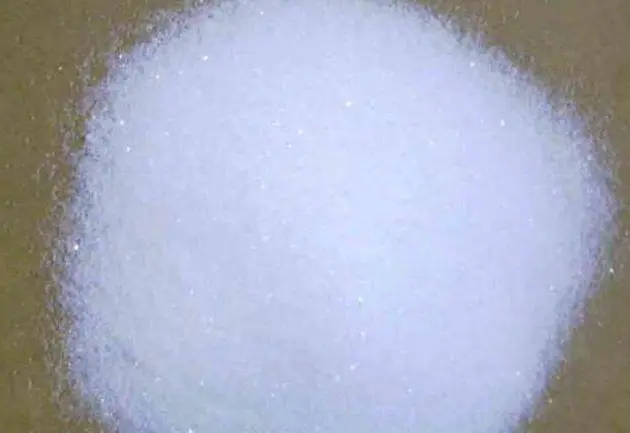
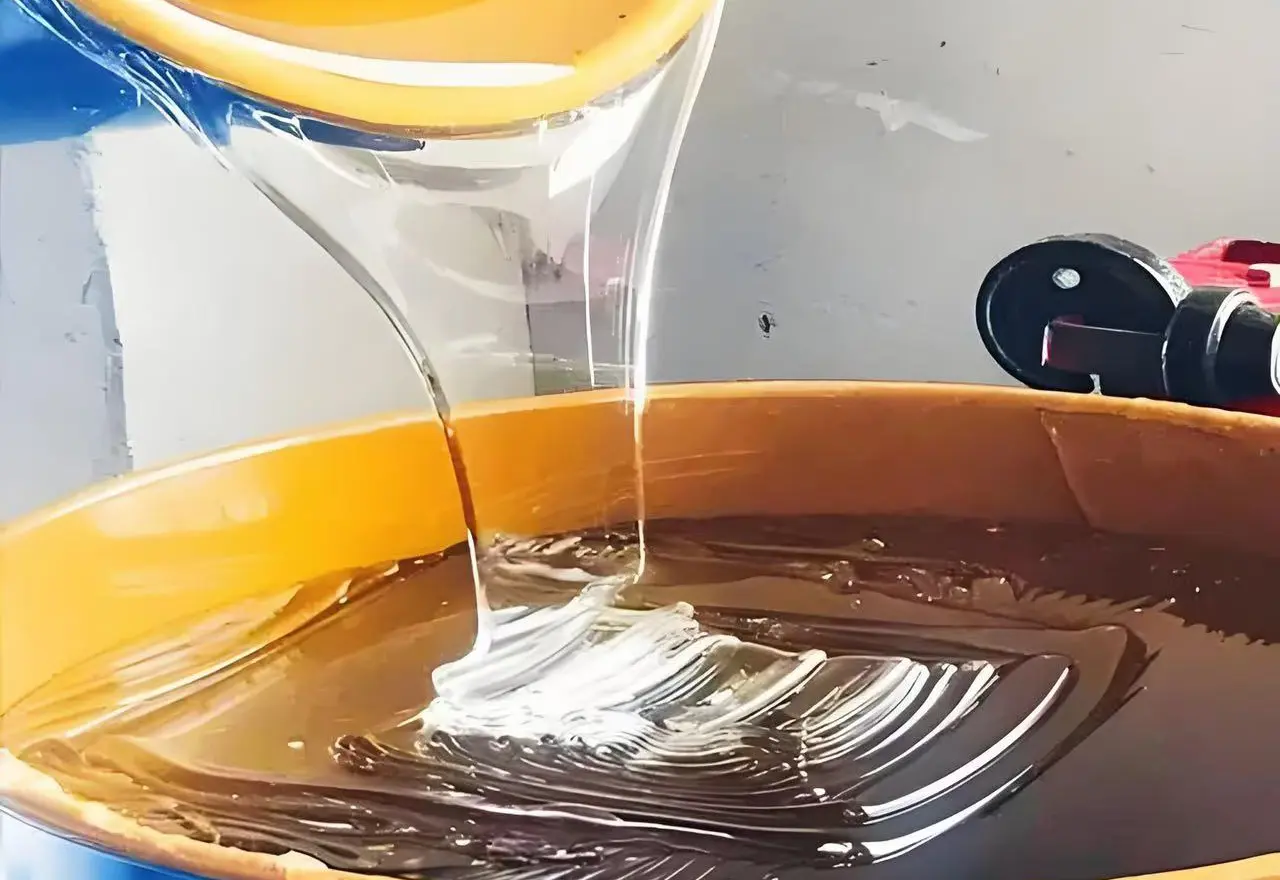
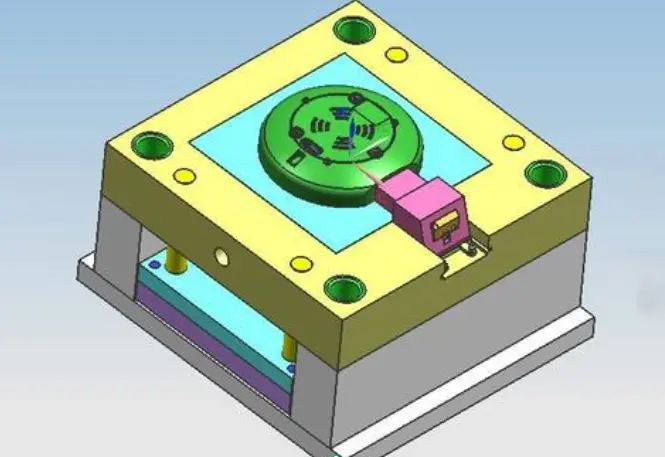
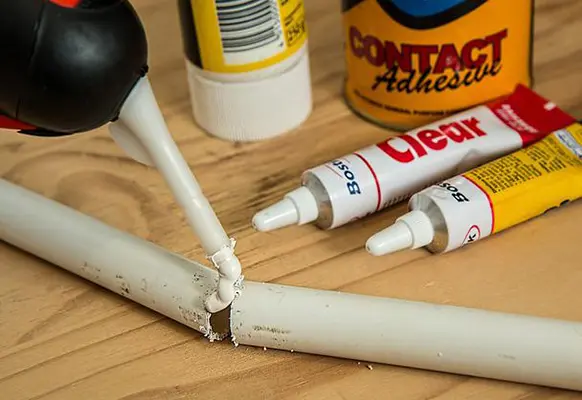
Our products are engineered to optimize molecular adhesion and interfacial strength across demanding sectors.


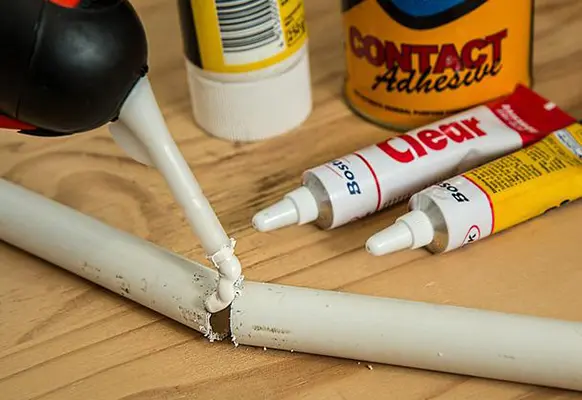
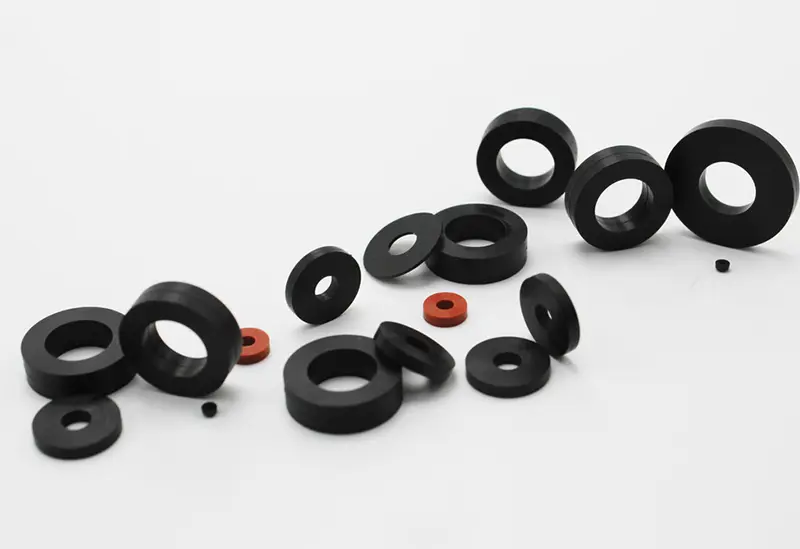









Get answers to frequently asked technical questions regarding silane coupling mechanisms, customization, and supply chain logistics.
Silane coupling agents act as chemical bridges between inorganic substrates (such as silica, glass, or metals) and organic polymers. By binding to the inorganic surface through hydrolyzable alkoxy groups and cross-linking with the organic resin via functional groups (such as amino, epoxy, or vinyl), silanes replace weak physical adhesion with strong, covalent siloxane chemical bonds. This helps prevent interfacial delamination, increases shear and tensile strength, and reduces moisture absorption at the interface.
To achieve optimal coupling, the alkoxy groups (methoxy or ethoxy) must first be hydrolyzed to form silanols. Typically, silanes are dissolved in a mixture of water and an alcohol solvent (such as ethanol or isopropanol). Adjusting the pH to slightly acidic (typically between 4.0 and 5.5) using acetic acid accelerates the hydrolysis process while minimizing self-condensation. The hydrolyzed silane solution should then be applied to the substrate promptly to prevent premature polymerization.
Our new factory in Shouguang features 6 fully automated DCS production lines and safety instrumented systems (SIS) that monitor manufacturing conditions in real time. We strictly follow the ISO9001 quality management framework. Additionally, we run raw-material testing on SINOPEC and PetroChina feedstocks and perform gas chromatography (GC) and mass spectrometry analysis on finished products to ensure high purity and low ion content for electronics and automotive applications.
Methoxy silanes release methanol as a byproduct of hydrolysis, which is classified as a hazardous volatile organic compound (VOC) with neurotoxic risks. Ethoxy silanes, on the other hand, release non-toxic ethanol during hydrolysis. Because of this, ethoxy silanes are preferred for applications with strict VOC limits and safety standards, such as interior automotive parts, food packaging, and consumer goods.
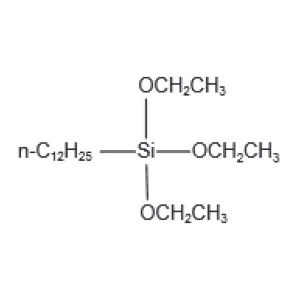
Browse our selection of dodecyltriethoxysilanes, mercaptosilanes, high-hydrogen silicone fluids, and agricultural materials.
 Boctok Chemical