Core offerings designed for optimal interface adhesion, surface modification, and composite performance.
In high-performance material design, the interface between organic polymers and inorganic substrates is critical to mechanical strength, weather resistance, and service life. Silane adhesion promoters function as molecular bridges that cross this chemical divide. The standard molecular formula of a silane coupling agent is typically represented as Y-R-Si(OR')₃, where Y is an organofunctional group (such as amino, epoxy, vinyl, mercapto, or methacryloxy) that chemically bonds or physically interacts with organic polymers. The alkoxy groups (-OR', such as methoxy or ethoxy) hydrolyze in the presence of moisture to form active silanol groups, which then react with hydroxyl groups on the surface of inorganic substrates like glass, metals, silica, and mineral fillers to form stable, covalent oxane bonds (Si-O-M).
By engineering this molecular transition zone, silane adhesion promoters improve key properties in commercial applications. They prevent moisture migration along resin-substrate borders, reduce processing viscosities in filled polymers, and increase compound durability. As manufacturing demands shift toward high-frequency electronics, green mobility, and long-lasting wind power systems, selecting the right silane technology is essential for product performance and reliability.
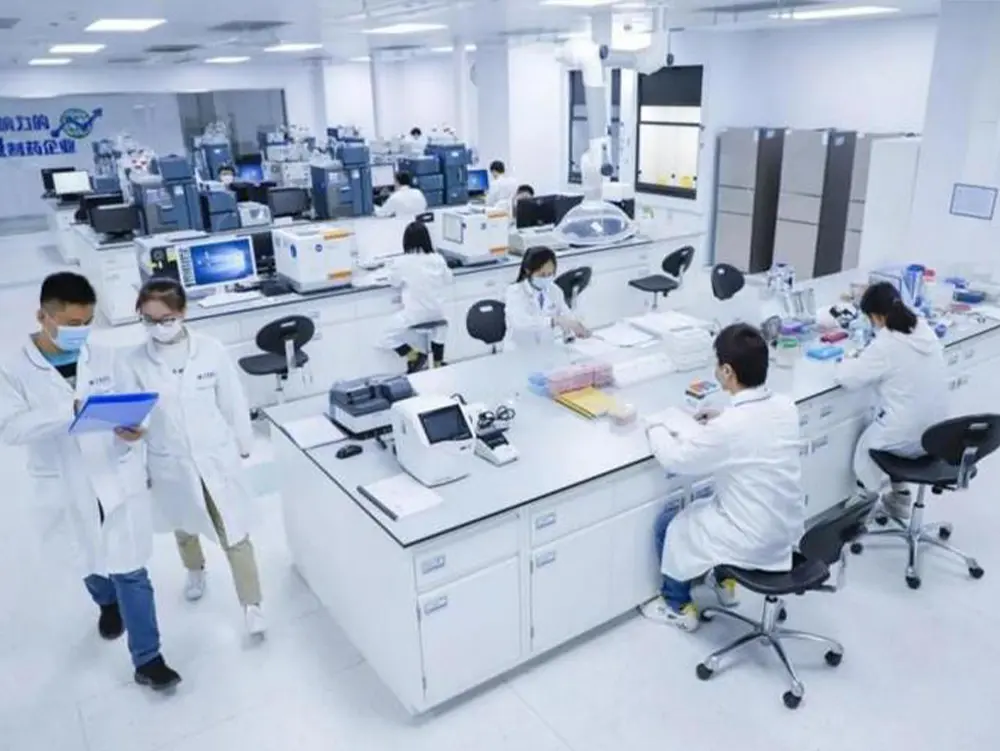
Data points showing our global delivery capacity, manufacturing infrastructure, and commercial footprint.
A specialized supplier of organosilicon solutions, high-grade hydrocarbon resins, and agricultural chemistry.
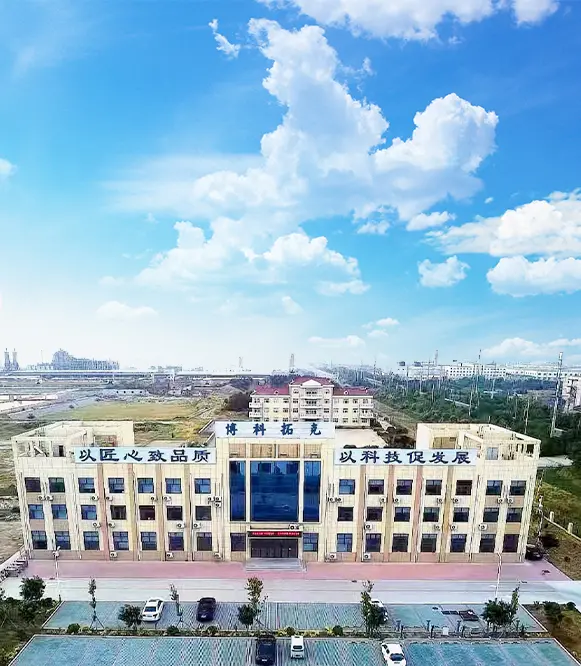
Founded in 2012, Shandong Boctok Chemical Co. serves as a marketing and sales center for domestic and international business. In 2023, our sales reached US$280 million. The BOCTOK brand is a major supplier to the Russian market, delivering chemical raw materials customized to perform in challenging operational environments.
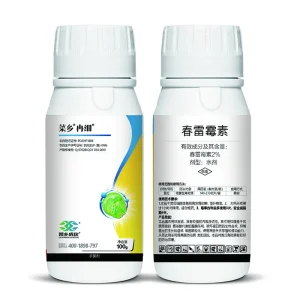
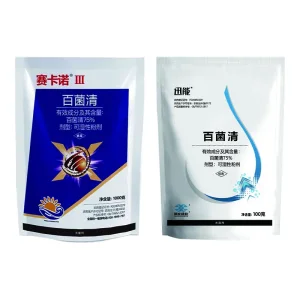
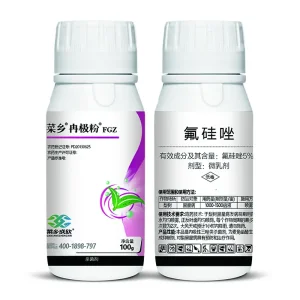
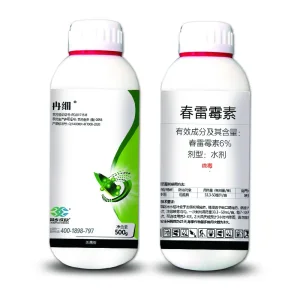
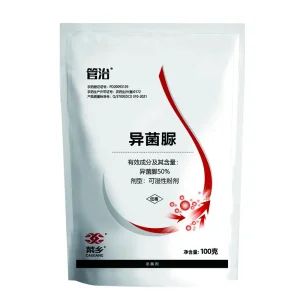
Beyond organosilicons, Boctok operates a Tier II business in petroleum resins. Working with high-quality feedstocks from SINOPEC and PetroChina, we have invested in production facilities in Zibo, Fushun, and Nanjing. This ensures a steady supply of C9 hydrogenated resins, C5 hydrocarbon resins, and modified derivatives for Fortune 500 coating and adhesive manufacturers. We also serve the agrochemical sector, supplying key intermediates, fungicides, insecticides, and plant growth regulators.
A detailed breakdown of organosilicon coupling and crosslinking agents engineered by Shandong Boctok.
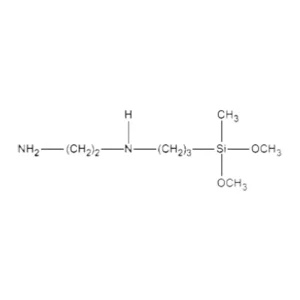
Includes functional agents like aminoethyl-aminopropyl trimethoxysilane. These products are widely used in structural epoxy adhesives, phenolic foundry resins, and glass fiber finishes to improve mechanical shear resistance.
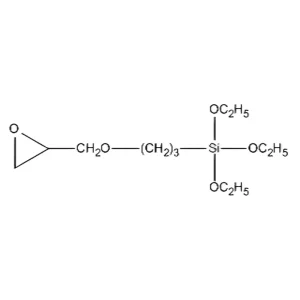
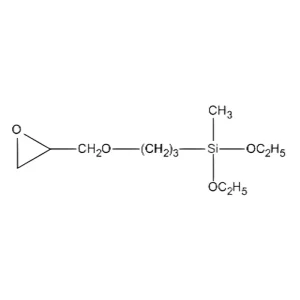
Epoxy silanes (like 3-glycidoxypropyltrimethoxysilane) are essential in electronics potting, semiconductor encapsulation, and waterborne acrylic coatings. They improve adhesion while protecting against moisture-induced corrosion.
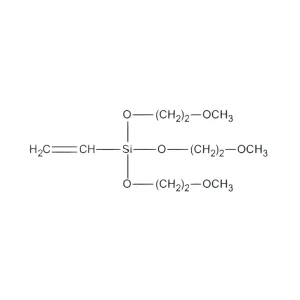
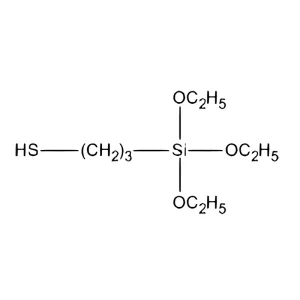
Vinyl silanes are key crosslinkers for XLPE high-voltage power cables. Mercapto-functional silanes are used in the rubber industry to couple silica with natural or synthetic elastomers, reducing rolling resistance in tires.
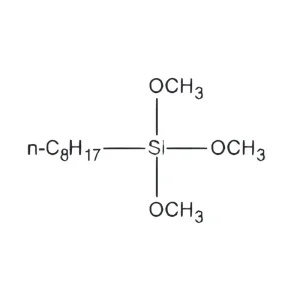
Used to treat fumed silica, pigments, and inorganic fillers. They provide hydrophobic performance, chemical shield barriers, and improve dispersion in polymer masterbatches.
High-thermal-stability modifiers designed for silicone resins, engineering plastics, and high-temperature paints, protecting against thermal degradation.
Binders for zinc-rich anti-corrosion primers, investment casting molds, and concrete consolidators, improving surface hardness and durability.
| Functional Category | Common CAS Numbers | Primary Substrates | Industrial Applications |
|---|---|---|---|
| Aminosilane | 1760-24-3, 919-30-2, 3069-29-8 | Glass, Steel, Concrete, Aluminum | Epoxy Adhesives, Glass Fiber Composites, Foundry Resins |
| Epoxy Silane | 2530-83-8, 17689-77-9 | Silica, Minerals, Copper, Glass | Electronic Encapsulants, PCB Laminates, Acrylic Latex |
| Vinyl Silane | 78-08-0, 1067-53-4, 2768-02-7 | ATH, Clay, Quartz | XLPE Cable Insulation, Hot Water Pipes, EPDM Rubber |
| Mercaptosilane | 4420-74-0, 14814-09-6 | Silica, Carbon Black, Brass | Green Tires, Automotive Sealants, Industrial Belts |
| Alkyl Silane | 2943-75-1, 3069-40-7 | Concrete, Stone, Fumed Silica | Concrete Sealers, Water Repellents, Pigment Treatment |
How procurement managers evaluate quality, cost structures, and chemical performance in global supply chains.
Global sourcing for silane coupling agents is shifting from simple transaction-based purchasing to strategic supplier partnerships. Buyers in automotive manufacturing, wind energy, and electronics look for suppliers that offer consistent performance, secure supply chains, and technical support. Purchasing managers evaluate these key areas:
To reduce risk, international companies choose suppliers with integrated manufacturing, large production capacities, and direct distribution setups. Shandong Boctok Chemical Co. maintains long-term production and warehousing systems that help partners manage inventory cycles and volatile shipping rates.
Our integrated chemical chains allow us to supply both standard silanes and custom variations. This flexibility helps our customers optimize their raw material costs without sacrificing performance.
Integrating silanes and specialty chemicals to address critical challenges in modern manufacturing.
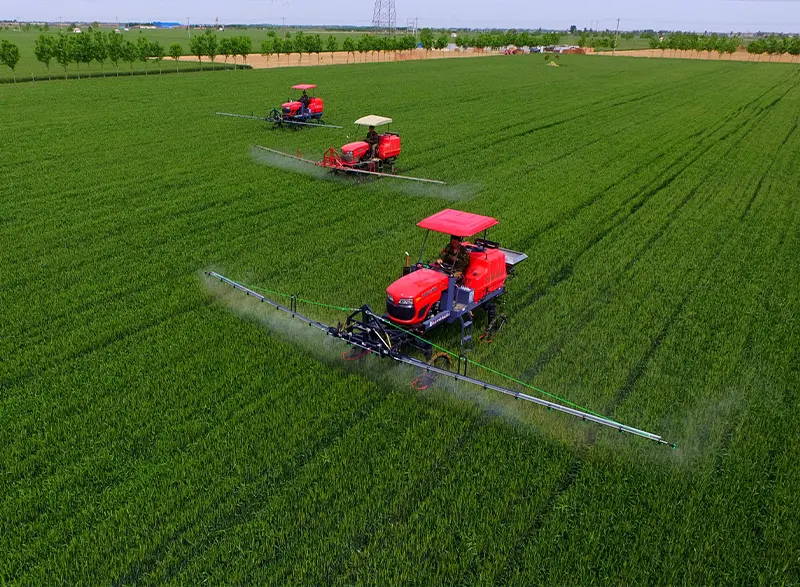
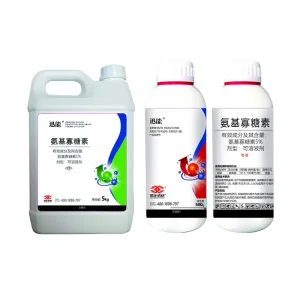
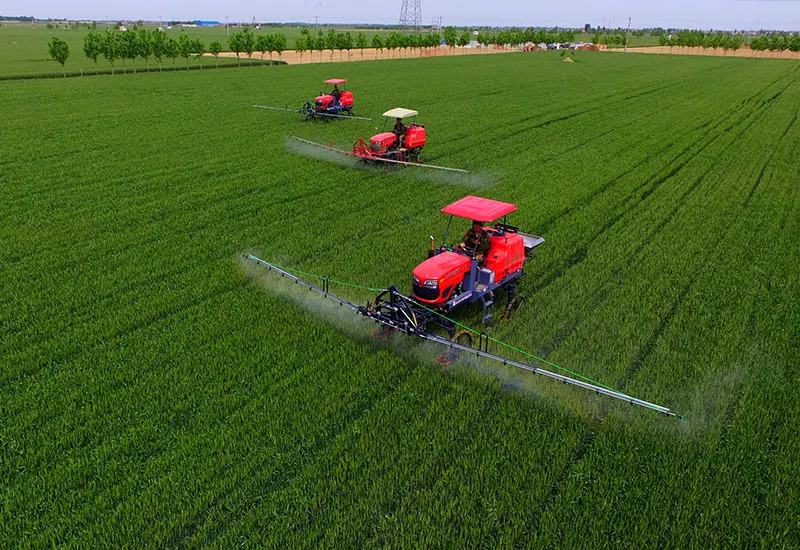
Silicon-based surfactants to improve spreading, absorption, and rainfastness of fertilizers.

Targeted formulations that protect crop yields against environmental stressors.

Intermediates for targeted insecticides and herbicides, ensuring minimal residue.

High-performance seed treatments and active ingredients for crop management.

Clean-acting chemical agents that support agricultural yields and quality standards.
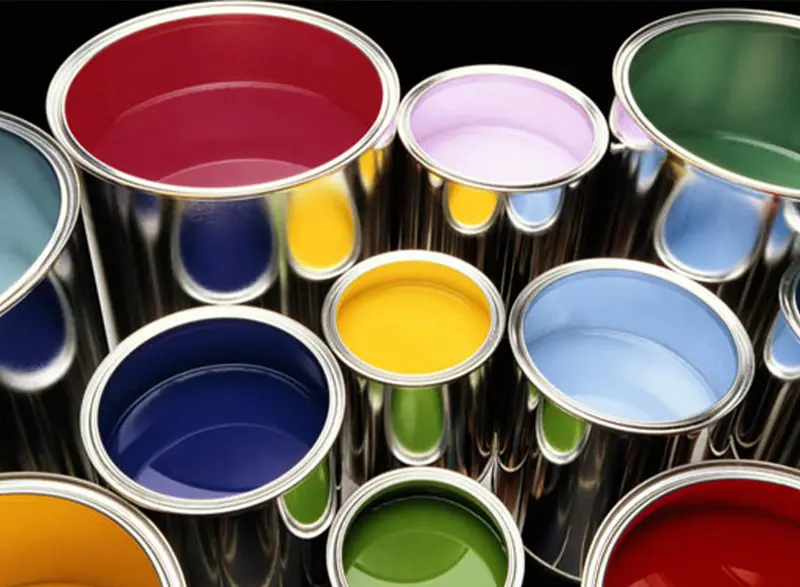
C9 and C5 hydrocarbon resins that improve tackiness, gloss, and durability in paints.
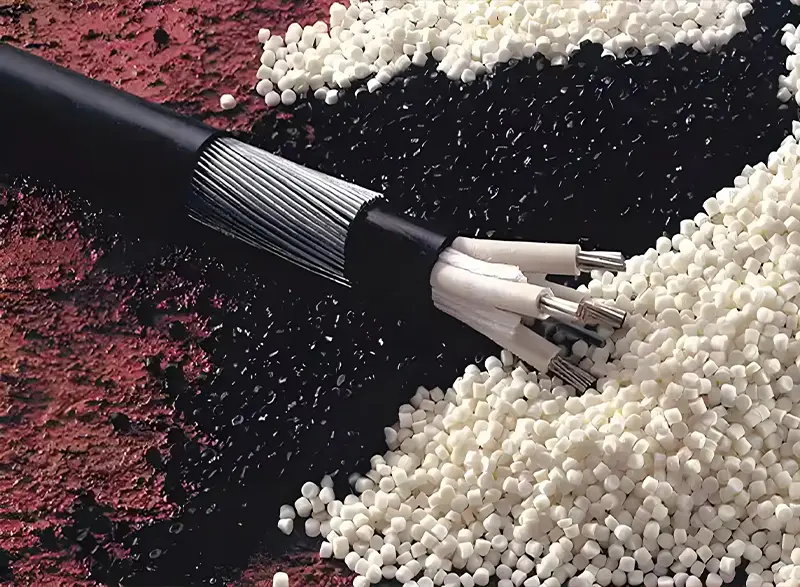
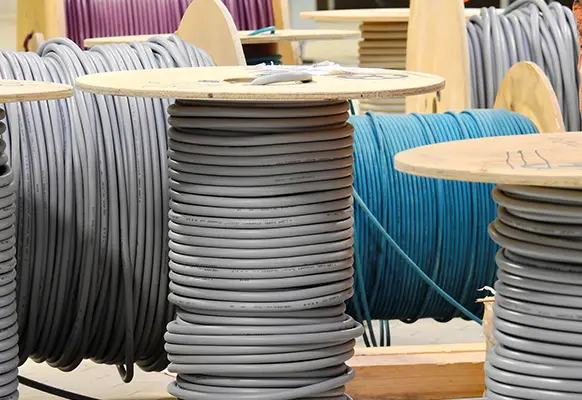
Vinyl silanes for XLPE power cables and structural resins, improving electrical insulation.
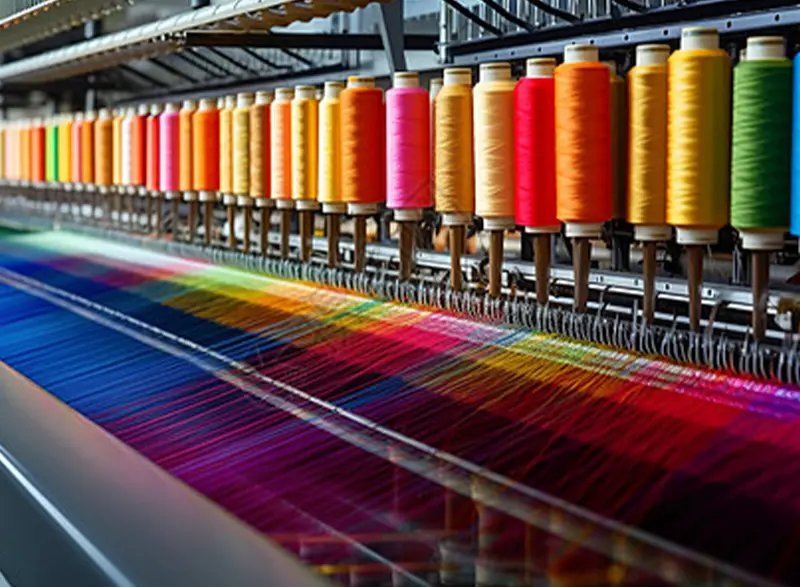
Softening agents and water-repellent siloxanes that improve fabric texture and durability.
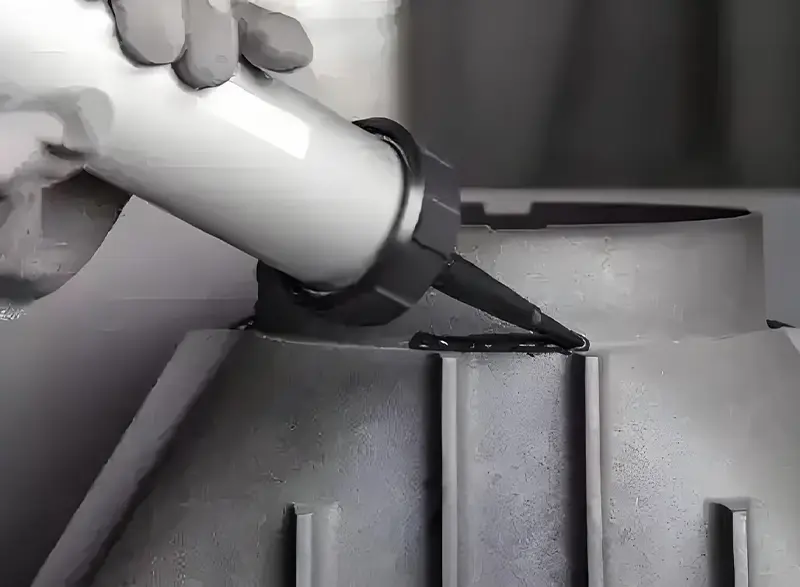
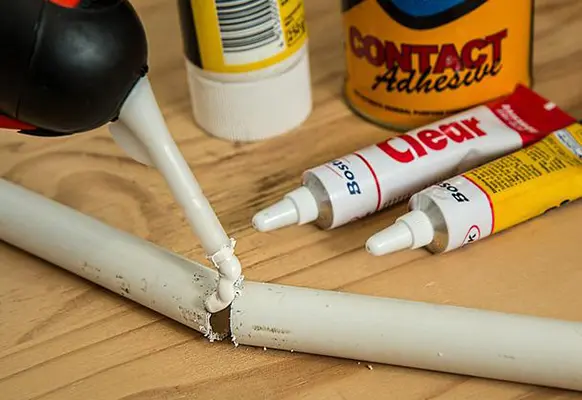
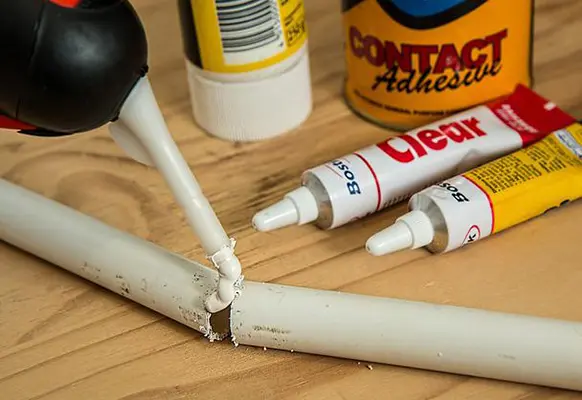
Organofunctional silanes that form high-strength bonds in industrial sealants and glues.
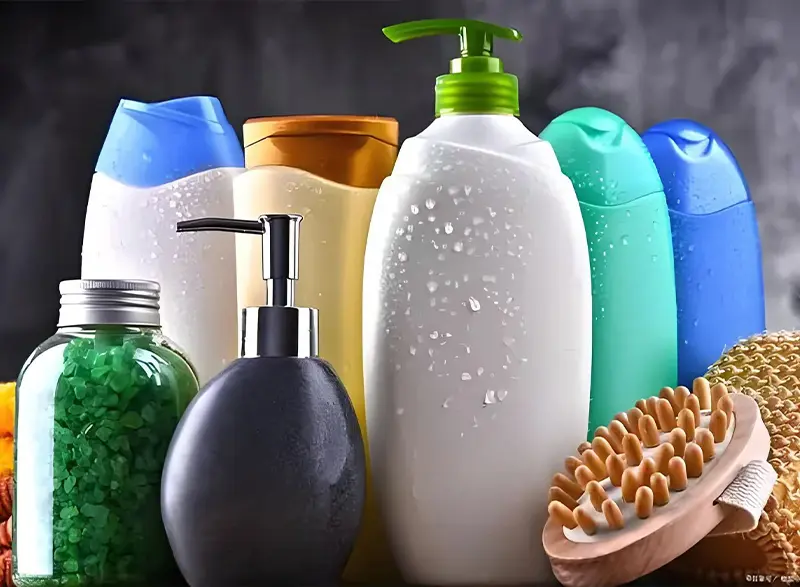
High-purity dimethicone, volatile siloxanes, and silicone emulsions for cosmetics.
Explore our target markets where silanes, resins, and silicone compounds deliver performance advantages.
How Shandong Boctok is expanding capacity and adapting to changing regulatory and environmental requirements.
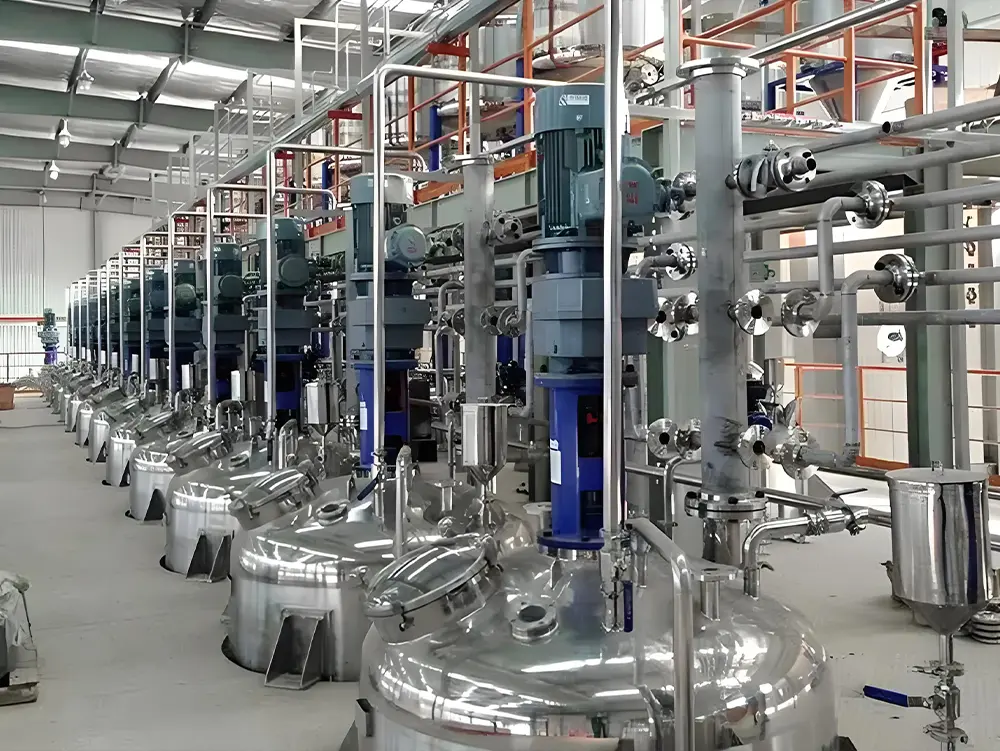
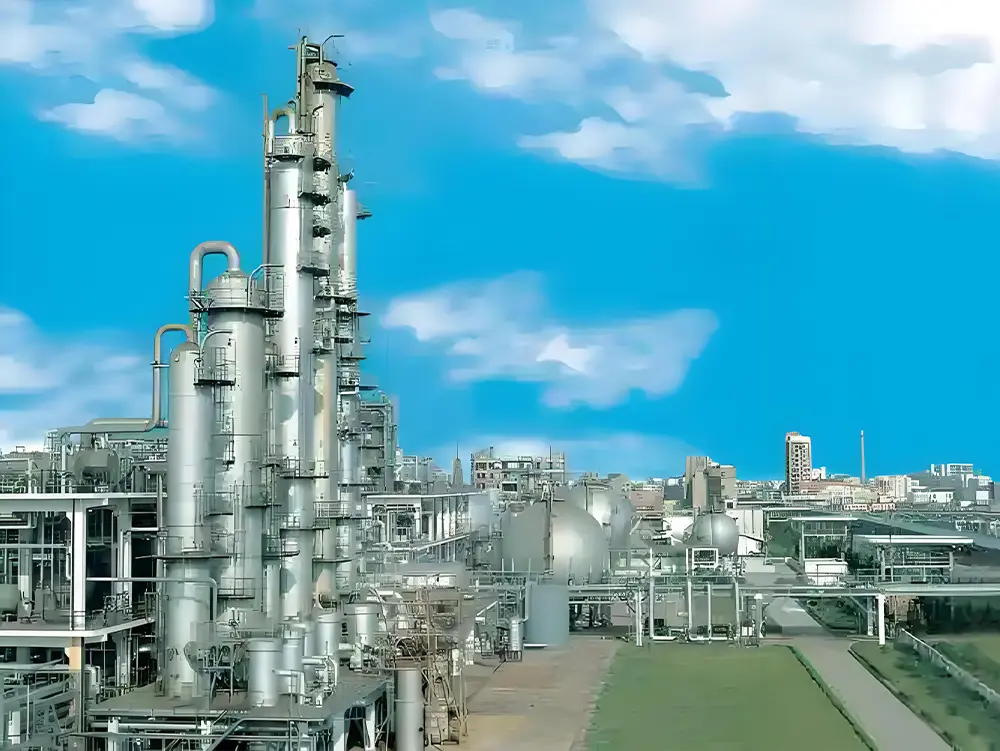
Shandong Boctok has invested US$65 million to build a new plant in Shouguang City's Bohai Industrial Park, a provincial chemical industry park. This facility expands our production capacity for silane coupling agents. It features 6 automated DCS production lines with an annual capacity of 30,000 tons of silane coupling agents, improving supply security for our global partners.
The new Shouguang facility uses remote control Distributed Control Systems (DCS) and Safety Instrumented Systems (SIS). These technologies manage temperature, pressure, and reaction kinetics in real time, helping to prevent deviations and ensure product quality across batches. The plant implements ISO9001 quality management systems throughout the production cycle.
Industrial organosilicon synthesis generates byproduct gases and wastewater. To address this, our new plant includes closed-loop waste gas collection and multi-stage chemical wastewater treatment systems. In addition, our research team is developing low-VOC and solvent-free silane systems, helping users in the automotive and construction sectors meet strict emission regulations.
Shandong Boctok distributes products across China and exports to North America, Europe, Japan, South Korea, Australia, South America, the Middle East, India, Southeast Asia, and Russia. We provide technical support tailored to each region's requirements.
Our integration of raw materials, automated manufacturing, and compliance support makes us a reliable partner for companies sourcing chemical intermediates.
Our sales of US$280 million in 2023 reflect our position as a stable supplier of organosilicon and resin products globally.
Frequently asked questions regarding silane selection, processing, and application optimization.
The selection depends on matching the reactivity of the organofunctional group (Y) on the silane with the functional groups of the polymer. For example, use aminosilanes (like CAS 3069-29-8) for epoxy, phenolic, and polyurethane resins. Use epoxy silanes (like CAS 2530-83-8) for epoxies and acrylics. Vinyl silanes (like CAS 1067-53-4) are best suited for polyolefins (such as polyethylene) and EPDM rubber. The goal is to establish covalent bonding or strong physical interpenetration between the polymer and the silane.
Typically, silanes are added at 0.5% to 2.0% based on the dry weight of the mineral filler. The optimal dosage depends on the filler's specific surface area and the density of hydroxyl groups on its surface. You can apply the silane via pre-treatment (pre-coating the filler in an aqueous or solvent carrier before compounding) or via in-situ addition (directly adding the silane to the resin-filler mixture during high-shear compounding). Pre-treatment usually provides more uniform surface coverage.
C5 and C9 hydrocarbon resins act as tackifiers in hot-melt and solvent-based adhesives. When combined with silane-modified polymers (such as MS polymers), the hydrocarbon resins provide initial tack, peel adhesion, and wetting properties, while the silane components provide long-term adhesive strength, crosslinking density, and moisture resistance. This synergy is widely used in automotive sealants and construction adhesives.
Silanes are highly sensitive to moisture because the alkoxy groups (-OCH3 or -OC2H5) readily hydrolyze to form silanol groups. Once formed, these silanol groups can self-condense into siloxane oligomers or polymers, which reduces the silane's effectiveness as a coupling agent. Containers should be kept tightly sealed and stored under dry nitrogen blankets in cool, well-ventilated warehouses. Exposure to atmospheric moisture during packaging or transfer should be minimized.
We manage supply chain risks by maintaining production capacity at our Shouguang plant and holding strategic raw material reserves. In addition, we coordinate production across our Zibo, Fushun, and Nanjing resin facilities, which helps buffer against localized market shocks. For long-term contract clients, we offer structured pricing agreements and dedicated warehousing to ensure consistent supply and stable pricing throughout the contract period.
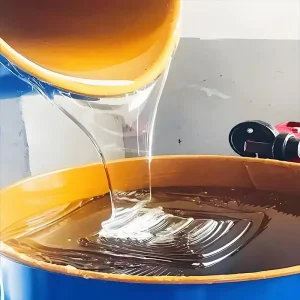
Specialized compounds and silane coupling products for industrial adhesive, coating, and agricultural applications.
 Boctok Chemical