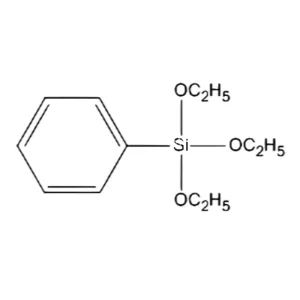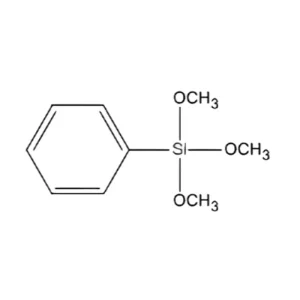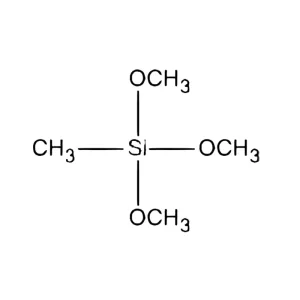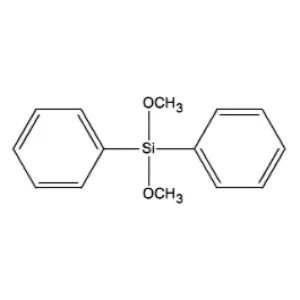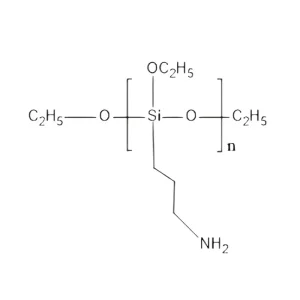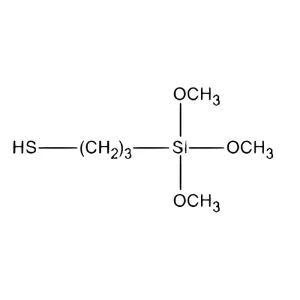
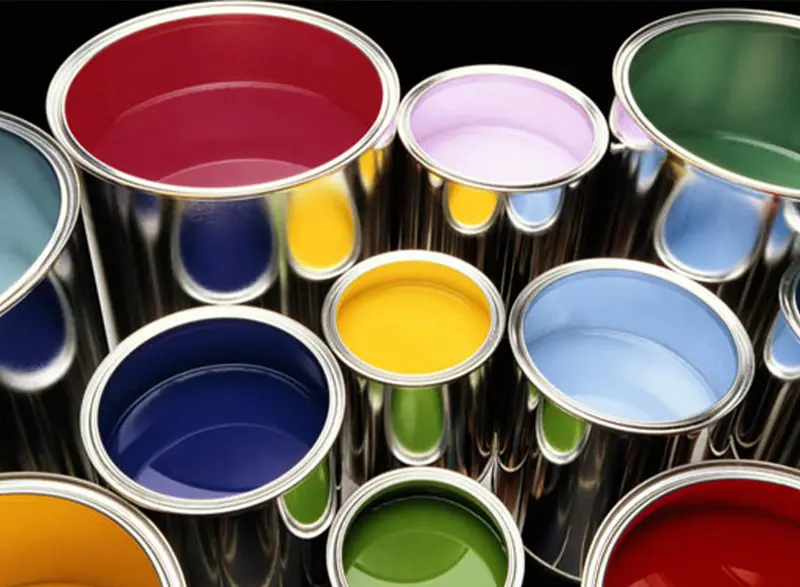
Phenylsilane molecules represent a cornerstone of modern organosilicon engineering. By introducing a rigid phenyl group ($C_6H_5-$) to the silicon backbone, these silane compounds exhibit remarkable improvements in thermal stability, oxidative resistance, hydrophobic performance, and refractive indices compared to their aliphatic counterparts. As a result, the demand for phenylsilane, diphenyldimethoxysilane, phenyltrimethoxysilane, and phenyltriethoxysilane has skyrocketed within elite sectors including aerospace engineering, advanced electronics, optical display technology, and heavy-duty industrial coatings.
Strategic Shift in Polymer Applications: Globally, industrial enterprises are transitioning from standard methyl-silicon monomers to premium phenyl-silicon structures. Standard dimethyl-silicone rubbers and fluids decompose rapidly above 200°C. Phenyl-modified silanes can withstand operational ranges exceeding 300°C while maintaining critical flexible mechanical traits. This makes them indispensable in next-generation engines, thermal barriers, and semiconductor encapsulation.
In terms of market economics, North America, the European Union, and the Asia-Pacific region are the primary hubs of consumption. However, the manufacturing landscape is heavily concentrated. Phenylsilane production requires complex synthesis pathways, including Grignard reagents and hazardous hydrosilylation procedures under elevated pressure. Consequently, key procurement directors increasingly look to established, technologically mature chemical factories in China that combine vast upstream raw material chains with strict international process controls.
Shandong Boctok Chemical Co. stands at the forefront of China's advanced chemical manufacturing base. The efficiency of China's chemical factories is not merely defined by lower labor costs; it is driven by comprehensive industrial clustering, integrated raw material channels, and heavily automated facility structures.
Boctok recently invested US$65 million to construct a state-of-the-art manufacturing plant in Shouguang City's provincial Bohai Industrial Park, Shandong Province. This complex contains 6 fully automated DCS (Distributed Control System) production lines with an annual output capacity of 30,000 tons of silane coupling agents. By integrating advanced process automation, Boctok guarantees optimal energy metrics and minimized byproduct wastage.
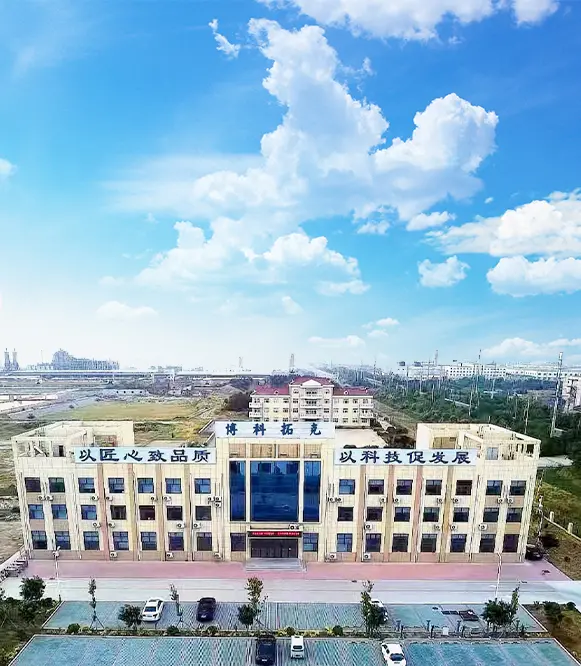
We enforce strict ISO9001 quality management guidelines across all production lines. Each batch is subjected to comprehensive NMR, GC-MS, and Karl Fischer moisture titration tests to verify chemical integrity.
With an annual output of 30,000 tons of high-grade silane agents and strategic investments in 3 major petroleum resin plants across Fushun, Zibo, and Nanjing, we satisfy large industrial requests without disruption.
Our dedicated technical sales engineers work closely with global buyers to offer custom packaging, optimized formulations, and rapid-response logistical support across multiple continents.
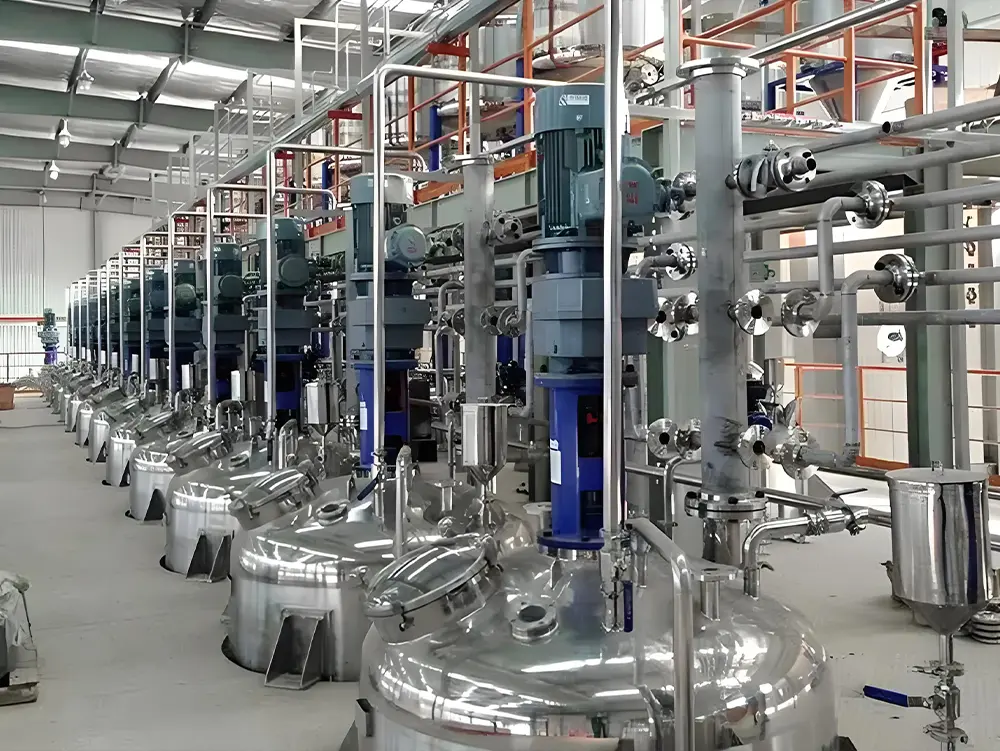


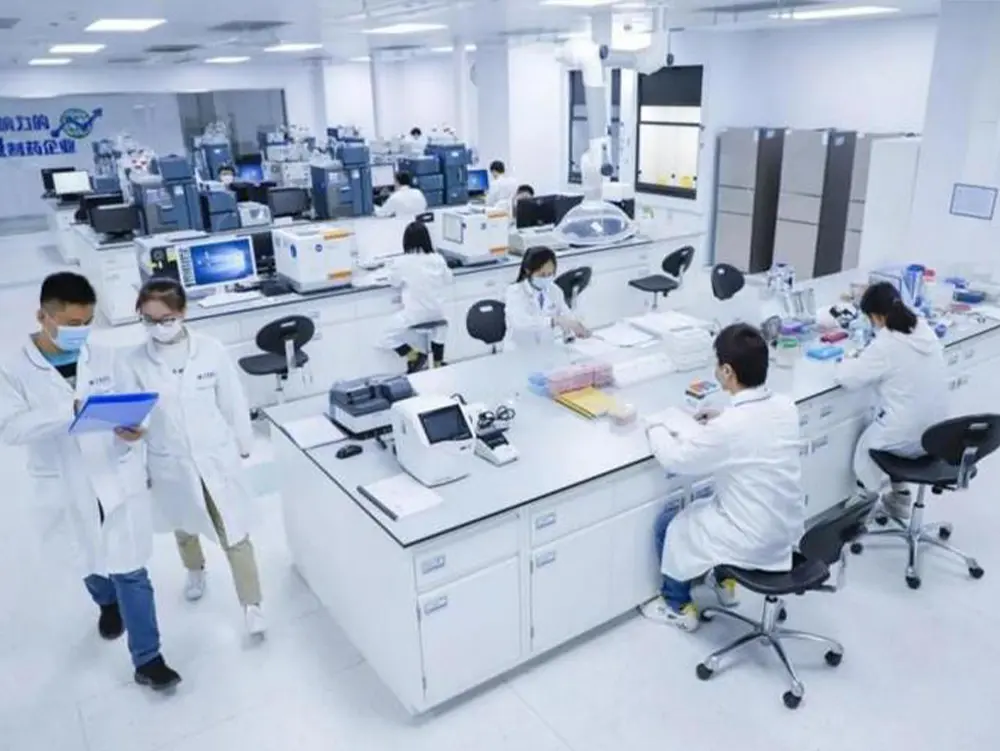
Phenylsilane molecules play a critical role at the interface between organic matrices and inorganic surfaces. The unique steric hindrance and electron delocalization of the phenyl ring modify the properties of composites. Let us explore the primary applications where these chemical agents are utilized:
| Derivative Compound | Primary Industrial Sector | Mechanism & Action | Performance Enhancement |
|---|---|---|---|
| Phenyltrimethoxysilane (CAS 2996-92-1) | Semiconductor Packaging & Electronics | Acts as an adhesion promoter in high-temperature silica-filled epoxy compounds. | Reduces moisture absorption and prevents micro-delamination under thermal cycling. |
| Diphenyldimethoxysilane (CAS 6843-66-9) | Catalyst Manufacture & Silicone Polymers | Functions as a donor agent in Ziegler-Natta polymerization. | Increases the stereospecificity and mechanical strength of polypropylene resins. |
| Phenyltriethoxysilane (CAS 780-69-8) | Architectural Coatings & Stonework | Undergoes slow, controlled hydrolysis to form a highly crosslinked siloxane network. | Creates a hydrophobic, UV-resistant shield on masonry, stone, and architectural structures. |
| Phenylmethylsilicone Oil (CAS 63148-58-3) | Cosmetics & Lubricants | Imparts high refractive index and shear stability. | Improves gloss in hair care formulations and extends service limits of industrial greases. |
Beyond traditional markets, the wind energy sector has adopted phenylsilane-modified glass fibers to fabricate turbine blades. These blades must withstand continuous mechanical loading and environmental degradation. The inclusion of phenylsilane coupling agents ensures that the organic epoxy matrices bond seamlessly to the glass fibers, protecting the interface against moisture ingress and crack propagation.
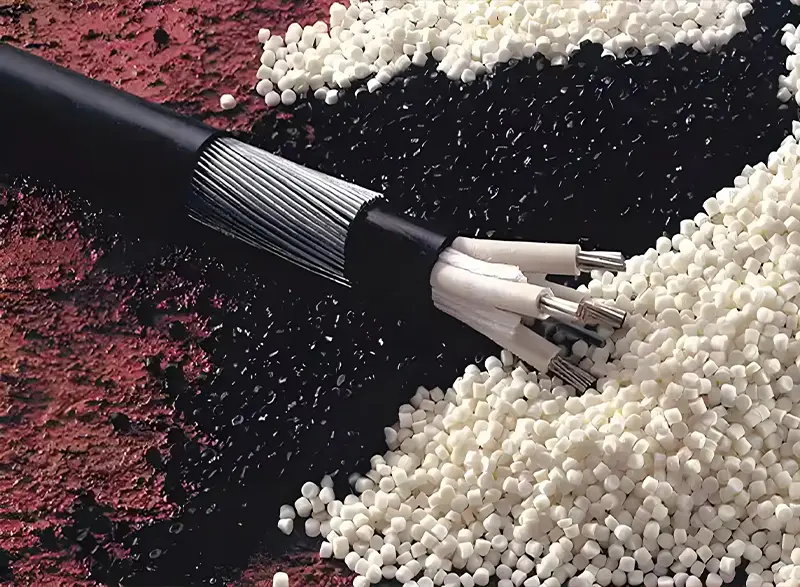
In the automotive and cable sectors, crosslinked polyethylene (XLPE) power lines rely on silane crosslinkers to maintain structural integrity under high electrical and thermal loads. The addition of phenyl-functionalized crosslinkers increases the voltage breakdown threshold and prevents dielectric degradation over decades of service.
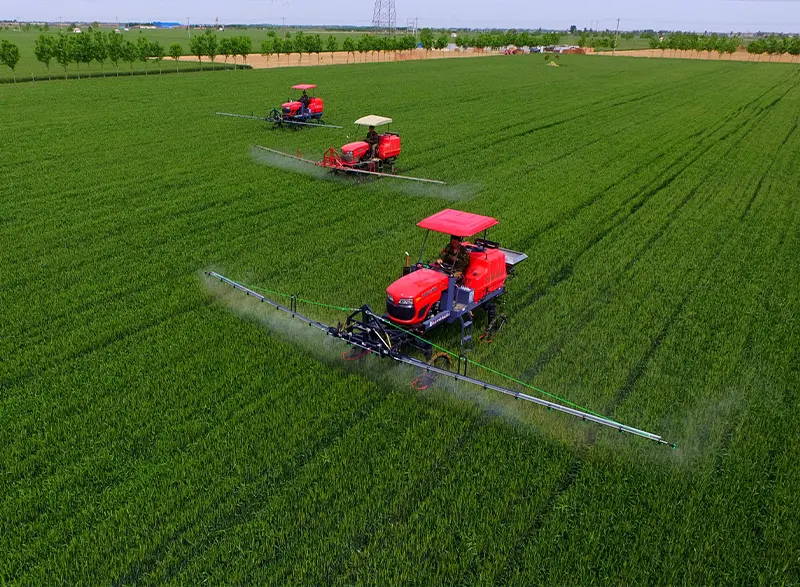








The global phenylsilane industry is adapting to new environmental frameworks and safety guidelines. Traditional silane synthesis frequently utilized halogenated pathways, which produced acidic byproducts like hydrochloric acid. Modern research prioritizes direct synthesis routes that utilize catalytic systems to combine silicon metal with benzene derivatives, reducing hazardous effluents.
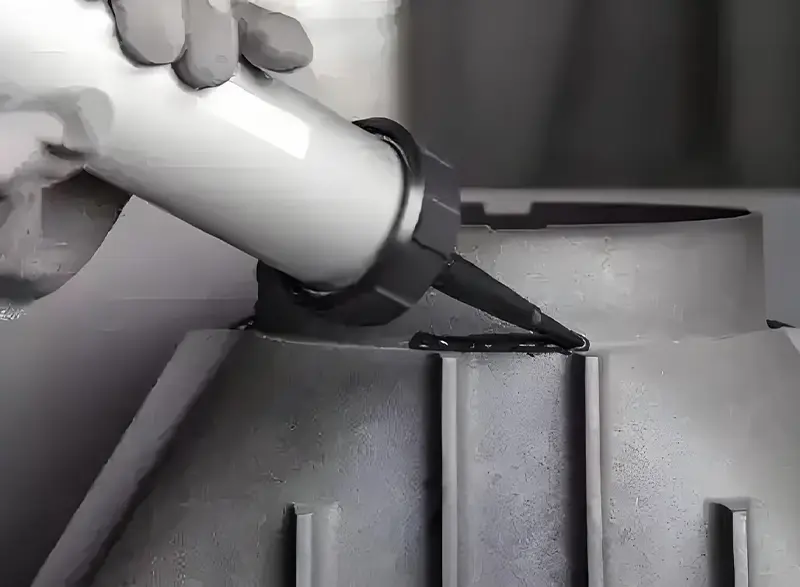
Additionally, the rapid expansion of the Electric Vehicle (EV) industry has created a surge in demand for materials that manage high-voltage environments. Phenylsilane derivatives are increasingly utilized to modify silicone-based thermal interface pads and potting gels. Because these resins display high dielectric strength and retain elasticity up to 250°C, they prevent thermal runaway inside high-energy density EV battery packs.
Green chemistry principles are also influencing the design of silane coupling agents. Environmental regulations targeting volatile organic compounds (VOCs) are pushing manufacturers to develop water-borne silane oligomers. By pre-hydrolyzing the phenylsilanes in controlled chemical reactors, manufacturers like Boctok can supply aqueous formulations that release negligible ethanol or methanol during curing, helping end-users meet strict local environmental requirements.
Procuring specialty phenylsilanes on an industrial scale requires attention to purity, stabilization, and logistics. Because alkoxy silanes are sensitive to moisture and undergo self-condensation when exposed to air, packaging integrity is critical.
Standard Packaging Formats: To preserve chemical reactivity, Boctok exports phenylsilanes in sealed, nitrogen-flushed steel drums (200kg net weight) or specialized 1,000kg IBC containers. Moisture barriers are checked prior to shipping to ensure raw materials arrive at target manufacturing plants ready for immediate compounding.
From a regulatory perspective, buyers from regions like the EU or North America require full compliance certification, including REACH registration, detailed GHS Safety Data Sheets (SDS), and complete Certificates of Analysis (COA) for each shipping lot. Chemical plants in China must maintain stable logistics channels to avoid downtime at customer sites. Boctok maintains logistics centers near major shipping ports to ensure efficient delivery schedules to North America, Europe, South America, India, and the Middle East.
Shandong Boctok Chemical Co. was founded in 2012 as the marketing, sales, and logistics center for domestic and international business. In 2023, the organization reached a sales revenue of US$280 million. The BOCTOK brand is a trusted supplier in global markets, with a strong focus on serving the Russian market.
Boctok's chemical operations are organized into three primary divisions:
By maintaining this diversified portfolio, Boctok provides consistent product quality and reliable supply chains to industries globally.
 Boctok Chemical