China Organic Silane Company & Product

Global Industrial Intelligence • Advanced Molecular Coupling • E-E-A-T Certified Chemical Value Chain

Global Organic Silane Commercial Landscape

Synthesizing macro-trends: From advanced chemical precursors to high-value industrial integrations.
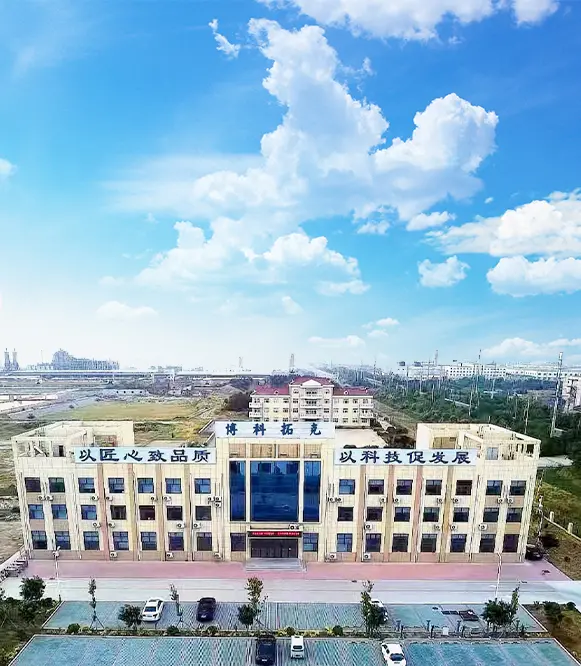
$280M
Sales Revenue (2023)
30,000T
Annual Shouguang Output
12+
Silane Series Developed
6 Lines
DCS Automated Production
Organic silanes act as essential molecular bridges linking inorganic materials (like glass fiber, minerals, and metals) with organic polymers. In the current global industrial paradigm, the demand for high-performance organosilicon coupling agents and crosslinkers has escalated significantly. This growth is driven by the rapid expansion of structural composites, microelectronics, wind power installations, and next-generation automotive engineering. Regions such as North America, the European Union, and East Asia maintain intensive consumption profiles, shifting focus towards high-purity, VOC-compliant silane structures.
As downstream regulations on environmental emissions tighten, chemical enterprises are adopting smarter molecular synthesis pathways. The global market is transitioning from commodity-grade silanes to highly specialized, multi-functional agents—such as epoxy, amino, and methacrylate monomers. This development enables superior bonding, enhanced weatherability, and prolonged durability in extreme environments.

China's Manufacturing Efficiency Edge

China has developed a comprehensive, highly integrated supply chain for organosilicon materials, spanning from raw silicon metal production to complex organofunctional silane synthesis. Factories in China benefit from massive upstream infrastructure, integrated logistics networks, and concentrated chemical industry parks. This spatial aggregation significantly reduces transportation delays, stabilizes energy inputs, and guarantees long-term supply consistency for high-volume purchasers.
At Boctok, this systemic efficiency translates directly into advanced capital deployment. By integrating state-of-the-art automation and advanced environmental systems, our production structures optimize raw material yield while mitigating operational risks. The result is a robust production framework capable of meeting large-scale global demands with exceptional precision and chemical stability.
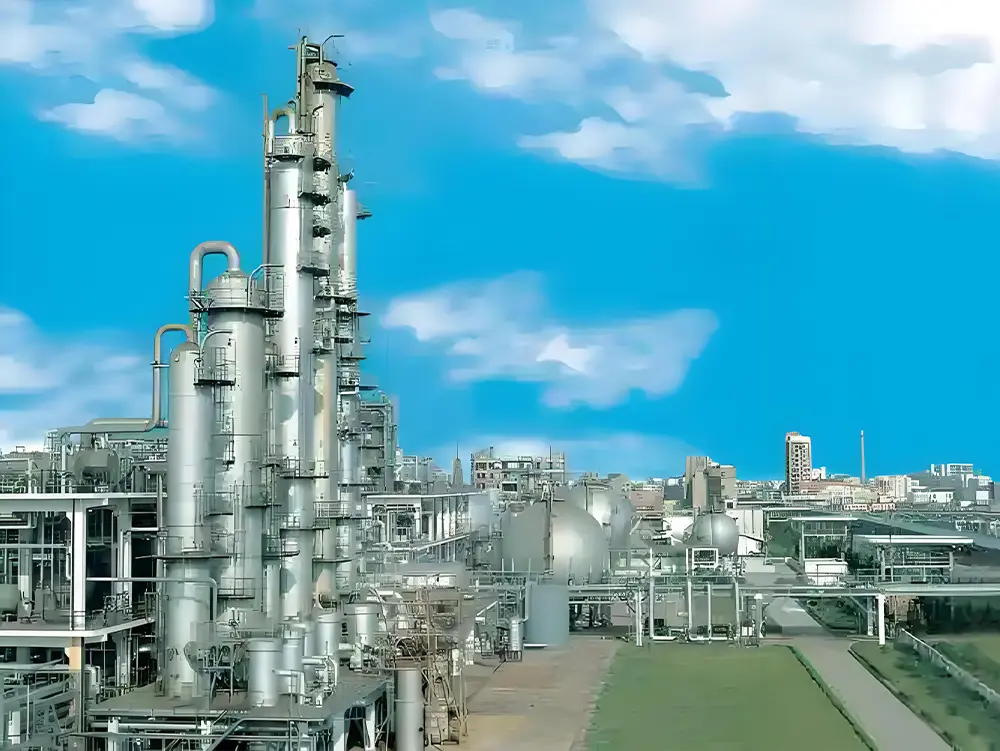
Boctok Industrial Silane Plant Infrastructure

About Shandong Boctok Chemical Co.

A premier chemical engineering enterprise driving advanced silicone solutions worldwide.
Founded in 2012 as a dedicated marketing and sales engine for both domestic and international enterprises, Shandong Boctok Chemical Co. has emerged as an industry leader, achieving record sales of US$280 million in 2023. Our brand specialize in servicing high-demand regions, particularly developing tailored, high-performance formulations optimized for the Russian market and surrounding economic territories.
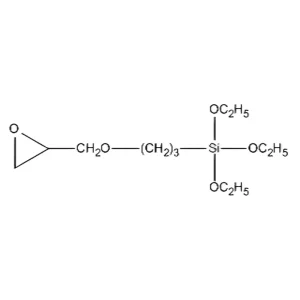
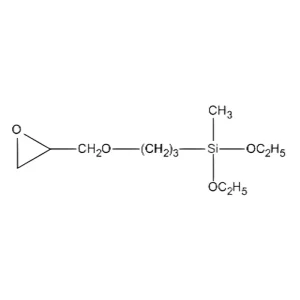
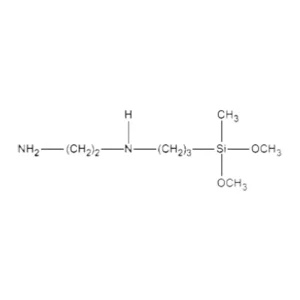
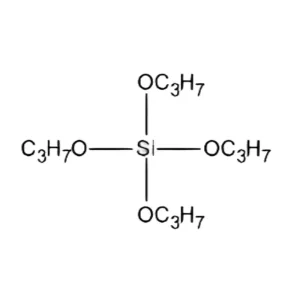
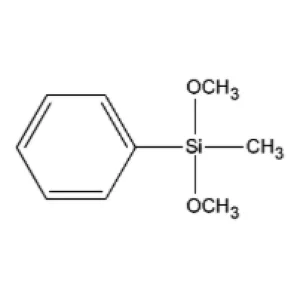
Boctok’s comprehensive chemical framework is divided into three primary divisions. Our core organosilicone business spans twelve sophisticated silane families: aminosilane, methacrylate silane, epoxy silane, vinyl silane, mercaptosilane, alkyl silane, ethyl silicate, chlorosilane, silane isocyanates, phenyl silane, ureidosilane, and serosilane. Additionally, our product portfolio includes premium silicon oils, specialized silicone resins, and room-temperature/high-temperature vulcanized rubbers. These materials serve key industrial applications, improving strength, weatherability, and processing dynamics for clients around the globe.

Advanced Manufacturing Capacity & Infrastructure

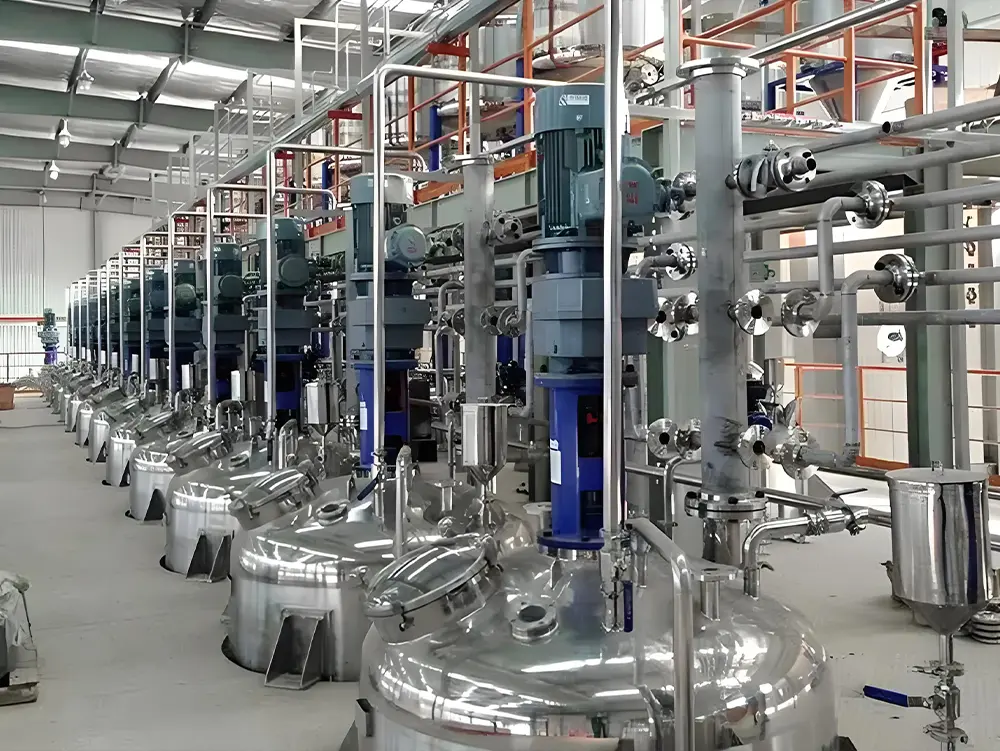
Boctok recently invested US$65 million to build a modern production plant in Shouguang Bohai Industrial Park, Shouguang City, Shandong Province. This facility features:

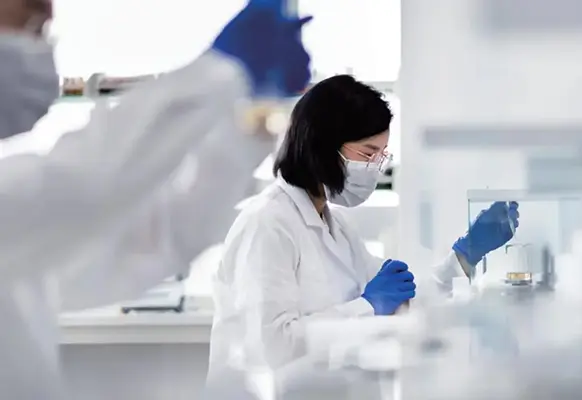
  • 6 fully automated DCS (Distributed Control System) production lines with an annual output of 30,000 tons.
  • Real-time automated safety instrument systems (SIS) and critical emergency mitigation protocols.
  • Comprehensive adherence to ISO9001 quality management guidelines throughout the synthesis lifecycle.

Environmental Stewardship & Governance

We believe chemical manufacturing must grow hand-in-hand with ecological responsibility. Boctok has constructed specialized environmental treatment facilities, including:

  • Advanced waste gas collection thermal destruction loops (RTO systems) to eliminate volatile organic emissions.
  • Closed-loop wastewater purification and reuse units preventing environmental chemical runoff.
  • Continuous emission monitoring systems reporting directly to ecological regulatory departments.

Our Operational Advantages

Why leading global enterprises partner with Shandong Boctok Chemical.

Quality Icon

Quality Assurance

Every single batch of organic silane undergoes extensive GC-MS testing and validation to meet strict global standards.

Capacity Icon

Production Capacity

With 30,000 tons of capacity, we handle large volume orders and custom modifications with short turnaround times.

Service Icon

Customer Service

Our dedicated chemical engineers provide technical support online 24 hours a day to address all application queries.

Delivery Icon

Fast Delivery System

An optimized logistics system ensures fast order processing and timely delivery to customers.

Secondary Core Portfolios

Expanding performance properties through specialized hydrocarbon resins and advanced agricultural chemical formulations.
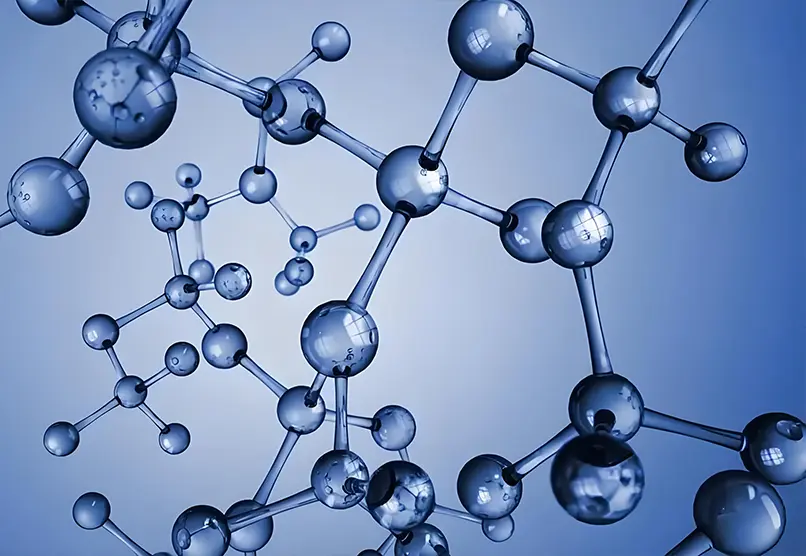
Chemical Material & Resins

Hydrocarbon & Petroleum Resins

Boctok has invested in a key hydrocarbon resin manufacturer in China, operating three production sites in Zibo, Fushun, and Nanjing. Drawing on reliable, high-grade feedstocks from SINOPEC and PetroChina, our advanced plants synthesize C9 hydrogenated resins, C5 hydrocarbon resins, C5/C9 co-polymers, and DCPD. These materials serve as critical components for adhesive manufacturers, coating formulators, and rubber compounding operations worldwide.

Agrochemical Manufacturing

Agrochemical Intermediates

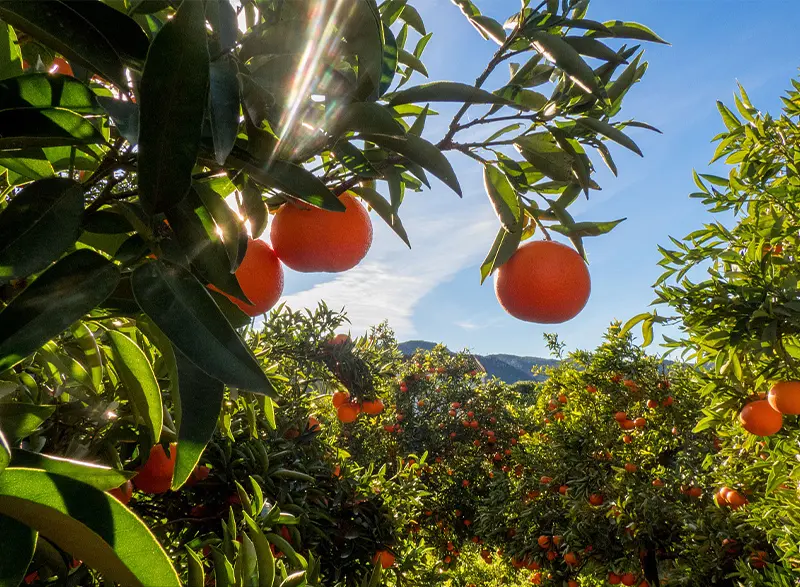
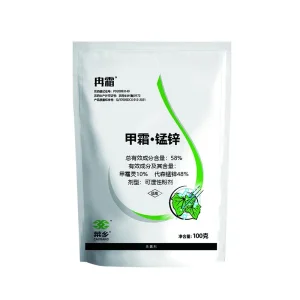
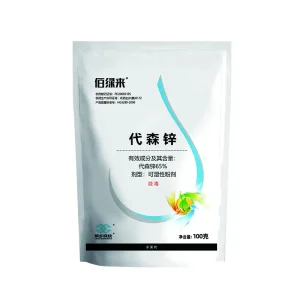
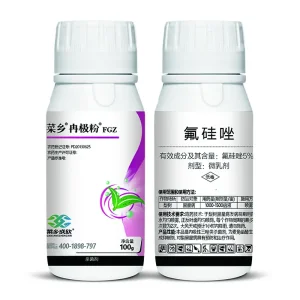
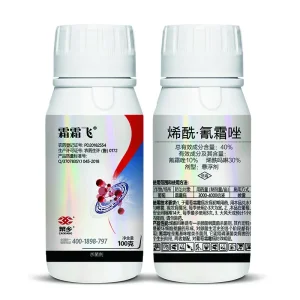
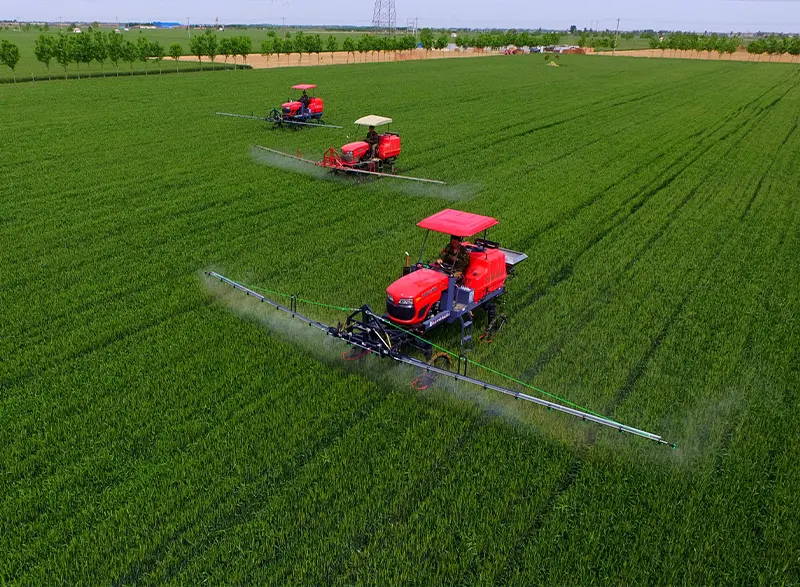
Boctok supports global agricultural output by producing high-purity intermediates and active ingredients. Our portfolio includes raw materials for key herbicides, fungicides, insecticides, seed treatments, and plant growth regulators. Built on strict synthesis control and precise purity profiles, our crop-protection chemical precursors deliver consistent field performance.

Target Industry Applications

Delivering high-purity organosilicon and resin products optimized for key global sectors.
Pesticides - Fertilizers
Pesticides - Fruits
Pesticides - Melons & Fruits
Pesticides - Flora
Pesticides - Flora
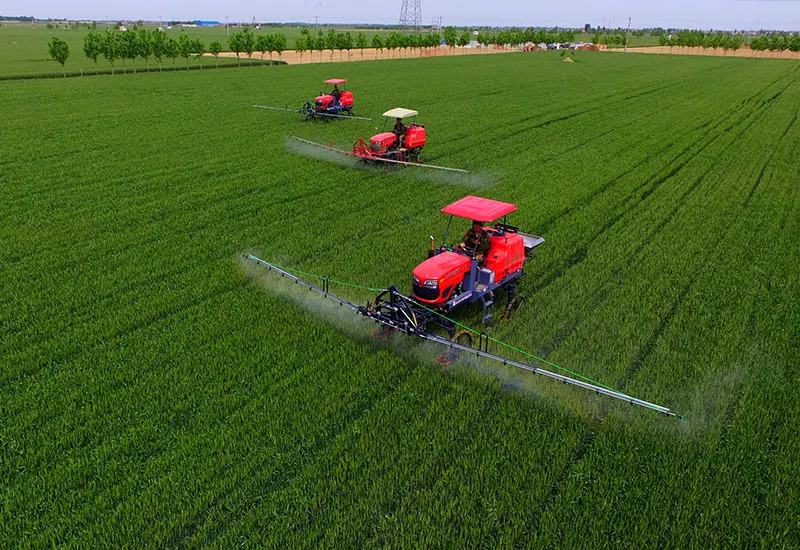
Pesticides - Crops
Pesticides - Crops
Pesticides - Vegetables
Petroleum resins - coatings
Petroleum Resins - Coatings
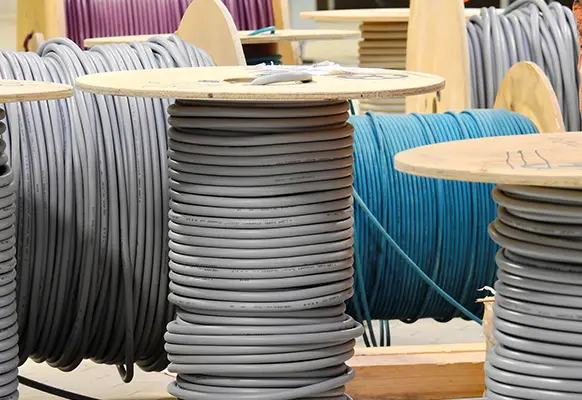
Silicones - cable materials
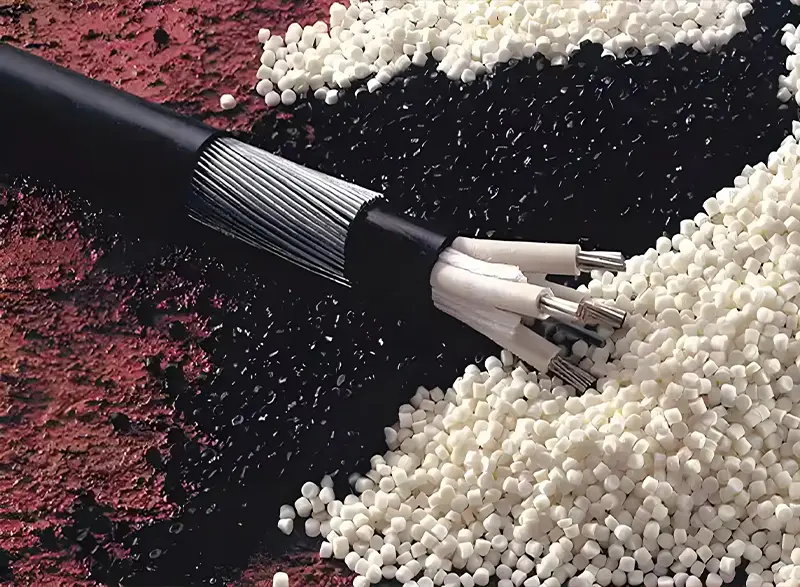
Silicones - Cables & Castings
Silicone textiles
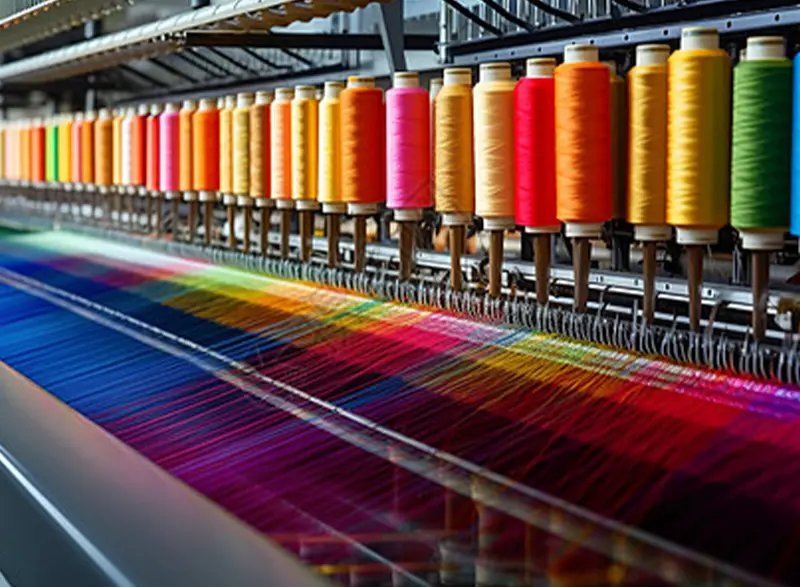
Silicone Textiles
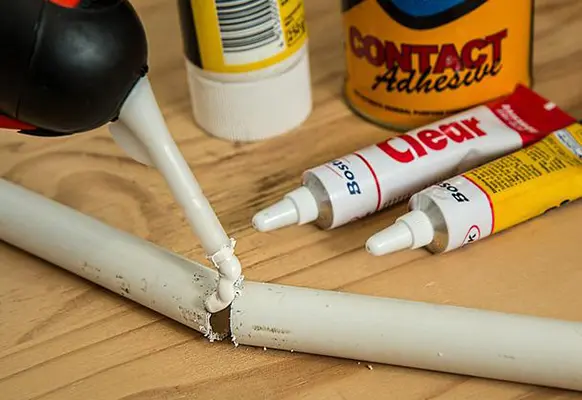
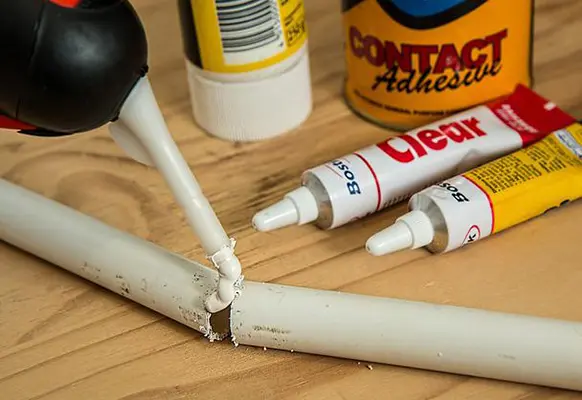
Silicone adhesives
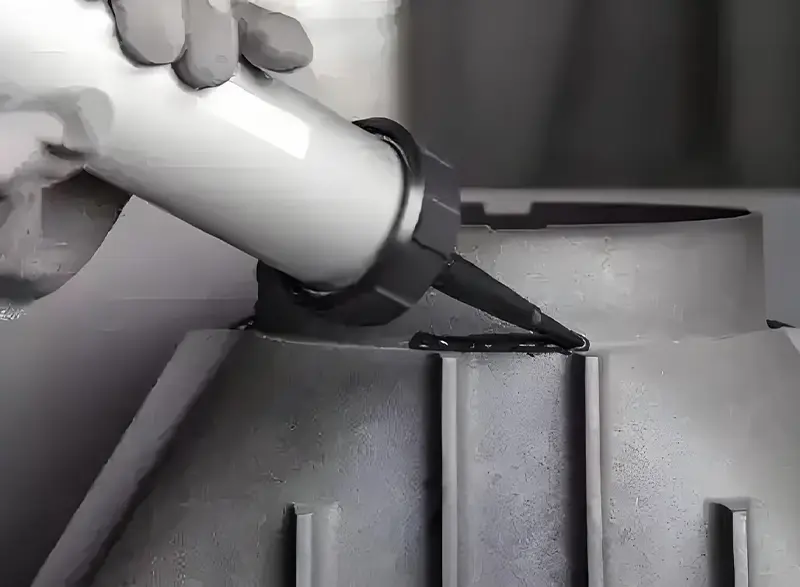
Silicone Adhesives
Organic silicone daily chemical
Silicone - Daily Chemicals

Industrial Application Profiles

High-purity organic silanes and associated performance resins engineered for targeted industries.


Pharmaceutical and Pesticide Industry
Pharmaceuticals & Pesticides
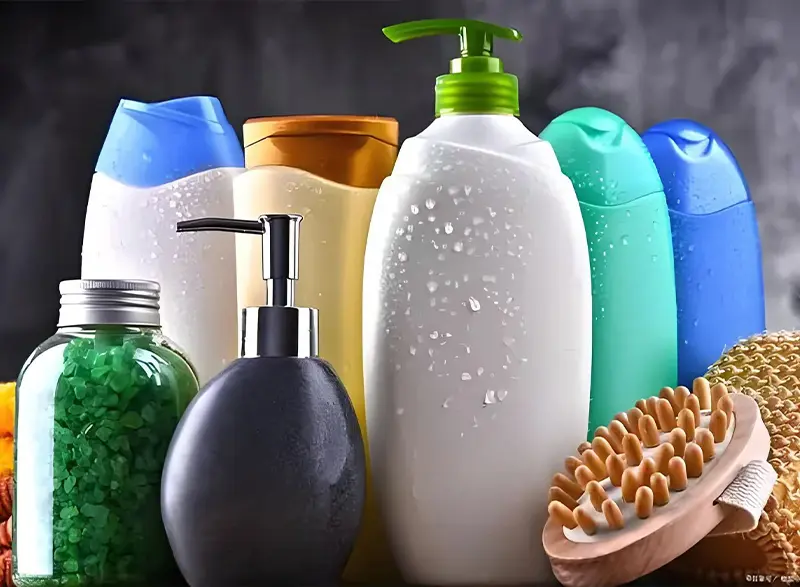
Cosmetics and Personal Care
Cosmetics & Personal Care
Industrial Adhesives
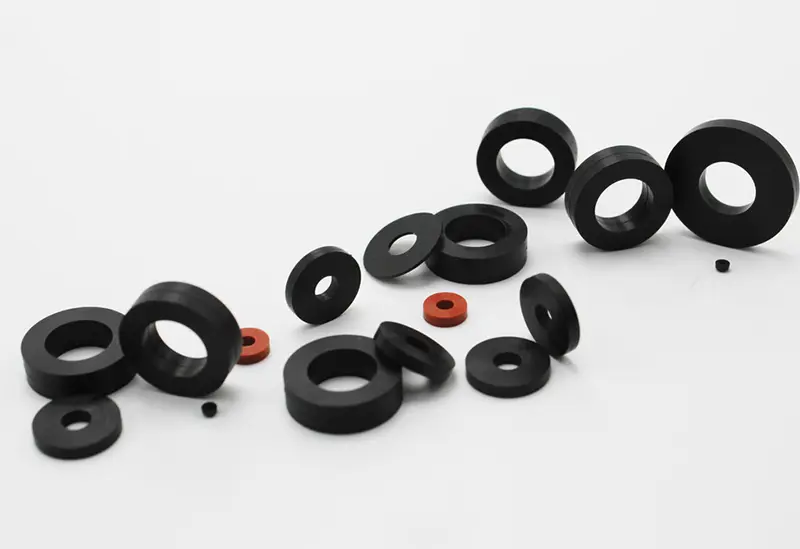
Rubber Industry
Rubber Industry
Paints and Coatings
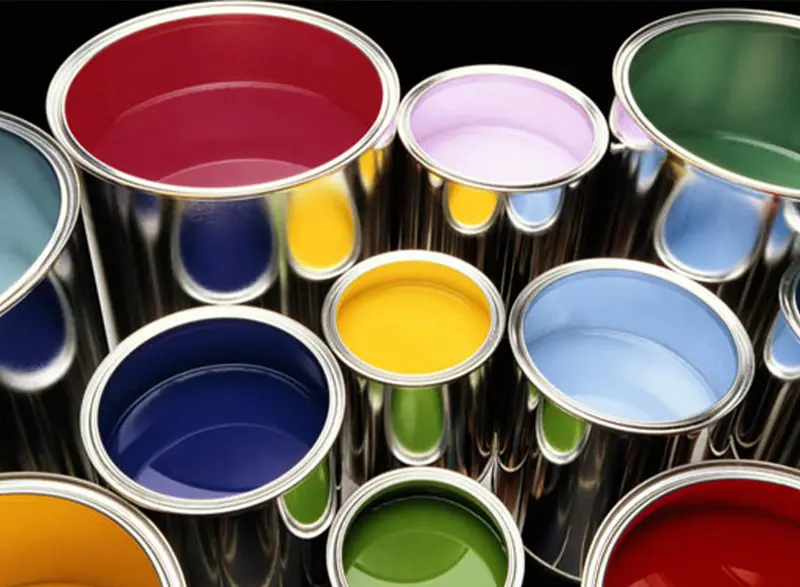
Paints & Coatings
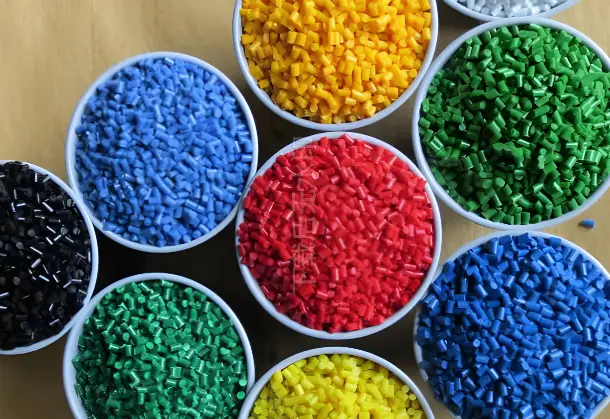
Plastics Industry
Plastics Industry
Pesticides
Pesticides
Self-lubricating LSR
Antifoaming Agent
Antifoaming Agent
Drywall
Drywall Systems

Advanced Silicone & Polymer Applications

Extending structural stability, thermal resistance, and chemical protection in critical domains.
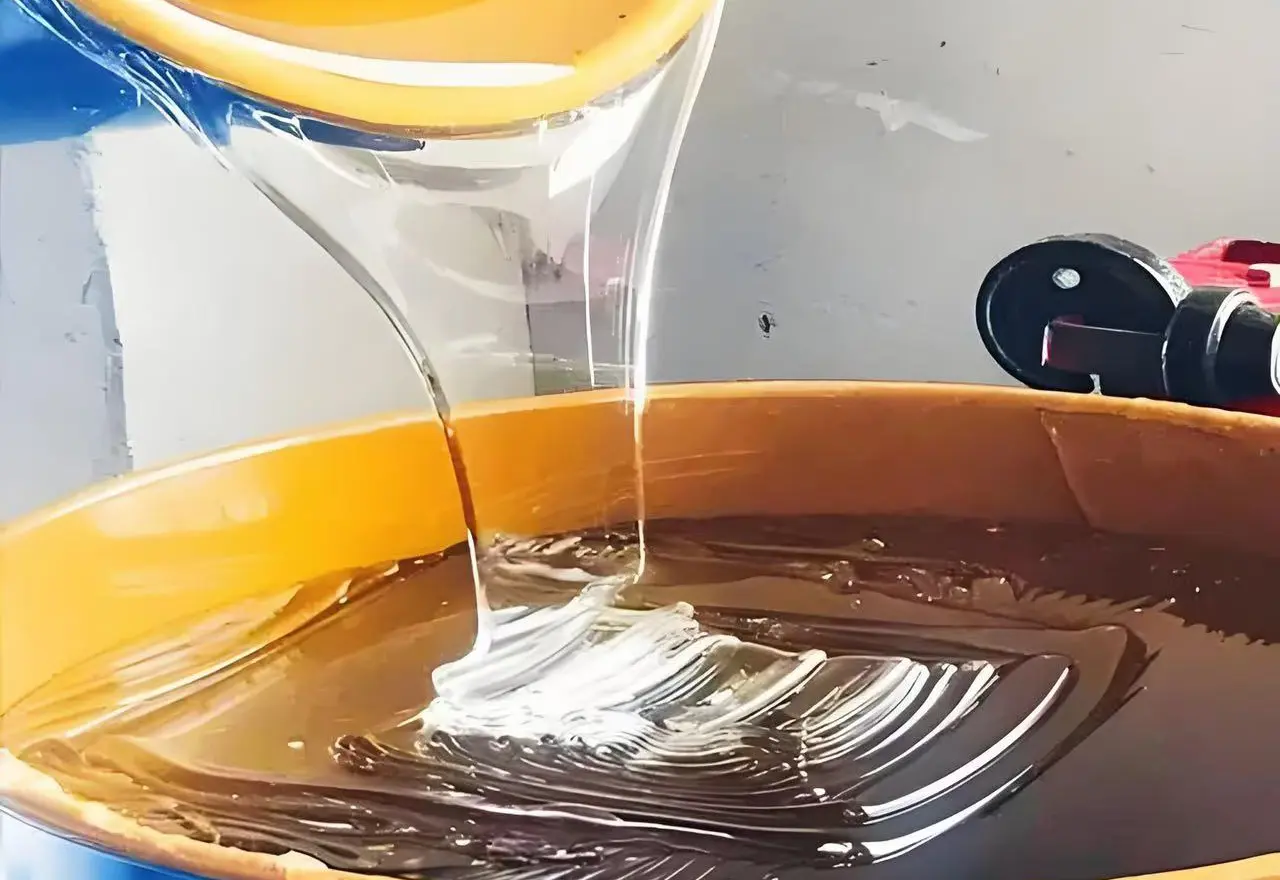

Cosmetics and Personal Care Products
Cosmetics & Personal Care
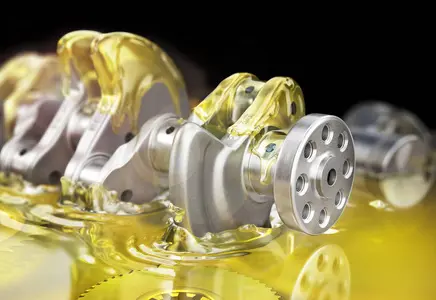
Silicone Liquids
Silicone Fluids
Automotive Marine Aviation
Automotive, Marine & Aviation
Forms
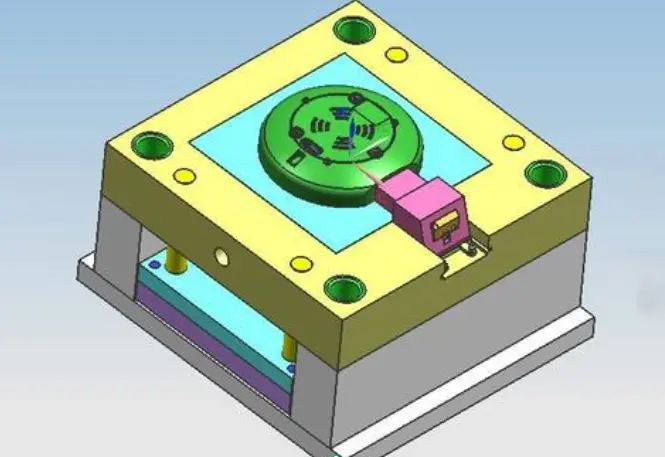
Molding & Casting Forms
Electronics Industry
Construction Industry
Construction Adhesives and Sealants
Adhesives & Sealants
Paint and Varnish Coatings
Paints & Protective Varnish
Metal Surface Treatment
Wire and Cable
Wire & Cable Coating

Advanced Processing & Engineering Support

Optimizing manufacturing workflows with high-purity organosilicon additives.
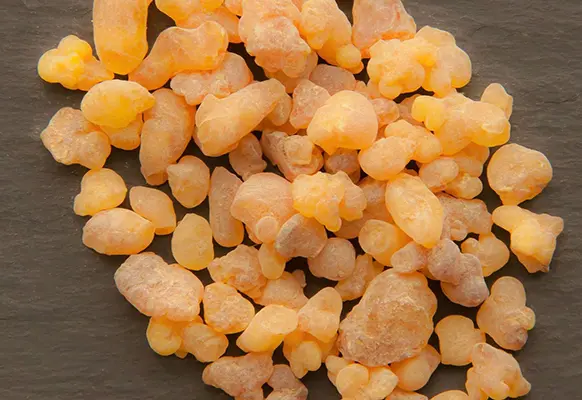
Synthesis and Casting of Resins
Synthesis & Resin Casting
Construction Materials Processing
Materials Processing
Wind Turbine Manufacturing
Biomedical
Biomedical Engineering
Textile
Textiles & Fibers
Processing of Minerals and Fillers
Mineral & Filler Processing
Micro- and Trapezoidal Polymers
Advanced Polymers
Plastics (Silicon)
Plastics (Silicone Modified)
Adhesives
Structural Adhesives
Paints (Silicone)
Silicone Paints

Technological Trends & Global Sourcing Metrics

Deep chemistry analysis: The evolution of silane coupling mechanisms and modern quality standard controls.

The fundamental chemistry of organosilicon coupling agents relies on their dual-reactivity profile, represented by the general molecular structure: Y-R-Si(OR')₃. Here, Y represents an organofunctional group (such as amino, epoxy, vinyl, or mercapto) that bonds with organic polymers, while OR' represents hydrolyzable alkoxy groups (such as methoxy or ethoxy) that bond with inorganic mineral surfaces. This unique molecular architecture creates a highly durable chemical bridge across the interface, improving structural strength, thermal stability, and water resistance in the final composite material.

Evolving Industrial Sourcing Trends

Modern manufacturing sectors require organic silanes with low environmental impact and high processing efficiency. Key sourcing trends include:

  • Low-VOC Systems: Transitioning from methoxy-based silanes (which release methanol during hydrolysis) to ethoxy-based or water-borne silanes to minimize volatile organic compound emissions.
  • High-Purity Electronic Grade Silanes: Eliminating trace metals and halogen residues for semiconductor packaging, epoxy molding compounds, and display coatings.
  • Bio-Compatible Precursors: Developing specialized silane coupling agents for dental composites, medical implants, and personal care formulations.

Mitigating Supply Chain Risk

Industrial chemical buyers face challenges such as shifting environmental regulations, maritime delays, and fluctuating raw material costs. To address these issues, Boctok provides:

  • SMC-Based Integration: Direct upstream links to core silicon metal producers in China to stabilize material costs.
  • DCS Automated Production: Using computerized process controls to ensure consistent batch quality and minimize production variance.
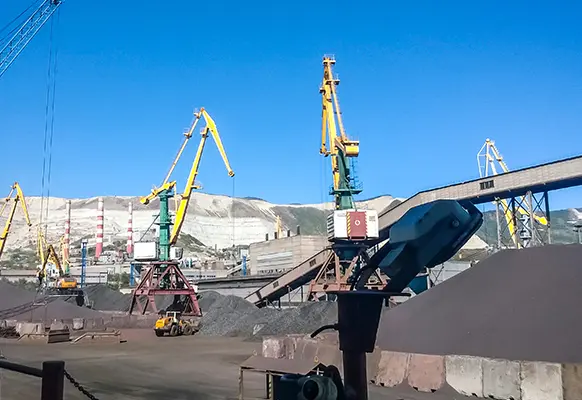
  • Strategic Port Access: Centrally managed warehousing near major ports in Shandong to streamline international shipping.

Technical Q&A / Industrial FAQ

Expert chemical insights into organic silanes, industrial integration, and quality standards.

1. What is the main chemical function of silane coupling agents?
Silane coupling agents act as molecular bridges between inorganic substrates (such as silica, glass, and metals) and organic polymer matrices. During hydrolysis, the alkoxy groups (e.g., methoxy, ethoxy) convert to silanol groups, which form covalent siloxane bonds (Si-O-Si) with the inorganic surface. Meanwhile, the organofunctional group reacts with the resin matrix, creating a strong interface bond that enhances mechanical strength and moisture resistance.
2. How does Hydroxylic Silicone Oil (Silanol Silicone Polymer) differ from standard silicone fluids?
Hydroxylic Silicone Oil (CAS 70131-67-8) features reactive hydroxyl groups (-OH) at the terminal ends of the polydimethylsiloxane chain. This allows it to crosslink with other silanes or polymers at room temperature (RTV systems), making it ideal for formulating high-performance construction sealants, elastic coatings, and release finishes. Standard dimethicone fluids are non-reactive and primarily used as lubricants or defoamers.
3. Why is the DCS and SIS system integration at Boctok’s Shouguang plant important for quality?
DCS (Distributed Control System) provides real-time, automated monitoring of reaction parameters like temperature, pressure, and raw material feed rates. This ensures batch-to-batch consistency and high chemical purity. The SIS (Safety Instrumented System) acts as an independent safety layer, monitoring for process deviations and automatically taking protective action to maintain safe, stable plant operations.
4. What advantages do C5 and C9 petroleum resins offer in hot-melt adhesives?
C5 and C9 hydrocarbon resins act as tackifiers in hot-melt adhesive formulations. C5 resins are aliphatic and exhibit compatibility with non-polar polymers like SIS and natural rubber. C9 resins, being aromatic, offer compatibility with polar polymers like EVA and polyurethane. By blending these resins, formulators can precisely adjust the glass transition temperature (Tg), melt viscosity, and open time of the adhesive.
5. Which silanes are recommended for crosslinked polyethylene (XLPE) cables?
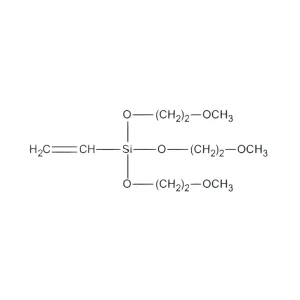
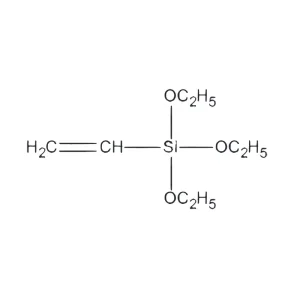
Vinyl-functional silanes, such as Vinyltriethoxysilane (CAS 78-08-0) and Vinyltris(2-methoxyethoxy)silane (CAS 1067-53-4), are the standard choice for XLPE cable production. Under heat and catalyst action, the vinyl group grafts onto the polyethylene backbone, allowing moisture-induced crosslinking of the polymer chains. This crosslinked structure increases the maximum operating temperature, chemical resistance, and mechanical strength of the cable insulation.
6. How should reactive organosilanes be stored to prevent premature hydrolysis?
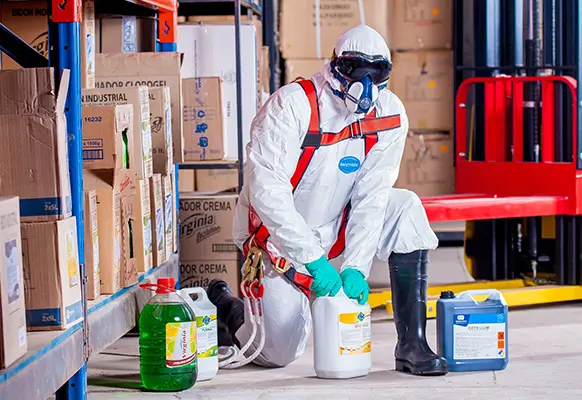
Because organosilanes react readily with ambient moisture, they must be stored in dry, tightly sealed containers under a nitrogen blanket. Exposure to atmospheric water vapor initiates hydrolysis, leading to silanol formation, condensation, and polymerization, which renders the product unusable. Keeping containers in cool, dry, well-ventilated spaces away from heat sources ensures maximum shelf life.