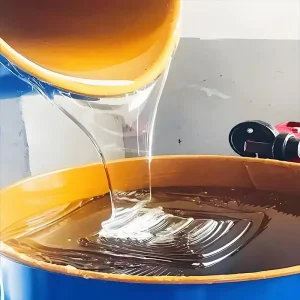
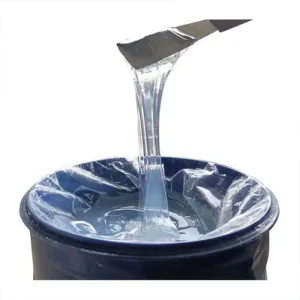
One-Component Liquid Silicone Rubber (often classified under RTV-1 systems) has emerged as the premier elastomeric choice for engineering applications requiring high thermal stability, electrical insulation, and superior adhesion without the complexity of metering and mixing multi-part systems. Unlike two-component counterparts, one-component liquid silicone rubber cures upon exposure to atmospheric moisture, initiating a cross-linking reaction that progresses from the surface inward.
Modern advancements in organosilicon chemistry have refined this curing mechanism, dividing formulations into three primary categories based on by-product release: alkoxy, acetoxy, and oxime-curing systems. Alkoxy-curing systems, which release non-corrosive alcohols, have become the standard for electronic components and sensitive metal substrates. Acetoxy systems offer rapid curing rates and aggressive adhesion profiles suitable for glass and structural glazing, while oxime-curing systems bridge the gap by offering neutral cure characteristics with exceptional environmental resistance.
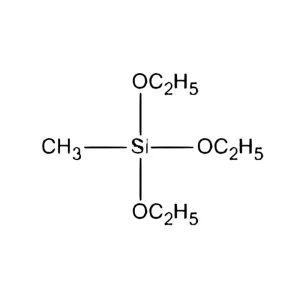
Our research indicates that the performance profile of one-component LSR is heavily dictated by the molecular weight distribution of the silanol-terminated polydimethylsiloxane (PDMS) matrix and the choice of cross-linkers, such as methyltrimethoxysilane or vinyltrimethoxysilane. Selecting the right combination allows for the fine-tuning of mechanical properties, enabling tensile strengths up to 8.0 MPa, elongations exceeding 600%, and service temperatures spanning from -60°C to +250°C.
In the current global procurement landscape, commercial and industrial buyers face unprecedented volatility. Supply chains for critical elastomeric materials like liquid silicone rubber and cross-linkers are highly sensitive to geopolitical shifts, raw material availability, and environmental regulations. Consequently, modern procurement agents are prioritizing suppliers who offer comprehensive vertical integration—from basic silanes to fully formulated silicone polymers.
A primary driver in procurement decision-making is regulatory compliance. International standards such as RoHS (Restriction of Hazardous Substances), REACH (Registration, Evaluation, Authorisation and Restriction of Chemicals), and UL94 flammability ratings are non-negotiable. Leading manufacturers must guarantee that their one-component systems do not contain prohibited plasticizers, heavy metals, or volatile organic compounds (VOCs) that violate environmental legislation. Furthermore, trace control of catalyst residues, such as platinum or tin compounds, is vital to prevent poisoning in electronic potting or medical-adjacent applications.
In response to these demands, Tier 1 manufacturers are offering tailored packaging and shelf-life optimizations. Unlike standard chemical products, one-component LSR is highly susceptible to premature curing when exposed to humidity. Advanced packaging technology, including moisture-impermeable dual-layer cartridges and nitrogen-purged metal drums, is essential to guarantee a shelf life of at least 12 months from the manufacturing date, mitigating inventory waste for international buyers.
Founded in 2012, Shandong Boctok Chemical Co. has established itself as an industry-leading marketing and sales center for both domestic and overseas business operations. Reflecting our rapid growth and global trust, the corporation achieved sales of US$280 million in 2023. While serving clients across diverse geographical landscapes, the BOCTOK brand specializes heavily in serving the Russian market, offering localized customer support, technical documentation, and streamlined logistics.
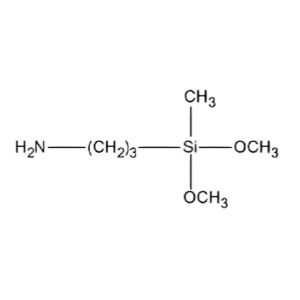
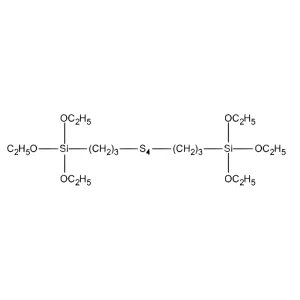
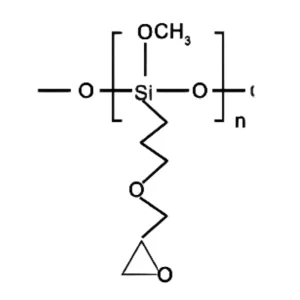
Boctok’s chemical ecosystem is structured around three core pillars. Our primary business segment, organosilicon, covers twelve series of silane coupling agents and crosslinkers. This comprehensive range includes aminosilanes, methacrylate silanes, epoxy silanes, vinyl silanes, mercaptosilanes, alkyl silanes, ethyl silicates, chlorosilanes, silane isocyanates, phenyl silanes, ureidosilanes, and serosilanes.
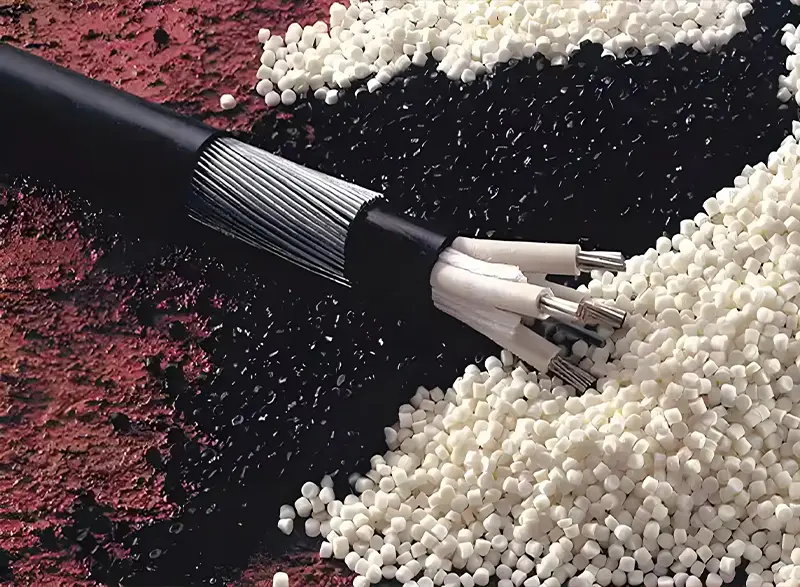
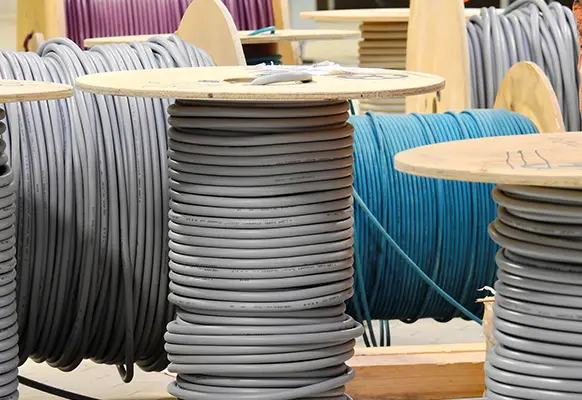
Additionally, Boctok is a prominent producer of high-hydrogen silicone oil, dimethicone, vinyl silicone oil, polyphenylmethyldimethylsiloxane, phenyl silicone oil, silanol silicone oil and OH polymers, alkoxy silicone oil, methyl MQ resin, vinyl VMQ resin, room-temperature vulcanized methyl silicone rubber, 110 methyl vinyl silicone rubber, and 120 methyl phenyl rubber. These compounds find wide application in glass fiber reinforcement, microelectronics, wind turbine manufacturing, coatings, adhesives, and XLPE electrical cables.
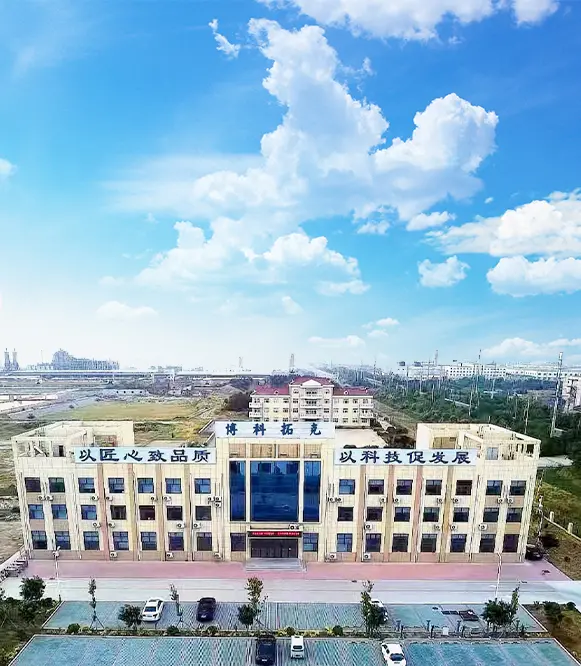
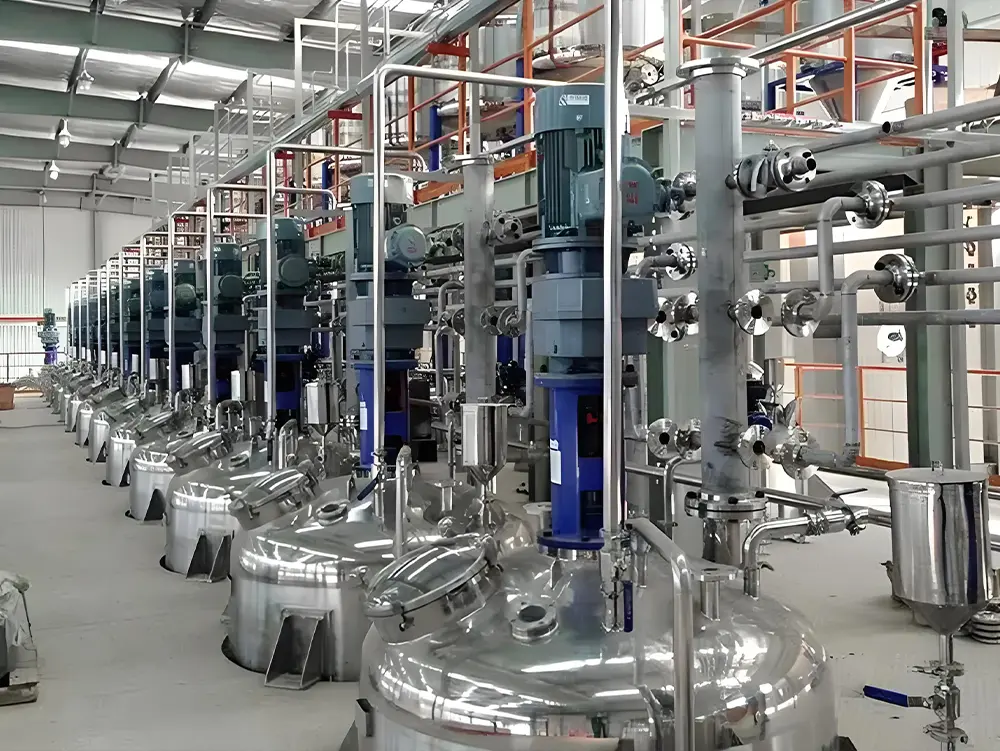
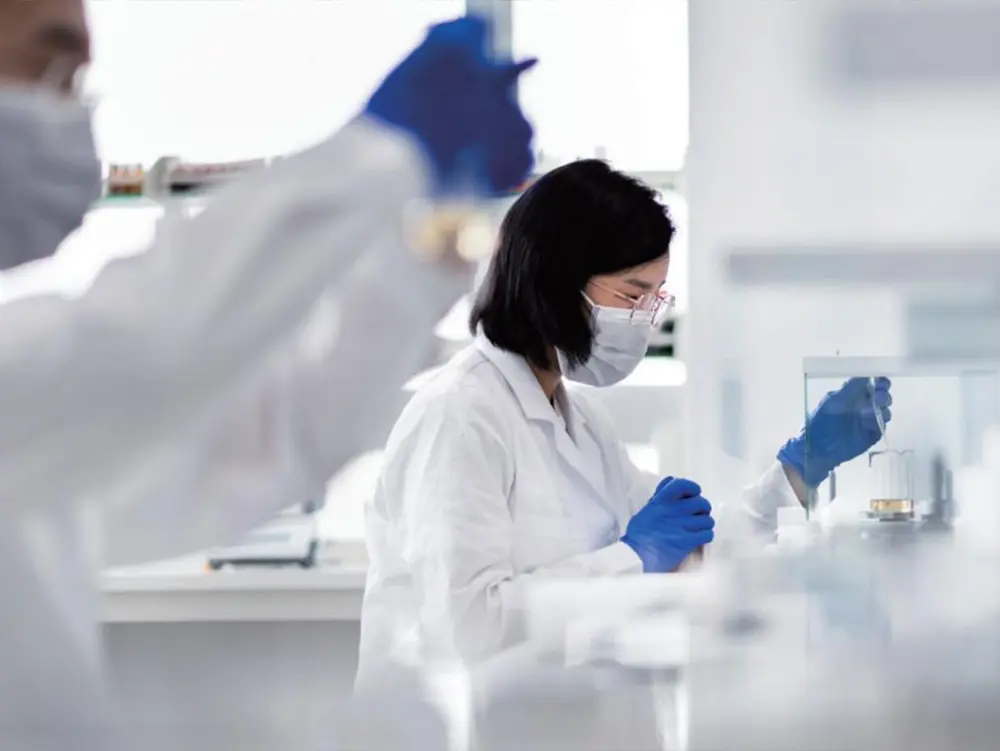
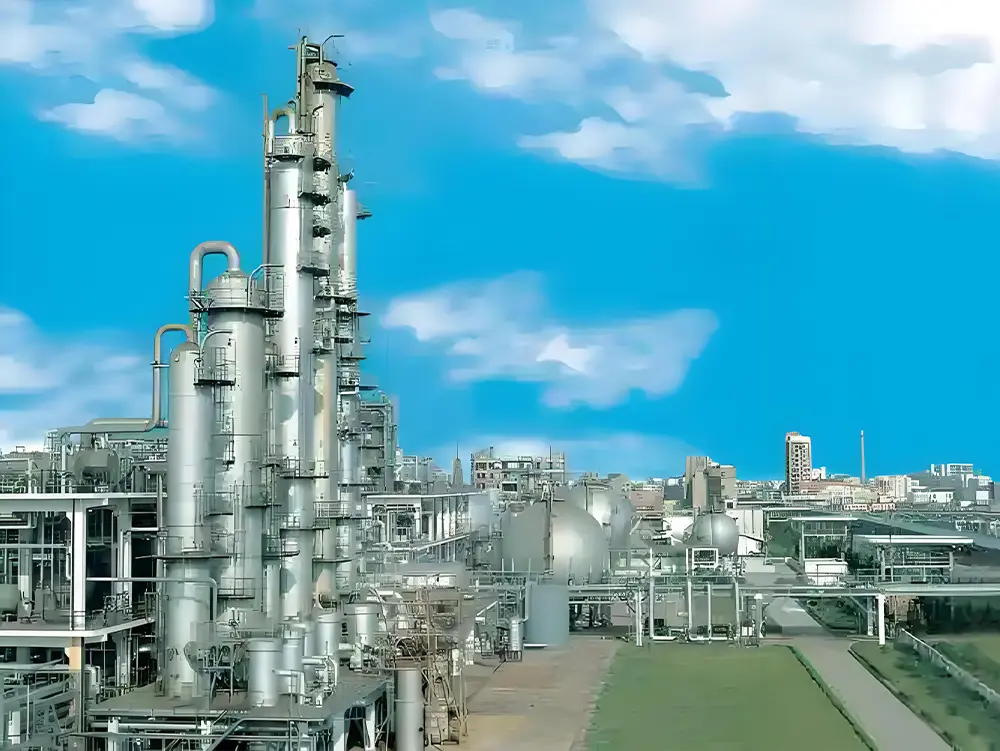
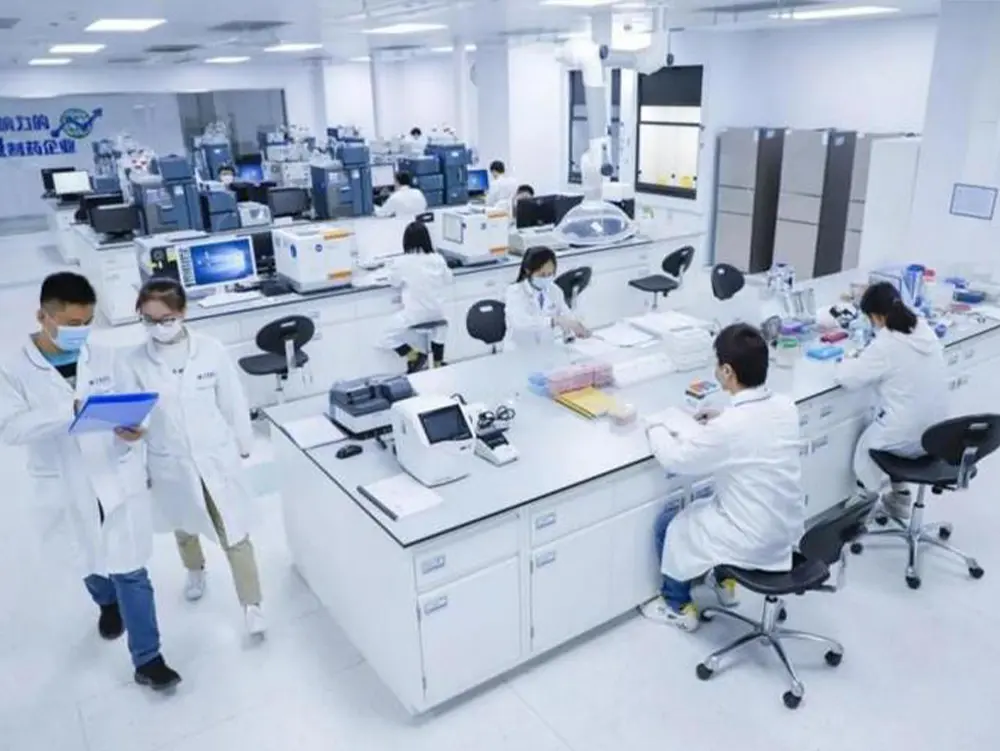
Our state-of-the-art production infrastructures utilize automated digital control and safety monitoring systems to deliver zero-defect quality across batch runs, securing competitive pricing and lead-time advantages.

Our raw materials and finished polymers undergo strict testing to ensure every single batch matches international specifications and client-specific parameters.

6 automatic DCS production lines with an annual output of 30,000 tons of silane coupling agents allow us to expand capacity on demand for large scale contracts.

Our multi-lingual engineers and technical representatives operate round-the-clock online to address product specifications and dispatch support requests.

Strategic logistics alliances ensure swift maritime and overland freight solutions, offering optimal shipping routes to Europe, Russia, and Asia.
Boctok recently invested US$65 million to establish a modern chemical plant in Bohai Industrial Park, a highly rated provincial chemical zone in Shouguang City, Shandong Province. This complex expands the production chain of silane coupling agents to an annual output of 30,000 tons.
To ensure safety, quality, and environmental compliance, the manufacturing facility is fully automated via remote-controlled Distributed Control Systems (DCS) and integrated Safety Instrumented Systems (SIS). ISO 9001 quality management procedures are implemented across the raw-material feeding, synthesis, filtration, and packaging cycles. Furthermore, advanced on-site environmental protection facilities are active, comprising a high-efficiency waste gas thermal oxidizer collection system and a localized membrane-bioreactor wastewater treatment plant.
Complementing our organosilicon division, Shandong Boctok Chemical has diversified horizontally to solidify its position as a multi-tier chemical partner for Fortune 500 enterprises.
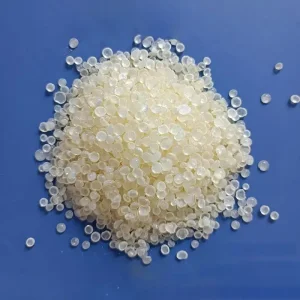
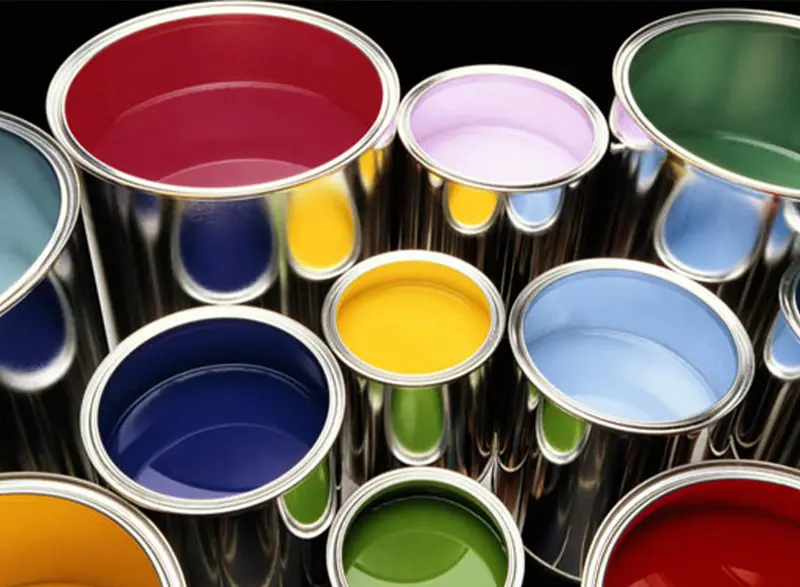
Boctok’s Tier II core business is petroleum resins. We have invested in a leading hydrocarbon resin plant network in China, currently operating three manufacturing units located in Zibo, Fushun, and Nanjing. Leveraging stable, high-quality feedstock streams from SINOPEC and PetroChina, our modern factories produce C9 hydrogenated resins, C5 hydrocarbon resins, C5 modified C9 hydrocarbon resins, C9 hydrocarbon resins, dicyclopentadiene (DCPD), and methyl cyclopentadiene dimer. These thermoplastic resins serve as critical tackifiers, binders, and water-repelling agents in the global adhesives, coatings, printing inks, and rubber compounding markets.
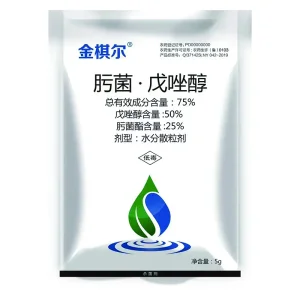
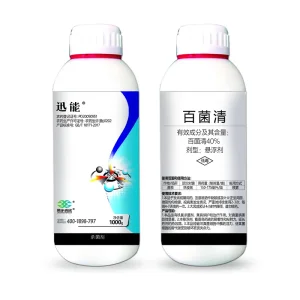
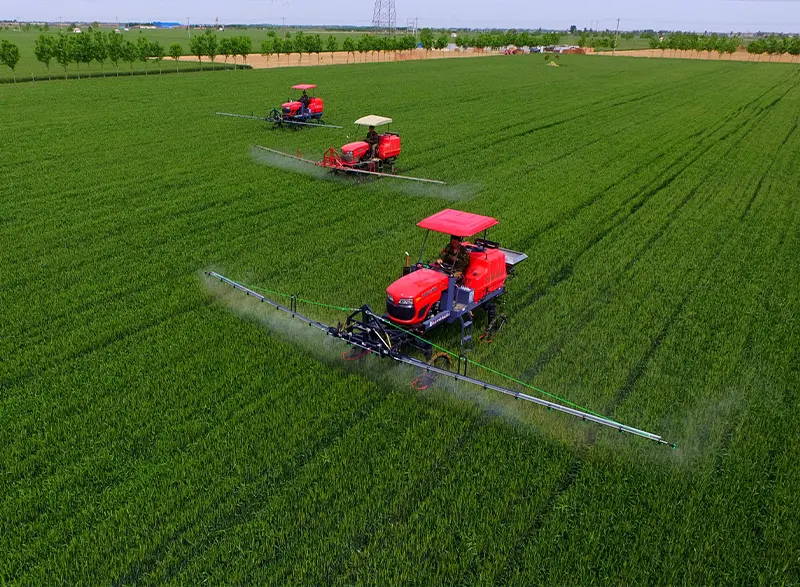
Boctok also maintains a strong presence in the agrochemical industry, producing critical intermediates and precursor chemicals for the synthesized manufacture of crop protection agents, fungicides, insecticides, seed treatments, herbicides, and plant growth regulators. Through advanced organic synthesis and micro-reaction technology, we assure the purity and structural integrity of agricultural formulations, enabling global agrochemical distributors to optimize crop yield indices with reduced ecological impact.
Our specialty chemical solutions and functional silanes are tailored to the unique mechanical, electrical, and physical demands of diverse manufacturing sectors worldwide.




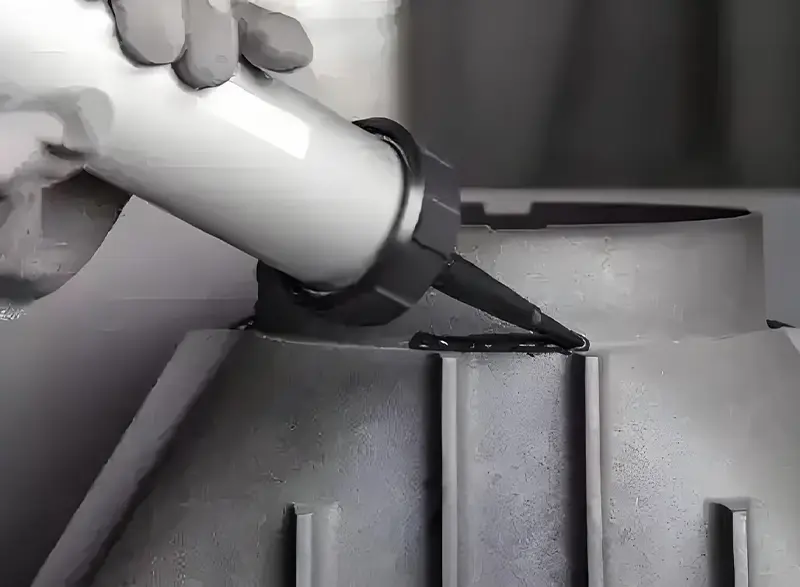


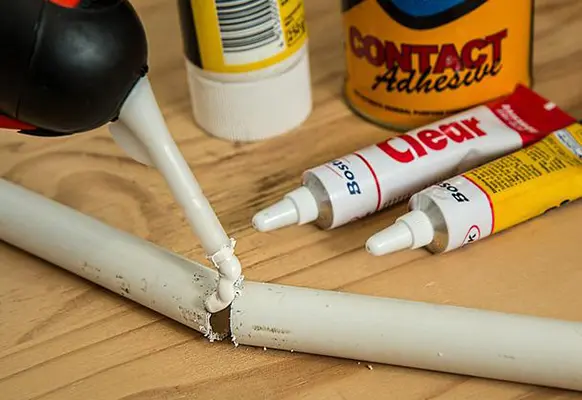

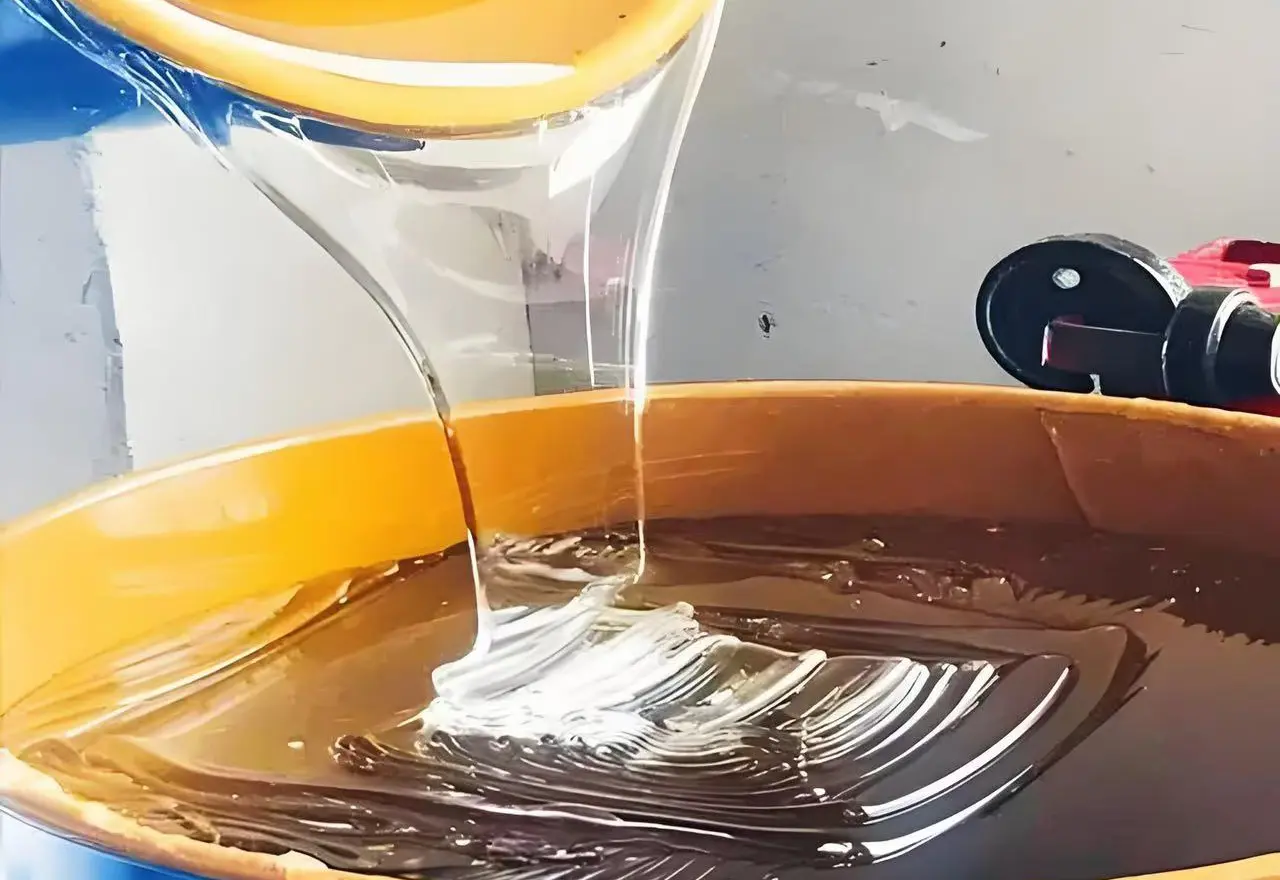



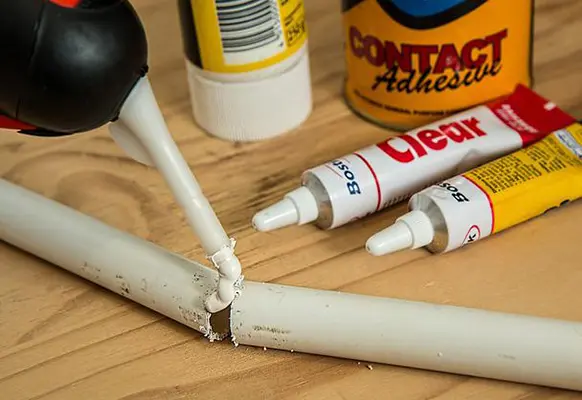





One-component liquid silicone rubber systems (RTV-1) rely on ambient humidity to initiate cross-linking. Curing occurs when moisture reacts with hydrolyzable groups attached to the silicon backbone, releasing by-products like alcohol (alkoxy-cure) or acetic acid (acetoxy-cure). Two-component systems (RTV-2) cure via addition-curing (typically platinum-catalyzed hydrosilylation) or condensation-curing when both parts are mixed, allowing curing in deep sections without moisture diffusion limitations.
Because RTV-1 systems require atmospheric moisture to cure, the reaction begins at the surface and diffuses inward. Typically, one-component silicones cure at a rate of 2-3 mm depth per 24 hours (at 23°C and 50% relative humidity). For bond lines thicker than 6 mm, moisture diffusion rates slow down dramatically, which can leave the core uncured. If deep-section potting is required, addition-curing two-part formulations are recommended.
Acetoxy-curing systems release acetic acid during vulcanization. Acetic acid is highly corrosive to copper, brass, and other sensitive metallic components on circuit boards. Alkoxy-curing systems release non-corrosive alcohols (typically methanol or ethanol), making them safe for potting integrated circuits, sensors, and microelectronics.
Silane coupling agents act as molecular bridges. They contain two functional groups: an organofunctional group that cross-links with the silicone elastomer matrix, and a hydrolyzable alkoxy group that chemically bonds to inorganic surfaces like glass, metals, or ceramic fillers. This dual functionality ensures strong, water-resistant adhesion even under high moisture and temperature stress.
We source raw petrochemical feeds from domestic giants, including SINOPEC and PetroChina. This, combined with our automated Shouguang plant (30,000-ton capacity) and three separate hydrocarbon resin plants, allows us to maintain a consistent output. Remote DCS controls minimize batch variances, offering global clients reliable chemical supplies despite shifts in local logistics.
 Boctok Chemical