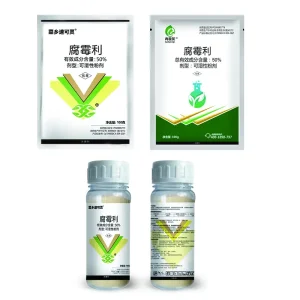
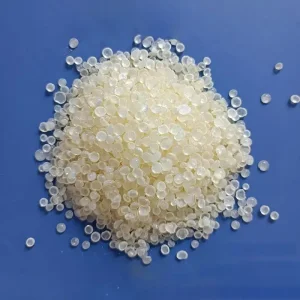
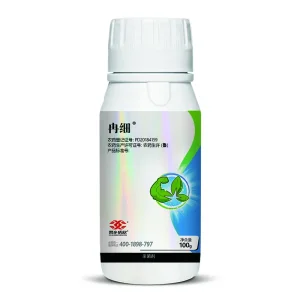
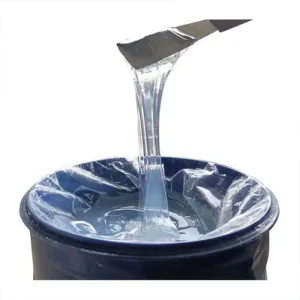
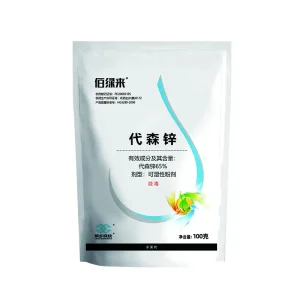
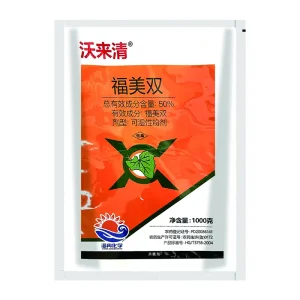
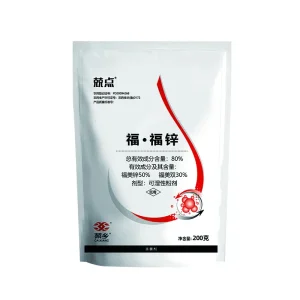
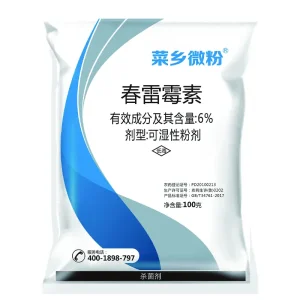
Explore our specialized silicone agents, petroleum resins, agrochemicals, and surface modification solutions engineered for global performance.
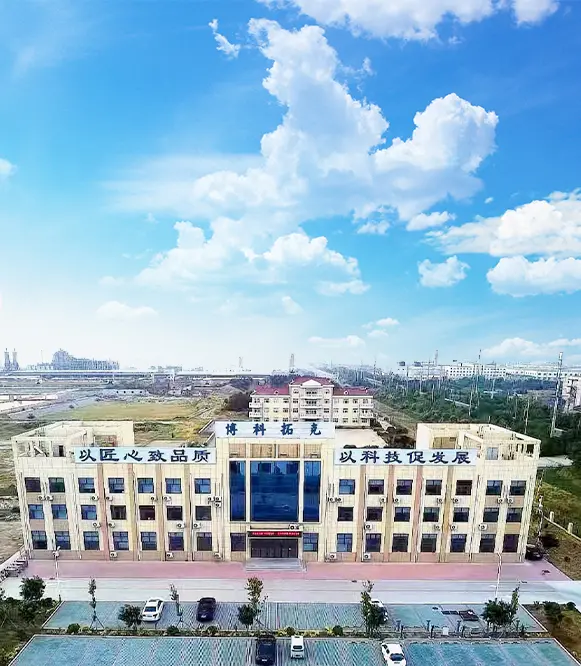
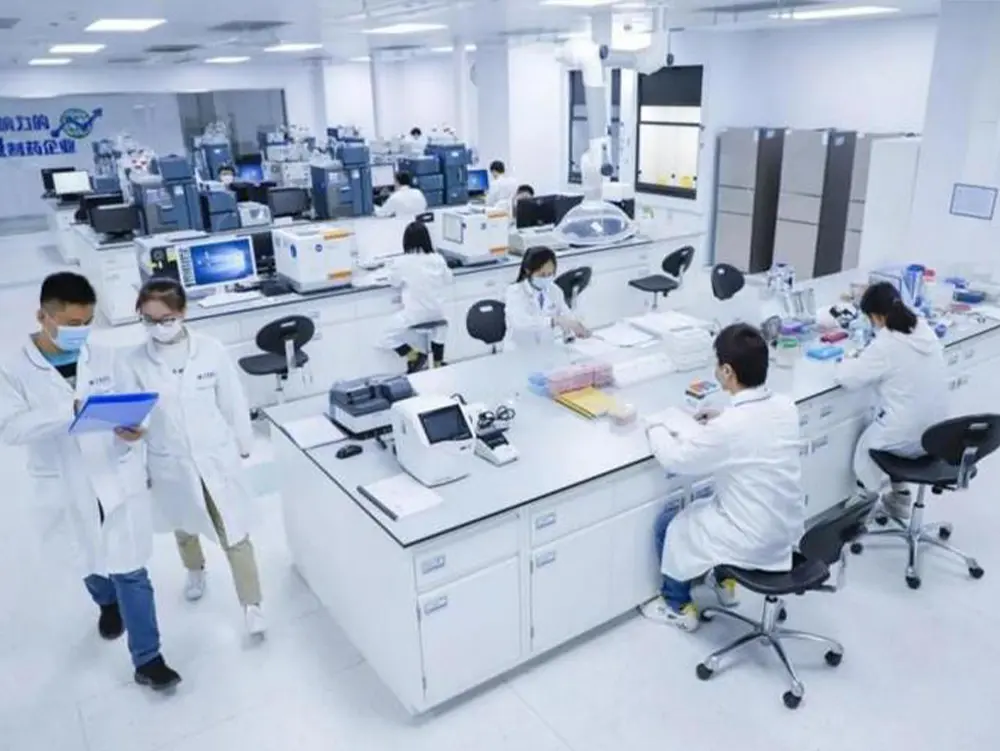
Founded in 2012, Shandong Boctok Chemical Co. was established as a premier marketing and sales hub for the Boctok™ domestic and overseas markets. Leveraging our deep material science expertise, we achieved exceptional growth, reaching an annual sales turnover of US$280 million in 2023. The BOCTOK brand commands a leading presence in the international arena, specialized in serving high-demand industrial markets including the Russian market.
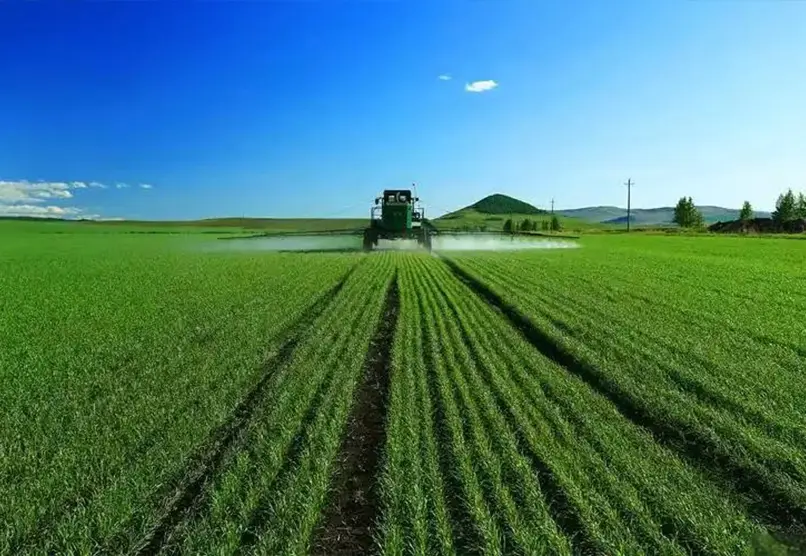
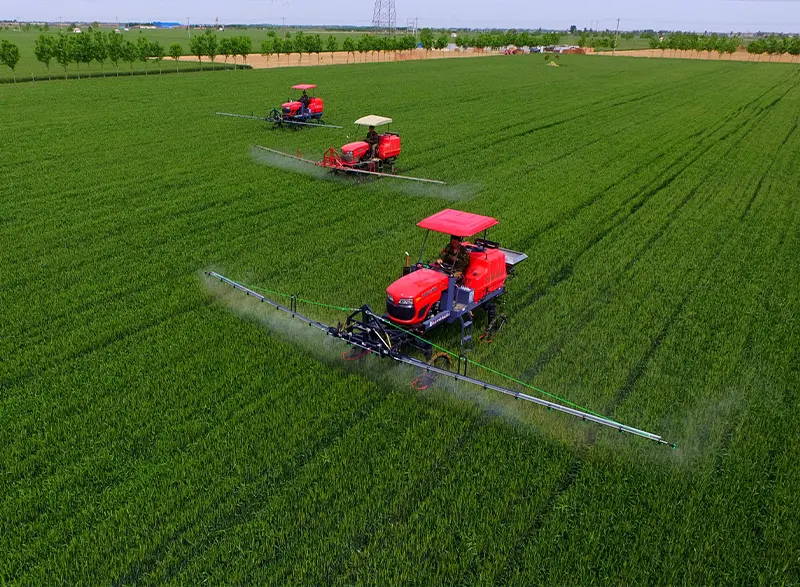
We operate dynamic production segments across three core divisions: organosilicones (featuring advanced silane coupling agents, silicone resins, silicone oils, and specialty elastomers), premium petroleum resins, and high-purity agrochemical materials. This extensive, integrated structure positions us to supply key intermediates and performance chemicals directly to Fortune 500 corporations, construction conglomerates, and agricultural producers globally.
The chemistry, functionality, and performance parameters behind the premium alkylsilane monomer.
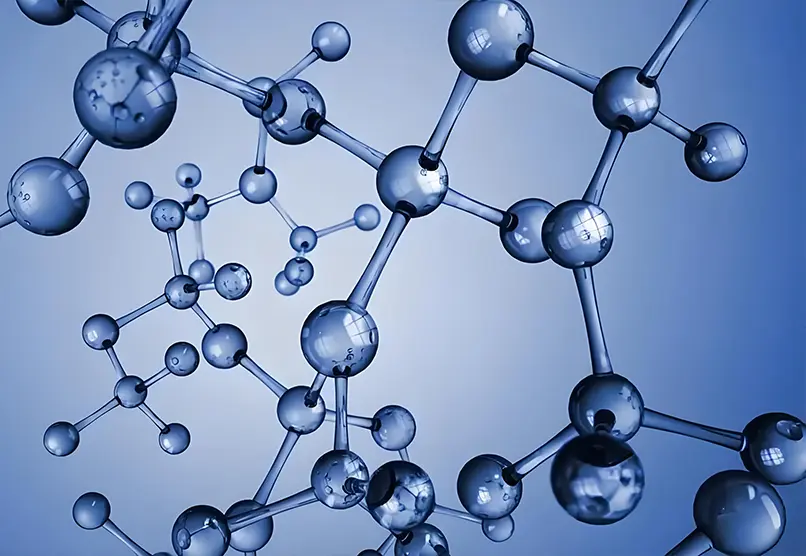
N-Octyltrimethoxysilane (CAS No. 3069-40-9 / alternative structures) is a long-chain alkyl monomer widely valued for creating excellent water-repellent surfaces. The molecule consists of an 8-carbon linear octyl group combined with reactive hydrolyzable trimethoxy groups. When applied to inorganic siliceous mineral substrates (such as concrete, granite, sandstone, brick, and stucco), the trimethoxy groups hydrolyze to form highly active silanols.
These silanols chemically bond with the hydroxyl groups (-OH) present on the substrate, creating a stable, covalent siloxane network (Si-O-Si). The long-chain hydrophobic octyl groups point outwards, creating an exceptionally low surface energy barrier that prevents moisture ingress, salt spalling, and alkali-silica reactions (ASR), while preserving the vital vapor permeability of the construction material.
| Performance Indicator | Physical/Chemical Properties | Industrial Value & Benefit |
|---|---|---|
| Substrate Penetration Depth | Up to 5 - 10 mm (depending on substrate porosity) | Protects structural concrete below the surface, resisting UV wear and mechanical abrasion. |
| Water Absorption Reduction | > 90% performance vs. untreated concrete | Prevents structural cracking caused by freeze-thaw cycles and reinforcing steel corrosion. |
| Chloride Ion Exclusion | > 85% reduction in chloride permeation | Critical for highway bridge decks, marine structures, and coastal concrete facilities. |
| Vapor Permeability Status | Maintains > 95% original breathability | Allows concrete to dry, preventing internal damp buildup and surface spalling. |
Tailored applications of Boctok's premium organosilicones in civil engineering and high-performance manufacturing.
Bridges, highway viaducts, and airport runways are continuously exposed to rain, road salts (chlorides), and heavy loads. Impregnating concrete structures with N-Octyltrimethoxysilane forms a permanent barrier against moisture and ion penetration, extending the structural service life by up to 20-30 years.
Preserves facade aesthetics by preventing water staining, efflorescence (salt buildup), and mold/algae growth on decorative stone, brickwork, and historic monuments. The treatment is invisible, non-yellowing, and highly resistant to UV radiation.
Functions as a surface modifier for particulate fillers (like silica, alumina, and glass beads) used in polymer composites. Coating the filler surface improves dispersion, reduces viscosity in formulations, and increases compatibility with organic polymers.
How our $65 million industrial expansion powers global material consistency and absolute safety standards.
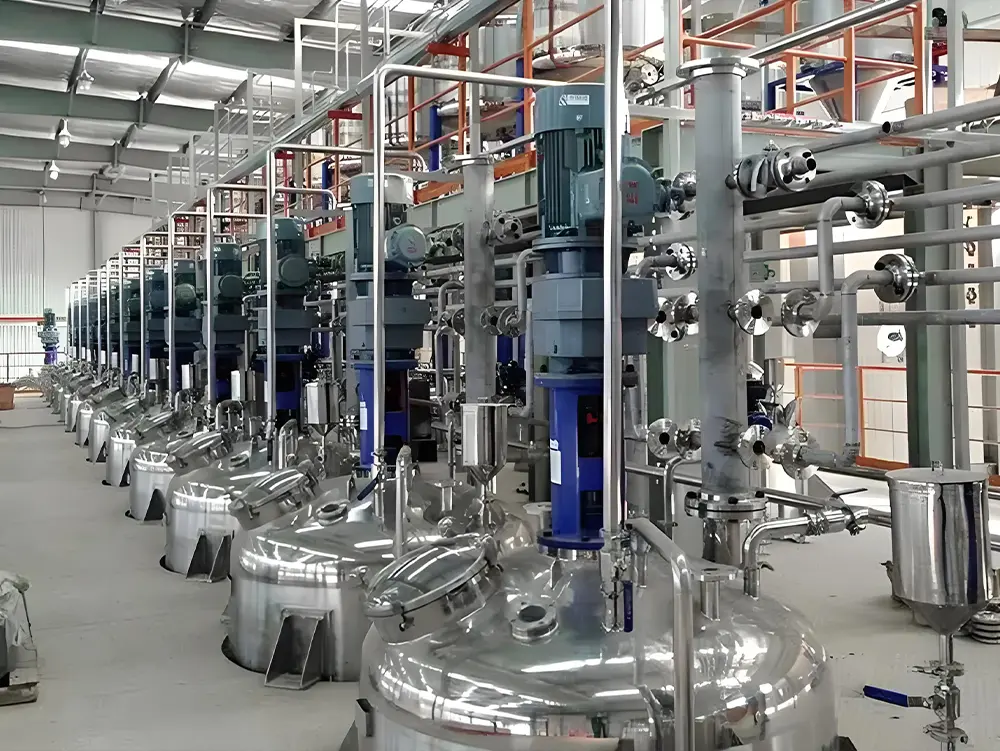
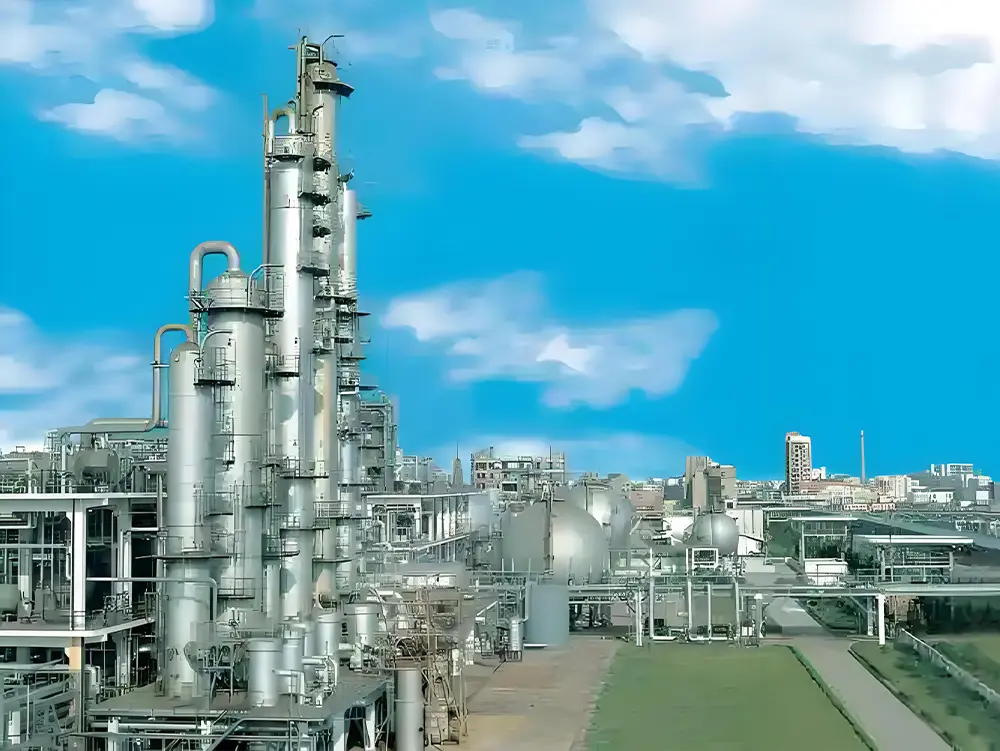
To meet the rising global demand for high-performance silanes, Boctok recently invested US$65 million in a state-of-the-art chemical manufacturing plant. Located within the **Bohai Industrial Park**—a premier, provincially approved chemical development zone in Shouguang City, Shandong Province—this site houses 6 fully automated DCS production lines dedicated to silane coupling agents. With an annual capacity of 30,000 tons, our facility ensures an uninterrupted supply for international industrial buyers.
Ensures absolute consistency in monomer purity, viscosity, and chemical properties from batch to batch by monitoring critical process parameters in real time.
Guarantees operation safety and environmental protection by deploying automatic shutoff loops and pressure release mechanisms across our synthesis systems.
Our commitment to eco-friendly production practices runs throughout our manufacturing lines. We have implemented comprehensive waste gas collection and treatment infrastructure alongside a cutting-edge wastewater purification loop to ensure compliance with both national environmental guidelines and international chemical manufacturing standards.
By integrating raw material supplies directly from major domestic petro-chemical networks (including SINOPEC and PetroChina), we insulate our clients from volatile market shifts and raw material shortages, providing unparalleled supply chain security.
Leading the development of eco-friendly, low-VOC silane solutions for sustainable construction practices.
Traditional silane protective agents rely on alcohol solvents. Our ongoing R&D efforts focus on stable, high-concentration water-based N-Octyltrimethoxysilane emulsions. These products significantly reduce VOC emissions during application while maintaining excellent concrete penetration depth.
By blending alkylsilanes with fluoro-silanes and antimicrobial additives, we are developing next-generation multi-functional surface coatings. These hybrid formulas repel oil stains and prevent microbial growth, protecting high-traffic urban concrete structures from graffiti and pollution.
Formulating customized organometallic catalysts allows us to adjust the hydrolysis speed of the silane agent, providing rapid curing even in humid conditions or sub-zero installation environments. This minimizes road closure times during highway maintenance.
Strategic supply chain solutions, certifications, and compliance support for global chemical buyers.

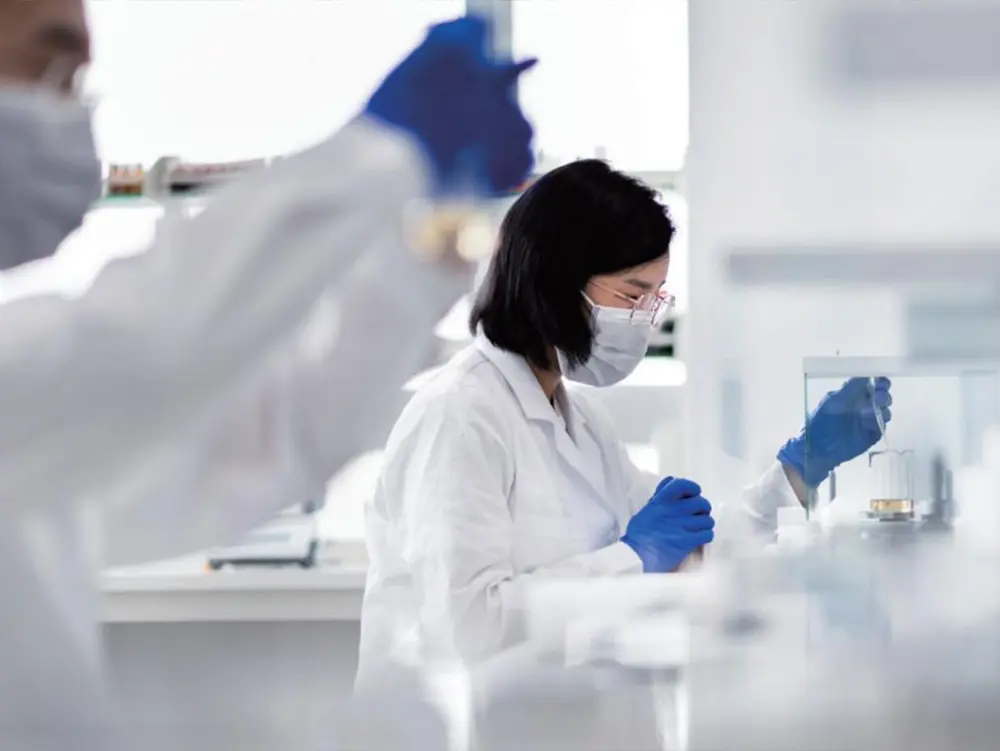
Every product batch is systematically analyzed via gas chromatography (GC) and FTIR spectroscopy to ensure strict adherence to quality parameters before dispatch.

6 state-of-the-art automated lines ensure high-volume outputs, allowing us to manage large orders, custom formulations, and peak seasonal demands easily.

Our dedicated chemical support team is online 24/7, assisting with technical inquiries, application methods, safety guidelines, and order tracking.

With streamlined logistics and close proximity to major ports (such as Qingdao Port), we guarantee rapid transport, efficient customs clearance, and timely global shipping.
Our global supply system fully conforms to international standards. We supply full documentation for every shipment, including detailed material safety data sheets (MSDS/SDS) matching GHS standards, REACH pre-registrations for European Union imports, and official Certificates of Analysis (COA). Standard packaging includes 180kg HDPE drums, 900kg IBC containers, or custom ISO tanks, ensuring secure, leakproof international transport.
Discover how our organosilicones, petroleum resins, and agrochemical products serve diverse global industries.








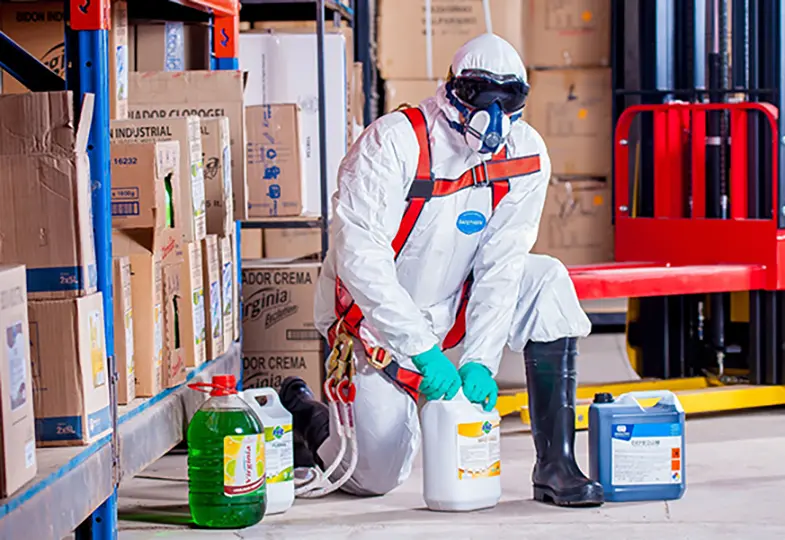

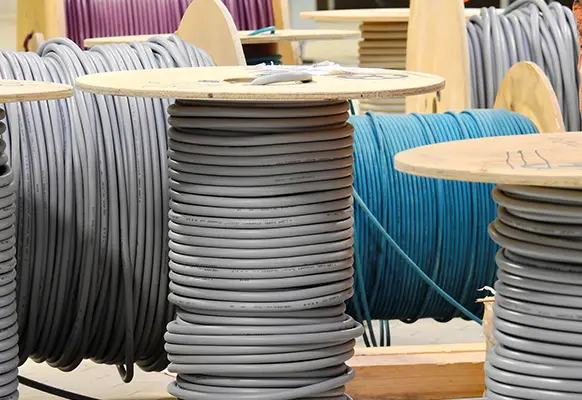
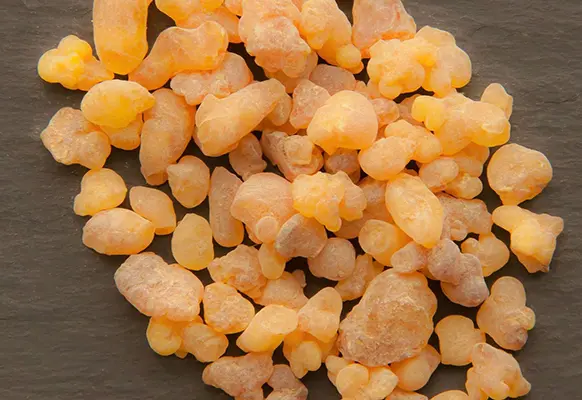


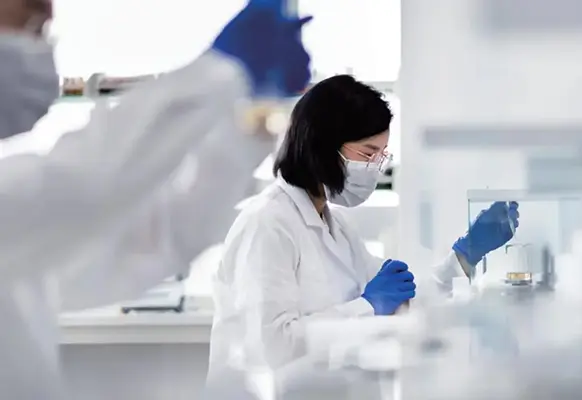

Technical answers from Boctok's engineering team regarding alkylsilane selection, applications, and storage.
Discover our comprehensive range of specialty chemical additives, polymer resins, and catalysts designed to meet diverse industrial needs.
 Boctok Chemical
![China Bis-[3-(triethoxysilyl)-propyl]amine CAS 13497-18-2](https://site.cdnfile.io/www.boctoksilicone.com/837bedcc9470a3ee1f202feb49d8ce69300_300.webp)