In modern industrial chemistry, N-Octyltriethoxysilane (CAS No. 2943-75-1) stands as a pivotal monomeric alkylalkoxysilane. Composed of a long lipophilic octyl chain and a hydrolyzable triethoxysilyl head, it is optimized to serve as an exceptional water repellent (hydrophobic agent) for porous inorganic materials. The chemical structure ($C_{14}H_{32}O_3Si$) allows it to penetrate deeply into concrete substrates, alkaline stones, and brickwork, reacting chemically with hydroxyl groups within the silica-rich pores to form a robust silicone resin network.
Unlike short-chain silanes, the eight-carbon octyl group exhibits remarkable resistance to weathering, UV radiation, and chemical attacks. This makes N-Octyltriethoxysilane highly effective in preventing water absorption, chloride ion penetration, and freeze-thaw damage in civil infrastructure such as bridge decks, highways, marine structures, and high-rise commercial buildings. By blocking liquid water ingress while preserving the vapor permeability of the substrate, it avoids the formation of internal stress, offering a breathable protective barrier that increases the structural life-span of concrete by decades.
| Parameter / Property | Typical Value / Specification | Test Standard / Method |
|---|---|---|
| Chemical Name | N-Octyltriethoxysilane | IUPAC Nomenclature |
| CAS Registry Number | 2943-75-1 | CAS Index |
| Active Concentration | > 98.0% (Monomer) | Gas Chromatography (GC) |
| Molecular Weight | 276.48 g/mol | Theoretical |
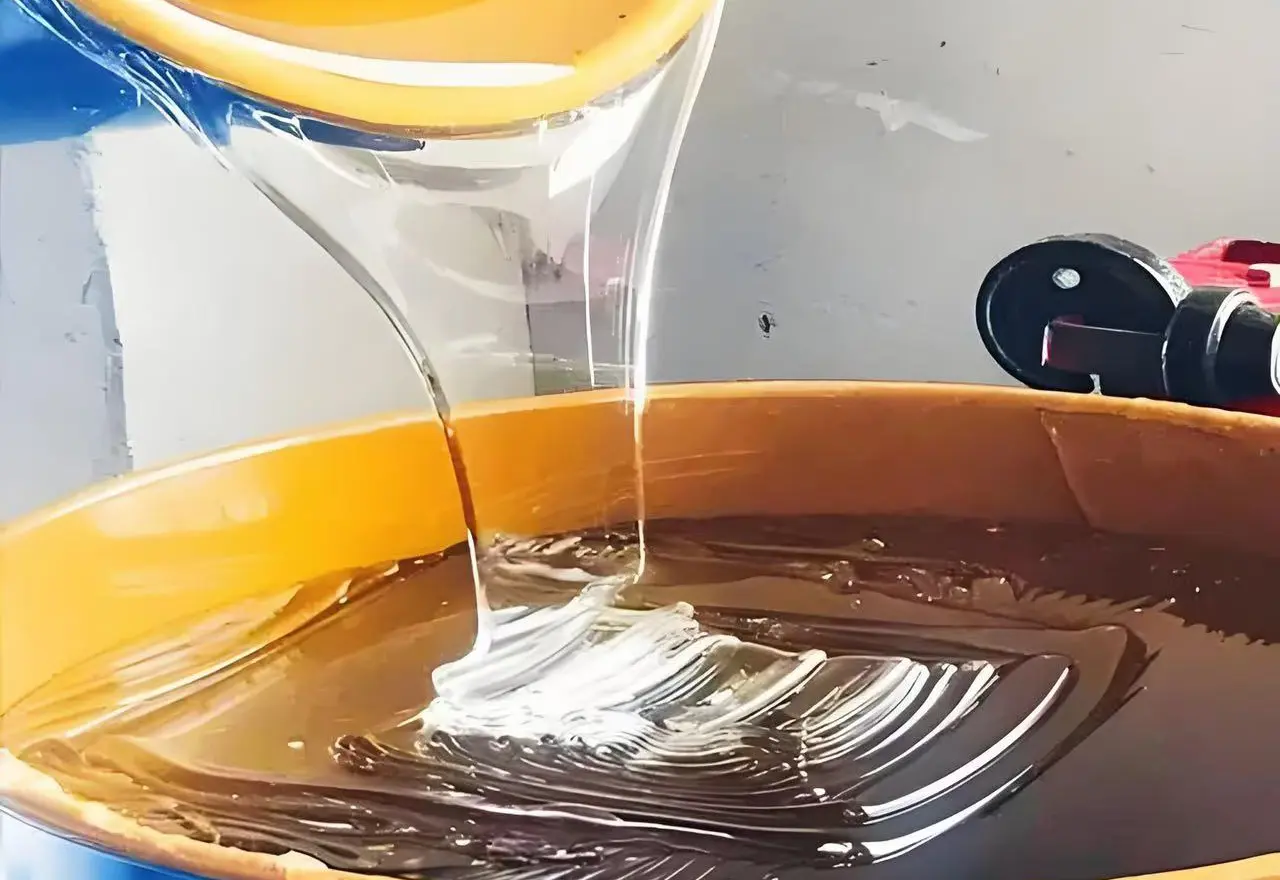
| Appearance | Colorless, transparent liquid | Visual Inspection |
| Density (25°C) | 0.875 - 0.885 g/cm³ | ASTM D4052 |
| Flash Point | > 100°C | Closed Cup |
The performance of N-Octyltriethoxysilane rests upon a two-step chemical sequence taking place inside the capillary system of cementitious materials:
This bound octyl shield alters the capillary surface from hydrophilic to hydrophobic, drastically increasing the contact angle of water droplets above 120°. Because this layer does not form a physical film over the concrete pores, moisture vapor can escape freely, keeping the structural element dry and structurally sound without causing internal moisture trapping.
The global demand for N-Octyltriethoxysilane continues to grow at a CAGR of 6.2% from 2023 to 2030. The rapid development of high-speed rail networks, coastal infrastructure, and bridge restoration across North America, the EU, and East Asia drives this growth. Municipal specifications globally are shifting from topical coatings (like acrylics or polyurethanes) to deep-penetrating silanes because of their superior life-cycle cost performance.
Environmental standards (such as REACH in Europe and local EPA VOC limits) are pushing manufacturers to replace solvent-borne silanes with water-borne silane emulsions. Developing stable, high-concentration (typically 40% to 60% active content) aqueous emulsions of N-Octyltriethoxysilane that do not prematurely hydrolyze in storage is the leading R&D priority for top Chinese exporters.
Different geographies require customized products. For instance, in marine environments subject to high-tide zones and constant salt sprays, silanes are formulated with high-purity micro-resins to enhance resistance to chloride-induced spalling. In contrast, applications on vertical stone masonry in European historical restorations favor low-viscosity, solventless silanes that ensure maximum depth of penetration.
Refining hydrosilylation processes using platinum-complex catalysts to produce high-purity N-Octyltriethoxysilane monomers. Minimizing chlorine impurities and free-ethanol by-products to ensure maximum shelf-stability and environmental friendliness during application.
Advancing surfactants and emulsification equipment to engineer N-Octyltriethoxysilane emulsions with droplet sizes below 100 nm. This optimization facilitates deep, uniform penetration into the concrete's micro-capillaries without using VOC-heavy organic solvents.
Integrating silica nanoparticles and fluorinated co-monomers with N-Octyltriethoxysilane. The resulting hybrid network provides both extreme water repellency and oleophobic properties (resisting oil-based stains, grease, and industrial pollutants) for modern urban infrastructure.
Founded in 2012, Shandong Boctok Chemical Co. serves as a global marketing, sales, and manufacturing center for organosilicons, petroleum resins, and agrochemical intermediates. Under the recognized Boctok™ brand, we achieve significant market penetration internationally, particularly serving client bases across North America, Europe, Australia, India, and the Russian market. In 2023, our domestic and overseas business operations recorded sales of US$280 million.
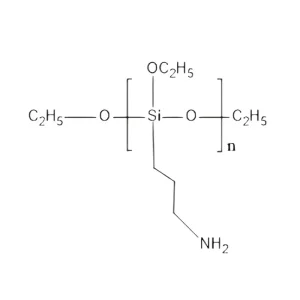
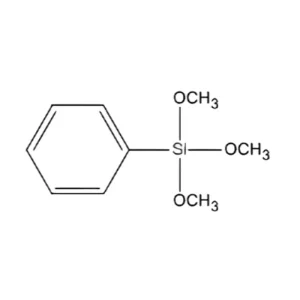
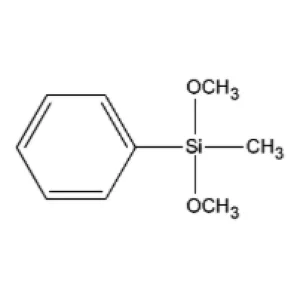
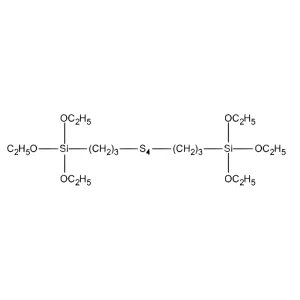
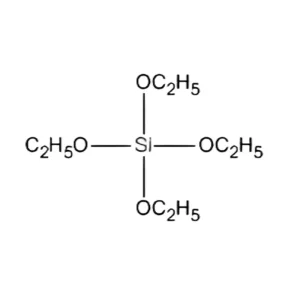
Our primary organosilicone business spans twelve advanced product series including aminosilane, methacrylate silane, epoxy silane, vinyl silane, mercaptosilane, alkyl silane (including our flagship N-Octyltriethoxysilane), ethyl silicate, chlorosilane, silane isocyanates, phenyl silane, ureidosilane, and serosilane. Additionally, our industrial focus covers high-hydrogen silicone oil, dimethicone, vinyl silicone oil, polyphenylmethyldimethylsiloxane, phenyl silicone oil, silanol silicone oil (OH polymer), alkoxy silicone oil, methyl MQ resin, vinyl VMQ resin, room-temperature vulcanized (RTV) methyl silicone rubber, 110 methyl vinyl silicone rubber, and 120 methyl phenyl rubber.
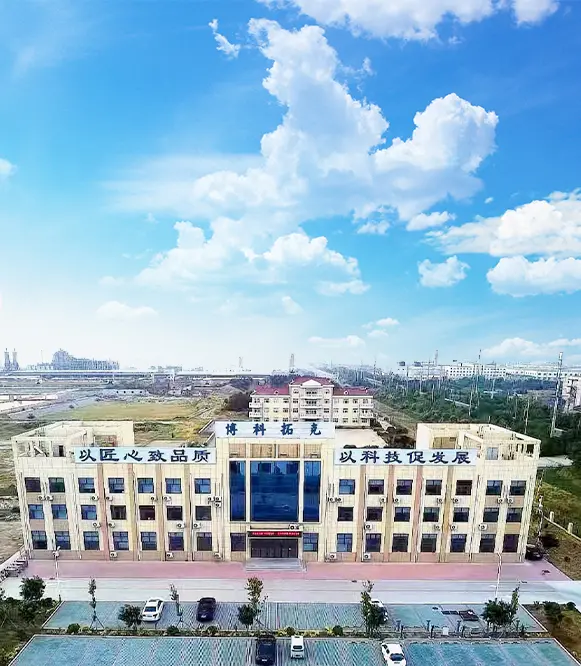
To support growing global demand, Boctok invested US$65 million to establish our state-of-the-art chemical manufacturing plant in Bohai Industrial Park, Shouguang City, Shandong Province. This location is a fully certified chemical industrial zone, enabling secure, scale-stable production.
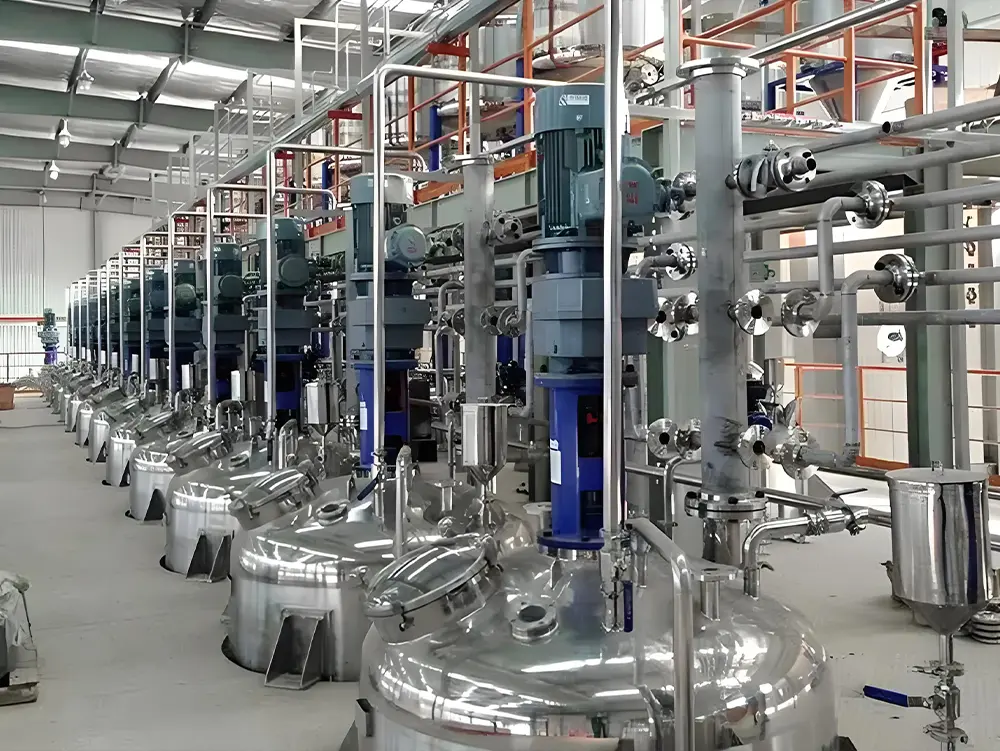


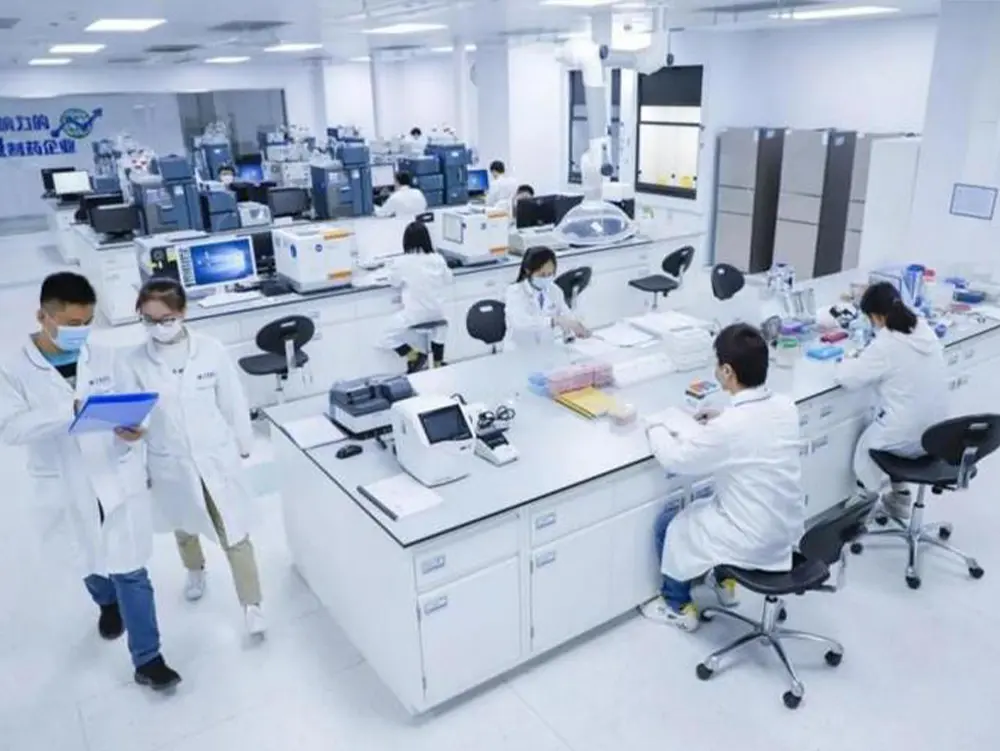

Our products undergo rigorous testing to ensure that every aspect meets the highest quality standards.

We have advanced production lines that allow us to effectively expand production capacity and meet the demand for mass customization.

Our professional team is available online 24 hours a day to provide attentive service and answer all your questions.

An optimized logistics system ensures fast order processing and timely delivery to customers.
Manufacturing high-purity silane coupling agents, silicone oils, vinyl gums, and crosslinkers. These organic silicates modify interfaces, increase mechanical strengths of composites, and provide water repellency across glass fiber, electronics, coatings, and structural adhesives.
Boctok operates three advanced hydrocarbon resin plants in Zibo, Fushun, and Nanjing. Utilizing raw materials from SINOPEC and PetroChina, we supply C9 hydrogenated resins, C5 aliphatic resins, and modified copolymers to global adhesives, hot-melt, and varnish manufacturers.
Developing essential intermediates and raw formulations for crop protection, fungicides, insecticides, plant growth regulators, and seed treatments, enabling high-yield agriculture across developing and developed farming regions.
At Boctok, our product divisions address specialized industrial challenges. Through optimized cross-industry solutions, we enhance efficiency, chemical durability, and physical protection under diverse operating conditions.
Applying N-Octyltriethoxysilane to transport routes, parking garages, and ocean-facing structures prevents moisture penetration. This blocks dissolved chloride ions from reaching reinforcement rebar, mitigating rust and concrete spalling.
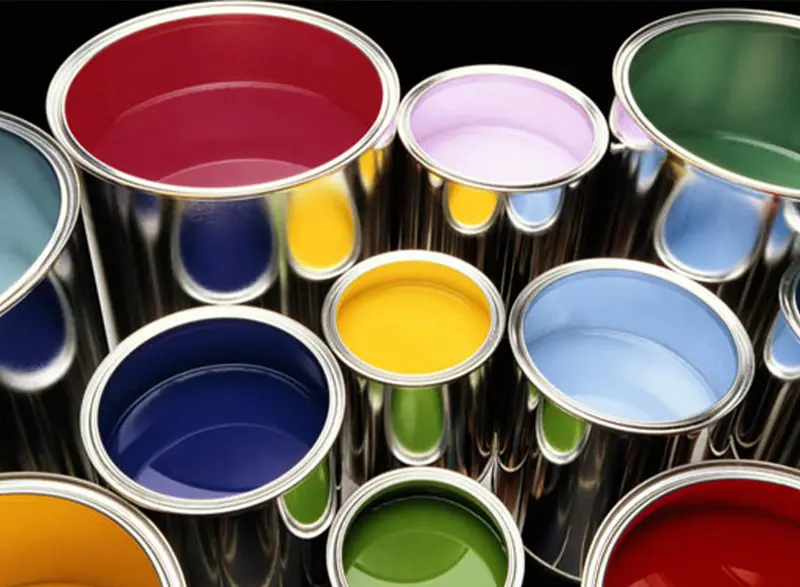
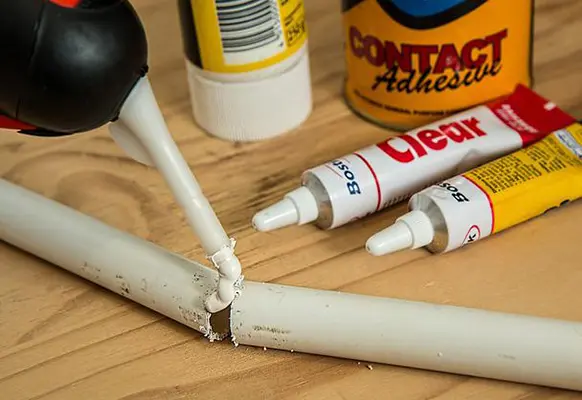
Incorporating silane coupling agents and specialty petroleum resins into paint resins improves crosslink density. This process yields scratch-resistant, weather-durable polymers that adhere strongly to glass, metals, and minerals.
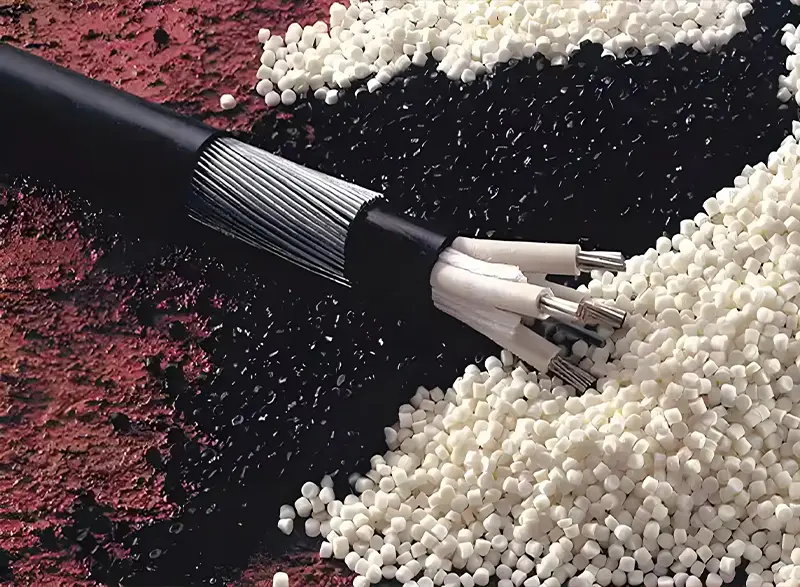
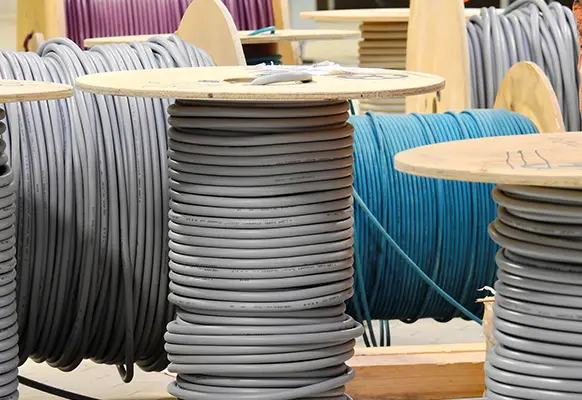
Using vinyl silanes in crosslinked polyethylene (XLPE) power lines helps bond inorganic minerals to organic polymers. This chemical bridge enhances high-voltage insulation stability and mechanical toughness.





















 Boctok Chemical