Explore our foundational range of silanes, monomers, and copolymerized resins engineered for strict industrial properties.
Shandong Boctok Chemical Co. was founded in 2012 as a marketing and sales center for Boctok™ domestic and overseas businesses and achieved sales of US$280 million in 2023. The BOCTOK brand specializes in serving the Russian market, delivering unmatched technical integration and localized chemical logistics.
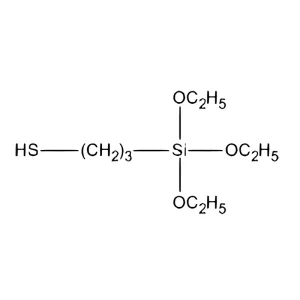
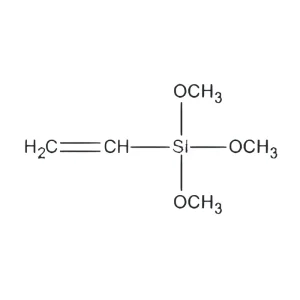
Boctok has three main product categories, the first core business of organosilicone covers twelve series of silane coupling agents and crosslinkers, including aminosilane, methacrylate silane, epoxy silane, vinyl silane, mercaptosilane, alkyl silane, ethyl silicate, chlorosilane, silane isocyanates, phenyl silane, ureidosilane and serosilane.
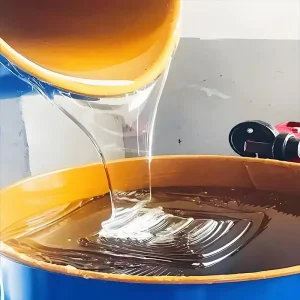
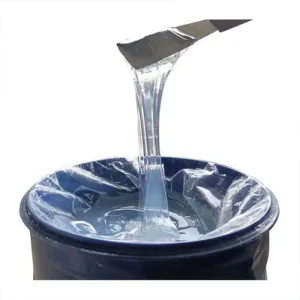
Boctok also focuses on silicon oil, silicon resin, and silicon rubber, covering high-hydrogen silicone oil, dimethicone, vinyl silicone oil, polyphenylmethyldimethylsiloxane, phenyl silicone oil, silanol silicone oil and OH polymer, alkoxy silicone oil, methyl MQ resin, vinyl VMQ resin, room-temperature vulcanized methyl silicone rubber, 110 methyl vinyl silicone rubber, 120 methyl phenyl rubber. They are widely used in glass fiber, electronics, wind energy, daily necessities, chemical industry, coatings, adhesives, XLPE electric cables and hot water pipes, oil field drilling, textiles, rubber and molding, etc. to improve the quality and performance of the applied products.
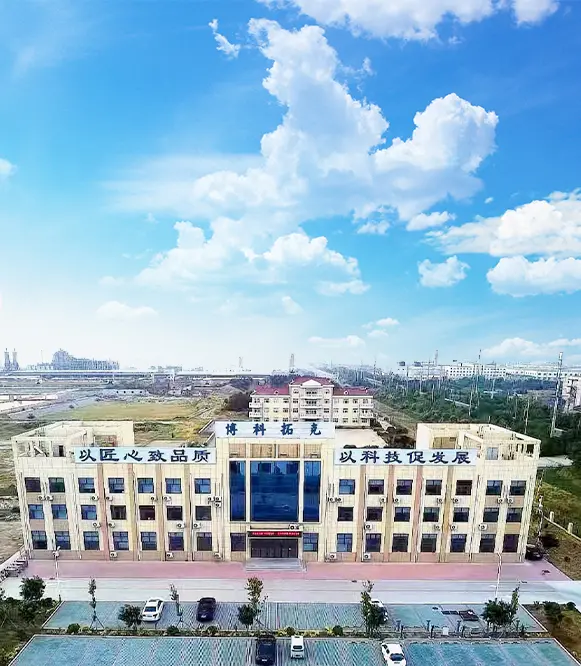
Our infrastructure matches advanced chemical synthesis with precision quality control systems to support large-scale international requirements.
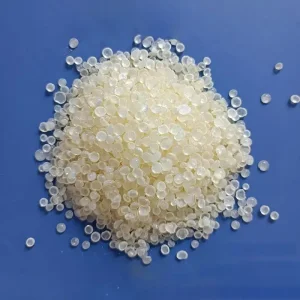
Boctok's Tier II core business is petroleum resins. We have invested in a key hydrocarbon resin manufacturer in China. We currently have three operating hydrocarbon resin factories located in Zibo, Fushun, and Nanjing. Taking advantage of reliable and abundant raw materials from SINOPEC and PetroChina, our advanced production facilities, and our decades of marketing experience, our products are widely used by customers, including many Fortune 500 companies, in both domestic and overseas markets. These products include C9 hydrogenated resins, C5 hydrocarbon resins, C5 modified C9 hydrocarbon resins, C9 hydrocarbon resins, dicyclopentadiene, and methyl cyclopentadiene dimer.
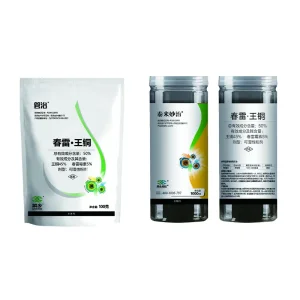
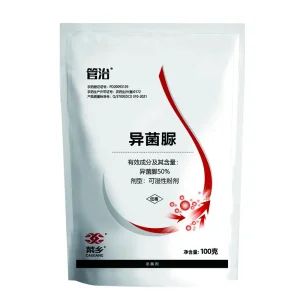
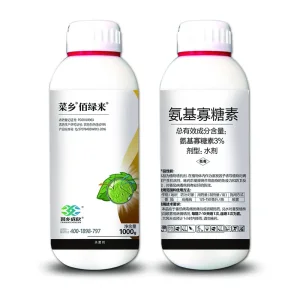
Boctok also focuses on the agrochemical industry. It produces intermediates and raw materials for the production of pesticides, fungicides, insecticides, seed treatments, herbicides, plant growth regulators, and more.
Boctok's products are sold throughout China and exported to North America, Europe, Japan, South Korea, Australia, South America, the Middle East, India, Southeast Asia, Russia, etc., enjoying the well-deserved trust of customers.
Methyl silicone resin tackifiers—chiefly synthesized as MQ and VMQ silicone resins—differ significantly from traditional hydrocarbon-based or rosin-based resins. They comprise a unique three-dimensional spherical structure composed of mono-functional siloxane units (M unit, R3SiO1/2) and tetra-functional siloxane units (Q unit, SiO4/2). The specific performance characteristics of these tackifiers depend heavily on the control of the M/Q molar ratio, molecular weight distribution, and functional silanol (Si-OH) or vinyl (Si-CH=CH2) content.
In the synthesis of methyl MQ silicone resins, the ratio of M to Q units determines the balance between adhesive cohesive strength and peel tack. Typically, an M/Q ratio of 0.6 to 0.9 provides the optimal molecular weight range for tackification in silicone pressure-sensitive adhesives (SPAS). A lower ratio yields high cohesion but decreases immediate tack, whereas a higher ratio elevates tack but compromises heat-induced shear resistance.
Because the main backbone consists of high-energy Si-O-Si bonds (460 kJ/mol compared to 348 kJ/mol for C-C bonds), methyl silicone resin tackifiers retain their physical structural integrity in extreme environments. They resist oxidation, UV irradiation, and thermal decomposition from -60°C up to 300°C, making them critical for electronics, aerospace insulation, and automotive engine room assembly.
When blended with high molecular weight polydimethylsiloxanes (PDMS) or fluorosilicone rubbers, the methyl silicone tackifier behaves as a reinforcing agent. It alters the viscoelastic properties of the silicone network, enabling high peel adhesion on difficult low-surface-energy substrates, such as PTFE, polyimides, and silicon-coated release liners.
The global chemical market relies heavily on mainland China for high-purity organosilicon precursors. Boctok leverages major structural advantages that translate directly to cost savings, quality control, and supply chain security for international buyers:
Boctok recently invested US$65 million to build a new plant located in Bohai Industrial Park, a provincial chemical industry park in Shouguang City, Shandong Province, to expand the production chain of silane coupling agents, with 6 automatic DCS production lines with an annual output of 30,000 tons of silane coupling agents.
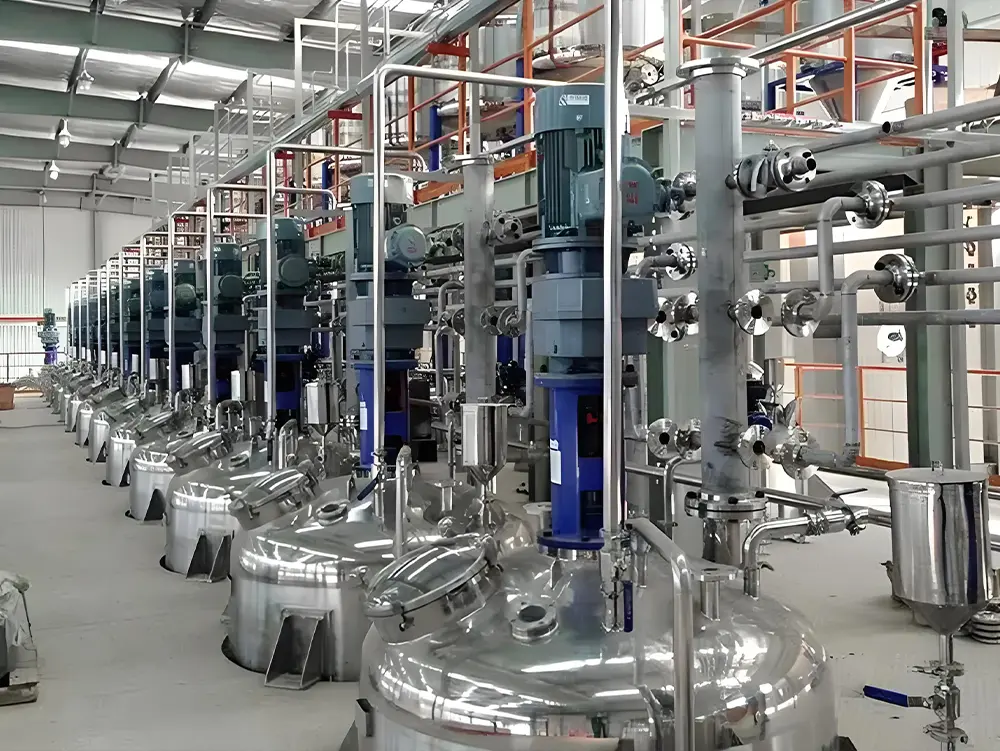
The production lines in the new factory are equipped with automatic remote control system DCS, safety instrument system SIS and other safety equipment. ISO9001 quality management system standards are implemented throughout the process to ensure stable quality. Treatment facilities have been built to protect the environment, including a waste gas collection and treatment system and a wastewater treatment system.
From quality assurance protocols to reliable shipping networks, discover our competitive advantages.

Our products undergo rigorous testing to ensure that every aspect meets the highest quality standards, including HPLC and GC analysis for purity confirmation.

We have advanced production lines that allow us to effectively expand production capacity and meet the demand for mass customization.

Our professional team is available online 24 hours a day to provide attentive service and answer all your technical questions.

An optimized logistics system ensures fast order processing and timely delivery to customers globally.

A broad catalog of silanes, silicon oil, hydrocarbon resins, and MQ silicone structures.

Advanced agrochemical raw materials, intermediates, formulations, and soil adjuvant agents.
Procuring methyl silicone resin tackifiers and silane coupling agents requires navigating complex technical requirements and supply realities. Global procurement officers face distinct hurdles, for which Boctok offers structured support:
Minor batch-to-batch variation in polymer viscosity or M/Q ratio can lead to failure in adhesive products. Boctok maintains consistent viscosity envelopes and vinyl loadings through automated DCS monitoring systems.
With tightening environmental rules in the EU (REACH) and the USA (TSCA), sourcing low-VOC or solventless silicone resins is essential. We offer solventless methyl silicone MQ resins and water-based emulsions to meet green building and assembly requirements.
Navigating global customs requires meticulous compliance work. Boctok provides comprehensive international shipping documentation, custom packaging (drums, IBCs, and ISO tanks), and export clearing services.
Our organosilicones and petroleum resins are integral to critical functions across industrial, electronics, automotive, and agricultural sectors.






Navigating chemical handling standards is essential for legal and safe supply chains. Boctok maintains a full-scope regulatory tracking system for our silicone and petroleum resins, guaranteeing ease of market access in every target region:


Supplying high-purity intermediates and specialized silicone processing aids for active ingredient formulation.

Silicone oils and specialty resins providing hydrophobic protection and silky textures in skincare formulations.
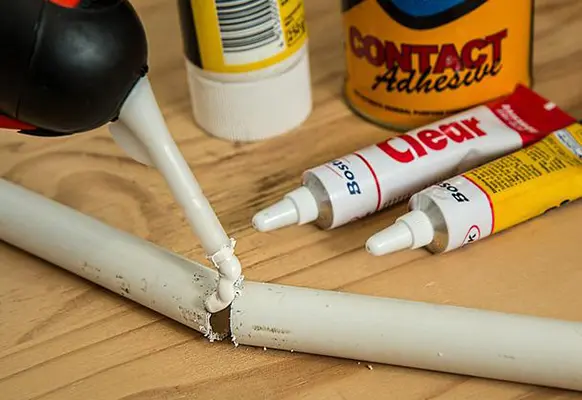
Improving peel and shear properties of pressure-sensitive tapes and structural joints using petroleum resins.
Using coupling agents to dispersion-stabilize inorganic fillers, improving mechanical limits.
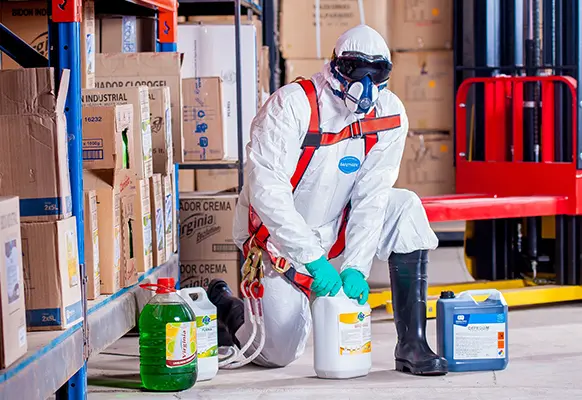
Improving weathering, corrosion defense, and substrate adhesion for maritime and heavy industrial surfaces.
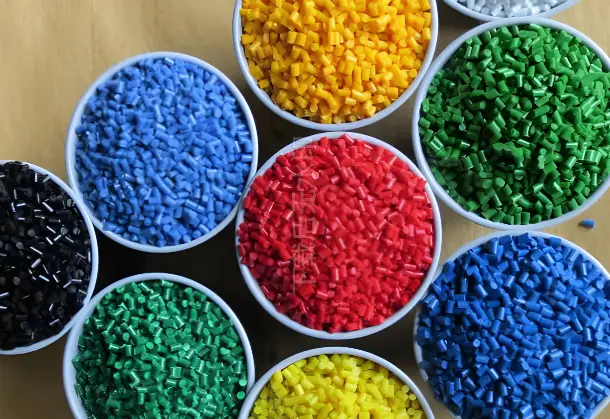
Processing aids and compatibilizers that lower energy demands while raising final material strengths.
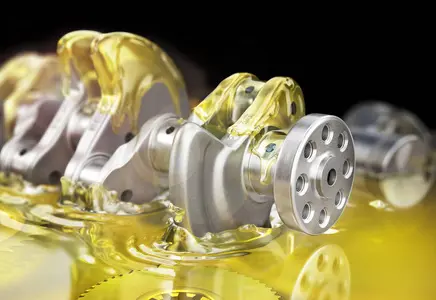
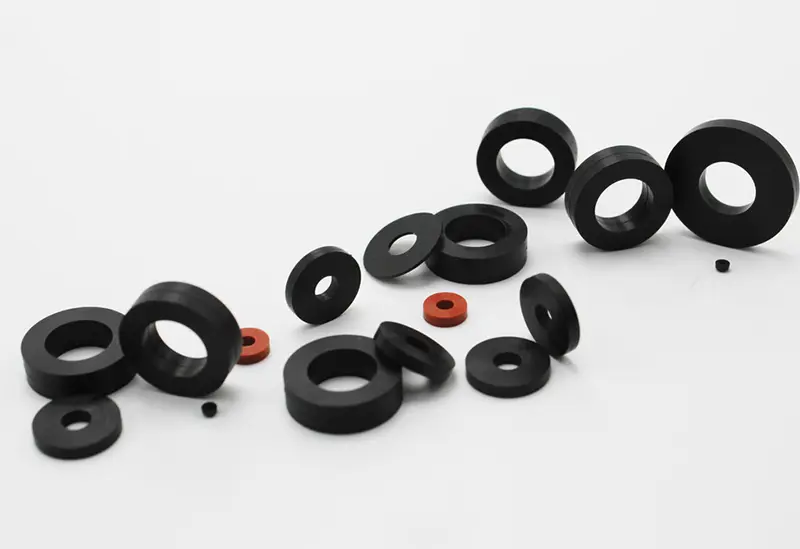
Precision-molded automotive and electrical connectors requiring smooth surface interfaces.
High-efficiency silicone formulations designed to break down foam in pulp, petrochemical, and wastewater operations.

Hydrophobic silicone additives that seal gypsum products against ambient moisture intrusion.
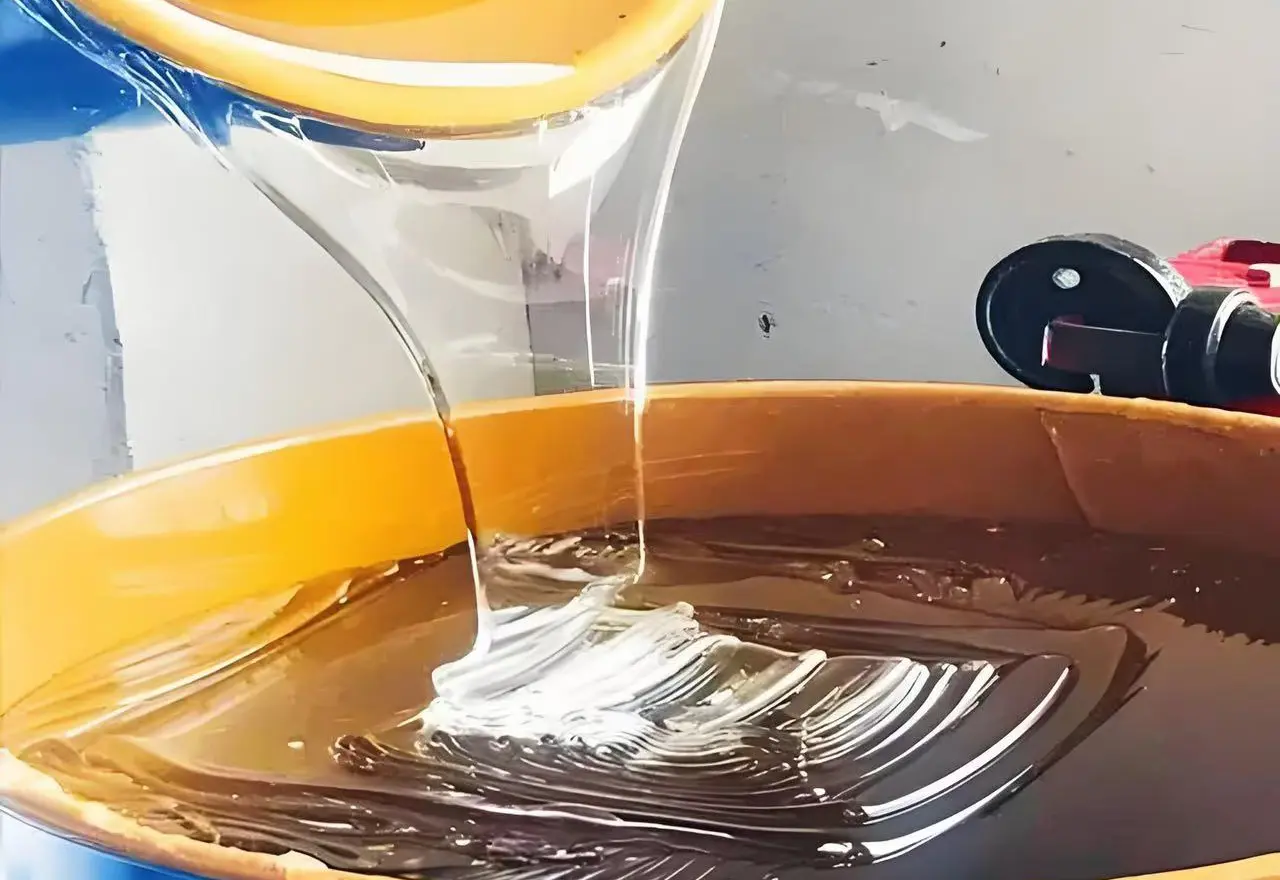
Various viscosity fluids serving as heat transfer media, hydraulic damping agents, and lubricants.

Withstanding high temperatures, pressure cycles, salt spray, and ozone attacks in harsh environments.
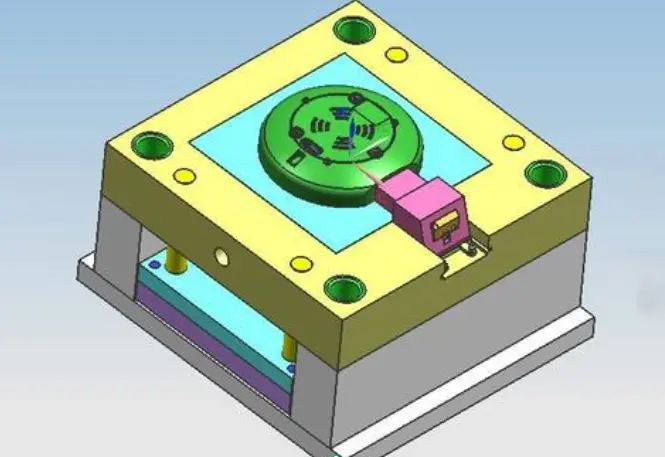
Silicone materials optimized for high-durability molding, casting, and replication tasks.

Thermal management potting compounds and dielectric coatings that safeguard delicate chip assemblies.

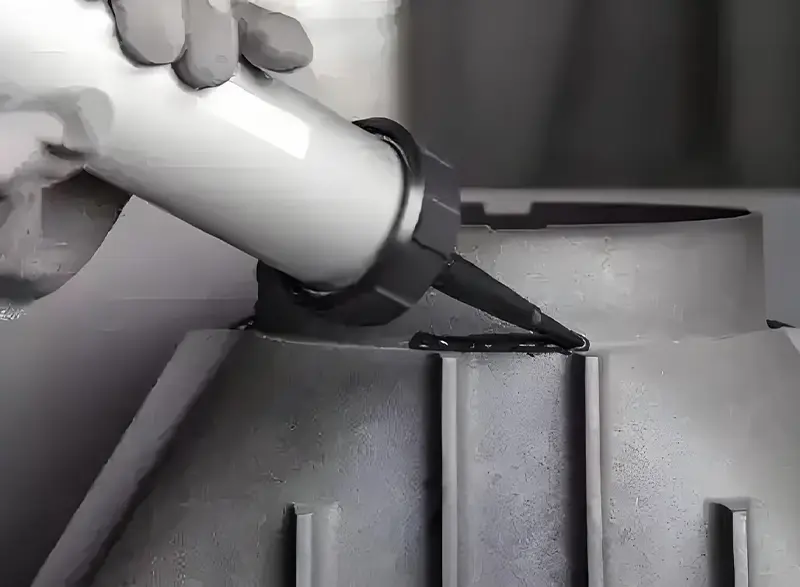
Siloxane sealants and protective coatings that resist weather, structural shifts, and water damage.
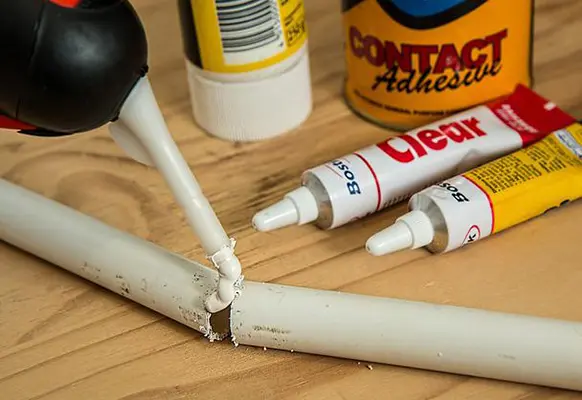
Providing high-peel bonding for structural glazing, masonry, and infrastructure joints.
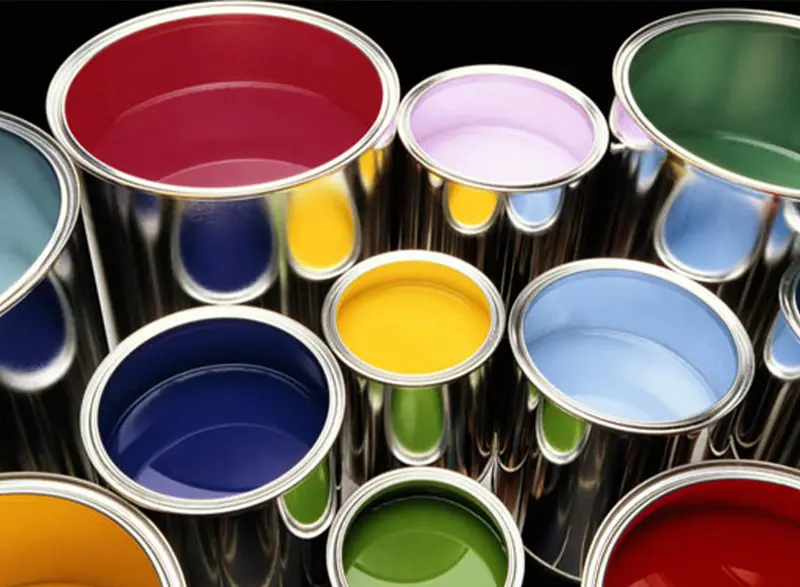
Specialty additive resins that improve leveling, scratch defense, and gloss retention.

Silane primers that prevent oxidation and optimize paint adhesion on steel, aluminum, and copper.
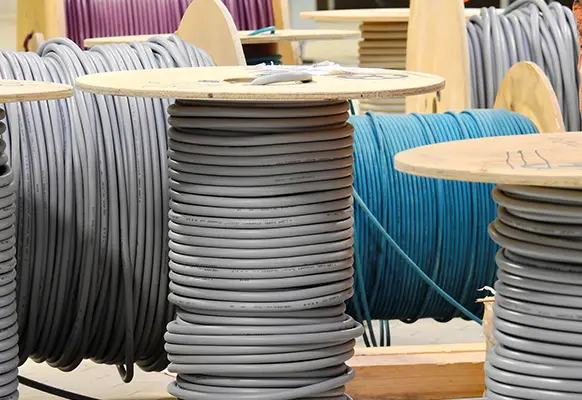
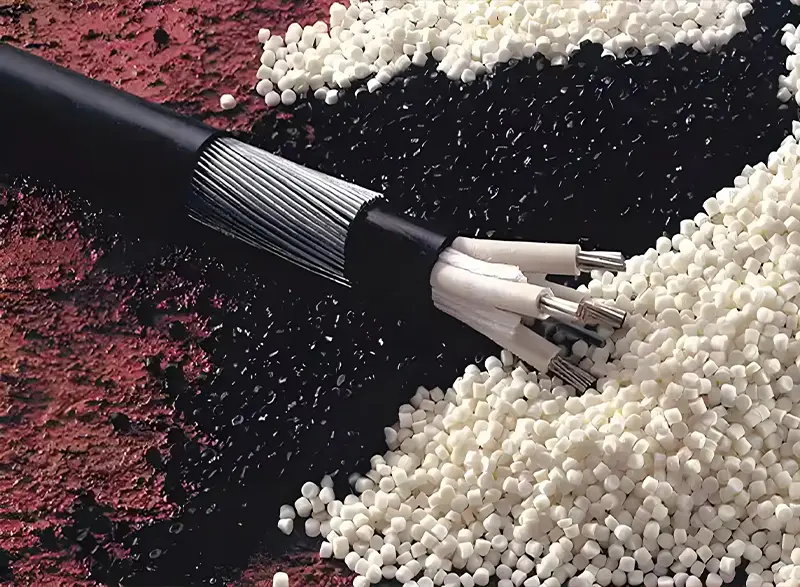
Vinyl silane crosslinkers for XLPE insulation systems, providing high thermal insulation reliability.
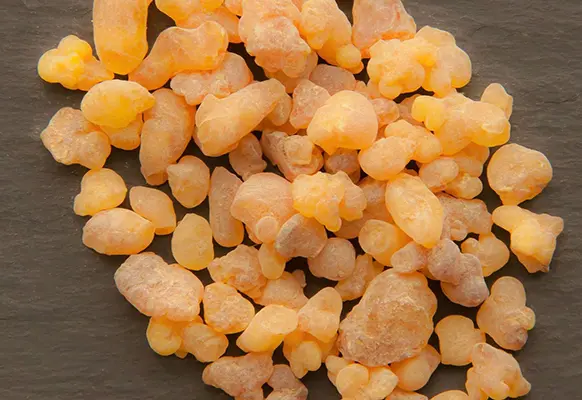
High-grade chemical additives that help modify viscosity profiles during plastic and composite synthesis.

Treating raw minerals to improve compatibility with resin matrices in composite materials.

High-reliability epoxy silanes used in fiberglass blades to withstand continuous mechanical stress.

High-purity biocompatible siloxanes suitable for medical tubing, diagnostic chips, and adhesives.

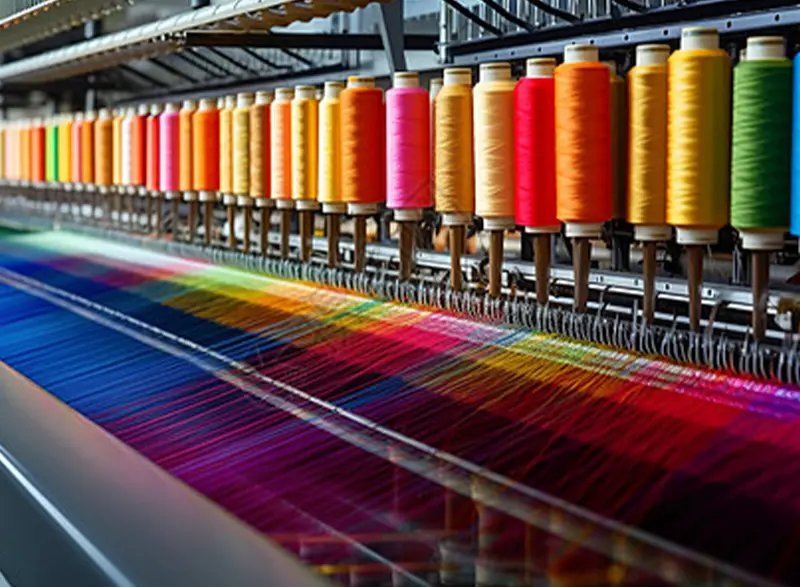
Silicone softening agents that improve fabric elasticity, water repellency, and hand feel.

Surface-treating silica, kaolin, and talc to maximize mechanical strength in polymer systems.
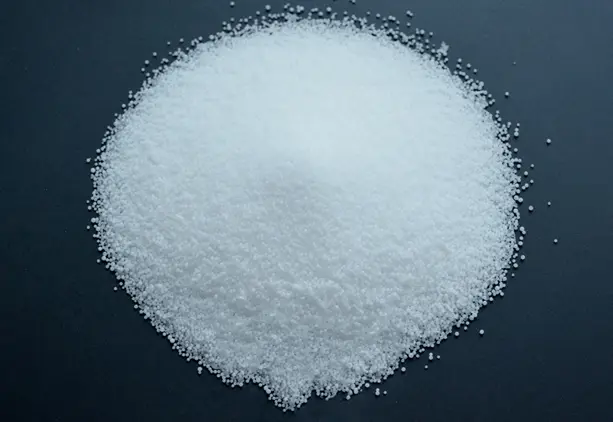
Advanced structural silicone polymers designed for specialized industrial and engineering coatings.
The organosilicone market is undergoing rapid change driven by technological requirements, environmental rules, and shifting supply chains. For enterprises looking to secure their operations over the next decade, three key trends stand out:
With global pressure to reduce carbon footprints, research is shifting toward bio-derived silicon sources. Synthesizing methyl MQ resins from industrial agricultural ash (such as rice husk silica) is moving from pilot labs to commercial production, helping buyers meet sustainability targets.
As microchips grow denser and automotive components adopt high-power electronics, potting sealants and thermal adhesives must perform under higher temperatures. Tomorrow’s methyl silicone tackifiers will require higher thermal limits (exceeding 350°C) and lower dielectric constants, driving the development of specialized VMQ structural designs.
To reduce VOC emissions, companies are replacing solvent-based silicone pressure-sensitive adhesives with hot-melt alternatives. Developing hot-melt adhesives requires modifying the molecular weight distribution and silanol content of MQ tackifying resins to ensure low melt viscosity during processing and strong adhesion at service temperatures.
Our plants leverage automated production infrastructure to maintain high product purity and batch-to-batch consistency.

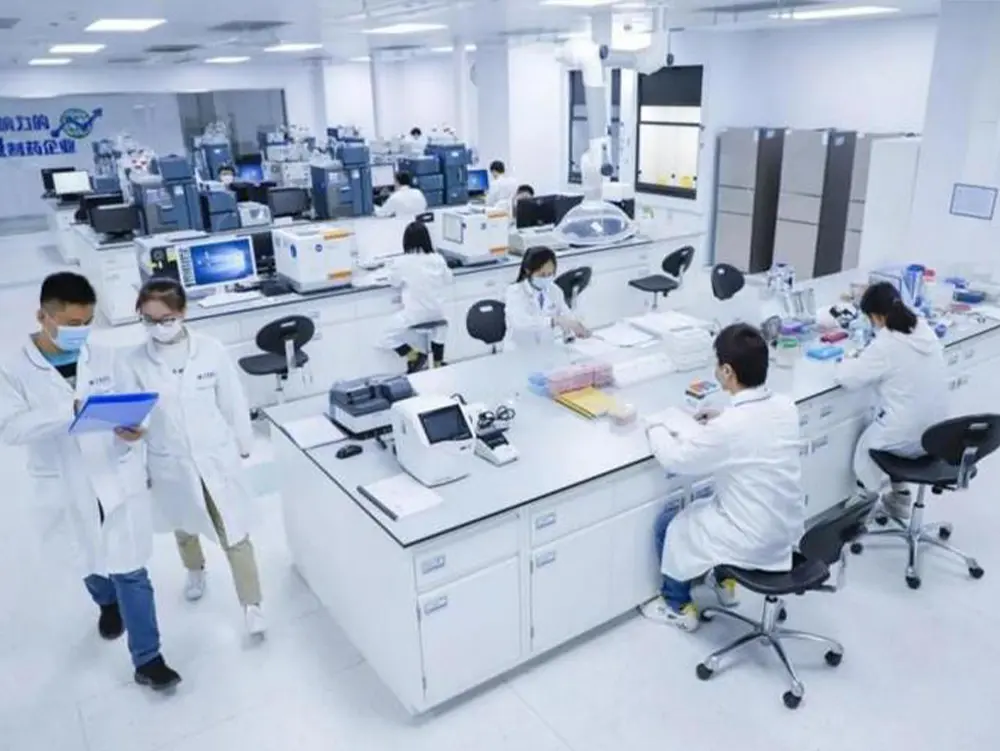
Get answers to common technical, logistics, and customization questions about our silicone products.
A methyl silicone resin tackifier, commonly referred to as an MQ silicone resin, consists of a three-dimensional siloxane network. It is synthesized by co-hydrolyzing tetraalkoxysilane (Q unit, SiO4/2) and trimethylchlorosilane (M unit, (CH3)3SiO1/2). The resulting structure has a core of high-density silica surrounded by protective, hydrophobic methyl groups, which provide excellent thermal stability and chemical resistance.
The M/Q ratio directly determines the polymer's molecular weight and glass transition temperature (Tg). A ratio between 0.6 and 0.9 balances tack and cohesion. If the M/Q ratio increases (more M units), the molecular weight decreases, which raises immediate tack but reduces heat resistance and shear strength. Conversely, a lower ratio increases cohesion but reduces peel adhesion.
Standard MQ resins feature trimethylsiloxy units on their outer shell. VMQ resins introduce vinyl groups (Si-CH=CH2) into the siloxane network. These vinyl groups allow VMQ resins to crosslink with hydrosiloxanes via addition-curing (platinum catalyst) reactions, making them ideal for high-performance addition-cure rubbers and electronic potting compounds.
Yes. The residual silanol content (typically ranging from 0.5% to 3.0% by weight) is a key variable. Higher silanol levels provide reactive sites for condensation-curing systems, while low-silanol options are preferred for pressure-sensitive adhesives to prevent unwanted aging reactions. We can adjust silanol levels during production to match your curing chemistry.
All our manufacturing facilities in Zibo, Fushun, and Nanjing operate under ISO 9001 quality management guidelines. The production lines feature automated DCS (Distributed Control Systems) and SIS (Safety Instrumented Systems) to keep temperatures, pressures, and flow rates within narrow tolerances, ensuring batch-to-batch consistency.
We supply complete documentation packs, including RoHS test reports, REACH registration files, TSCA conformity declarations, and safety data sheets (SDS) formatted to regional requirements. Every shipment is dispatched with a batch-specific Certificate of Analysis (COA).
Depending on the product phase (solid resin powder vs. solvent-dissolved liquid), we supply products in 25kg fiber drums, 200L steel drums, 1000L IBC totes, or bulk ISO tanks. Our experienced export division coordinates logistics to major ports in North America, Europe, Russia, South America, and Asia.
Yes, we formulate hybrid systems that blend C5/C9 petroleum resins with silicone modifiers to balance costs and performance. Please contact our technical sales team with your target viscosity, heat resistance, and peel strength specifications to arrange sample development.
Explore our specialized range of chemical intermediates, crosslinkers, and elastomers designed for demanding industrial applications.
 Boctok Chemical