Discover our core line of premium organosilicon monomers, advanced crosslinkers, and specialized chemical intermediates.
Methacryloyloxy Silanes (exemplified by high-performance molecules like 3-methacryloxypropyltrimethoxysilane, CAS No. 2530-85-0) represent a vital subclass of bifunctional organosilicon compounds. By combining a highly reactive methacrylate group with hydrolyzable alkoxy groups, these compounds act as molecular bridges. They successfully link organic polymers (such as acrylics, unsaturated polyesters, and polyurethanes) to inorganic substrates (including silica, glass, quartz, alumina, and various metals).
Currently, the global market for methacryloyloxy silanes is experiencing a surge in demand. This is driven by rapid technological advancements in green energy, modern automotive coatings, electronics packaging, and medical composite dentistry. As industries globally pivot towards lightweight composites and high-durability coatings, the requirement for superior interfacial bonding agent technologies has become absolute.
Chinese manufacturers have consolidated their positions not just as low-cost suppliers, but as technology pioneers. Through sustained investment in integrated supply chains, starting from basic silicon metal chlorination to specialized organo-functionalization, companies like Shandong Boctok Chemical Co. have established ultra-modern manufacturing assets that compete on the highest global standards of E-E-A-T (Experience, Expertise, Authoritativeness, and Trustworthiness).
To understand the performance criteria of methacryloyloxy silanes, one must analyze the typical chemical synthesis route. The main industrial pathway involves the hydrosilylation of allyl methacrylate with trimethoxysilane (or trichlorosilane followed by esterification with methanol) under the catalytic influence of platinum complexes:
Controlling side reactions during this synthesis is critical. Inhibiting polymerization of the acrylic double bonds under elevated temperatures requires proprietary stabilizers and vacuum distillation technologies. The resultant product must maintain an active purity level above 98.5% with strictly controlled levels of free chlorine, heavy metals, and moisture. This ensures hydrolytic stability during shipping and storage.
Founded in 2012 as a highly specialized marketing and sales hub for Boctok™ domestic and international business segments, Shandong Boctok Chemical Co. has evolved into a powerhouse of chemical innovation. Reaching a landmark sales volume of US$280 million in 2023, we have committed ourselves to serving global industrial demands, with a distinct concentration on high-performance markets including Russia, Europe, the Middle East, and the Americas.
Our primary chemical divisions span across organosilicon compounds (encompassing 12 proprietary silane series), premium petroleum hydrocarbon resins (C5/C9), and advanced agrochemical intermediates. Our operations run on high-capacity DCS automated systems, aligning environmental stewardship with chemical excellence.
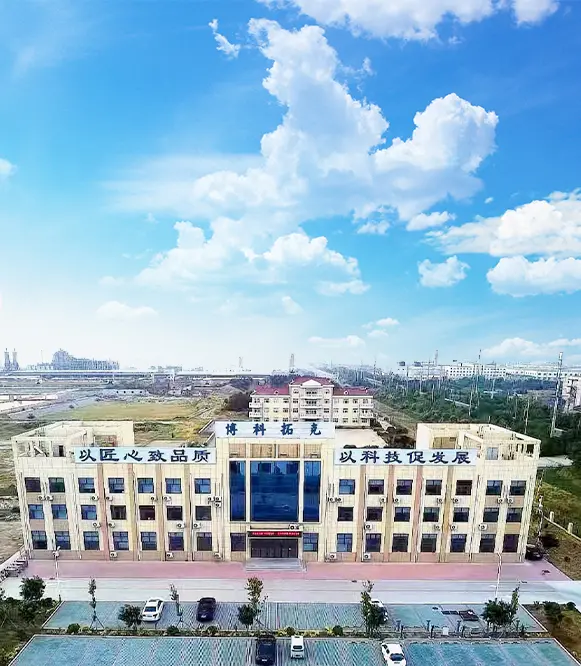
Underpinning our E-E-A-T profile is our massive physical footprint, cleanroom capabilities, and automated process engineering.
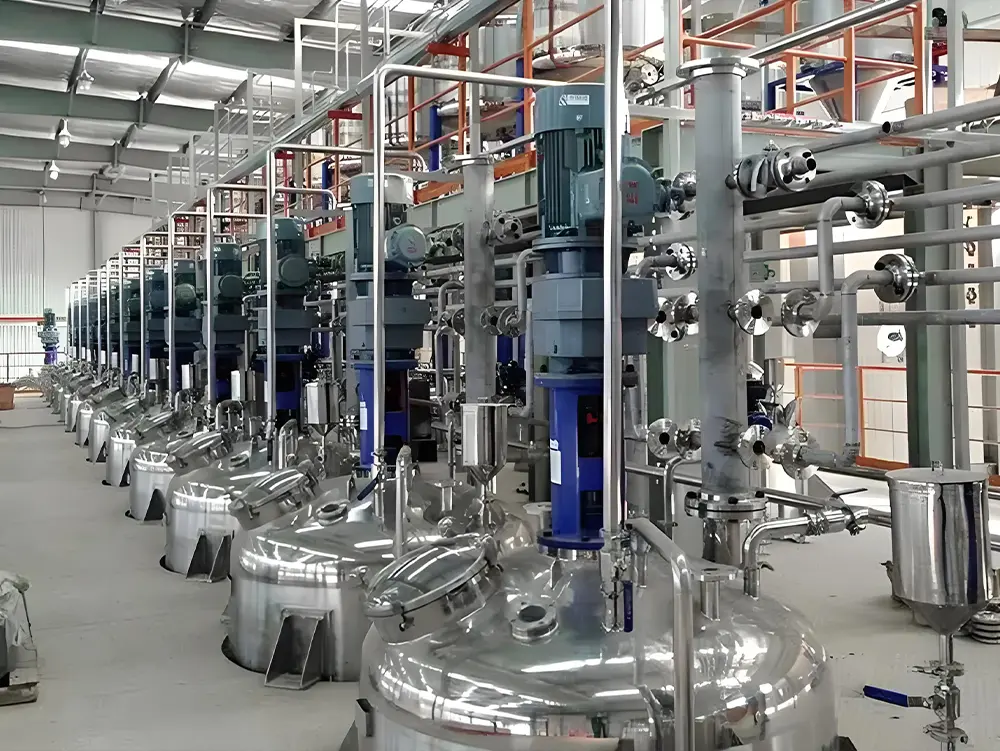
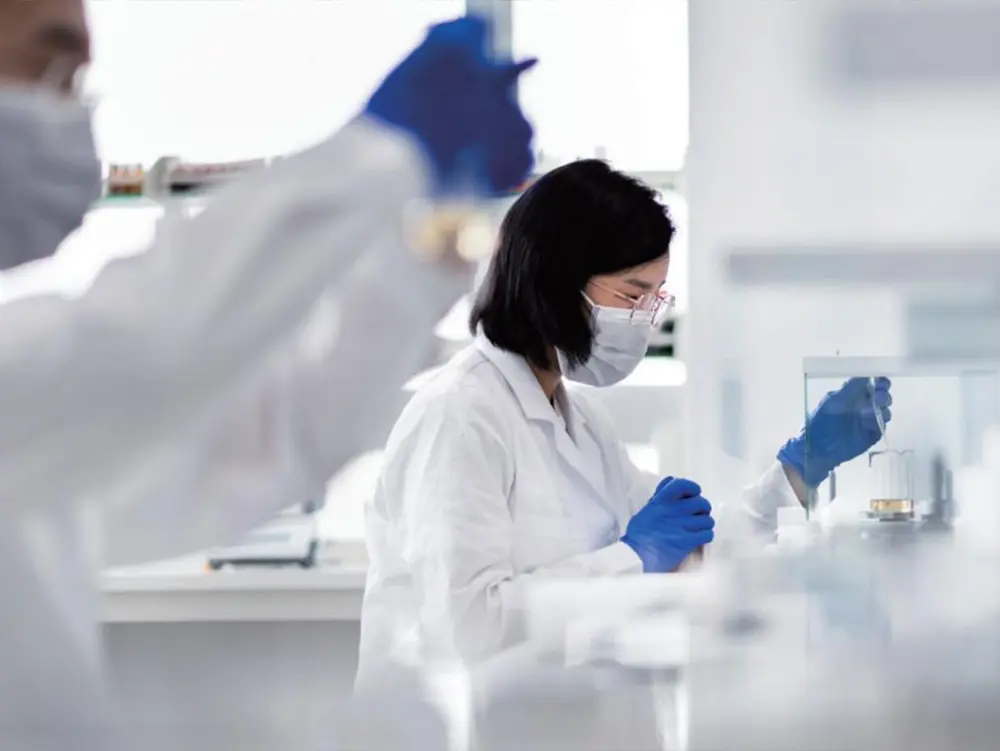
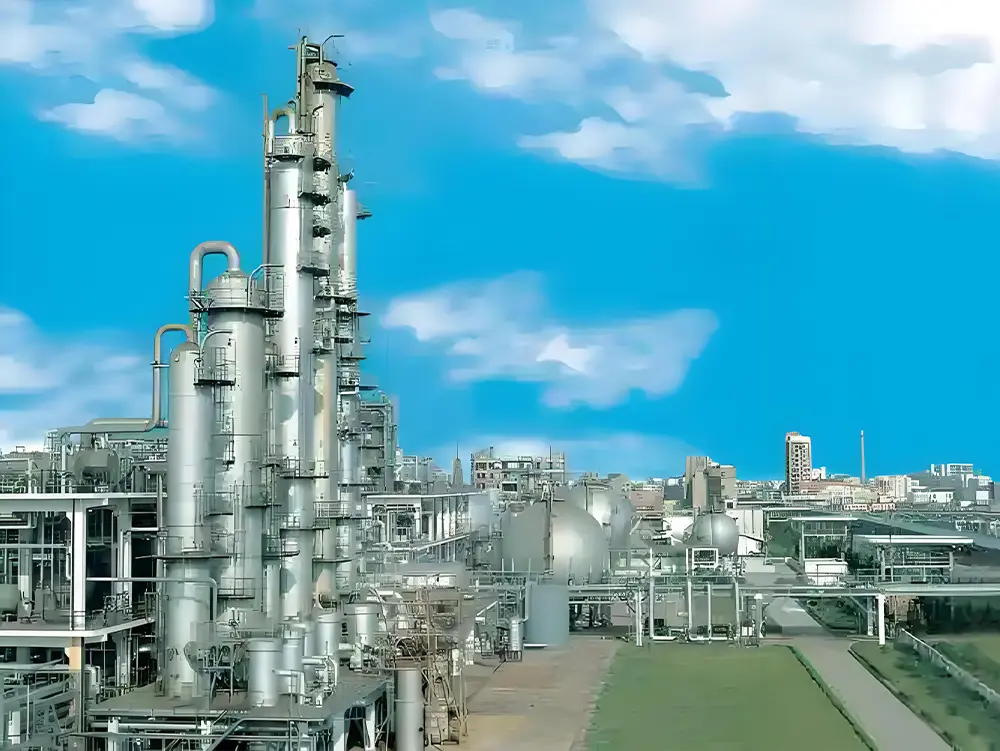
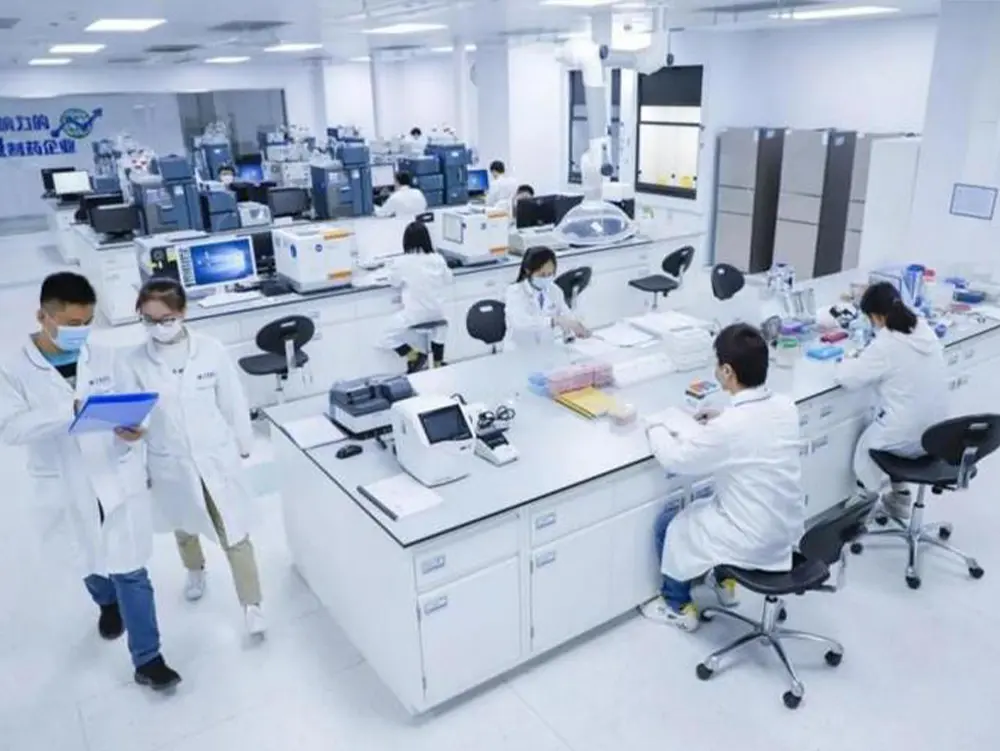
Boctok organizes its industrial production into three interconnected tiers, designed to serve a myriad of applications from infrastructure to high-tech manufacturing.
Covers 12 functional series of silane coupling agents and crosslinkers including aminosilanes, methacrylate silanes, epoxysilanes, vinylsilanes, and mercaptosilanes. We also supply premium silicone oils, high-hydrogen fluids, MQ resins, and room-temperature vulcanized rubbers.
Operating three major plants in Zibo, Fushun, and Nanjing. Capitalizing on stable feedstock from SINOPEC and PetroChina, we manufacture high-purity C9 hydrogenated resins, C5 hydrocarbon resins, and modified copolymers for Fortune 500 adhesive manufacturers.
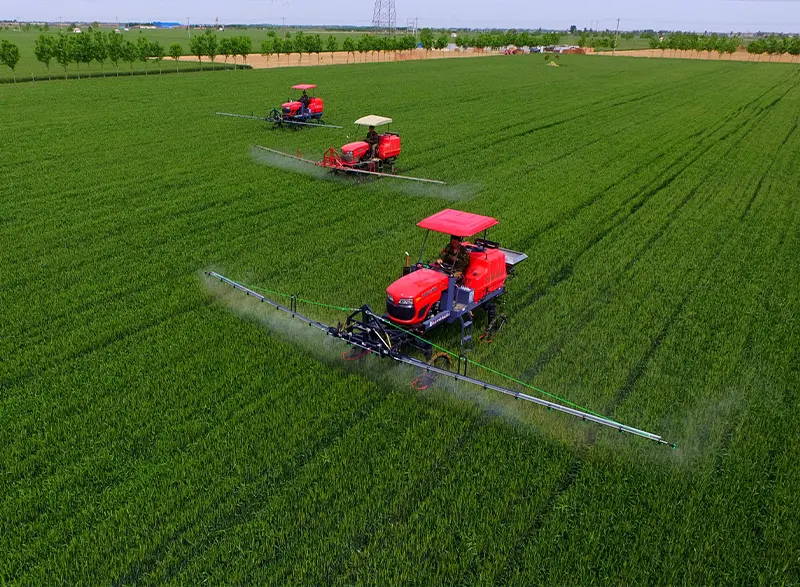
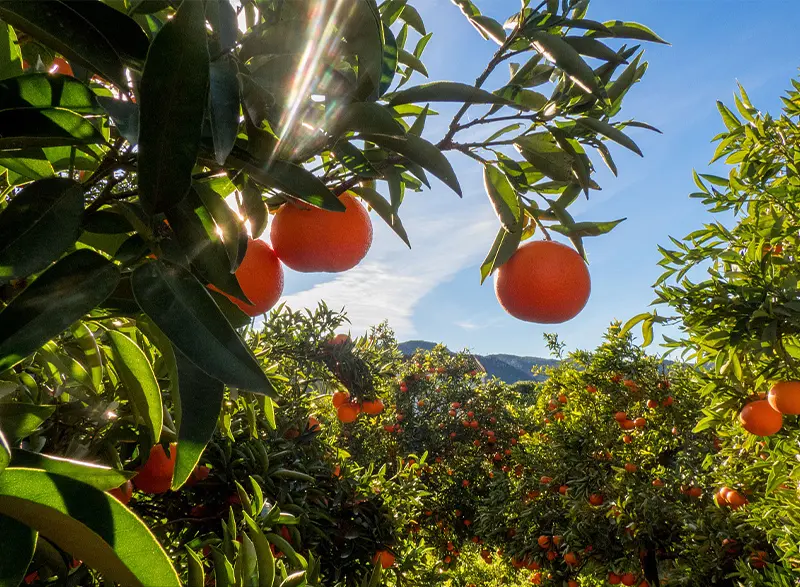
Focusing on the high-efficiency synthesis of intermediates and active ingredients for modern crop protection. This includes pesticides, fungicides, insecticides, seed treatments, and plant growth regulators.
The unique chemistry of Methacryloyloxy Silane makes it an indispensable agent across several key global industries:
Translating basic organosilicon compounds into applied chemistry solutions across the industrial landscape.
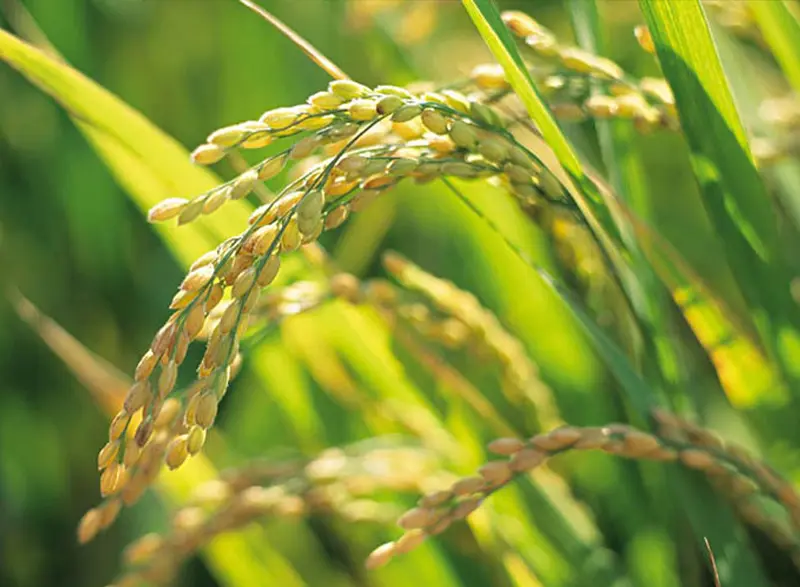
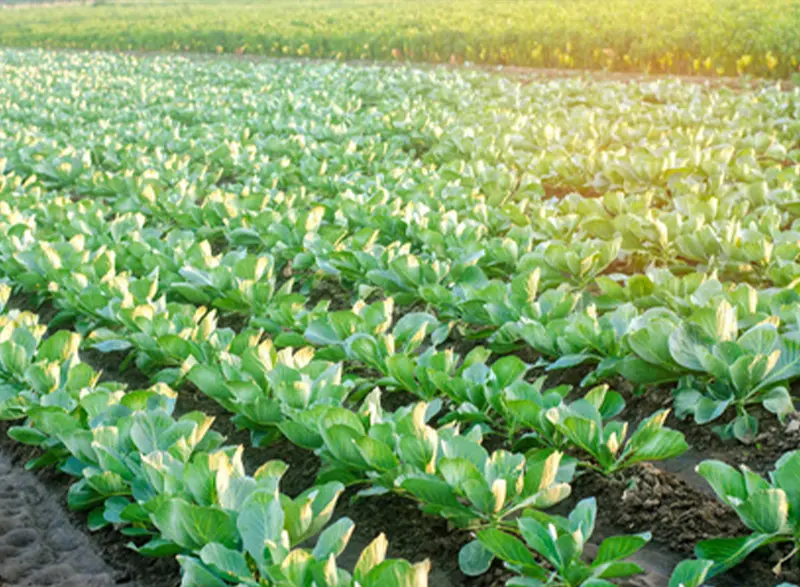
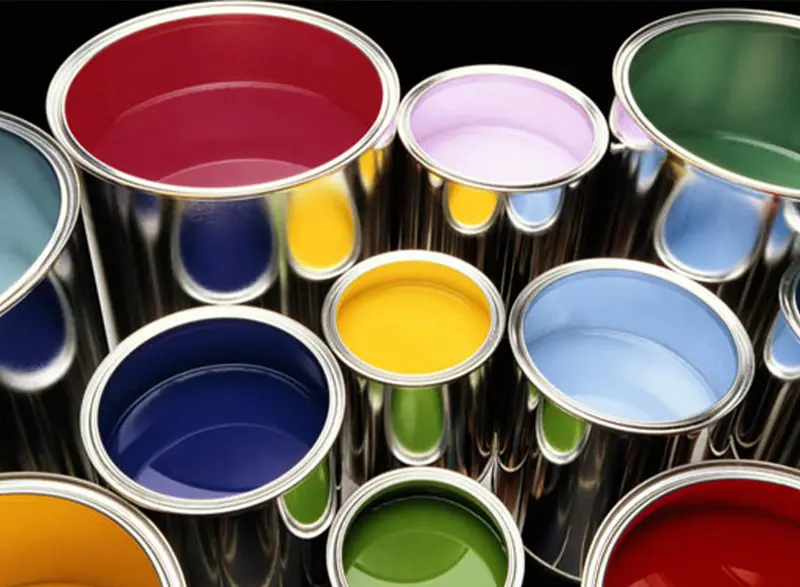
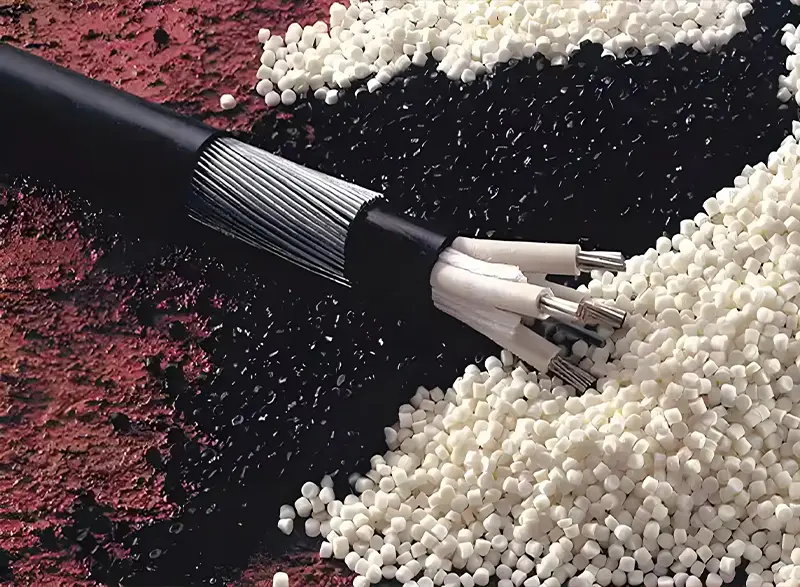
The synthesis of methacryloyloxy silane is shifting towards greener processes and higher purity ranges. We are observing the following primary technical vectors that define our production roadmap for the coming decade:
Shandong Boctok invested US$65 million in our new plant located in Bohai Industrial Park, Shouguang City. Equipped with 6 fully automatic Distributed Control System (DCS) production lines, we have eliminated human error in chemical feed rates and temperature profiles, realizing a stable annual output of 30,000 tons of high-grade silane coupling agents.
By integrating safety instrument systems (SIS) and hazardous monitoring networks, we guarantee steady uptime and high-reliability operation. This safety net reduces micro-deviations in synthesis temperature, resulting in extremely consistent molecular weight distribution and lower impurities.
Global environmental guidelines are placing tight limits on volatile organic compound (VOC) emissions during silane application. Our research and development department is currently refining water-borne silane oligomers, which release ethanol instead of toxic methanol upon hydrolysis, matching the sustainability goals of next-generation green sealants.
Our expansion at the Bohai Industrial Park is coupled with strict environmental monitoring systems. Boctok has constructed dedicated waste gas collection lines along with secondary and tertiary wastewater purification units. By implementing closed-loop solvent recovery, we recycle up to 94% of raw alcohols, significantly lowering our carbon footprint per ton of methacryloyloxy silane produced. This systematic approach is in perfect alignment with modern global procurement standards required by Western European and North American buyers.
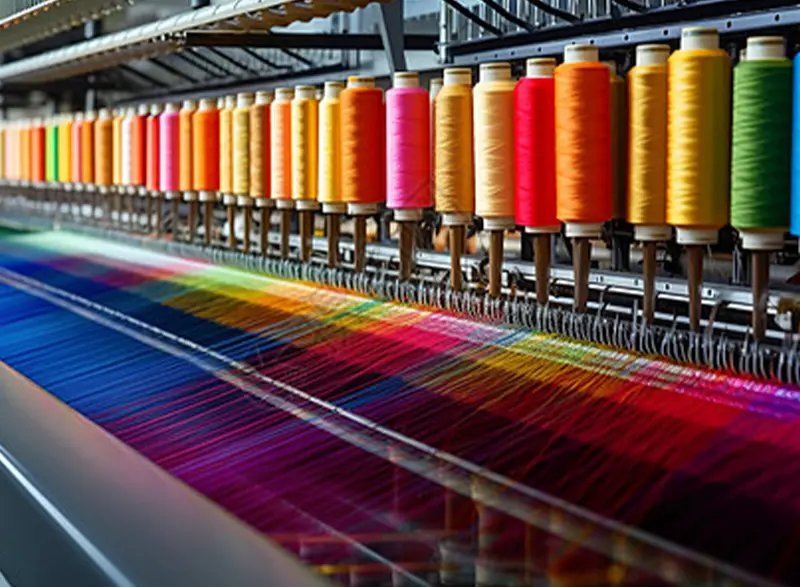
Aligning chemical compositions to match precise processing, dispersion, and thermal resistance parameters.

Enabling custom coupling agents for drug carriers and delivery matrices, alongside the formulation of active crop-protection chemicals.

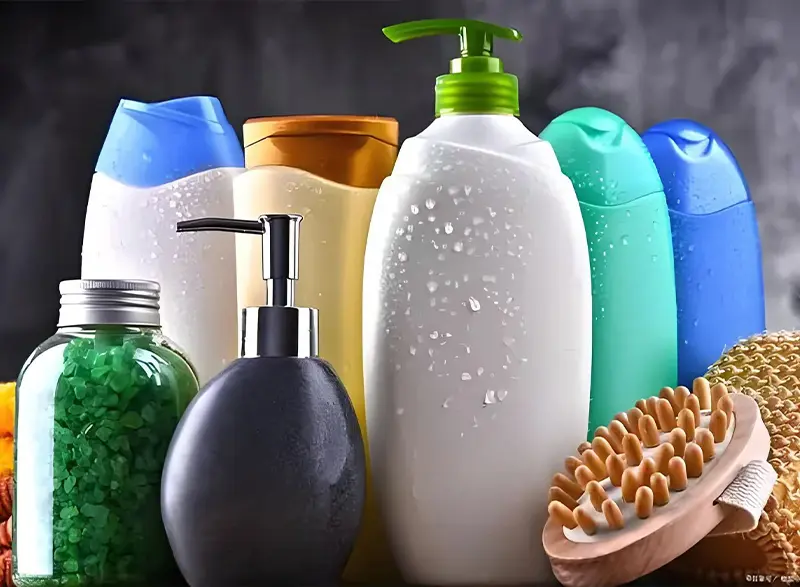
Modifying silicone-based texturizers, emulsifiers, and carrier fluids to match global skin-safety and dermatological standards.
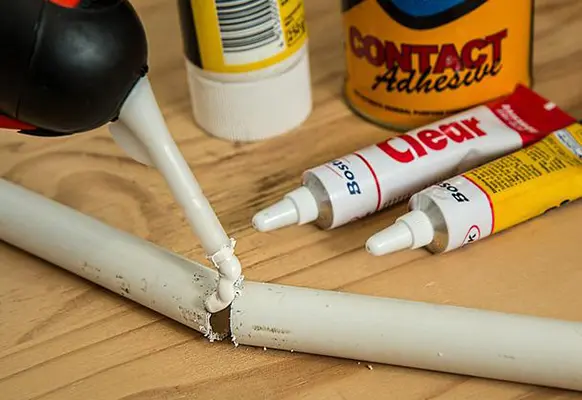
Applying customized C5/C9 hydrocarbon tackifying resins to formulate long-lasting hot-melt and pressure-sensitive adhesives.
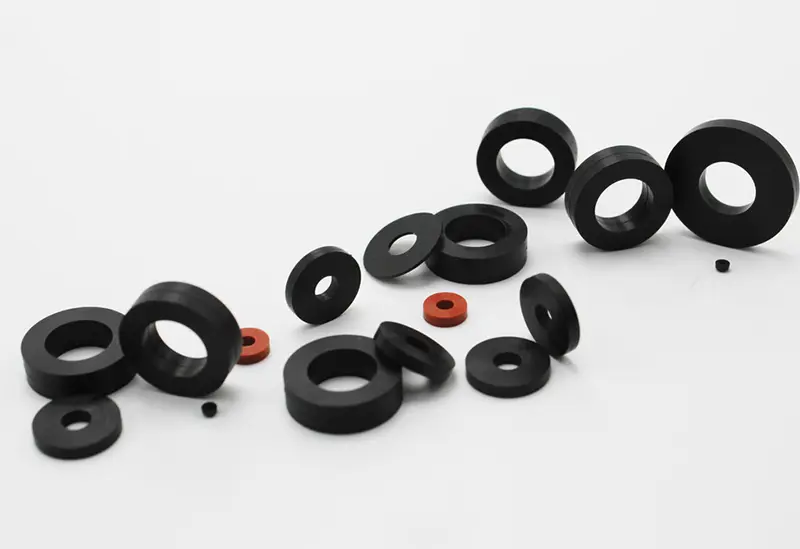
Enabling superior tensile strength, elasticity, and heat dissipation in both natural and synthetic rubbers for industrial belts and high-performance tires.
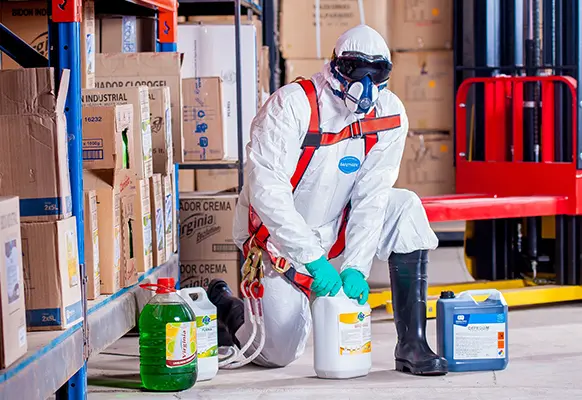
Adding methacryloyloxy silanes to solvent-based and waterborne resins to create crosslinked lattices that resist acid rain and harsh marine environments.
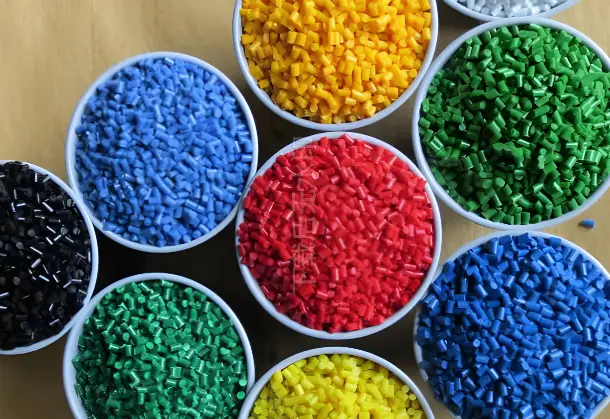
Enhancing mechanical properties of glass fiber-reinforced polymers (GFRP) used extensively in structural vehicle hulls and wind turbine housings.
Crucial FAQs answered by Boctok's lead application engineers, resolving common processing and formulation issues.
The typical application dosage ranges from 0.5% to 2.0% by weight based on the dry weight of the inorganic silica filler. For extremely high surface-area fillers (such as fumed silica), a higher dosage of 2.0% to 5.0% might be necessary to cover the active hydroxyl (Si-OH) groups on the filler surface. Over-dosing should be avoided, as unreacted silane can act as a plasticizer, deteriorating mechanical properties.
Methoxy silanes (e.g. 3-methacryloxypropyltrimethoxysilane) hydrolyze significantly faster than their ethoxy equivalents. Under neutral pH conditions, methoxy silanes react roughly 6 to 10 times faster than ethoxy silanes. This makes methoxy types ideal for rapid curing processes. However, ethoxy silanes are preferred when processing requires lower VOC toxicity and slow, controlled hydrolysis rates.
Methacryloyloxy Silane is highly sensitive to moisture and light. It should be stored in hermetically sealed containers under a dry nitrogen blanket, below 25°C (77°F). Because the compound contains an acrylic double bond prone to thermal polymerization, it is stabilized with inhibitors like BHT or MEHQ. Proper storage ensures a stable shelf-life of up to 12 months.
Boctok implements strict ISO9001 and ISO14001 guidelines across our Shouguang manufacturing plant. Our automated DCS remote-control system continuously monitors feed rates and reaction temperatures. Every bulk batch undergoes rigorous Gas Chromatography (GC) analysis and moisture titration, with a complete Certificate of Analysis (COA) issued prior to packaging.
Extending our organosilicon expertise into auxiliary industrial sectors.
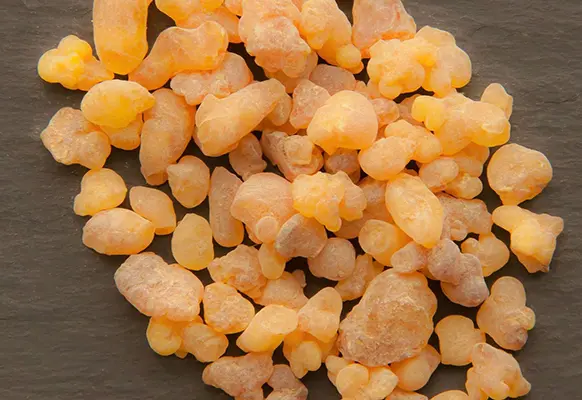
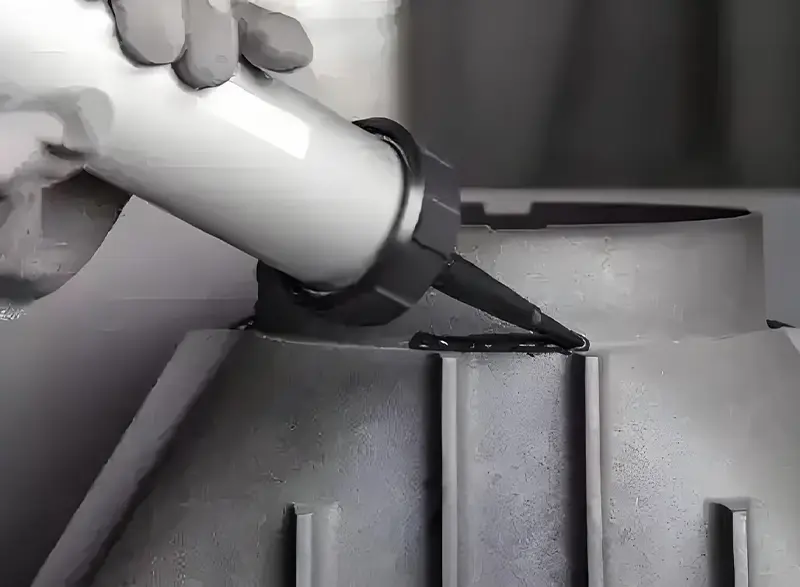
Optimizing molecular binding in high-precision structural castings, reducing internal stress fracturing in epoxy matrices.

Applying hydrophobic coatings on cement and brickwork, protecting critical infrastructure against salt spray damage.
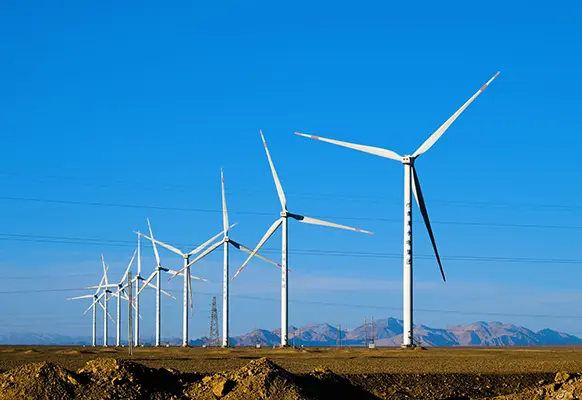
Integrating silanes into glass and carbon fibers to manufacture wind turbine blades that withstand intense mechanical fatigue.
Discover our highly specialized organosilicon derivatives, defoamers, and surface treatment agents.
 Boctok Chemical
![China Bis-[3-(triethoxysilyl)-propyl]amine CAS 13497-18-2 Manufacturer](https://site.cdnfile.io/www.boctoksilicone.com/837bedcc9470a3ee1f202feb49d8ce69300_300.webp)