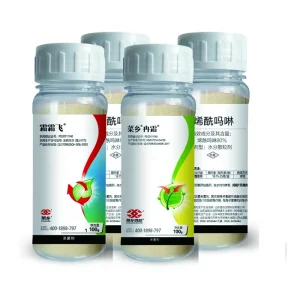
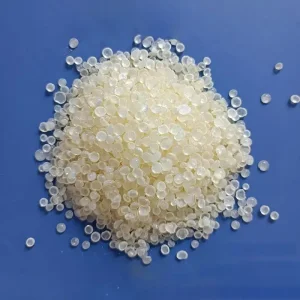
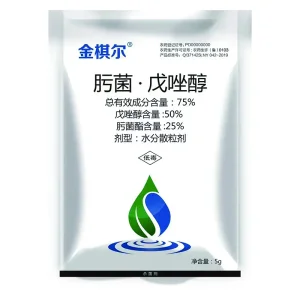
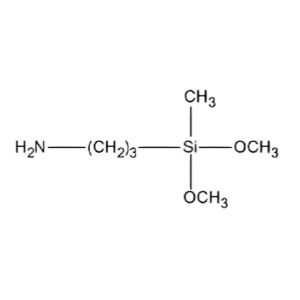
Explore our primary portfolio of high-purity silane coupling agents, hydrocarbon petroleum resins, and specialized industrial intermediates engineered for extreme environments.
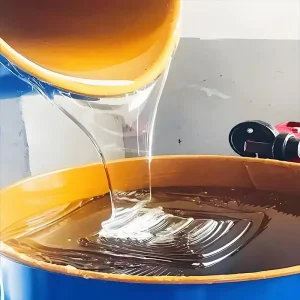
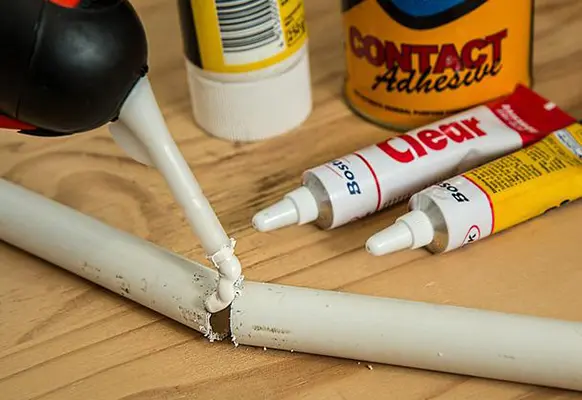
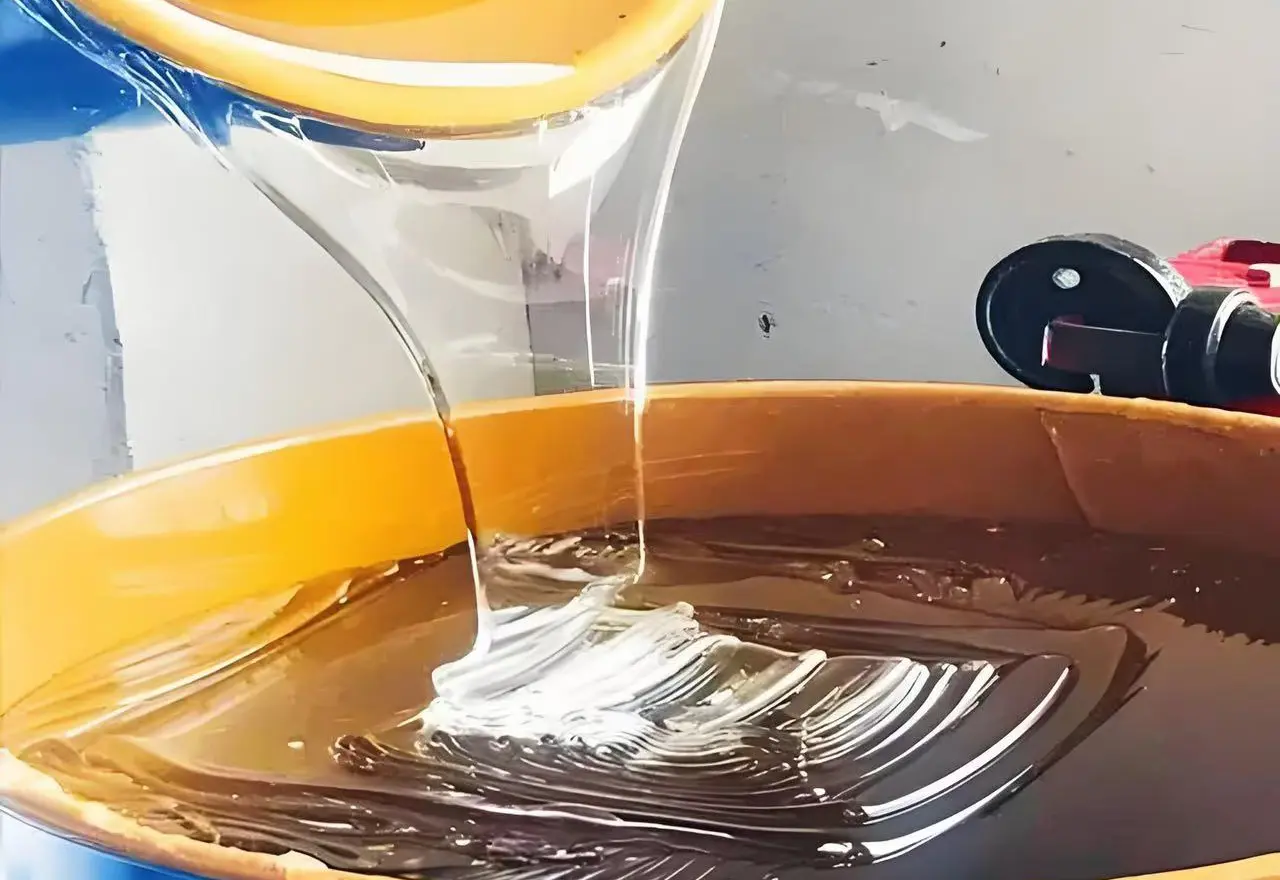
Hydroxyl Polymer Silicone Oil, chemically categorized as Silanol-Terminated Polydimethylsiloxane (OH Polymer), represents one of the most versatile and crucial materials within the global organosilicone chemical sector. Characterized by reactive silanol (Si-OH) functional groups at both terminals of the dimethylsiloxane polymer chain, this compound undergoes smooth condensation reactions when exposed to crosslinking agents and catalysts. This fundamental reactivity underpins the formulation of Room Temperature Vulcanizing (RTV) silicone rubbers, structural sealants, elastomeric coatings, and high-performance industrial adhesives.
From a molecular design perspective, the performance of Hydroxyl Polymer Silicone Oil is directly defined by its viscosity profile (ranging from low-viscosity fluids of 20 cSt up to high-viscosity gums exceeding 500,000 cSt) and its precise hydroxyl content (wt. % OH). Balancing these properties allows chemical formulation engineers to customize mechanical features, cure rates, and adhesive characteristics. This flexibility makes it indispensable in modern automotive engineering, aerospace sealants, building insulation, daily cosmetics, and advanced textile modifications.
SEO Insight & Information Gain: Unlike standard dimethicone fluids, which are inert and utilized mainly for lubrication and gloss, silanol-terminated fluids are active functional intermediates. Their processing requires strict molecular-weight distribution control and the removal of volatile cyclic siloxanes (D4-D10) to meet modern environmental standards like EU REACH regulations.
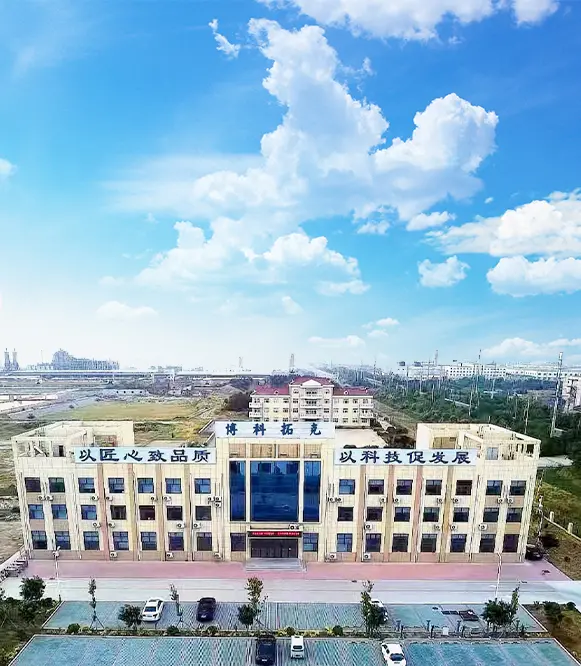
Shandong Boctok Chemical Co. was founded in 2012 as a marketing and sales center for Boctok™ domestic and overseas businesses and achieved sales of US$280 million in 2023. The BOCTOK brand specializes in serving the Russian market.
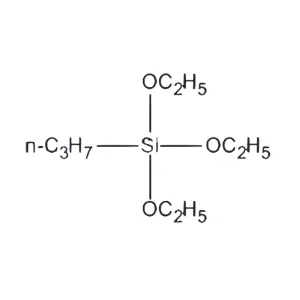
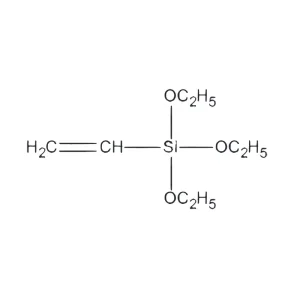
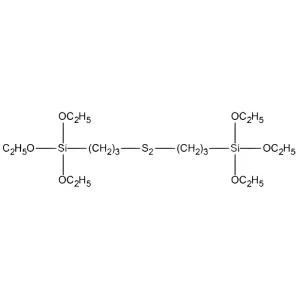
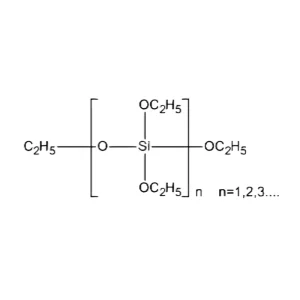
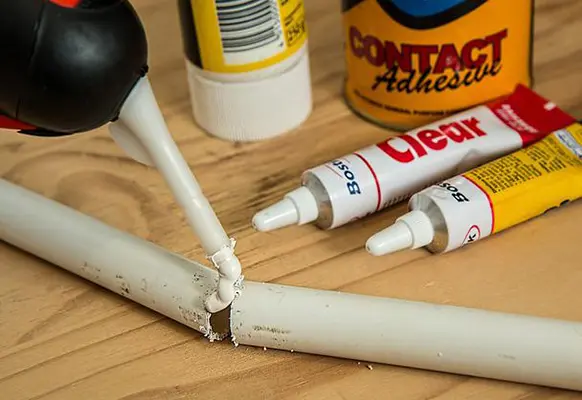
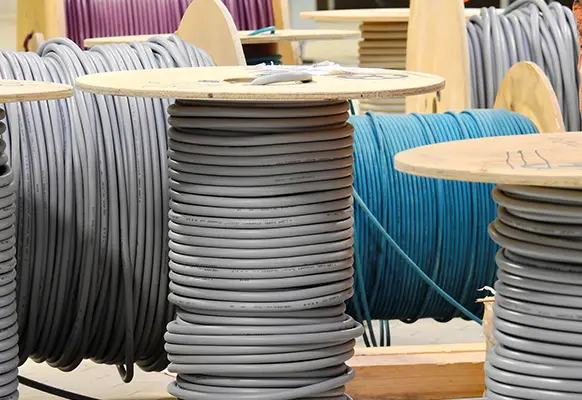
Boctok has three main product categories, the first core business of organosilicone covers twelve series of silane coupling agents and crosslinkers, including aminosilane, methacrylate silane, epoxy silane, vinyl silane, mercaptosilane, alkyl silane, ethyl silicate, chlorosilane, silane isocyanates, phenyl silane, ureidosilane and serosilane. Boctok also focuses on silicon oil, silicon resin, and silicon rubber, covering high-hydrogen silicone oil, dimethicone, vinyl silicone oil, polyphenylmethyldimethylsiloxane, phenyl silicone oil, silanol silicone oil and OH polymer, alkoxy silicone oil, methyl MQ resin, vinyl VMQ resin, room-temperature vulcanized methyl silicone rubber, 110 methyl vinyl silicone rubber, 120 methyl phenyl rubber. They are widely used in glass fiber, electronics, wind energy, daily necessities, chemical industry, coatings, adhesives, XLPE electric cables and hot water pipes, oil field drilling, textiles, rubber and molding, etc. to improve the quality and performance of the applied products.
China is the world's leading producer of organosilicone monomers and polymer derivatives. Sourcing Hydroxyl Polymer Silicone Oil from top-tier Chinese manufacturers like Boctok offers distinct chemical-industrial advantages:
China's comprehensive supply chain encompasses the reduction of silicon metal, the synthesis of methyl chloride, and direct polymerization into dimethylcyclosiloxanes (DMC, D4). This end-to-end integration shields buyers from dramatic international pricing fluctuations and raw material shortages.
Advanced plants can manufacture broad spectrums of silanol fluids, spanning precise viscosity targets (e.g., from ultra-thin 20 cSt fluids for surface treatment to 80,000 cSt polymer bases for building adhesives). This scale enables seamless processing of bulk orders alongside customized molecular structures.
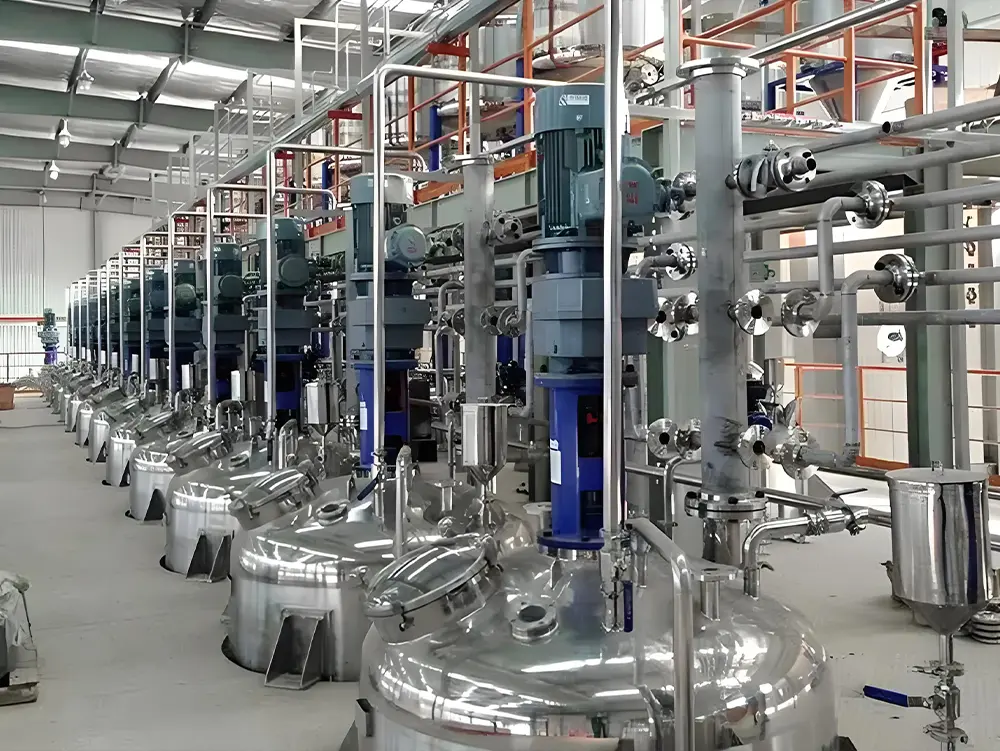
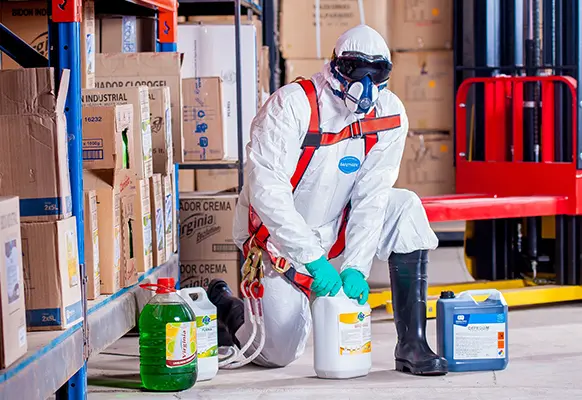
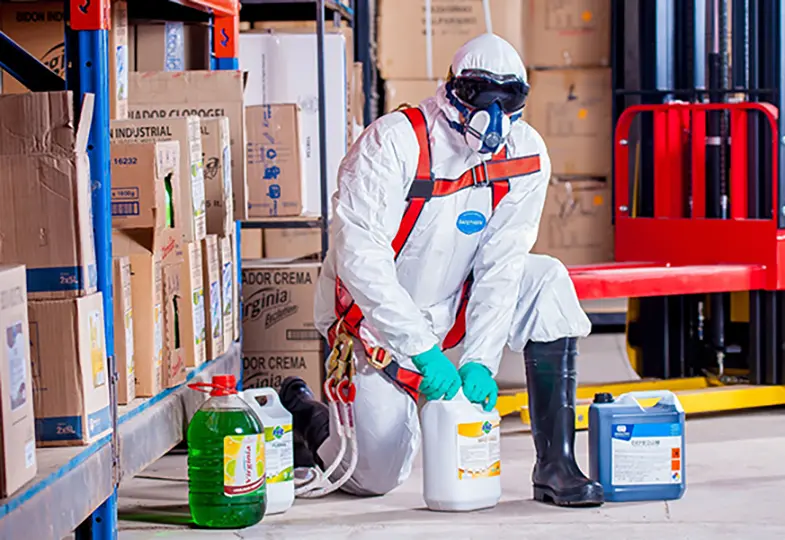
Modern Chinese chemical plants implement high levels of automation. Utilizing Distributed Control Systems (DCS) for processing parameters and Safety Instrumented Systems (SIS) for risk management, they guarantee high batch-to-batch consistency and strict compliance with hazardous chemical processing standards.
Boctok recently invested US$65 million to build a new plant located in Bohai Industrial Park, a provincial chemical industry park in Shouguang City, Shandong Province, to expand the production chain of silane coupling agents, with 6 automatic DCS production lines with an annual output of 30,000 tons of silane coupling agents. The production lines in the new factory are equipped with automatic remote control system DCS, safety instrument system SIS and other safety equipment, ISO9001 quality management system standards are implemented throughout the process to ensure stable quality. Treatment facilities have been built to protect the environment, including a waste gas collection and treatment system and a wastewater treatment system.
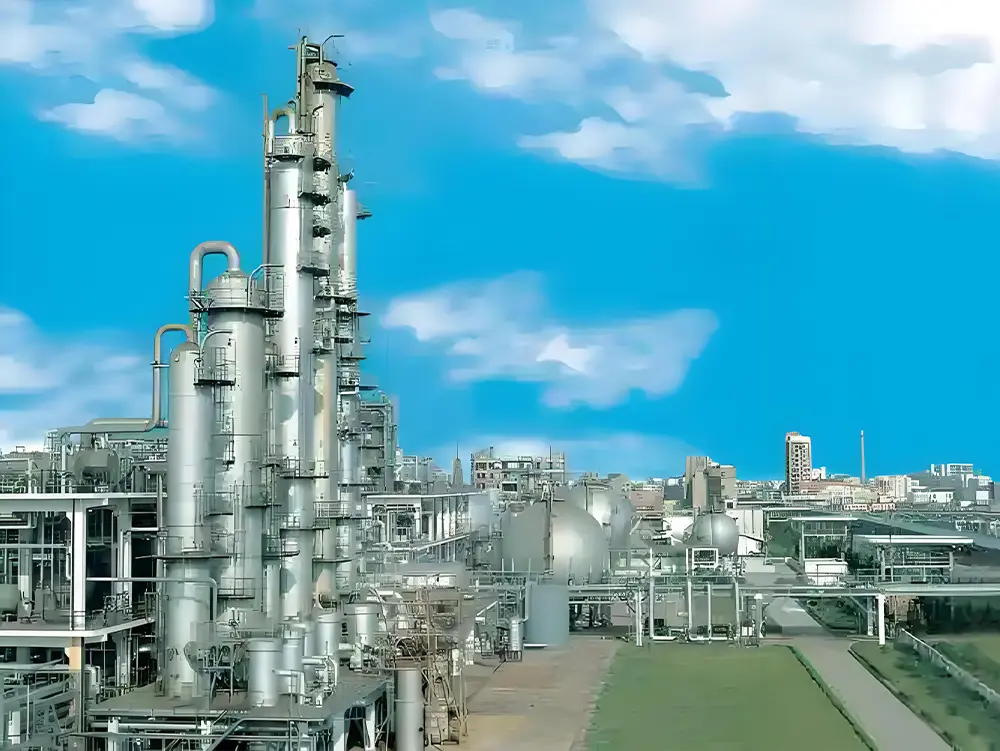
Boctok's Tier II core business is petroleum resins. We have invested in a key hydrocarbon resin manufacturer in China. We currently have three operating hydrocarbon resin factories located in Zibo, Fushun, and Nanjing. Taking advantage of reliable and abundant raw materials from SINOPEC and PetroChina, our advanced production facilities, and our decades of marketing experience, our products are widely used by customers, including many Fortune 500 companies, in both domestic and overseas markets. These products include C9 hydrogenated resins, C5 hydrocarbon resins, C5 modified C9 hydrocarbon resins, C9 hydrocarbon resins, dicyclopentadiene, and methyl cyclopentadiene dimer.

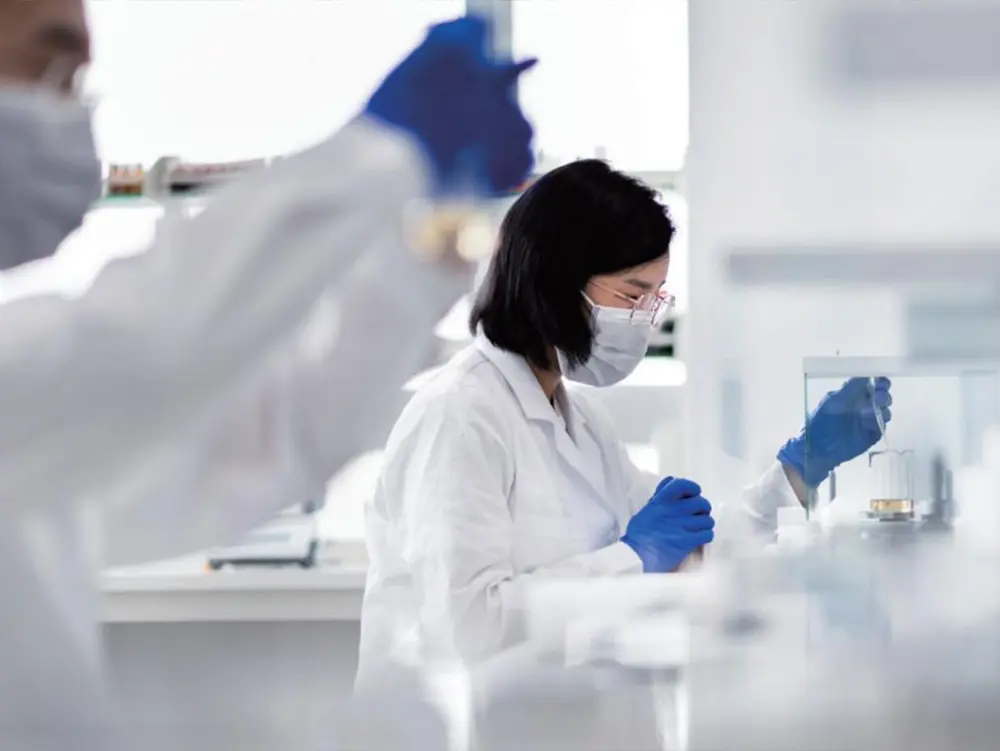
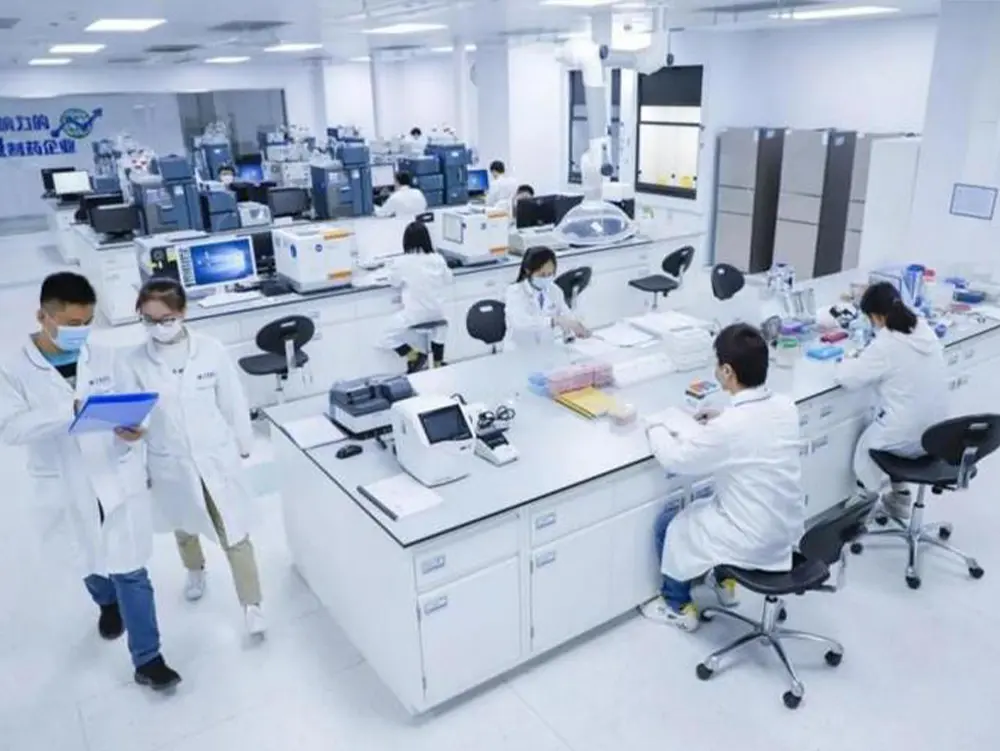
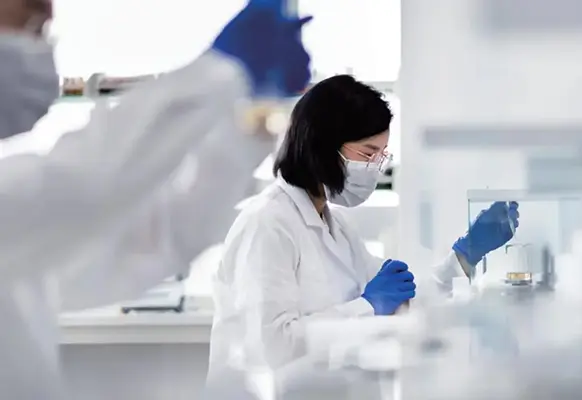
Our products undergo rigorous testing to ensure that every aspect meets the highest quality standards.

We have advanced production lines that allow us to effectively expand production capacity and meet the demand for mass customization.

Our professional team is available online 24 hours a day to provide attentive service and answer all your questions.

An optimized logistics system ensures fast order processing and timely delivery to customers.
The global organosilicone market is transitioning rapidly toward environmental compliance, energy conservation, and advanced performance standards. As buyers demand higher grade silanol materials, manufacturers must pivot toward innovation-driven solutions:
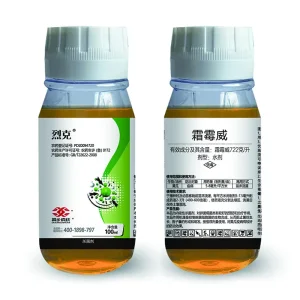
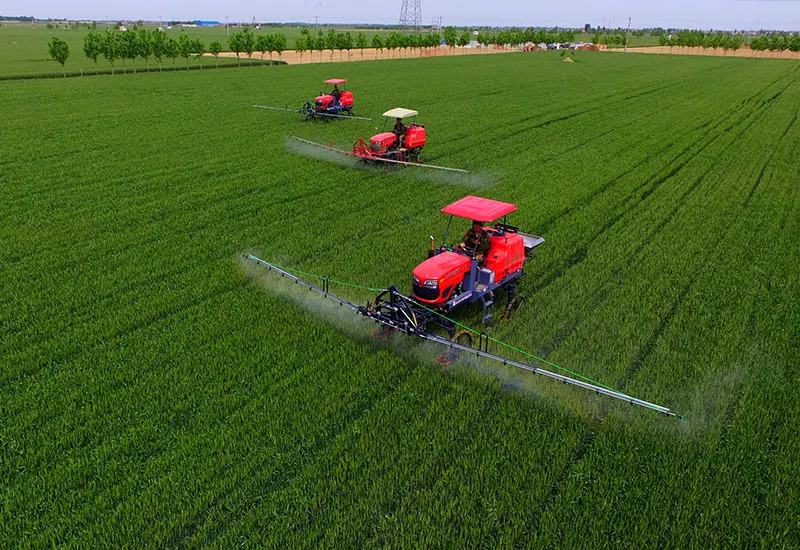
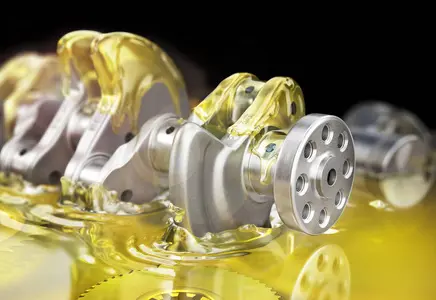
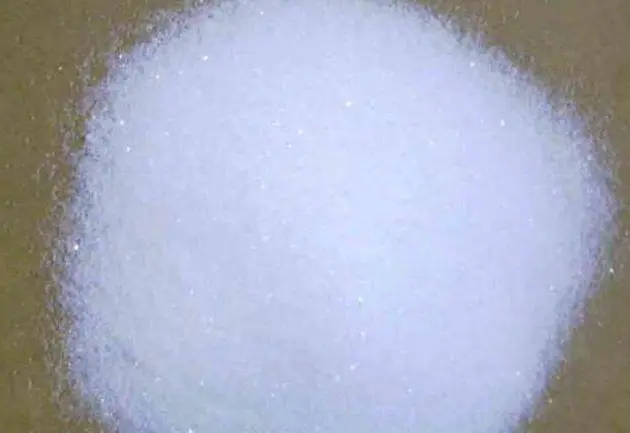
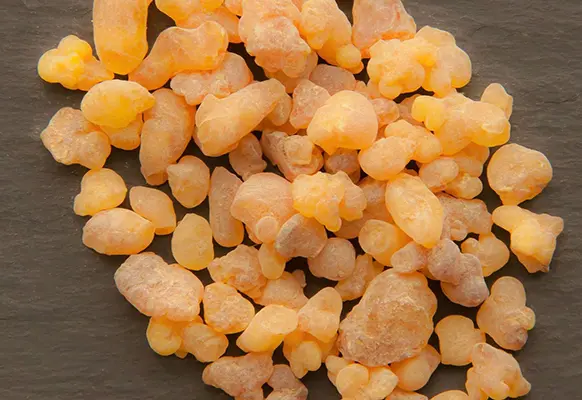
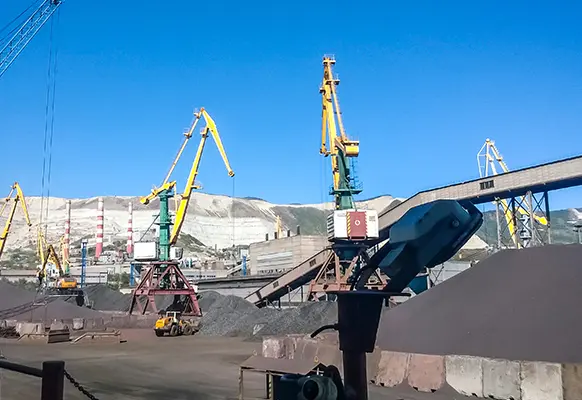
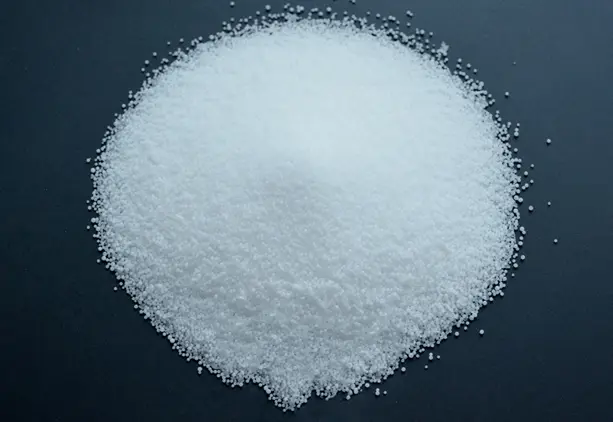
Our broad operations are divided into three high-capacity industrial segments, satisfying demands in chemical processing, agriculture, and high-performance adhesives.
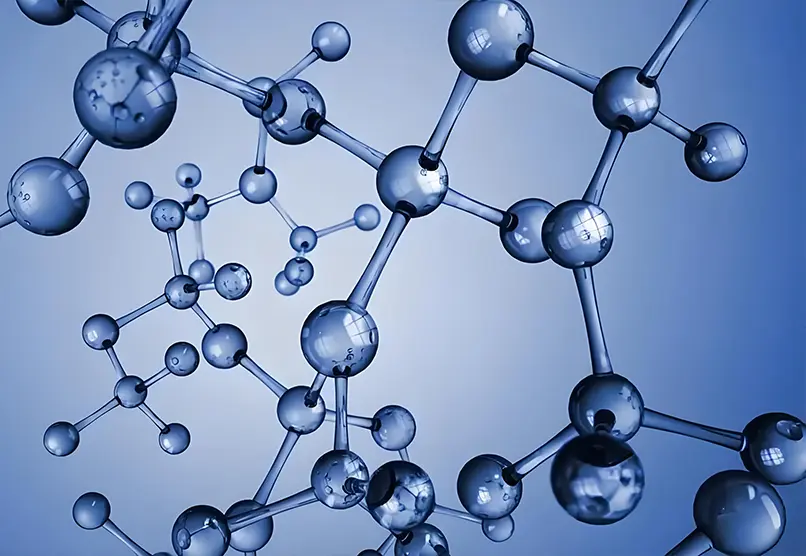
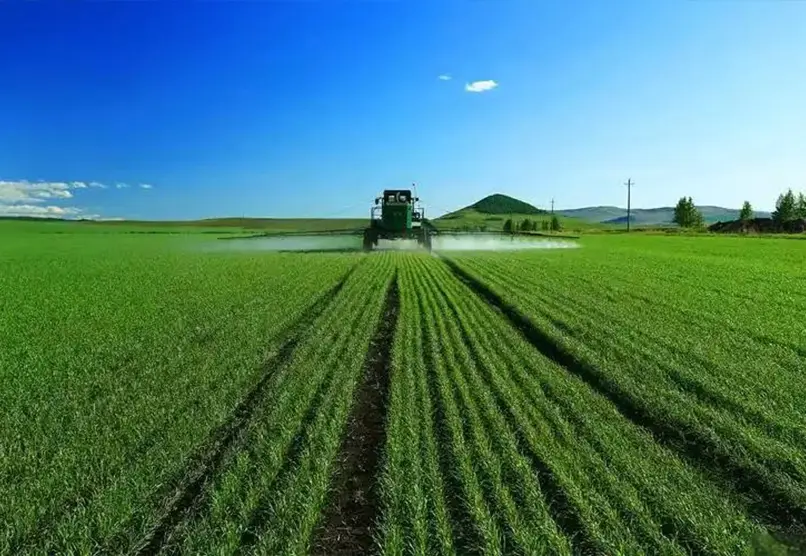
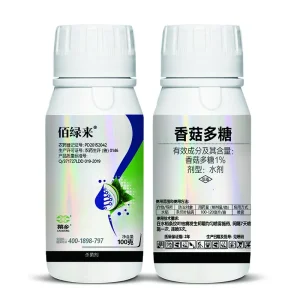
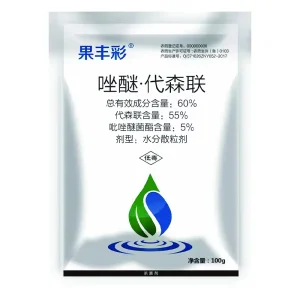
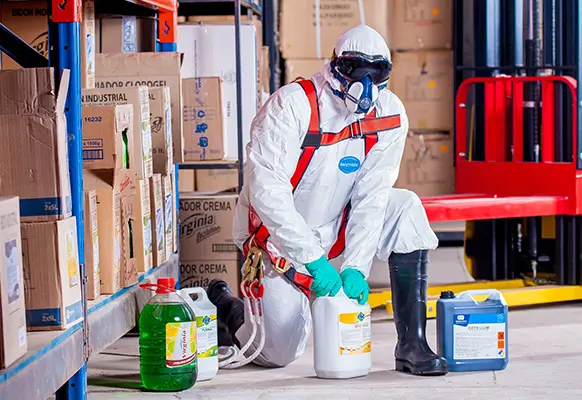
Boctok's specialized organosilicones, hydrocarbon petroleum resins, and agricultural intermediates are utilized in diverse global industries.
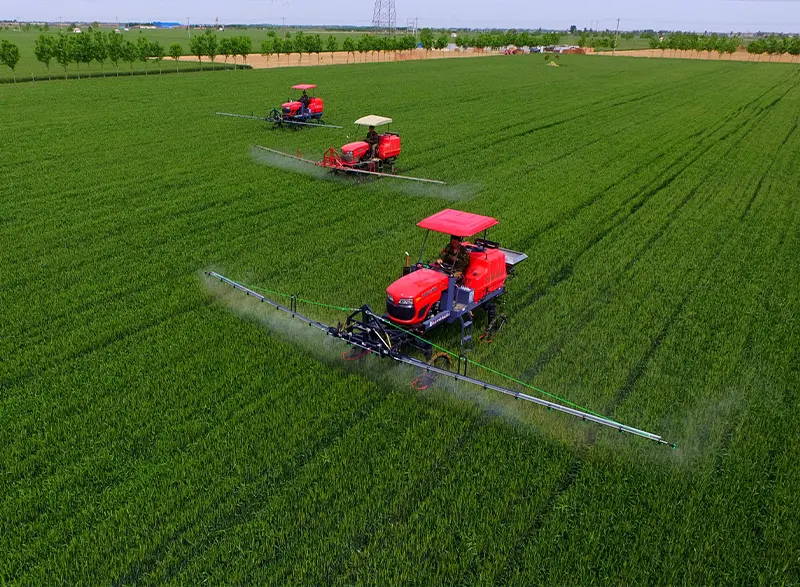
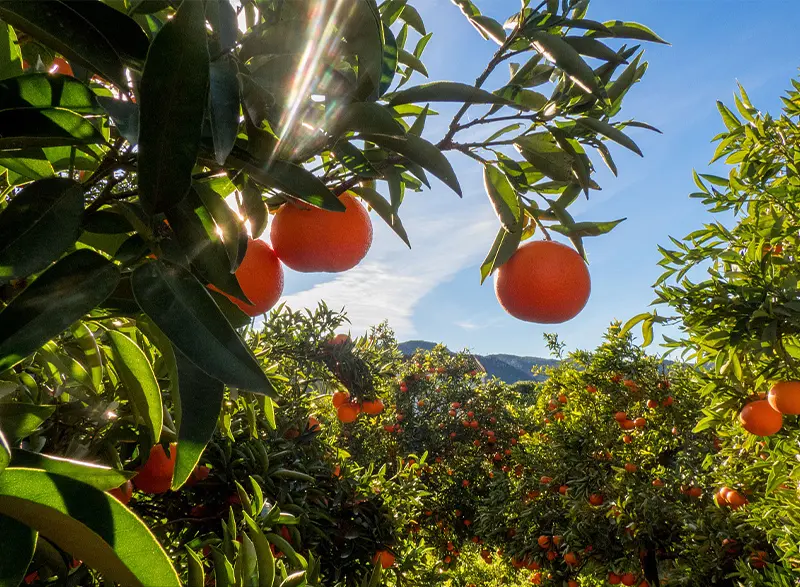

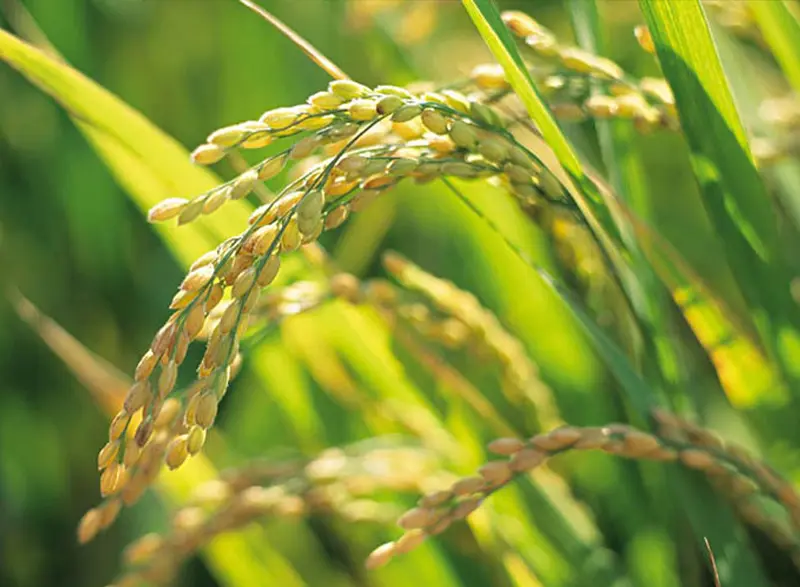
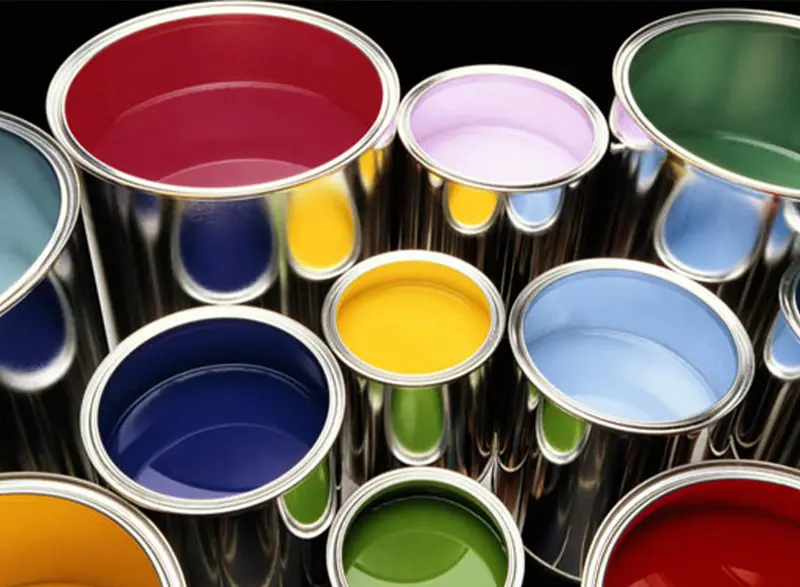
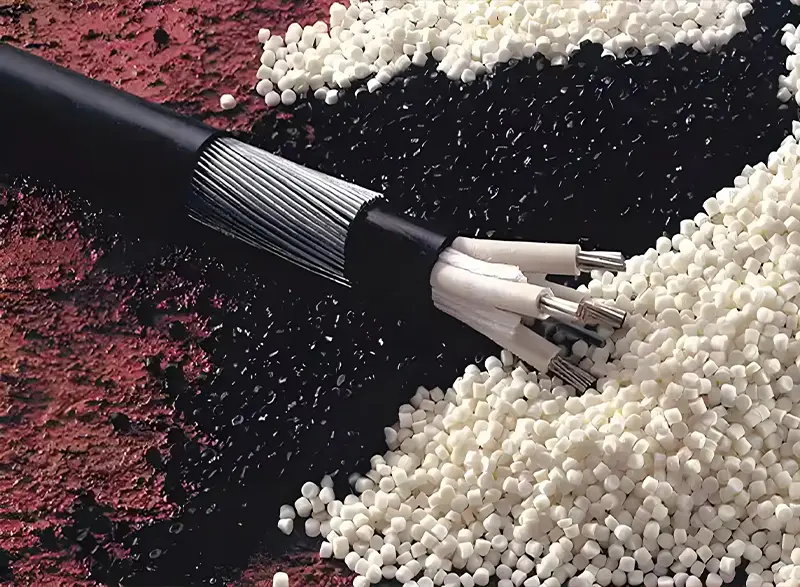
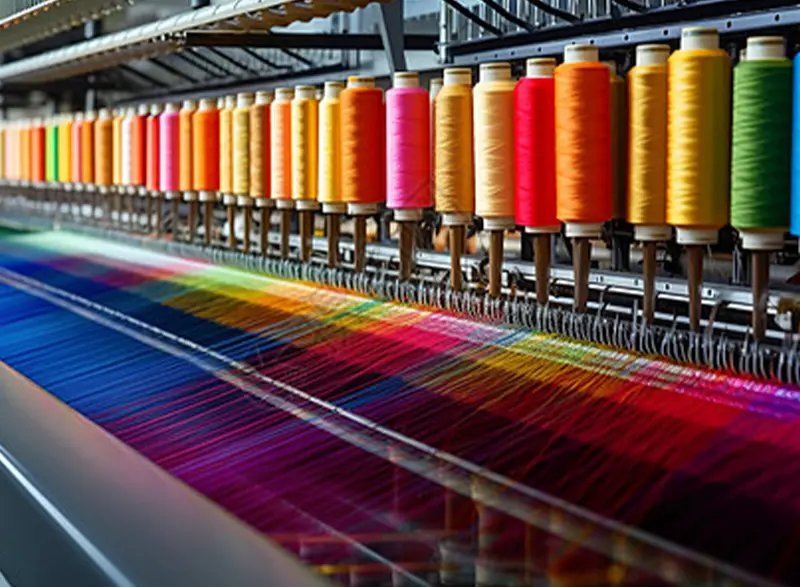
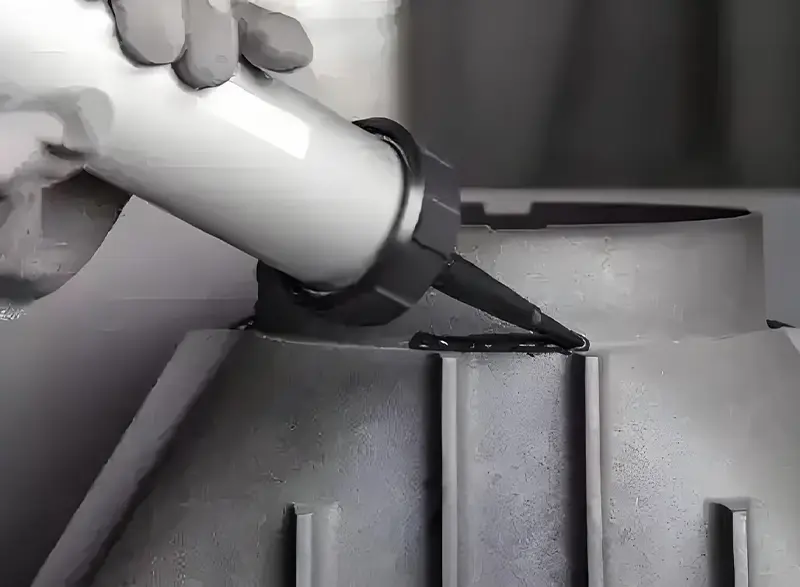
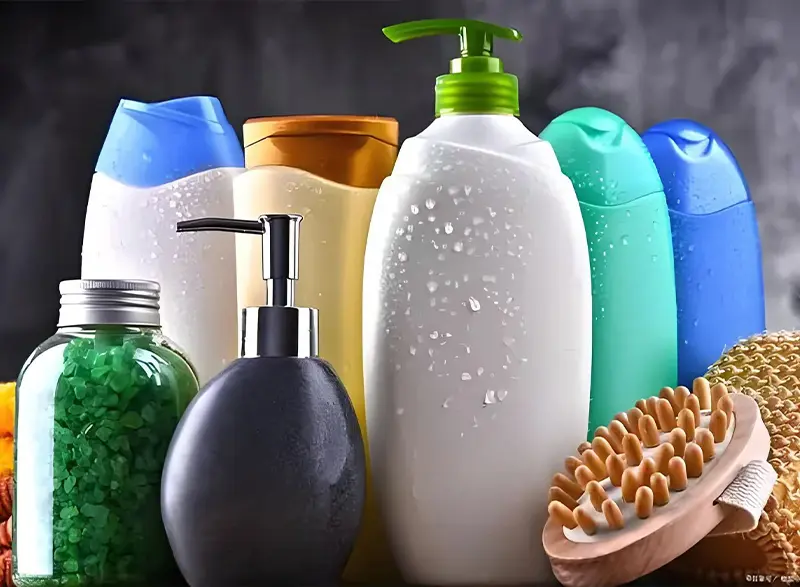
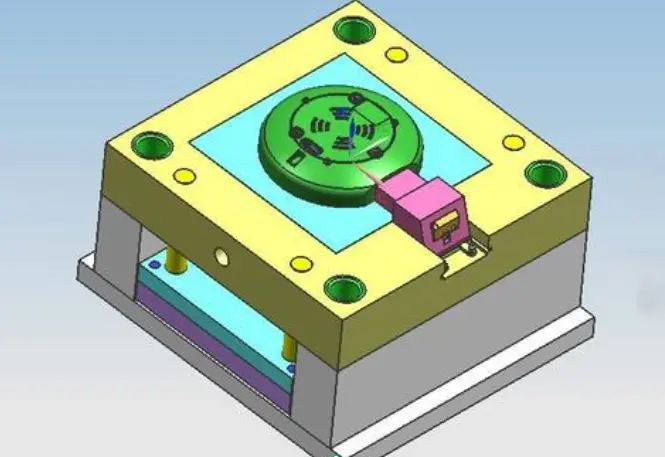
To demonstrate our global reach, here is an extensive breakdown of where these specialty raw products are implemented globally across manufacturing hubs in Asia, Europe, and the CIS region.










Procurement directors and formulation chemists evaluating Hydroxyl Polymer Silicone Oil suppliers in China must define concrete specifications. A structured approach guarantees compatibility and optimal material performance:
Lower viscosity parameters (20-150 cSt) are ideally suited for surface treating fillers or acting as anti-structuring additives in silicone rubber processing. Viscosities between 2,000 cSt and 80,000 cSt serve as the principal polymer matrix for building sealants. Gum-like viscosities (>100,000 cSt) are critical for industrial elastomeric mold-making compounds.
The concentration of terminal -OH groups determines crosslinking speed and structural density. High hydroxyl content allows fast curing rates but results in lower elongation. Low hydroxyl fractions produce highly flexible matrices. Standard structural sealants function optimally with hydroxyl content between 0.06% and 0.20%.
For personal care cosmetics or structural glazing sealants, buyers should check volatile compound levels. Modern refinement systems utilize high-temperature thin-film evaporators to strip out low-molecular-weight rings, ensuring the product aligns with strict global ecological benchmarks.
Examine our broader production categories, including alkyl silanes, vinyl crosslinkers, cosmetic fluids, and agricultural materials.
 Boctok Chemical