Explore our high-performance organosilicon compounds, silanes, and chemical formulations engineered for global industrial standardizations.
In the rapidly evolving landscape of advanced materials, High Vinyl Silicone Oil is recognized as an indispensable component. Serving as a crucial raw material, reactive modifier, and structural agent, it enables next-generation developments in liquid silicone rubber (LSR), aerospace engineering, high-voltage insulation systems, and precision cosmetics.
Unlike traditional vinyl-terminated polydimethylsiloxanes, high vinyl silicone oil features an elevated concentration of vinyl (CH=CH2) groups either positioned at the terminals or strategically distributed along the siloxane backbone. This rich molecular decoration enables a highly dense, cross-linked grid upon exposure to platinum catalysts or organic peroxides. The resulting material boasts superior mechanical strength, high thermal stability, and excellent electrical insulating properties.
High vinyl silicone oil from China is characterized by customizable molecular structures tailored for high-end downstream formulations:
As key global suppliers, Chinese manufacturers continue to push the boundaries of structural control, providing structural stability and optimized reaction kinetics.
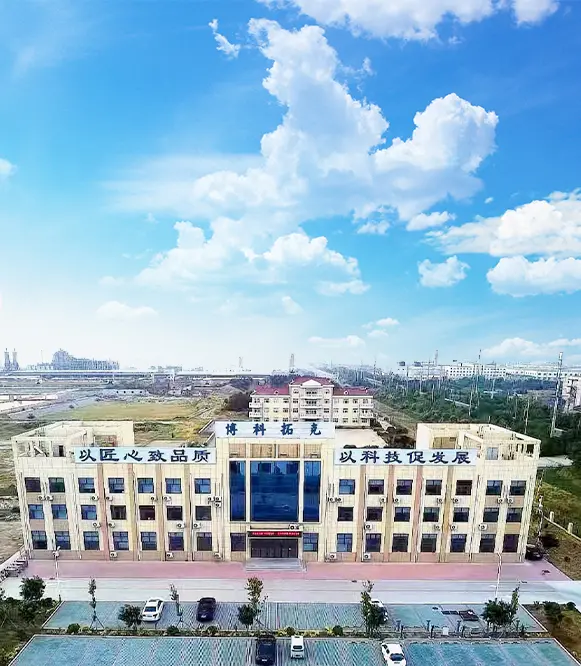
Shandong Boctok Chemical Co. was founded in 2012 as a centralized marketing and sales engine for the Boctok™ domestic and international business networks. Rapidly expanding our footprint across complex chemical markets, our enterprise reached a milestone sales volume of US$280 million in 2023. Under our specialized BOCTOK brand, we maintain a dedicated focus on serving the Russian Federation, Eastern Europe, and Central Asian markets, fulfilling high-volume demands with bespoke technical support.
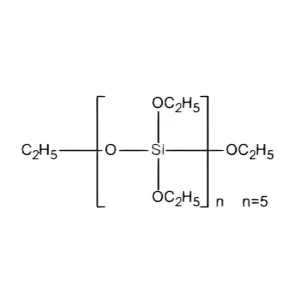
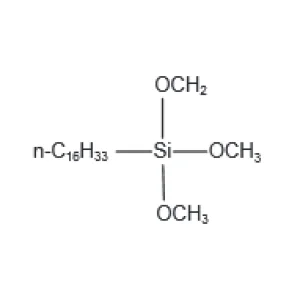
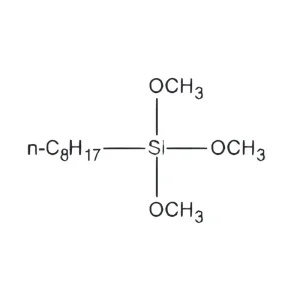
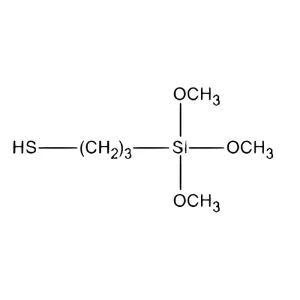
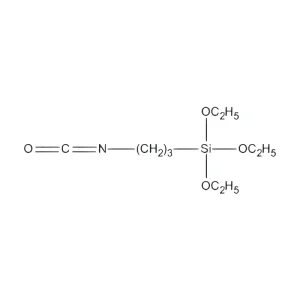
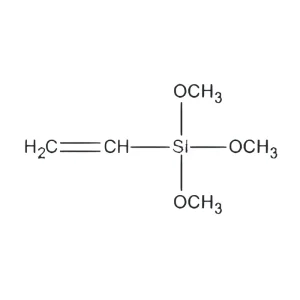
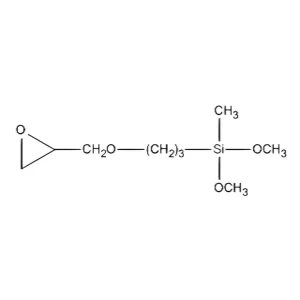
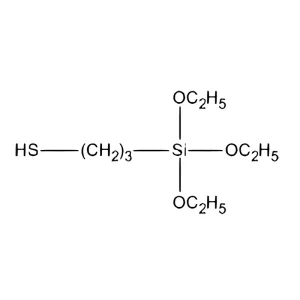
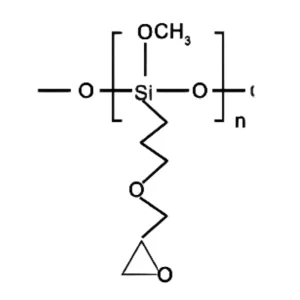
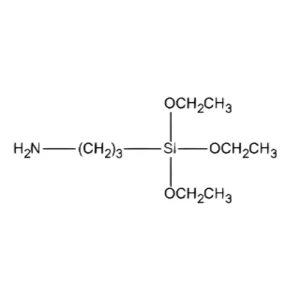
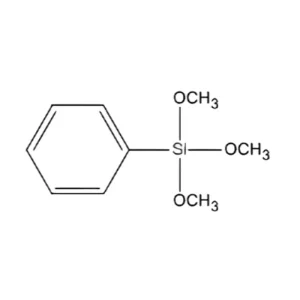
Our core operations are structured into three specialized industrial divisions. Our primary segment centers on the synthesis, optimization, and distribution of organosilicon materials. This portfolio covers twelve comprehensive series of silane coupling agents and crosslinkers, including:
Ensuring supply stability through resource integration, automated production lines, and strict quality control.
Strategically leveraging reliable and abundant chemical feedstocks from domestic giants SINOPEC and PetroChina to guarantee production continuity and stable cost dynamics.
Our state-of-the-art Shouguang plant operates 6 automated Distributed Control Systems (DCS) and Safety Instrumented Systems (SIS) to ensure process safety and product consistency.
Constructed with fully-integrated industrial wastewater treating facilities and advanced catalytic waste gas collection systems to maintain low emission thresholds.
Strict quality assurance protocols under ISO9001 standards are enforced from raw materials testing to final lot validation, ensuring high purity levels.
Shandong Boctok Chemical Co. has invested US$65 million to construct a next-generation manufacturing site situated in the Bohai Industrial Park, a highly regulated, provincial-grade chemical industry zone in Shouguang City, Shandong Province. This facility increases our capacity with 6 fully automatic DCS production lines, producing an annual output of 30,000 tons of silane coupling agents and advanced silicone compounds.
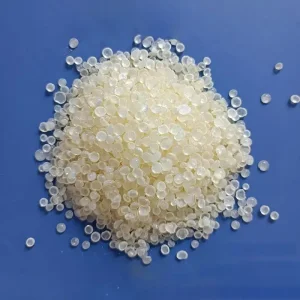
Additionally, our Tier II core business includes high-performance petroleum resins. Operating three specialized hydrocarbon resin manufacturing bases located strategically in Zibo, Fushun, and Nanjing, we leverage local petroleum infrastructure to produce high-quality C5/C9 copolymerized resins. Our products are trusted globally, serving several Fortune 500 enterprises.
Understanding the molecular configuration, chemical kinetics, and mechanical performance of High Vinyl Silicone Oil.
In standard polydimethylsiloxanes (PDMS), vinyl groups are typically present only at the terminal positions. However, in High Vinyl Silicone Oil, methyl groups on the silicon-oxygen chain are substituted with vinyl groups at high density (often ranging from 1.0 mol% to over 20.0 mol%). This structural adjustment increases the cross-linking site density.
Depending on downstream processing requirements, manufacturers can modify the molecular design:
High vinyl silicone oil is typically cured using addition-cure systems. In the presence of a platinum complex catalyst, the vinyl groups (-CH=CH2) react with silicon-hydride groups (Si-H) of cross-linkers without generating volatile by-products:
This hydrosilylation reaction provides high curing speeds at moderate temperatures and yields excellent dimensional stability. Alternatively, peroxide-initiated free-radical curing can be utilized in high-temperature vulcanization (HTV) processes.
| Product Type | Vinyl Content (mol %) | Viscosity (25°C, cSt) | Refractive Index | Key Performance Benefits |
|---|---|---|---|---|
| Low Viscosity Diluent Grade | 1.5% - 3.0% | 80 - 150 | 1.403 - 1.407 | Improves processing flow, increases system flexibility |
| Medium Vinyl Encapsulant Grade | 5.0% - 10.0% | 500 - 1,500 | 1.405 - 1.410 | Optically clear, high mechanical strength, thermal stability |
| High Vinyl Base Compound | 12.0% - 25.0% | 5,000 - 20,000 | 1.412 - 1.418 | Excellent crosslinking density, high hardness, chemical resistance |
| Extreme Vinyl Gum Modifier | > 30.0% | 50,000 - 150,000 | 1.415 - 1.422 | Used in specialty elastomers for heat shielding and aerospace seals |
How our organosilicon components and specialty resins enhance performance across global industrial sectors.




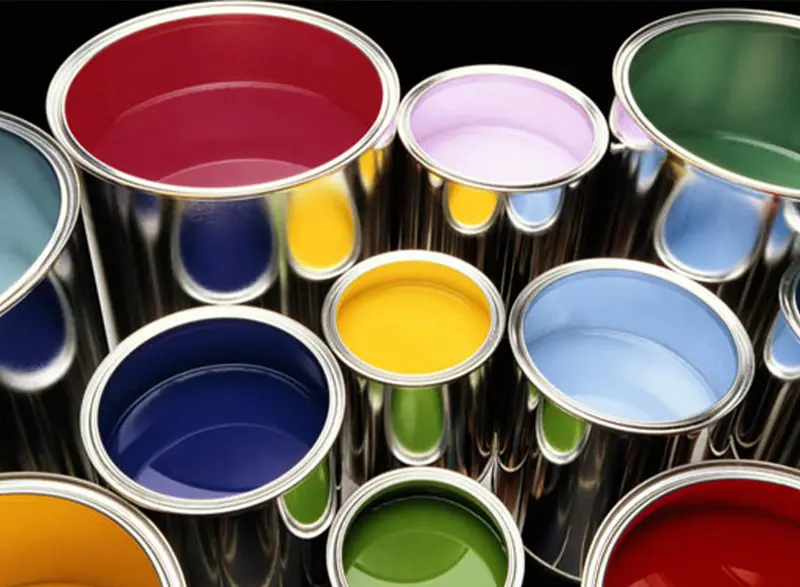
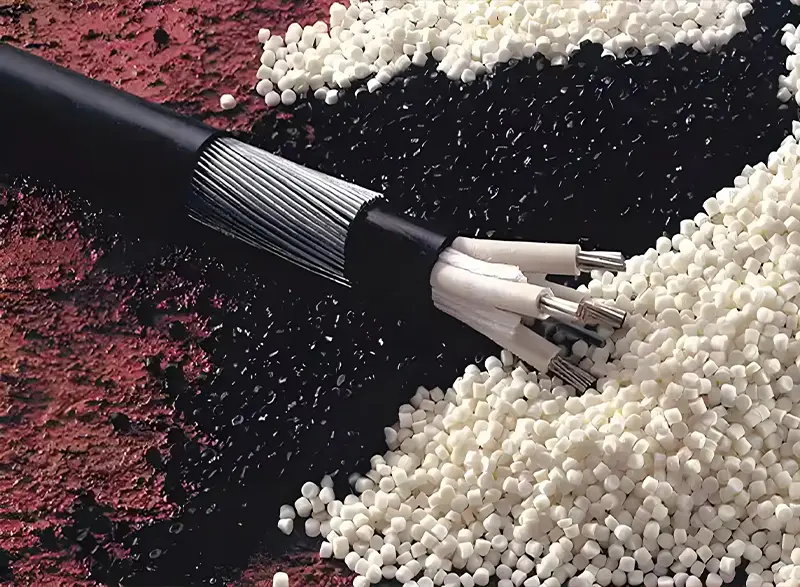
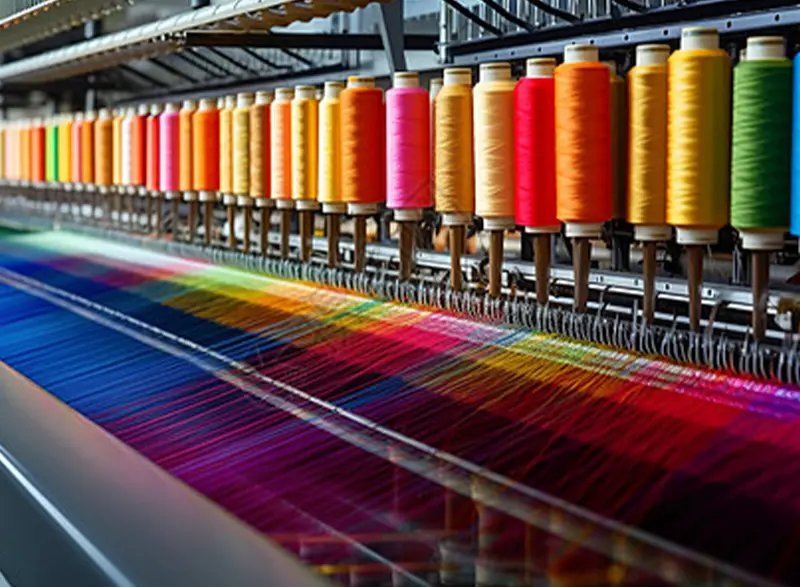
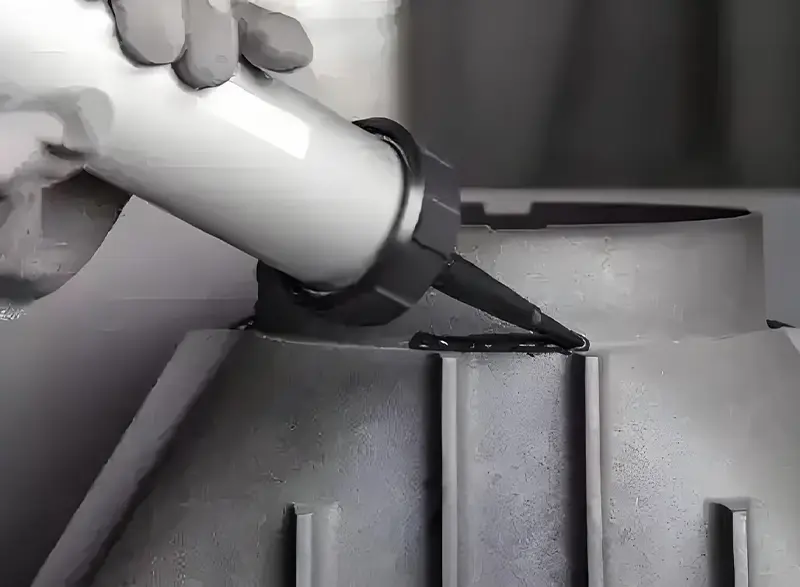
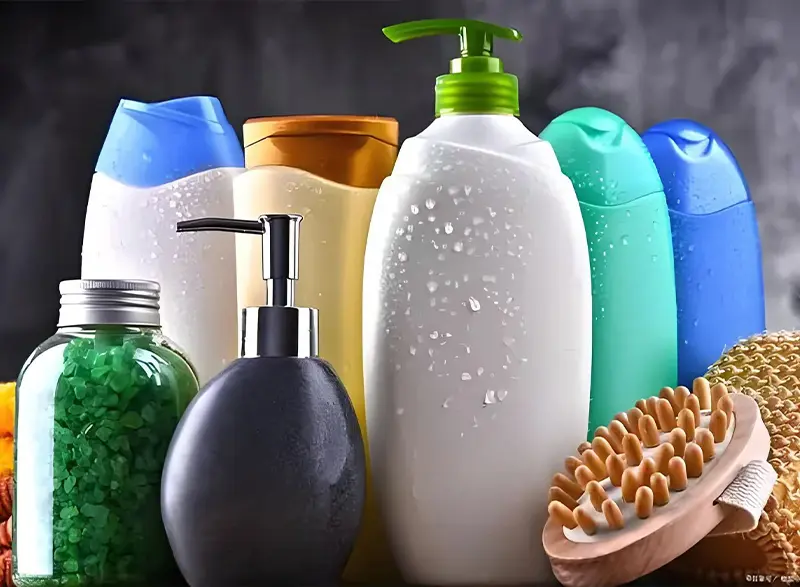
Our silicone oils and silane coupling agents are engineered for high-performance industrial applications:
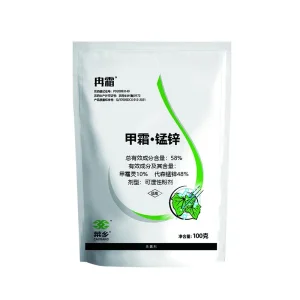
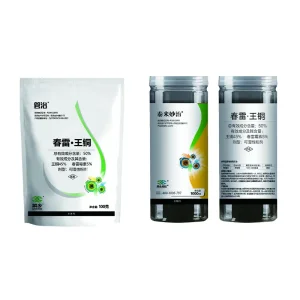
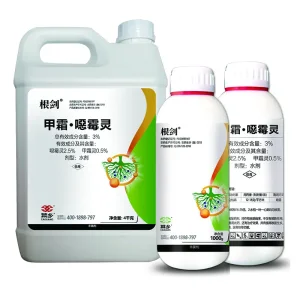
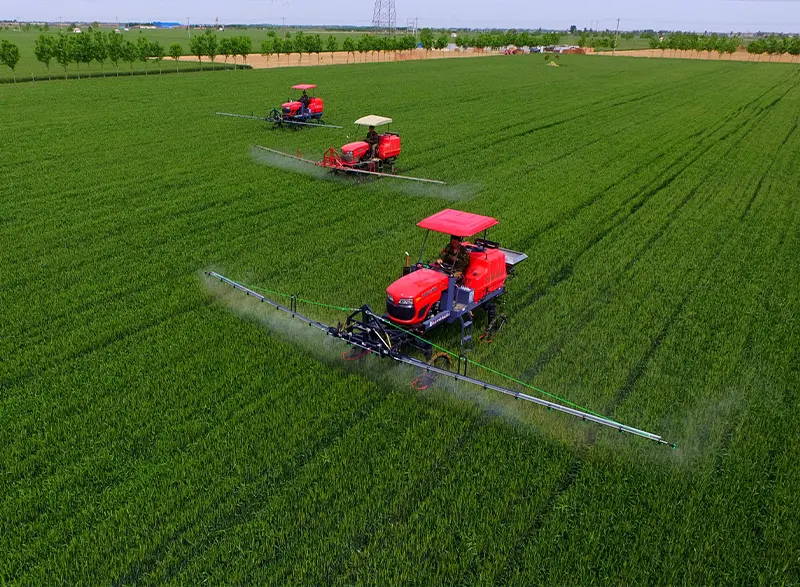
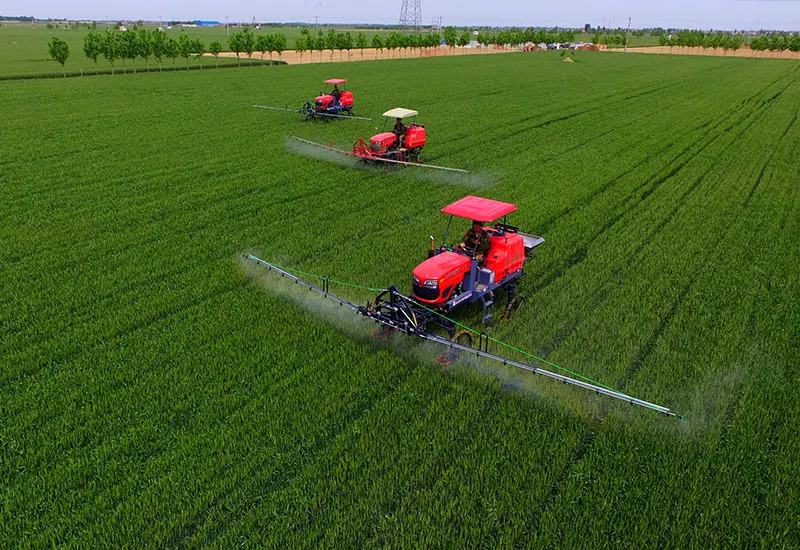
Beyond silicone oils, Boctok provides key intermediates to the agrochemical industry. We produce active ingredients and raw materials for:
Detailing custom manufacturing processes across our primary industrial segments.


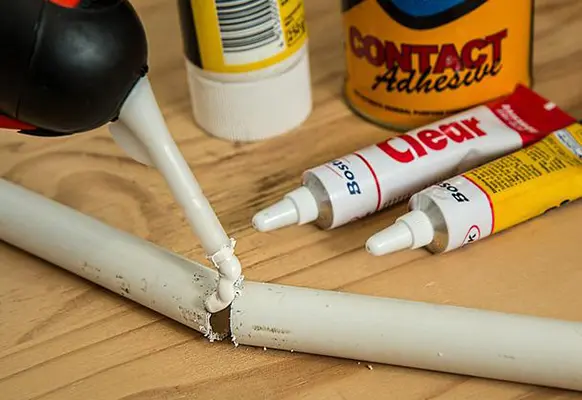
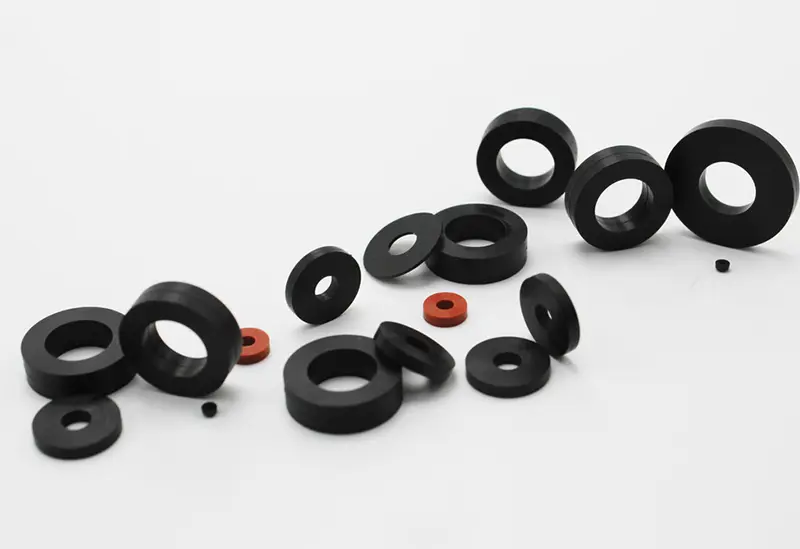

Navigating the complex regulatory landscape of international chemical trade is a cornerstone of our service model. As an established global supplier, Shandong Boctok Chemical Co. maintains compliance across multiple regions:
To maintain efficient delivery schedules and minimize supply chain disruption, we operate local storage hubs and logistics distribution systems:
Our local customer support teams offer 24/7 technical assistance. We provide customized blending and packaging services, tailoring viscosity profiles, vinyl content ratios, and packaging formats (from 200kg drums to 1000kg IBC containers) to align with regional manufacturing requirements.
Exploring high-performance applications from optical encapsulants to heavy industrial coatings.




Innovating the next generation of organosilicon materials for emerging industries.
As microelectronics shrink and power densities increase, traditional packaging materials face performance limits. Our R&D efforts focus on synthesizing electronic-grade high vinyl silicone oils with ultra-low trace metal ion concentrations (e.g., sodium, potassium, and chlorine under 1 ppm). These formulations minimize current leakage and corrosion in high-reliability semiconductor packaging.
Reducing platinum catalyst dependence is critical to lowering manufacturing costs. We are designing specialized vinyl-functional polymers that react efficiently under alternative catalytic systems or UV-radiation curing. This transition enables lower curing temperatures and faster cycle times, reducing the carbon footprint of downstream processing.
By combining high-density vinyl configurations with phenyl groups, our research teams are developing polymers that remain flexible at temperatures as low as -70°C and stable up to 350°C. These materials are engineered for demanding applications in aerospace seals, satellite components, and deep-well exploration equipment.
Integrating our hydrocarbon resin expertise with organosilicon chemistry allows us to develop hybrid polymers. These materials combine the cost efficiency and high tack of petroleum resins with the weatherability and thermal resistance of silicones, creating new opportunities for industrial adhesives.
Targeted solutions for heavy manufacturing, wind energy, and biomedical fields.




Addressing the technical, operational, and commercial questions of procurement managers and formulation engineers.
Terminal vinyl silicone oil contains reactive vinyl groups only at both ends of the polymer chain. This molecular configuration yields linear crosslinking, producing elastomer structures with high elongation and flexibility. Pendant vinyl silicone oil features vinyl groups along the polymer backbone, which increases crosslinking density, resulting in higher hardness, tear resistance, and tensile strength.
Viscosity is determined by the average molecular weight (chain length) of the polydimethylsiloxane polymer. During polymerization, chain terminators are adjusted to control growth, producing viscosities from low-viscosity reactive diluents (e.g., 100 cSt) to high-consistency gums (exceeding 100,000 cSt).
Addition-cure systems typically employ platinum-complex catalysts (such as Karstedt's catalyst) reacting with silicon-hydride (Si-H) crosslinkers at temperatures ranging from 80°C to 150°C. For peroxide curing, organic peroxides (such as DBPH or DCP) are used at higher vulcanization temperatures (160°C to 180°C).
Our Shouguang plant is equipped with automated DCS controls to regulate feed ratios of vinyl-functional monomers. Each batch is validated using Fourier Transform Infrared Spectroscopy (FTIR) and Nuclear Magnetic Resonance (NMR) to verify that vinyl content remains within specification tolerances (typically ±0.2 mol%).
Yes. We support custom orders where vinyl content, molecular weight distribution, and viscosity are adjusted to meet specific formulations for LED encapsulants, high-voltage insulators, and automotive components.
Our standard options include 200 kg steel drums, 1000 kg IBC containers, and bulk ISO tanks. All shipments are packaged under nitrogen blankets to prevent moisture infiltration and ensure stability during transport.
Explore additional advanced monomers, coupling agents, and specialty resins from our global inventory.
 Boctok Chemical