Explore our core range of specialty chemicals engineered to elevate performance, compatibility, and durability across demanding applications.
An in-depth analysis of epoxy-modified silicone fluids and their unique hybrid polymer behavior.
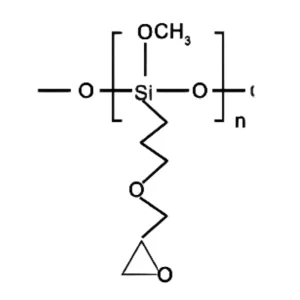
Epoxy silicone oil represents a premium class of organosilicone materials that feature reactive epoxy groups chemically attached to a polydimethylsiloxane (PDMS) backbone. By grafting epoxy groups—either as side chains (pendant groups) or at the terminal ends (alpha, omega-terminated)—chemists combine the key strengths of both organic polymers and silicones. The silicone backbone yields excellent flexibility, low surface tension, thermal resistance, and lubrication, while the active epoxy rings present high reactivity, superior bonding adhesion, and excellent compatibility with organic resins (such as epoxies, polyurethanes, and acrylics).
As a leading China epoxy silicone oil manufacturer, Shandong Boctok Chemical Co. leverages precise hydrosilylation catalysts and purification protocols to produce epoxy-modified fluids with closely controlled epoxy values, structural configurations, and viscosity levels.
| Product Variant | Structural Type | Epoxy Value (eq/100g) | Viscosity (25°C, mPa.s) | Primary Applications |
|---|---|---|---|---|
| Boctok-ES-010 | Terminal (α, ω-Epoxy) | 0.06 - 0.12 | 100 - 300 | Fiber modification, polyurethane foam stabilizer, adhesive promoter |
| Boctok-ES-024 | Side-chain (Pendant) | 0.15 - 0.35 | 500 - 1500 | Textile softening, coating additive, resin modifier, plasticizer |
| Boctok-ES-080 | High-Epoxy Side-chain | 0.40 - 0.75 | 2000 - 6000 | Electronic encapsulation, epoxy resin toughening agent, crosslinker |
| Boctok-ES-Alicyclic | Cycloaliphatic Epoxy | 0.25 - 0.45 | 800 - 2500 | UV cationic curing coatings, release liners, composite matrices |
Shandong Boctok Chemical Co. was founded in 2012 as a dedicated marketing and sales center for Boctok™ domestic and overseas businesses. Driven by customer-centric support and premium quality output, we achieved total sales of US$280 million in 2023. Over the years, the BOCTOK brand has expanded globally, with a strong focus on serving the Russian market alongside key regional clusters in Europe, the Americas, and Southeast Asia.
Our infrastructure is anchored by a newly constructed US$65 million plant located in Bohai Industrial Park, a certified provincial chemical industry park in Shouguang City, Shandong Province. Spanning multiple advanced production modules, this plant expands our vertical capabilities in silane coupling agents, silicone oils, and specialty resins.
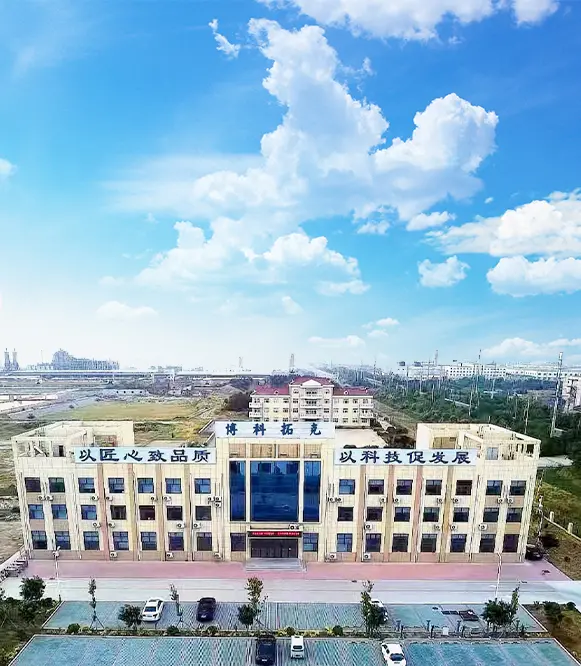
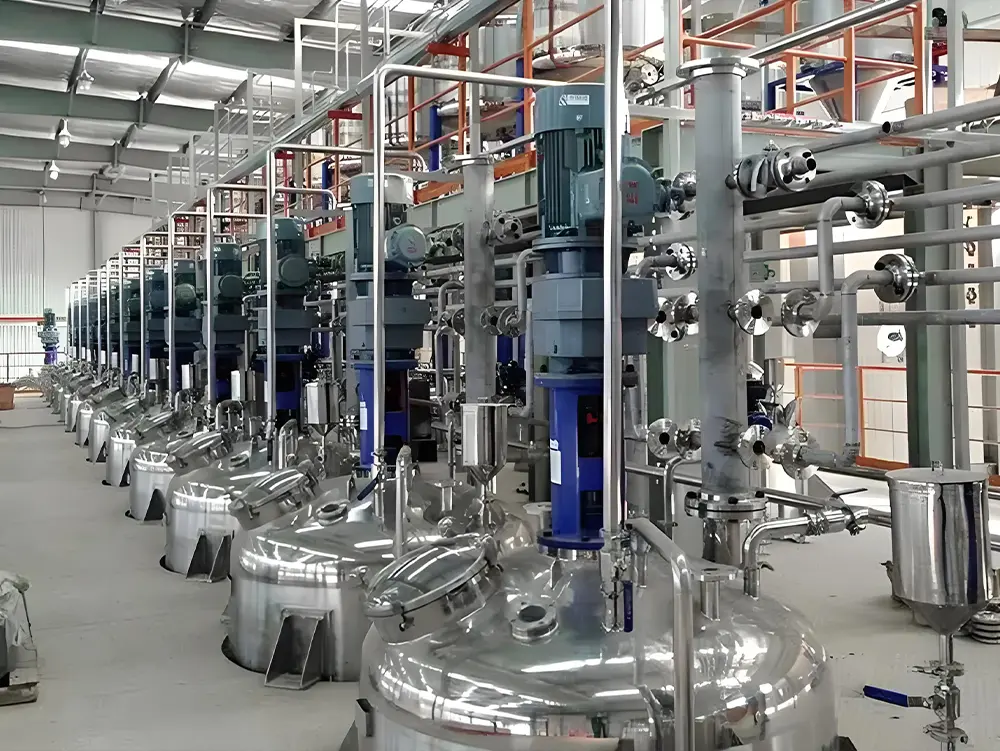
Our production facilities utilize automated Distributed Control Systems (DCS) and Safety Instrumented Systems (SIS) to govern operations. This guarantees extreme batch-to-batch consistency and safeguards chemical processing conditions.
We are fully aligned with green manufacturing standards. Our Shouguang facility features state-of-the-art waste gas collection thermal oxidizers and robust wastewater treatment systems to ensure zero-harm chemical production.
We implement ISO 9001 quality management guidelines across our manufacturing loops—from sourcing raw materials via PetroChina and SINOPEC to multi-stage filtration and shipping dispatch.
Bridging molecular precision with real-world industrial performance to solve material challenges.
Epoxy silicone oil serves as the core base fluid for formulating third-generation textile softeners. When emulsified, the epoxy groups react with amino, hydroxyl, or carboxyl groups on natural fibers (such as cotton, silk, and wool). This chemical anchoring provides outstanding wash durability, a smooth handle, and prevents yellowing, maintaining high hydrophilicity in premium fabrics.
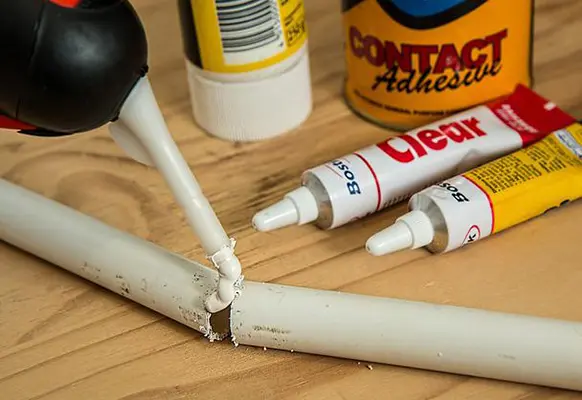
In structural adhesives and electronic packaging, cured epoxy resins can be brittle. Modifying the matrix with terminal or side-chain epoxy silicone oils introduces flexible PDMS micro-phases. These silicone segments phase-separate during curing to absorb impact energy, dramatically increasing thermal shock resistance, impact strength, and moisture protection.
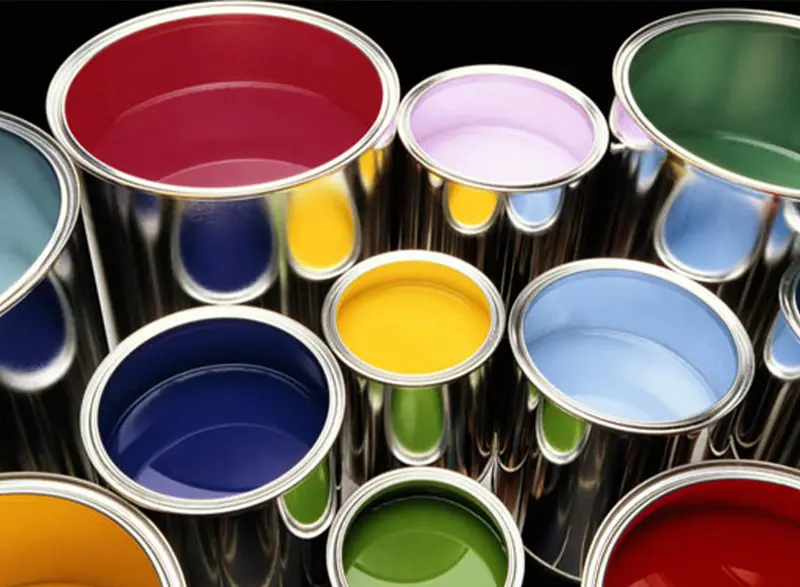
Adding trace quantities of epoxy-modified silicones to polyurethane, acrylic, or alkyd coatings introduces strong hydrophobic and oleophobic properties. The silicone blocks migrate to the air-coating interface, delivering stain resistance, easy-clean dynamics, corrosion protection, and slip modification, without compromising adhesion to the substrate.
Beyond organosilicones, Boctok’s core operations integrate hydrocarbon and petroleum resins. Leveraging raw materials from SINOPEC and PetroChina across our operating sites in Zibo, Fushun, and Nanjing, we design synergized elastomer systems. For instance, blending C5 modified C9 hydrocarbon resins with epoxy silicone polymers allows industrial manufacturers to achieve an exceptional balance of adhesion, water resistance, and shear stability in hot melt adhesives and heavy-duty protective paints.
Reviewing our three core business units that serve Fortune 500 corporations and global chemical distributors.
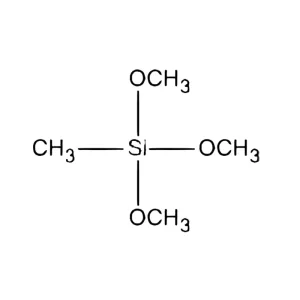
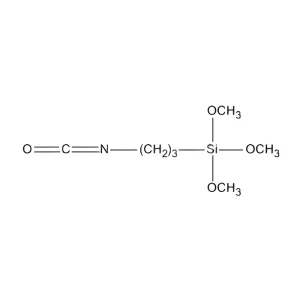
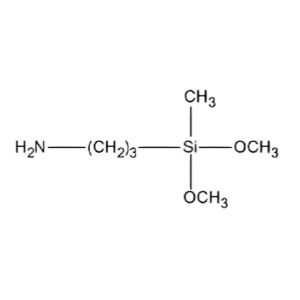
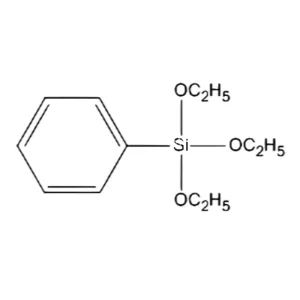
Covers twelve key series of silane coupling agents and crosslinkers including aminosilane, methacrylate silane, epoxy silane, vinyl silane, mercaptosilane, alkyl silane, ethyl silicate, chlorosilane, silane isocyanates, phenyl silane, ureidosilane, and serosilane.
Our silicone fluid division is centered on high-hydrogen silicone oil, dimethicone, vinyl silicone oil, polyphenylmethyldimethylsiloxane, phenyl silicone oil, silanol silicone oil & OH polymer, alkoxy silicone oil, methyl MQ resin, vinyl VMQ resin, room-temperature vulcanized (RTV) methyl silicone rubber, 110 methyl vinyl silicone rubber, and 120 methyl phenyl rubber.
Operating across three major factories (Zibo, Fushun, and Nanjing) using direct feedstocks from SINOPEC and PetroChina.
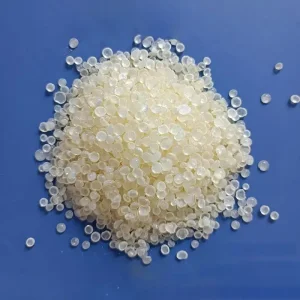
Our strategic resin portfolio features C9 hydrogenated resins, C5 hydrocarbon resins, C5 modified C9 hydrocarbon resins, C9 hydrocarbon resins, dicyclopentadiene (DCPD) resins, and methyl cyclopentadiene dimers. These are widely utilized in adhesive systems, road markings, inks, and polymer compounding.
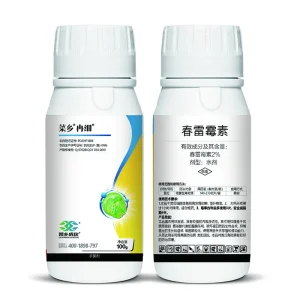
Focused on high-performance organic synthesis intermediates, providing key precursors and active ingredients for pesticides, fungicides, insecticides, seed treatments, herbicides, and plant growth regulators.
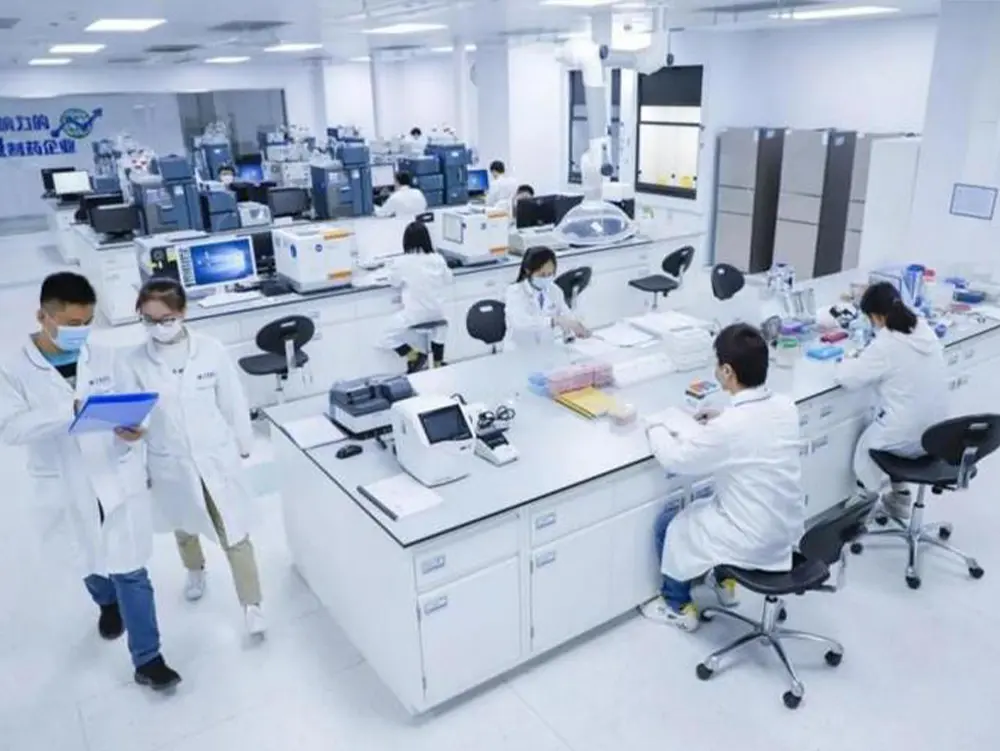
A visual look inside Shandong Boctok Chemical’s industrial infrastructure and manufacturing processes.


Why leading industrial manufacturers select Boctok Chemical as their long-term supply partner.

Our products undergo rigorous testing and raw material qualification to ensure every single batch matches the highest quality specifications.

Equipped with DCS remote control loops and SIS automated systems, we support major volume contracts and bulk customization requirements.

Our professional technical and sales support teams are available to address chemical parameters, compliance, and shipping status queries.

Integrating reliable logistics routes near coastal ports coordinates fast processing and predictable lead times to international destinations.
Our specialty silicones, petroleum resins, and crop protection materials serve diverse vertical markets worldwide.





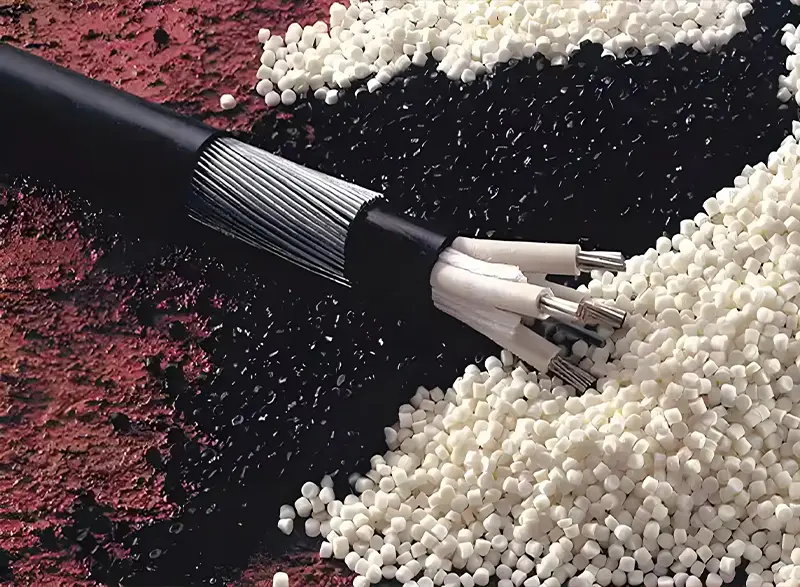

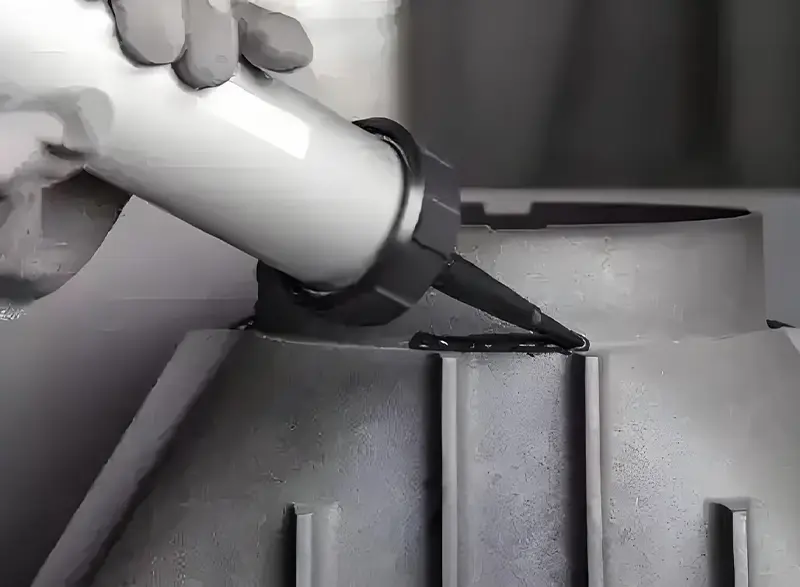

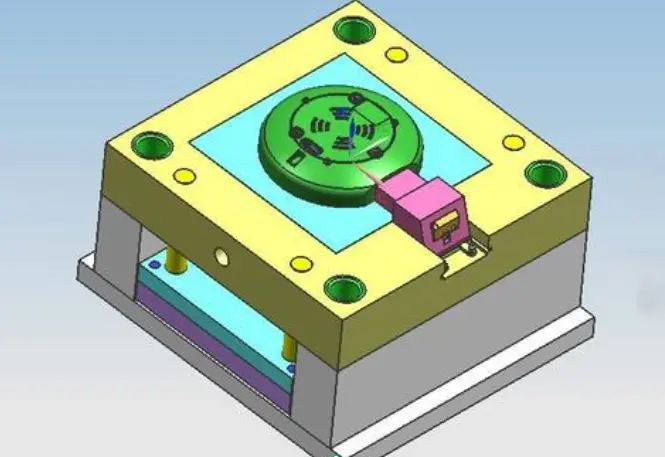
Our chemicals are formulated to excel under extreme mechanical, electrical, and environmental demands.


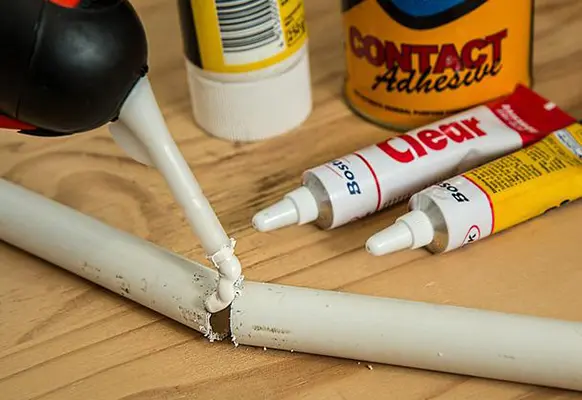
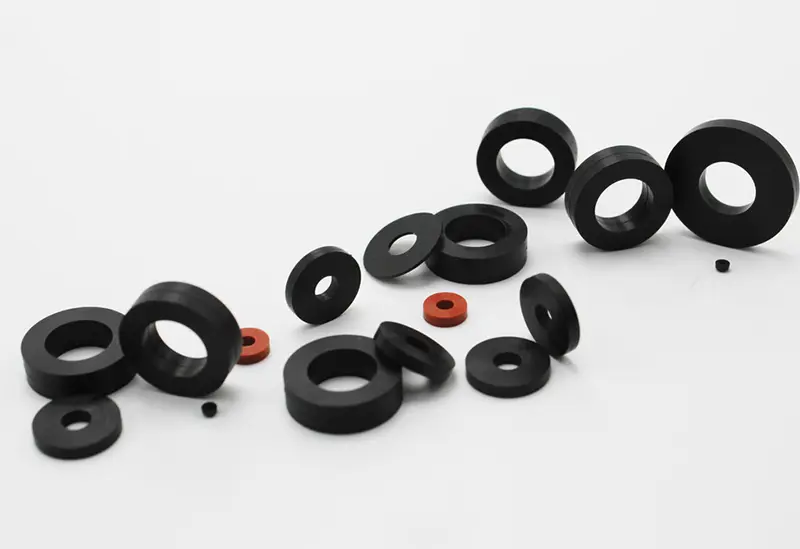
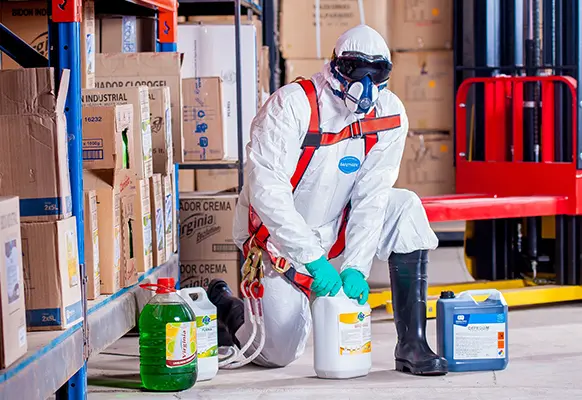











The global shift toward high-performance materials has increased demand for specialty organosilicones. Understanding the key sourcing criteria and structural updates is vital to maintaining procurement efficiency.
When purchasing epoxy silicone oil from China, global procurement teams focus on more than just the lowest cost. Key requirements include consistent epoxy functionality, low levels of residual low-boiling compounds, and excellent viscosity control.
Shandong Boctok Chemical Co. maintains long-term supply partnerships with leading basic chemical producers. This raw material security shields our clients from pricing swings and ensures uninterrupted production, even during seasonal shifts in raw material supply.
Standard products do not always fit specialized formulations. We offer tailored adjustments for parameters like epoxy ring values, molecular weight distribution, and functional monomer ratios. This flexibility allows us to serve advanced industries like automotive coatings, electronics encapsulation, and personal care.
Detailed technical answers to help chemical engineers and purchasing managers make informed decisions.
Terminal (α, ω-terminated) epoxy silicone oil contains reactive epoxy groups only at the chain ends, leaving the PDMS backbone highly flexible. This structure is ideal for modifying linear polymers like polyurethanes or polyesters, acting as a soft segment modifier that improves elongation and impact resistance.
Side-chain (pendant-modified) epoxy silicone oil features multiple epoxy groups grafted along the main chain. This configuration provides more reactive sites per molecule, enabling crosslinking and strong multi-point adhesion. It is widely used in textile auxiliaries, complex resin modifiers, and high-performance industrial coatings.
Our Shouguang facility uses automated DCS systems to monitor temperature, vacuum levels, and reactant addition rates during the hydrosilylation process. After synthesis, we use high-vacuum thin-film evaporation to strip out unreacted volatile siloxanes and light-end impurities. We test every production run using gas chromatography (GC) and gel permeation chromatography (GPC) to verify that the molecular weight distribution and epoxy value match the required target specifications.
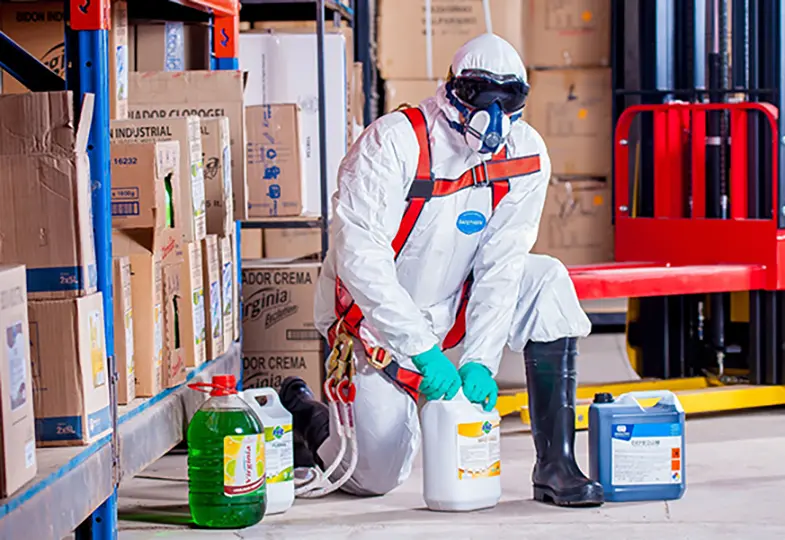
Epoxy silicone oils are chemically stable but can react in the presence of strong acids, strong bases, or active curing catalysts. They should be stored in original, tightly sealed iron or HDPE drums in a cool, dry, well-ventilated warehouse away from direct sunlight. To prevent moisture condensation, which can cause slow hydrolysis of the siloxane bonds, keep the containers sealed under a dry nitrogen blanket if they are only partially used.
Yes. Non-ionic or cationic surfactants with specific hydrophilic-lipophilic balance (HLB) values are commonly used to emulsify epoxy silicone oils into stable waterborne systems. These emulsions are highly popular in the textile industry as softeners and in waterborne coatings to improve scratch resistance and surface slip without using organic solvents.
Explore our industrial range of specialized coupling agents, oligomers, and surface treatment materials.
 Boctok Chemical