High-purity silane coupling agents, organosilicone formulations, and advanced polymer catalysts manufactured under strict ISO9001 and DCS/SIS automated process controls.
![Famous Bis-[3-(trimethoxysilyl)-propyl]amine CAS 82985-35-1](https://site.cdnfile.io/www.boctoksilicone.com/b7a8c47713f462756c9e61cb65cea17f300_300.webp)
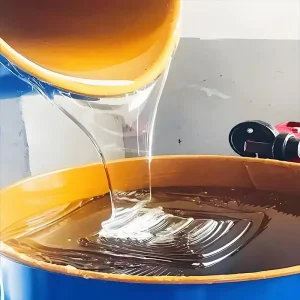
Liquid Silicone Rubber (LSR) has rapidly transitioned from a niche elastomer to a cornerstone of modern high-performance manufacturing. As global supply chains prioritize reliability, thermal stability, biocompatibility, and chemical resistance, LSR compression molding has emerged as a key technology for producing high-durability components.
Historically, Liquid Injection Molding (LIM) dominated the LSR processing domain. However, compression molding remains highly advantageous for producing large-format parts, gaskets, self-lubricating components, and low-to-medium runs requiring economical tooling configurations. China's manufacturing ecosystem has pioneered this technical bridge, combining precision tooling with automated material dosing to minimize flash and cycle time, delivering exceptional economic and performance values globally.
By leveraging advanced organosilicone chemistry, modern factories optimize the crosslinking density and curing rates of LSR. This level of control ensures structural integrity under extreme conditions, serving industries ranging from aerospace insulation to delicate medical-grade gaskets.
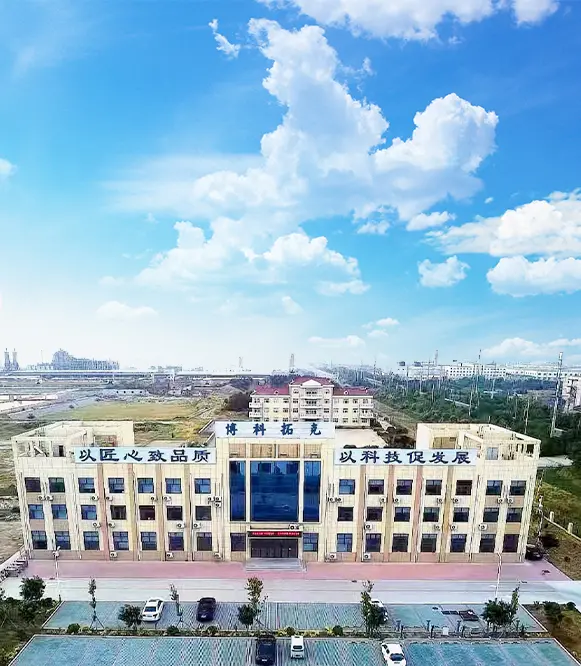
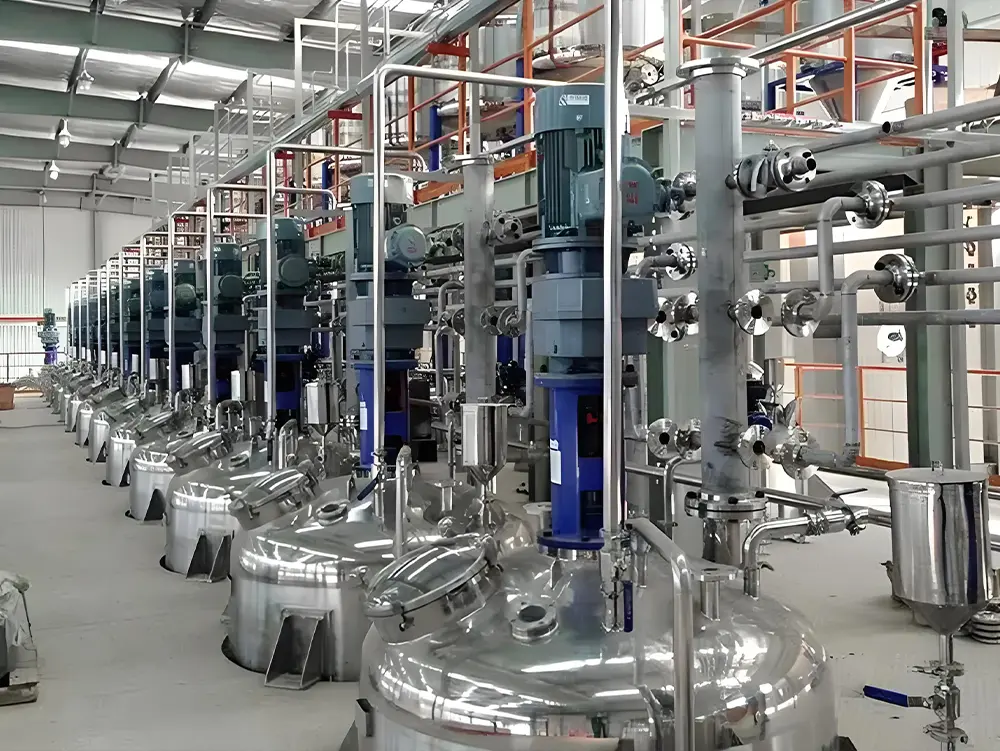
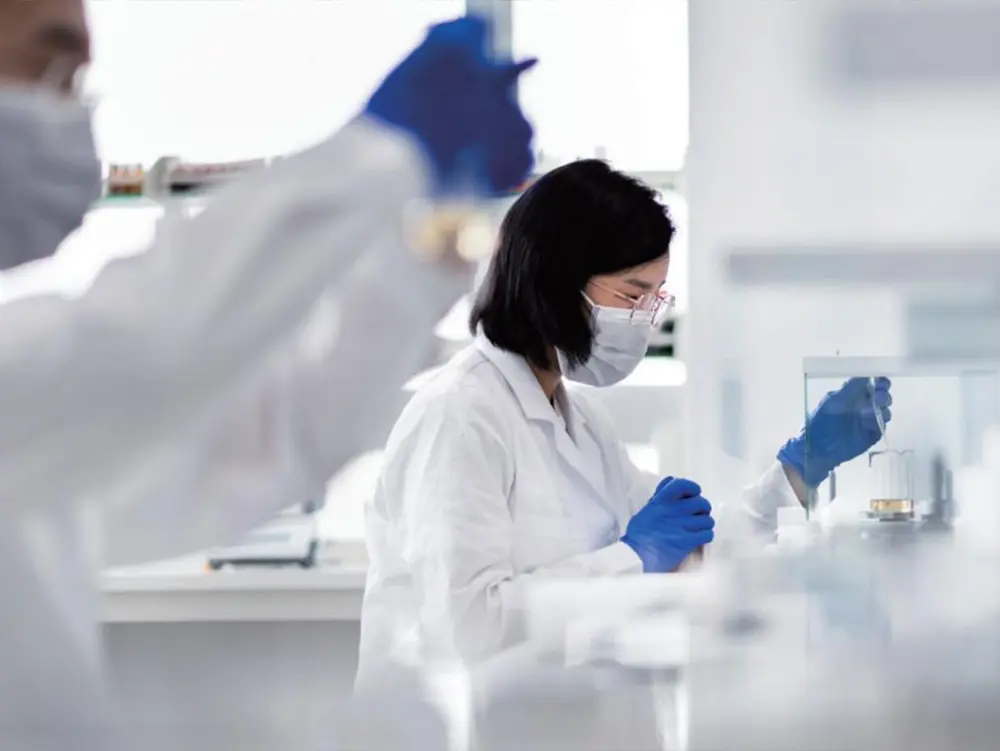
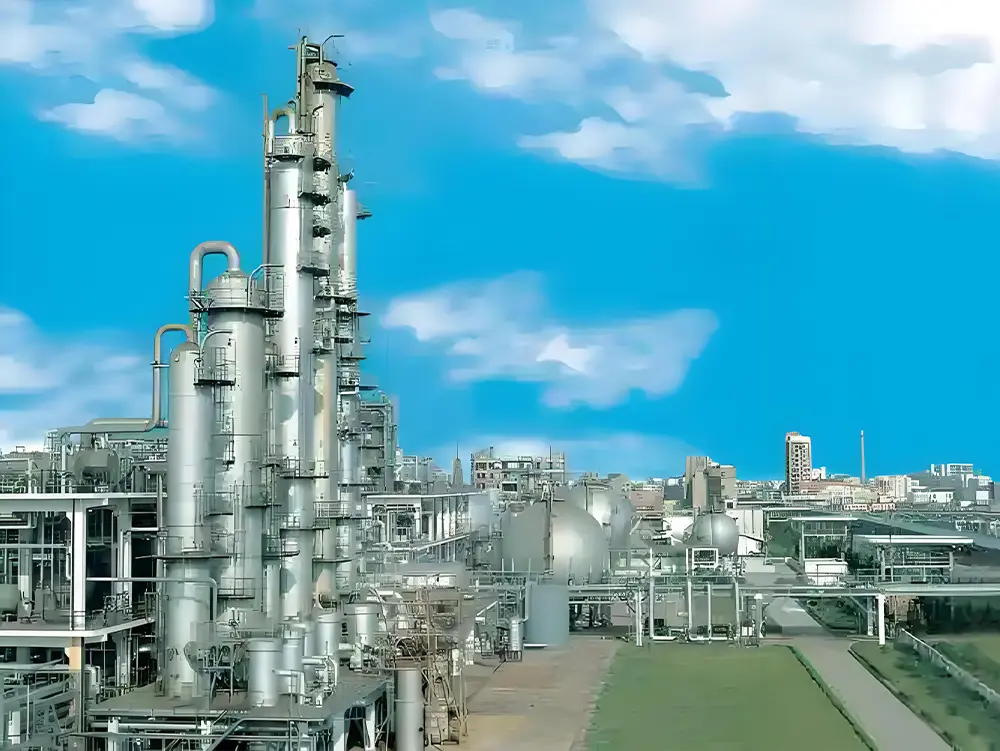
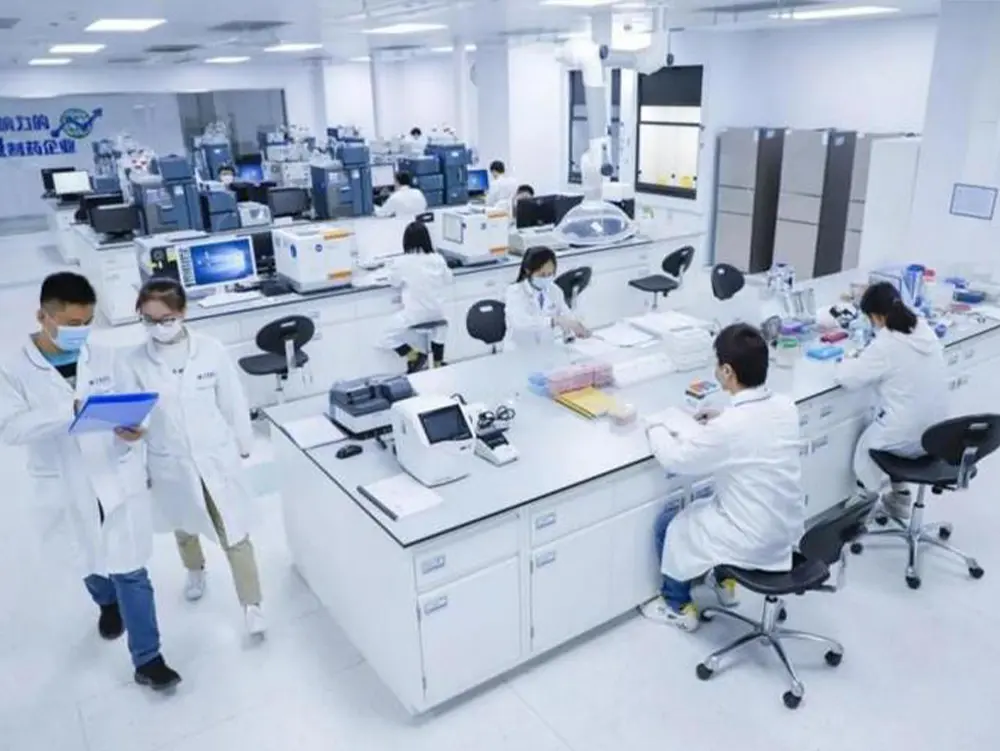
Founded in 2012, Shandong Boctok Chemical Co. was established as a centralized sales and marketing hub for domestic and international Boctok™ operations. Boctok achieved global sales of US$280 million in 2023, reflecting its market presence and long-term customer partnerships. Under the BOCTOK brand, we provide specialized material supplies and custom formulation services, with extensive expertise serving specialized regional markets like the Russian Federation.
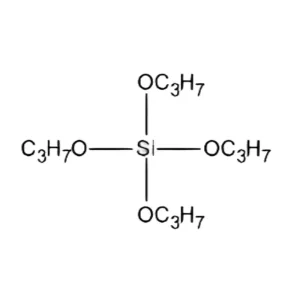
Our organosilicone portfolio includes twelve distinct series of silane coupling agents and crosslinkers. These span aminosilane, methacrylate silane, epoxy silane, vinyl silane, mercaptosilane, alkyl silane, ethyl silicate, chlorosilane, silane isocyanates, phenyl silane, ureidosilane, and serosilane. Additionally, our high-performance silicon fluids, silicone resins, and silicone rubbers cover specialty materials like high-hydrogen silicone oil, dimethicone, vinyl silicone oil, polyphenylmethyldimethylsiloxane, phenyl silicone oil, silanol silicone oil, OH polymer, alkoxy silicone oil, methyl MQ resin, vinyl VMQ resin, room-temperature vulcanized methyl silicone rubber, 110 methyl vinyl silicone rubber, and 120 methyl phenyl rubber.
In high-performance LSR compression molding, mechanical strength and thermal stability depend on the interface between inorganic fillers (such as fumed silica) and the organic polydimethylsiloxane (PDMS) polymer matrix. Unmodified fillers can agglomerate, causing high viscosity, poor flow during compression, and physical weak points in the finished parts.
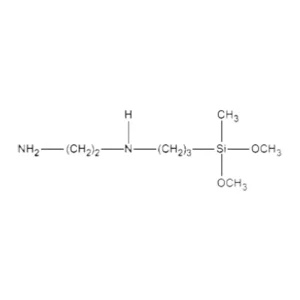
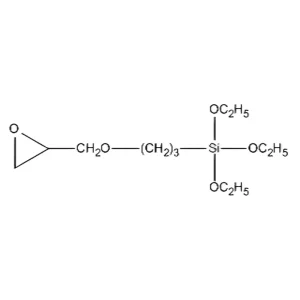
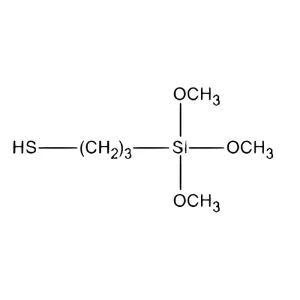
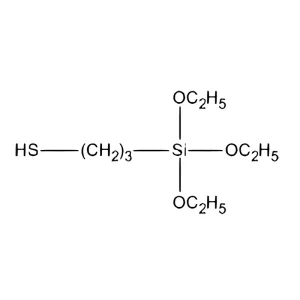
This is where Boctok's silane coupling agents are highly effective. Silanes act as molecular bridges. The hydrolyzable groups (methoxy or ethoxy silanes) bond with silica surfaces, while the organofunctional groups (vinyl, amino, epoxy, or mercapto) crosslink with the silicone polymer network during heat vulcanization. This chemistry provides several benefits:
Beyond our organosilicone portfolio, Boctok is invested in hydrocarbon resin manufacturing in China. With operating facilities in Zibo, Fushun, and Nanjing, we utilize raw materials from SINOPEC and PetroChina to produce C9 hydrogenated resins, C5 hydrocarbon resins, C5 modified C9 hydrocarbon resins, C9 hydrocarbon resins, dicyclopentadiene, and methyl cyclopentadiene dimer. These products are widely used in road markings, hot-melt adhesives, industrial coatings, and thermoplastic plastics by global partners, including Fortune 500 companies.
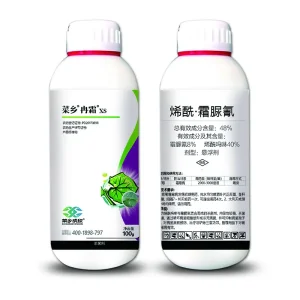
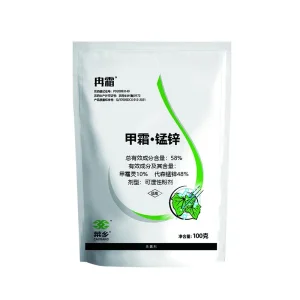
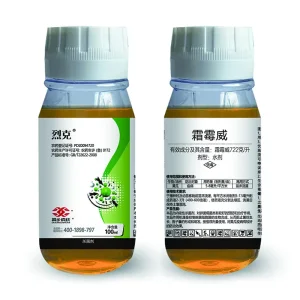
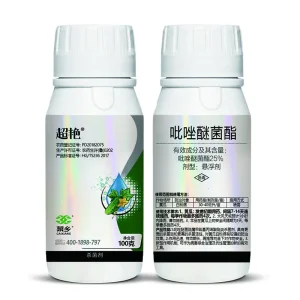
In addition, Boctok serves the agrochemical industry, producing intermediates and raw chemical materials for pesticides, fungicides, insecticides, seed treatments, herbicides, and plant growth regulators. This diverse technical capability establishes Boctok as a versatile partner for multi-sector industrial supply chains.
Boctok's chemical materials are exported to North America, Europe, Japan, South Korea, Australia, South America, the Middle East, India, Southeast Asia, and Russia. Our distribution networks ensure prompt supply, local compliance, and technical support across various regulatory zones.
To support this international supply chain, Boctok recently invested US$65 million in a new facility in the Bohai Industrial Park, Shouguang City, Shandong Province. This plant expands our silane coupling agent production, featuring 6 automated DCS production lines with an annual capacity of 30,000 tons. Operating with ISO9001 and SIS safety instrument systems, the facility guarantees stable output and high product purity.
Combining process automation, large capacity, and technical support to deliver reliable material solutions.


Our materials support critical processes across diverse global industries, from agrochemicals to high-temperature silicone rubber molding.





Our materials are utilized across diverse industries, including chemical processing, automotive components, and energy production.

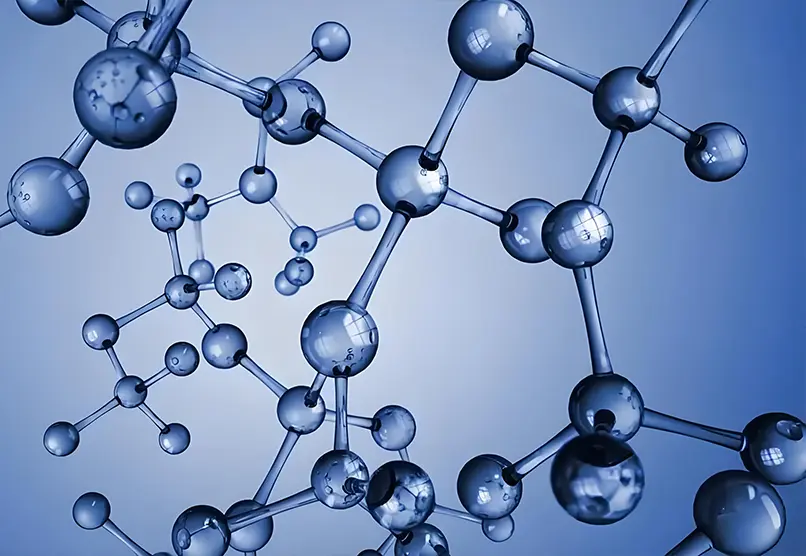
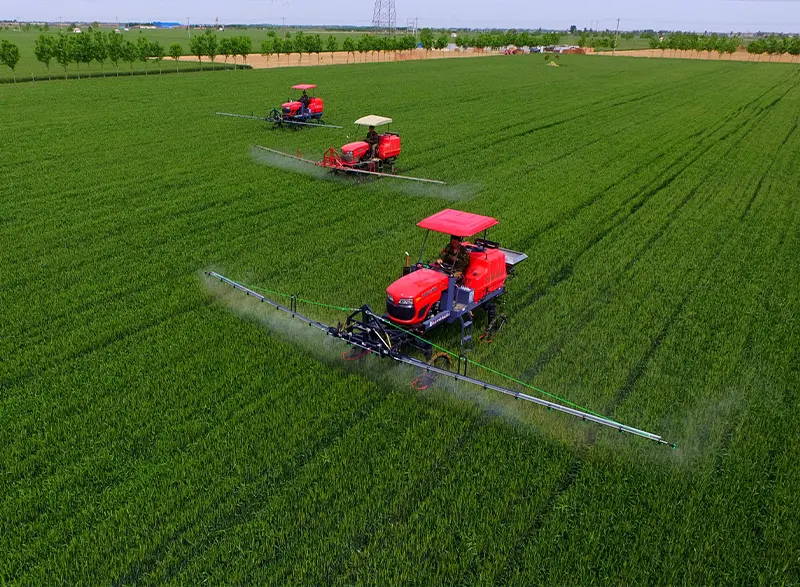
Providing chemical intermediates, biological protection coatings, and formulation catalysts that ensure active ingredient stability.

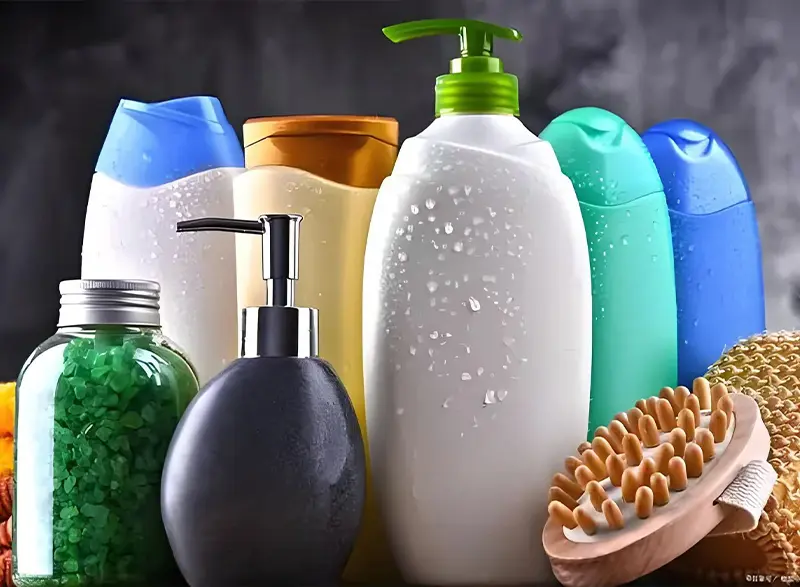
Using high-purity silicone fluids and emulsions to deliver spreadability, skin protection, and water resistance.
Petroleum resins and crosslinkers that optimize tackification and structural cohesion under mechanical stress.
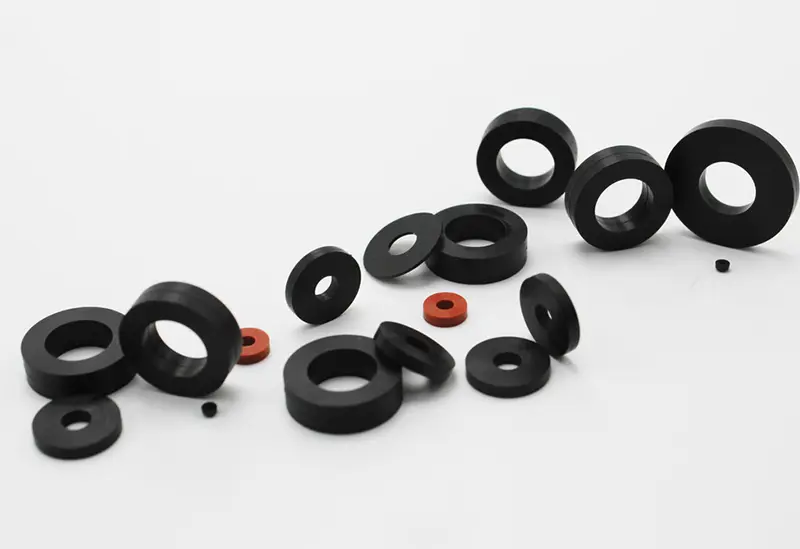
Silane coupling agents that improve filler dispersion, lower processing temperatures, and increase tensile strength.
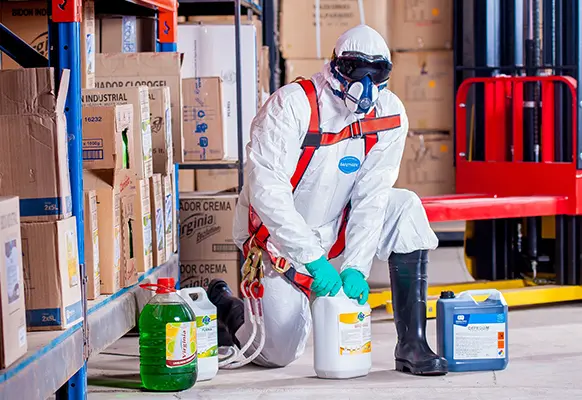
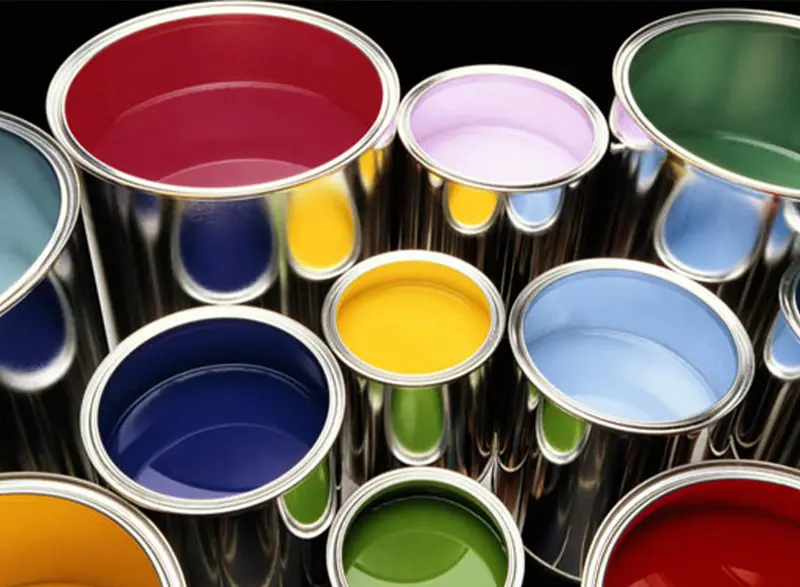
Resin systems that improve UV resistance, weatherability, and mechanical hardness in industrial coatings.
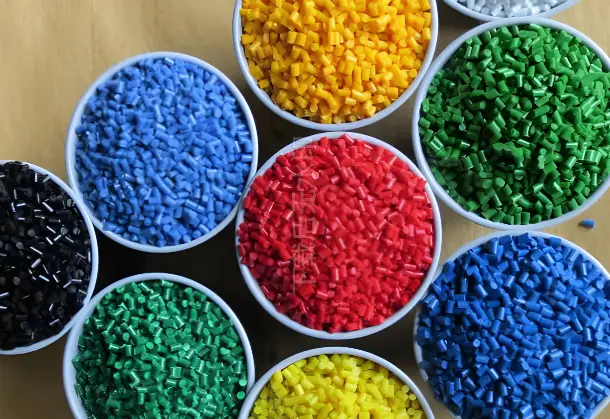
Specialty silicone additives that improve thermoplastic flow, reduce cycle times, and act as processing aids.
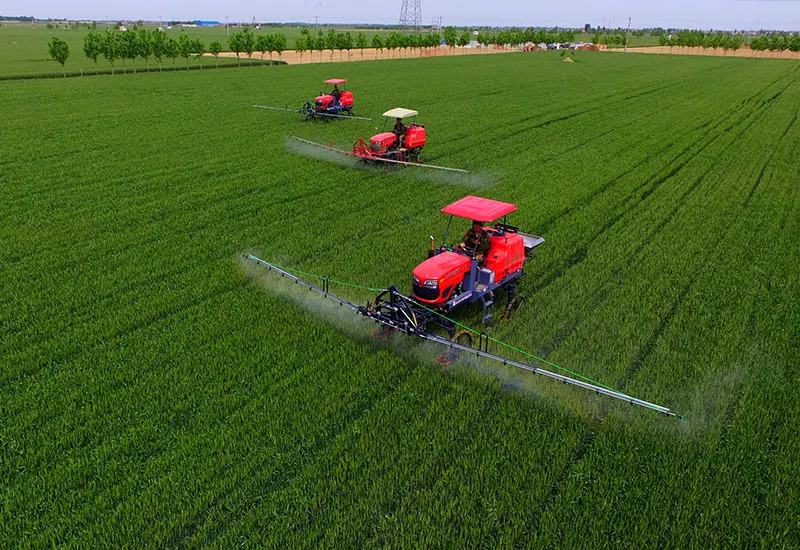
Formulating stable pesticide delivery systems using custom organosilicone surfactants that lower surface tension.
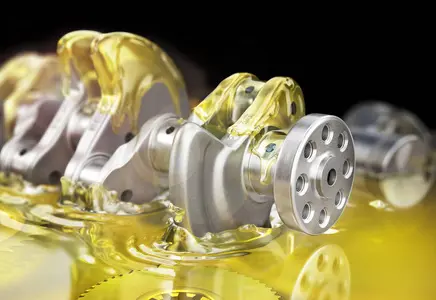
Specially formulated liquid silicone rubbers designed with bleeding fluids for low-friction automotive seal rings.
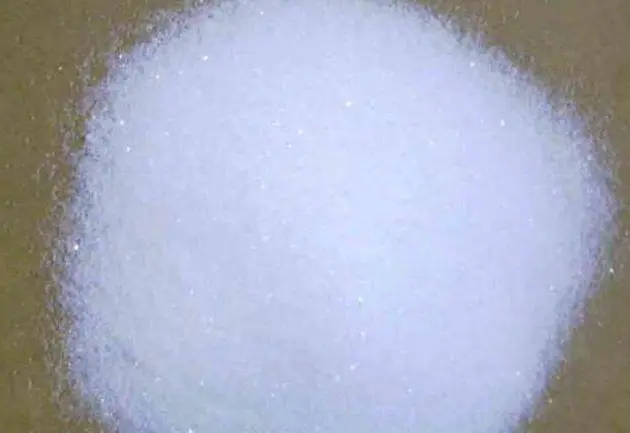
Silicone-based defoamers for wastewater treatment, paper pulp processing, and industrial chemical reactors.

High-hydrogen silicone oil emulsions providing water repellency and structural integrity to gypsum boards.
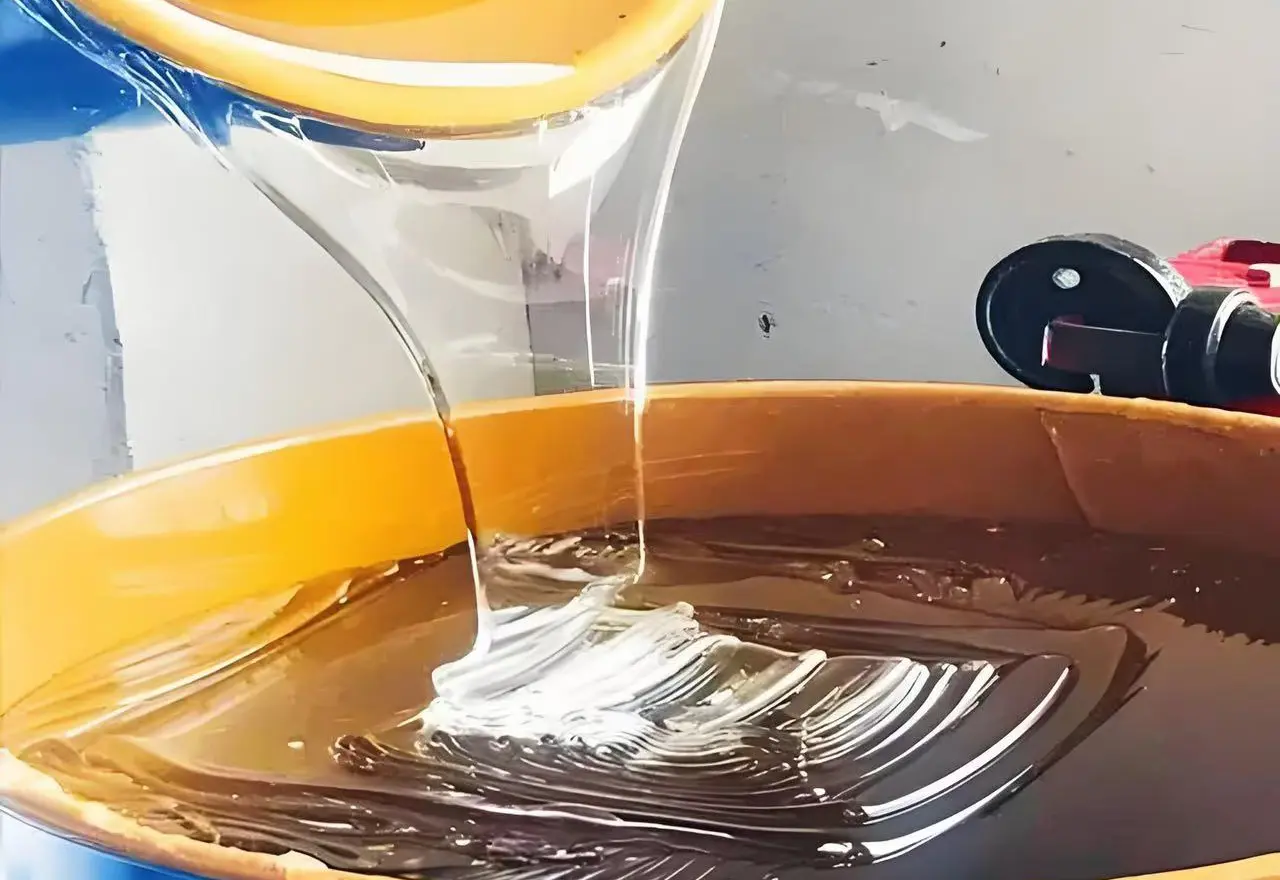
Pure dimethyl silicone fluids used as heat-transfer agents, damping fluids, and dielectric lubricants.

Thermal barrier seals, high-voltage connector boots, and custom gaskets molded from high-performance LSR.
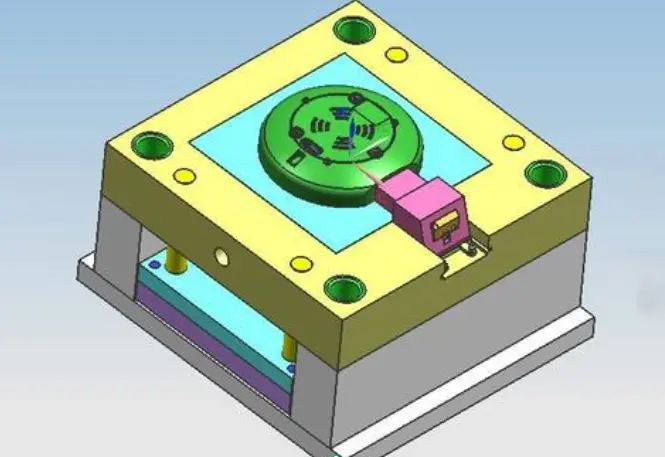
Using high-flexibility room-temperature vulcanizing (RTV) silicone rubbers for manufacturing mold forms.

Silicone encapsulants and potting resins that shield delicate microelectronics from dust, moisture, and thermal stress.

Silicone-modified sealants, concrete coatings, and masonry protectants that improve weathering characteristics.
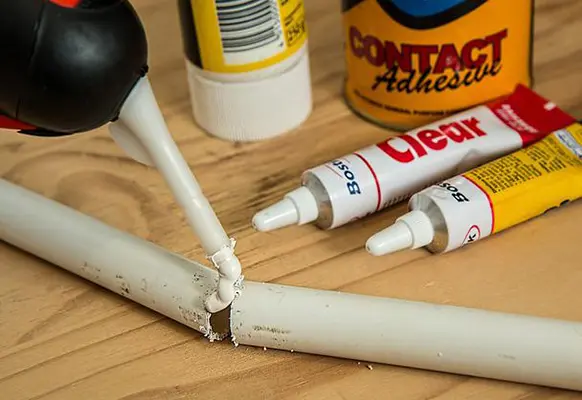
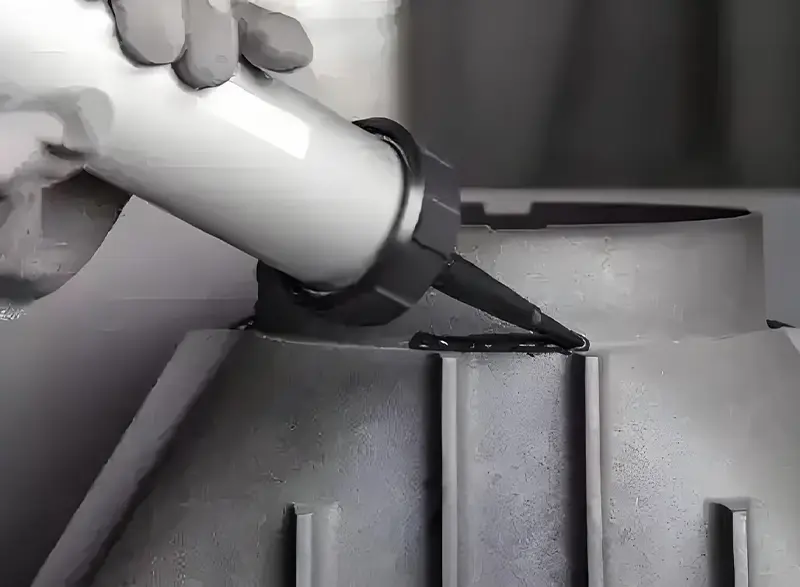
Sealant formulations utilizing our silane coupling agents to bond glass, aluminum, and concrete interfaces.
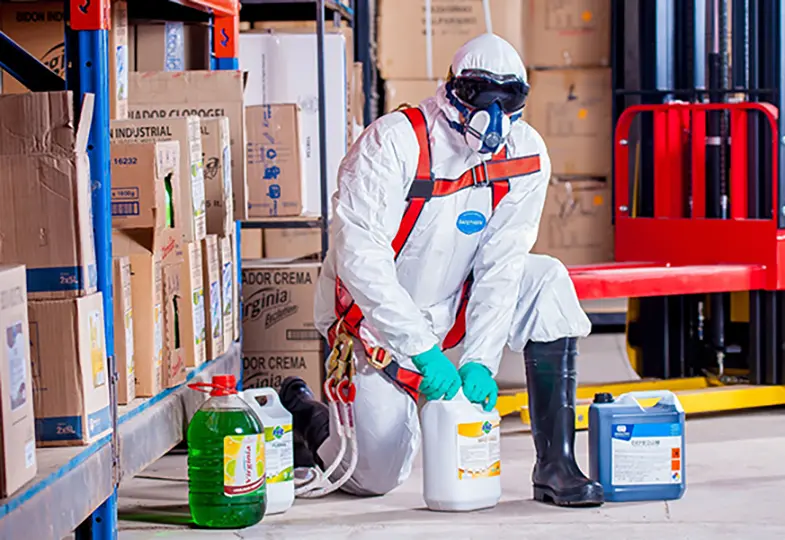
Formulating hard-coat varnishes and weathering topcoats with specialized phenyl and alkoxy silicone resins.

Using amino and vinyl silanes to create anti-corrosive primer films on steel, aluminum, and zinc coatings.
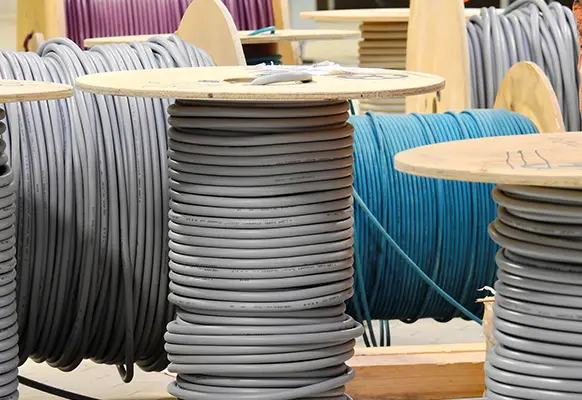
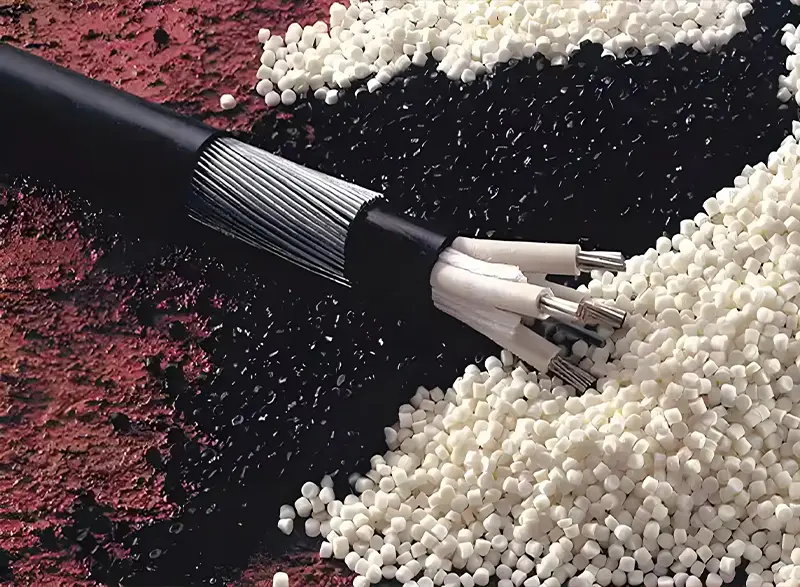
Vinyl and amino silane coupling agents used in XLPE insulation crosslinking, improving fire safety and dielectric strength.
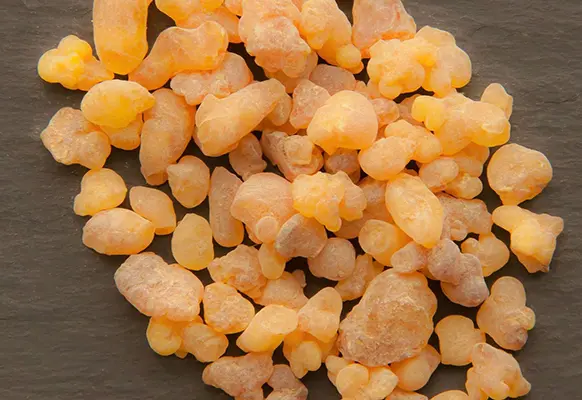
Crosslinkers and monomers used to synthesize high-strength epoxy, polyurethane, and polyester casting resins.

Silicone water repellents and mortar modifiers that protect stone, concrete, and brick from freeze-thaw cracking.

Composite materials modified with epoxy and methacrylate silanes to improve fatigue resistance in wind turbine blades.
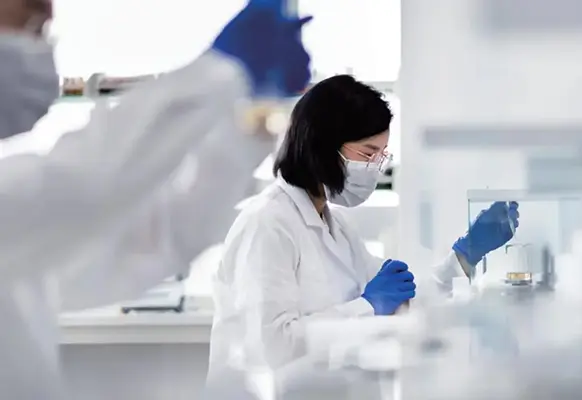
Biocompatible, sterilizable platinum-cured LSR compounds used in medical tubing, seals, and device parts.

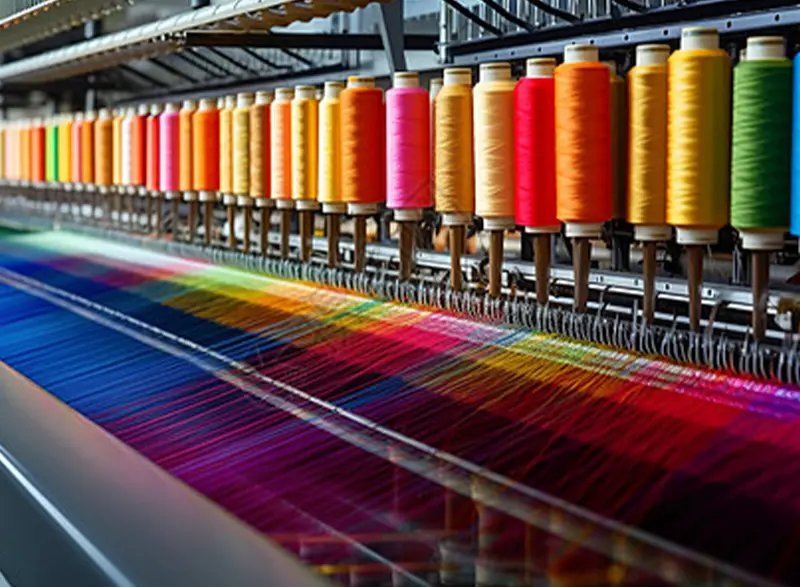
Amino-functional silicone emulsions applied to fabric finishes to provide softness and water repellency.
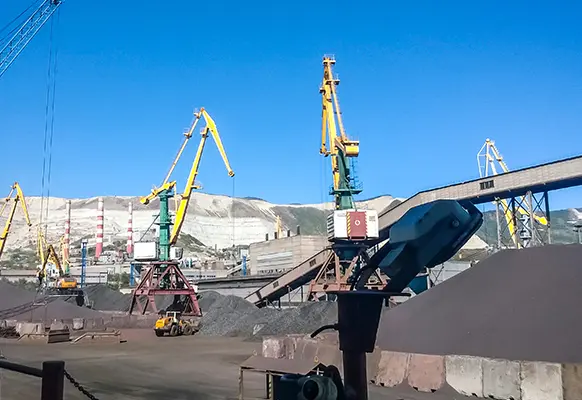
Surface treatments for silica, kaolin, and talc fillers to improve compatibility with polymer matrices.
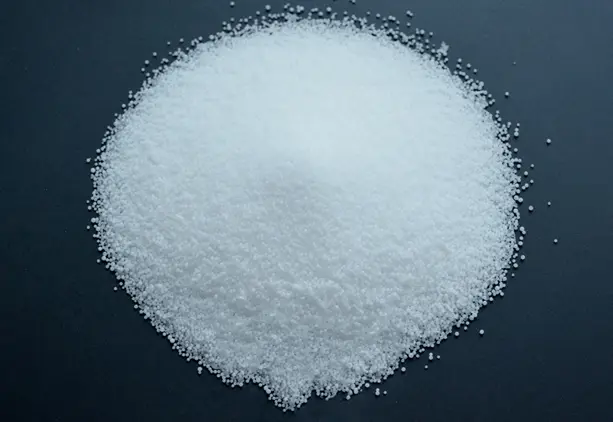
Advanced organosilicones engineered to synthesize complex co-polymers and structural resin formulations.
Thermoplastics modified with silicone resins to improve impact strength and surface finish.
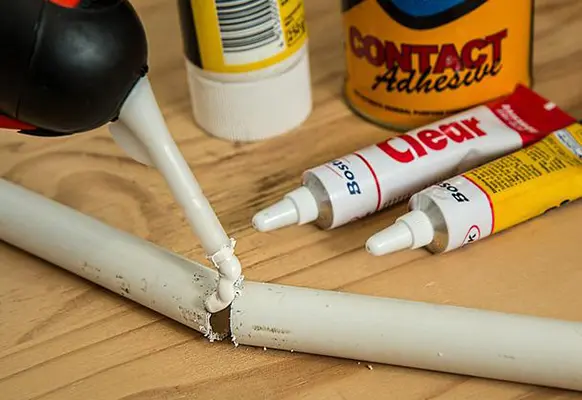
Crosslinkers and reactive diluents that improve adhesive performance on difficult substrates.
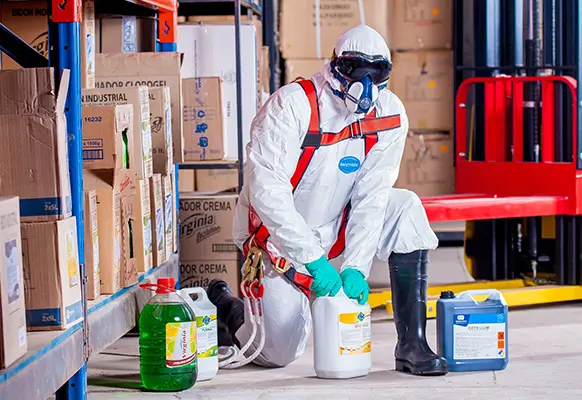
Using methyl and phenyl silicone resins to formulate heat-resistant paints for engines and exhaust pipes.
Our development strategy centers on safety automation, reduced carbon footprint, and high-performance material design.
Deploying distributed control systems (DCS) and safety instrumented systems (SIS) to automate monomer feeding and reactor temperature controls, ensuring high batch purity and stable production.
R&D focused on water-borne silanes and non-volatile crosslinkers to reduce emissions during silicone rubber compounding and mold release.
Developing self-lubricating, thermally conductive LSR materials to support electric vehicle battery seals and electronic assembly applications.
Common technical inquiries regarding silane coupling agents and LSR compression molding.
Our specialized silanes, crosslinking agents, and chemical formulations support diverse industrial processes worldwide.
![China Bis-[3-(triethoxysilyl)-propyl]amine CAS 13497-18-2](https://site.cdnfile.io/www.boctoksilicone.com/837bedcc9470a3ee1f202feb49d8ce69300_300.webp)
 Boctok Chemical