High-purity monomers, crosslinkers, and specialized resin structures engineered for global industrial specifications.
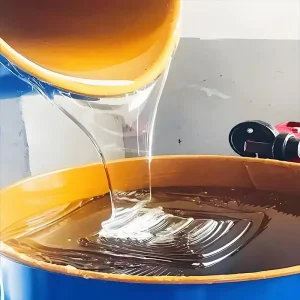
In the advanced polymer synthesis domain, Branched Vinyl Silicone Oil represents a significant evolutionary step over conventional linear vinyl-terminated polydimethylsiloxanes (PDMS). While linear vinyl silicone oils limit their reactive vinyl groups exclusively to the chain terminals, branched variants integrate vinyl active sites both along the backbone and within lateral molecular networks. This multi-functional branched architecture offers an exceptional spatial density of reactive sites, fundamentally changing the kinetics of hydrosilylation addition-cure reactions.
When crosslinked with hydrogen-containing silicone crosslinkers under platinum catalysis, the branched vinyl groups yield a highly uniform, dense three-dimensional network. This minimizes network defects (dangling chain ends) which typically undermine the mechanical properties of cured elastomers. Consequently, formulations utilizing branched vinyl silicone oil display excellent tensile strength, tear resistance, and modulus control, all while maintaining low post-cure shrinkage.
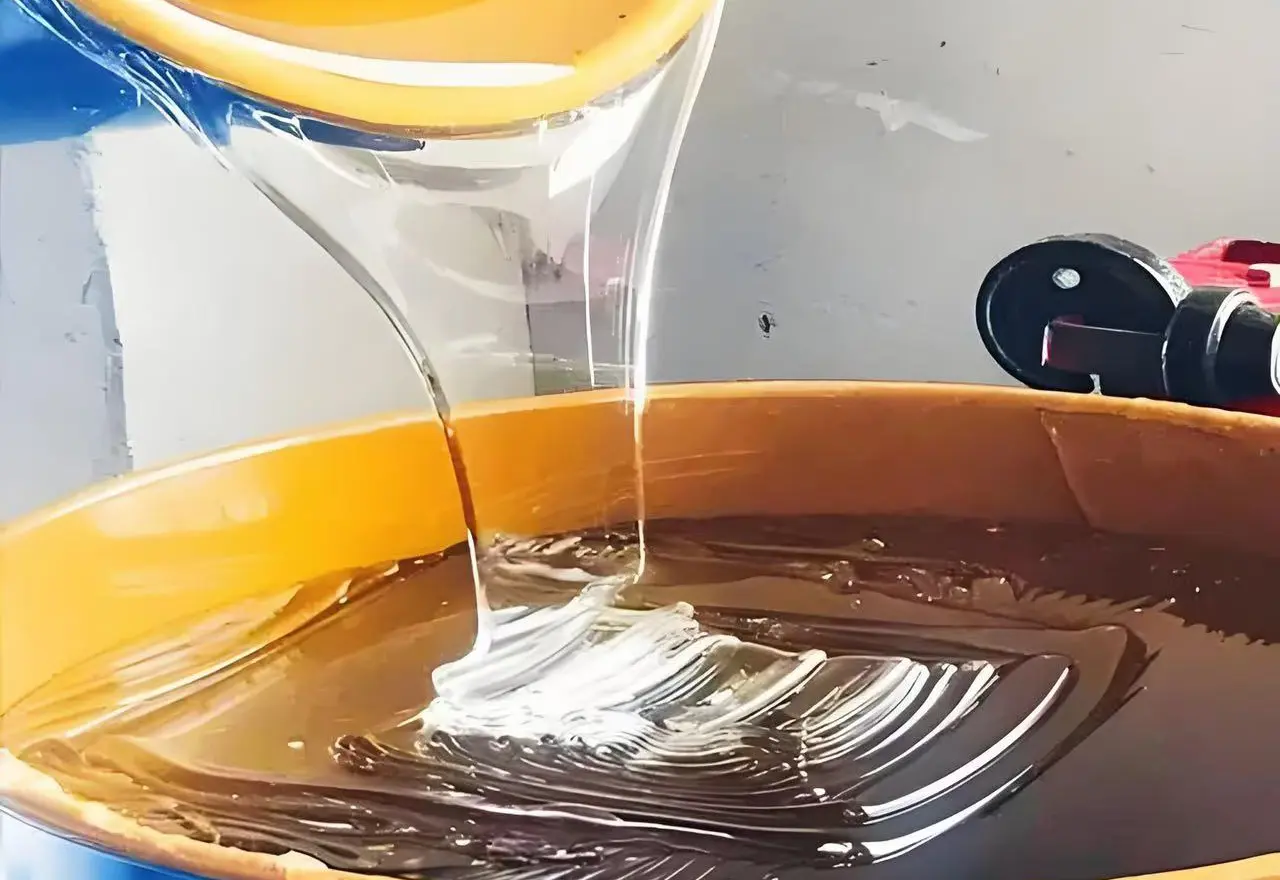
Furthermore, the controlled viscosity profile of branched vinyl fluids provides formulators with key rheological advantages. Even at higher molecular weights, these materials show pronounced shear-thinning behavior. This makes them highly suitable for applications requiring both ease of processing (injection molding, coating) and structural stability under static conditions.
How branched vinyl functionalization solves high-performance engineering challenges across sectors.
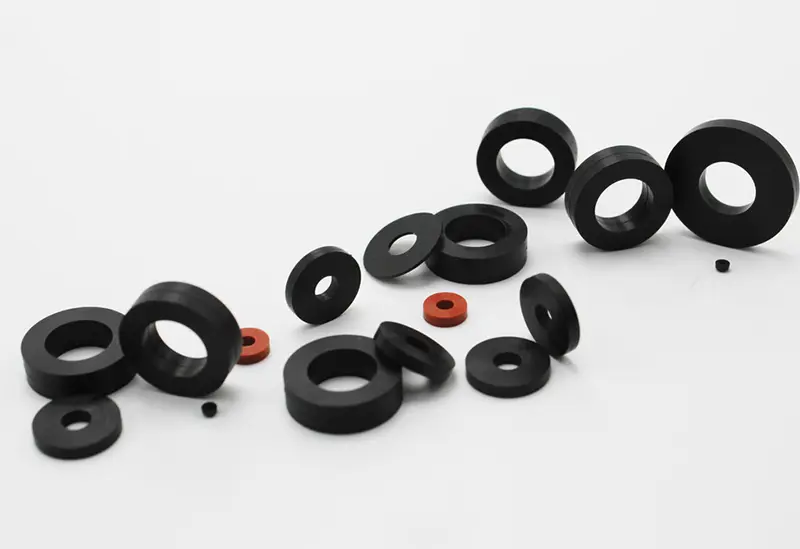
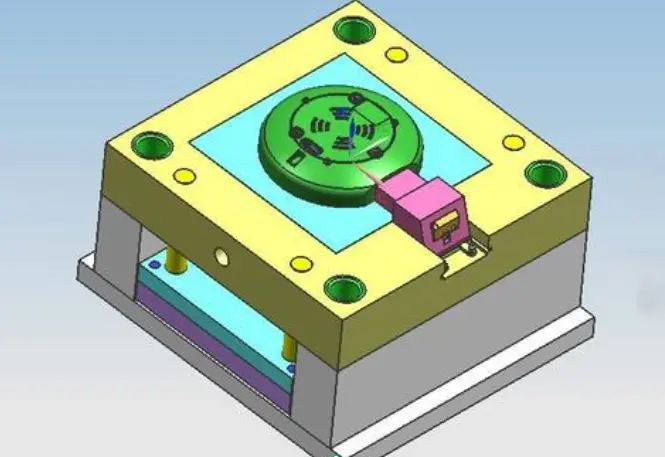
In modern medical, automotive, and consumer goods LSR applications, maximizing tear strength while maintaining high elongation is a key challenge. Incorporating branched vinyl components optimizes the crosslinking density, allowing LSR components to withstand cyclic mechanical stresses without micro-fracturing.
High-brightness LEDs and semiconductor junctions require encapsulants with high light transmission and thermal stability. Branched vinyl silicone oils, free of volatile cycles, minimize yellowing under continuous thermal loads and prevent chemical degradation at high operating temperatures.
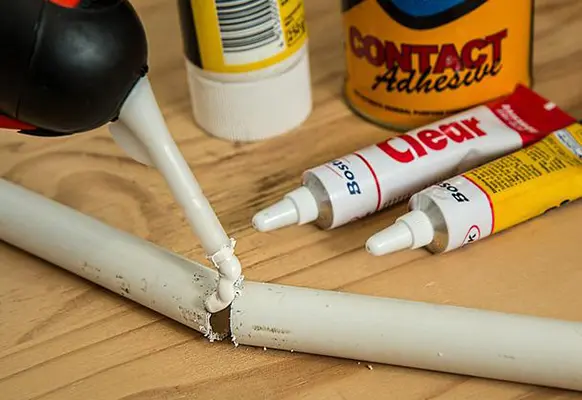
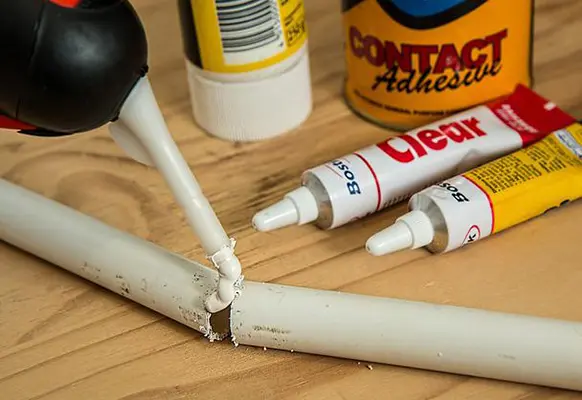
Formulating MQ resin-based adhesives with branched vinyl silicone fluids provides excellent peel strength, high cohesive force, and stability across temperature variations. These adhesives are critical for electronics tape and high-temperature protective films.
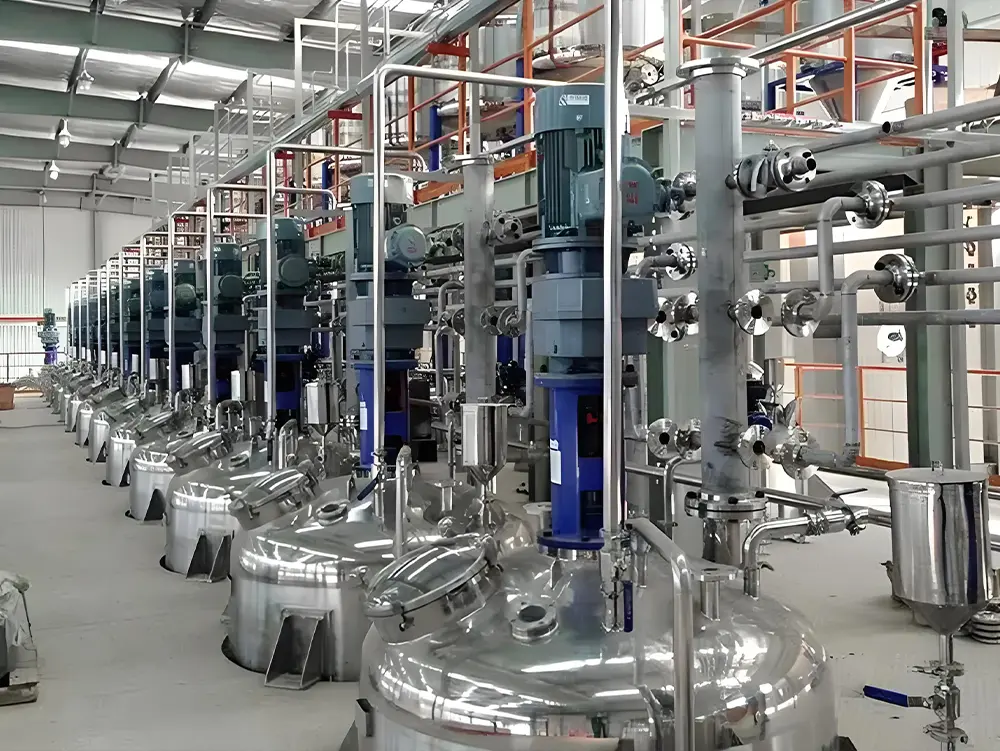
Shandong Boctok Chemical Co. has leveraged advanced industrial manufacturing models by investing US$65 million in our production facilities in Shouguang, Shandong Province. Spanning 30,000 tons of annual capacity, this facility utilizes automated Distributed Control Systems (DCS) to manage every step of the polymerization process.
Our Factory 4.0 model integrates automated remote control networks with Safety Instrumented Systems (SIS), ensuring stable reactions and high batch-to-batch consistency. By implementing ISO9001 and ISO14001 international standards, we control the purity, viscosity index, and volatile content of our branched vinyl silicone oils, meeting the strict requirements of global distributors and multi-national manufacturers.
We have also built comprehensive environmental treatment systems, including advanced wastewater processing and closed-loop VOC capture units. This ensures that our manufacturing processes comply with strict local and national environmental policies, securing our long-term supply chain reliability.
The next frontier of organosilicone chemistry, focusing on environmental sustainability and high-frequency materials.
Environmental standards like EU REACH are driving the industry toward low-volatile silicones. Our R&D roadmap focuses on developing branched vinyl silicone oils with cyclic volatile levels (D4, D5, D6) below 0.1% (1000 ppm), satisfying medical-grade and food-contact regulatory requirements.
With the growth of 5G and 6G telecommunications, encapsulating components must maintain low dielectric constants (Dk) and low dissipation factors (Df). We are engineering specialized vinyl structures that minimize dielectric losses at high-frequency ranges.
By combining physical bonding mechanisms with covalent hydrosilylation crosslinking, our next-generation siloxanes enable materials to repair micro-cracks automatically, extending the lifespan of outdoor power insulators and aerospace seals.
High reliability, supply chain security, and tailored technical partnerships.
Large-scale industrial procurement of functional silicone fluids requires vendor verification that goes beyond standard product datasheets. Enterprise procurement teams prioritize structural verification, regulatory compliance, and consistent logistics.
Custom Viscosity & Vinyl Content Controls: Different applications require specific vinyl mole concentrations (typically ranging from 0.05% to 5.0%) and precise viscosities. Boctok provides batch consistency tolerances within ±0.03% on vinyl content, reducing formulation adjustments for our clients.
Supply Chain Security: Our long-term supply contracts with major raw material producers like SINOPEC and PetroChina ensure access to core feedstocks (DMC, silanes) even during volatile market conditions. This stability supports continuous production and reliable delivery timelines.
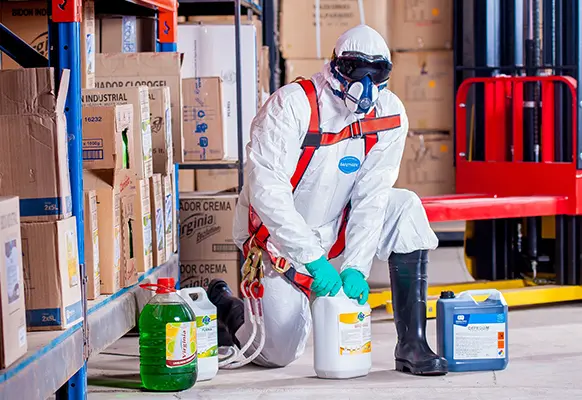
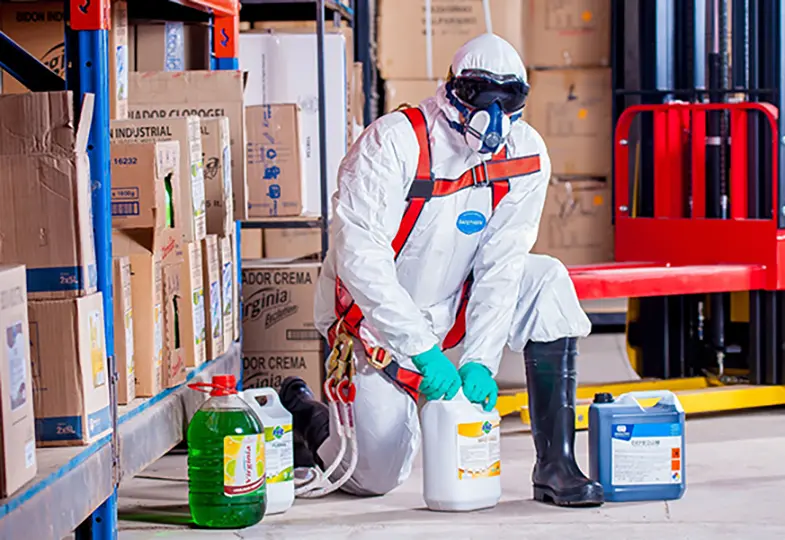
Logistics and Custom Packaging: We export to Europe, North America, Japan, South Korea, Russia, and Southeast Asia. We support tailored packaging configurations (200kg steel drums, 1000kg IBC totes, and bulk ISO tanks) to integrate directly into customer processing lines.



Assisting international buyers with global regulatory standards and localized technical support.
Our products comply with RoHS, REACH, TSCA, and K-REACH. We provide complete technical files (SDS, TDS, COA) for all export shipments, helping our customers navigate importing processes in Europe, the Americas, and the Asia-Pacific region.
With key logistics hubs near Qingdao, Tianjin, and Shanghai ports, we handle sea, rail, and land transport. This enables prompt deliveries, with transit options designed to meet the schedule requirements of global manufacturing programs.
We offer direct access to our application engineers. We work with clients to develop custom formulations, matching targeted viscosity ranges and vinyl content configurations to optimize production compatibility.
Shandong Boctok Chemical Co. was founded in 2012 as a marketing and sales center for Boctok™ domestic and overseas businesses, achieving sales of US$280 million in 2023. The BOCTOK brand specializes in serving international industrial markets, including Russia, Europe, the Americas, and Southeast Asia.
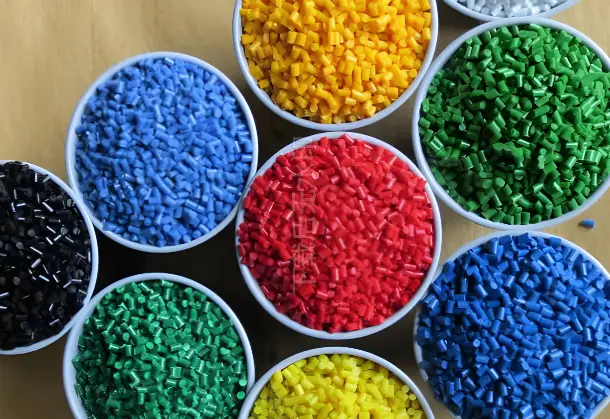
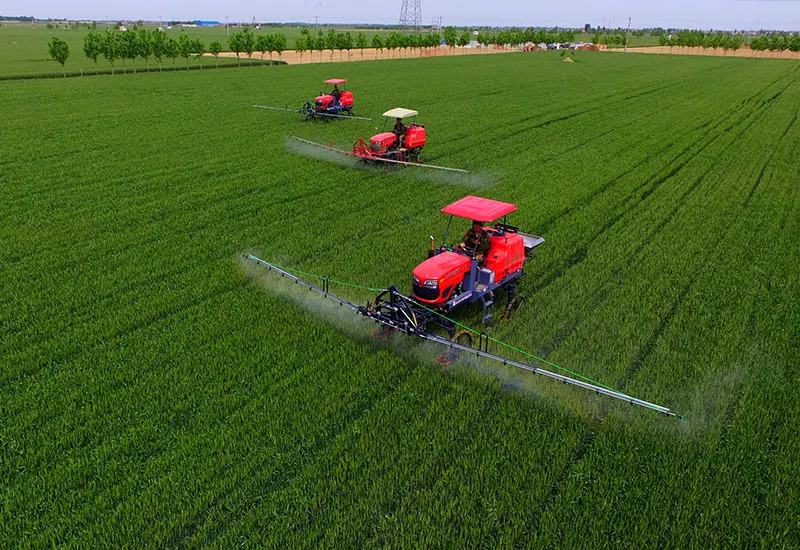
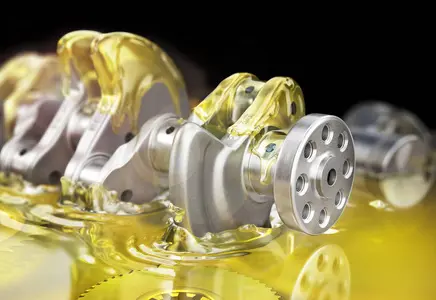
Boctok has three main product categories:
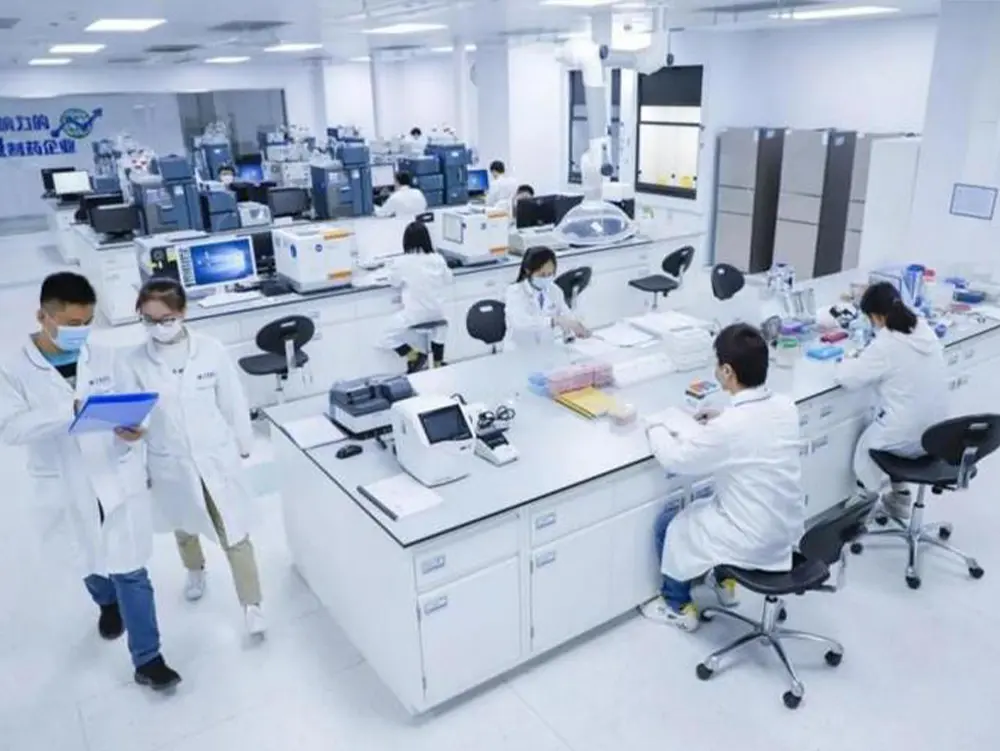
Our products undergo rigorous testing to ensure that every aspect meets the highest quality standards.
Advanced production lines allow us to effectively expand production capacity and meet the demand for mass customization.
Our professional team is available online 24 hours a day to provide attentive service and answer all your questions.
An optimized logistics system ensures fast order processing and timely delivery to customers.
Our materials are integrated into diverse, demanding applications worldwide.







Technical and procurement answers designed for chemical engineers and global sourcing directors.
Full inventory of specialized silicone oils, silane coupling agents, and additives available for international distribution.
 Boctok Chemical