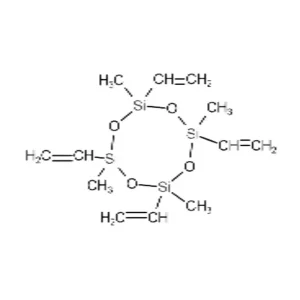
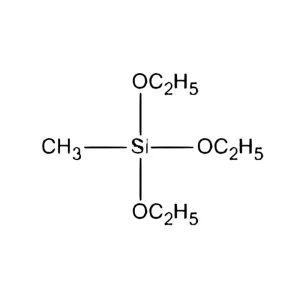
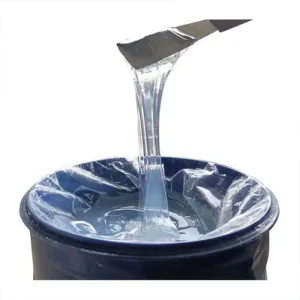
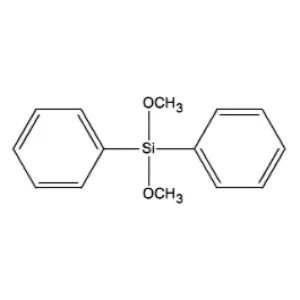
Explore our premium range of organic silanes, vulcanized rubbers, and high-purity chemical intermediates
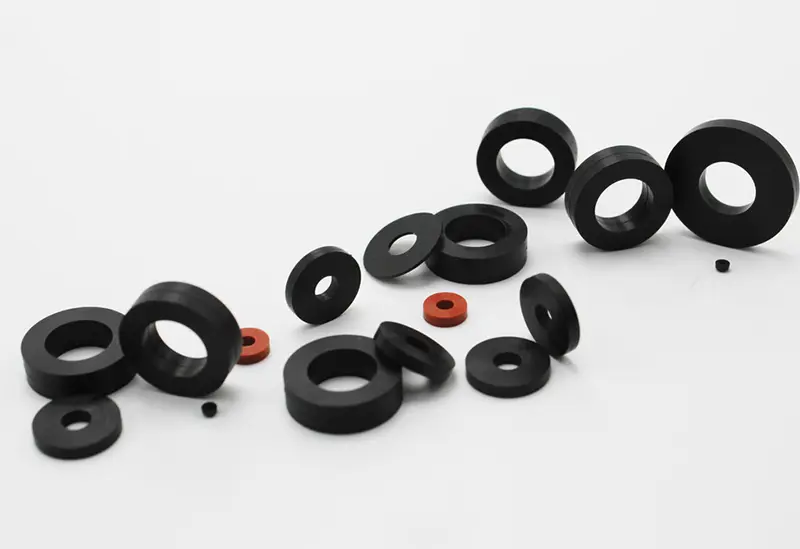
Liquid Silicone Rubber (LSR) has rapidly transitioned from a specialty elastomer into a foundational building block of modern automotive architectures, driven by the global transition towards New Energy Vehicles (NEVs), autonomous systems (ADAS), and higher vehicle electrification standards. The modern automobile demands materials that exhibit outstanding thermal resistance, low compression set, precise dimensional stability, and exceptional chemical inertness over lifetime operations. Automotive LSR formulations fulfill these requirements, providing unmatched durability in environments where traditional organic rubbers fail.
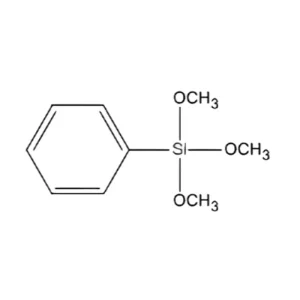
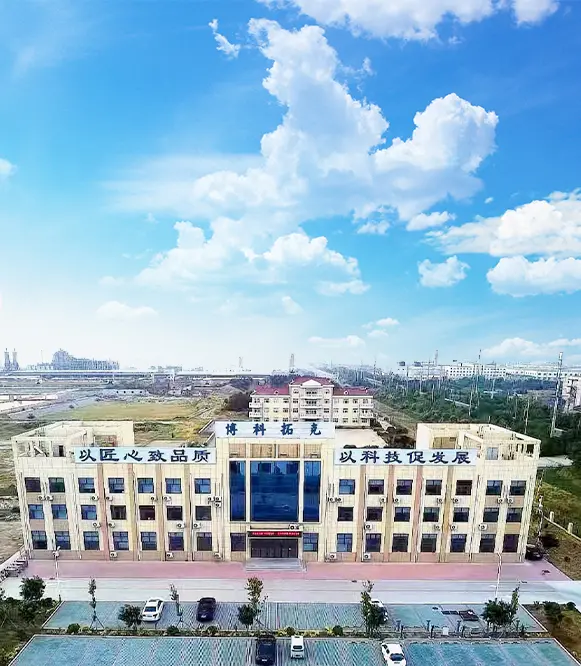
Shandong Boctok Chemical Co., established in 2012, has been at the forefront of this industrial transformation. With global operations and a dedicated focus on the production of high-performance silane coupling agents, organosilicones, and custom polymer additives, we provide the essential inputs required to engineer next-generation automotive LSR components. The chemical synergy enabled by our twelve silane coupling agent series (including amino, epoxy, vinyl, and phenyl silanes) forms the bedrock for advanced compound design, optimizing the interfacial bonding between silicone phases and inorganic fillers.
Information Gain Insight: The rapid adoption of high-voltage vehicle electrical systems (800V+) has redefined elastomeric insulation requirements. Modern automotive LSR must offer not only basic sealing properties but must also provide arc resistance, low volatile cyclics content to prevent sensor contamination, and precise electrical conductivity or insulation depending on the application context.
Why global Tier-1 automotive suppliers trust Chinese manufacturing clusters for silicone supply chains
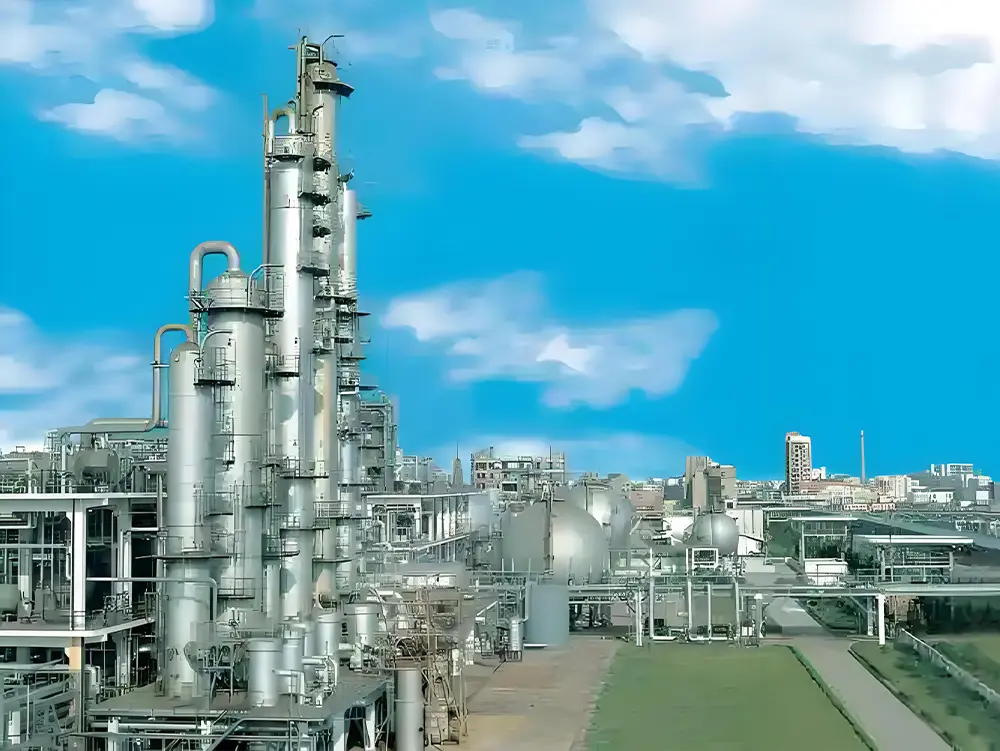
China's silane and silicone chemical industry is characterized by complete vertical integration. From raw silicon metal synthesis to silane coupling agents and vinyl silicone oil formulations, Boctok controls key feedstock stages, shielding global buyers from market volatility.
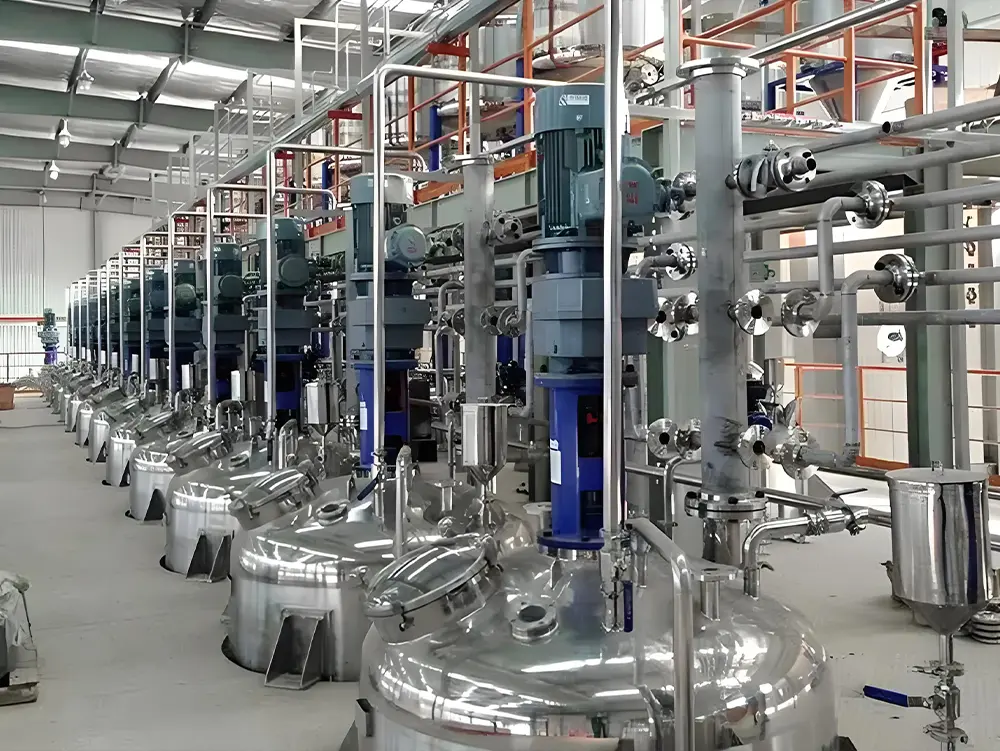
Our newly established Shouguang production plant incorporates advanced Distributed Control Systems (DCS) and Safety Instrumented Systems (SIS), guaranteeing consistency in batch-to-batch polymerizations and high-precision viscosity control.
Operating under strict compliance with ISO 9001 and executing processes aligned with IATF 16949 core tools, Boctok ensures that all chemical intermediates, rubber gums, and silane surface treatments meet stringent OEM testing protocols.
Delivering high-volume silicone and petroleum resin solutions across major industrial corridors
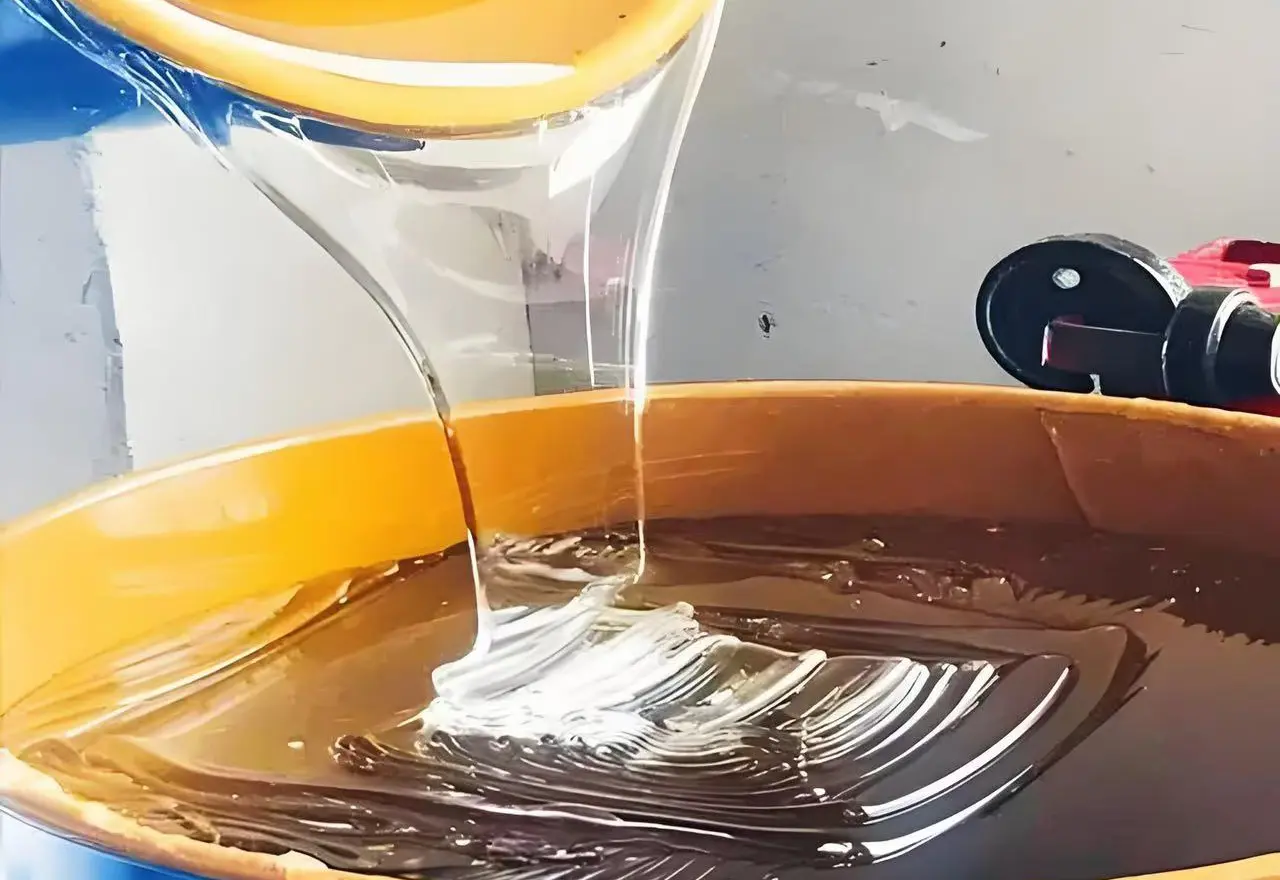
In modern automotive design, Liquid Silicone Rubber is selected not just for its elastomeric properties, but for its multi-functional performance profile. Here, we outline the key areas where LSR technology actively addresses extreme engineering demands:
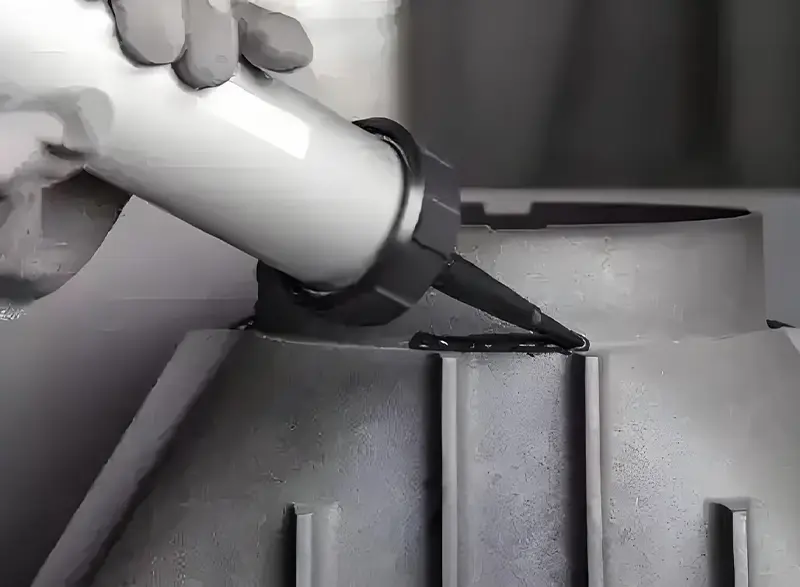
New Energy Vehicles rely on large-format lithium-ion battery packs that require absolute protection from moisture, dust, and environmental ingress. LSR perimeter seals, often molded directly onto complex metallic housings via 2-component (2K) injection molding, provide long-term sealing stability under cyclic thermal loading. Furthermore, silicone's inherent flame retardancy can be enhanced through the integration of specialty additives and silane coupling agents to meet UL 94 V-0 ratings, serving as a critical barrier during thermal runaway events.
Operating voltages in EV powertrains are climbing up to 800V and beyond. High-voltage connectors require reliable elastomeric seals that maintain their dielectric strength and physical structure at continuous temperatures of 150°C and above. Self-lubricating LSR grades, formulated with precise bleed-out control of silicone fluids, are widely utilized here. These materials reduce the insertion force required during wire harness assembly while maintaining a tight, gas-proof seal against environmental agents.
Advanced Driver Assistance Systems (ADAS) depend on an array of cameras, radar, and LiDAR sensors mounted around the vehicle exterior. These sensors must remain operational in extreme weather. High-transparency optical LSR is used to produce lenses and optical interfaces for sensor assemblies. Unlike PMMA or polycarbonate, optical LSR resists UV yellowing, maintains transparency across a wide temperature spectrum (-40°C to 150°C), and can be injection molded into complex micro-optical geometries with zero birefringence.
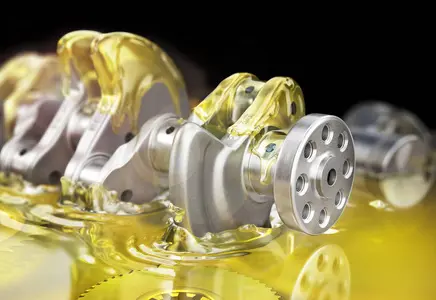
For internal combustion engines (ICE) and hybrid vehicles, the under-hood environment is characterized by exposure to engine oils, coolant fluids, and high temperatures. Silicone rubbers, particularly PVMQ (Methylvinylphenylsilicone Gum) like our Y-120 series, exhibit outstanding low-temperature flexibility (down to -60°C) and high-temperature integrity. By leveraging epoxy and vinyl silane coupling agents during compounding, manufacturers can optimize filler dispersion (such as fumed silica), improving the tensile strength and tear resistance of the final cured silicone article.
Optimized polymer materials and processing agents developed by Boctok
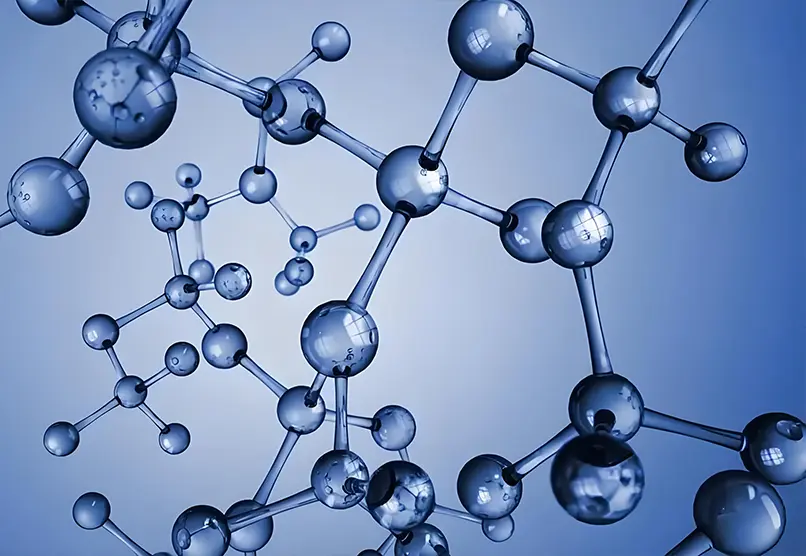

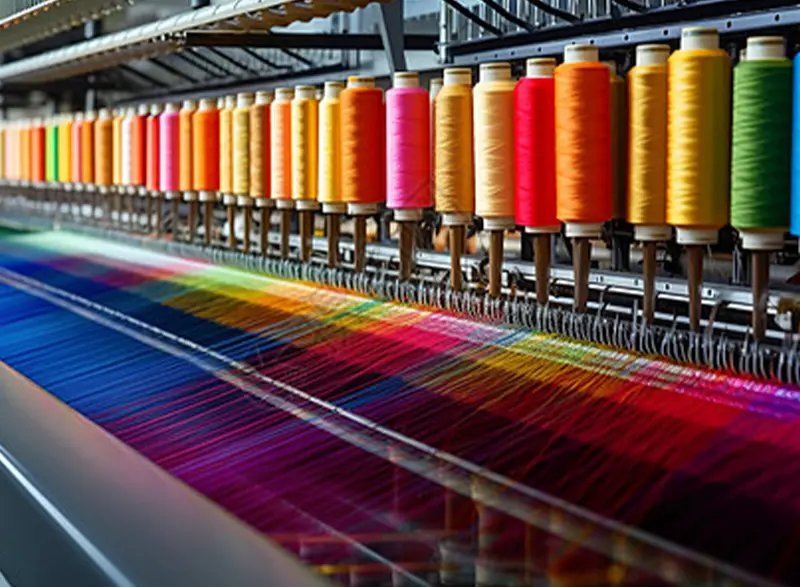
Our solutions span key manufacturing and processing industries worldwide
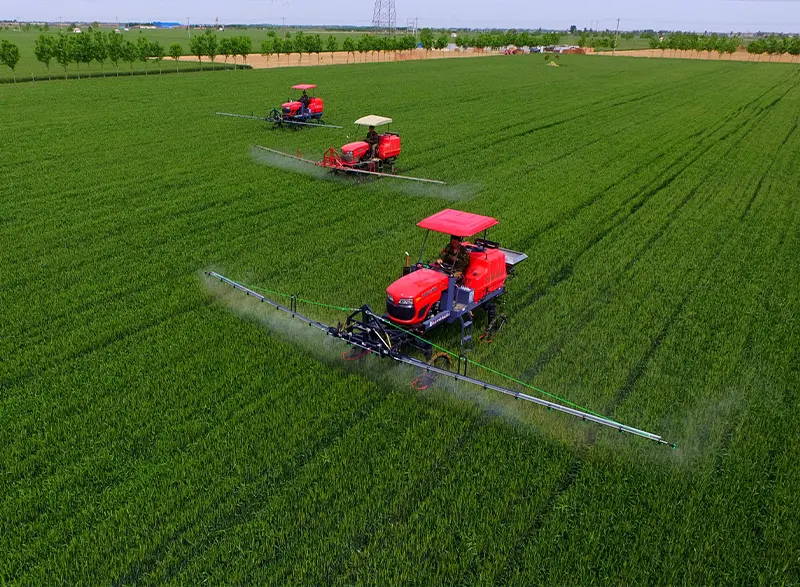




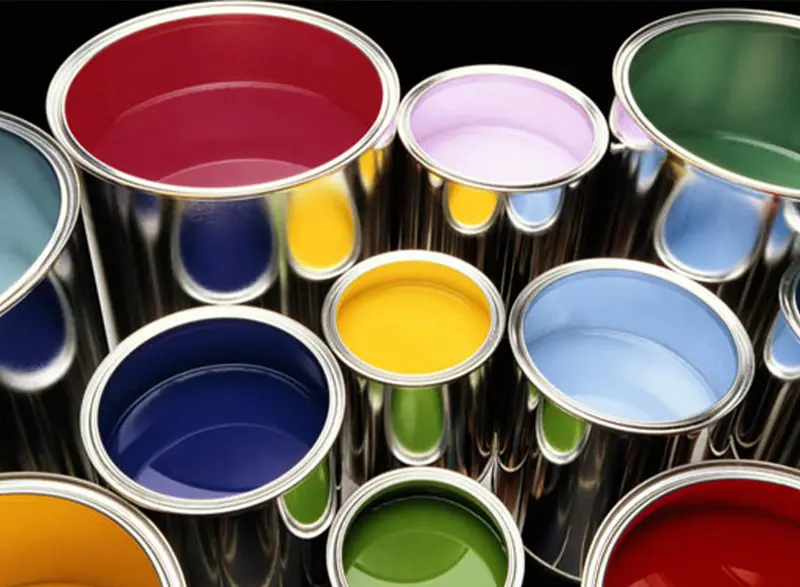
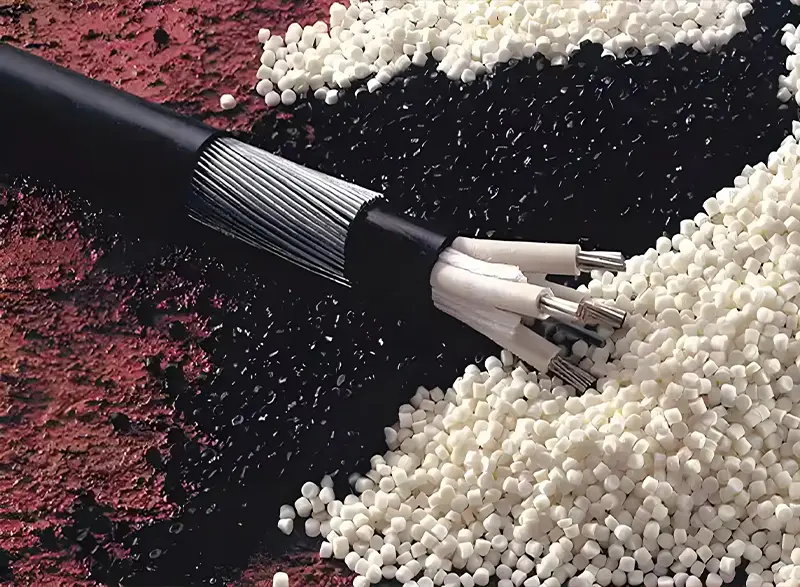
Addressing the complex regulatory and engineering requirements of international procurement teams
Global Tier-1 suppliers require robust contingency planning. Boctok's recent $65 million investment in the Bohai Industrial Park (Shouguang City, Shandong Province) provides 6 state-of-the-art automatic DCS production lines with an annual capacity of 30,000 tons of silane coupling agents. This capacity expansion ensures that our clients benefit from a consistent, high-volume supply chain, reducing lead times and mitigating geopolitical supply disruption risks.
We recognize that entry into European and North American automotive markets demands strict adherence to international chemical frameworks. All Boctok materials are documented with comprehensive safety data sheets and comply with REACH, RoHS, and TSCA standards. We support procurement processes with detailed material declarations in the International Material Data System (IMDS), facilitating seamless vehicle-level certifications for OEMs.
Our organosilicones, polymers, and resin systems serve specialized functions across numerous demanding domains






Cross-functional material engineering in heavy industry, wind energy, and advanced composites




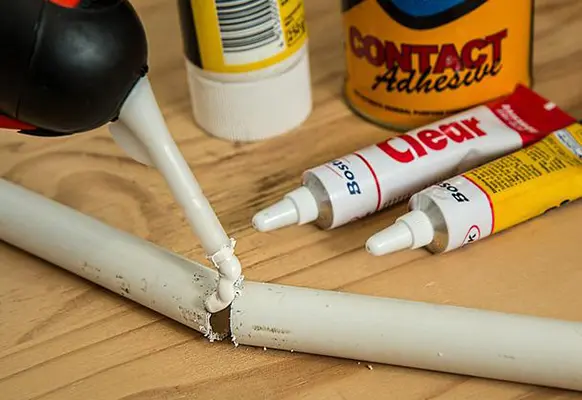
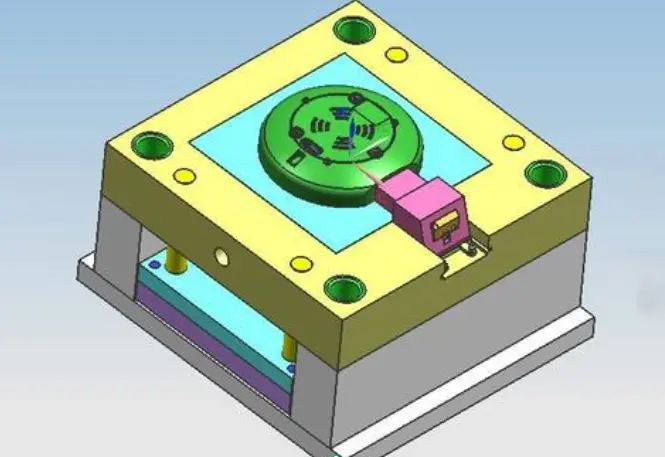
Adhesion in multi-component (2K) injection molding depends heavily on the chemical bonding across the polymer interface. During the curing process, functional groups within the silicone elastomer must react with active sites on the thermoplastic surface (such as PA, PBT, or PC). The introduction of custom silane coupling agents—specifically those containing epoxy, vinyl, or methacryloxy groups—greatly enhances this bond. These silanes act as molecular bridges, where one end chemically links with the inorganic filler or thermoplastic substrate, and the organofunctional end copolymerizes into the silicone matrix during hydrosilylation curing.
Standard liquid silicone rubbers contain low-molecular-weight siloxane cyclics (such as D4, D5, and D6). Under the high-temperature conditions of automotive lighting or enclosed sensor modules, these volatiles can outgas and subsequently condense onto lenses, reflectors, and electronic sensors. This condensation creates a thin, fog-like film that impairs optical clarity, disrupts LiDAR/camera functions, and can cause electrical contact failures. Implementing post-curing cycles (e.g., 4 hours at 200°C) or using specialized low-volatile, vacuum-stripped LSR materials is mandatory for sensory safety in autonomous vehicles.
Compression set is a critical metric for gaskets, representing the permanent deformation remaining after a compressive force is released. In automotive sealing, this is typically tested under ASTM D395 at temperatures of 150°C to 175°C for 22 to 70 hours. The primary governing factor is crosslink density. Silicone rubbers formulated with high vinyl content (such as those incorporating high-purity vinyl silicone oil) paired with platinum-catalyzed hydrosilylation cure profiles yield a highly stable three-dimensional network. This crosslinked network resists permanent molecular slippage, maintaining tight seal force over the vehicle’s design life.
Fumed silica is added to silicone formulations to provide reinforcement and mechanical strength. However, fumed silica contains hydrophilic silanol groups on its surface, which are incompatible with the hydrophobic silicone polymer. Silane coupling agents modify the silica surface (in-situ or pre-treatment), replacing hydrophilic silanol groups with hydrophobic siloxane bonds. This process decreases compound viscosity, prevents creping, improves filler dispersion, and significantly increases the tensile and tear strength of the vulcanized elastomer.
Browse our downstream crosslinkers, silicone oils, and specialty reaction intermediates
 Boctok Chemical