Explore our leading collection of high-purity silane coupling agents, specialized chemical compounds, and polymer precursors manufactured under stringent global standards.
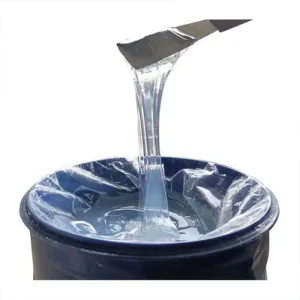
Amino functional silanes are vital hybrid chemicals that possess both organic and inorganic reactivity. In typical commercial formulations, amino silanes function as molecular bridges that cross-link distinct material matrices, such as polymer adhesives (polyurethane, epoxy, phenolic) and inorganic mineral substrates (glass, silica, aluminum, steel).
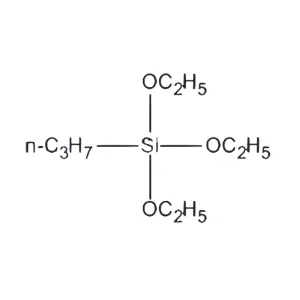
The dual-reactivity of the Amino Silane Reagent relies on its structural formula: \(R-Si(OR')_3\), where the \(R\) group contains a primary or secondary amine moiety, and the \(OR'\) refers to hydrolyzable alkoxy groups (methoxy or ethoxy). When subjected to trace moisture, these alkoxy groups hydrolyze into silanols, which react with surface hydroxyl groups of inorganic matrices to form stable siloxane bonds (Si-O-Si). Simultaneously, the amino group remains available to chemically react with or diffuse into organic polymers.
The international market for organofunctional silanes is undergoing dynamic expansion. Fueled by high-growth end-user sectors such as wind turbine blade manufacturing, lightweight automotive glass-fiber composites, advanced microelectronics packaging, and architectural sealants, the demand for high-purity amino silane reagents has surged.
In North America and Europe, stringent environmental and performance regulations (such as REACH and low-VOC mandates) require high-efficiency coupling agents that optimize polymer matrix cohesion. Concurrently, rapid urbanization and industrial expansion in the Asia-Pacific region have established this geographic sector as a major consumer and key manufacturing hub of organosilicone chemistry.
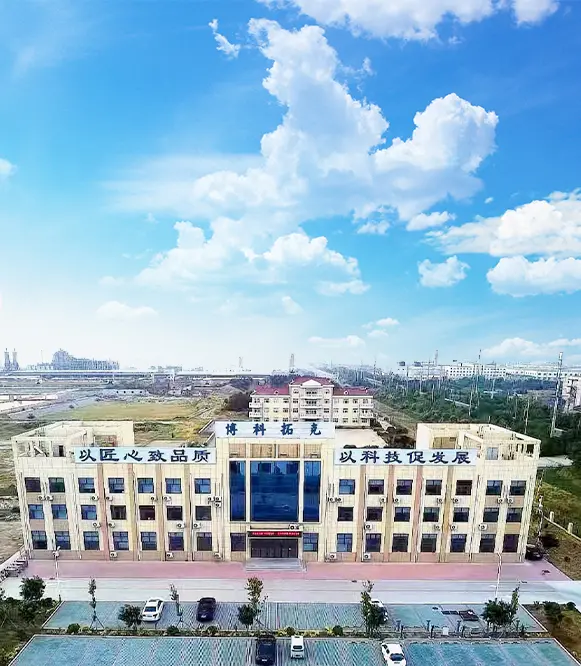
Shandong Boctok Chemical Co. was established in 2012 as the comprehensive international and domestic marketing center for high-grade silicone and chemical resins. By delivering reliable, performance-oriented organosilicone solutions, Boctok registered an annual sales revenue of US$280 million in 2023. The proprietary BOCTOK brand is a major provider to Eastern European and Russian markets, providing chemical integration, bulk supply chains, and specialized technology services.
Our core industrial expertise is divided into three key pillars: organosilicon compounds, specialized petroleum hydrocarbon resins, and agricultural intermediates. With advanced R&D, strategic facility investments, and strategic resource partnerships, we deliver a steady chemical supply chain to multinational enterprises and Fortune 500 corporations worldwide.
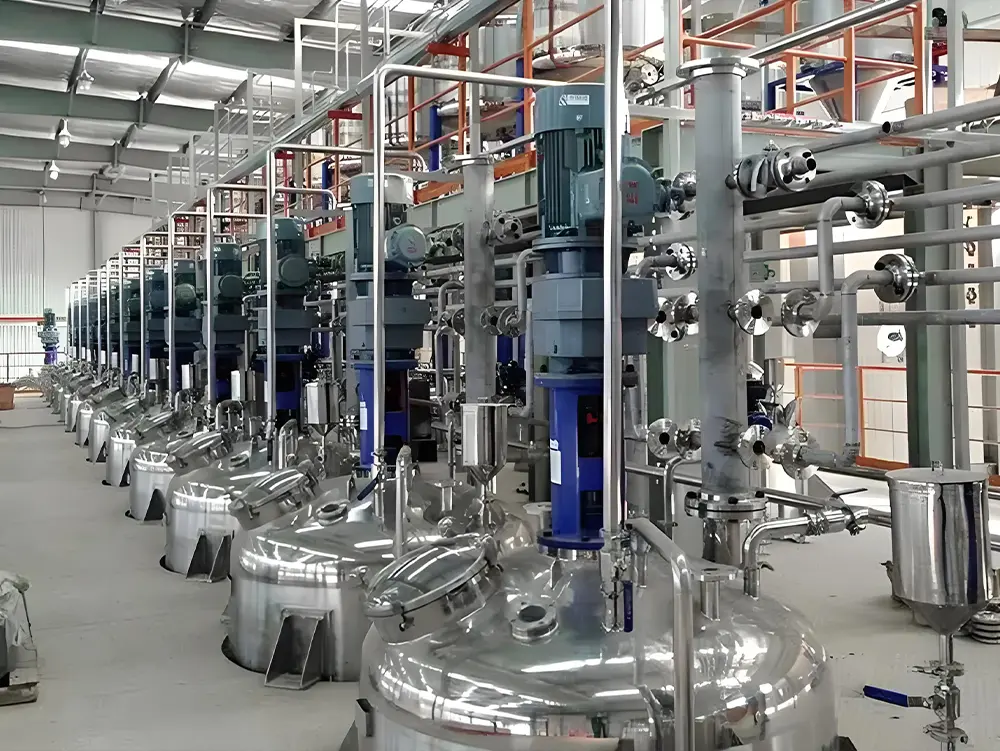
Equipped with 6 state-of-the-art DCS remote control lines ensuring stable quality and zero operator errors.
Advanced Safety Instrumented Systems (SIS) installed across all core chemical processing phases.
Equipped with closed-loop gas reclamation and heavy wastewater treatment stations, conforming to ISO 14001 standards.
Delivering high-performance polymer additives, synthetic rubber components, and specialty raw materials.
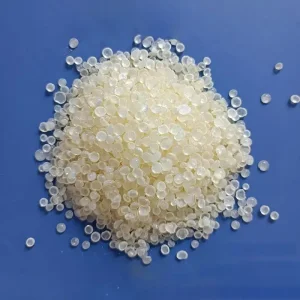
Boctok has invested heavily in premier hydrocarbon resin manufacturing bases in China. Utilizing premium raw materials sourced directly from SINOPEC and PetroChina, we run three advanced hydrocarbon resin facilities located in Zibo, Fushun, and Nanjing. Our diversified resin portfolio includes:
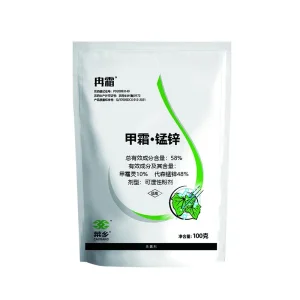
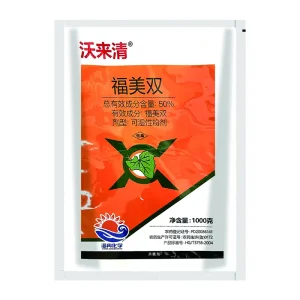
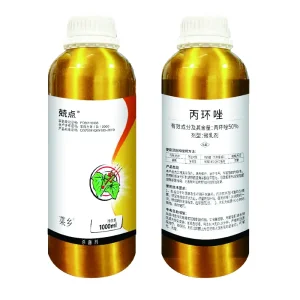
Beyond silicone polymers, Boctok is active in the agrochemical market, producing key intermediates and active ingredients for pesticides, fungicides, insecticides, seed treatments, herbicides, and plant growth regulators. Our integrated manufacturing network ensures chemical purity, biological efficacy, and batch stability for agricultural compound producers.
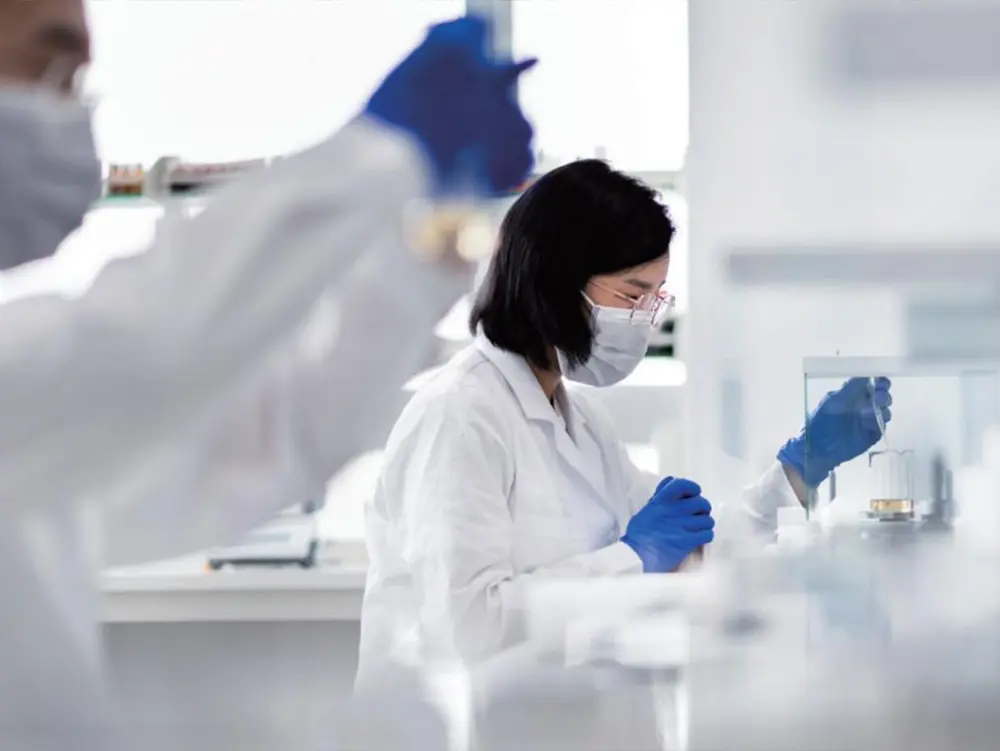
How Boctok integrates technological innovation and cost efficiencies to provide reliable chemical solutions globally.
To meet the expanding global market requirement for silane coupling agents, Boctok recently invested US$65 million to build a new plant located in Bohai Industrial Park, a provincial chemical industry park in Shouguang City, Shandong Province. This complex expands our silane coupling chain by hosting 6 automatic DCS production lines with an annual capacity of 30,000 tons.
By establishing operations within a regulated, provincial-level industrial zone, Boctok guarantees uninterrupted manufacturing operations. Provincial chemical parks in Shandong offer robust utility access, direct hazardous material transport paths, and continuous pipeline connections to raw chemical feedstock suppliers. This infrastructure minimizes supply chain disruptions common to non-regulated factories.
Our DCS (Distributed Control Systems) optimize real-time reaction variables such as temperature, pressure, feed rates, and catalytic ratios. Each system works in tandem with Safety Instrumented Systems (SIS), reducing the risk of process deviations. Quality assurance is maintained using ISO9001 guidelines, so that every batch of silane coupling agents meets rigid quality standards before global dispatch.
Bridging the molecular gap across electronics, automotive parts, structural coatings, agricultural sectors, and consumer care.
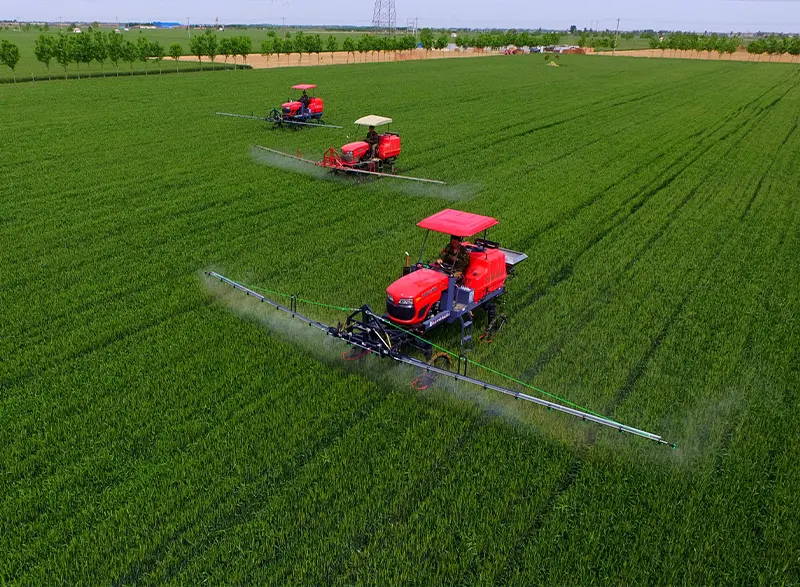




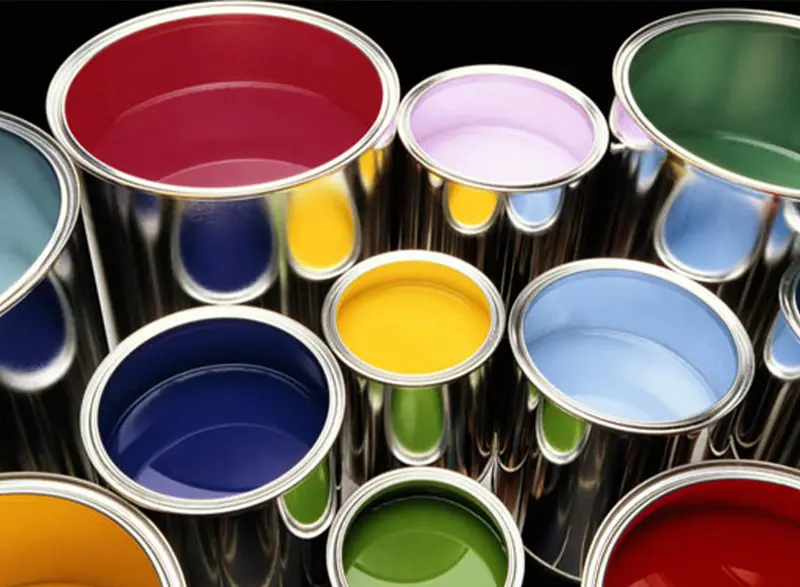
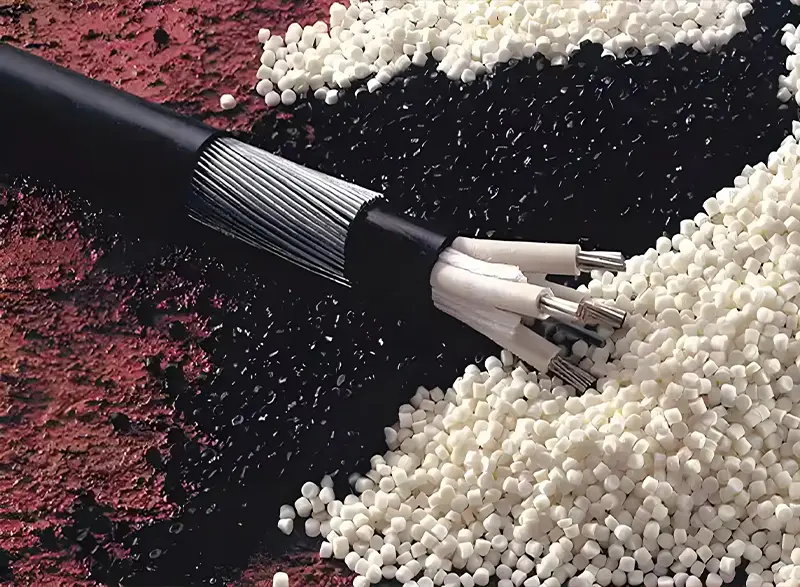
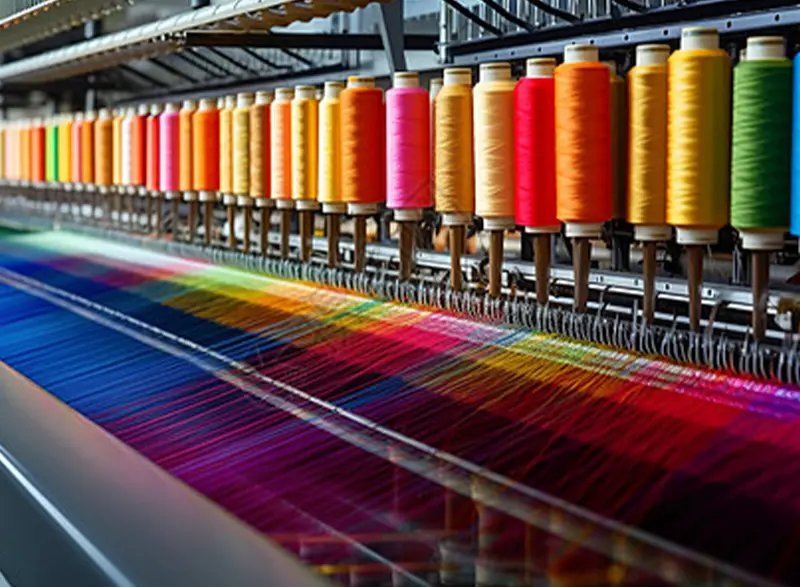
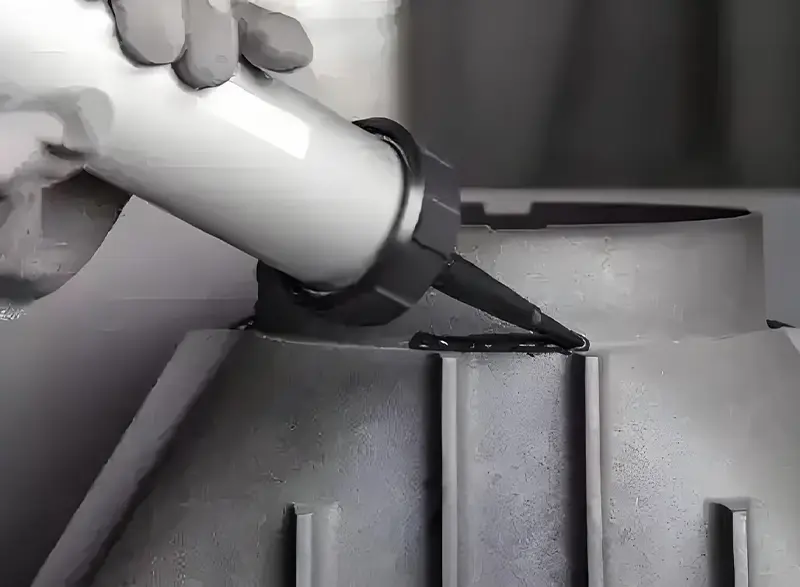

Organofunctional amino silanes have diverse utility across heavy industrial, consumer, and high-tech sectors. Their unique chemistry enables modification of interfacial properties. Let's analyze key application areas:
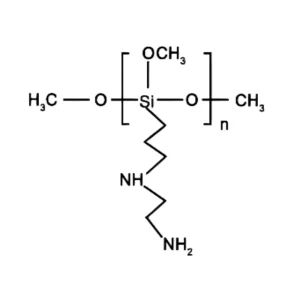
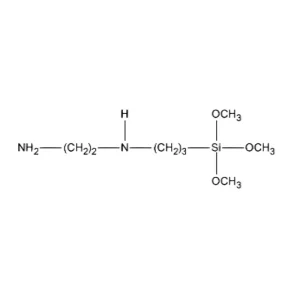
In manufacturing glass fibers used for automotive composites, aerospace components, and wind turbine blades, amino silanes like N-β-(Aminoethyl)-γ-Aminopropyltrimethoxysilane CAS 1760-24-3 are applied during fiber extrusion. The chemical couples the inorganic glass strands with organic thermosetting polymers (such as epoxy and unsaturated polyester). This treatment protects the glass fibers from moisture penetration, preventing delamination and maintaining high tensile strength and fatigue resistance in outdoor environments.
Amino silanes serve as adhesion promoters in RTV silicone rubber adhesives, polyurethane structural sealants, and acrylic construction joints. By chemically anchoring to concrete, marble, glass, and metal substrates, these silane additives provide excellent adhesion under thermal expansion and water exposure. Additionally, they act as water scavengers to prevent premature curing in the container.
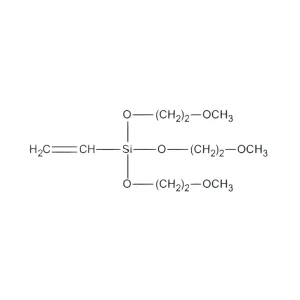
For Cross-linked Polyethylene (XLPE) power lines and sanitary hot water piping, vinyl silanes and amino silanes function as polymer cross-linkers. Under thermal catalytic activation, silanes graft onto the polyethylene chain, and water exposure induces condensation. This molecular mesh upgrades temperature durability, chemical resistance, and dielectric properties of the power cable sheath.
When processing mineral fillers such as silica, talc, mica, and kaolin for plastic compound modifications, amino silanes serve as surface modifiers. Coating the mineral particles with amino silanes improves their dispersion in polymer resins. This reduces viscosity during melt processing and enhances mechanical performance, impact resistance, and durability of the composite.

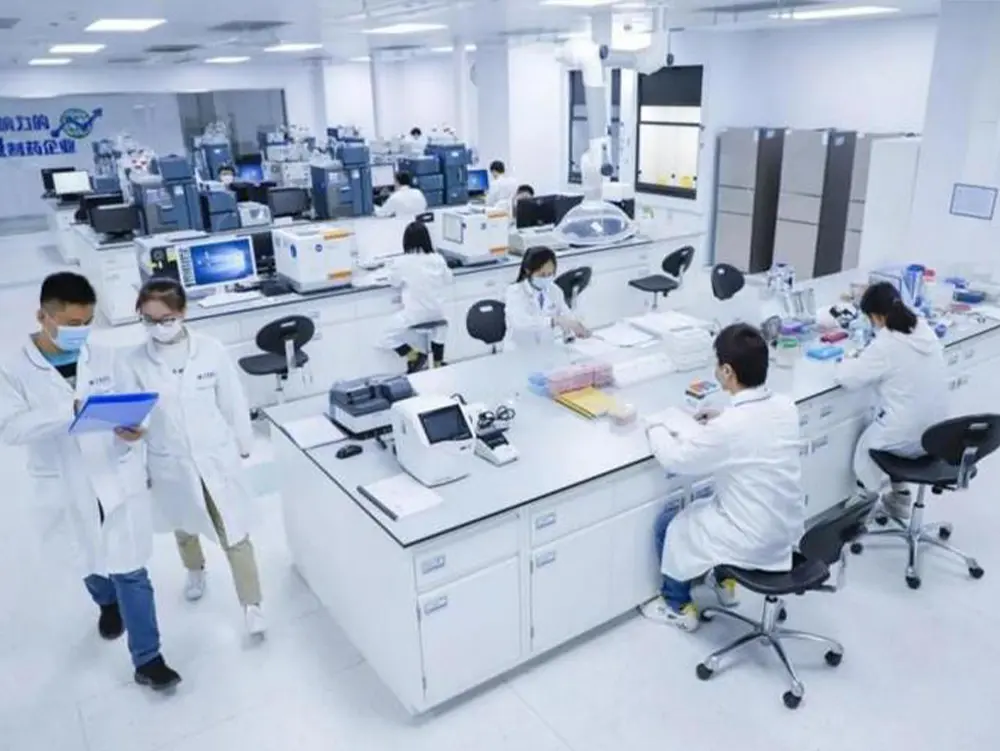
Every phase, from silane synthesis to intermediate distillation, is recorded in our DCS databases. This ensures complete trace-back capability for global clients.
The organofunctional silane market is adjusting to key regulatory and design requirements:
For global chemical procurement managers, selecting an organosilicon partner requires evaluating several core factors:
Get answers to common chemical questions regarding amino silane selection, reactions, and storage.
Our complete range of hydrocarbon resins, specialized agricultural intermediates, and polymer modifiers.
 Boctok Chemical