Premium grade organosilicone elements, crosslinkers, and specialized functional fluids engineered for strict compliance and extreme durability.
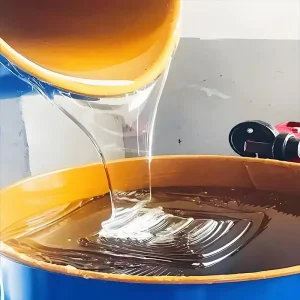
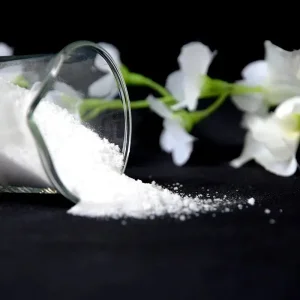
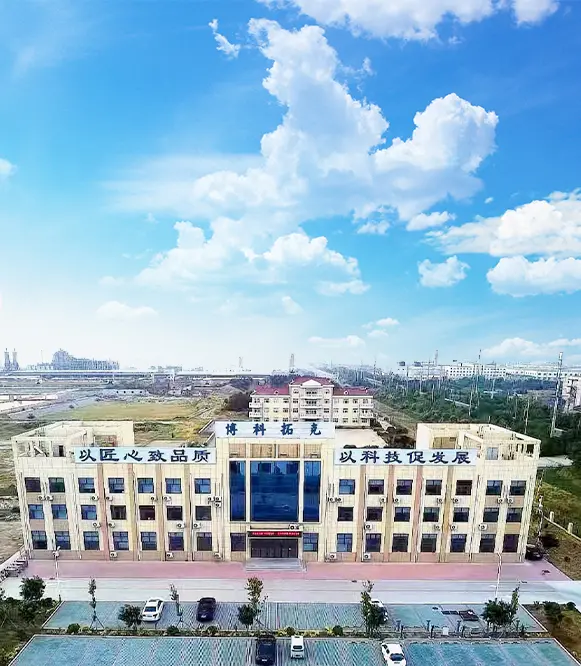
Founded in 2012, Shandong Boctok Chemical Co. has rapidly emerged as a powerhouse in the global chemical landscape, serving as a dedicated marketing and sales framework for Boctok™ domestic and overseas chemical operations. In 2023, our strategic market outreach and chemical engineering solutions achieved an impressive sales milestone of US$280 million.
Our flagship BOCTOK brand is highly recognized worldwide, with a specialized division meticulously designed to cater to the unique and demanding requirements of the Russian Federation and CIS industrial markets. Through precision distribution networks and tailored product adaptation, we provide essential chemical intermediates and polymer bases across Northern Eurasia.
A deep scientific review of methyl vinyl gum molecular engineering, curability profiles, and advanced vulcanization kinetics.
Consists of high-molecular-weight linear polymethylvinylsiloxane. Introducing vinyl groups into the methyl siloxane chain breaks the structural monotony, providing highly active, unsaturated curing sites for radical crosslinking.
Varying from 0.03% to 0.3% mol, the vinyl percentage determines crosslinking density. Optimized vinyl distribution minimizes compression set and yields robust mechanical strength post-vulcanization.
Compatible with standard peroxide agents (DBPMH, DCP) and additive platinum catalysts. Enables rapid vulcanization, high thermal tolerance, and low volatile emissions for specialized components.
In the field of high-performance elastomers, 110 Methyl Vinyl Silicone Rubber (commonly designated as VMQ gum) acts as the fundamental binder matrix for formulating High Consistency Rubbers (HCR). Its unique chemical architecture contains silicon-oxygen (Si-O-Si) backbones. The high bond energy of this siloxane backbone (460 kJ/mol) makes it far superior to conventional carbon-carbon organic backbones, offering exceptional thermal stability up to 300°C and cold resilience down to -60°C.
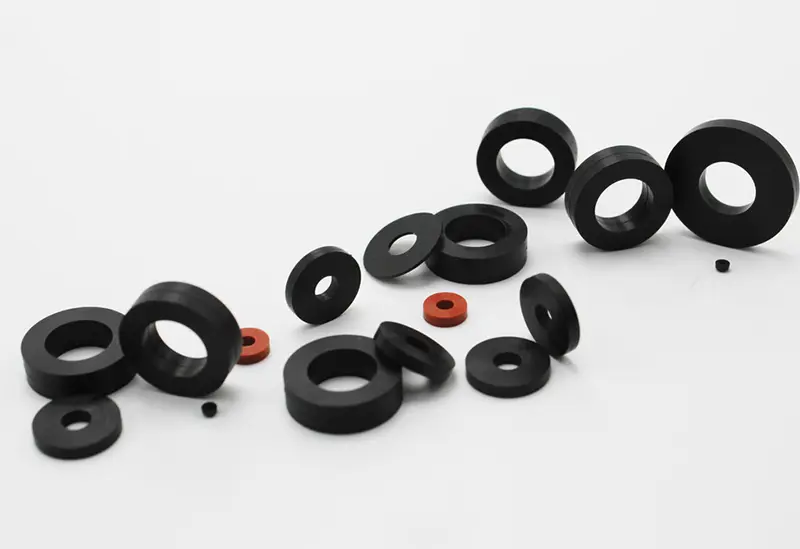
By integrating vinyl groups into the molecular backbone, we eliminate the need for high peroxide loading, preventing polymer degradation. This results in elastomers with excellent tensile strength, tear resistance, and outstanding dielectric properties. The 110 VMQ gum is ideal for electrical insulation, high-voltage cable accessories, industrial rollers, and custom automotive gaskets.
Seamless raw material distribution, comprehensive compliance, and specialized CIS logistics infrastructure.

Shandong Boctok Chemical Co. maintains robust supply links globally. Our products are exported to North America, Europe, Japan, South Korea, Australia, South America, the Middle East, India, Southeast Asia, and Russia. We provide localized support to ensure compliance with strict regional regulations and logistics requirements.
The BOCTOK brand has established dedicated warehouse centers and custom clearance offices to streamline supply lines to Russian industrial regions. Our supply chain ensures fast delivery times, custom packaging options, and complete chemical compliance documentation, minimizing potential custom delays.
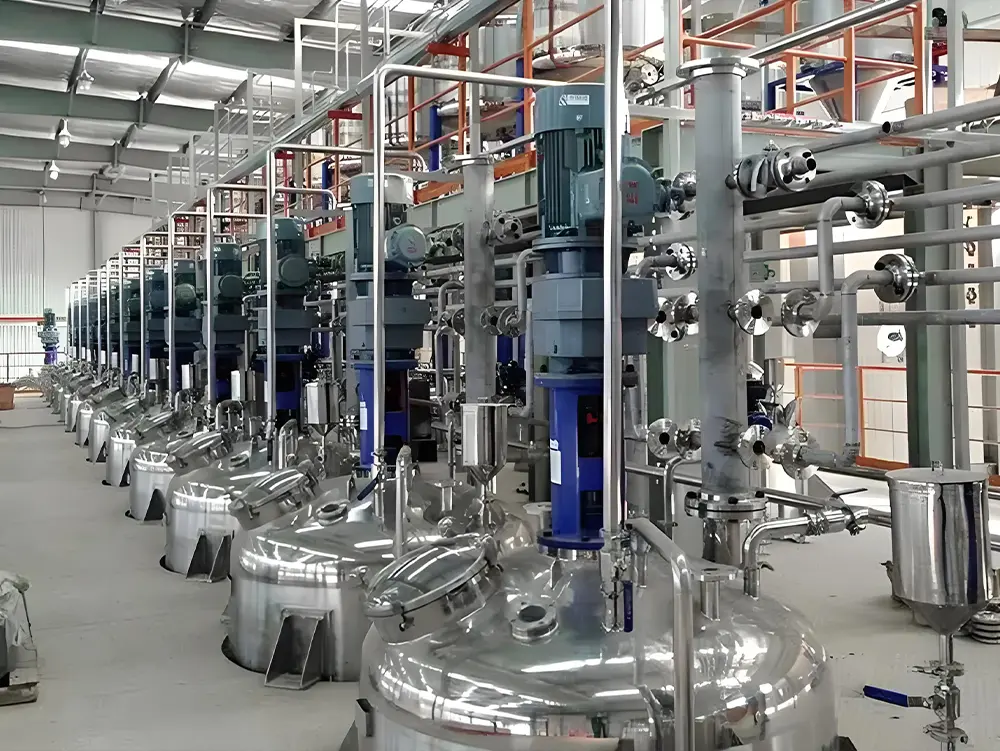
Inside our newly expanded USD 65 million factory in Shouguang City, Shandong Province.
Located in Bohai Industrial Park, Shouguang City, Shandong Province—a premier chemical park—this facility expands our silane coupling agent and rubber base output, adding 6 automatic DCS production lines with an annual capacity of 30,000 tons.
Our production lines are monitored by DCS (Distributed Control Systems) and SIS (Safety Instrumented Systems). This architecture guarantees precise control over reactant flow rates, temperature profiles, and polymerization pressure, ensuring batch-to-batch consistency.
Our modern plant includes integrated waste gas recovery thermal oxidizers and industrial wastewater biotreatment units, achieving strict zero-pollution thresholds for neighboring communities.
Why Tier-1 industrial buyers rely on Boctok's silicone polymer solutions.

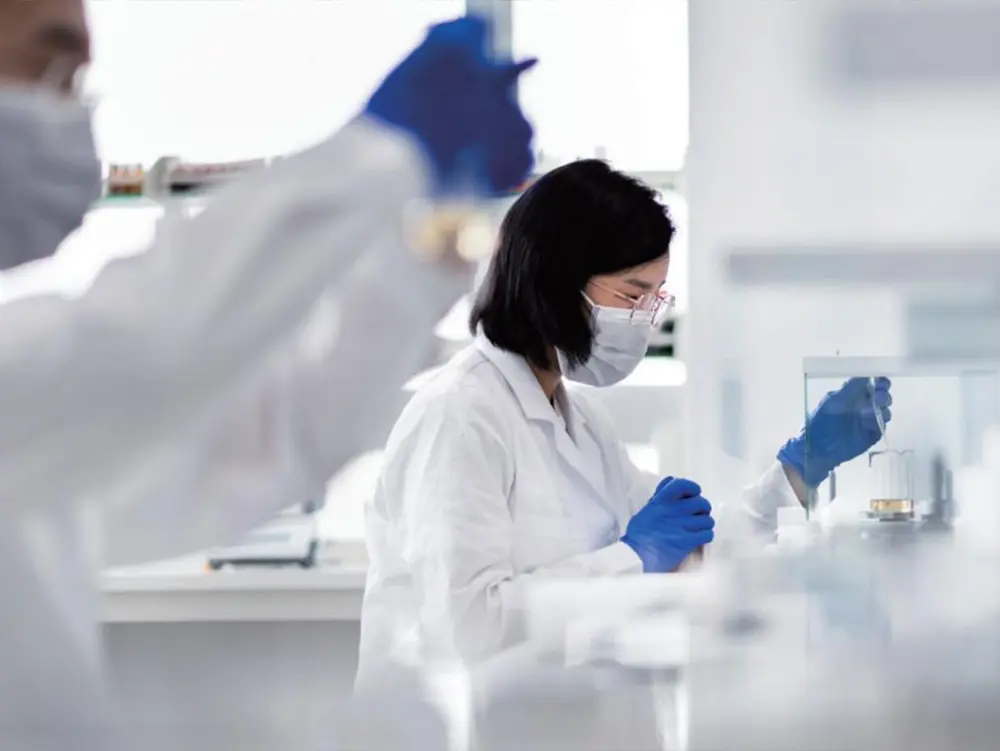
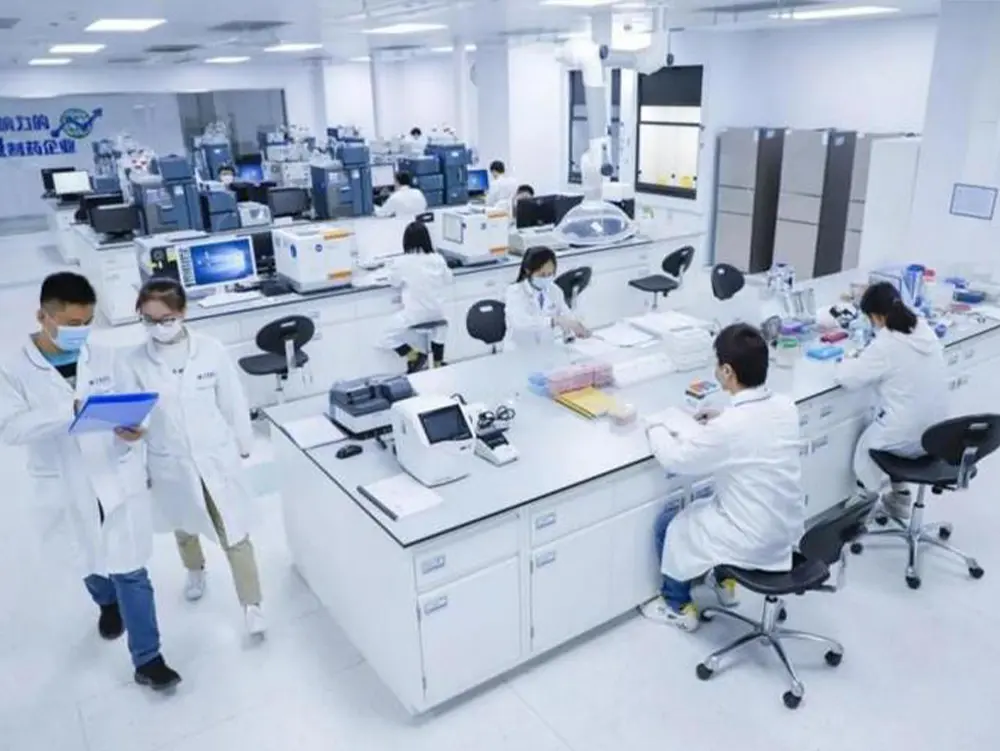
Our products undergo rigorous testing. From raw material intake to final packaging, our QC labs verify vinyl content, molecular weight distribution, and volatile fractions using gas chromatography and advanced rheology.

Our advanced, automated production lines allow us to efficiently expand capacity. We meet the volume demands of mass customization, ensuring consistent supply for multinational distributors and OEMs.

Our technical team is available online 24 hours a day. We provide engineering consultation, compounding recommendations, and troubleshooting support to answer all your questions.

An optimized logistics system ensures fast order processing and timely delivery. We utilize strategic shipping channels from major ports to streamline global delivery times.
Three main product categories serving chemical, agricultural, and industrial manufacturing fields.
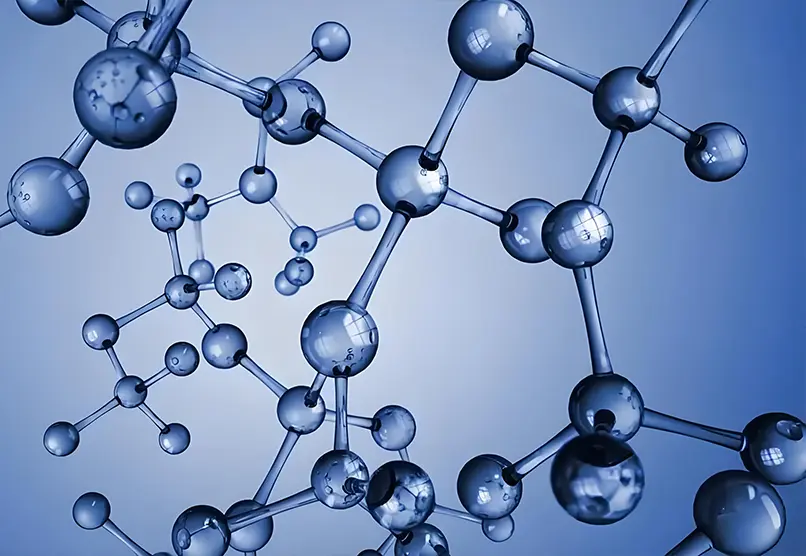
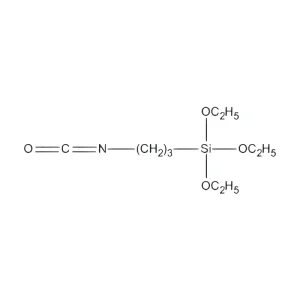
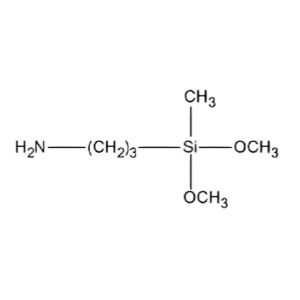
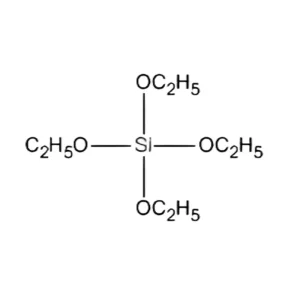
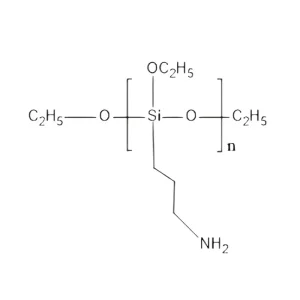
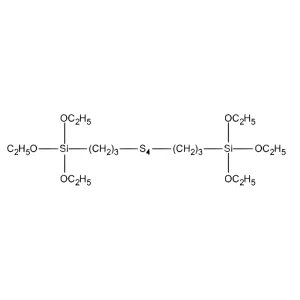
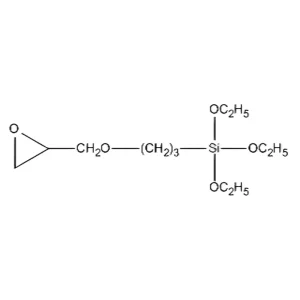
Our core organosilicone business covers 12 series of silane coupling agents and crosslinkers. This includes aminosilane, methacrylate silane, epoxy silane, vinyl silane, mercaptosilane, alkyl silane, ethyl silicate, chlorosilane, silane isocyanates, phenyl silane, ureidosilane, and serosilane.
We also produce high-hydrogen silicone fluids, dimethicone, vinyl silicone oil, silanol silicone oil (OH polymers), alkoxy silicone oil, methyl MQ resin, vinyl VMQ resin, and specialized vulcanized rubbers.
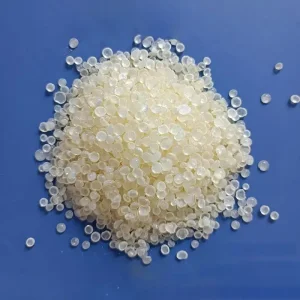
We are a key investor in major hydrocarbon resin manufacturing plants across China, operating production bases in Zibo, Fushun, and Nanjing. Utilizing raw materials from SINOPEC and PetroChina, we manufacture high-grade C5 hydrocarbon resins, C9 hydrogenated resins, C5 modified C9 resins, dicyclopentadiene (DCPD), and methyl cyclopentadiene dimer.
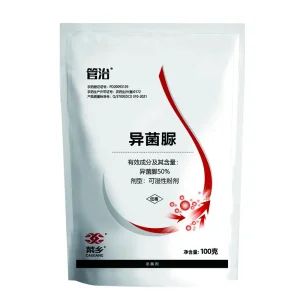
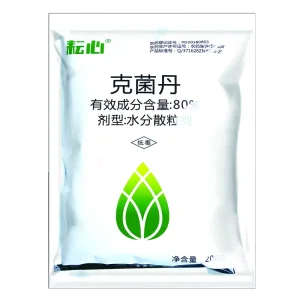
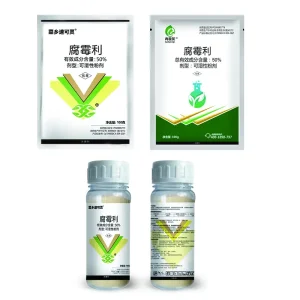
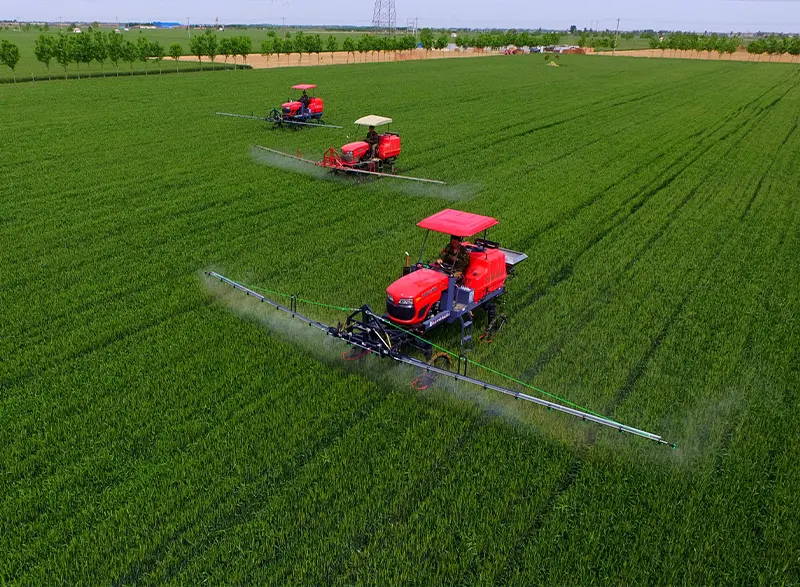
Additionally, Boctok manufactures chemical intermediates for pesticides, fungicides, insecticides, seed treatments, herbicides, and plant growth regulators.

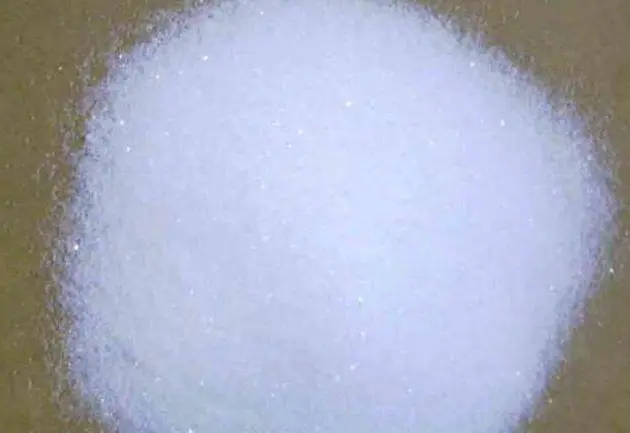
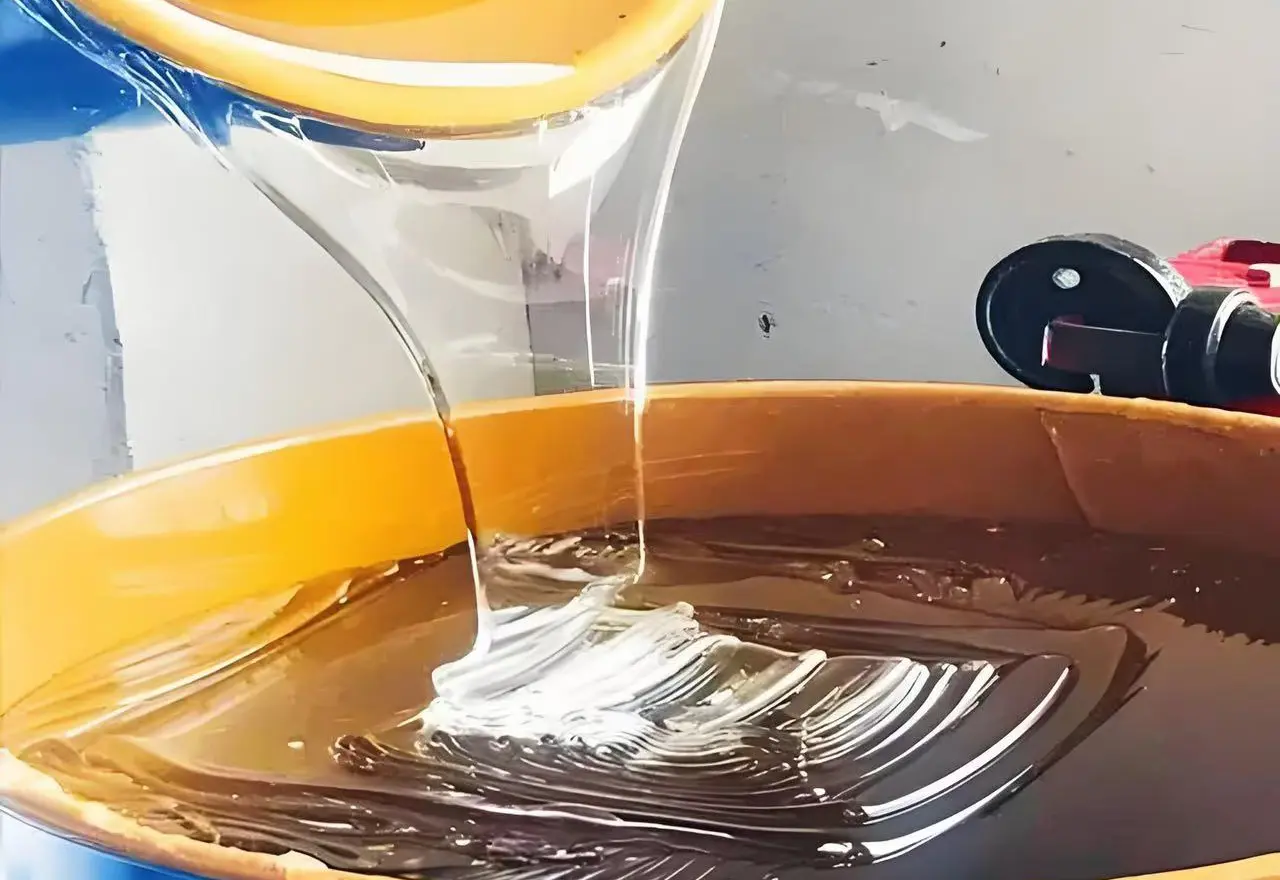
High-purity chemical products engineered for demanding operating conditions across various global industries.
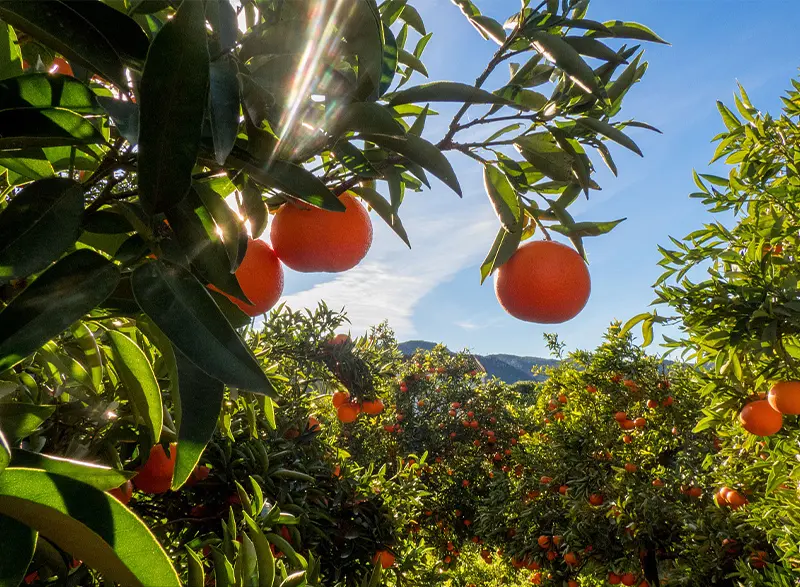

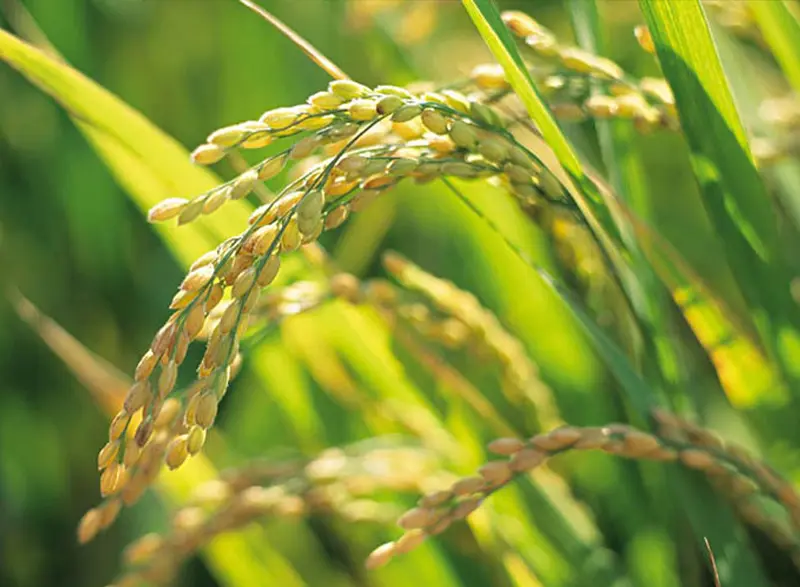

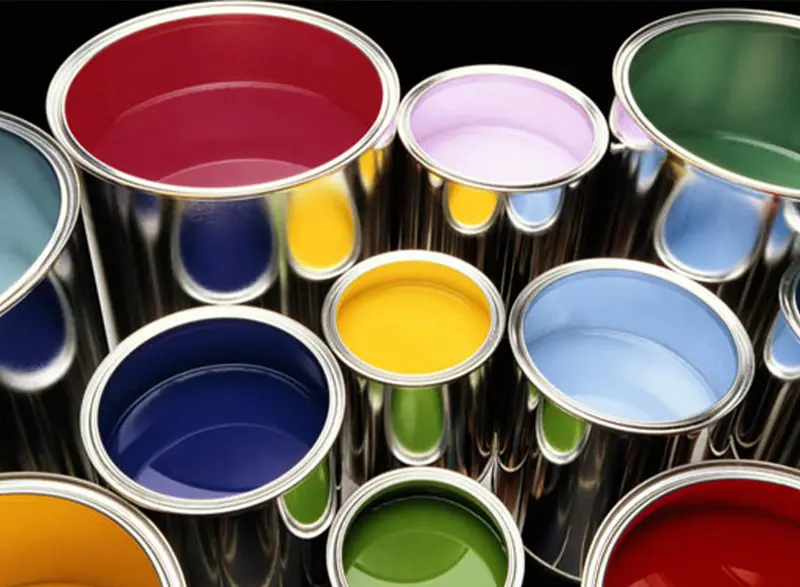
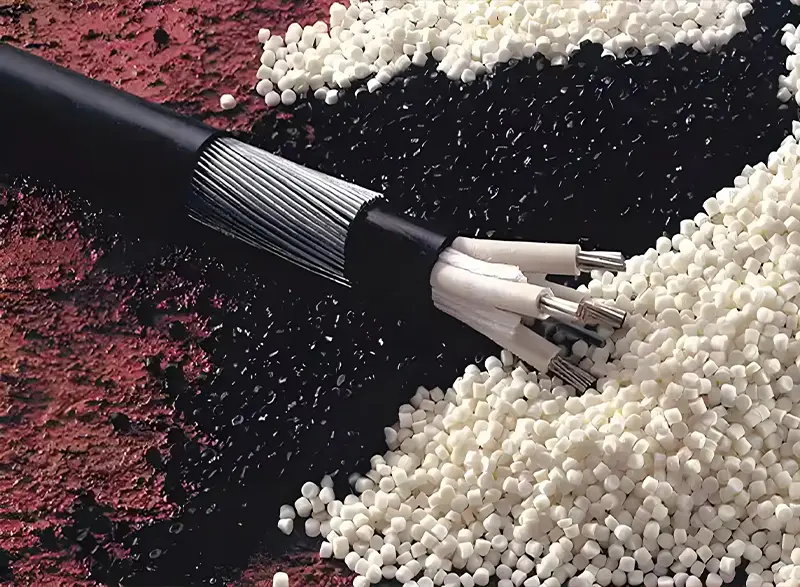
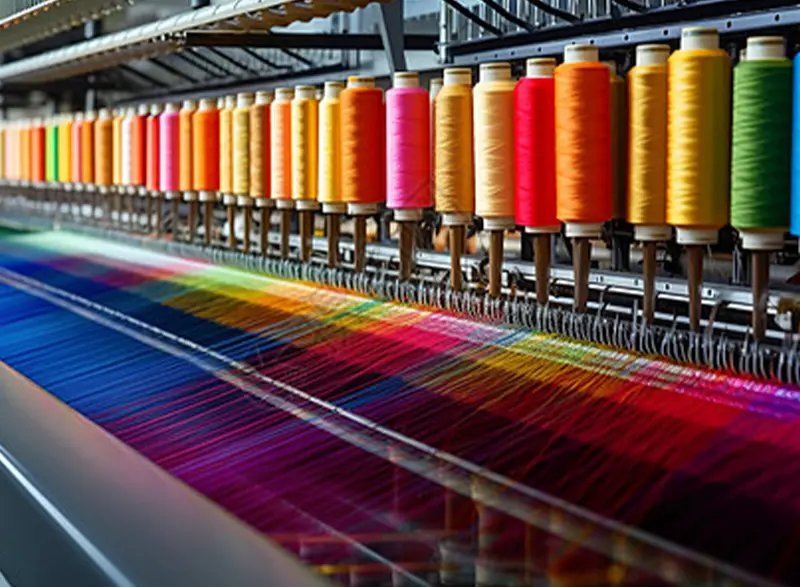
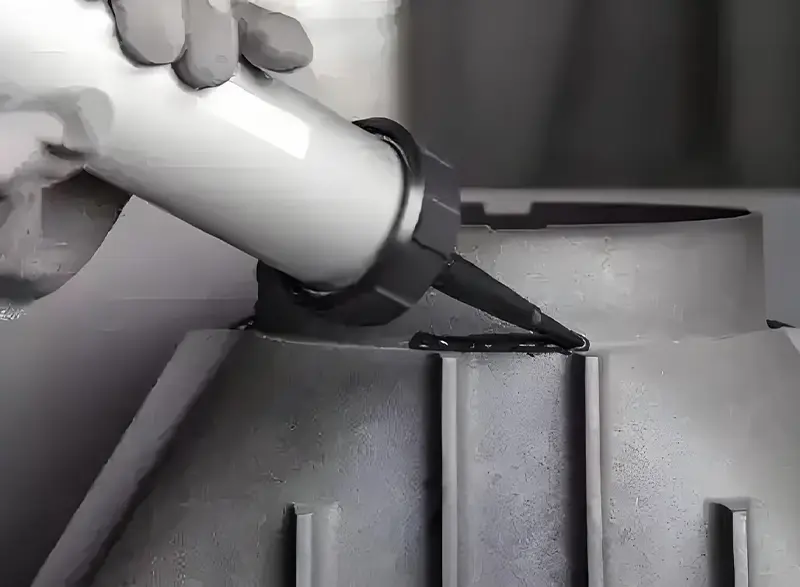
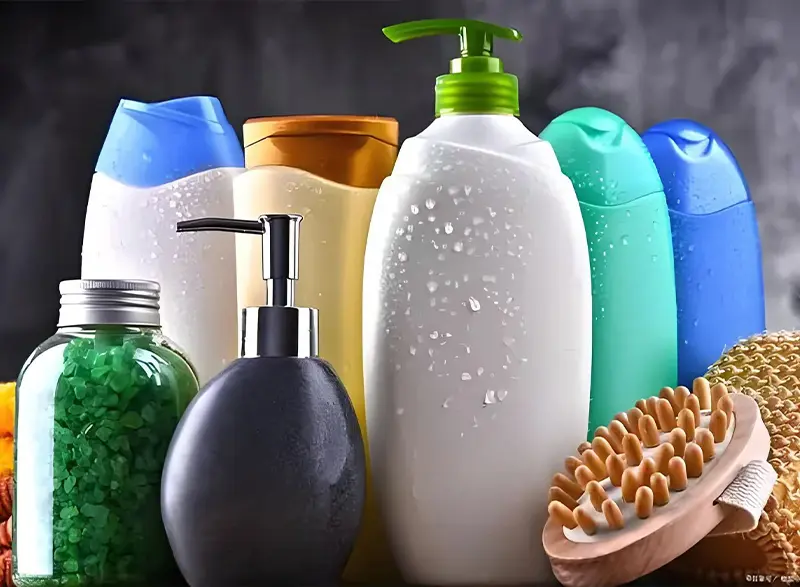
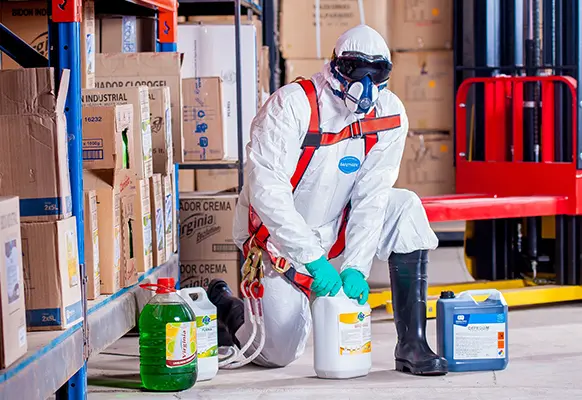
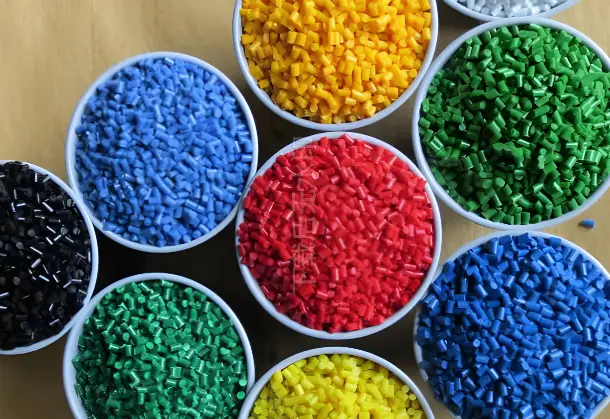
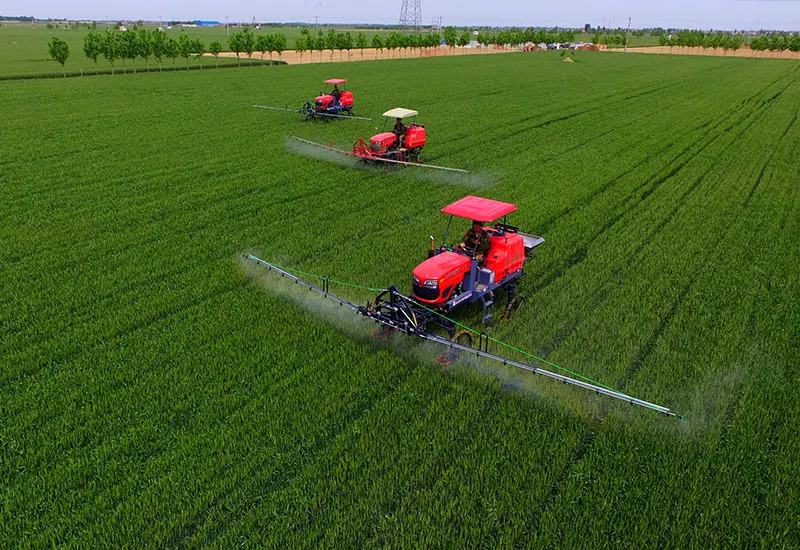
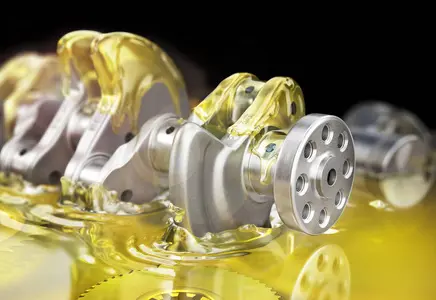
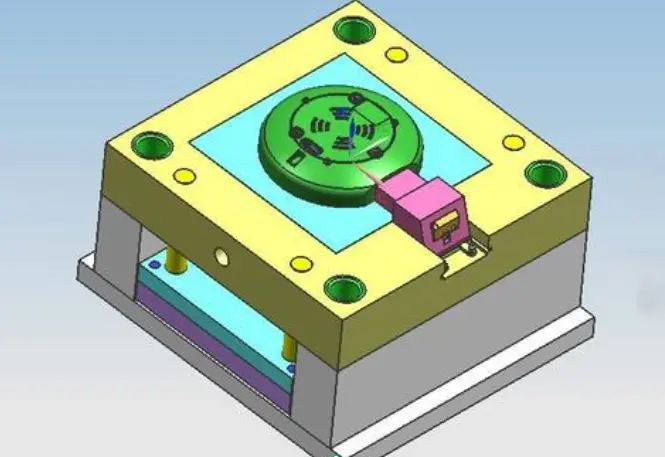
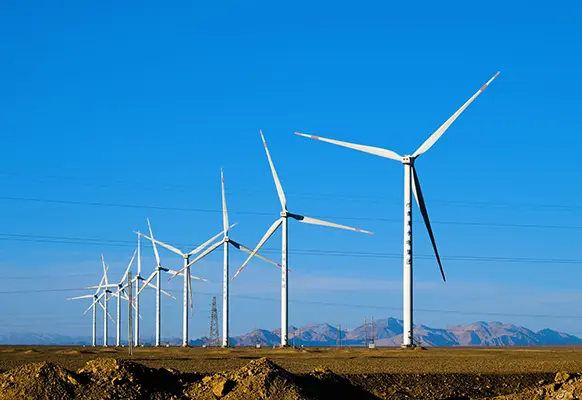
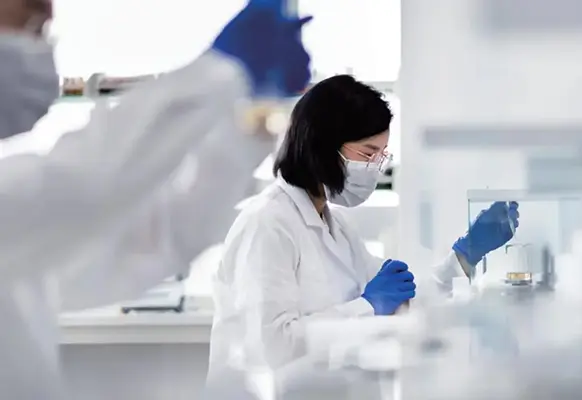
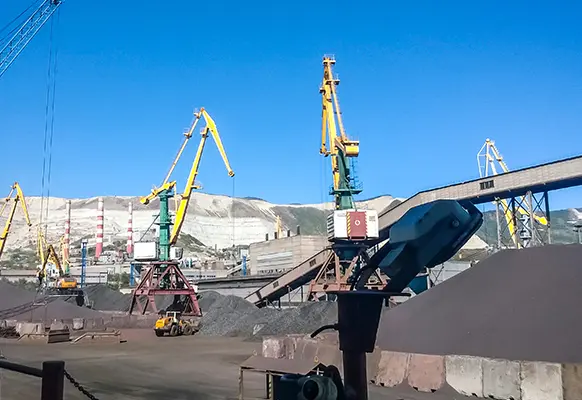
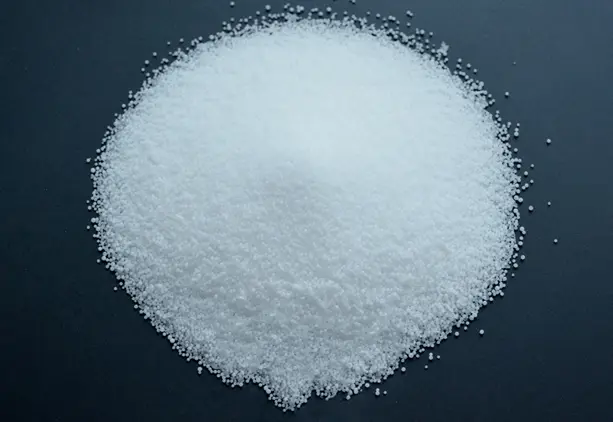
From industrial coatings to wind turbines and advanced biomedical tools, our materials deliver critical reliability.


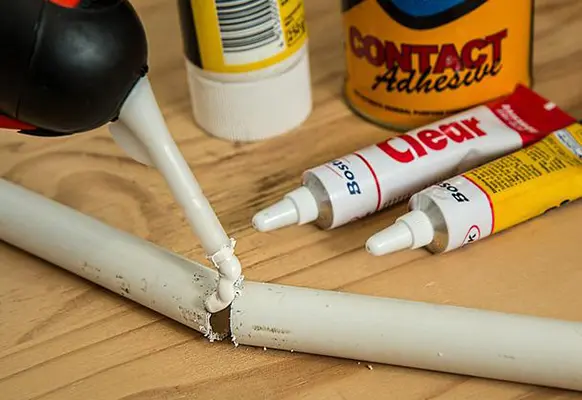







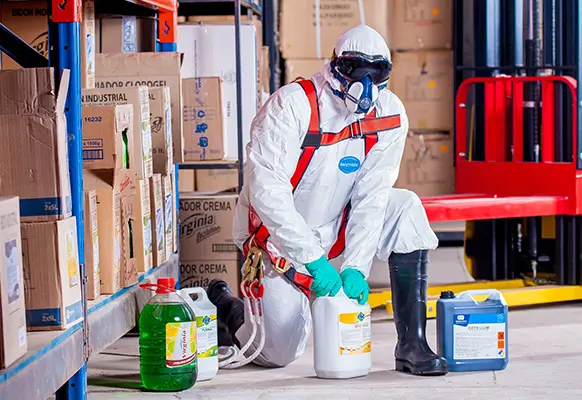
Pioneering green, high-performance organosilicone technology to meet evolving industry standards.
Modern applications demand silicone elastomers that offer extreme durability and low environmental impact. Our research and development focuses on three primary areas: reducing volatile organic compounds (VOCs), improving flame retardancy without halogen additives, and developing self-lubricating liquid silicone rubbers (LSR) for electric vehicle components.
By optimizing vinyl group distribution along the molecular chain, we are developing grades with improved tear strength. This reduces the reliance on silica fillers, helping customers optimize their processing efficiency.
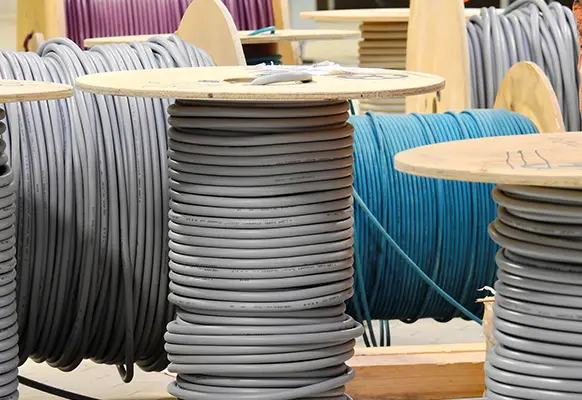
The global shift toward electric vehicles (EVs) and high-voltage power transmission has increased demand for reliable insulation. High-purity 110 methyl vinyl silicone gum is essential for manufacturing cable accessories, cold-shrink terminations, and connector seals. Our materials are engineered to maintain physical flexibility and insulation properties under high electric fields and wide temperature variations.
Additionally, we work closely with key research centers to customize silicone gum grades, assisting manufacturers in meeting international performance and safety standards.
Detailed engineering support, handling guidelines, and processing information for 110 Methyl Vinyl Silicone Rubber.
High-purity silicone coupling agents, crosslinkers, defoamers, and hydrocarbon resins for global supply chains.
 Boctok Chemical