Engineered for extreme performance stability, crosslinking efficiency, and industrial longevity.
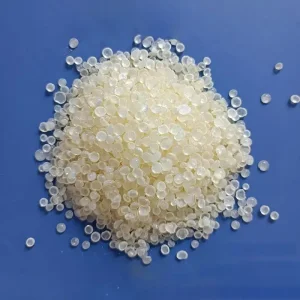
Founded in 2012, Shandong Boctok Chemical Co. has transitioned from a specialized regional supplier to a major multi-sector organosilicon enterprise. Serving as a global marketing and sales powerhouse, Boctok recorded sales of US$280 million in 2023. Under the dedicated Boctok™ brand, the company maintains a strategic focus on delivering high-integrity silicones, petroleum resins, and agricultural formulations to the Russian, European, Central Asian, and North American markets.
We leverage strong raw-material synergies through partnerships with primary chemical giants like SINOPEC and PetroChina. Downstream operations have been reinforced by our recent US$65 million capital investment in Shouguang's Bohai Industrial Park, Shandong. This state-of-the-art facility runs 6 automated DCS (Distributed Control System) production lines, delivering an annual capacity of 30,000 tons of high-purity silane coupling agents.
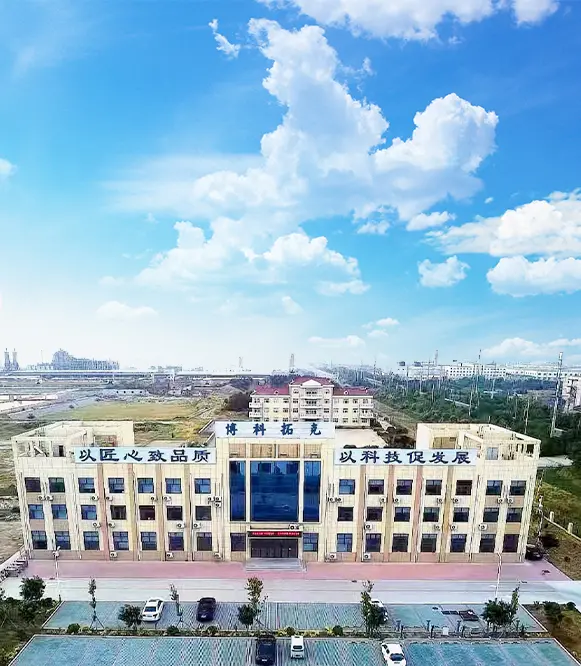
How Shandong Boctok Chemical Co. maintains global quality consistency and distribution networks.

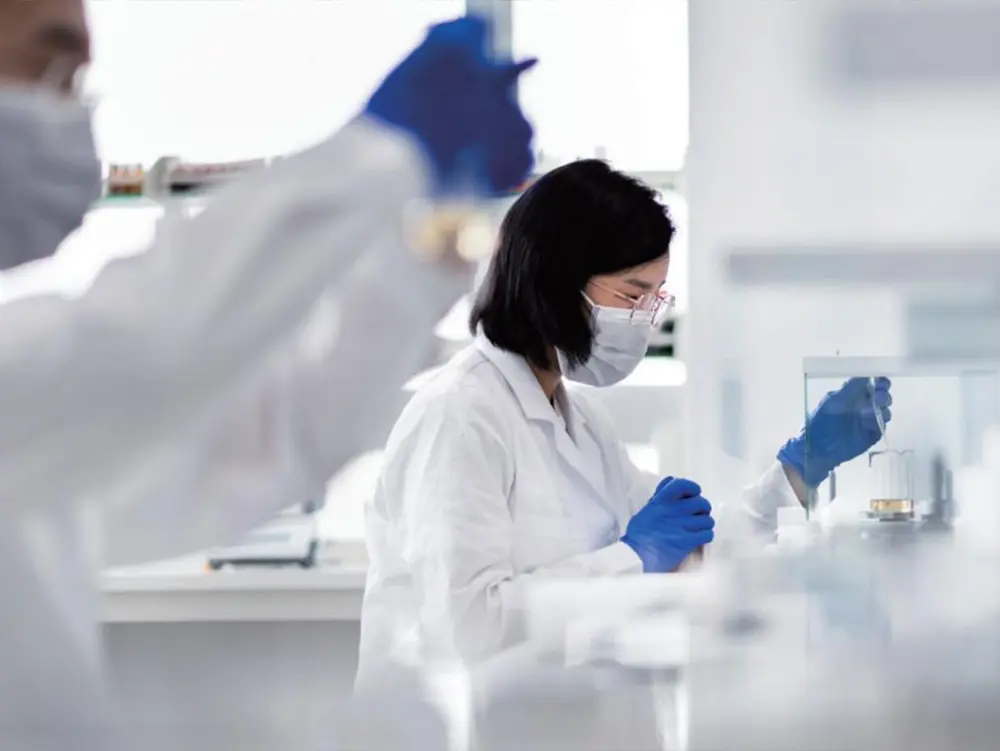
Our products undergo rigorous testing, ensuring every batch meets international standards (ISO9001) prior to shipment.

With DCS and SIS systems running 24/7, we scale output systematically to fulfill high-volume global demands.

A professional team provides end-to-end technical support and order tracking across time zones.

Logistical optimization guarantees rapid customs processing and dispatch to North America, CIS, and the EU.
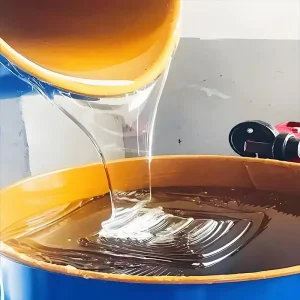
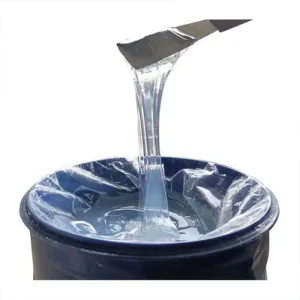
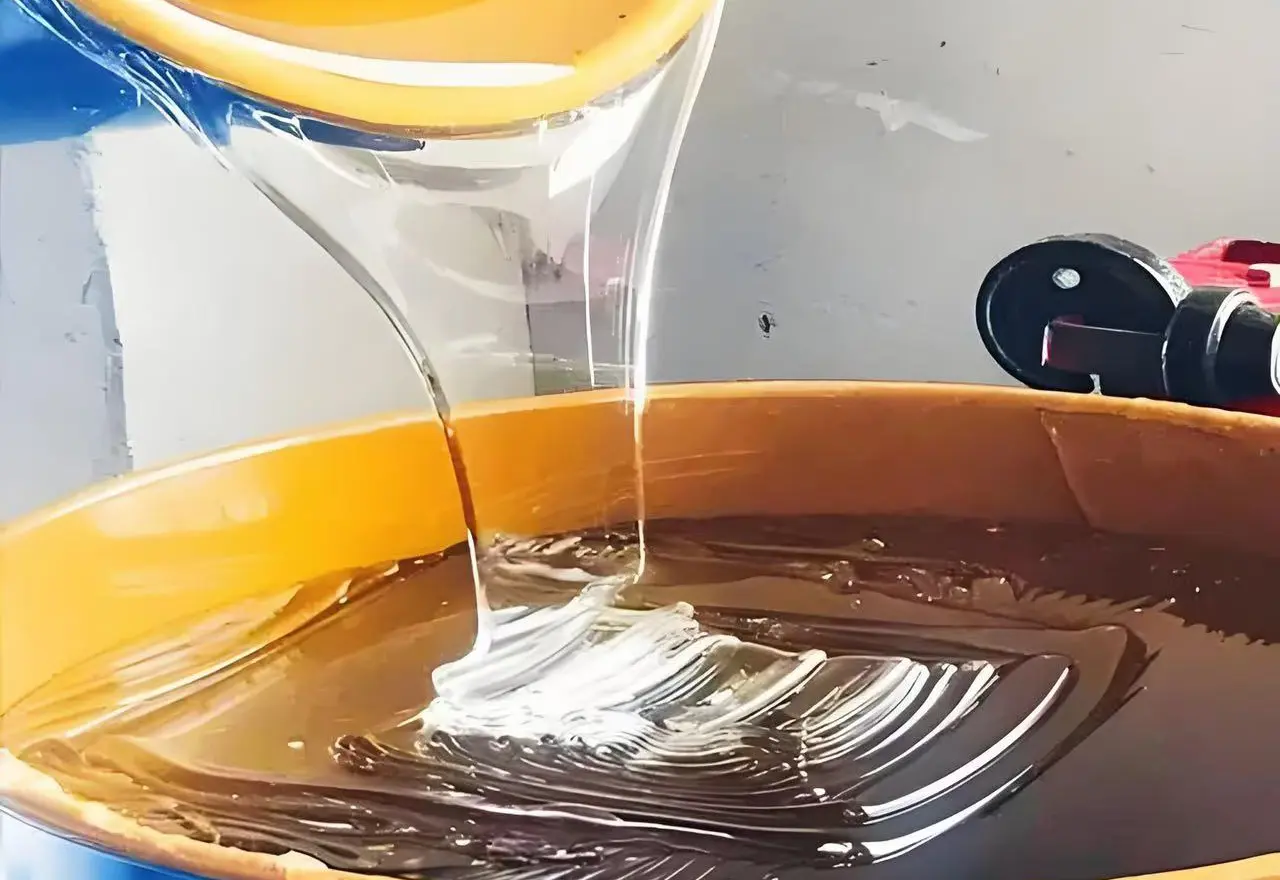
In modern macromolecular chemistry, 107 Silicone Rubber, chemically designated as Silanol-Terminated Polydimethylsiloxane (OH Polymer), represents the baseline intermediate for room-temperature vulcanizing (RTV) silicone compounds. Characterized by terminal hydroxyl groups attached directly to the silicon atoms, this organosilicone polymer is highly reactive. Under the influence of structural crosslinking agents and organometallic catalysts, it rapidly transforms into a durable, flexible elastomer. This whitepaper analyzes the molecular pathways, industrial synthesis, supply chain trends, and practical applications of this material.
The performance profile of 107 Silicone Rubber stems from its unique hybrid organic-inorganic backbone. The silicon-oxygen (Si-O-Si) skeleton features a high bond energy of 460 kJ/mol, significantly higher than typical carbon-carbon (C-C) bonds (347 kJ/mol). This configuration imparts exceptional thermal stability, UV resistance, and chemical inertness to the polymer. The methyl groups attached to the silicon atoms provide hydrophobicity, while the terminal silanol (-OH) groups allow for easy crosslinking.
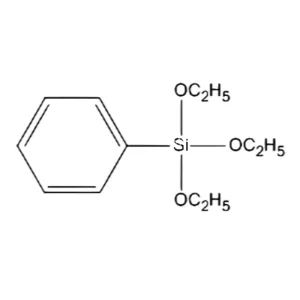
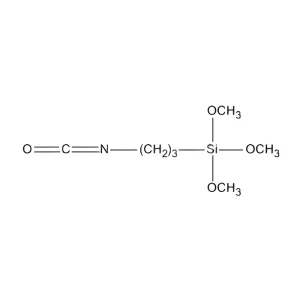
During the cure cycle of an RTV-1 or RTV-2 formulation, 107 Silicone Rubber acts as the base polymer. When exposed to ambient moisture, the crosslinker (typically an alkoxy, acetoxy, or ketoxime silane) undergoes hydrolysis. It then condenses with the terminal hydroxyl groups of the OH polymer, forming a three-dimensional elastomeric matrix. Proper selection of the silane crosslinker determines the byproduct released during curing—ranging from non-corrosive alcohols in electronics-grade sealants to acetic acid in general construction sealants.
As industrial economies prioritize energy conservation and high-durability infrastructure, the demand for silicone elastomers continues to rise. China has become the largest global producer of silicone monomers and downstream polymers. The vertical integration of Chinese chemical manufacturers enables stable production of 107 Silicone Rubber, starting from raw silicon metal up to high-purity functional fluids. This structural advantage reduces supply chain vulnerability, allowing companies like Shandong Boctok Chemical Co. to provide consistent bulk supplies to global markets.
In North America and Europe, chemical safety directives (such as REACH and TSCA) require close monitoring of volatile organic compound (VOC) levels and cyclic siloxane limits (D4, D5, D6). As a result, major manufacturers focus heavily on stripping processes to remove trace volatile impurities from the base polymer, meeting stringent environmental standards for cleanrooms, automotive assembly, and medical-grade applications.
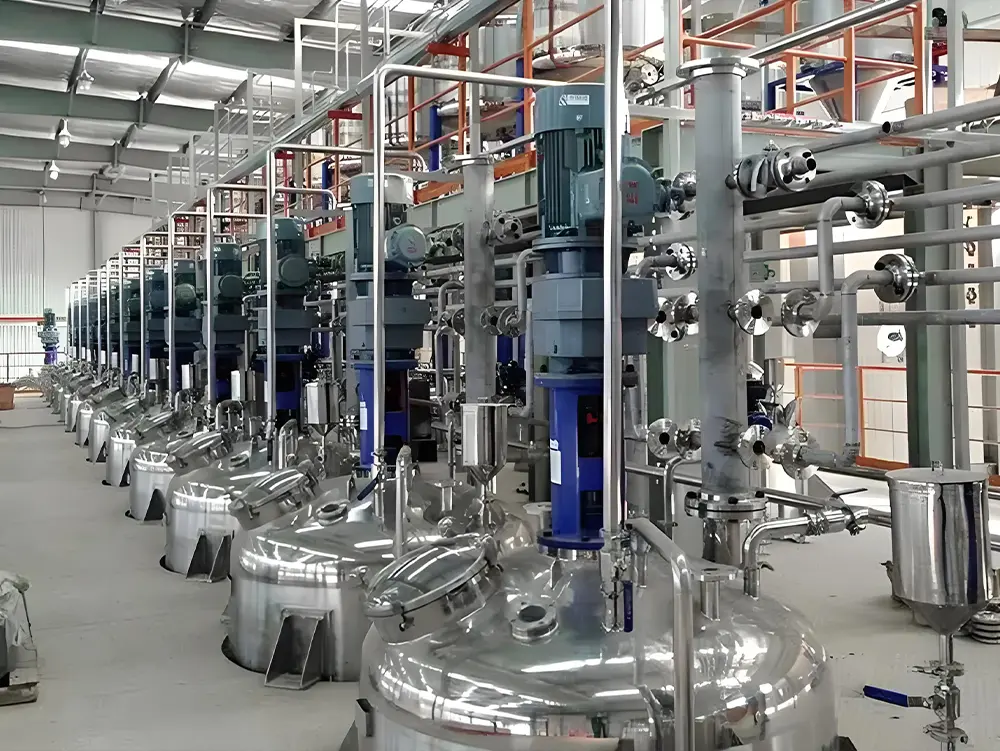
The synthesis of high-quality 107 silicone rubber relies on the ring-opening polymerization of octamethylcyclotetrasiloxane (D4) or dimethylsiloxane mixed rings (DMC) in the presence of acidic or basic catalysts, with water acting as the chain stopper to regulate molecular weight and viscosity. Maintaining a narrow molecular weight distribution is essential: broad polydispersity can lead to inconsistent curing times, high mechanical tackiness, and poor tensile recovery in the final elastomer.
To achieve this consistency, Boctok's modern production facilities feature:
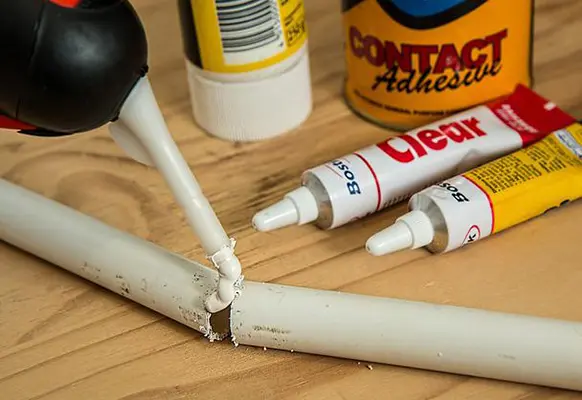
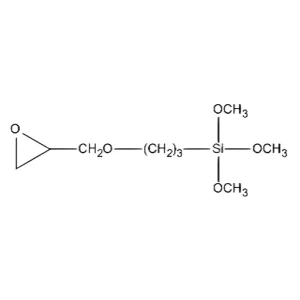
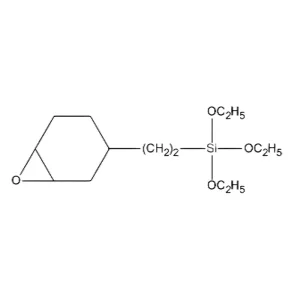
One of Boctok's key strengths is product synergy. Our Tier II petroleum resin operations produce C5 and C9 hydrocarbon resins. These act as organic tackifying agents in multi-component adhesives, modifying rheological properties and adhesion profiles. Additionally, our extensive range of silane coupling agents (such as epoxy, vinyl, and aminosilanes) serves as adhesion promoters, chemically linking inorganic fillers (like fumed silica, calcium carbonate, or glass fibers) to the silicone polymer matrix. This integrated product portfolio allows us to deliver complete, high-performance formulations for the coatings, sealants, and composites industries.
Categorized solutions designed for heavy industries, agrochemical applications, and precision compounding.
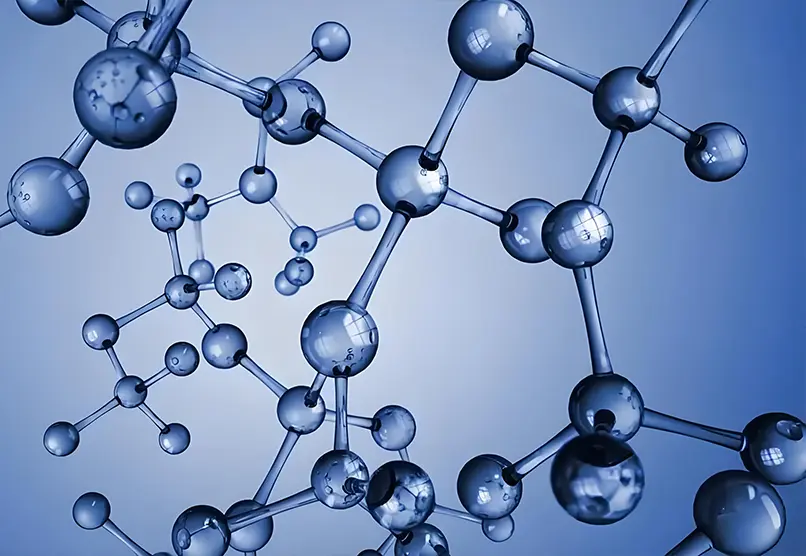
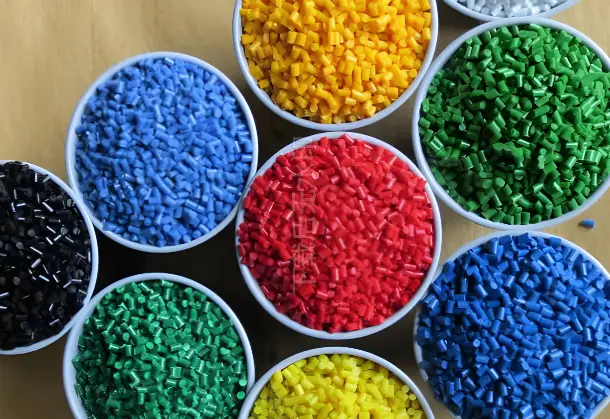
High-performance organosilicon compounds, silanes, polymers, and synthetic hydrocarbon resins engineered for long-term industrial reliability.
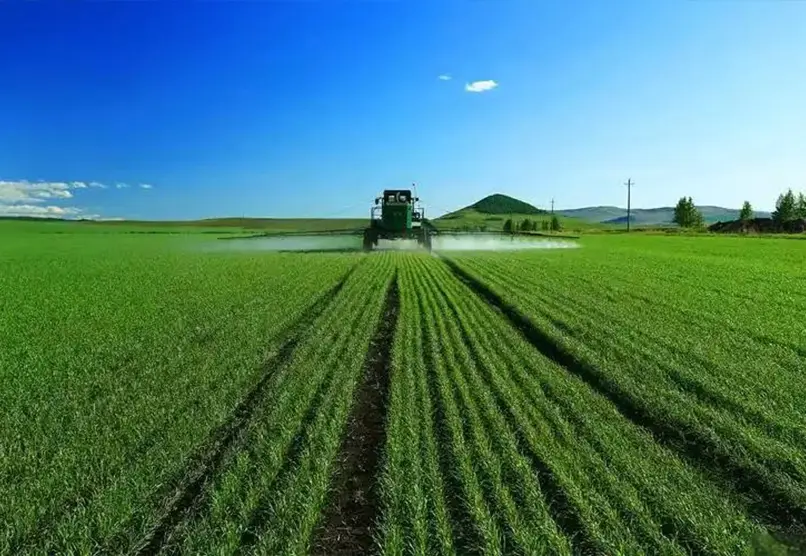
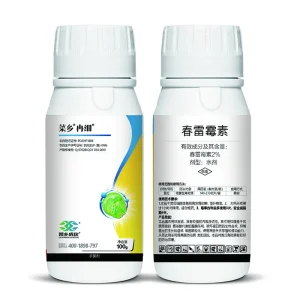
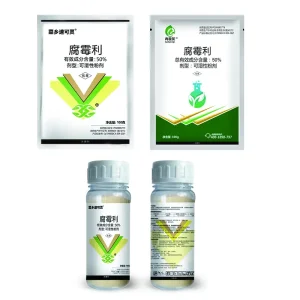
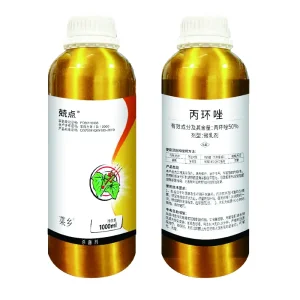
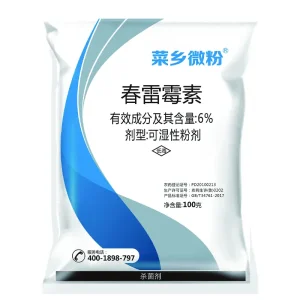
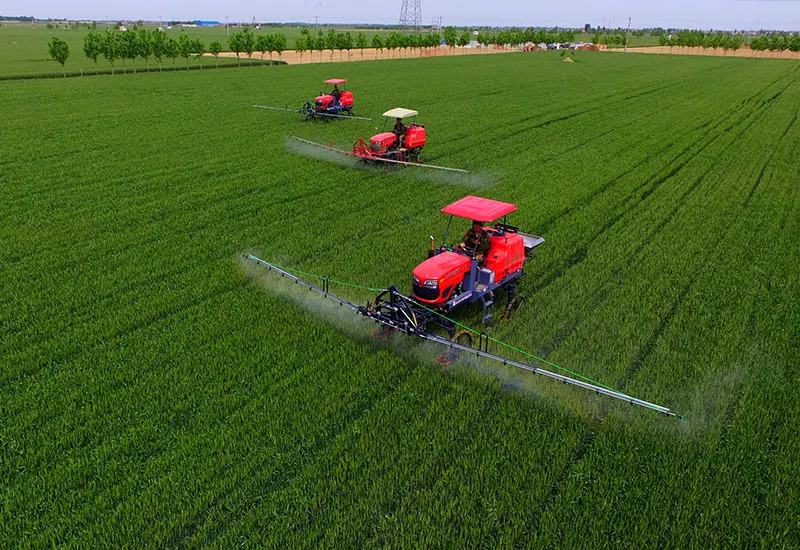
Targeted intermediates and active ingredients for crop protection, including fungicides, herbicides, and plant growth regulators.
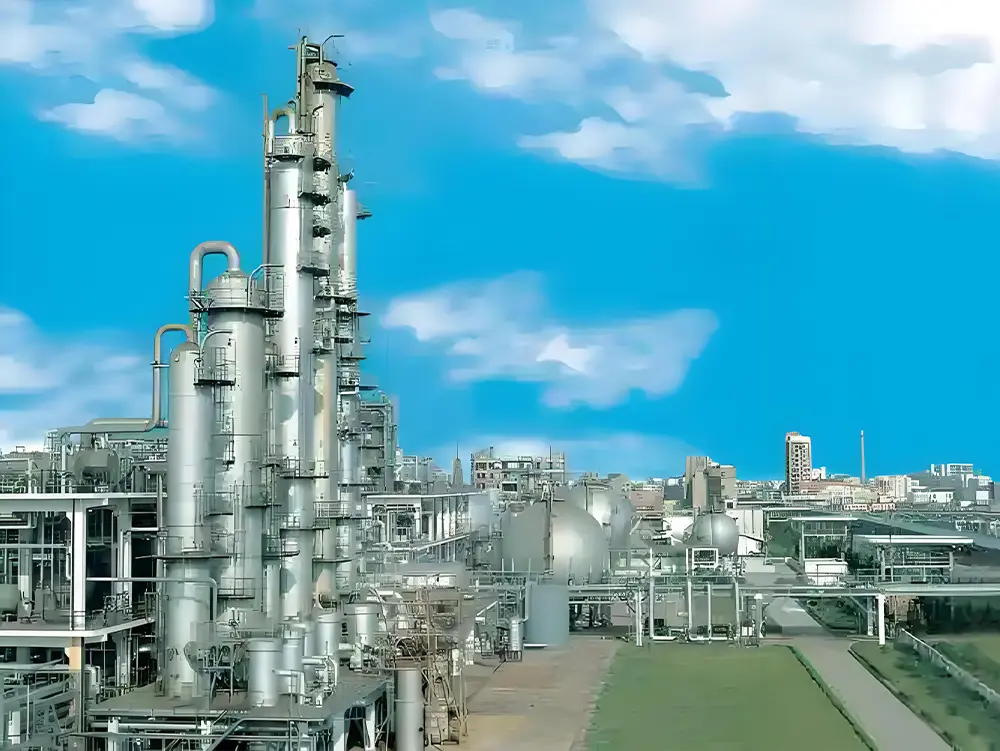
Industrial infrastructure equipped with automated DCS controls, safety instrumented systems, and environmental compliance units.
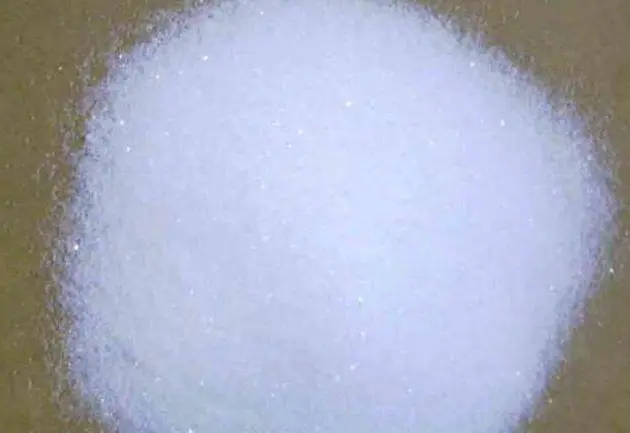
Broad compatibility profiles across agricultural, chemical, coating, and electronics sectors.
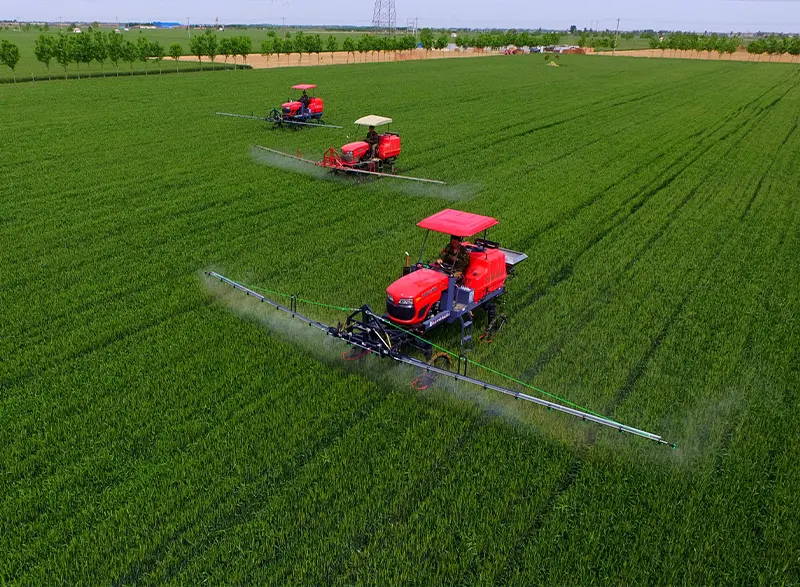
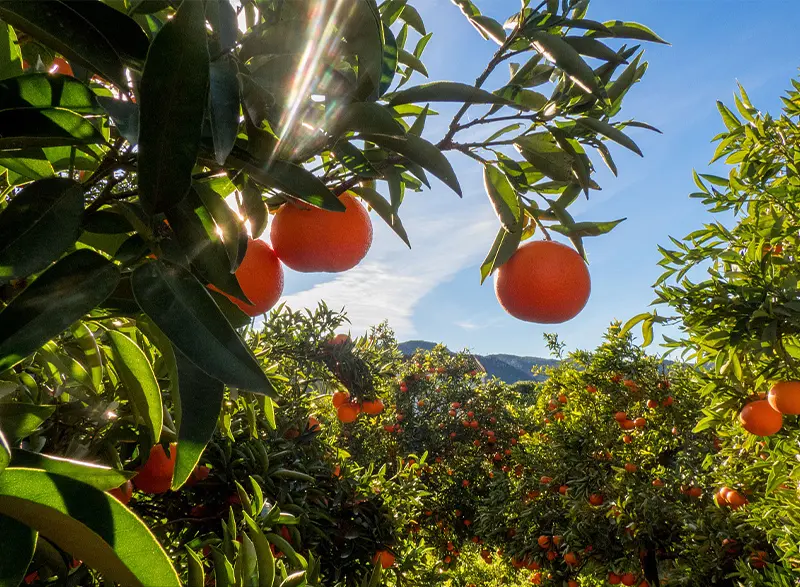

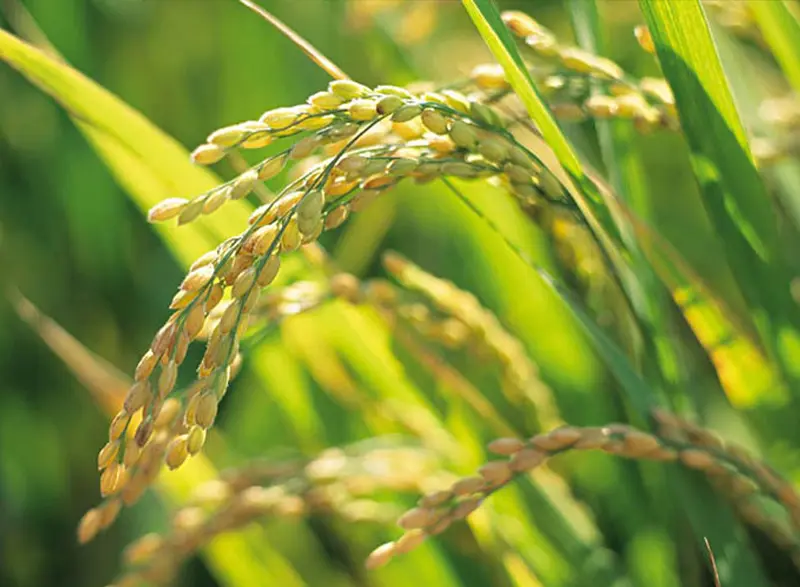
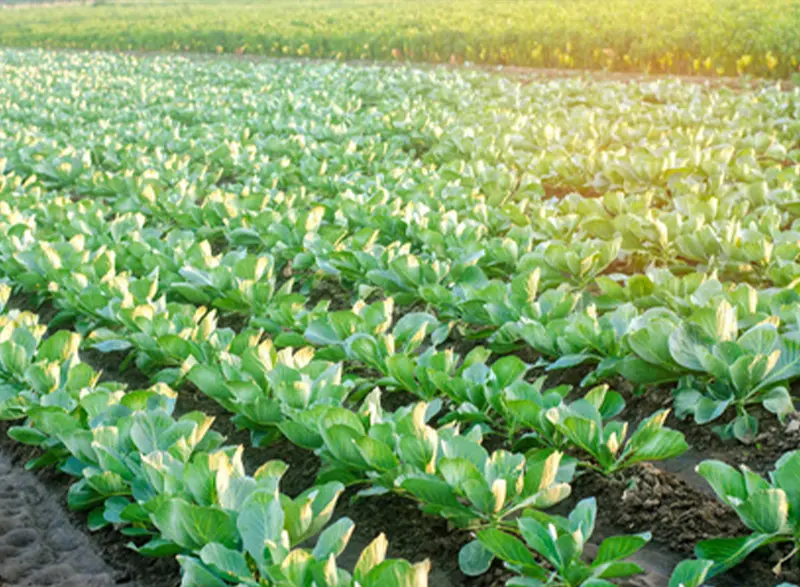
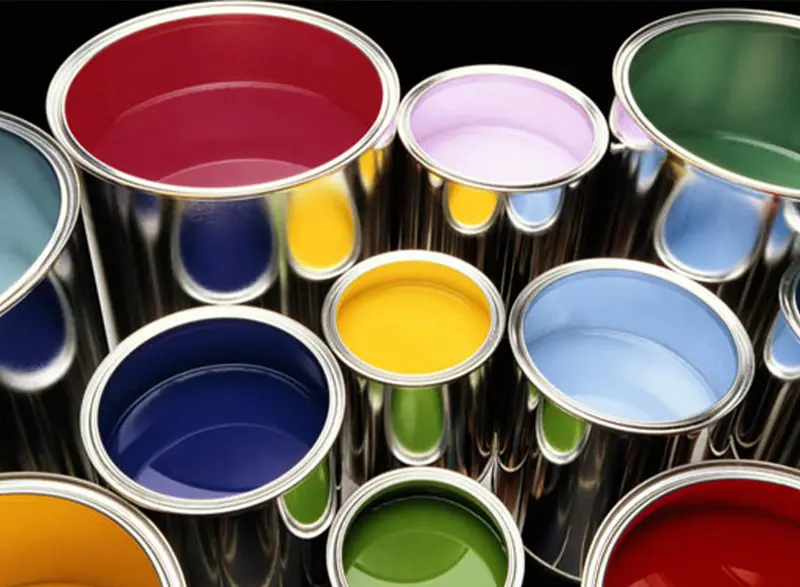
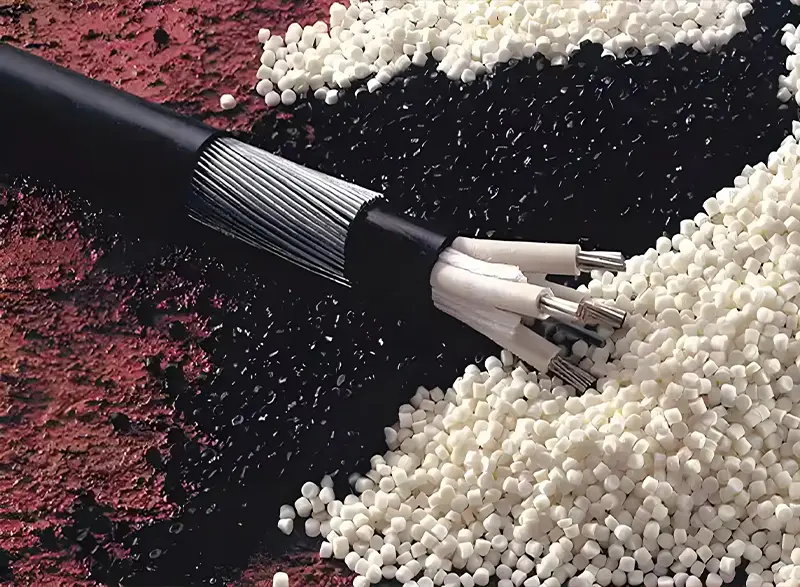
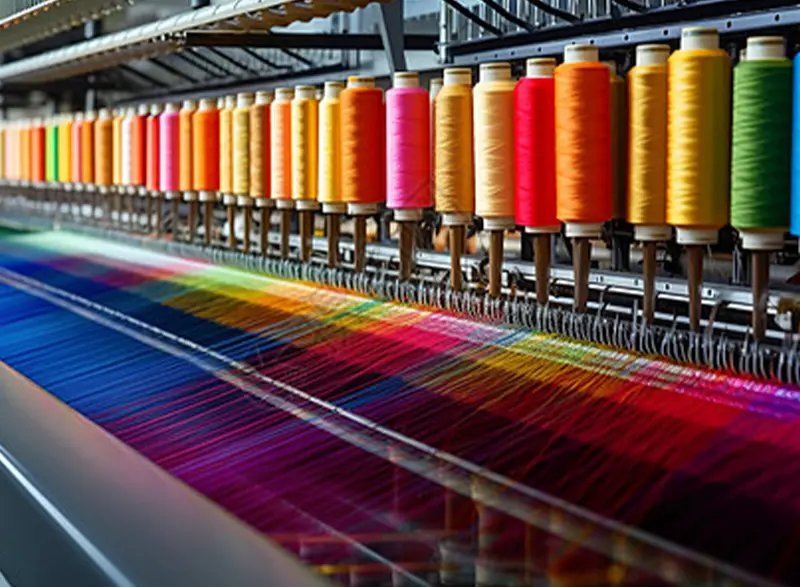
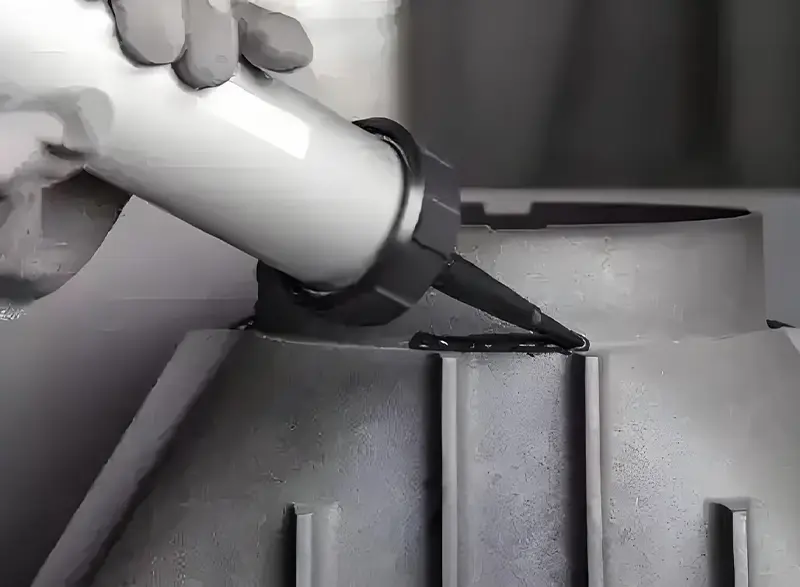
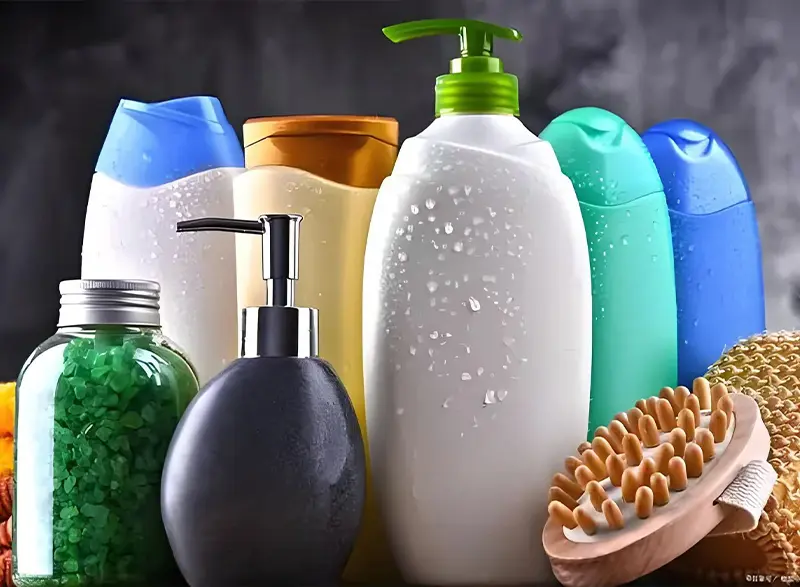
Targeted application sectors utilizing high-grade hydrocarbon resins and associated elastomers.
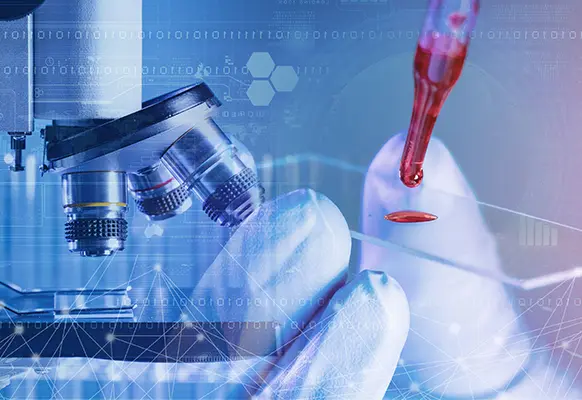

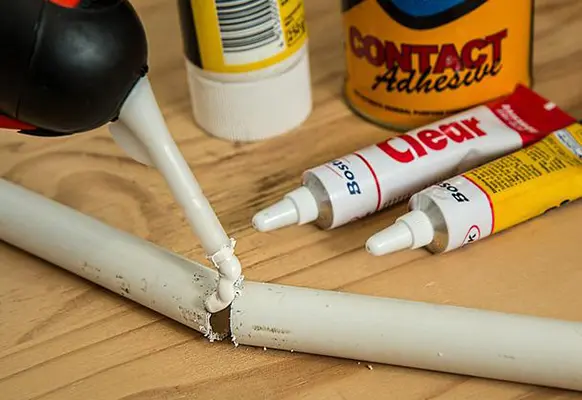
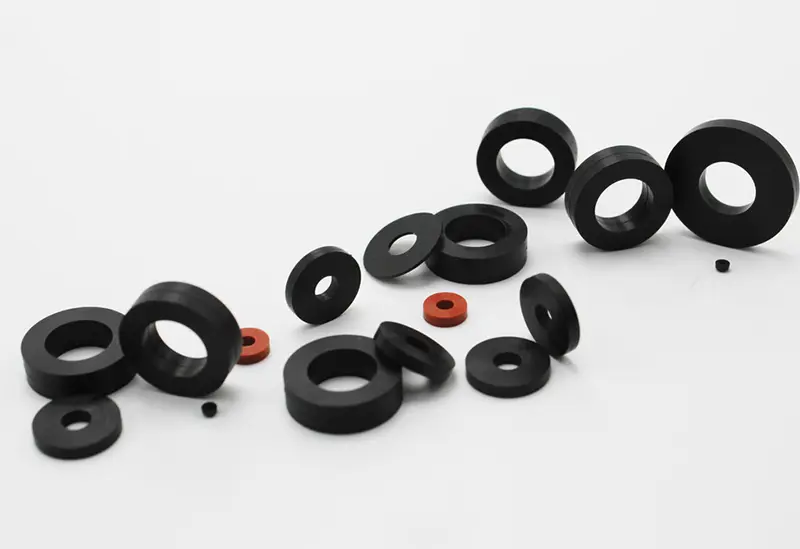
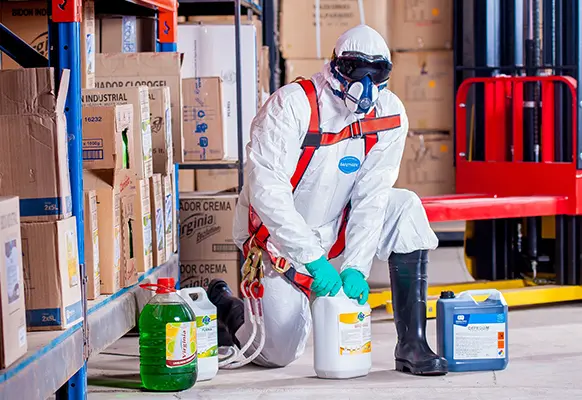
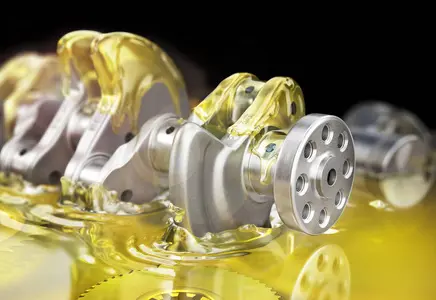

Precision deployment of linear, cyclic, and modified silicone fluids in technical systems.




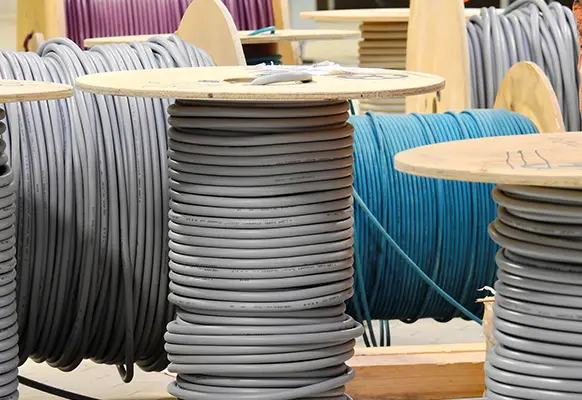
Highly engineered polymeric structures for demanding thermal, electrical, and biomedical environments.
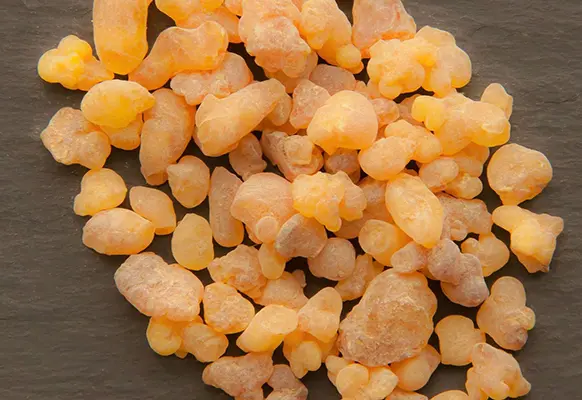


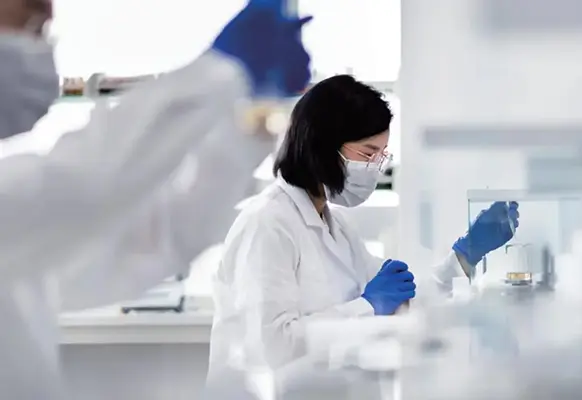

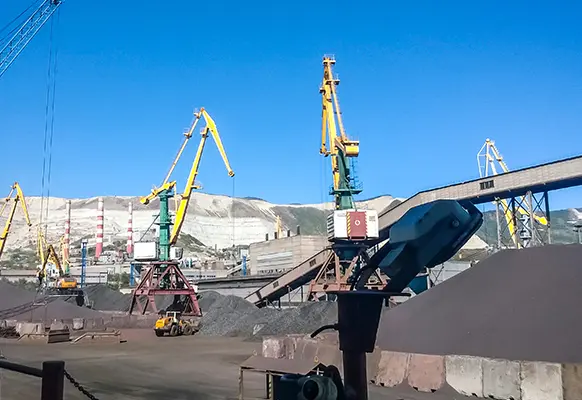
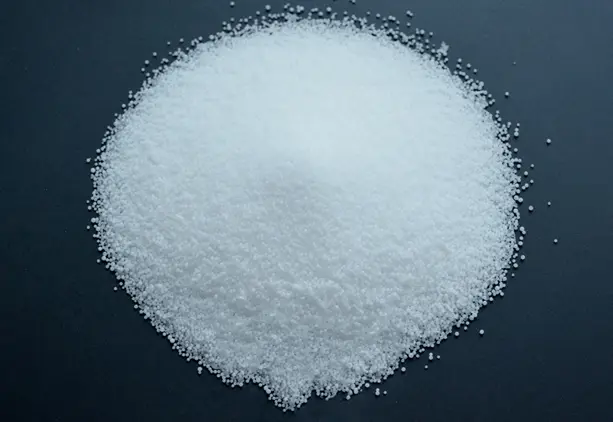
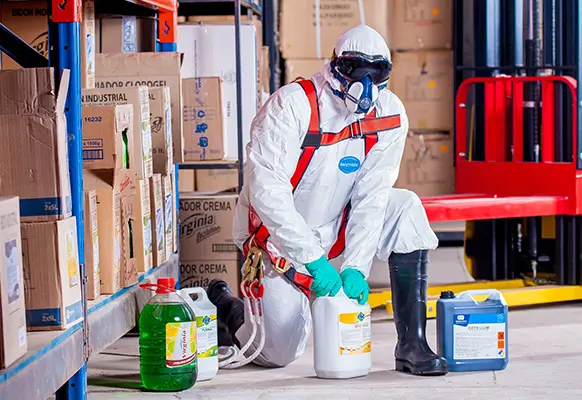
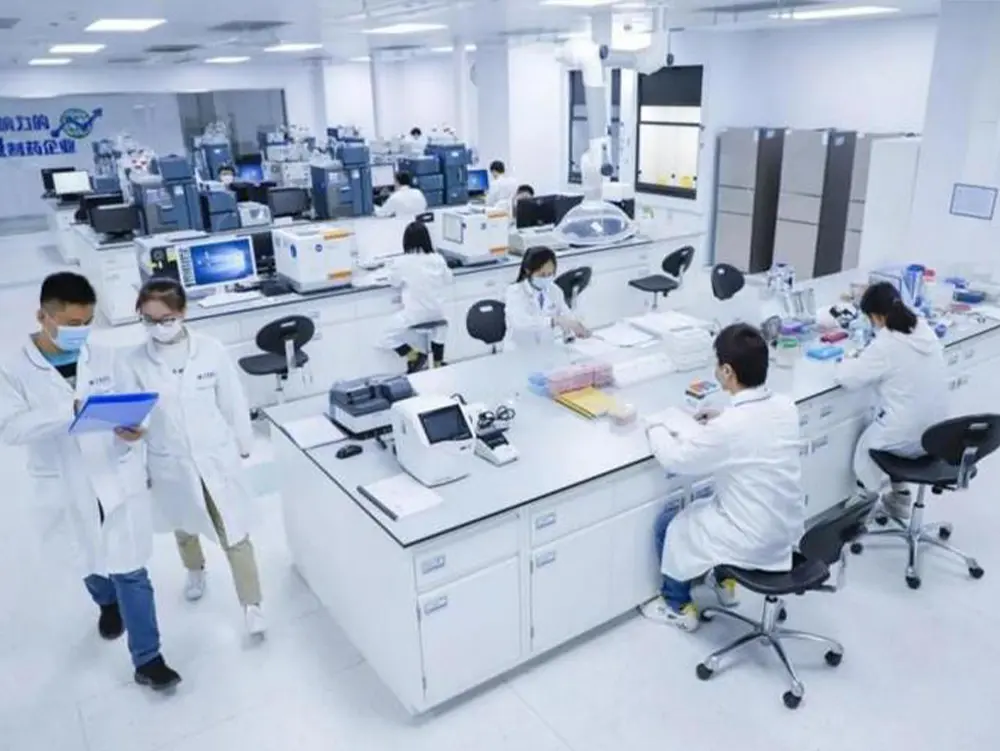
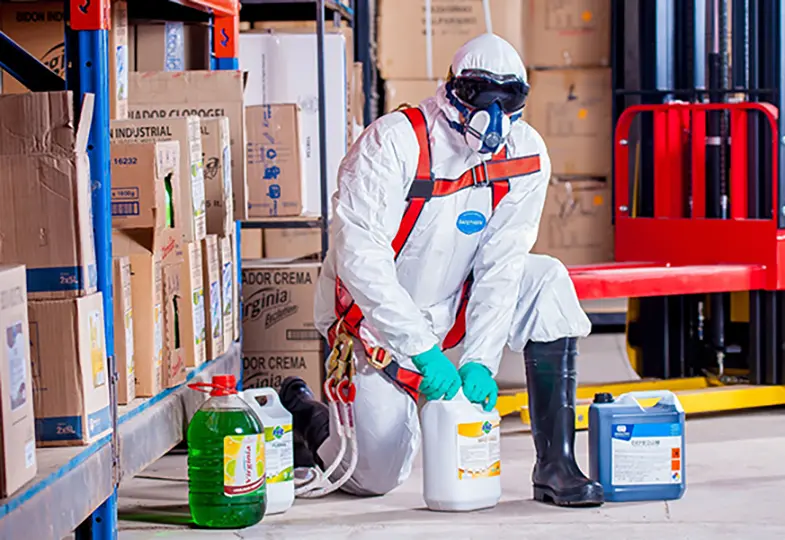
Modern organosilicon manufacturing requires strict environmental controls and safety management. At our new Shouguang plant, Shandong Boctok Chemical Co. has integrated advanced environmental protection systems alongside our production lines, including:
Direct, professional answers addressing standard user intent and chemical integration queries.
Explore our range of high-purity silanes, specialized crosslinkers, and chemical derivatives.
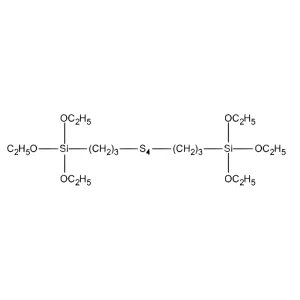
 Boctok Chemical