Engineered coupling agents and functional prepolymers designed for critical adhesion and crosslinking applications in local automotive and aerospace manufacturing.
Nagoya, the capital of Aichi Prefecture, stands as the central hub of Japan's heavy industrial manufacturing. Renowned globally as the core of the automotive cluster (housing the headquarters and production centers of major automakers like Toyota Motor Corporation and its extensive Tier-1 and Tier-2 supply chain), Nagoya is also a critical zone for aerospace design, advanced robotics, and structural composite engineering. In this highly precise manufacturing ecosystem, advanced materials play a vital role. Among these, the Vinyl Group functional silanes stand out as indispensable coupling agents and surface modifiers that bridge the gap between inorganic fillers and organic polymers.
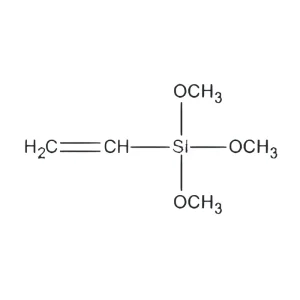
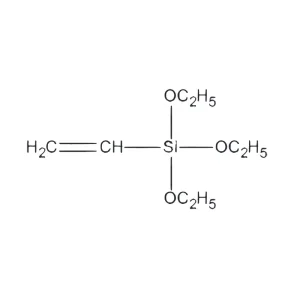
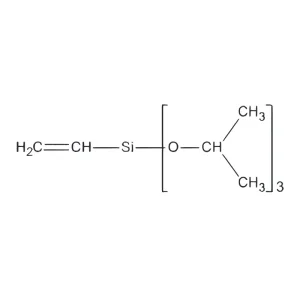
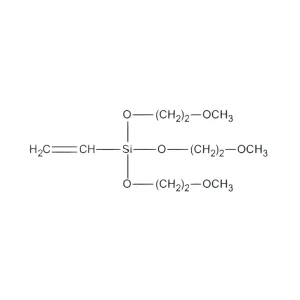
Our vinyl silane technologies—including Vinyltrimethoxysilane (VTMS, CAS 2768-02-7) and Vinyltriethoxysilane (VTES, CAS 78-08-0)—serve as critical chemical links. In structural rubber processing, wire and cable compounding, and thermoset composites, these molecules function by offering a dual-reactive system. The unsaturated vinyl end copolymerizes directly with organic resins (such as polyethylene, polypropylene, or EPDM) during cross-linking, while the hydrolyzable alkoxy groups bond covalently to inorganic substrates (such as silica, glass fibers, or aluminum trihydroxide). This molecular bridge dramatically increases mechanical strength, moisture resistance, and electrical insulation properties, enabling local manufacturers to meet the stringent demands of global automotive and aerospace markets.
Reinforcing silica-filled EPDM rubber sealants and tire formulations to reduce rolling resistance and structural weight, enhancing electric vehicle (EV) efficiency.
Facilitating moisture-crosslinked polyethylene (XLPE) formulations, ensuring long-term thermal stability and electrical performance in harsh environments.
Promoting interphase adhesion in glass-fiber reinforced plastics (GFRP), improving impact strength and environmental resilience.
Founded in 2012, Shandong Boctok Chemical Co. has grown into a world-class marketer, developer, and manufacturer of advanced organosilicon compounds, petroleum resins, and agrochemical intermediates. Serving as the centralized commercial center for the Boctok™ brand, our sales network reached an annual revenue milestone of US$280 million in 2023. While our dedicated BOCTOK brand focuses comprehensively on serving the Russian market and adjacent Eastern European regions, we actively export high-quality vinyl silanes and functional polymers to major industrial hubs globally, including Japan, South Korea, North America, and Western Europe.
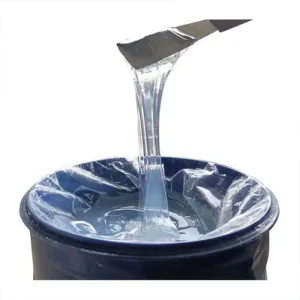
Our organosilicone portfolio spans twelve highly specialized silane coupling agent series. This includes aminosilanes, methacrylates, epoxies, vinyl silanes, mercaptosilanes, alkyl silanes, ethyl silicates, chlorosilanes, isocyanates, phenyl silanes, ureidosilanes, and serosilanes. Further expanding our materials footprint, Boctok provides advanced silicone fluids (high-hydrogen, dimethicone, vinyl silicone oil, and phenyl silicone oil), MQ/VMQ resins, and room-temperature vulcanized (RTV) methyl rubbers that enhance performance across wind energy, packaging, consumer electronics, and high-voltage transmission lines.
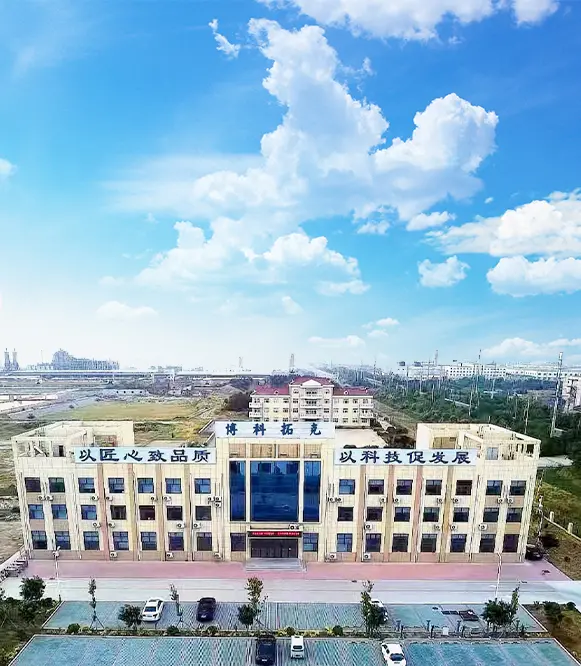
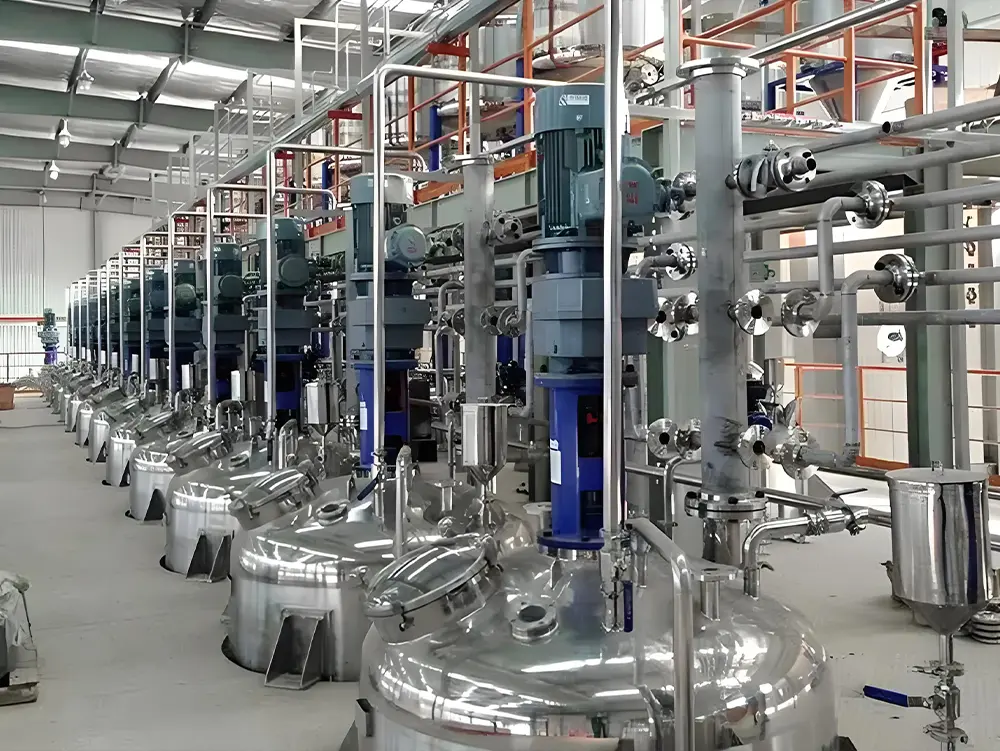


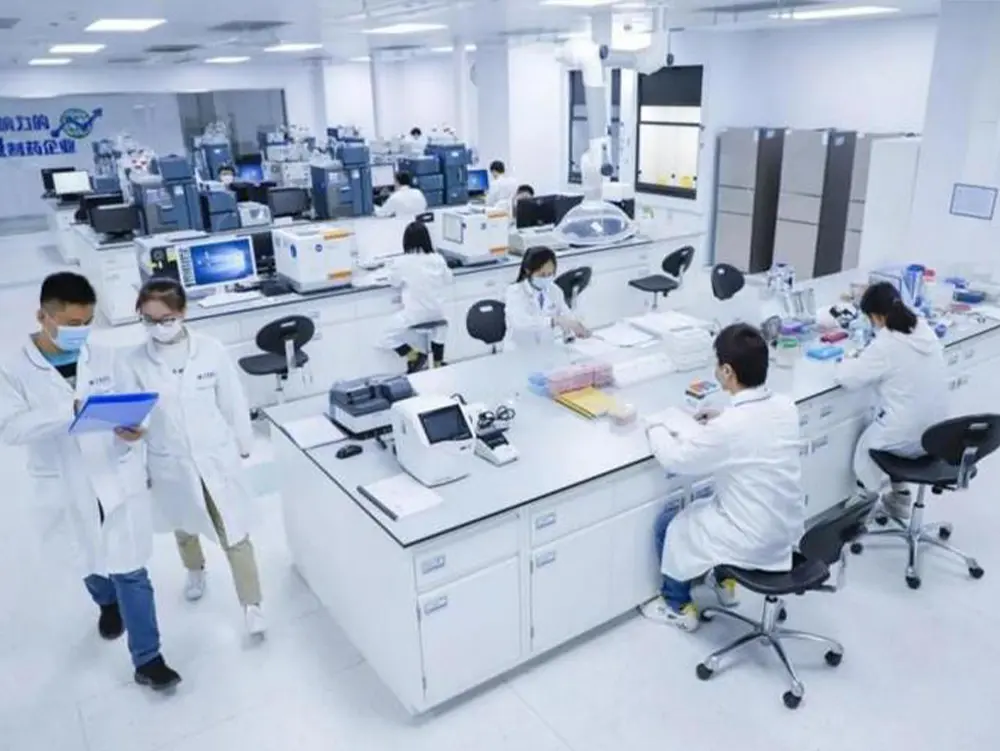
Our commitment to supply stability led to our recent US$65 million investment in our brand-new manufacturing plant located in the Bohai Industrial Park, Shouguang City, Shandong Province. Spanning 6 automated DCS (Distributed Control System) production lines, this facility guarantees an annual output of 30,000 tons of silane coupling agents. Engineered for optimal safety and process repeatability, our production lines are integrated with:
Beyond our primary organosilicon business, Boctok operates significant divisions in Hydrocarbon Resins and Agrochemicals to present a holistic, macro-level chemical solution portfolio to global industries.
Boctok has strategic co-investments in key hydrocarbon resin manufacturing centers across Zibo, Fushun, and Nanjing. Leveraging stable chemical feedstocks from major national petrochemical corporations (SINOPEC and PetroChina), we supply high-performance C5 hydrocarbon resins, C9 hydrogenated resins, and dicyclopentadiene (DCPD) dimers. These resins are critical modifiers for hot-melt adhesives, road marking paints, printing inks, and synthetic rubbers, and are utilized extensively by Fortune 500 manufacturers in North America and Japan.
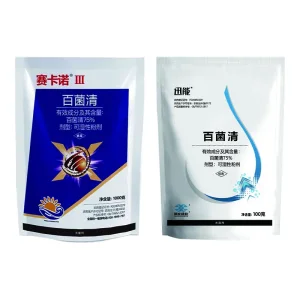
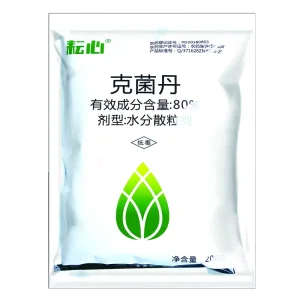
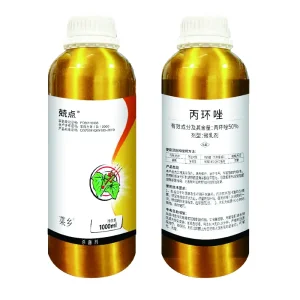
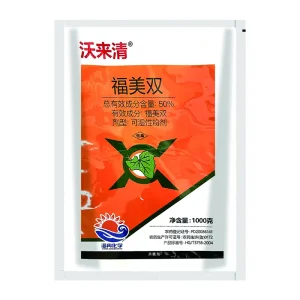
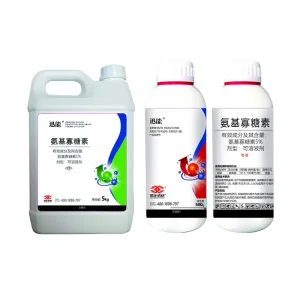
Focusing on global agricultural safety and high-yield farming, our agrochemical division develops, manufactures, and supplies intermediates for active ingredients in crop protection. This includes key raw materials for pesticides, systemic fungicides, insecticides, plant growth regulators, and seed treatments. By offering high-purity precursors like procyclizole and clostridana variations, we enable formulation factories to manufacture agricultural products that conform to strict residue limits.
Our vinyl silanes, silicones, and resin polymers find structural applications in diverse sectors. They improve adhesion energy, mechanical durability, and surface energy behavior:
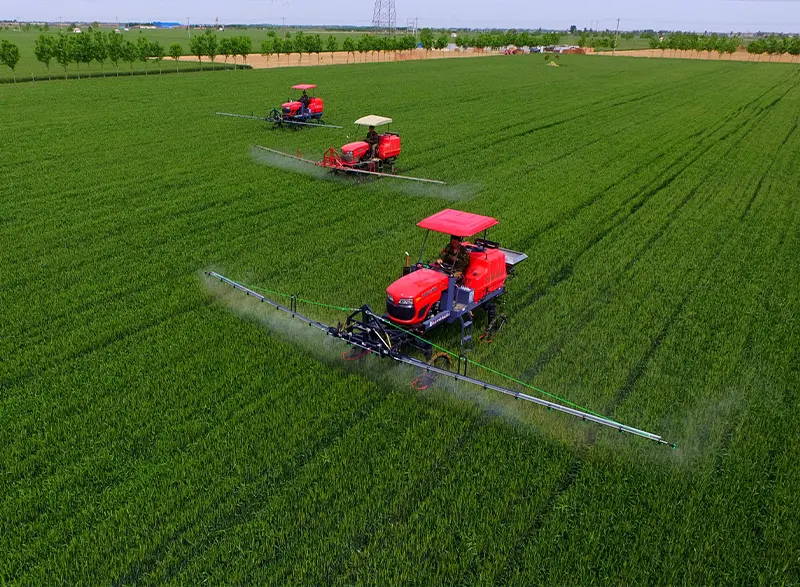
Enhancing dispersibility, shelf-life stability, and foliar penetration of specialized fertilizers and active ingredients.
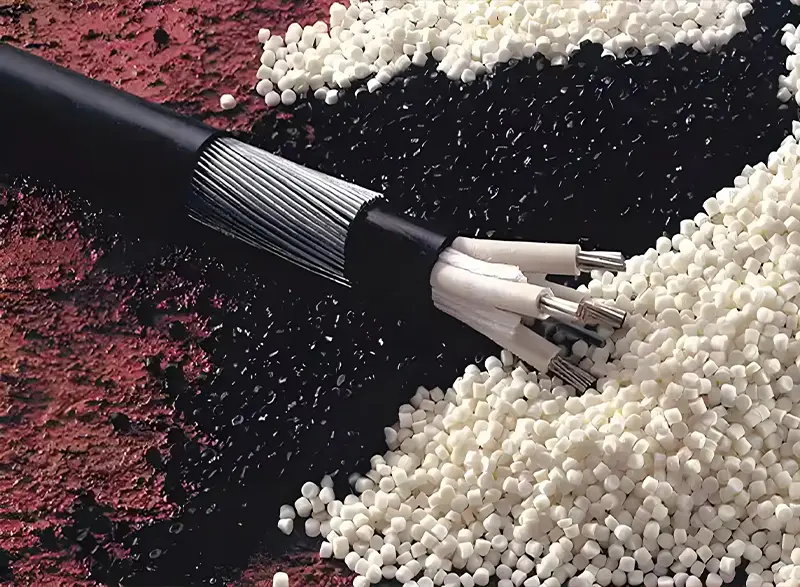
Crosslinking high-density polymers to deliver mechanical strength and voltage resistance in subterranean power grids.
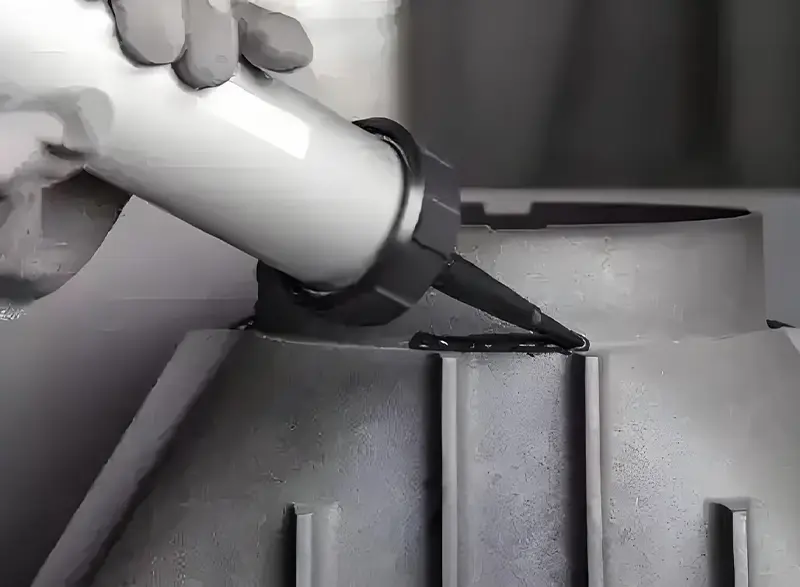
Silicone-based sealants formulated for glass curtain walls, offering thermal resistance and UV protection.
As the automotive and electronic industries transition to higher power requirements (such as 800V EV architectures) and tighter eco-regulations, the technical demand on vinyl coupling agents is evolving. Boctok's R&D focus is centered on three primary innovation fronts:
Technical clarifications on the storage, reaction chemistry, and commercial application of our vinyl silane products.
Explore our wider chemical listings featuring auxiliary silanes, active agrochemicals, and specialized RTV silicone compounds.
 Boctok Chemical