Enhancing crosslinking density, polymer adhesion, and formulation performance across Latin America's industrial hubs.
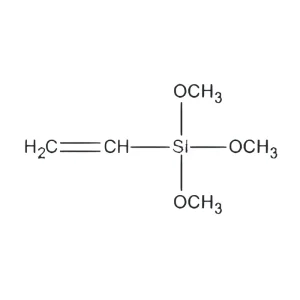
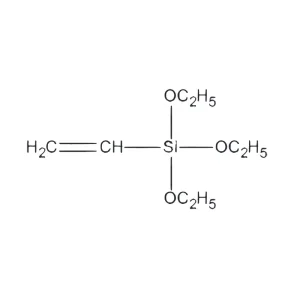
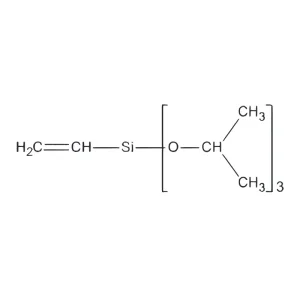
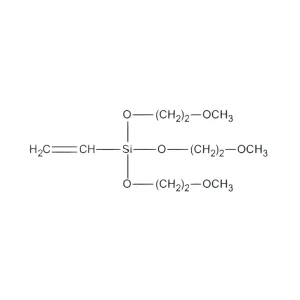
Argentina's industrial base is undergoing a major technological transformation. As regional manufacturing hubs like Buenos Aires, Córdoba, and Santa Fe expand their capacity in automotive systems, wire & cable manufacturing, and heavy-duty petrochemical processing, the demand for advanced functional silanes and vinyl group copolymers has spiked. Locally, standard vinyl chemistry is no longer sufficient. Industrial operations are shifting towards high-efficiency organosilicon crosslinkers and coupling agents that ensure resistance to extreme thermal and physical stress.
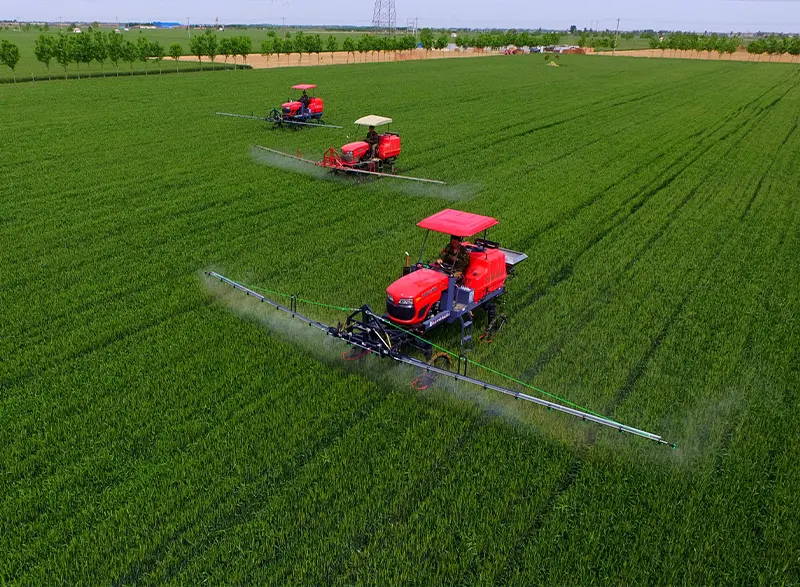
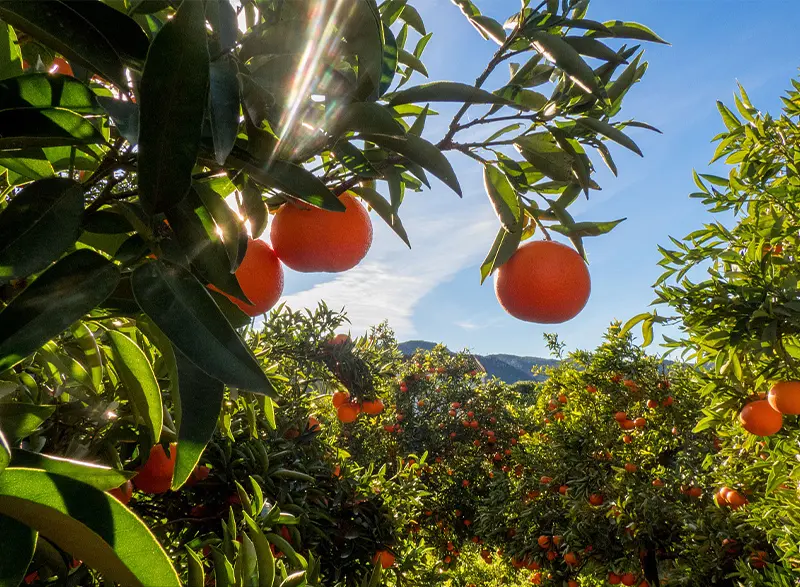
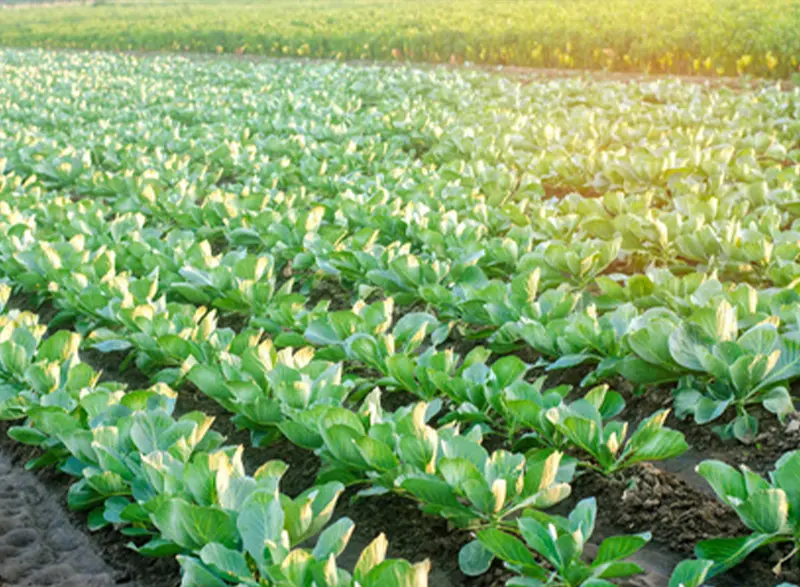
This shift is driven primarily by modern infrastructure developments, specifically in XLPE (Cross-linked Polyethylene) piping and electrical insulation networks. Additionally, the vast Argentine agricultural sector—one of the largest global exporters of agricultural commodities—relies heavily on advanced agricultural chemical adjuvants and pesticide formulations to maximize crop yields. Silane-based coupling technology serves as a key bridge, binding organic polymers with inorganic filler matrices to provide unmatched material integrity, weatherability, and chemical stability.
The South American specialty chemicals market is transitioning from commodity compounds to highly specialized solutions. Today's procurement teams prioritize long-term chemical stability, ecological compliance, and precise functionality over sheer volume. The major trend is "intelligent functionalization"—customizing the molecular architecture of silane coupling agents to bond seamlessly with specific resin systems like acrylics, polyurethanes, and polyolefins.
Shandong Boctok Chemical Co. was founded in 2012 as a marketing and sales center for Boctok™ domestic and overseas businesses and achieved sales of US$280 million in 2023. The BOCTOK brand specializes in serving complex, high-demand industrial markets worldwide.
Boctok has three main product categories. Our core organosilicone business covers twelve distinct series of silane coupling agents and crosslinkers. This comprehensive portfolio includes aminosilane, methacrylate silane, epoxy silane, vinyl silane, mercaptosilane, alkyl silane, ethyl silicate, chlorosilane, silane isocyanates, phenyl silane, ureidosilane, and serosilane.
Additionally, Boctok excels in silicone liquids and polymers, covering high-hydrogen silicone oil, dimethicone, vinyl silicone oil, polyphenylmethyldimethylsiloxane, phenyl silicone oil, silanol silicone oil and OH polymer, alkoxy silicone oil, methyl MQ resin, vinyl VMQ resin, room-temperature vulcanized methyl silicone rubber, 110 methyl vinyl silicone rubber, and 120 methyl phenyl rubber. These materials are widely used in glass fiber, electronics, wind energy, daily necessities, chemical industry, coatings, adhesives, XLPE electric cables, and oil field drilling.
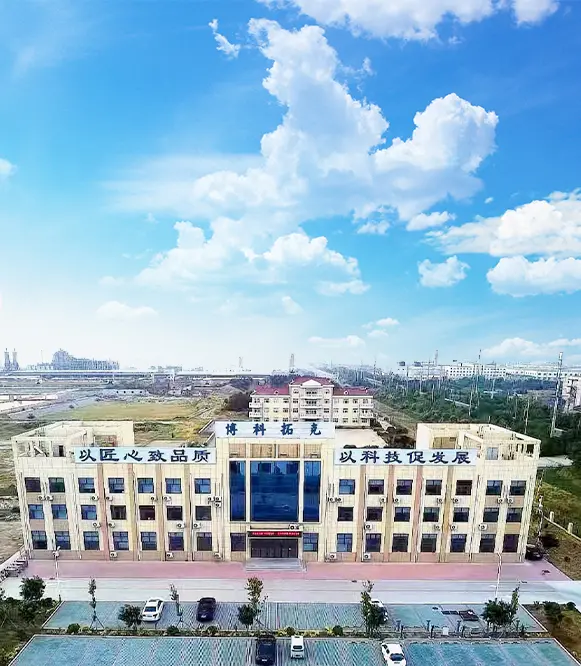
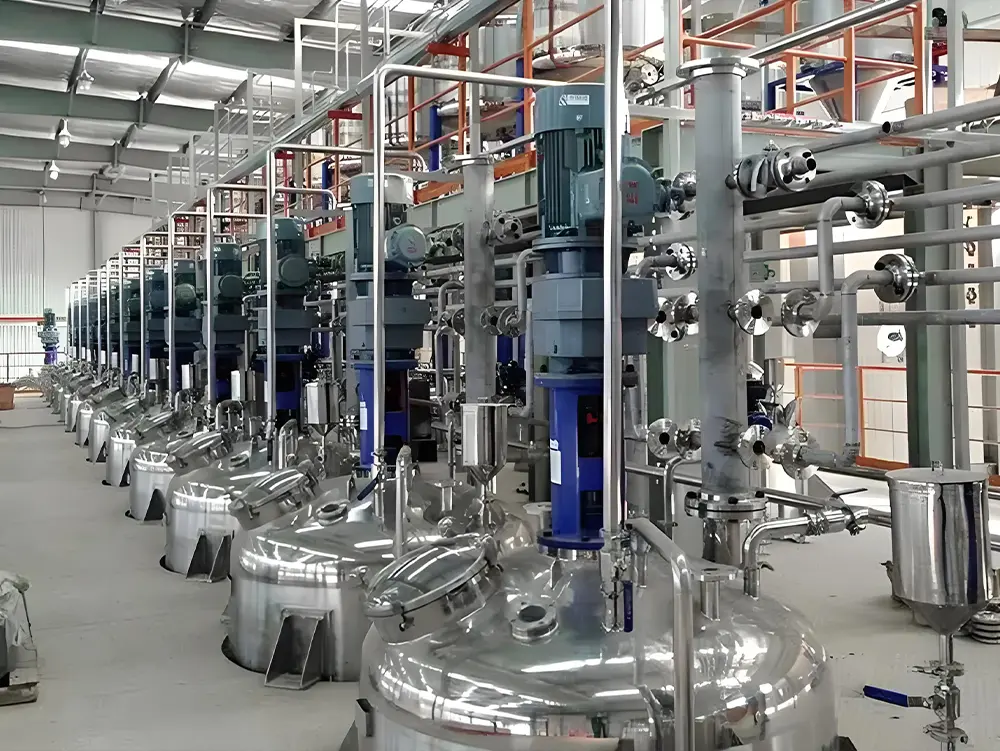
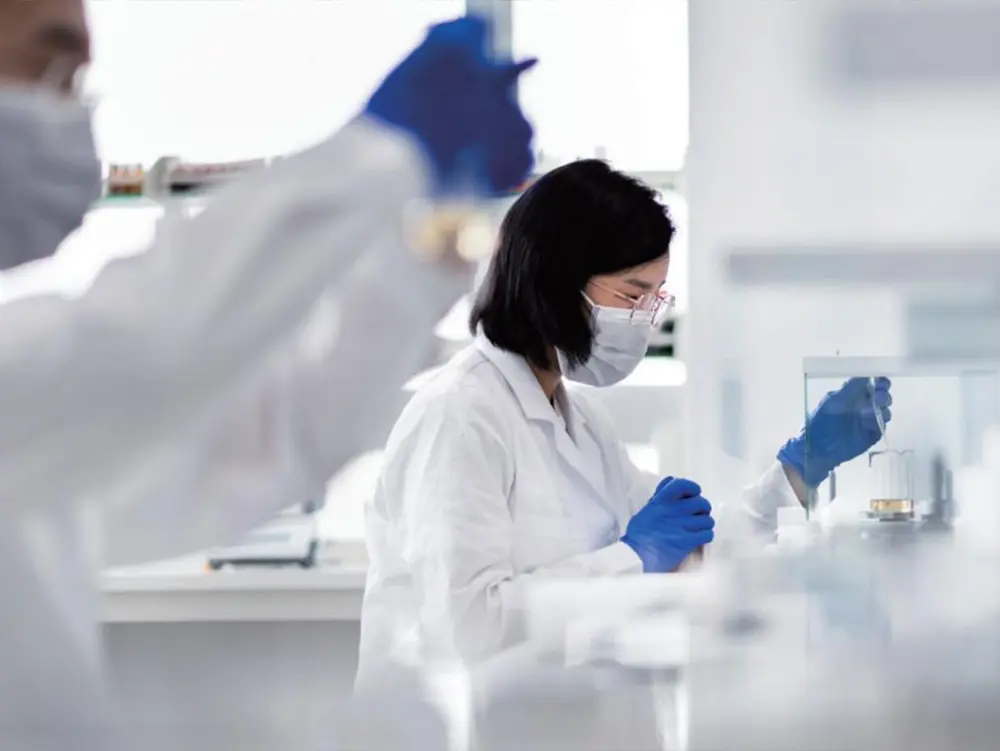

Boctok Plant Operations: Modern Infrastructure & Rigorous Quality Control.
Discover how Shandong Boctok Chemical Co. leverages state-of-the-art process controls to secure reliable global supply lines.
Global procurement demands reliability, consistency, and supply chain transparency. To meet these expectations, Boctok recently invested US$65 million to build a state-of-the-art manufacturing plant in Bohai Industrial Park, a premier provincial chemical industry park in Shouguang City, Shandong Province. This facility operates 6 automatic DCS (Distributed Control System) production lines, outputting over 30,000 tons of high-grade silane coupling agents annually.
By integrating DCS alongside SIS (Safety Instrument System) safety systems, we minimize manual intervention. This level of automation keeps product purity levels consistent batch after batch. From reaction temperature profiles to distillation rates, every phase is continuously logged and audited according to ISO9001 quality management standards. For international procurers in South America and beyond, this translates into predictable performance, reduced safety margins on production lines, and lower overall formulation costs.
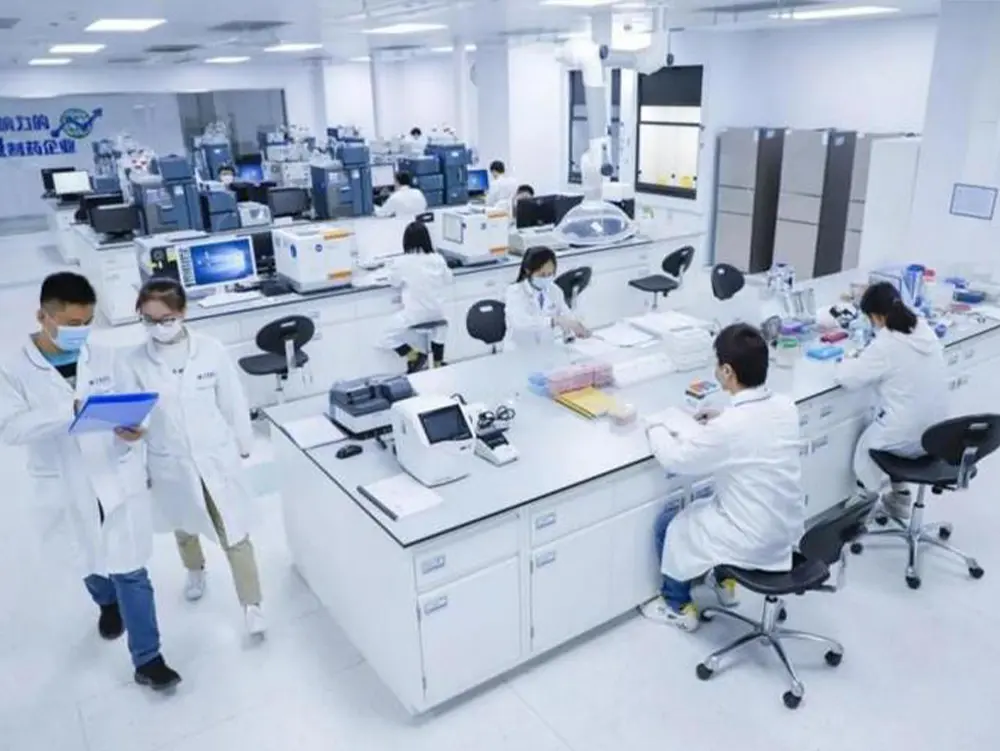
Automatic process controls ensure safety, environmental compliance, and extremely stable product parameters.
Equipped with integrated waste gas scrubbers and advanced biological wastewater treatment units.
Hydrocarbon resin factories in Zibo, Fushun, and Nanjing utilize SINOPEC and PetroChina raw feedstocks.
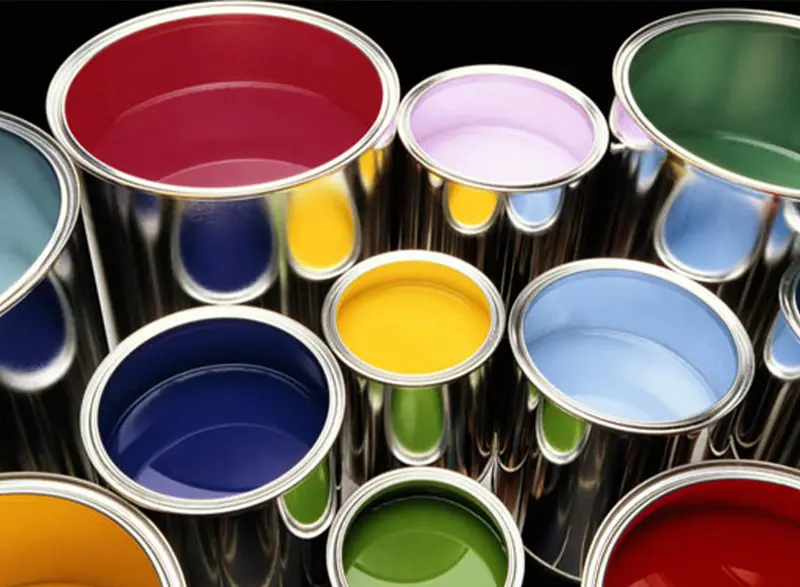
Bridging polymer chemistry and agricultural engineering to deliver tailored properties for demanding end-use fields.




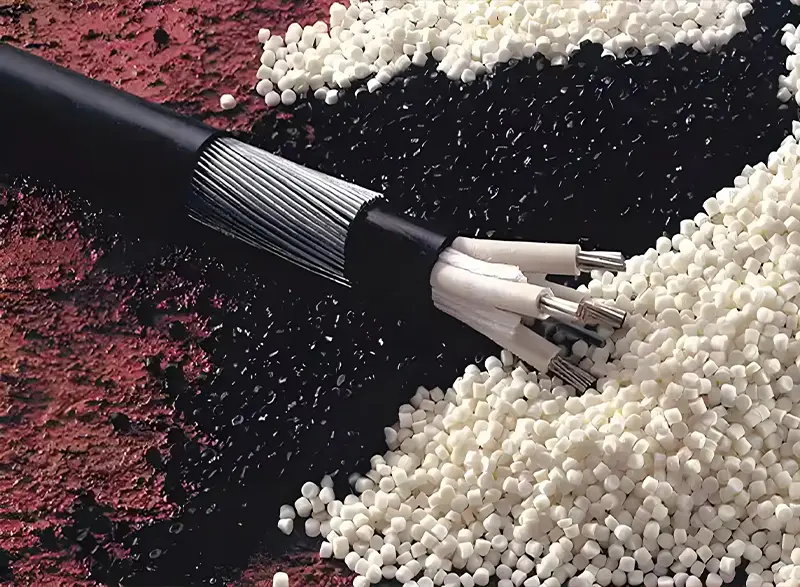
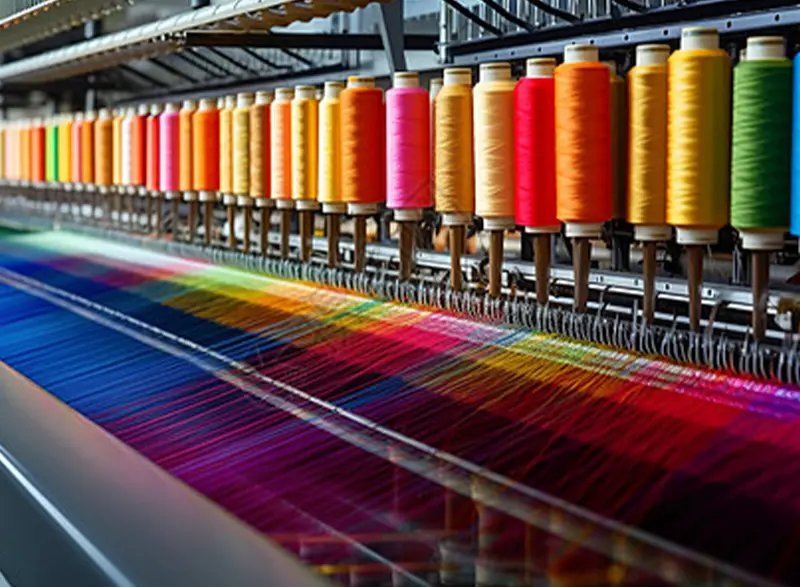
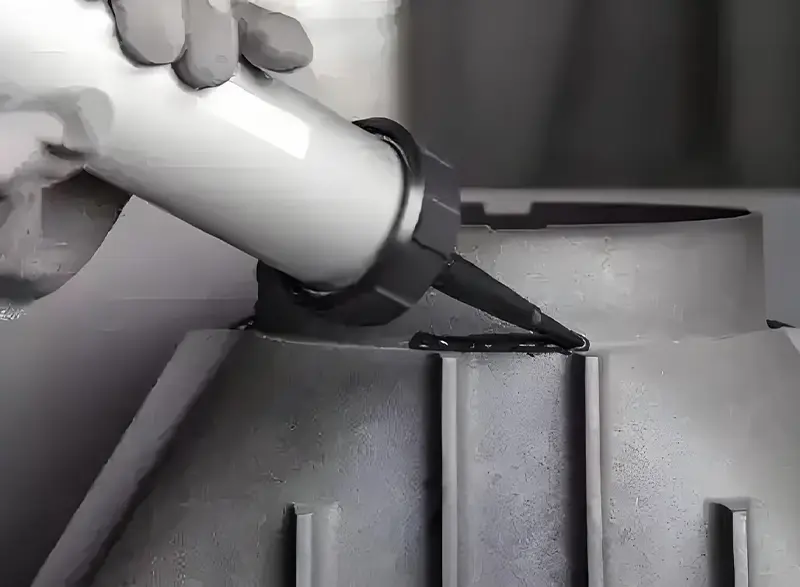

Where raw material chemistry meets performance engineering.


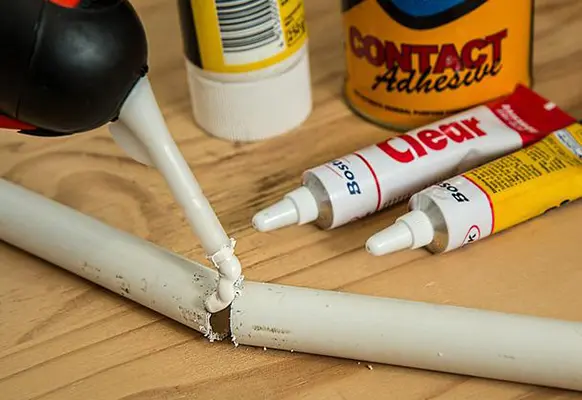
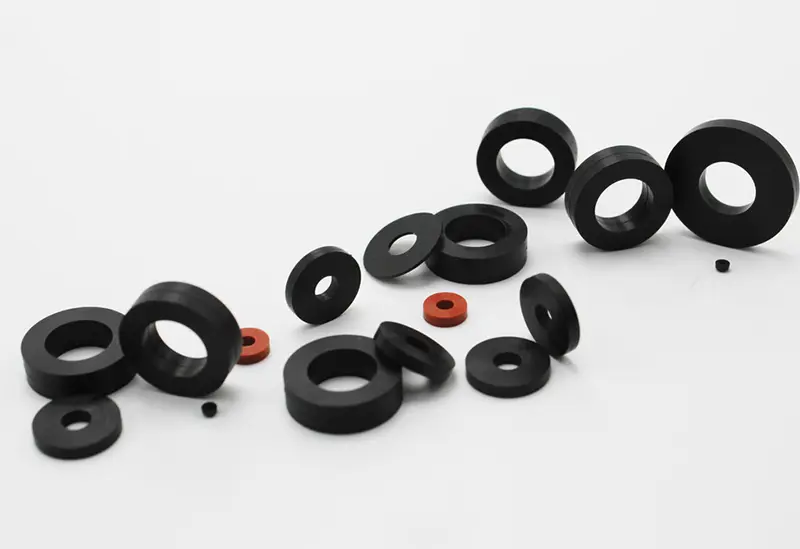
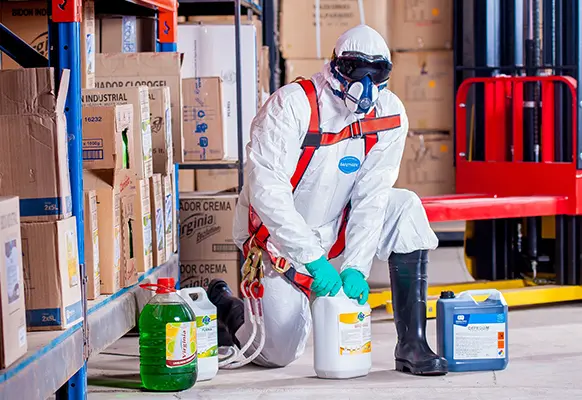
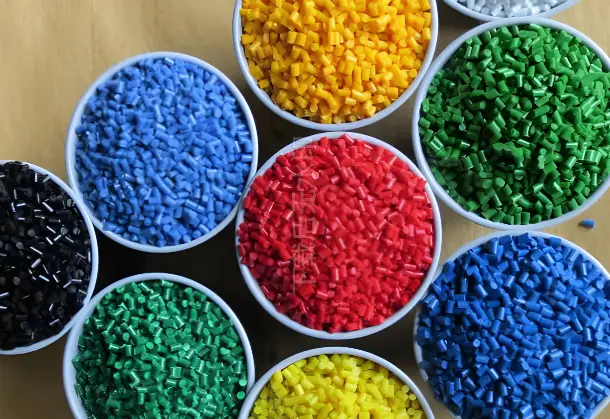
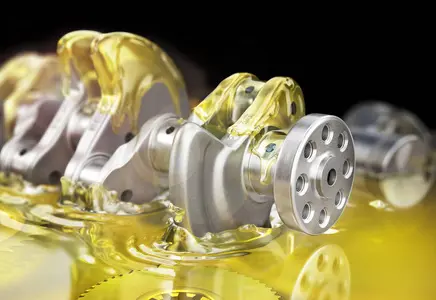
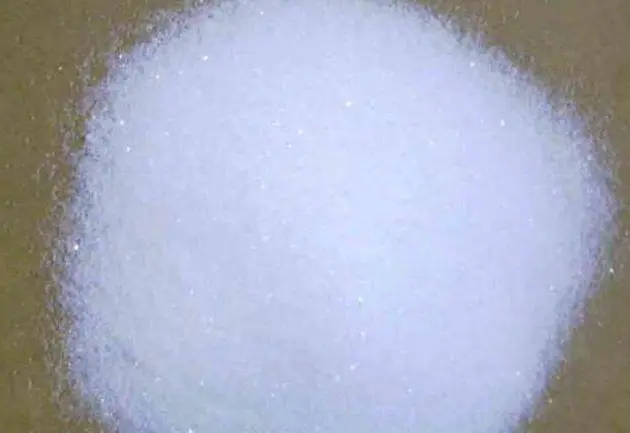

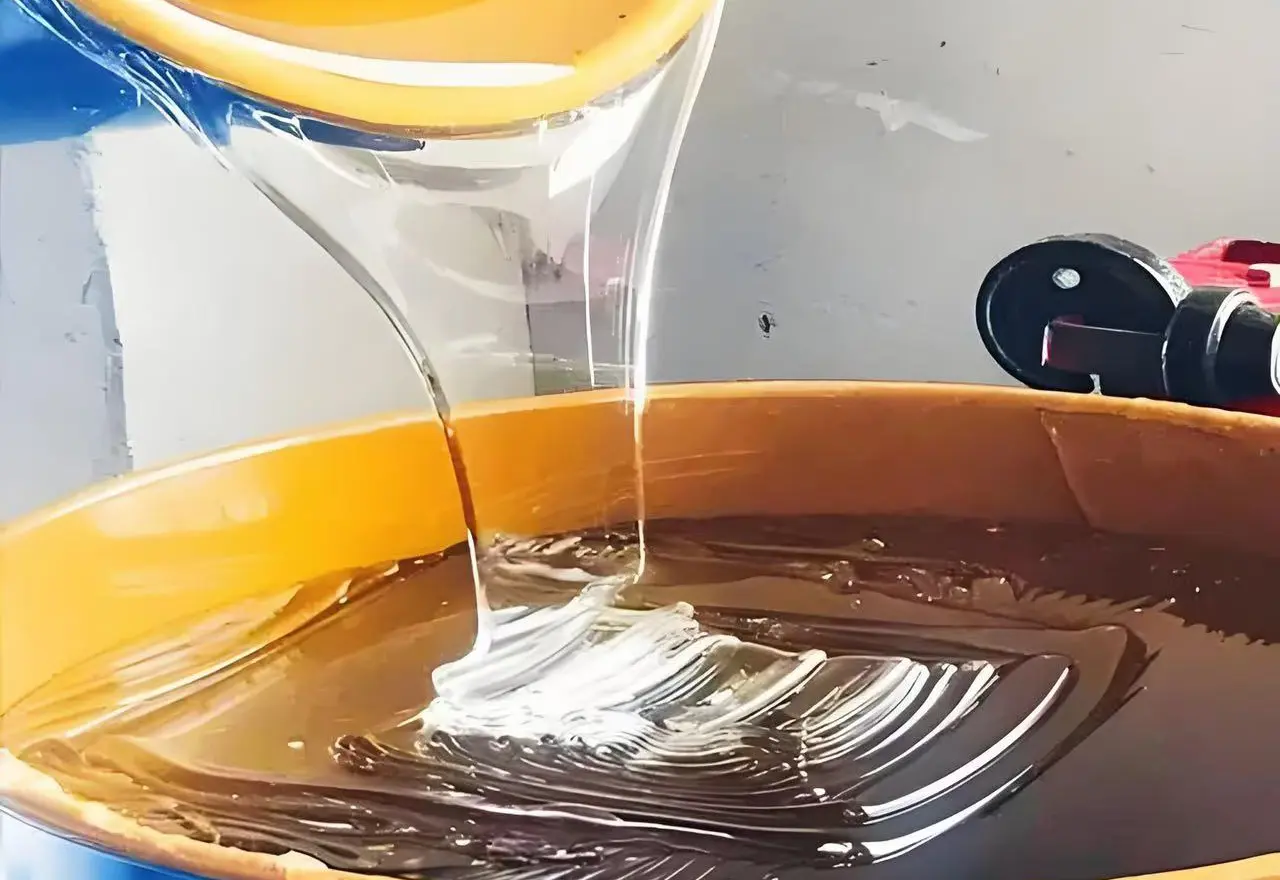

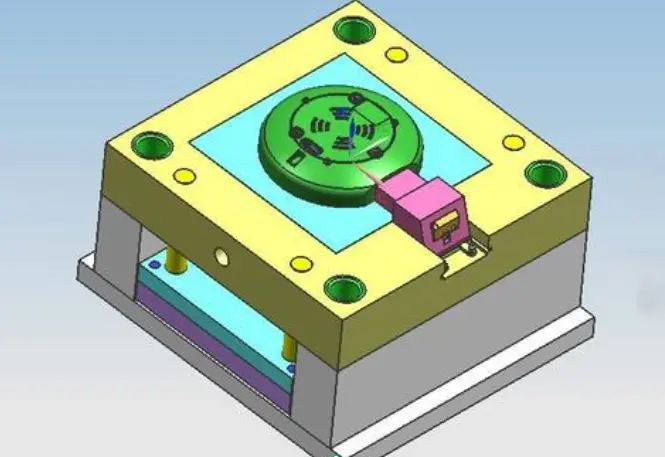


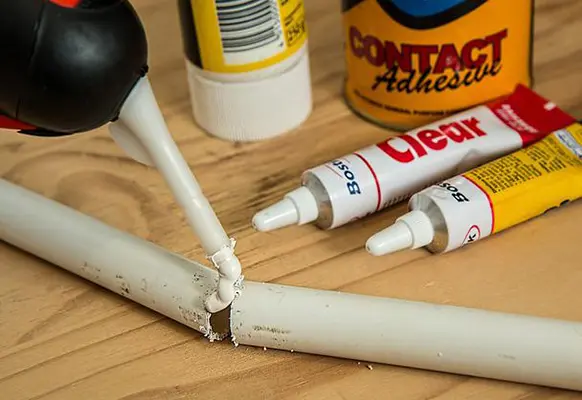
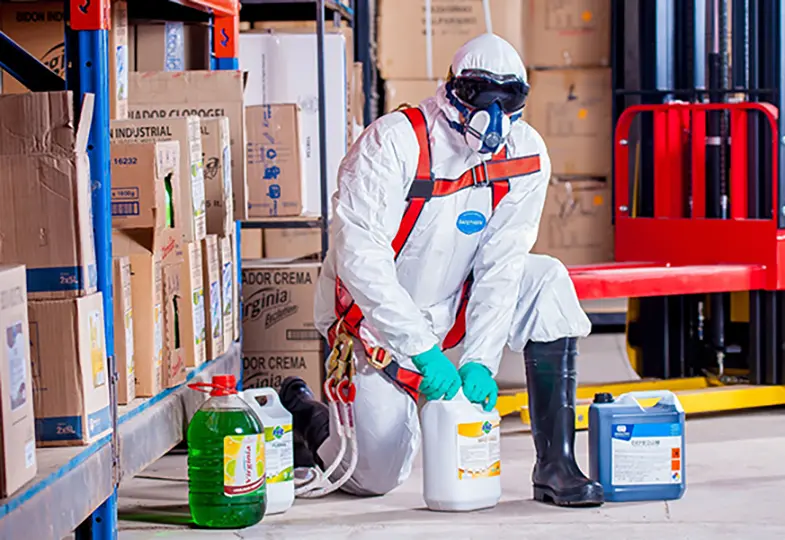

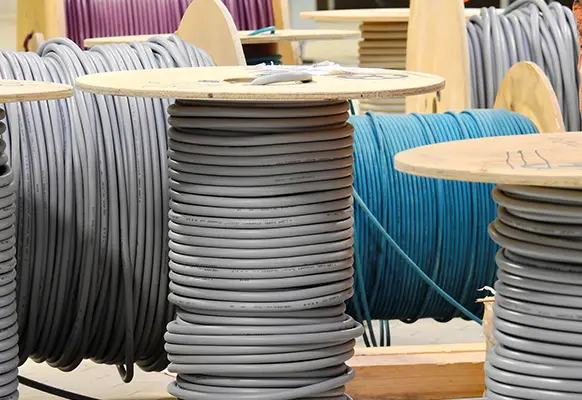
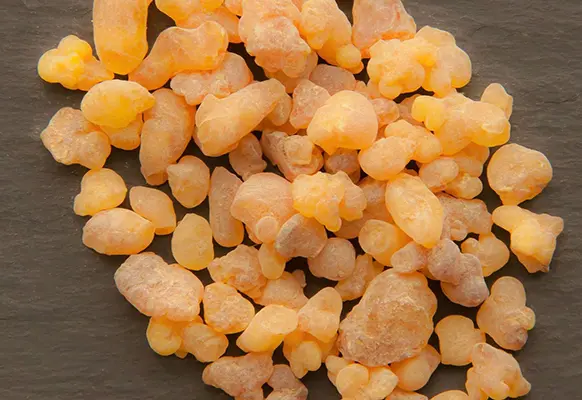




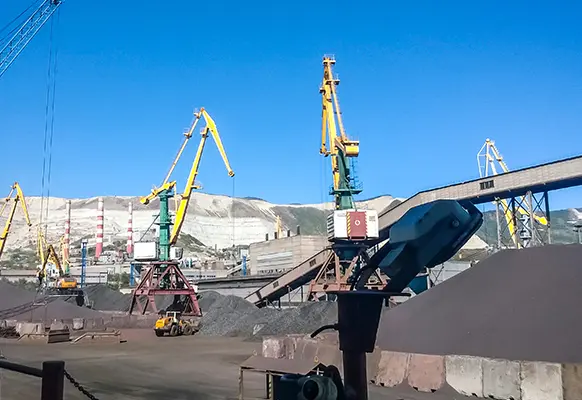
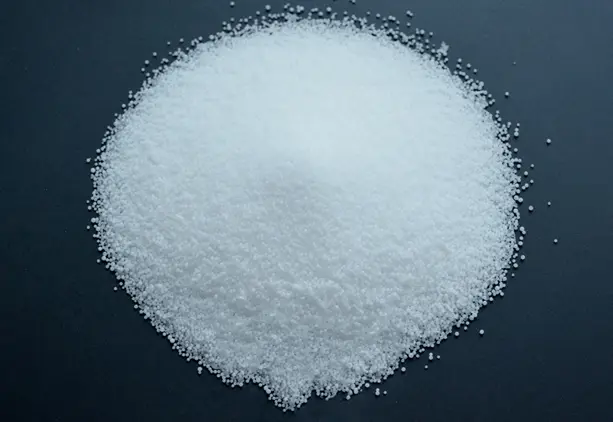
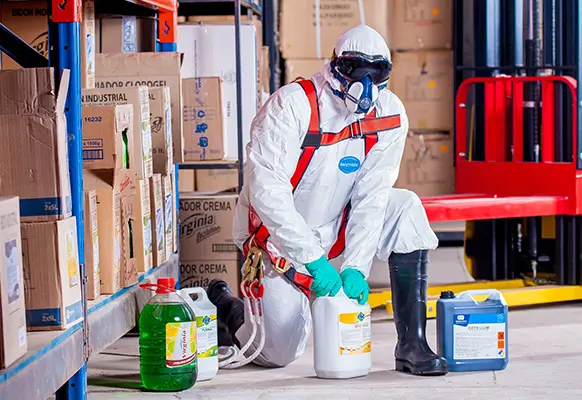
Premium functional materials optimized for critical formulation pathways.
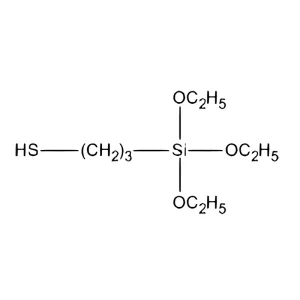
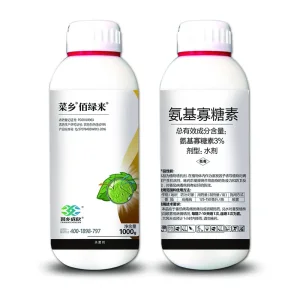
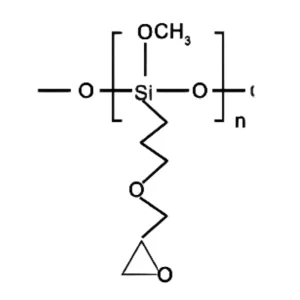
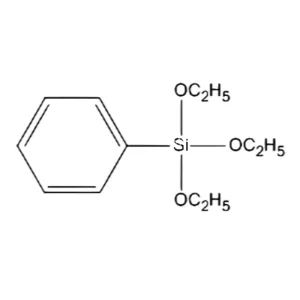
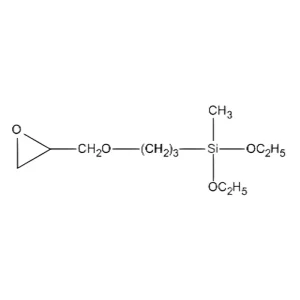
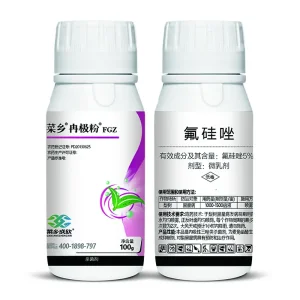
Real-world integration of Boctok's vinyl functional silanes in Argentinian industrial projects.
Patagonia hosts some of the world's most productive onshore wind corridors. The power transmission cables running from these remote wind farms require long-term moisture barrier insulation. Our Vinyltrimethoxysilane (VTMO) acts as a moisture scavenger and crosslinker in XLPE power cable jackets, preventing premature treeing breakdown and reducing cable maintenance costs in cold, damp environments.
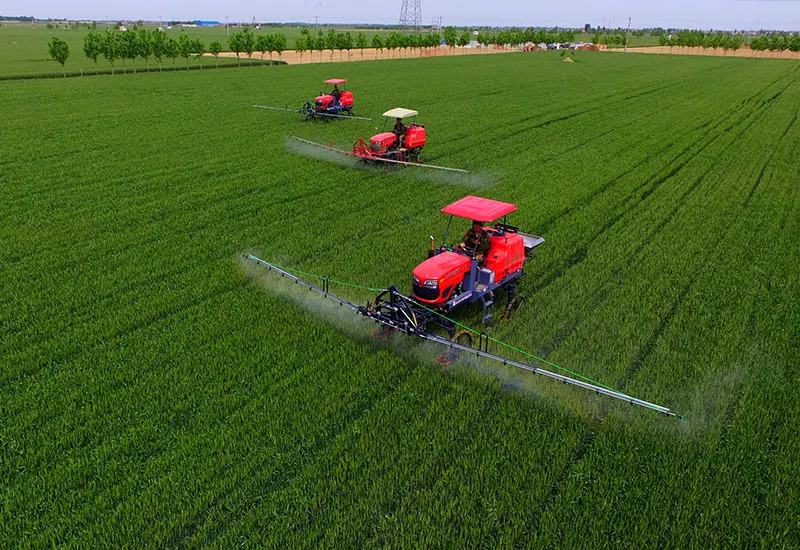
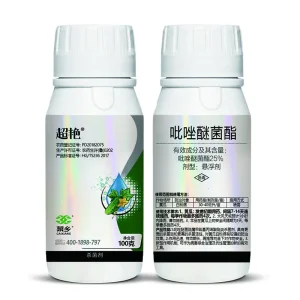
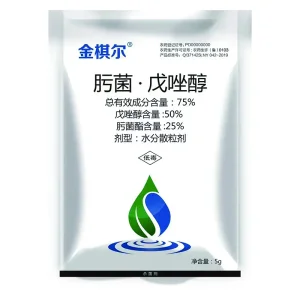
In Argentina's agricultural Pampas region, rainfastness is a primary concern for spray treatments. Using Boctok's custom-engineered Pyrazole intermediates and silicone wetting adjuvants, regional pesticide manufacturers are formulating crop treatments that bond tightly to waxy leaf cuticles, maintaining efficacy even during sudden downpours.
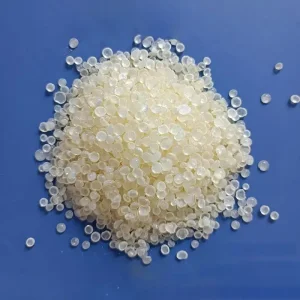
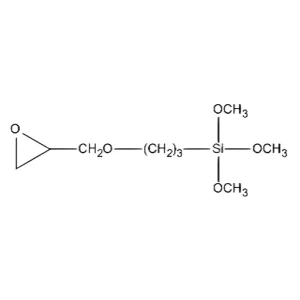
Automotive assembly lines in Buenos Aires and Córdoba use Boctok AMS C5/C9 petroleum resins and epoxy silane oligomers. These components modify primers, providing excellent stone-chip resistance and adhesion to steel substrates, ensuring vehicles can handle Argentina's varied road conditions.
Addressing the chemical, operational, and logistical requirements of sourcing functional silanes.
The choice depends on the required hydrolysis speed. Vinyltrimethoxysilane features methoxy groups, which hydrolyze significantly faster than the ethoxy groups in Vinyltriethoxysilane. If your processing system (such as XLPE extrusion or rapid-setting adhesive compounding) requires fast moisture-curing rates, CAS 2768-02-7 is preferred. If you need a more stable system during compounding or demand lower byproduct toxicity (ethanol release instead of methanol), CAS 78-08-0 is the ideal choice.
Distributed Control Systems (DCS) control all reaction temperatures, feed speeds, and distillation columns. This level of process control ensures that key parameters like active purity, refractive index, and viscosity remain consistent from batch to batch. Coupled with our Safety Instrument System (SIS), it reduces the risk of unplanned plant shutdowns, helping us hit our delivery targets for international shipments.
Vinyl silanes are highly moisture-sensitive. They must be stored in original, unopened airtight containers under a dry nitrogen blanket. Keep them in a cool, well-ventilated warehouse away from open flames, oxidizers, and acidic or basic catalysts. Exposure to ambient moisture will trigger self-condensation, leading to polymerization and gel formation.
By securing direct feedstock contracts with energy majors like SINOPEC and PetroChina, Boctok mitigates the impact of volatility in the petrochemical markets. This stable upstream pipeline allows us to offer predictable pricing and reliable supply volumes, even during shifts in the global supply chain.
Reach out to our technical engineering team for custom formulation audits, product samples, or bulk logistics quotes tailored to South American ports.
 Boctok Chemical