Advanced chemical agents synthesized to enhance durability, thermal resistance, and water repellency in localized Greek industrial processes.
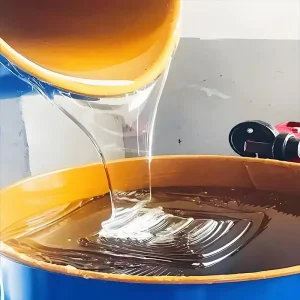
The Greek industrial landscape has unique demands, driven by its expansive maritime history, thriving construction sector, Mediterranean agricultural requirements, and specialized tourism-centric light manufacturing. As a crucial maritime hub connecting Europe, Asia, and Africa, Greece's manufacturing demands are shaped by high-salinity marine environments, strict European Union environmental mandates (including REACH regulations), and a strong need for chemical durability. Organosilicon products, particularly high-purity silicone oils, have transitioned from general process additives to critical performance molecules across Greece’s economic sectors.
Shandong Boctok Chemical Co., as a premier supplier of chemical materials, provides tailored organosilicon and silane coupling agent formulations optimized for Greek climates and regulatory landscapes. By integrating precision synthesis with robust supply chain pathways through the Port of Piraeus, we ensure that Greek industrial manufacturers receive high-performance silicone fluids with absolute batch consistency and compliance.
Greece owns the largest merchant fleet globally, placing shipping at the center of its national economy. Maritime assets stationed in ports like Piraeus, Elefsina, and Syros are constantly exposed to aggressive seawater corrosion, biofouling, and extreme solar ultraviolet radiation. Traditional coatings often struggle under these conditions.
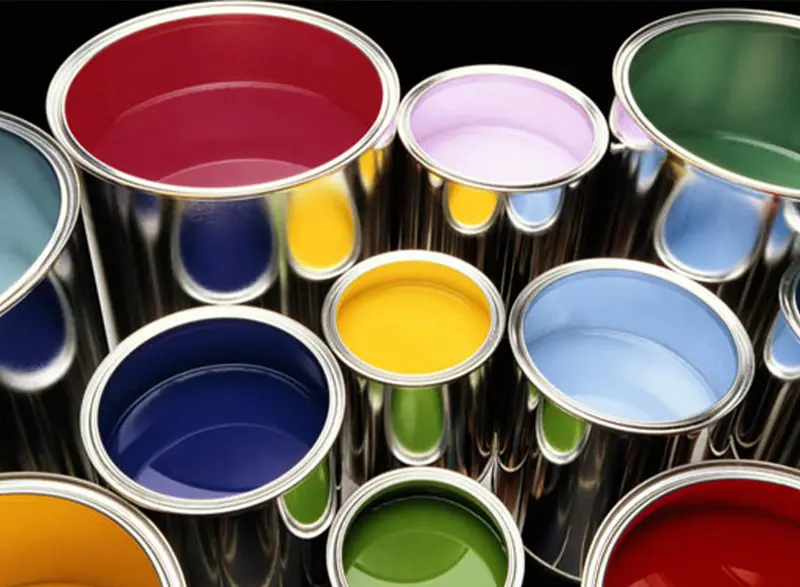
Modern marine paint formulations depend heavily on reactive silicone oils and silane coupling agents. Vinyl silicone oils and phenylmethylsilicone fluids are integrated into coating binders to form a hydrophobic barrier. This molecular shield prevents moisture infiltration and reduces surface tension, making it harder for marine organisms to adhere to ship hulls. Additionally, specialized organofunctional silanes improve adhesion between anti-corrosive organic coatings and metal substrates, extending service intervals and lowering fuel consumption for shipping operations.
From classical marble monuments to modern concrete architecture, Greece’s building stock is exposed to high solar load, thermal expansion, and coastal moisture. Water infiltration is the primary driver of stone erosion, concrete carbonation, and paint peeling in Greek historic coastal areas.
Using methyl hydrogen silicone fluids and silanol-terminated polymers allows developers to create deeply penetrating water-repellent systems. These silicone fluids react with atmospheric moisture and mineral surfaces within pores, forming a microscopic silicone resin network that blocks liquid water while remaining vapor-permeable. This breathability is essential for historic stone structures, preventing trapped moisture from causing structural cracking during seasonal temperature shifts.
Global Annual Sales (2023)
Annual Silane Production
DCS Automated Production
REACH & ISO9001 Compliant
Functional monomer technologies to improve compatibility between organic polymers and inorganic surfaces in composite systems.
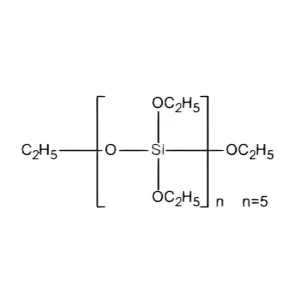
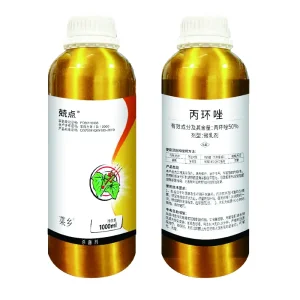
How we engineer silicone liquids and silane architectures to match demanding application environments.
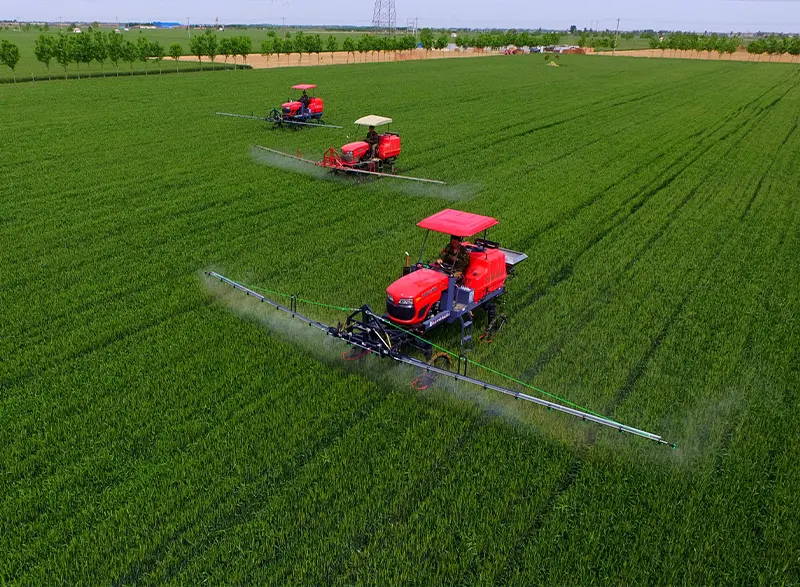
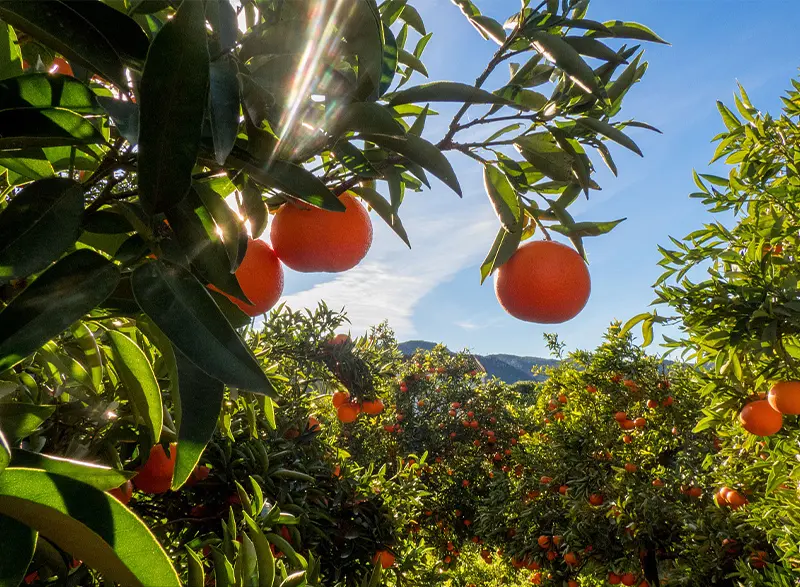
The agricultural regions of Macedonia, Thessaly, and the Peloponnese require highly efficient crop protection strategies. In these hot, dry conditions, water evaporation is high, and water droplet runoff reduces the effectiveness of crop sprays.
To address this, organosilicon-based agricultural adjuvants are designed using trisiloxane ethoxylates. These super-spreading agents drastically reduce the surface tension of aqueous pesticide mixtures compared to conventional surfactants. This allows spray droplets to spread evenly over hydrophobic leaf surfaces, ensuring better pesticide absorption and reducing wash-off from unexpected rain. Consequently, Greek agricultural operations can reduce overall chemical application rates while maintaining crop health.
The Greek personal care sector relies heavily on natural Mediterranean ingredients combined with modern cosmetic technology. High sun exposure in Greece also drives demand for advanced sun protection products.
Boctok’s cosmetic-grade dimethicones, cyclopentasiloxanes, and phenylmethylsilicone fluids are key components in modern sun care and skin care formulations. Phenyl trimethicone provides a high refractive index, enhancing hair shine and minimizing the white cast of physical UV blockers like titanium dioxide and zinc oxide. These silicone fluids are non-greasy, spread easily, and form a water-resistant layer, protecting active ingredients even after swimming or sweating.
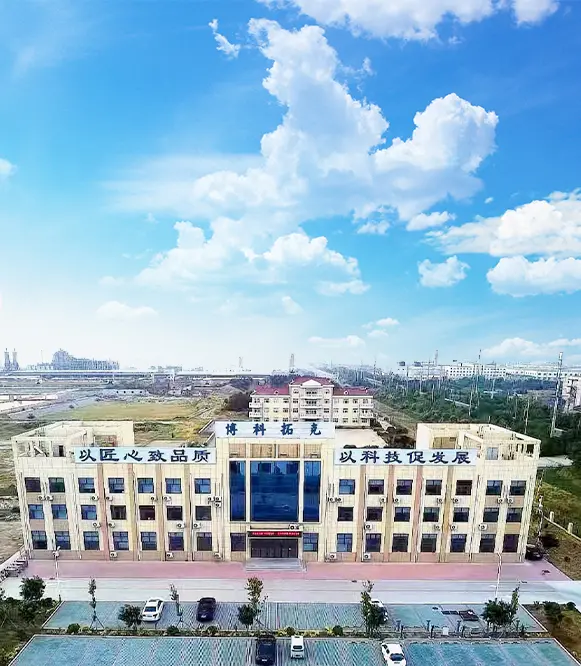
Established in 2012, Boctok combines large-scale manufacturing with stringent quality control and global logistics expertise.

Every batch undergoes rigorous quality testing. We run ISO9001-certified processes to ensure our products meet strict international standards.

With an investment of $65M in our Shouguang chemical park, we operate 6 automated DCS lines, producing 30,000 tons of silane annually.

Our technical and logistics teams are available to support you, helping you choose the right product and coordinate shipments to Greece.

We work with global ocean carriers to offer reliable shipping routes into the Port of Piraeus, helping Greek distributors manage inventory efficiently.
Shandong Boctok Chemical Co. was founded in 2012 as the marketing and sales center for Boctok™ domestic and international business. Driven by technical innovation and reliable supply, the company achieved sales of US$280 million in 2023. Our brand focuses on serving key international hubs, including Russia, Europe, and the Mediterranean.
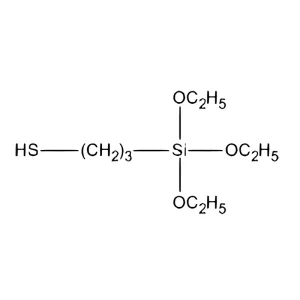
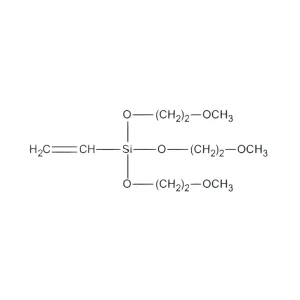
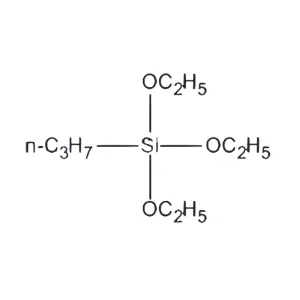
Our core organosilicone business includes twelve series of silane coupling agents and crosslinkers: aminosilanes, methacrylate silanes, epoxy silanes, vinyl silanes, mercaptosilanes, alkyl silanes, ethyl silicate, chlorosilanes, silane isocyanates, phenyl silanes, ureidosilanes, and serosilanes. We also manufacture silicone oils, silicone resins, and silicone rubbers, including high-hydrogen silicone oil, dimethicone, vinyl silicone oil, polyphenylmethyldimethylsiloxane, phenyl silicone oil, silanol silicone oil (OH polymer), alkoxy silicone oil, methyl MQ resin, vinyl VMQ resin, room-temperature vulcanized (RTV) methyl silicone rubber, 110 methyl vinyl silicone rubber, and 120 methyl phenyl rubber.
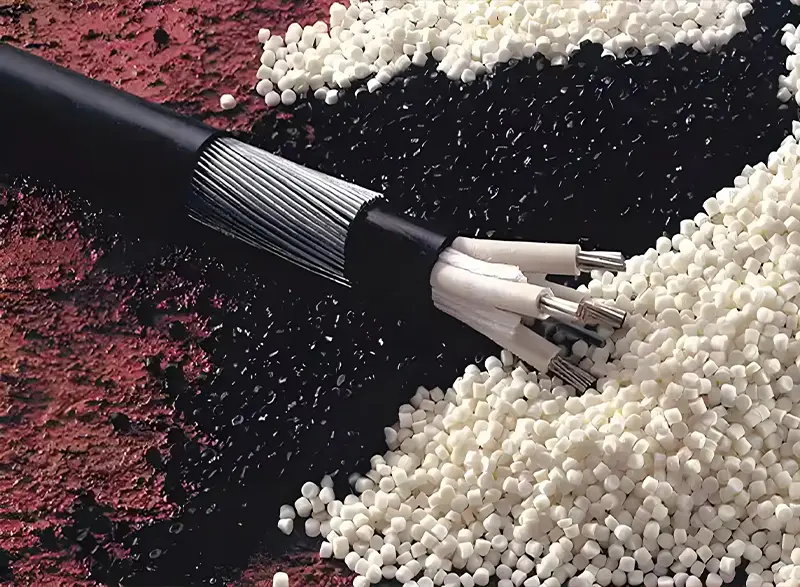
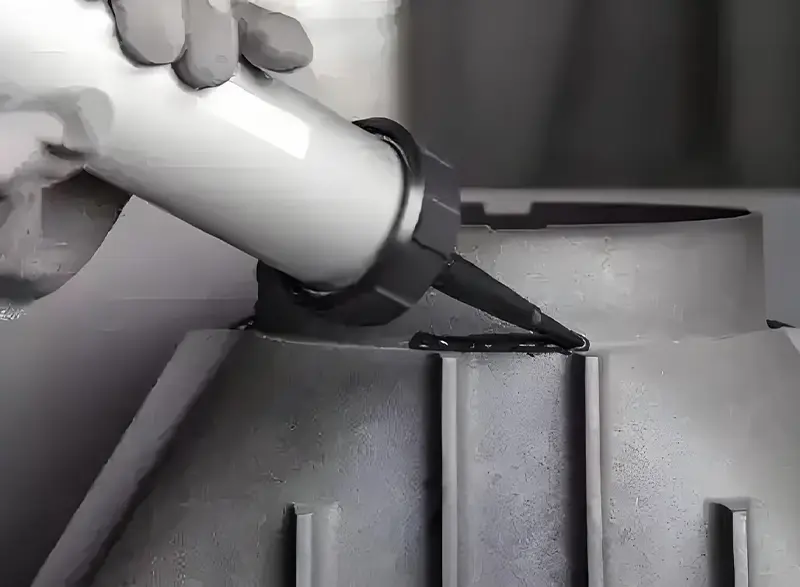
These materials are used globally across diverse applications, including glass fiber composites, electronics, wind energy, daily chemical products, coatings, adhesives, cross-linked polyethylene (XLPE) electric cables, hot water pipes, oilfield drilling, textiles, rubber compounding, and industrial molding.
Our secondary core business focuses on hydrocarbon resins. We have invested in a key hydrocarbon resin manufacturer in China, with three modern factories in Zibo, Fushun, and Nanjing. Using feedstocks from SINOPEC and PetroChina, we manufacture C9 hydrogenated resins, C5 hydrocarbon resins, C5 modified C9 hydrocarbon resins, C9 hydrocarbon resins, dicyclopentadiene, and methyl cyclopentadiene dimer.
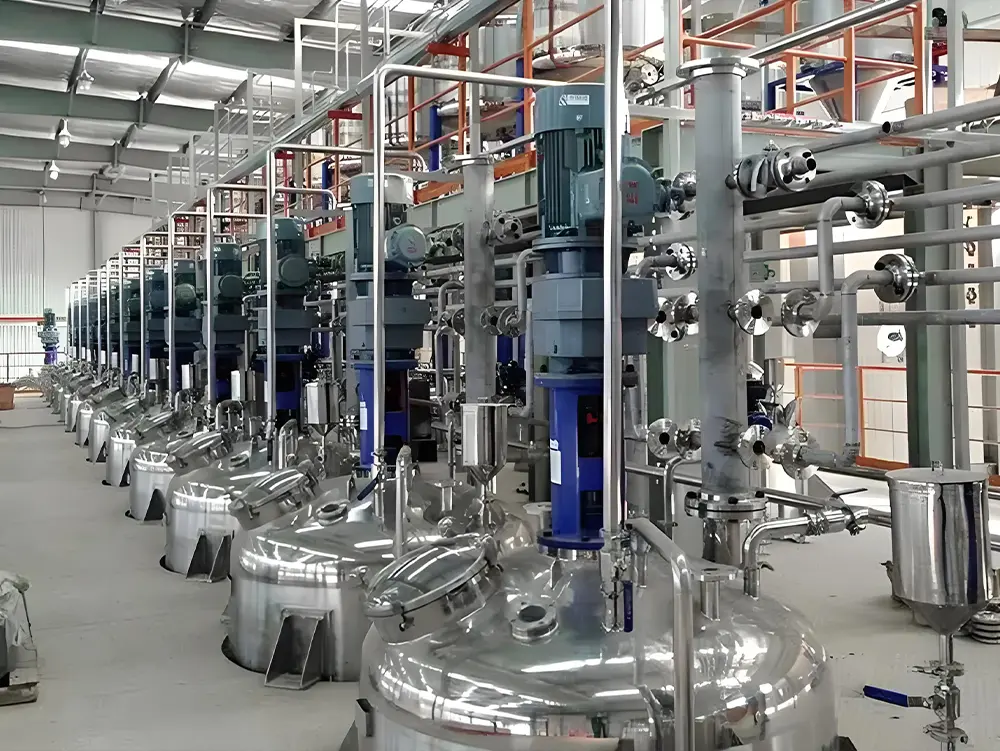
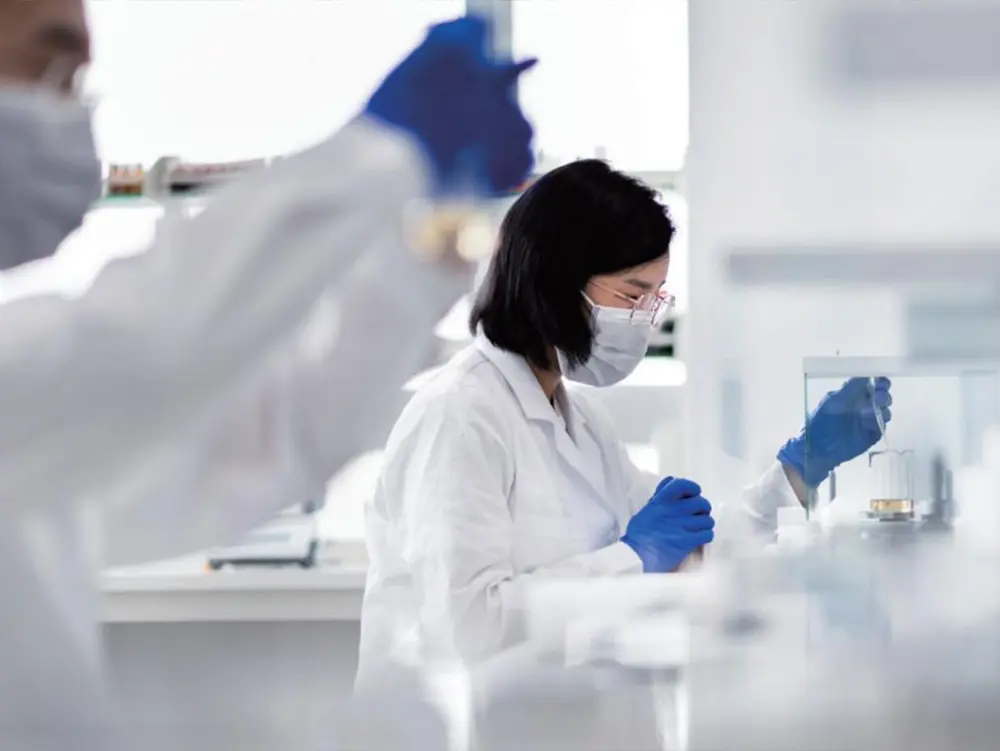

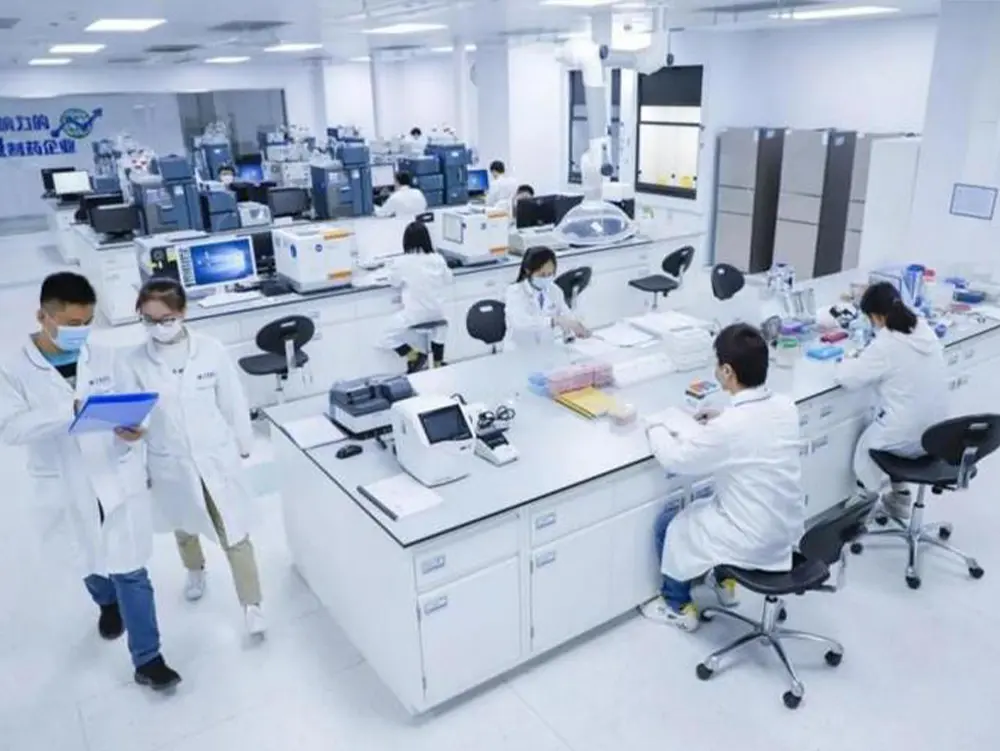
Boctok products are integrated into major manufacturing sectors throughout Greece and globally.





Insights on formulation, storage, and logistics for Greek importers.
In sun care formulations, low-viscosity dimethicone (5 cSt to 50 cSt) is typically chosen to ensure rapid skin absorption and prevent a greasy feel. For water-resistant applications, high-viscosity dimethicone (350 cSt to 1,000 cSt) helps form a persistent hydrophobic barrier on the skin. A blend of both allows formulators to optimize both sensory feel and product performance.
Methyl hydrogen silicone oil (CAS 63148-57-2) contains reactive Si-H bonds. Under the influence of catalysts and heat during gypsum board drying, these bonds hydrolyze and crosslink to form a hydrophobic silicone network. This treatment significantly reduces the water absorption rate of drywalls while keeping them vapor permeable.
We coordinate ocean freight shipments to the Port of Piraeus and the Port of Thessaloniki. We provide standard export documentation, safety data sheets (SDS) in English, and support Greek customs clearance agents to ensure efficient transit times from our Shouguang manufacturing facilities.
Silane coupling agents act as chemical bridges between inorganic substrates (such as glass fibers) and organic polymers (such as polyester or epoxy resins). The alkoxy groups hydrolyze and bond with the inorganic glass surface, while the organofunctional group reacts with the resin. This chemical bond improves the mechanical strength, moisture resistance, and overall durability of the composite material.
Complete product catalog, including functional silicone fluids, silanol polymers, and specialized agricultural intermediates.
Contact our technical team for custom viscosity requirements, formulation support, and chemical supply arrangements for the Greece market.
Send Inquiry Now Boctok Chemical