Standardized high-purity organosilicon reagents optimized for hydrolytic deposition, crosslinking, and surface coupling.
The industrial architecture of South Korea has evolved into a global powerhouse for high-tech manufacturing, spearheaded by conglomerates in semiconductors, display screens, electronic materials, and clean-energy electric vehicles. Silicone ethers and special alkoxysilanes represent a critical sub-segment of chemicals required as molecular coupling agents, adhesion promoters, and chemical vapor deposition (CVD) precursors.
Within this highly demanding regulatory and performance structure, chemical products must show flawless batch-to-batch consistency. The integration of silicone-polyether copolymers and structural silanes directly impacts the yield rates of semiconductor fabrication lines in locations like Hwaseong, Pyeongtaek, and Icheon. Similarly, automotive assembly facilities require highly specialized silane-grafted polymers (XLPE) for automotive cable insulation and electric vehicle battery sealants.
Understanding structural differences in chemical sourcing, processing, and application standards.
While the global market often operates on standard industrial grades (98% purity), the Korean tech ecosystem demands electronic-grade silanes reaching up to 99.999% purity. This minimized trace-metal profile prevents defective oxide layers in micro-fabrication.
Organo-functional silicone ethers undergo hydrolytic condensation to form strong siloxane networks. The reaction speed is chemically calibrated to accommodate the processing temperatures of Korean machinery and automated cleanroom setups.
Global logistics demand strict safety margins. Products like non-toxic catalysts, low-VOC crosslinkers, and green solvent-based alkoxysilanes satisfy the safety criteria mandated by major electronic brands.
| Functional Monomer Group | Common CAS Registry | Hydrolysis Rate Control | Primary Industrial Use in Korea |
|---|---|---|---|
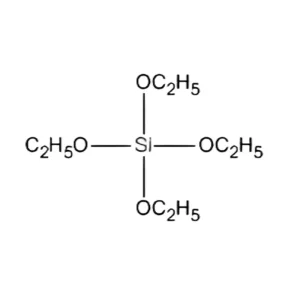
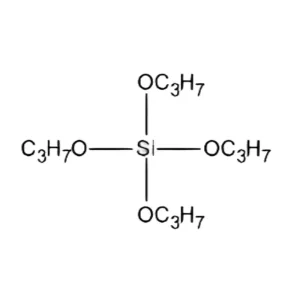
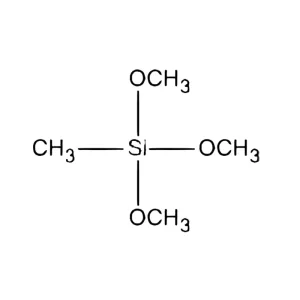
| Tetraethoxysilane (TEOS) | 78-10-4 | Moderate (Acid/Base catalyzed) | Silicon dioxide film formation, CVD coating, sol-gel glass synthesis |
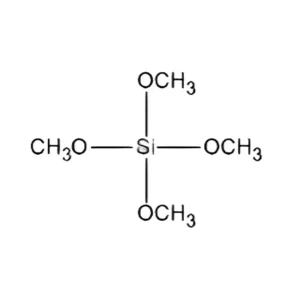
| Tetramethoxysilane (TMOS) | 681-84-5 | Rapid Hydrolysis | High-purity silica gel, micro-electronics dielectric layers |
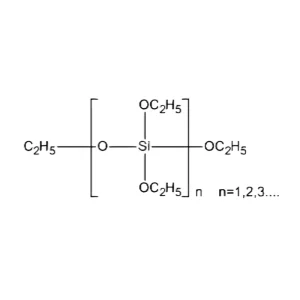
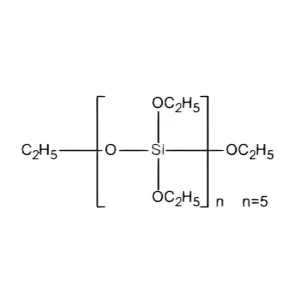
| Ethyl Silicate 40 (ES-40) | 11099-06-2 | Slow & Controllable | Binder in refractory materials, zinc-rich paint formulas for shipbuilding |
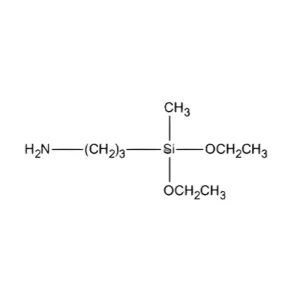
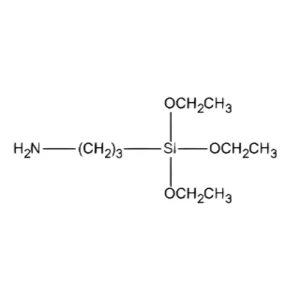
| Aminosilanes (e.g. AMEO) | 919-30-2 | Fast self-catalyzing | Glass fiber sizing, coupling epoxy coatings on circuit boards |
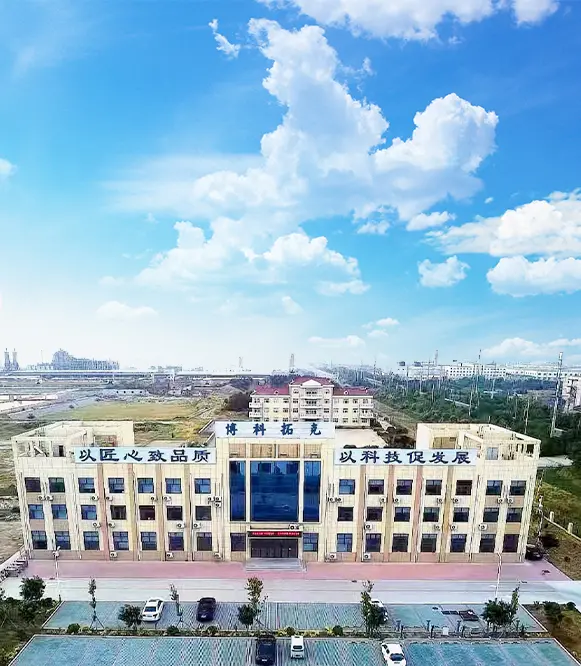
Shandong Boctok Chemical Co. was founded in 2012 as a marketing and sales center for Boctok™ domestic and overseas businesses and achieved sales of US$280 million in 2023. The BOCTOK brand specializes in serving complex international requirements with dedicated regional service lines.
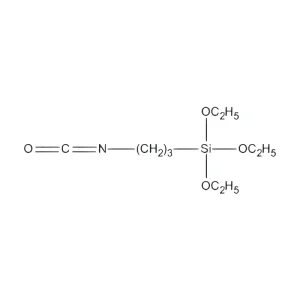
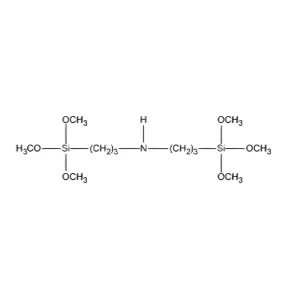
Our industrial output covers twelve distinct series of silane coupling agents and crosslinkers. These product lines include aminosilane, methacrylate silane, epoxy silane, vinyl silane, mercaptosilane, alkyl silane, ethyl silicate, chlorosilane, silane isocyanates, phenyl silane, ureidosilane, and serosilane.
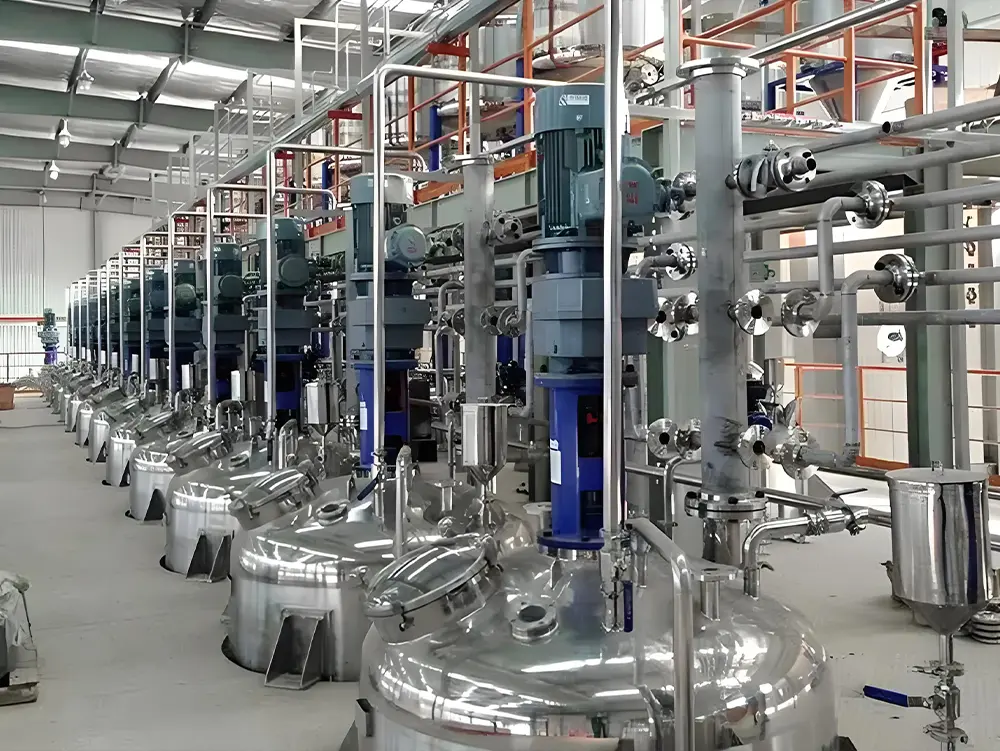
We operate advanced industrial infrastructure, including silicone fluid reactors, specialized MQ resins processing machinery, and modern RTV rubber compound blending facilities. These setups support industries worldwide by delivering stable physical and chemical properties in every batch.
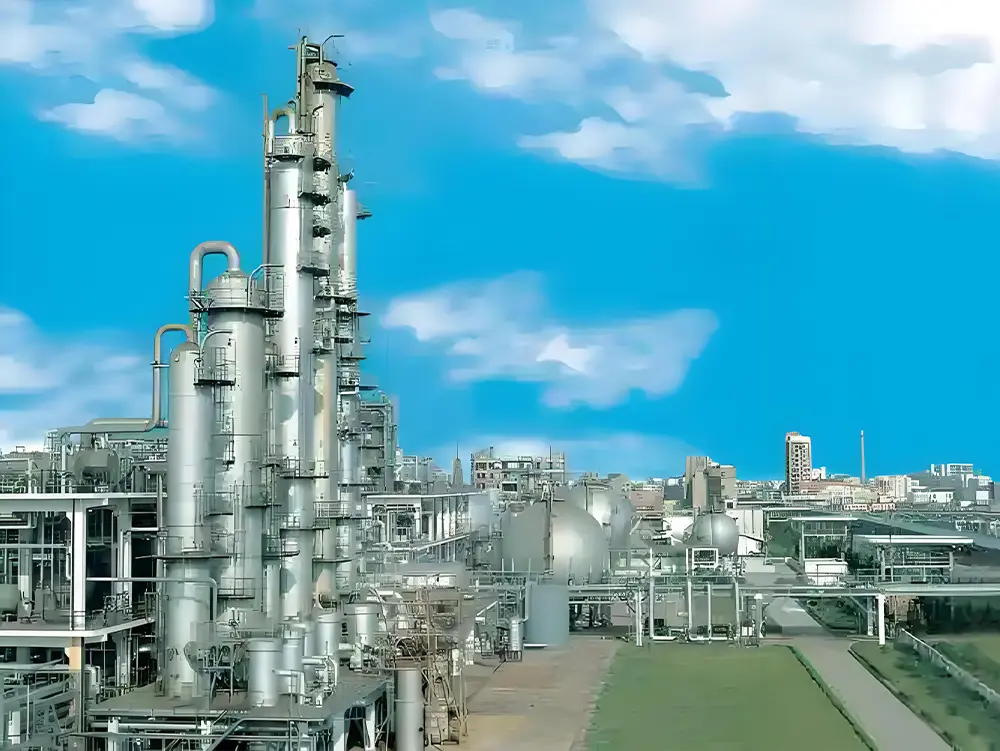
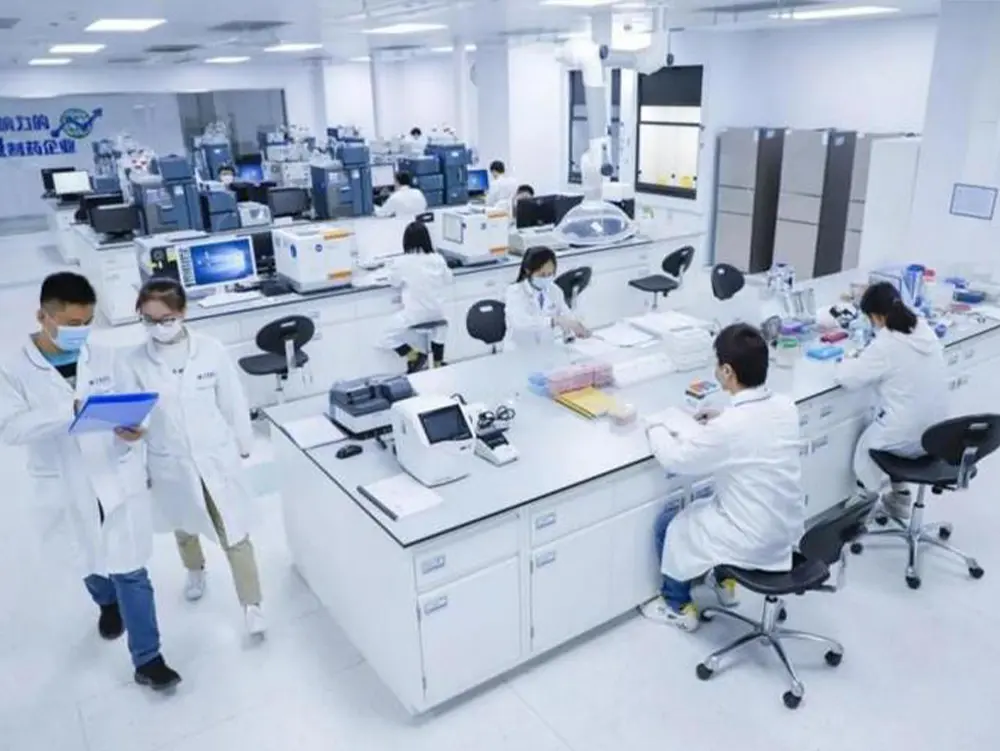
Beyond our organosilicone portfolio, Boctok operates a Tier II business focused on petroleum resins. Through strategic investments in China's leading hydrocarbon resin facilities located in Zibo, Fushun, and Nanjing, we secure feedstock directly from SINOPEC and PetroChina.
These advanced production sites produce C9 hydrogenated resins, C5 hydrocarbon resins, C5 modified C9 hydrocarbon resins, and dicyclopentadiene. These products serve as primary tackifiers in hot-melt adhesives, tire rubber formulations, and paint systems utilized by industrial manufacturers in Korea and global markets.
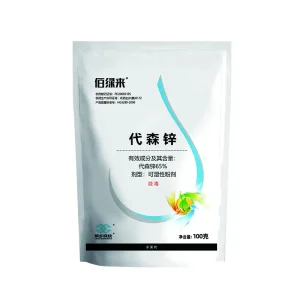
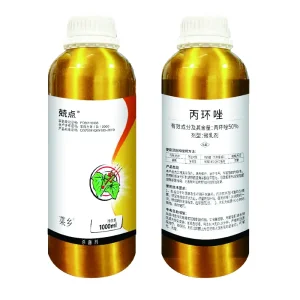
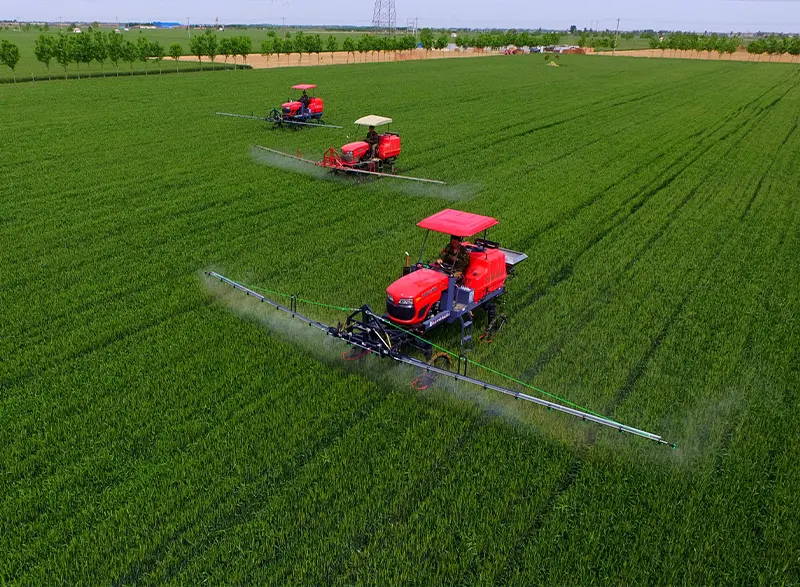
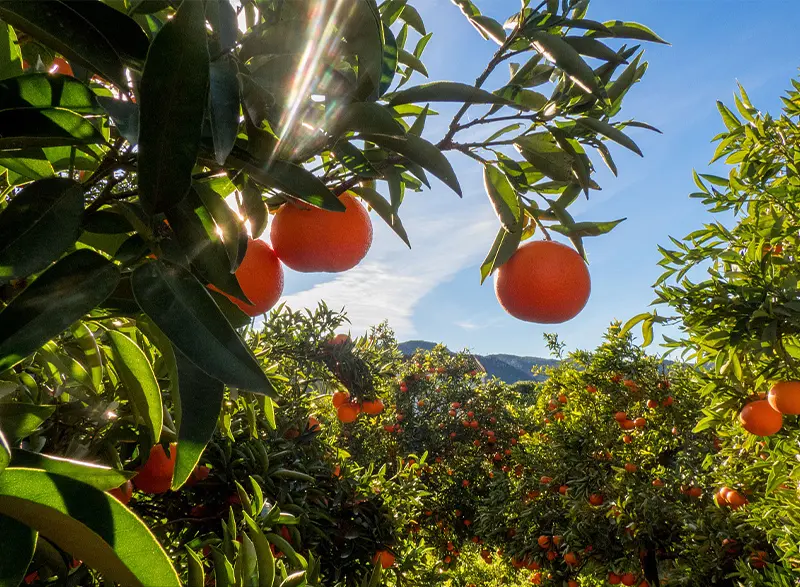
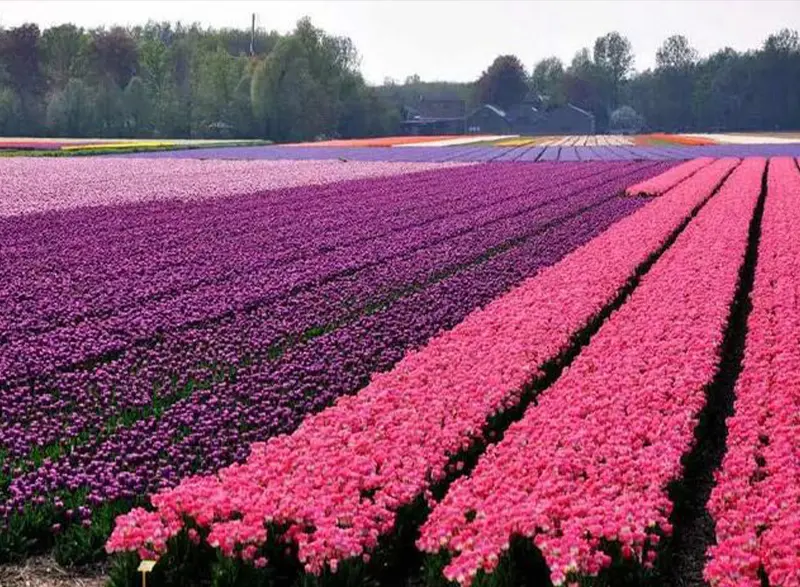
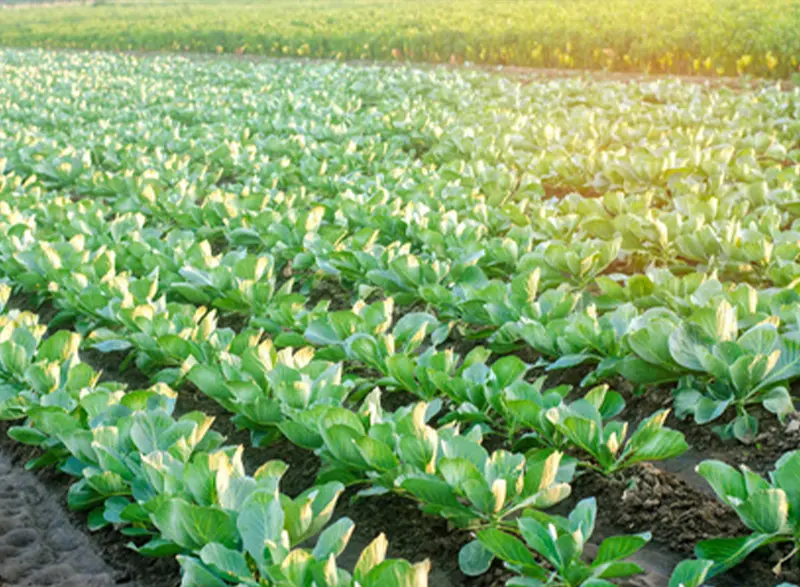
Boctok also serves the agricultural chemical sector, synthesizing high-grade active ingredients, chemical intermediates, and formulation additives. Our product range supports manufacturing plants producing pesticides, fungicides, seed treatments, herbicides, and plant growth regulators.
Bridging chemical synthesis and practical industrial applications across global manufacturing markets.

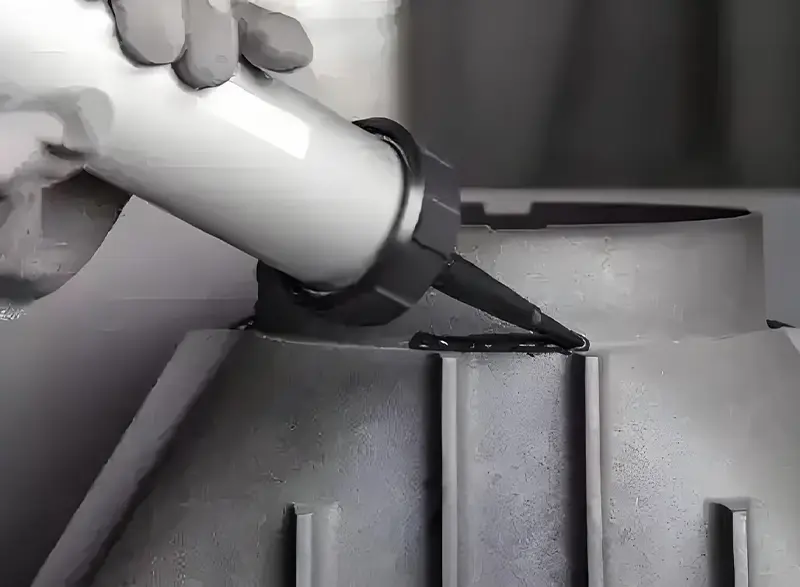
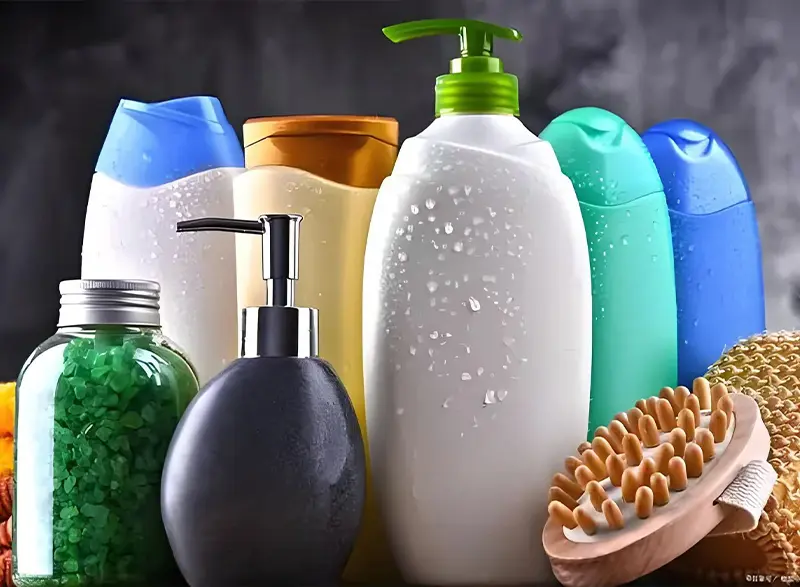
Providing custom formulations and specialized chemical grades across diverse industrial categories.

Providing critical organic intermediates, synthesis reagents, and biological carriers.

Specialized silicone fluids and petroleum resins serving as softeners, film formers, and stabilizers.
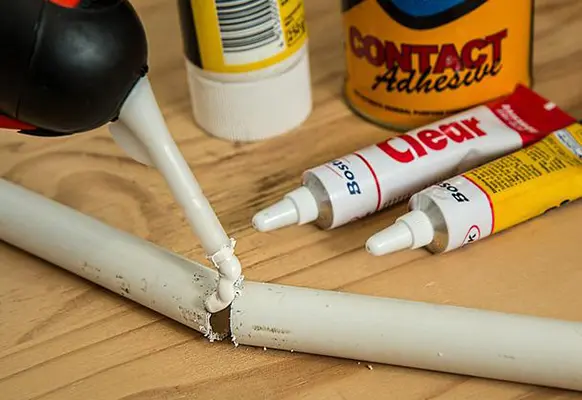
Tackifying hydrocarbon resins for hot-melt formulations and structural adhesives.
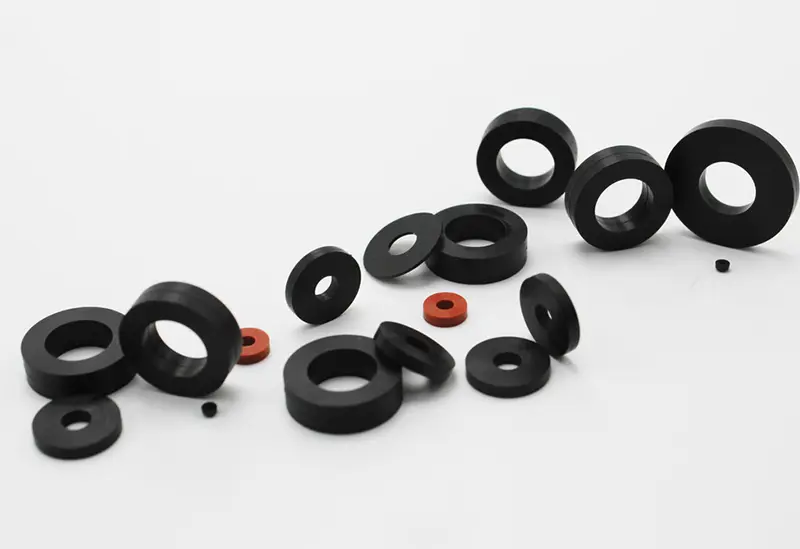
Silane coupling agents designed to improve dispersion in silica-filled rubber compounds.
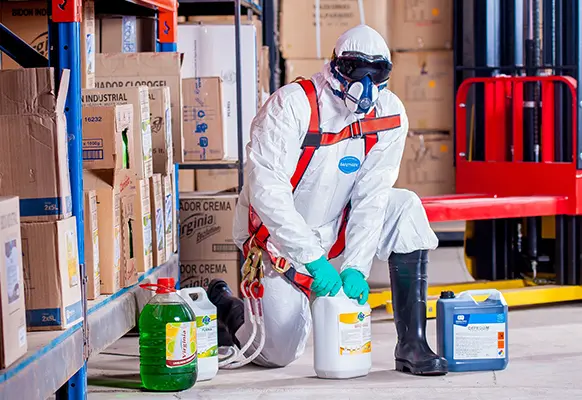
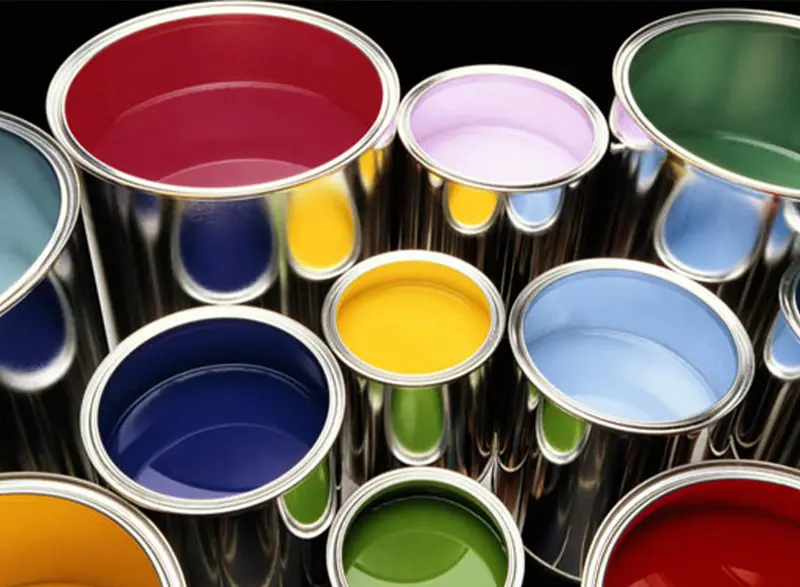
Resins and crosslinkers that improve weather resistance, scratch resistance, and adhesion to metals.
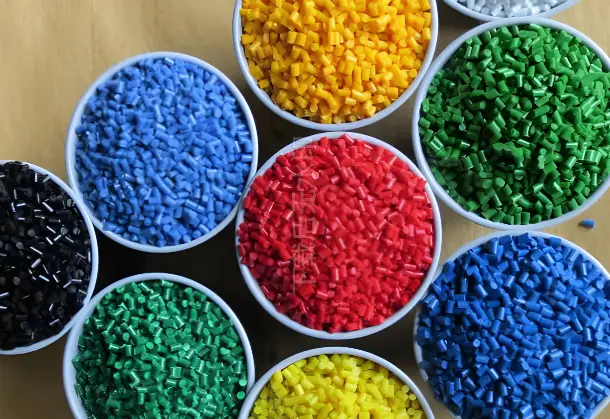
Modifiers and processing aids designed to improve tensile strength and compounding properties.
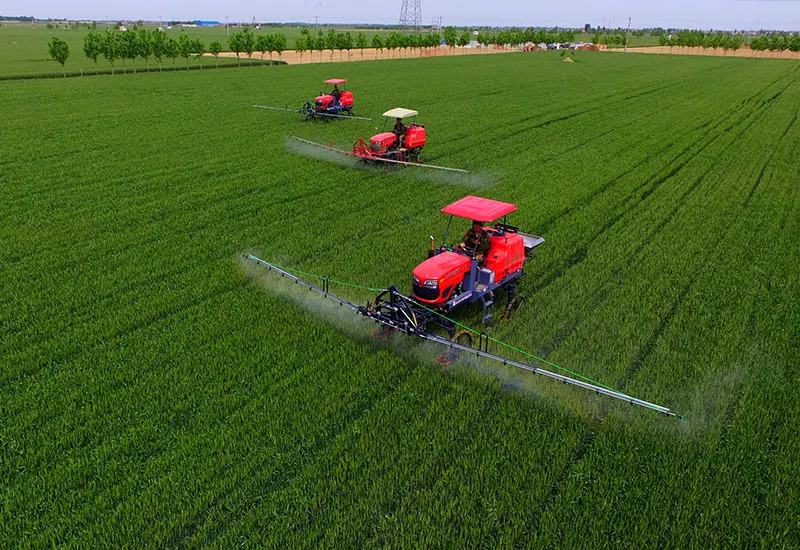
Adjuvants and surfactants that improve wetting and chemical penetration on foliage.
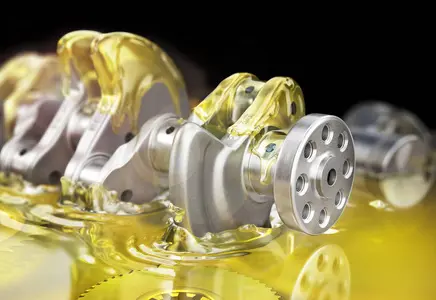
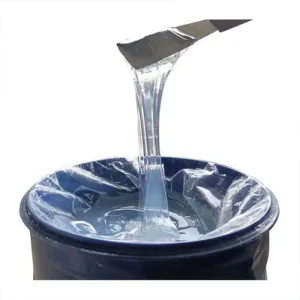
Specialized liquid silicone rubbers that release lubrication over time for dynamic sealing.
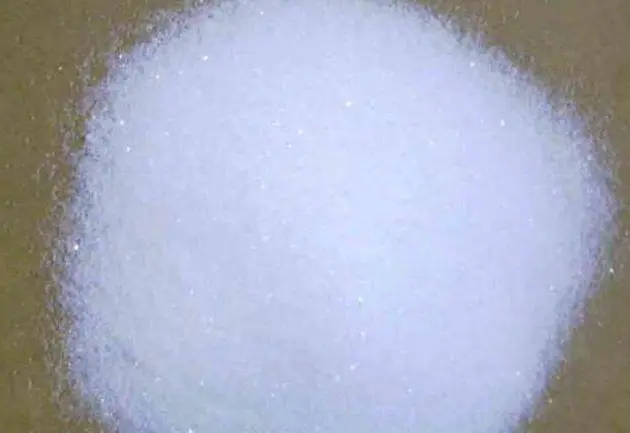
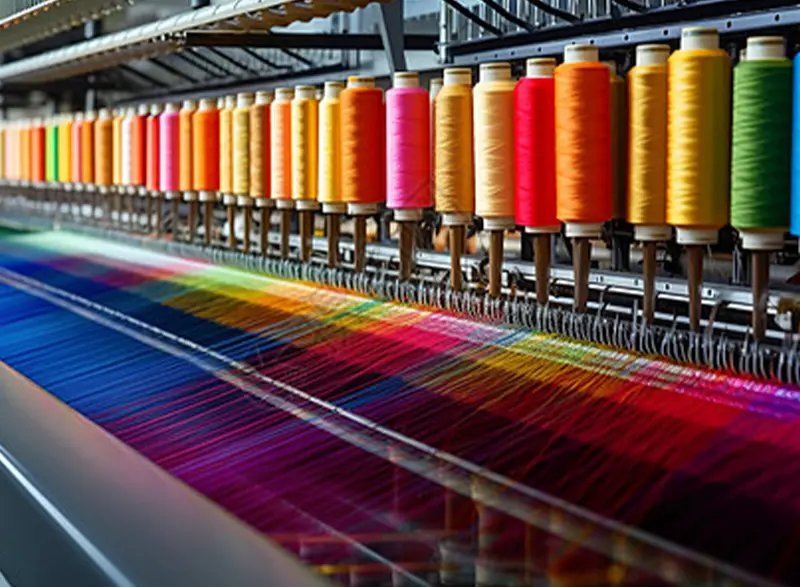
Highly efficient defoamers designed for paper manufacturing, water treatment, and textile dyeing.

Waterproofing additives that reduce water absorption in gypsum cores.

Ultra-clean dielectric coatings, thermal management sealants, and potting compounds.

Siloxane coatings that protect brick, concrete, and stone from environmental degradation.
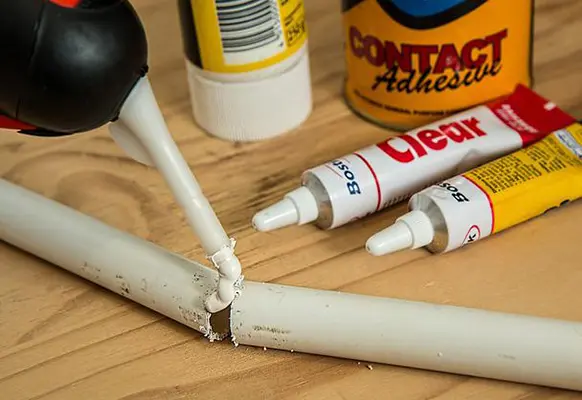
High-movement weatherproofing joints and structural glazing siloxanes.
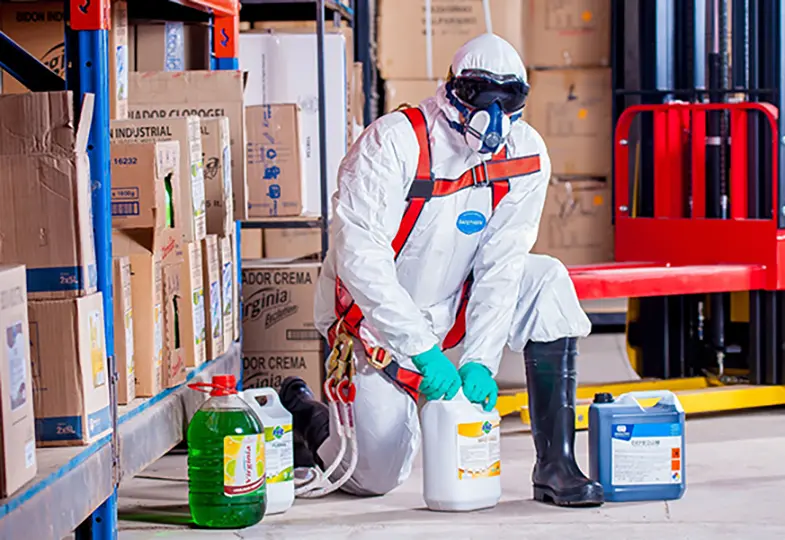
Additive solutions designed to improve gloss retention and UV degradation resistance.

Chrome-free passivation treatments based on organo-functional coupling agents.
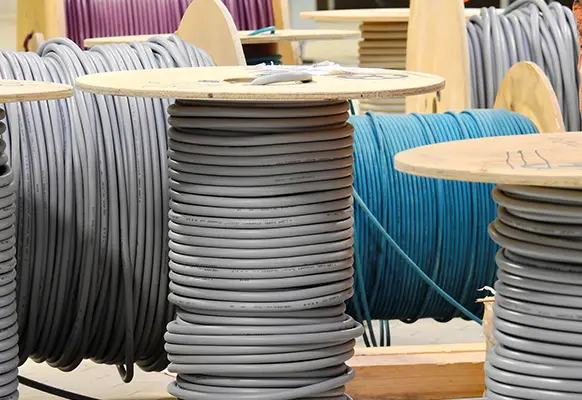
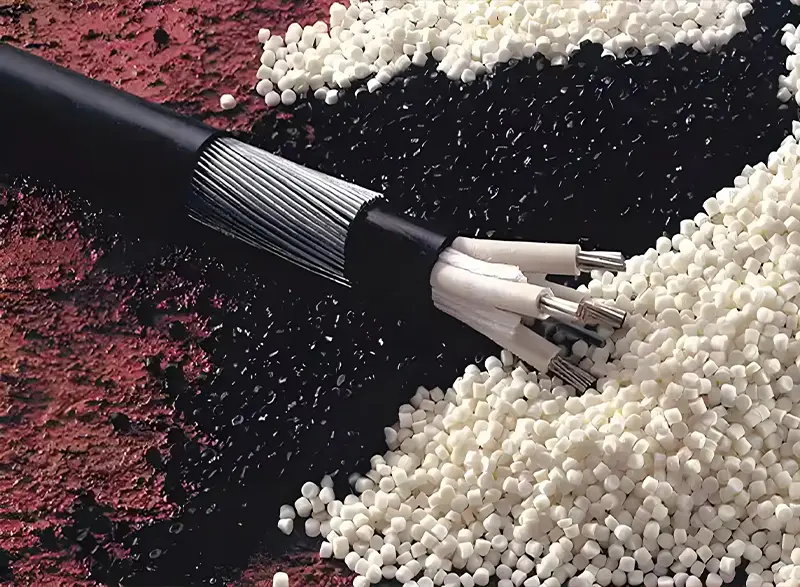
Vinyl and moisture-curable silane solutions for power transmission networks.
Organo-functional silicone ethers undergo hydrolytic condensation to form strong siloxane networks. The reaction speed is chemically calibrated to accommodate the processing temperatures of Korean machinery and automated cleanroom setups.
$$R\text{-}Si(OR')_3 + 3H_2O \xrightarrow{\text{Acid/Base catalyst}} R\text{-}Si(OH)_3 + 3R'OH$$
Alkoxy functional groups react with environmental or added water to generate reactive silanol monomers and alcohol byproducts.
Silanol groups condense spontaneously to form siloxane chains ($Si\text{-}O\text{-}Si$), generating oligomeric structures that bond with inorganic interfaces.
The non-hydrolyzable organic radical ($R$) aligns outward, creating a hydrophobic layer that prevents water ingress and oxidation at the interface.
Our Shouguang R&D facility focuses on improving the thermal and physical performance of our products:
Optimized industrial material supply chains designed for major manufacturing centers in Korea.
Collaborated with electronic packaging distributors in Gyeonggi-do to supply high-purity Tetraethoxysilane (TEOS). The material's low metal impurity profile supports deposition uniformity in high-aspect-ratio wafer architectures.
Supplied specialized vinyl silane coupling agents to major wire and cable compounders in Ulsan. The resulting crosslinked polyethylene (XLPE) insulating matrix shows excellent dielectric properties and resistance to environmental cracking under high thermal loads.
Supported marine paint manufacturers in Busan with Ethyl Silicate 40. Used as a binder in inorganic zinc-rich primers, the product yields fast dry-to-handle times and protects ship hulls from seawater corrosion.
Addressing key questions about composition, chemical stability, and regulatory compliance.
Extended chemical products, coupling agents, and crosslinkers serving global manufacturing supply chains.
Request full analytical specification sheets, SDS documentation, and chemical samples for qualification runs. Our technical service team is available to assist with formulation matching and custom packaging requirements.
 Boctok Chemical