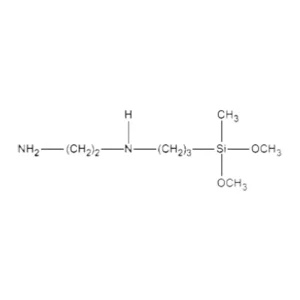
Direct access to technical data sheets (TDS) for elite industrial coupling and crosslinking agents.
The Tokyo metropolitan industrial corridor—spanning from the advanced electronics assembly lines of Ota City to the semiconductor processing clusters in Kanagawa and Saitama—demands an uncompromising tier of chemical reliability. Within this highly sophisticated market, Silane Technical Data Sheets (TDS) serve as the foundational benchmarks for product development, manufacturing quality control, and regulatory compliance.
Japanese advanced manufacturers prioritize high-purity organofunctional alkoxysilanes to execute cross-linking and surface modification procedures. As precision components scale down to the nanometer level, trace contaminants can compromise entire wafer cycles or optical fibers. Our supply lines are designed to match the rigorous demands of Tokyo's engineering teams, offering ultra-pure specifications, certified hydrolysis curves, and exceptional thermal stability profiles.
Mapping the transition toward high-purity, halogen-free, and low-VOC functional silicon compounds.
Global regulations are rapidly shifting toward low-VOC emissions. The chemical structure of silanes is being engineered to replace traditional methoxy groups with ethoxy variants, substantially reducing hazardous methanol discharge during the in-situ hydrolysis phase within structural paints and building materials.
Modern wind turbine blades, high-voltage automotive connectors, and carbon-fiber composites utilize silane coupling agents as molecular bridges. This delivers cross-phase adhesion mechanics that withstand extreme fatigue-cycling, shear loads, and thermal shock profiles.
As micro-circuitry advances past 3nm thresholds, CVD (Chemical Vapor Deposition) precursors demand ultra-pure, electronics-grade silanes. Precise vapor pressure specifications and absence of metal ions in the TDS are mandatory to assure clean deposition layers.
A professional comparative breakdown of chemical structures, key interfaces, and target industrial substrates.
| Silane Category | Functional Group | Primary Substrates | Standard Reactive Resins | Hydrolysis Kinematics |
|---|---|---|---|---|
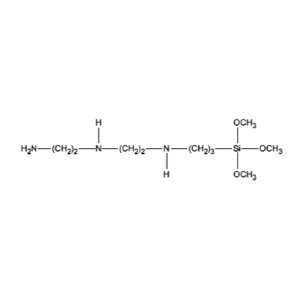
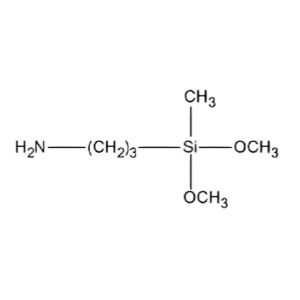
| Aminosilanes | Amino (-NH2, -NH-) | Glass, Silica, Metals (Iron, Copper) | Epoxy, Polyurethane, Phenolic, Acrylic | Fast (Autocatalytic under acidic conditions) |
| Methacryl Silanes | Methacryloxy (-O-CO-C(CH3)=CH2) | Glass fiber, Silica Fillers | Unsaturated Polyester, Acrylics, EPDM | Moderate (pH dependent) |
| Epoxy Silanes | Glycidoxy / Epoxy ring | Glass, Silica, Ceramic, Aluminum | Epoxy, PBT, Polysulfides, PU | Slow to Moderate (Highly stable in storage) |
| Vinyl Silanes | Vinyl (-CH=CH2) | Kaolin clay, Silica, ATH, MDH | XLPE, EPDM, Silicone Elastomers | Extremely fast under catalyst presence |
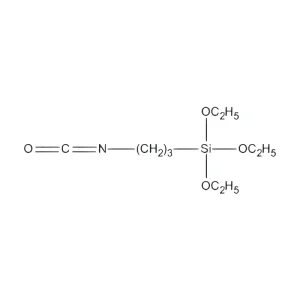
| Isocyanato Silanes | Isocyanate (-N=C=O) | Glass, metals, polymeric films | Polyurethane, MS Polymers, Sealants | Highly moisture reactive |
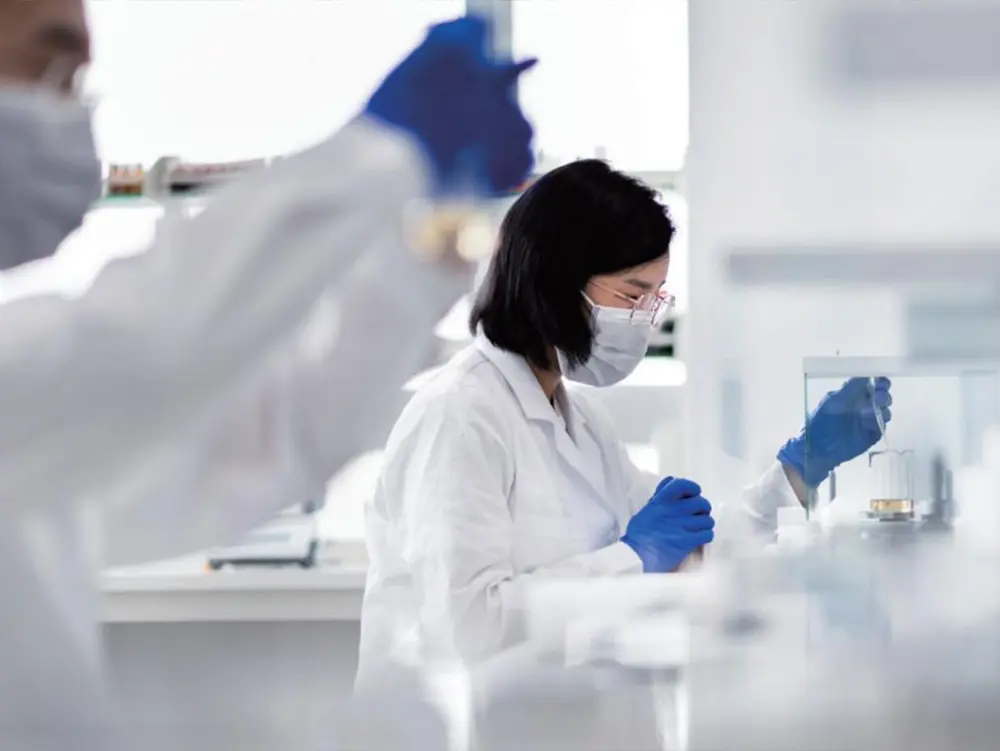
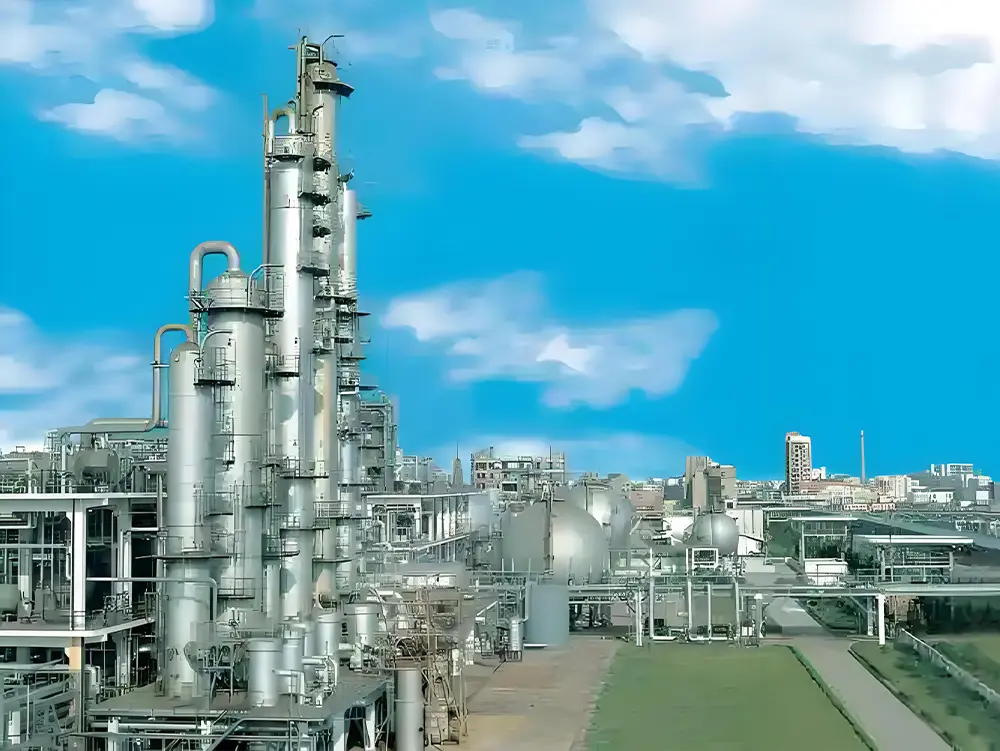
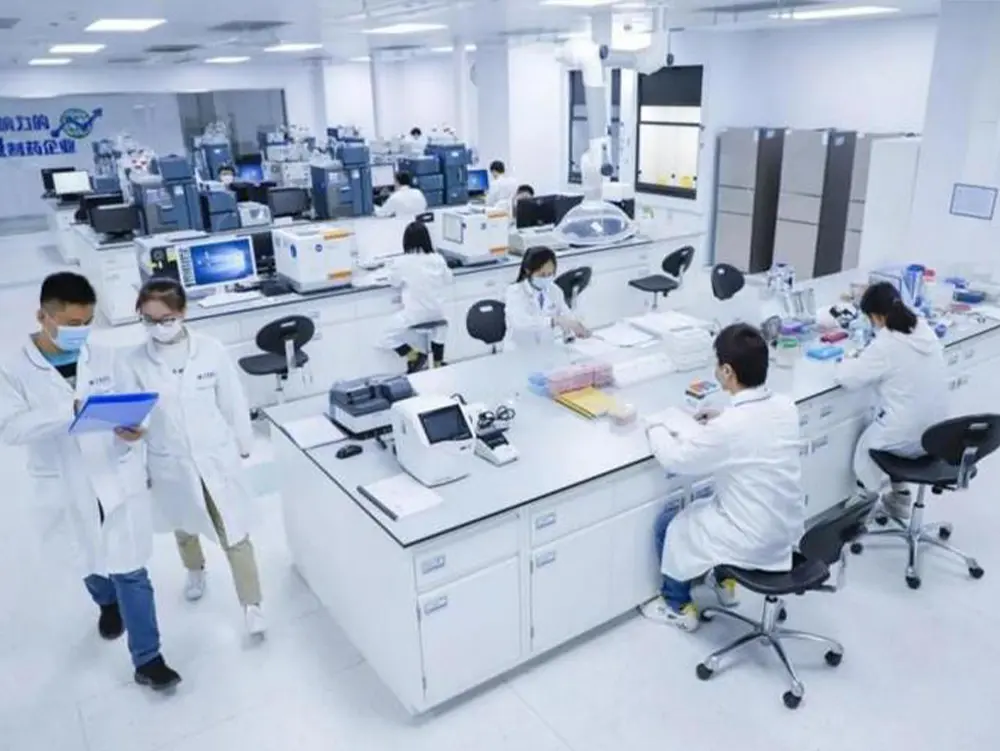
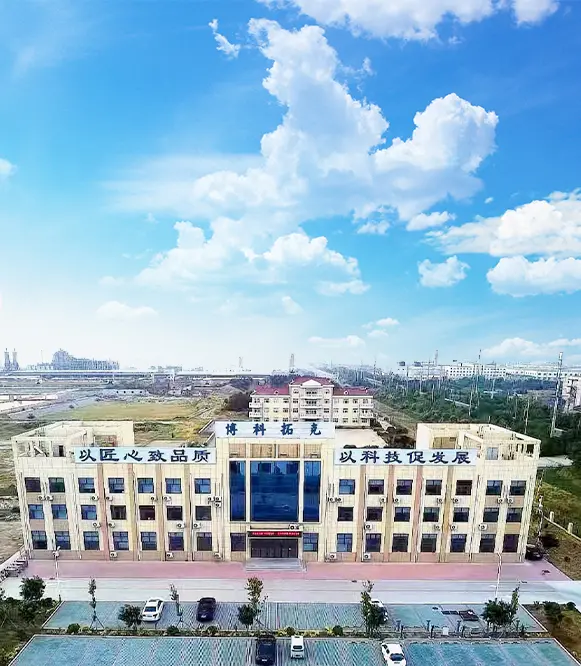
Founded in 2012, Shandong Boctok Chemical Co. functions as a premier marketing, sales, and manufacturing center for domestic and overseas silicon markets, achieving a record-breaking turnover of US$280 million in 2023. Under our specialized sub-brand strategy, we possess dedicated units optimized for specific geographic markets, including extensive operations in the Russian Federation and highly specialized chemical distributions across the Asia-Pacific region, including Tokyo's prime technological zones.
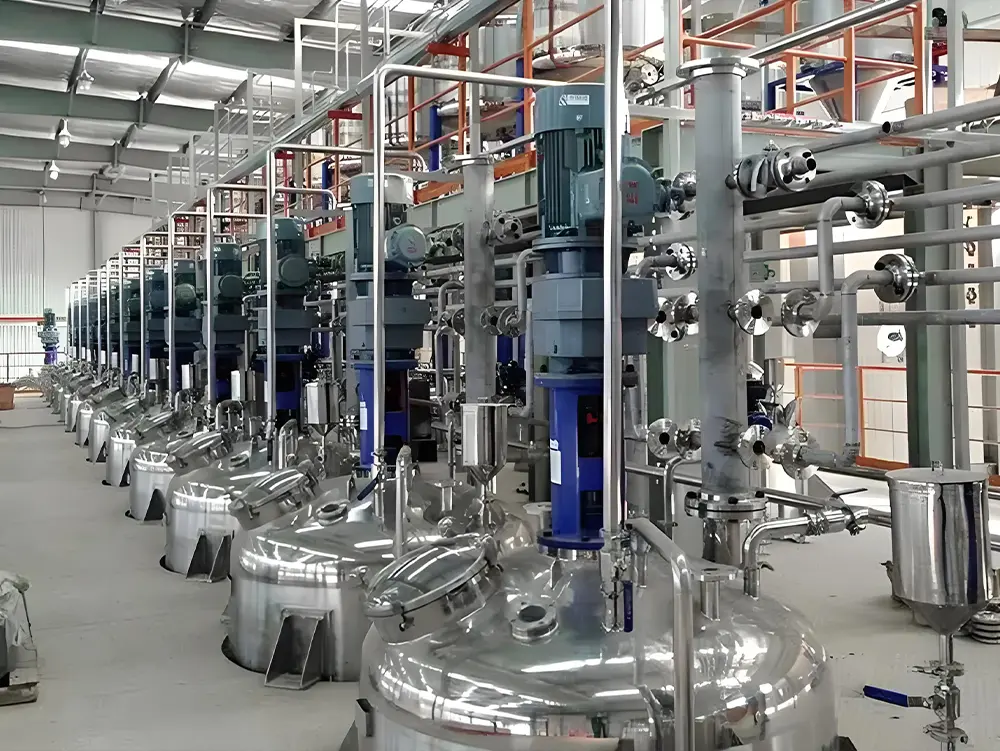
We recently reinforced our production capacities by investing US$65 million in a state-of-the-art facility inside the Bohai Industrial Park, a highly regulated, provincial-level chemical zone in Shouguang City, Shandong Province. This facility runs 6 automated DCS production lines delivering an annual throughput of 30,000 tons of silane coupling agents. Guided by ISO9001 standards, our processes are managed under full remote control (DCS) and safety instrumented systems (SIS) to achieve zero-defect reliability across every batch.
Why leading global manufacturers and Tokyo chemical procurement teams source from Boctok.

Our chemicals undergo multi-tier chromatographic analysis, FTIR spectroscopy, and viscosity index validation to ensure every batch aligns perfectly with the published TDS values.

With 6 independent DCS lines, we dynamically scale output from drum delivery for R&D batches up to massive, multi-container ISO tank shipments for continuous assembly lines.

Our dedicated technical team provides continuous multilingual support, clarifying chemical compatibility questions, handling customized TDS formulation requests, and resolving complex supply logistics.

Our optimized logistics network links key production hubs directly with major container ports. This ensures rapid transit timelines, complete tracking transparency, and on-time delivery to Tokyo bay warehouses.
From core silane coupling agents to advanced secondary chemical sectors.

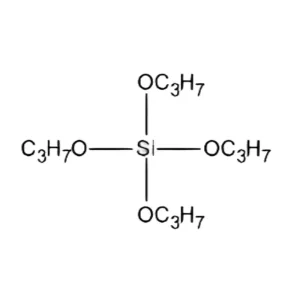
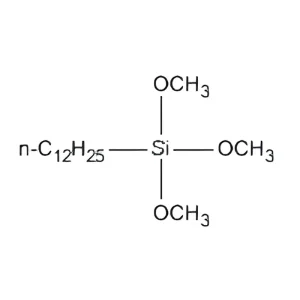
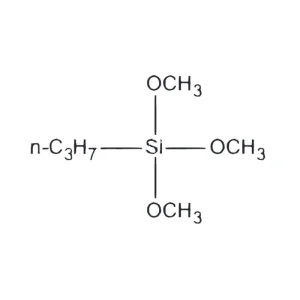
Our primary operational segment focuses on high-purity organosilicon materials. This portfolio covers 12 major series of silane coupling agents and crosslinkers, including: aminosilane, methacrylate silane, epoxy silane, vinyl silane, mercaptosilane, alkyl silane, ethyl silicate, chlorosilane, silane isocyanates, phenyl silane, ureidosilane, and serosilane.
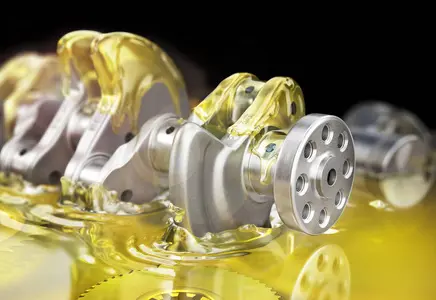
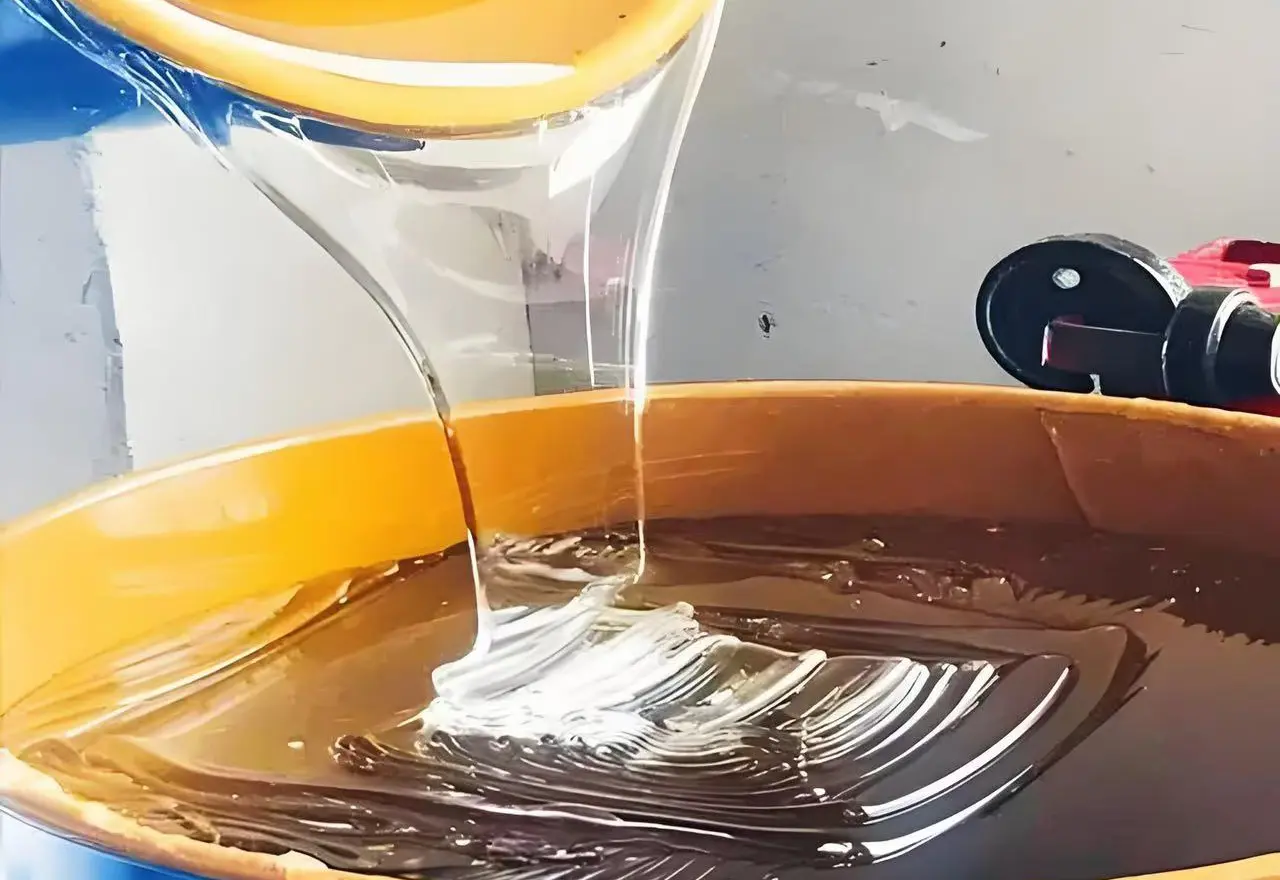
Furthermore, we engineer specialized silicone oils (high-hydrogen, dimethicone, vinyl, polyphenylmethyldimethylsiloxane, phenyl, silanol, and alkoxy systems), high-bonding MQ resins, VMQ release matrices, RTV rubbers, and vulcanized phenyl elastomers.
Request TDS CatalogWe maintain targeted investments in key hydrocarbon resin manufacturers. Our operating facilities in Zibo, Fushun, and Nanjing utilize reliable chemical inputs from SINOPEC and PetroChina to output standard-setting petrochemical fractions: C9 hydrogenated resins, C5 hydrocarbon polymers, modified C5/C9 copolymers, and dicyclopentadiene dimers.
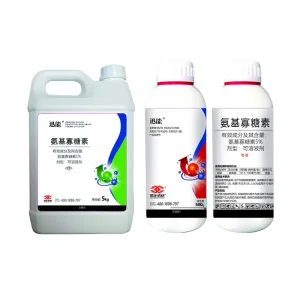
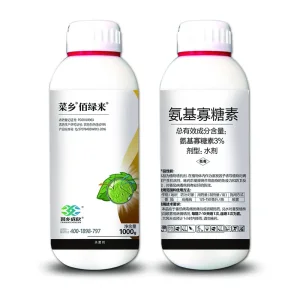
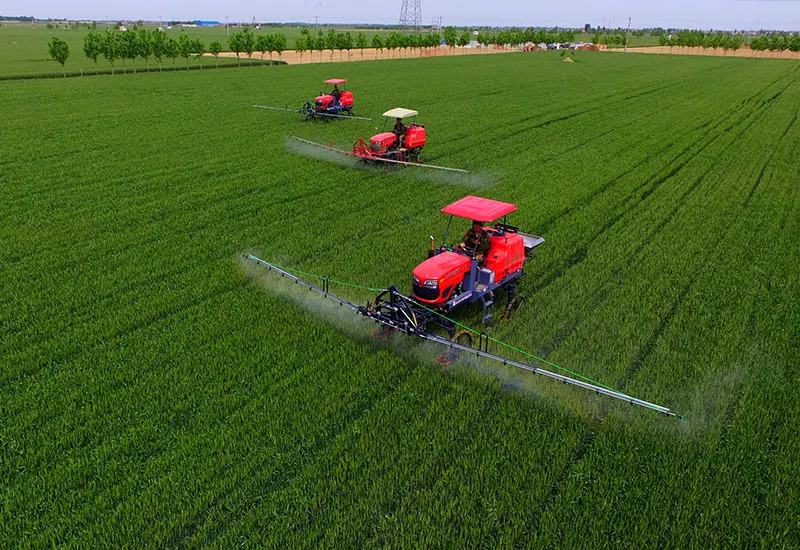
Our tertiary division supports the agricultural industry, manufacturing primary raw intermediates, active ingredients, and synthesis modifiers for high-grade pesticides, crop protectants, fungicides, seed coatings, herbicides, and plant growth regulators.
View Resin & Agro Catalog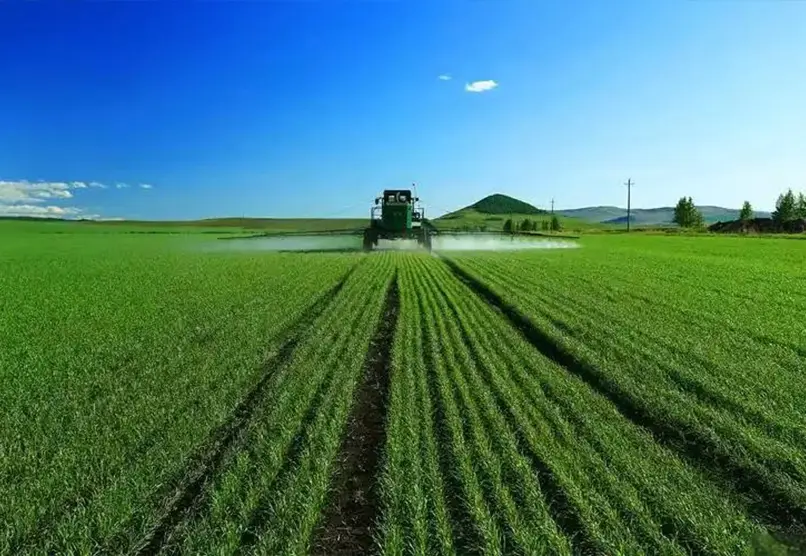
Demonstrating how our specialized silanes, resins, and agricultural materials operate across global fields.
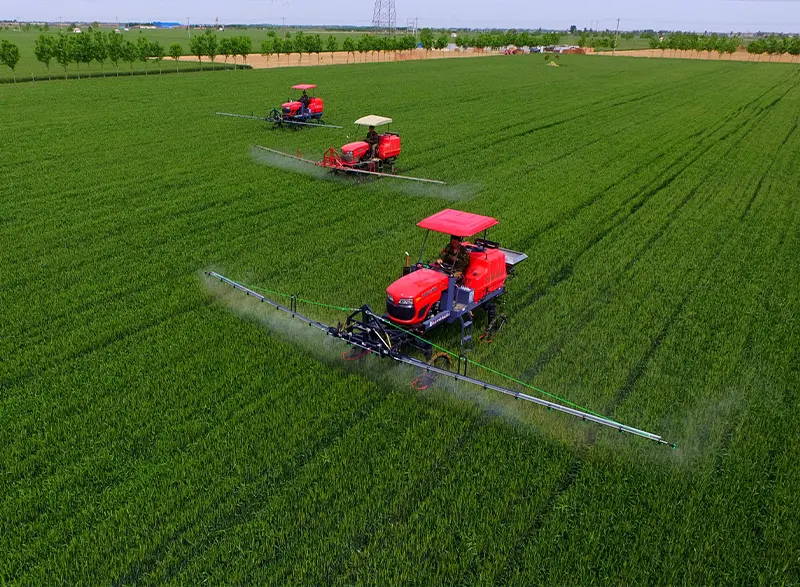
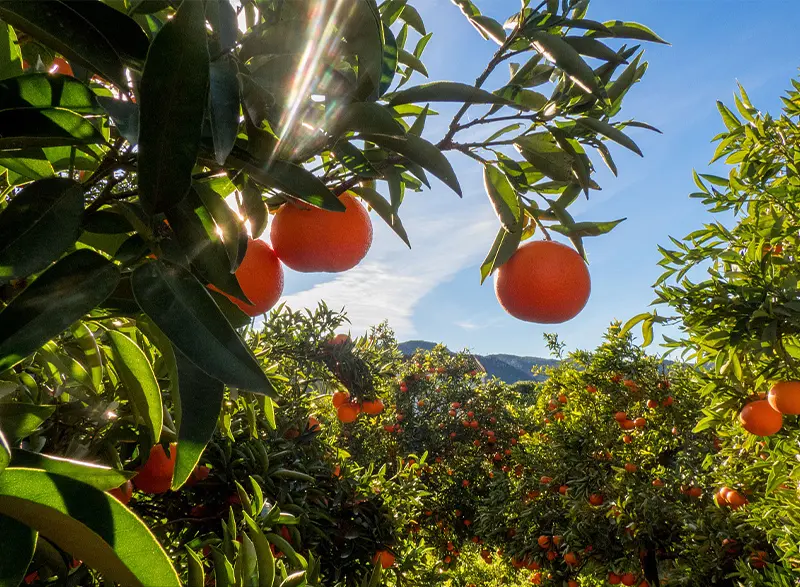


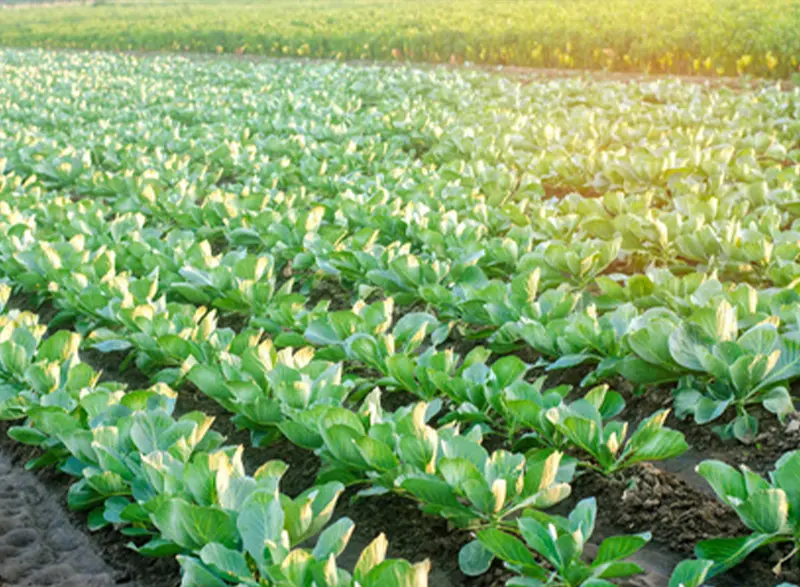
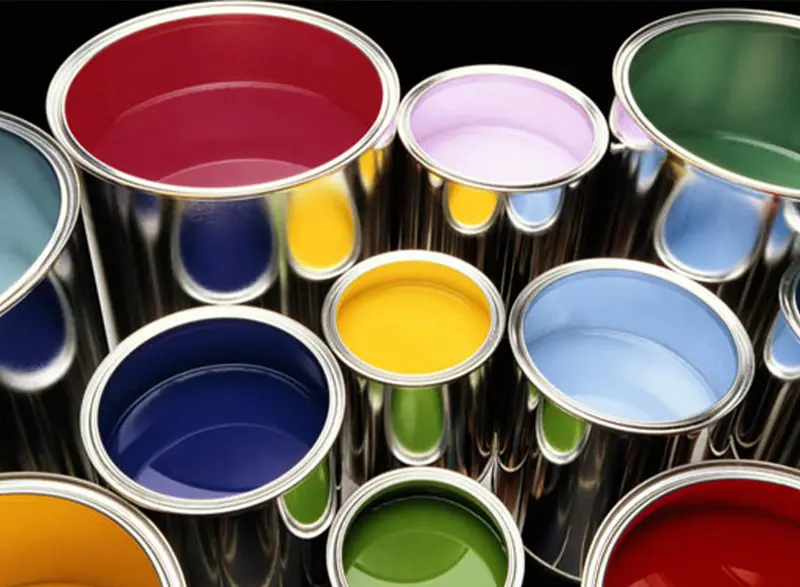
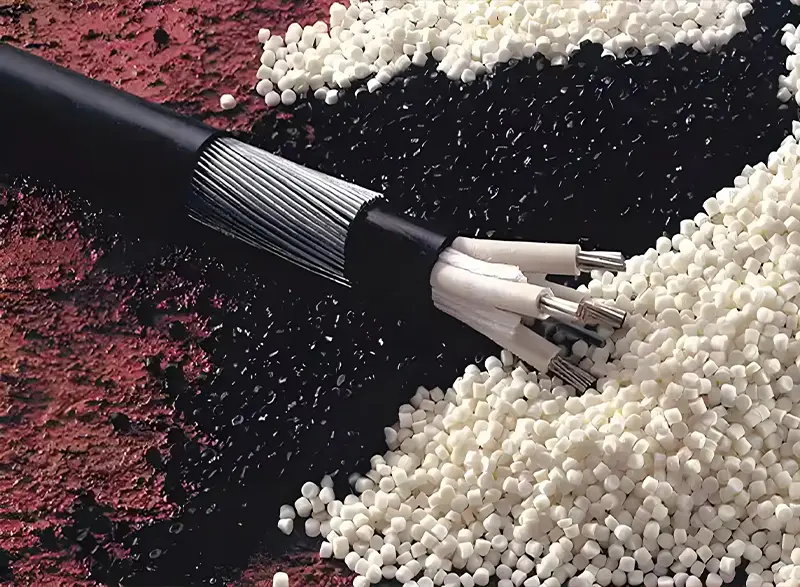
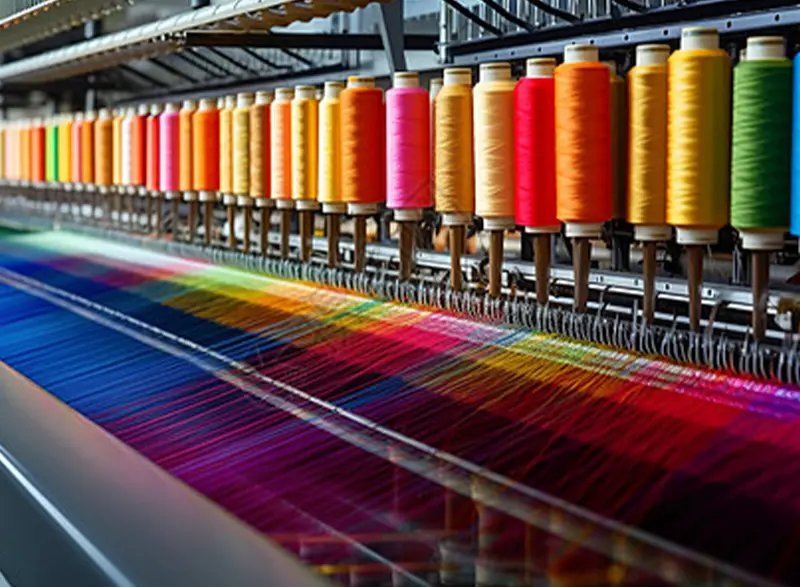
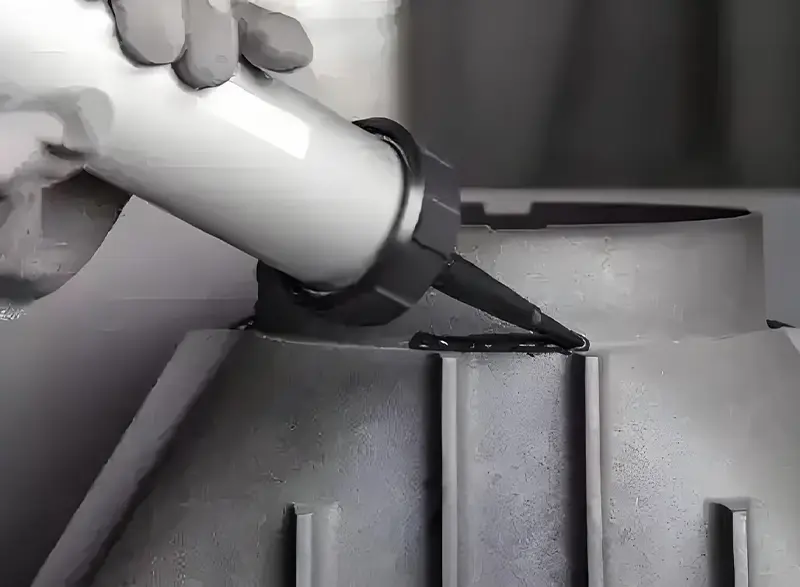
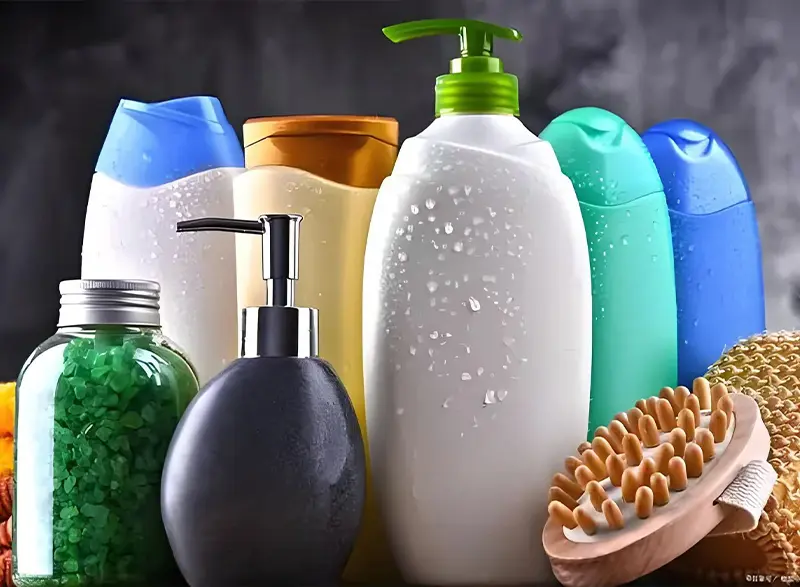
Analyzing custom deployment channels where our organosilicon components optimize end-product durability.


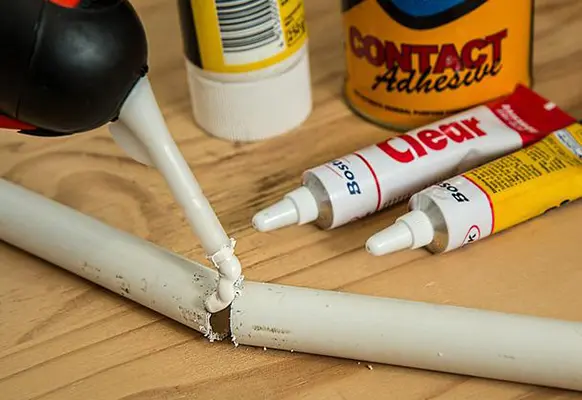
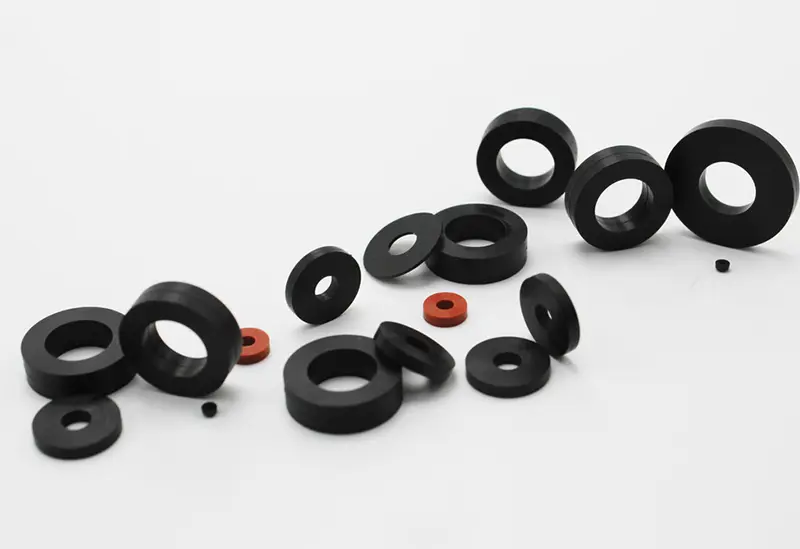
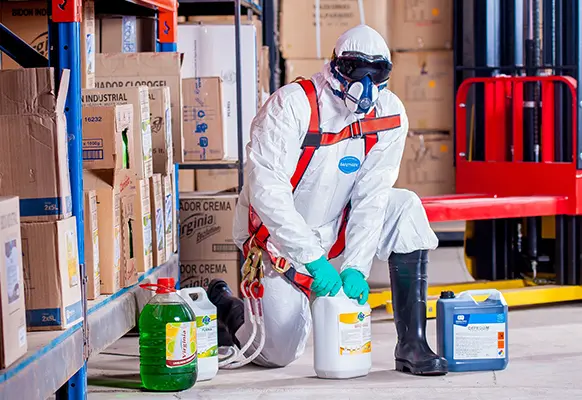
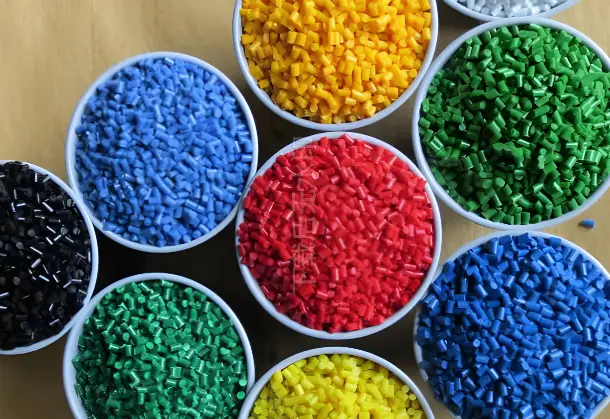


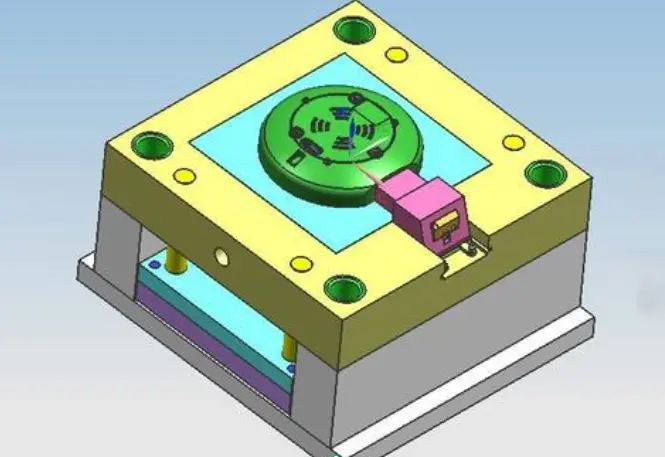


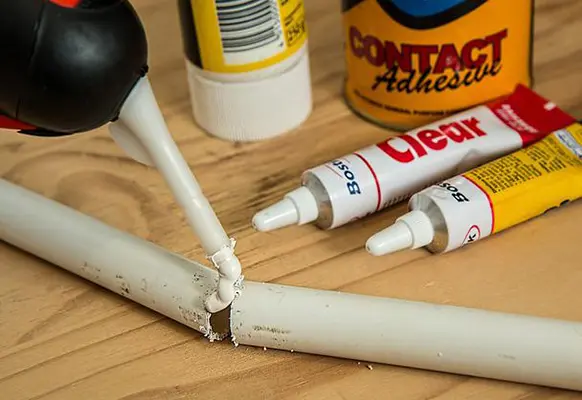
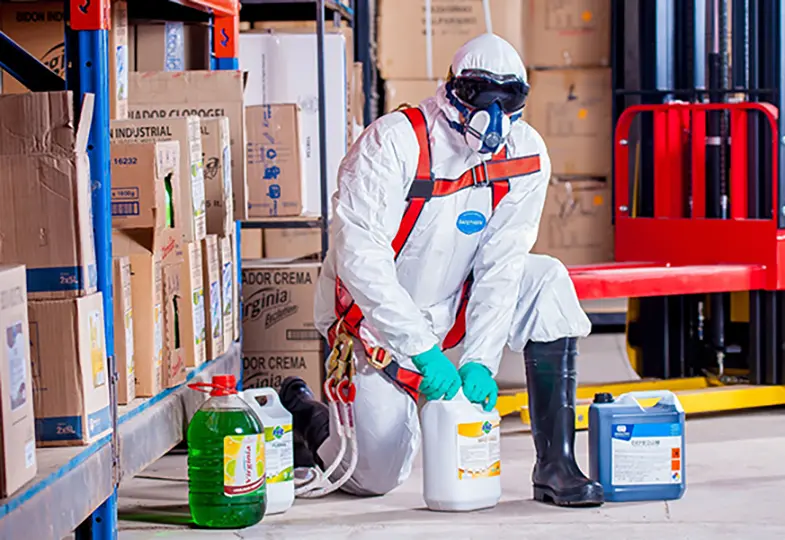

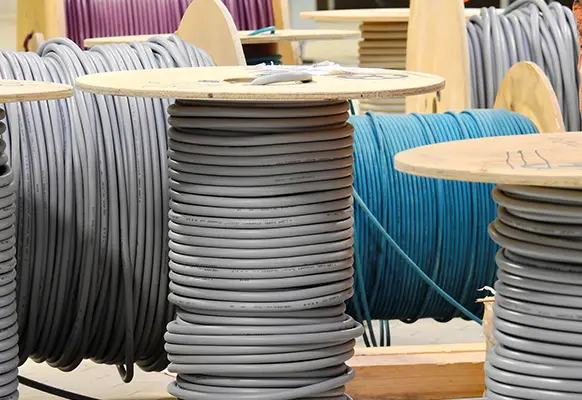
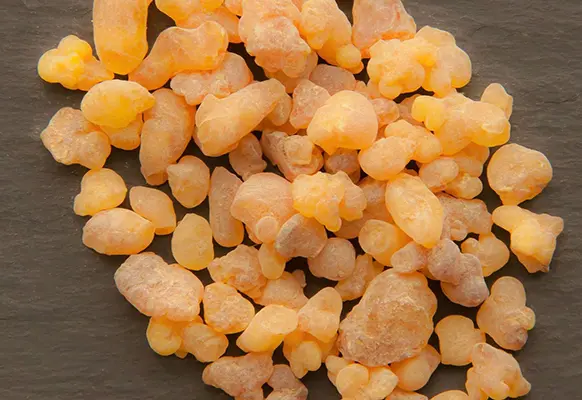



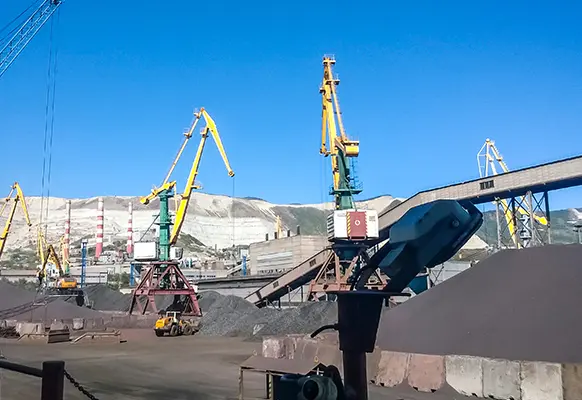
Essential auxiliary agents for elastomer crosslinking, stabilization, and substrate priming.
Essential operational questions answered by Boctok's lead application chemists.
The rate of hydrolysis determines the production of active silanol units. Methoxy-based silanes react rapidly upon exposure to substrate moisture or formulated water, which is suitable for high-speed continuous line primers. Ethoxy-based alternatives react more slowly, which helps avoid premature gelation and maintains a wider application window, though they require catalyst activation.
Our aminosilanes are packaged under an inert nitrogen blanket in 200kg steel drums or 1000kg IBC tanks to prevent moisture contact. The standard shelf life is 12 months from the date of manufacture when stored in original, unopened containers below 25°C.
Yes, our industrial chemical line complies with regional environmental standards, including REACH and RoHS. For clients in the Tokyo bay industrial zone, we provide comprehensive SDS documentation showing full compliance under the Japanese PRTR (Pollutant Release and Transfer Register) law.
Yes. Our R&D team can refine specific TDS attributes, including targeting ultra-low chloride content or precise non-volatile fractions, to match the purity standards required for semiconductor-grade applications.
Standard-grade chemical intermediates, agrochemical raw materials, and crosslinkers.
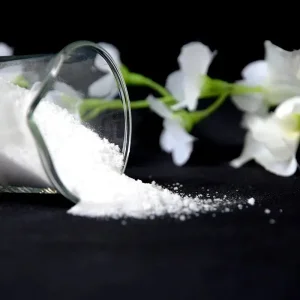
Get in touch with Boctok's sales division to request detailed Technical Data Sheets (TDS), safety certifications, sample kits, or localized freight quotes for the Tokyo area.
 Boctok Chemical