Featured structural silanes tailored for industrial distribution and localized composites manufacturing in the Czech Republic.
The Czech Republic stands as one of the most industrialized nations in Central Europe, with its manufacturing core heavily relying on the automotive sector, advanced polymer formulations, and electronic component assemblies. As global manufacturing transitions toward lightweight composite materials and zero-VOC paints, the demand for high-performance coupling agents like 3-Methacryloxypropyltrimethoxysilane has escalated exponentially.
In the automotive industrial clusters spanning Central Bohemia (Mladá Boleslav) and Moravia-Silesian regions, composite plastics must endure extreme mechanical and thermal stresses. Methacryloxy silanes bridge the gap between inorganic fillers (such as glass fibers, silica, and mineral hydroxides) and organic polymer matrices (unsaturated polyesters, acrylic resins, and polyurethanes). This interface engineering directly enhances the tensile strength, moisture resistance, and mechanical resilience of structural components.
Furthermore, the Czech Republic's strict adherence to European Union REACH regulations and the European Green Deal places a premium on clean-label chemicals. Modern factories require high-purity silane coupling agents that yield minimal volatile organic compounds (VOCs) upon hydrolysis. Shandong Boctok Chemical Co. has addressed this requirement by engineering next-generation silane solutions that assist manufacturers in meeting environmental targets without sacrificing mechanical integrity.

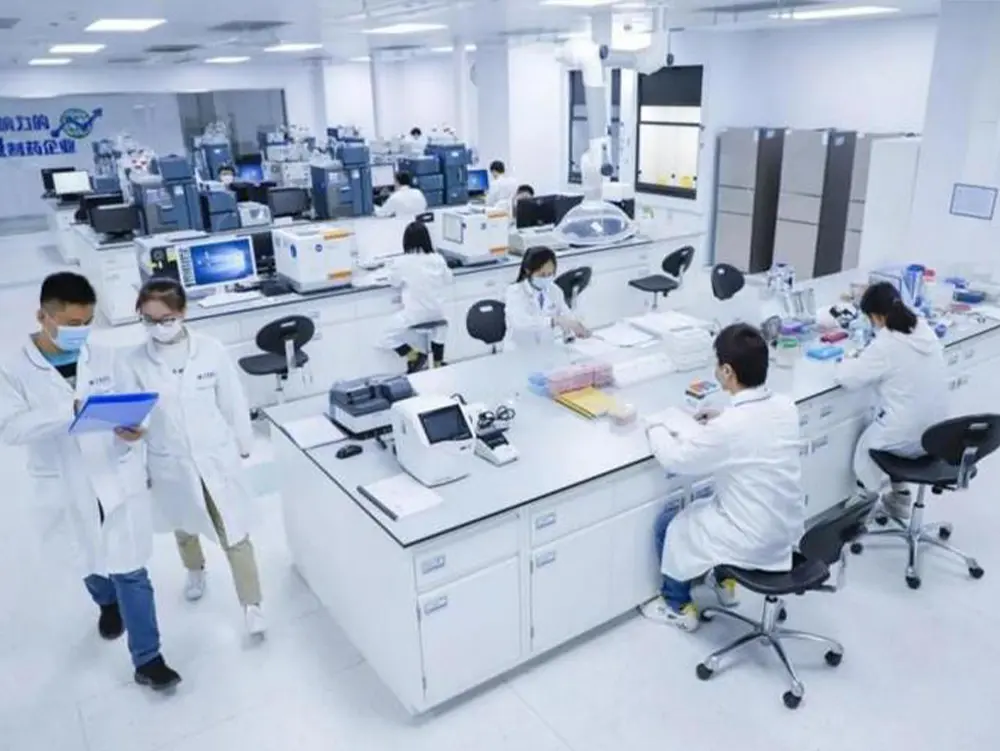
Globally, the market for organosilicones is undergoing a significant shift towards functionalized alkylsilanes. The methacryloxy group is highly reactive with free-radicals, which makes it the standard choice for UV-cured coatings, high-performance dental restoratives, and structural adhesives. Globally, the glass fiber size industry accounts for the largest share of methacryloxy silane consumption, followed by mineral-filled thermoplastic compounders.
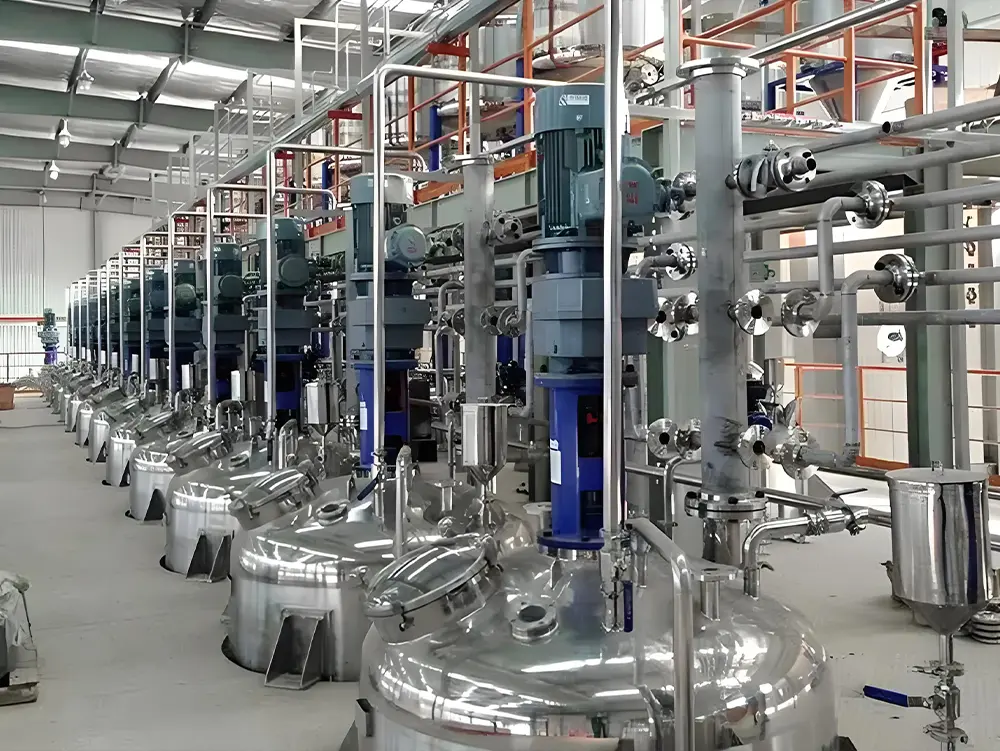
Shandong Boctok Chemical Co. plays a vital role in these supply chains. Founded in 2012, Boctok achieved sales of US$280 million in 2023. Our primary chemical manufacturing facilities leverage automated DCS and safety SIS platforms to ensure high-purity production outputs for global logistics networks.
A trusted global supplier of organosilicones, petroleum resins, and chemical intermediates.
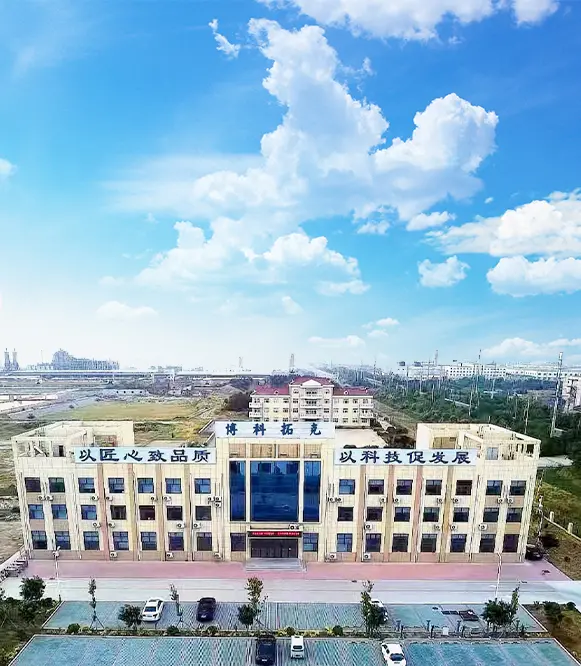
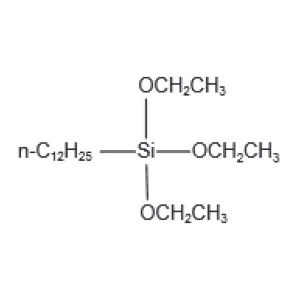
Shandong Boctok Chemical Co. operates three main chemical product portfolios. Our first core business focuses on organosilicones, encompassing twelve series of silane coupling agents and crosslinkers. These include aminosilane, methacrylate silane, epoxy silane, vinyl silane, mercaptosilane, alkyl silane, ethyl silicate, chlorosilane, silane isocyanates, phenyl silane, ureidosilane, and serosilane. Additionally, Boctok is a prominent producer of high-performance silicone oils, MQ resins, and specialty rubbers.
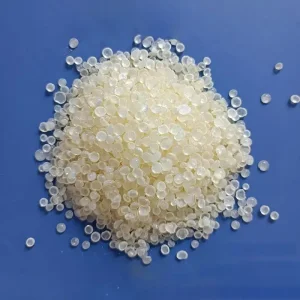
Our second-tier core business centers on petroleum resins. With manufacturing plants in Zibo, Fushun, and Nanjing, we tap into stable raw materials from SINOPEC and PetroChina to deliver high-quality C5 and C9 petroleum resins to global polymer compounders and paint manufacturers.
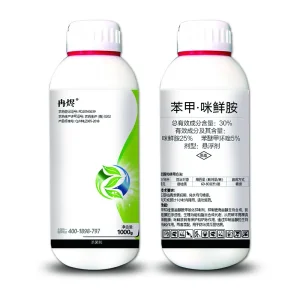
Boctok also serves the global agrochemical industry. We synthesize intermediates and active ingredients for pesticides, fungicides, insecticides, and plant growth regulators.
Implementing strict ISO9001 and DCS control processes across all manufacturing lines to ensure high-purity silanes.
Our Shouguang facility features automated safety Instrumented Systems (SIS) and remote control for process safety.
Reliable export pipelines shipping to Europe, North America, Japan, South Korea, India, and the Czech Republic.
Integrated wastewater and waste gas collection and treatment infrastructure protecting local air and water quality.
How Boctok silanes, hydrocarbon resins, and silicones serve critical European industries.
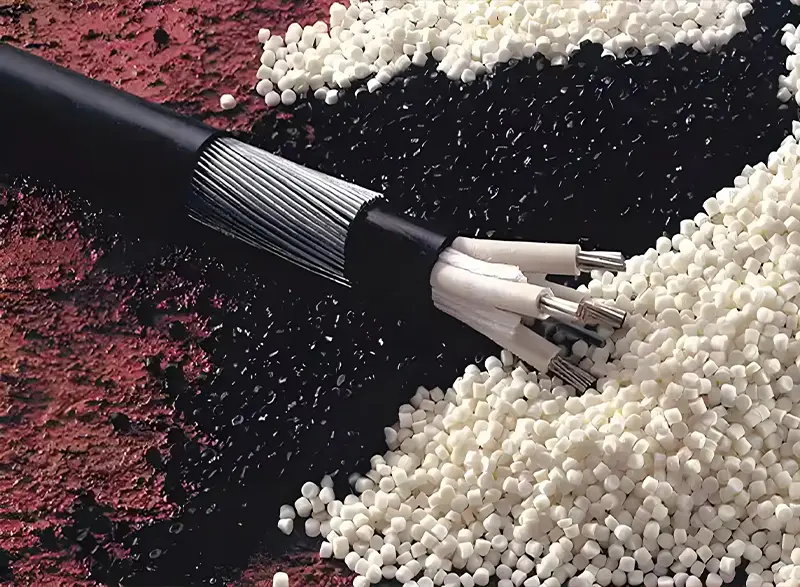
Our silanes are used in XLPE electric cables and warm water pipes, enhancing heat resistance and structural integrity.
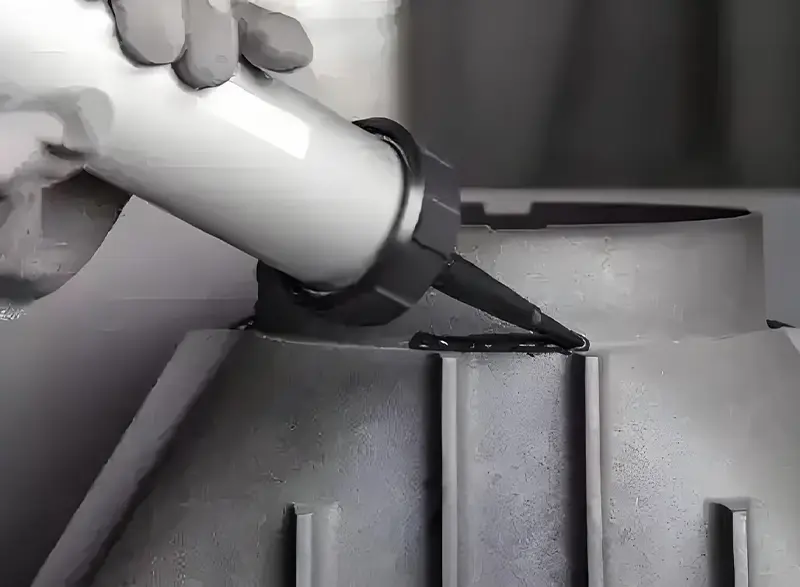
Improving adhesion to glass, metal, and plastic substrates for structural bonding in Czech transit assemblies.
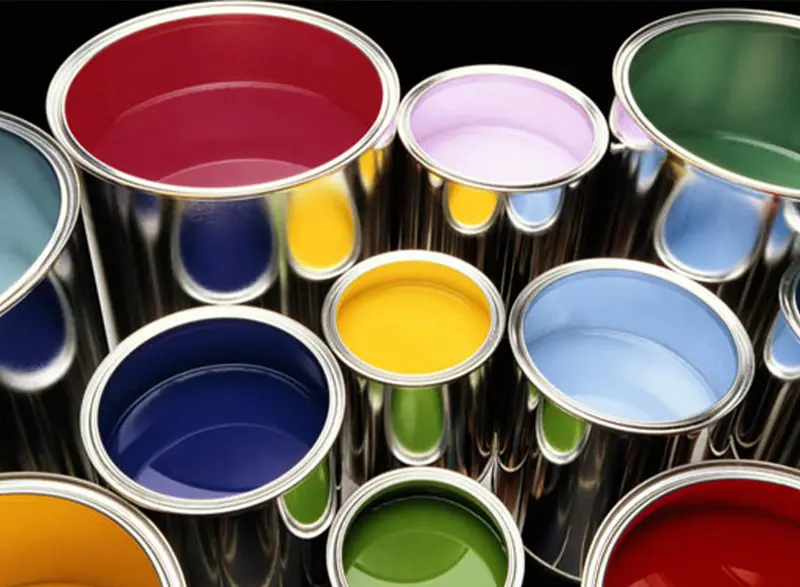
Adding weatherability and chemical resistance to industrial paints using functional silane crosslinkers.
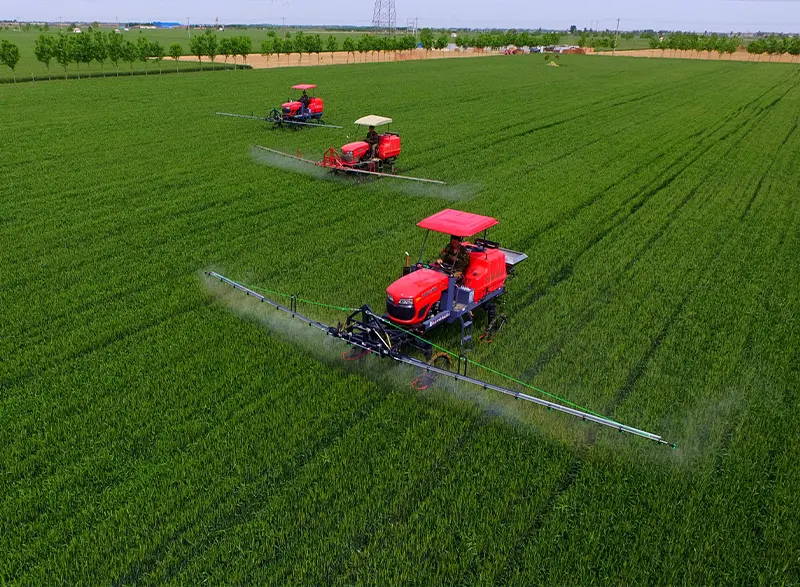
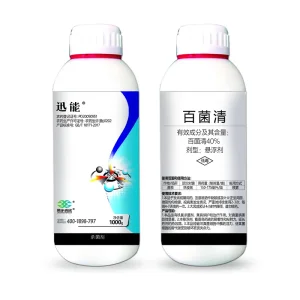
Providing high-purity inputs for pesticide and fungicide formulations in Central European agriculture.
Supplying pesticide intermediates that ensure high-efficiency field treatments for modern farming.
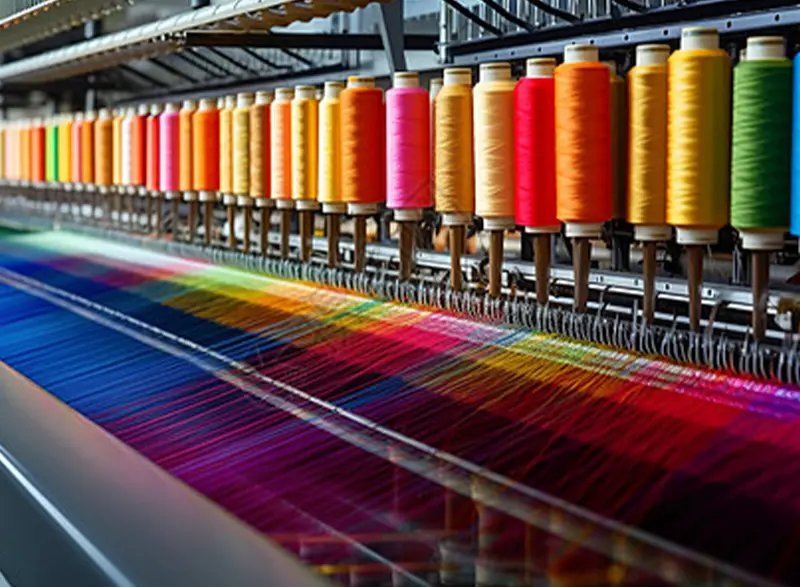
Utilizing high-hydrogen and vinyl silicone oils to give industrial and commercial fabrics water repellency and softness.
Scientific breakdown of Methacryloxy Silane coupling efficiency and mineral modification.
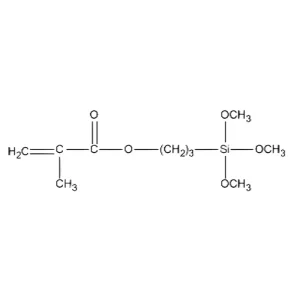
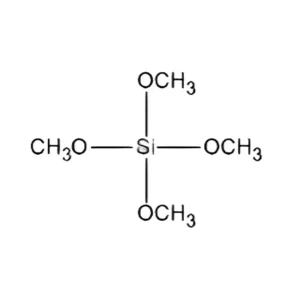
The chemical efficiency of 3-Methacryloxypropyltrimethoxysilane (CAS 2530-85-0) depends on its dual-functional molecular structure. The alkoxy groups (methoxy) hydrolyze in the presence of water to form reactive silanol groups. These silanol groups then condense with hydroxyl groups on inorganic surfaces (such as silica particles, glass fibers, or aluminum trihydroxide) to form stable covalent siloxane bonds (Si-O-Si).
At the other end of the molecule, the methacryloxy group participates in free-radical copolymerization with unsaturated polymers. When formulating polymer systems like unsaturated polyesters or acrylics, this reaction forms a strong chemical bridge across the inorganic-organic interface.
In automotive polymers, ensuring uniform filler dispersion and preventing aggregate formation is a major manufacturing hurdle. Unmodified silica particles tend to agglomerate due to surface hydrogen bonding.
Treating fillers with Methacryloxy silanes changes their surface energy from hydrophilic to hydrophobic, improving dispersion in the polymer matrix. This interface engineering prevents micro-void formation and improves moisture resistance, maintaining component performance in demanding environments.
Extended inventory of functional organosilicons and silicone oils for Central European supply chains.
Further chemical components for custom industrial processing and crop protection agents.
Addressing common technical, logistical, and environmental regulatory questions for purchasing managers in the Czech Republic.
The methacryloxy group contains a reactive carbon-carbon double bond (C=C) that matches the polymerization rate of acrylic, vinyl, and unsaturated polyester monomers. During curing, it forms strong covalent bonds with the polymer matrix. At the same time, the methoxy groups hydrolyze to silanols and bond with the inorganic mineral filler (such as silica or glass fiber). This chemical combination provides superior mechanical properties and moisture resistance compared to amine or epoxy functional silanes.
Shandong Boctok Chemical Co. maintains compliance with EU REACH registration guidelines for our primary chemical exports. We collaborate with accredited only representatives (OR) in Europe to handle registration, tonnage coverage, and safety compliance documentation. This ensures that Czech buyers can import our high-purity silanes, petroleum resins, and silicone oils without regulatory delays.
Methacryloxy silanes are moisture-sensitive. Contact with ambient air initiates hydrolysis, leading to gelation and loss of activity. They should be stored in dry, tightly sealed containers under an inert gas blanket (such as dry nitrogen). Because they are flammable and contain low concentrations of polymerization inhibitors, store them away from heat sources, direct sunlight, and strong oxidizers.
For standard container shipments departing from Qingdao Port, ocean transit times to European container terminals (such as Hamburg, Rotterdam, or Koper) typically range between 30 and 40 days. Intermodal rail links then transport the goods to inland terminals in the Czech Republic (such as Prague or Ostrava) within 3 to 5 business days. We provide complete documentation, certificate of analysis (COA), and tracking throughout the journey.
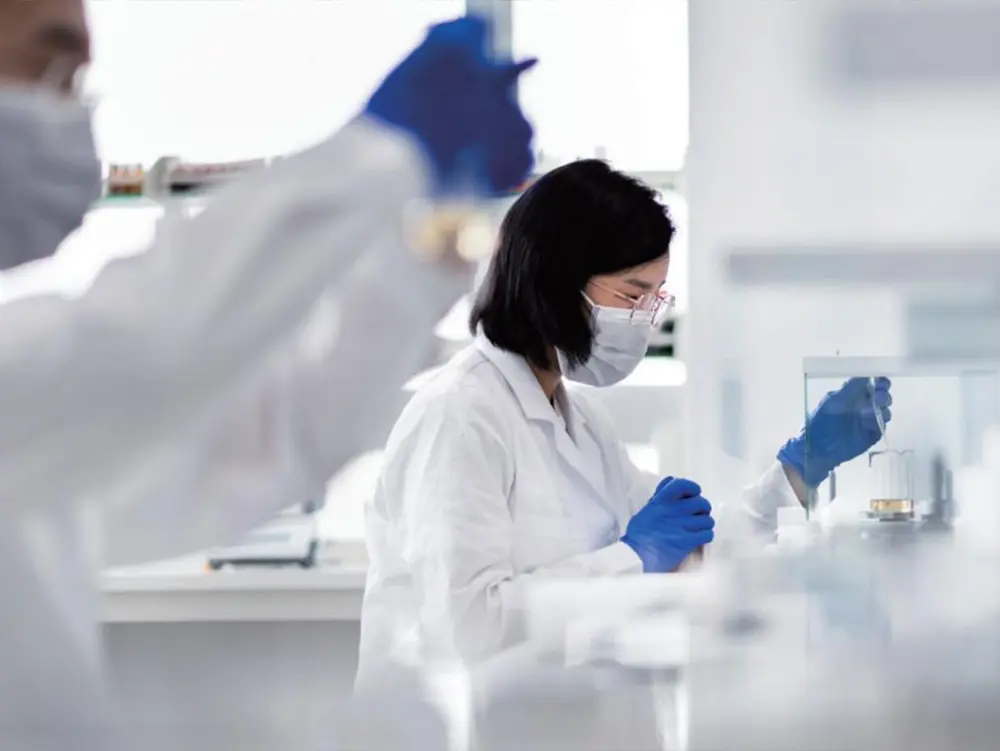
Yes. Our R&D team and manufacturing plant in Shouguang, Shandong, can formulate custom silane blends, adjust polymer molecular weights in silicone oils, and synthesize specific hydrocarbon resin granules to meet custom performance criteria. Contact our technical department with your specification sheets to discuss custom formulation options.
 Boctok Chemical