Ethoxy Companies & Company in Algeria

Empowering Algerian Petrochemicals, Heavy-Duty Manufacturing, XLPE Infrastructure, and Agrochemicals with Advanced Silane Crosslinkers and Silicones

Premium Ethoxy Silanes for Algerian Industries

High-performance organosilicon couplings engineered for heavy-duty protection, polymer modification, and advanced composite materials across Algeria.

Algeria's Industrial Transformation & Ethoxy Chemical Demands

A Comprehensive Whitepaper on Market Dynamics, Silane Chemistry, and Localization Strategies

As the largest nation in Africa by area, Algeria represents a critical hub for industrial manufacturing, petrochemical refinement, and infrastructure expansion. Driven by national initiatives to reduce dependence on raw hydrocarbon exports, the Algerian Ministry of Energy and Mining is actively promoting downstream chemical synthesis and localized production of advanced materials. Among these, organosilicon compounds—specifically ethoxy and methoxy silane coupling agents—have emerged as indispensable elements in upgrading regional manufacturing capabilities.

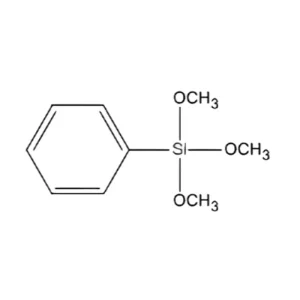
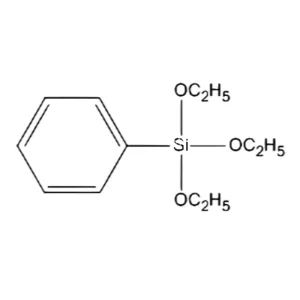
Organofunctional silanes containing ethoxy groups (such as Phenyltriethoxysilane and Vinyltriethoxysilane) are highly favored in modern formulation practices. Upon hydrolysis, ethoxy silanes release ethanol rather than methanol, making them significantly safer for operators, environmentally benign, and aligned with global REACH-like regulatory systems. For Algeria, where industrial scaling must coexist with fragile Mediterranean and Saharan ecosystems, transitioning to low-toxicity ethoxy chemistry represents both a technical upgrade and an ecological necessity.

Key Technical Paradigm: Methoxy vs. Ethoxy Silanes

While methoxy silanes exhibit faster hydrolysis rates due to lower steric hindrance of the methoxy group, their byproduct is volatile methanol. Conversely, ethoxy silanes offer a controlled reaction rate that is ideal for large-scale operations in hot climates (such as Oran or Hassi Messaoud), minimizing premature curing in open-air systems and maintaining crosslinking stability during bulk formulation steps.

1. Strategic Industrial Verticals in Algeria

The application of ethoxy compounds in Algeria spans multiple high-growth economic sectors:

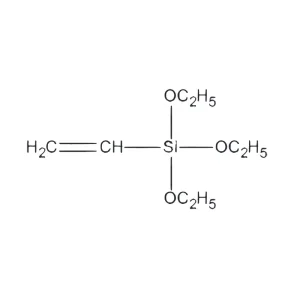
  • Infrastructure and Cable Insulation (XLPE): Sonelgaz's massive rural electrification and urban grid modernization projects demand advanced Silane-Crosslinked Polyethylene (XLPE) power cables. Vinyltriethoxysilane acts as the vital moisture-cure catalyst, ensuring long-term thermal stability and mechanical integrity in desert regions characterized by severe temperature swings.
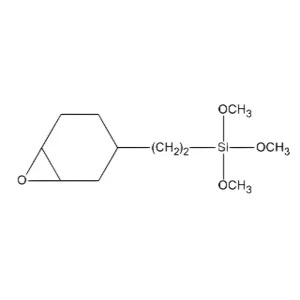
  • Petrochemical Protection and Pipe Coatings: The Sonatrach pipeline network, transport pathways for crucial crude oil and natural gas, relies heavily on anti-corrosive epoxy and polyurethane coatings. Epoxy-silane coupling agents (e.g., 2-(3,4-epoxycyclohexyl)ethyltrimethoxysilane) are added to these coatings to promote exceptional adhesion to steel substrates, remaining resilient under chemical stress and thermal degradation.
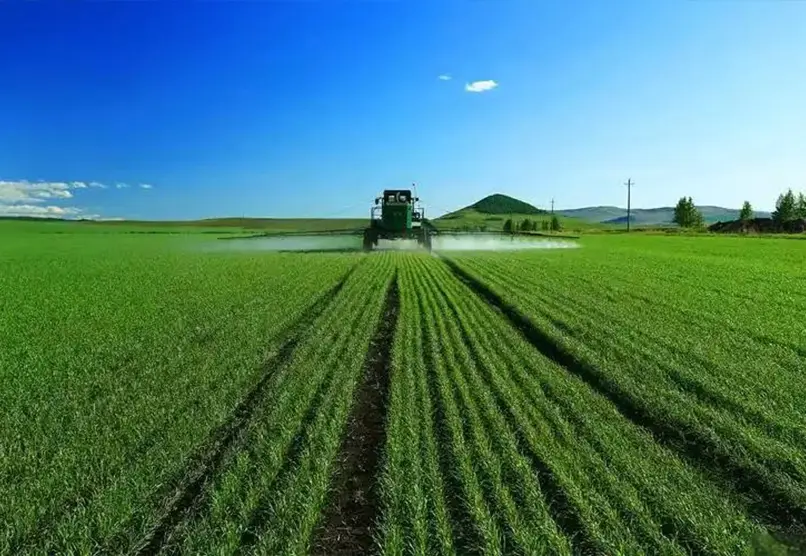
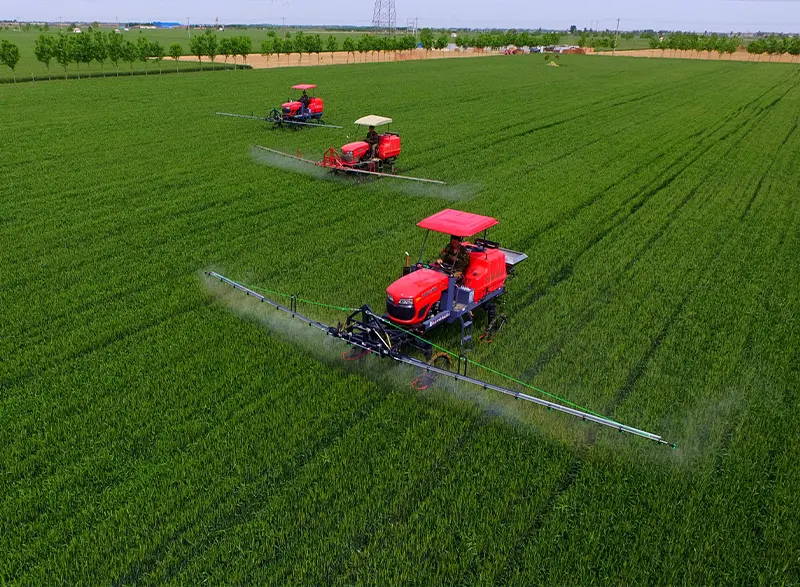
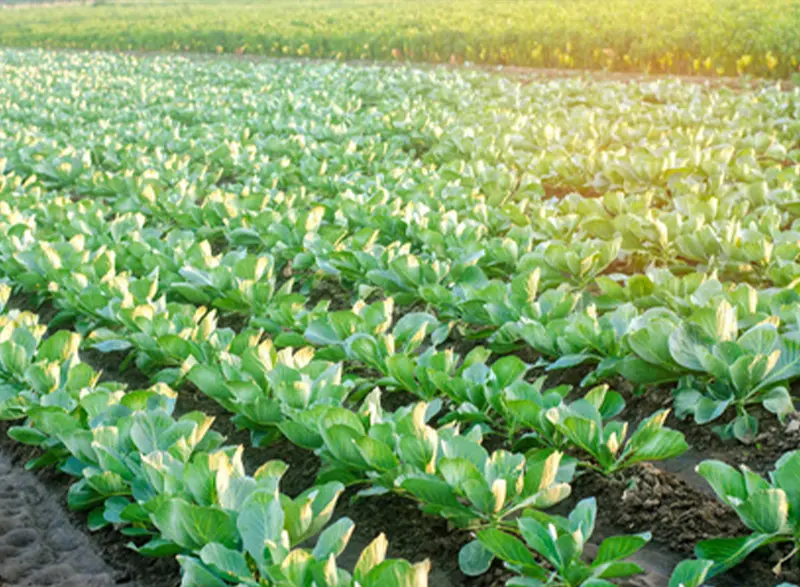
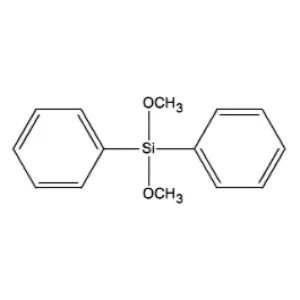
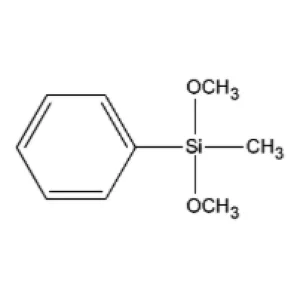
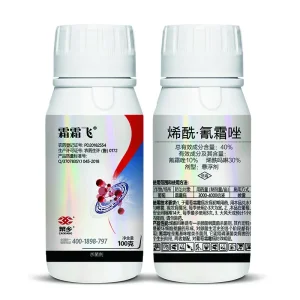
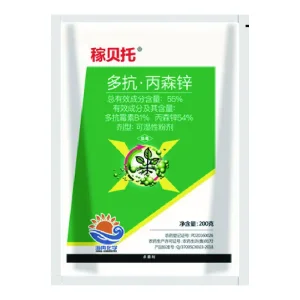
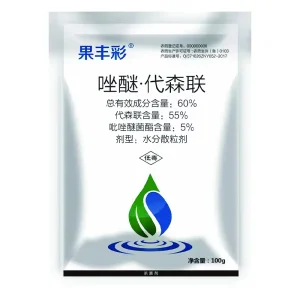
  • Agrochemical Enhancements: Agriculture in the Mitidja Plain and Biskra region requires high-efficiency active agents. Surfactants and intermediate resins synthesized using methylphenyl silanes optimize pesticide dispersion, ensuring reliable adherence to crop foliage under high UV radiation and hot Saharan winds.
  • Construction Sealants and Adhesives: Modern high-rises in Algiers and Constantine require structural sealants that can withstand severe seismic activity and coastal marine environments. Alkoxy silicone polymers provide the base flexibility and weatherability needed for these formulations.
$280M
2023 Global Sales
30,000T
Annual Silane Output
DCS / SIS
Automated Systems
ISO9001
Quality Certified

About Shandong Boctok Chemical Co.

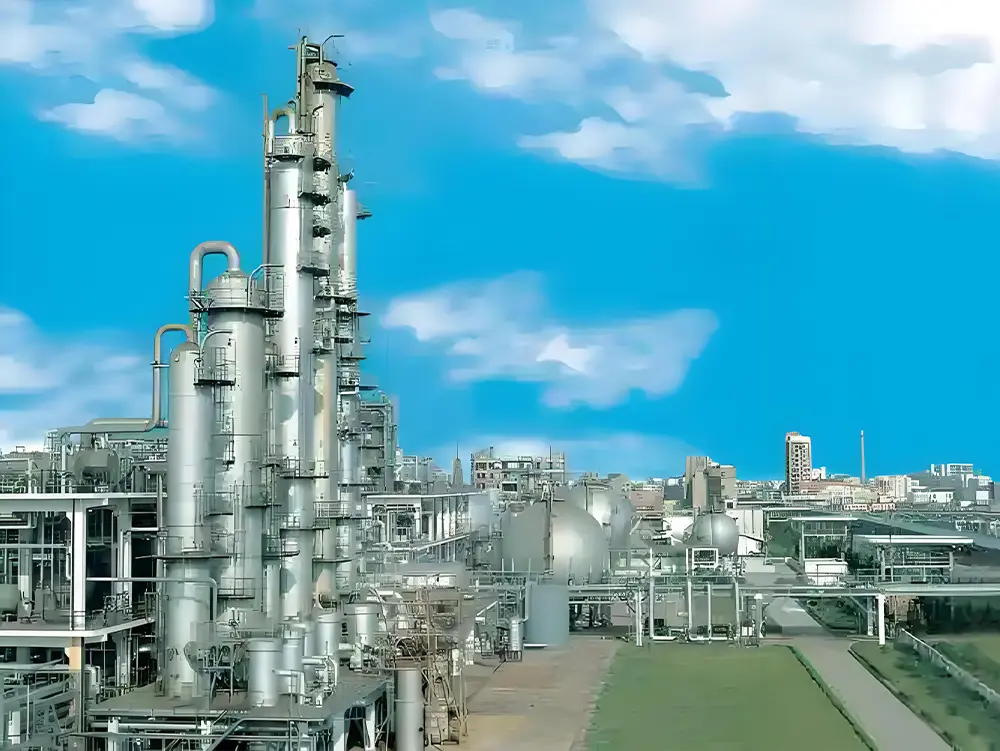
Founded in 2012, Shandong Boctok Chemical Co. has developed into a preeminent global force in organosilicon chemistry and synthetic hydrocarbon resins, achieving sales of US$280 million in 2023. Our primary chemical manufacturing operations have recently been empowered by a new US$65 million investment in Bohai Industrial Park, Shouguang City, Shandong Province. This state-of-the-art facility features 6 fully automated DCS (Distributed Control System) production lines with an annual output of 30,000 tons of silane coupling agents.

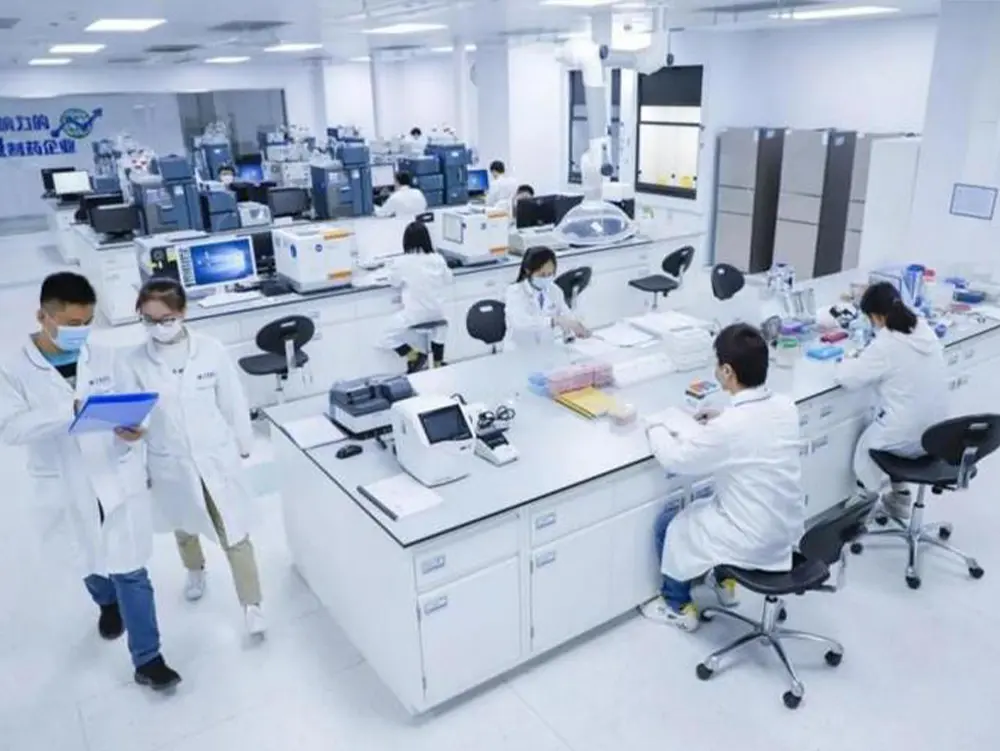
In addition, our advanced plant operates under a safety instrument system (SIS) and strict ISO9001 quality management guidelines, ensuring that our products—ranging from aminosilane, methacrylate silane, and epoxy silane to vinyl, alkyl, and phenyl silanes—deliver absolute consistency. This strict quality control matches the high expectations of Fortune 500 chemical companies and regional leaders alike.
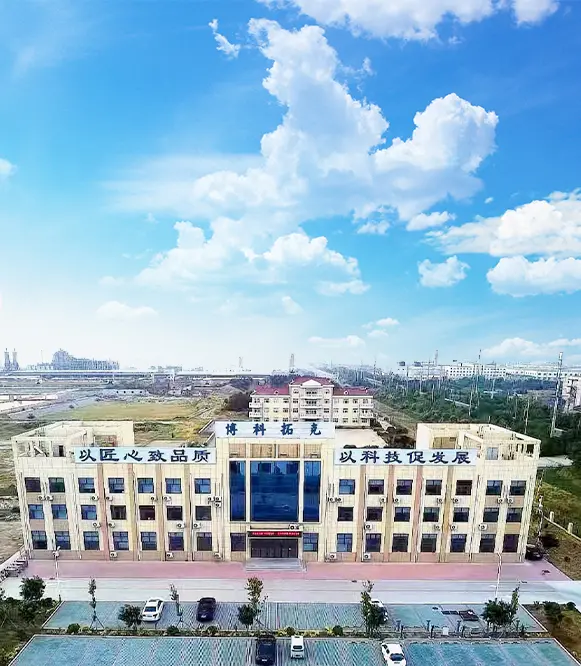
Boctok Advanced Production Center

2. Global Sourcing Trends & Procurement Solutions

Procuring raw chemical compounds in Algeria demands careful coordination of product performance, packaging integrity, and financial compliance. For major manufacturing companies in Algiers, Skikda, and Oran, sourcing partners must supply comprehensive documentation (COA, MSDS, technical datasheets) and demonstrate strict adherence to local customs protocols. Due to central bank regulations in Algeria, procurement teams rely heavily on Documentary Letters of Credit (L/C) and require smooth cooperation with intermediate inspection agencies such as SGS or Intertek to verify quality before shipment.

At Boctok Chemical, our logistics divisions are optimized to handle these international complexities. We provide heavy-duty packaging (steel drums, IBC totes) tailored to withstand long ocean transits and extreme port storage conditions, protecting the hydrolytically sensitive ethoxy compounds from moisture contamination. From our manufacturing core in China to major ports across North Africa, we offer seamless container shipping, customs documentation clearance, and real-time transit tracking.

Comprehensive Localized Agrochemical & Agribusiness Integration

In addition to industrial silanes, Boctok holds a key equity stake in a tier-II core business specializing in petroleum resins and agrochemical materials. We operate three hydrocarbon resin facilities in Zibo, Fushun, and Nanjing. Our raw material streams from SINOPEC and PetroChina ensure continuous production of C9 hydrogenated resins, C5 hydrocarbon resins, and essential active agrochemical intermediates. These materials are heavily utilized in local Algerian agricultural formulations, helping crop growers protect vital food yields across diverse agricultural zones.

3. Technical Roadmap: The Future of Organosilicon in Arid Environments

The harsh environmental conditions of Algeria—extreme desert heat, dry winds, high UV exposure, and saline coastal atmospheres—require unique chemical formulations. Traditional organic coatings and adhesives often degrade under these intense conditions, leading to early failure. The future of material science in this region lies in hybrid organic-inorganic coatings created using specialized ethoxy silane precursors.

By forming a silica-like network (Si-O-Si backbone) through hydrolysis and condensation reactions, silane-modified polymers provide exceptional thermal stability (up to 250°C and higher), excellent UV resistance, and strong moisture barriers. Boctok’s technical team is focused on developing next-generation waterborne silane systems that eliminate volatile organic compounds (VOCs). This step aligns directly with modern eco-friendly regulations while providing unmatched defense against sand abrasion and salt spray along the Mediterranean coast.

Classification & Target Applications in Algeria

Discover how our multi-tiered industrial categories serve key sectors across the country.

Chemical Materials Synthesis

Chemical Materials Synthesis

Agrochemical & Pesticide Formulation

Agrochemical Formulations

Pesticides - Fertilizers

Pesticides - Fertilizers

Pesticides - Melons and Fruits

Pesticides - Melons & Fruits

Pesticides - Flora

Pesticides - Flora

Pesticides - Agricultural Crops

Agricultural Crops

Pesticides - Vegetables

Pesticides - Vegetables

Petroleum resins - coatings

Petroleum Resins - Coatings

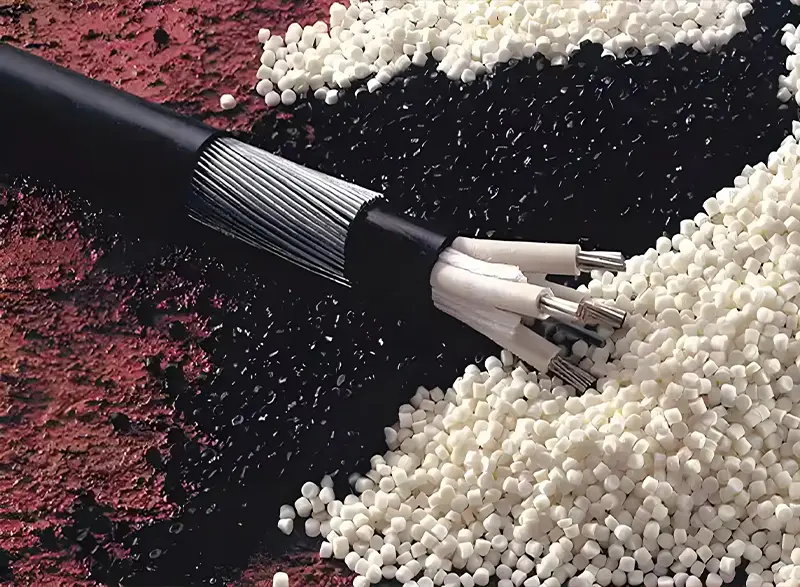
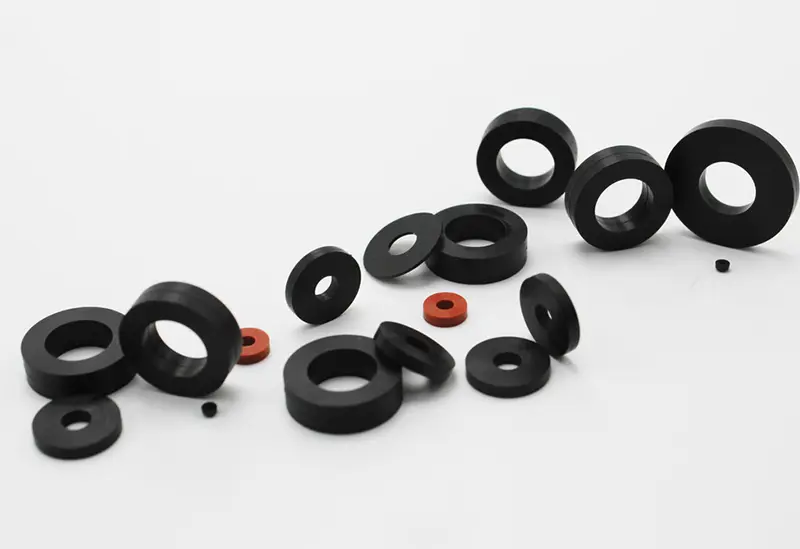
Silicones - Cable Materials

Silicones - Cables & Castings

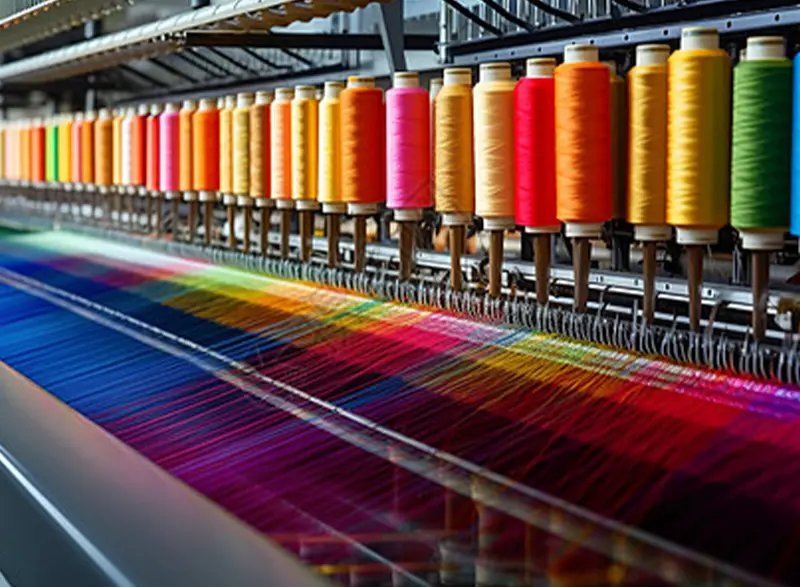
Silicone Textiles

Silicone Textiles

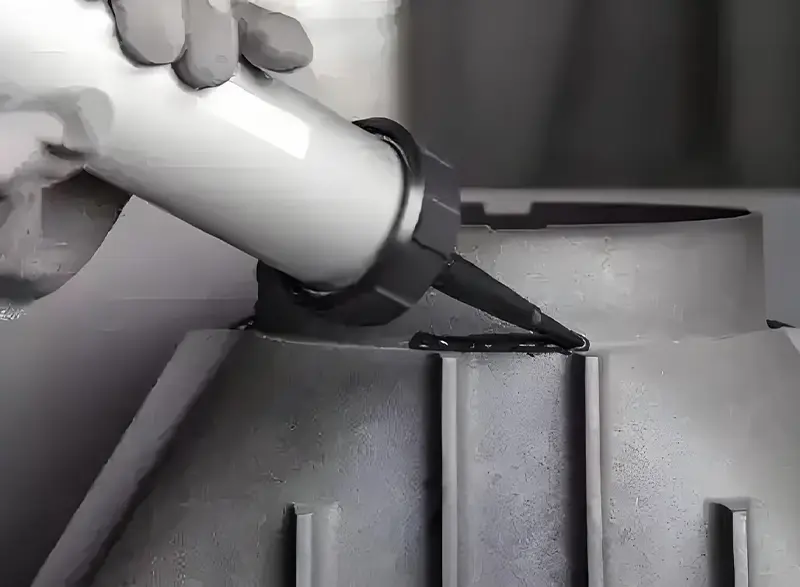
Silicone Adhesives

Silicone Adhesives

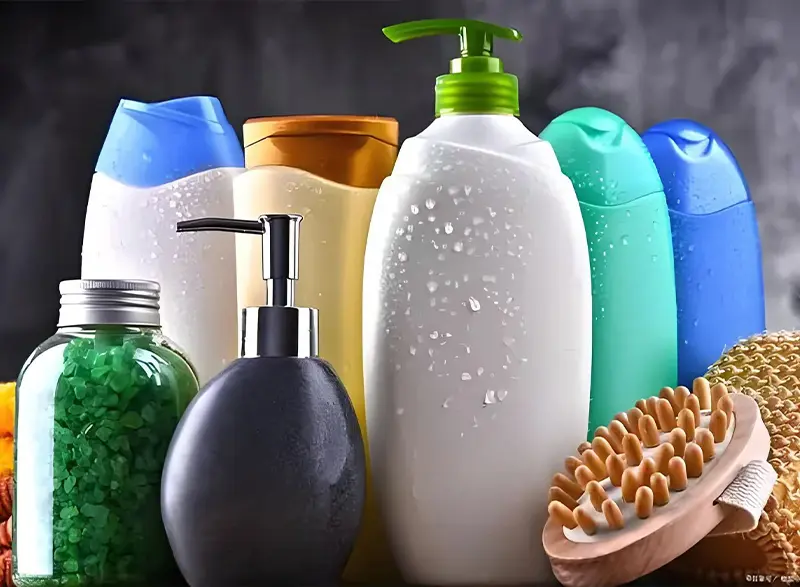
Organic silicone in daily chemicals

Daily Chemical Silicones

Industrial Application Mapping

Explore the wide-ranging applications of our silanes, hydrocarbon resins, and silicones across various industries.


Pharmaceutical and Pesticide Industry

Pharmaceutical & Agrochemical Industry

Cosmetics and Personal Care Products

Cosmetics & Personal Care

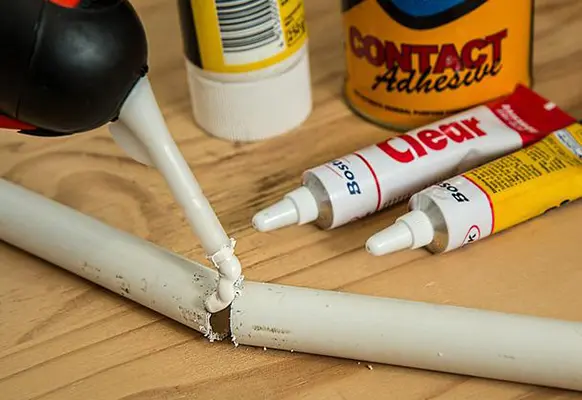
Industrial Adhesives

Industrial Adhesives

Rubber Industry

Rubber Compounding

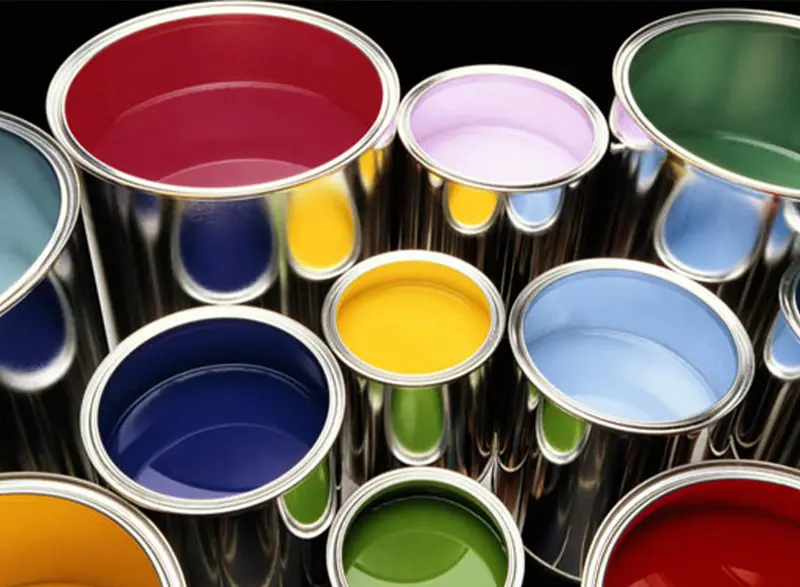
Paints and Coatings

High-Durability Paints

Plastics Industry

Plastics Industry Modification

Pesticides Sector

Agrochemical Auxiliaries

Self-lubricating LSR

Self-Lubricating LSR

Antifoaming Agent

Antifoaming Formulations

Drywall Applications

Drywall Additives

Modern Manufacturing Infrastructure

Operating with advanced automation to deliver exceptional batch consistency and reliable bulk supply.
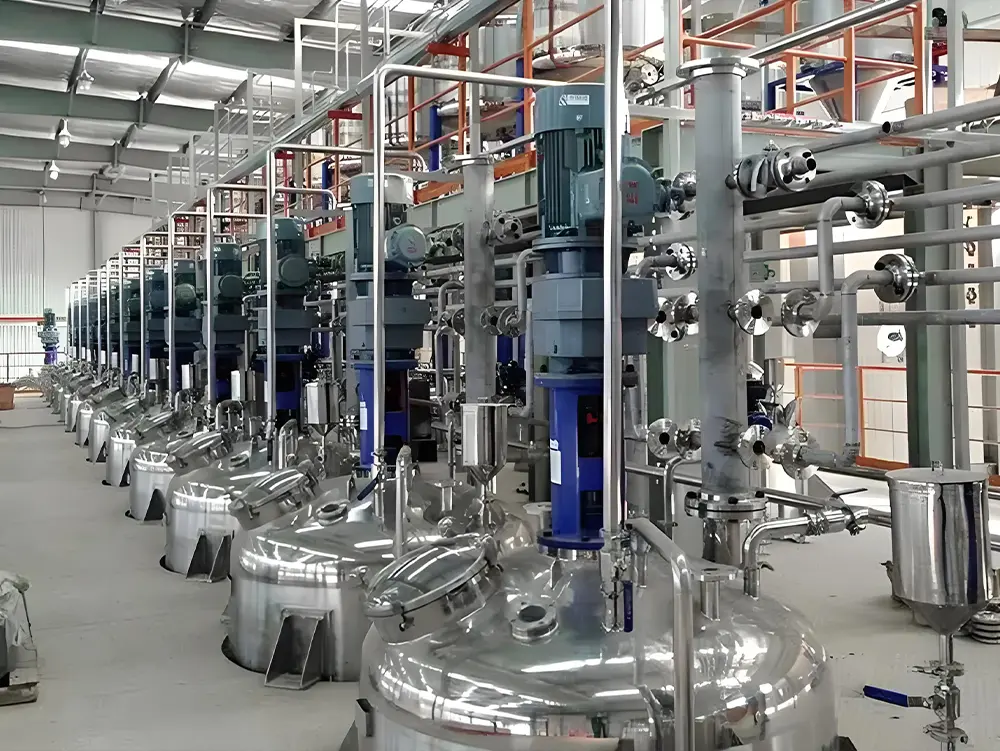
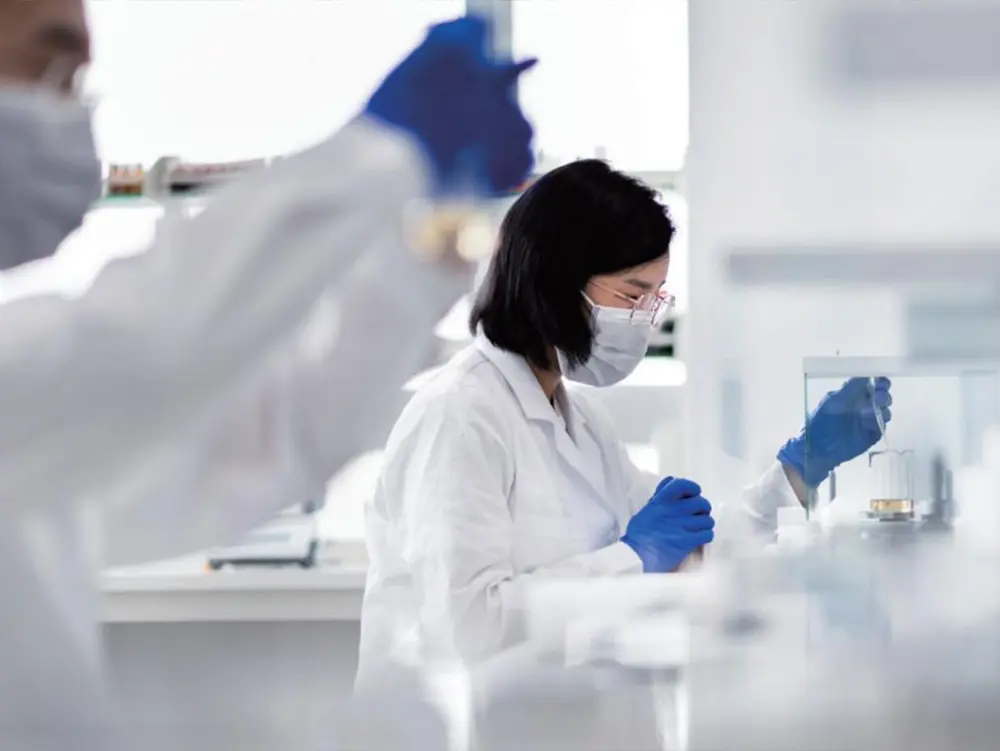
Boctok Factory Setup 1
Boctok Factory Setup 2
Boctok Factory Setup 3
Boctok Factory Setup 4

Specialized Processing & Synthesis Sectors

Applying professional chemical solutions to support industrial processes and structural engineering.
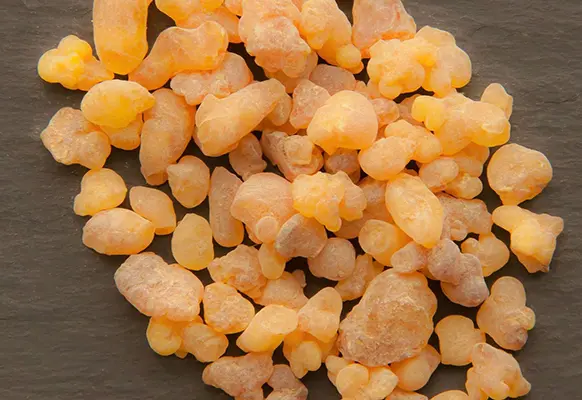

Synthesis and Casting of Resins

Synthesis & Casting of Resins

Construction Materials Processing

Construction Processing

Wind Turbine Manufacturing

Wind Turbine Components

Biomedical

Biomedical Auxiliaries

Textile

Textile Finishing Agents

Processing of Minerals and Fillers

Minerals & Fillers Modifiers

Micro- and Trapezoidal Polymers

Micro- & Structured Polymers

Construction Adhesives and Sealants

Construction Adhesives

Targeted Silanes & Formulations for Algerian Infrastructure

A complete selection of organofunctional molecules, agrochemical intermediates, and specialized synthetic resins.

Industrial Q&A & Technical Troubleshooting

Expert technical insights regarding silane coupling chemistry, import processes, and application guidelines for Algerian operators.
Q1: Why are ethoxy-based silanes preferred over methoxy-based alternatives in Algerian construction and agricultural applications?
Ethoxy-based silanes (such as Phenyltriethoxysilane and Vinyltriethoxysilane) release non-toxic ethanol as a byproduct during the hydrolysis process, rather than toxic methanol. This makes them much safer for worker health and environmental compliance. Additionally, the hydrolysis rate of ethoxy silanes is slower and more controllable under hot climatic conditions, preventing premature curing during compound blending.
Q2: How does Boctok Chemical ensure chemical stability during sea transit to the Port of Algiers or Port of Oran?
We utilize heavy-duty, moisture-barrier packaging, including nitrogen-purged steel drums and hermetically sealed IBC totes. These containers protect the silanes from atmospheric moisture, preventing premature hydrolysis and polymerization during hot ocean transit.
Q3: Which silanes are recommended for enhancing the longevity of anti-corrosive coatings on Sonatrach oil and gas pipelines?
Epoxy-functional silanes, such as 2-(3,4-epoxycyclohexyl)ethyltrimethoxysilane, and phenyl-based silanes are highly recommended. They create a strong chemical bridge between the epoxy/polyurethane resin coating and the steel pipe substrate, providing excellent resistance to heat, salt, water, and cathodic disbondment.
Q4: What is the typical process for crosslinking polyethylene (XLPE) using Vinyltriethoxysilane in cable manufacturing?
The process involves grafting the Vinyltriethoxysilane onto the polyethylene backbone using a peroxide initiator. The grafted PE compound is then extruded onto the wire. Upon exposure to moisture (often in a sauna bath or under low-pressure steam), the ethoxy groups hydrolyze to form silanols, which then condense to create a crosslinked Si-O-Si network.
Q5: What payment and documentation terms does Boctok support for industrial buyers in Algeria?
We are highly experienced with Algerian trade regulations. We accept Documentary Letters of Credit (L/C) and provide all necessary documentation for customs clearance and bank validation, including certificates of analysis (COA), safety data sheets (SDS), commercial invoices, bills of lading, and pre-shipment inspection certificates (e.g., SGS).
Q6: How do hydrocarbon resins improve hot-melt adhesives used in industrial packaging across North Africa?
Our C5 and C9 petroleum resins act as effective tackifiers. They improve the hot-tack, thermal stability, and adhesion properties of EVA- or metallocene-based hot-melt adhesives, ensuring secure seals even in hot warehouse environments.