Engineered high-performance organofunctional silanes designed for structural integrity and thermal resistance in GCC climates.
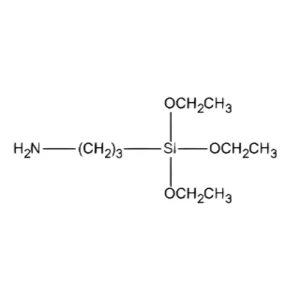
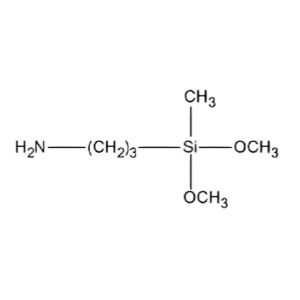
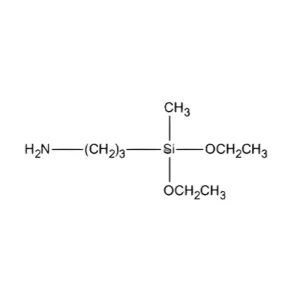
Under the visionary drive of Saudi Vision 2030, Riyadh is undergoing an unprecedented transformation. Massive civil engineering initiatives like the Riyadh Metro, King Salman Park, and multi-billion-dollar residential complexes demand construction materials that can withstand the GCC’s harsh environmental trials. The extreme dry heat, shifting desert sands, high ultraviolet (UV) radiation index, and radical seasonal temperature swings accelerate material fatigue, cracking, and sealant delamination.
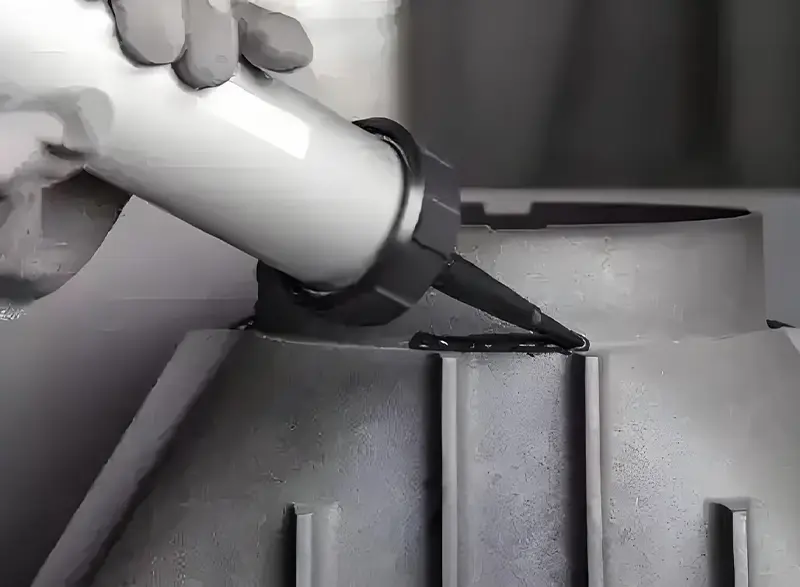
This is where specialized chemical coupling agents become critical. Aminosilanes (amino-functional organosilicones) act as molecular bridges between organic polymers and inorganic substrates. By forming chemically resilient covalent bonds, our products drastically improve adhesion, water resistance, and the structural lifespan of polymer concrete, architectural sealants, protective paints, and heavy-duty industrial coatings deployed across the Riyadh province.
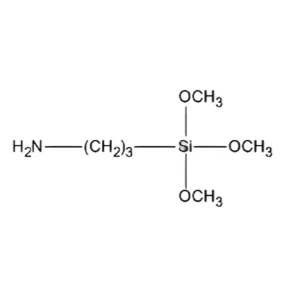
The molecular structure of an organofunctional silane generally contains two types of reactive groups: hydrolyzable alkoxy groups (such as methoxy or ethoxy) and organic-reactive functional groups (specifically the amino group). When formulated into Riyadh's local adhesives or sealants, the alkoxy groups undergo hydrolysis in the presence of trace moisture to form silanol groups. These silanols then condense with hydroxyl groups on inorganic substrates (such as concrete, silica sand, glass fiber, or metal) to establish a robust, durable metallo-siloxane (Si-O-M) bond.
Concurrently, the amino group remains chemically available to react or physically interpenetrate with the polymer matrix (epoxies, polyurethanes, acrylics, and silicones). This dual chemical bonding effectively links the inorganic and organic phases, transforming weak physical boundaries into high-strength chemical interfaces.
Riyadh's summers regularly exceed 45°C, creating thermal stress that causes rapid expansion and contraction cycle failures in standard chemical systems. Standard acrylic or polyurethane fillers degrade quickly under these conditions. However, silane-crosslinked networks demonstrate superior thermal stability due to the high bond energy of the Si-O-Si backbone (approx. 460 kJ/mol), which is significantly higher than C-C bonds (approx. 347 kJ/mol).
By implementing our amino-functional silanes, Riyadh's domestic manufacturers can synthesize weather-resistant Sealants and Coatings that maintain elasticity and adhesion performance over extended life cycles, significantly reducing infrastructure maintenance costs.
Founded in 2012, Shandong Boctok Chemical Co. has grown to become a globally recognized manufacturer and supplier of advanced organosilicon compounds, hydrocarbon resins, and agricultural intermediates. In 2023, our commitment to technological excellence and customer satisfaction achieved a global sales milestone of US$280 million.
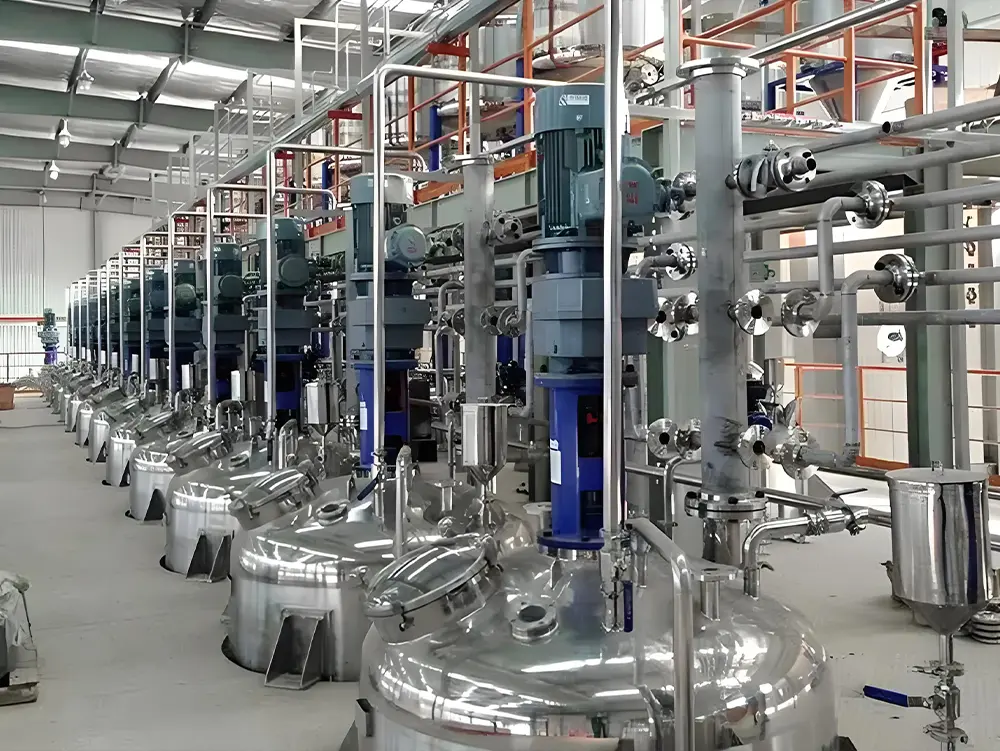
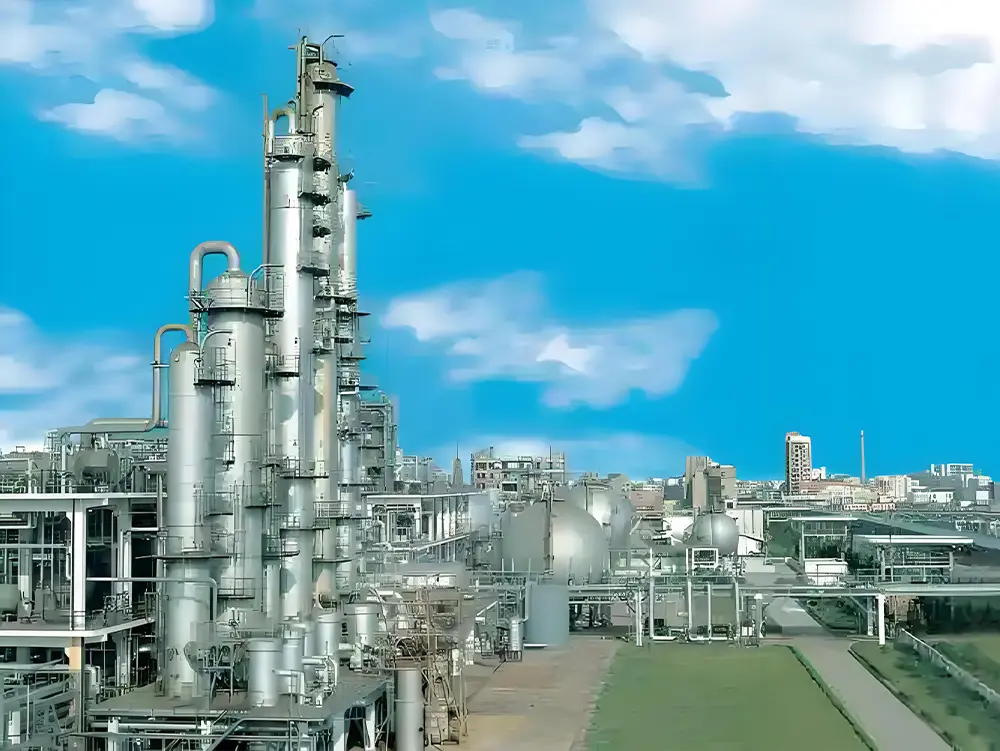
With an investment of US$65 million, our newly constructed manufacturing plant in Bohai Industrial Park, Shouguang City, Shandong Province covers an expansive layout featuring 6 fully automated DCS production lines. This facility yields an annual output of 30,000 tons of premium silane coupling agents, ensuring a robust and uninterrupted supply chain to the Middle East, Europe, North America, and Asia.
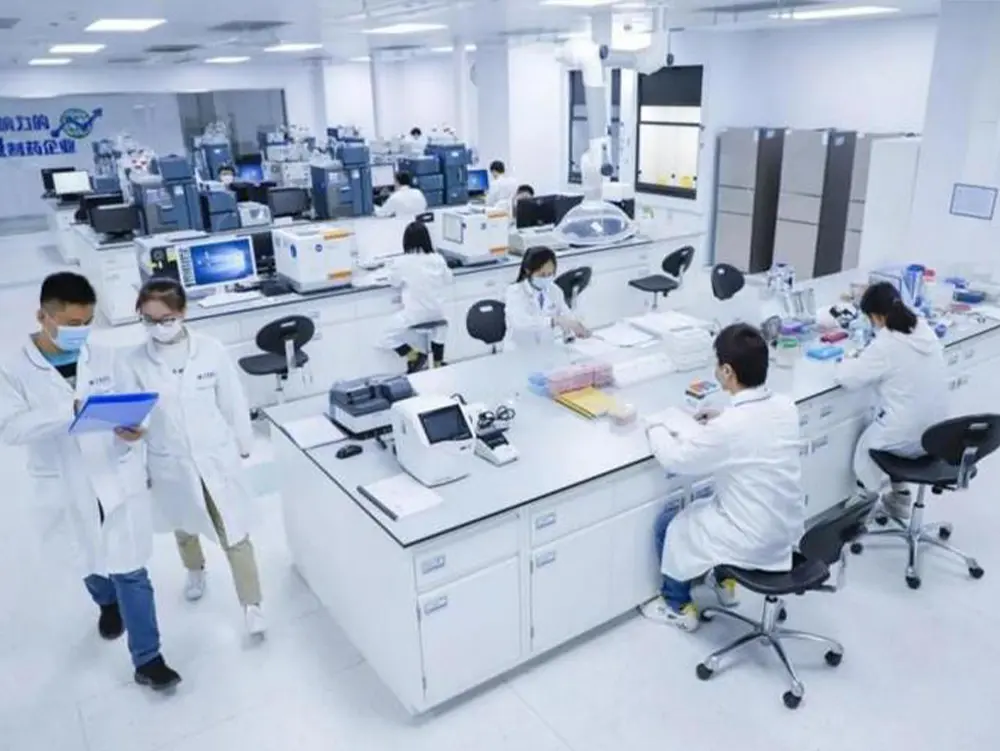
To ensure consistency, our factory operates strictly under the ISO9001 Quality Management System and utilizes safety instrumented systems (SIS) alongside state-of-the-art waste gas and wastewater treatment facilities, upholding our commitment to industrial sustainability.
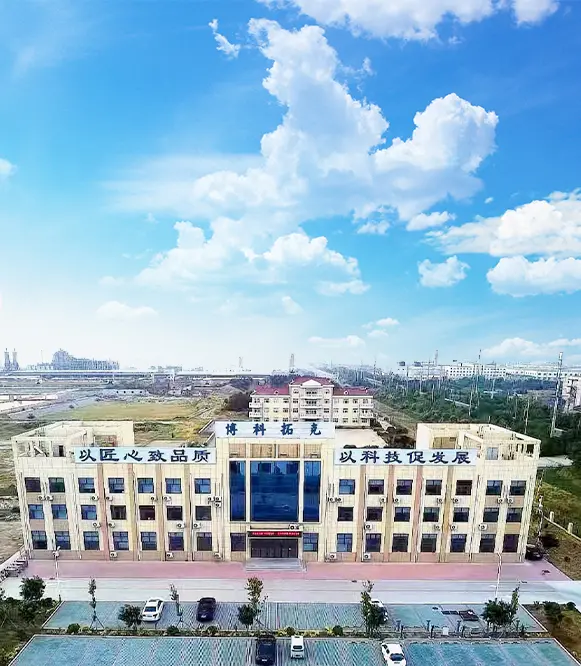
Seamless integration, massive raw material access, and optimized marine-land logistics targeting Riyadh Dry Port and Dammam Port.
Our strategically located operating hydrocarbon resin and chemical plants in Zibo, Fushun, and Nanjing benefit from long-standing partnerships with state-owned giants SINOPEC and PetroChina. This proximity guarantees a stable supply of key chemical precursors and petroleum resins, protecting our clients in Riyadh from sudden raw material shortages or price volatility.
We provide rapid shipping services from major ports (Qingdao, Shanghai, Tianjin) straight to King Abdulaziz Port in Dammam or Jeddah Islamic Port. Our logistics framework coordinate container transport directly via the Saudi Railway network into Riyadh Dry Port, reducing transit times to approximately 20-25 days.
All chemical shipments are accompanied by comprehensive Material Safety Data Sheets (MSDS), Certificates of Analysis (COA), and comply with SASO (Saudi Standards, Metrology and Quality Organization) chemical custom clearance rules, preventing delays at the kingdom's customs.
| Product Name | CAS Number | Key Applications in Riyadh | Key Properties |
|---|---|---|---|
| 3-Aminopropyltrimethoxysilane | 13822-56-5 | Glass fiber composites, phenolic binders, silicone sealants | Fast hydrolysis, high organic affinity |
| 3-Aminopropyltriethoxysilane | 919-30-2 | Foundry resins, automotive glass coatings, masonry sealers | Eco-friendly, ethanol release during hydrolysis |
| 3-Aminopropylmethyldimethoxysilane | 3663-44-3 | MS Polymers, high-flexibility joint fillers | Improved flexibility, reduced crosslink density |
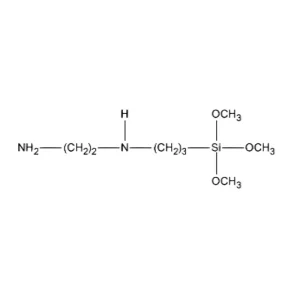
| N-β-(Aminoethyl)-γ-Aminopropyltrimethoxysilane | 1760-24-3 | Epoxy mortars, structural steel adhesives, asphalt modification | Diamino functionality, extreme adhesion |
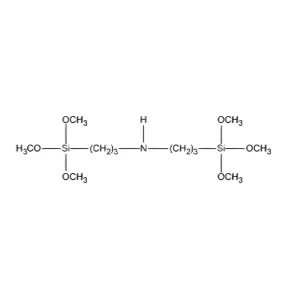
| Bis-[3-(trimethoxysilyl)-propyl]amine | 82985-35-1 | Anti-corrosive metal coatings, hybrid architectural adhesives | Secondary amine group, high thermal resilience |
Delivering high-tech chemical solutions to the cornerstone industries of Saudi Arabia's industrial expansion.
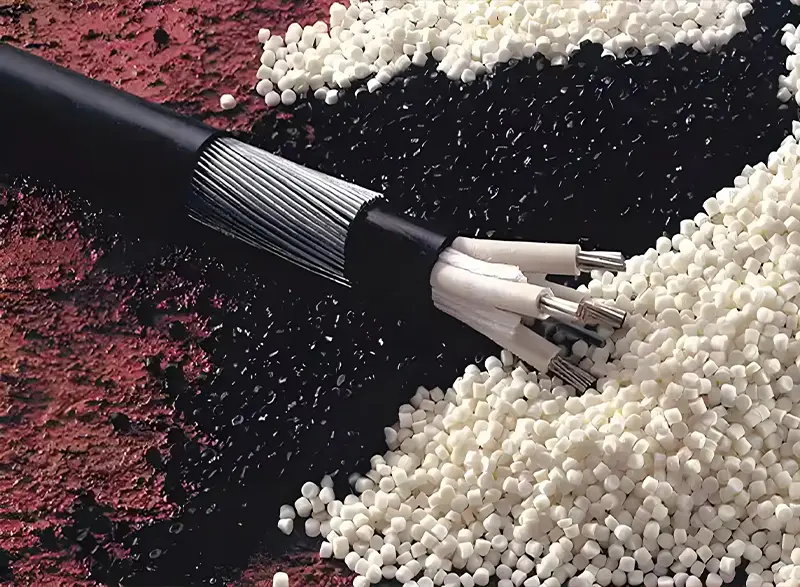
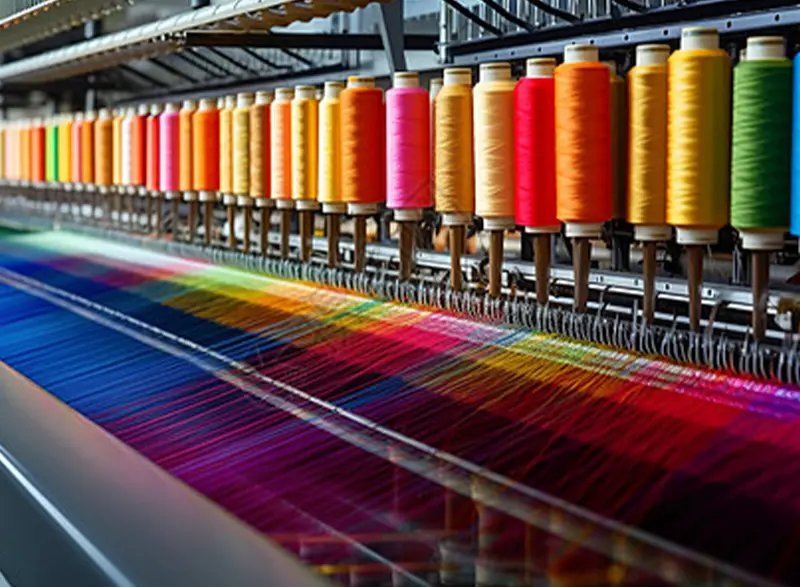

1. Wire & Cable Crosslinking (XLPE): High-voltage transmission lines managed by the Saudi Electricity Company require crosslinked polyethylene (XLPE) insulation that operates continuously under high thermal loads. Our vinylsilane and aminosilane solutions are critical crosslinking agents that prevent insulation failure caused by peak-load overheating.
2. Structural Wind Energy & Solar Infrastructure: Renewable projects across KSA's desert regions rely on composite structures like fiberglass wind blades and solar PV module sealants. Amino silanes ensure bonding between structural epoxy resins and the reinforcement fibers, preventing delamination caused by constant dust wind exposure and moisture-heat cycling.
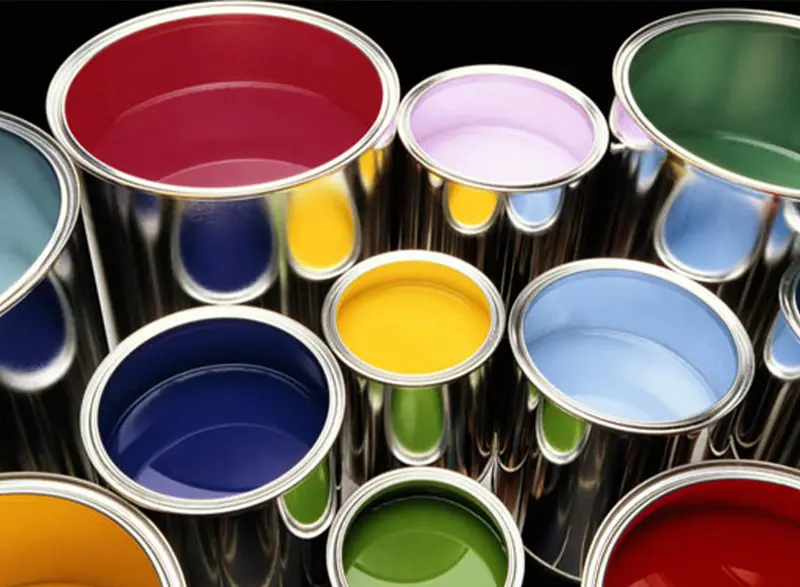
3. Heavy-Duty Protective Paint: Riyadh's steel structures require robust primers to resist corrosion. Adding amino-functional silanes improves both chemical resistance and adhesion to steel substrates, protecting critical equipment from rust and degradation.
The complete list of original products engineered for global chemical supply chains, retaining original links and properties.
Answers to technical queries on application chemistry, storage under extreme heat, and supply chain logistics.
Whether you require bulk containers of 3-Aminopropyltrimethoxysilane or customized silicone polymers, Boctok Chemical delivers reliable quality, competitive prices, and reliable supply chains.
Send Inquiry Now Boctok Chemical