Premium grade silanes, crosslinkers, and polymeric additives selected for global enterprise standards
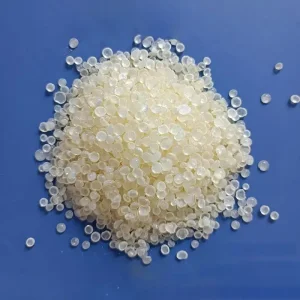
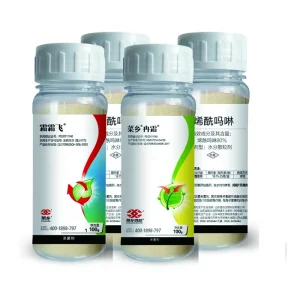
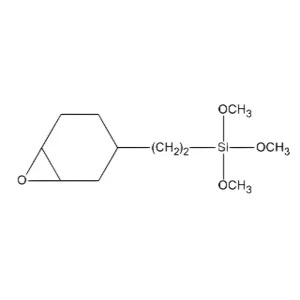
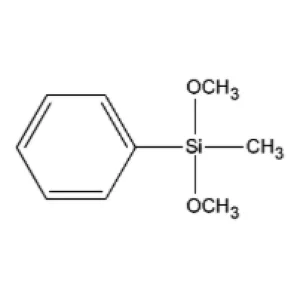
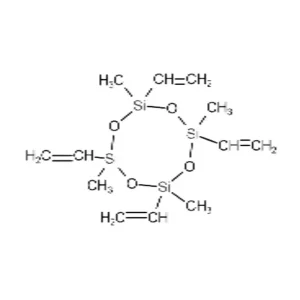
Deciphering the molecular structure and chemical versatility of high-performance vinyl silicones
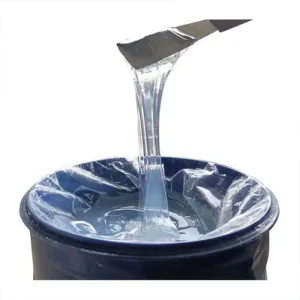
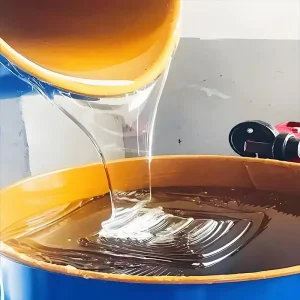
Vinyl-Terminated Polymethylvinylsiloxane (VTPMVS) represents a critical technological class of organosilicone polymers characterized by both terminal vinyl groups and vinyl groups on the repeating siloxane backbone. The presence of these highly reactive unsaturated carbon-carbon double bonds enables precise, addition-cure crosslinking (hydrosilylation) with silicon-hydride (Si-H) functional crosslinkers. Unlike traditional condensation-cure silicone chemistries, the hydrosilylation reaction—typically catalyzed by organometallic platinum complexes like Karstedt’s catalyst—does not yield volatile byproducts, ensuring remarkable dimensional stability, minimal shrinkage, and superior mechanical consistency.
From a structural perspective, the density of vinyl groups within the molecular chain (expressed as mol% or vinyl content) dictates the crosslinking density and, subsequently, the physical properties of the cured elastomer. Higher vinyl content results in a more rigid, high-hardness network with excellent tear resistance, while lower vinyl configurations provide highly flexible, impact-absorbent gels. This tunable nature makes it the base polymer of choice for Liquid Silicone Rubbers (LSR), High Consistency Rubbers (HCR), and advanced encapsulation gels used in microelectronics and optoelectronics.
Operates reliably across extreme temperature ranges, maintaining molecular integrity from -60°C up to 250°C without significant degradation.
Offers outstanding electrical insulation properties, featuring high dielectric breakdown strength and low dielectric constant across varying frequencies.
Resistant to moisture, ozone, UV radiation, weathering, and a wide array of chemicals, ensuring a long operational lifetime in harsh outdoor settings.
Founded in 2012, Shandong Boctok Chemical Co. was established as a global marketing and sales powerhouse to manage the comprehensive domestic and international business of the Boctok™ portfolio. With an unwavering commitment to quality and technical innovation, we achieved consolidated sales of US$280 million in 2023. Under our specialized BOCTOK brand, we have established deep partnerships globally, with an exceptionally strong and dedicated presence serving the Russian market.
Our core organosilicone business spans twelve specialized series of silane coupling agents and crosslinkers, including aminosilanes, methacrylate silanes, epoxy silanes, vinyl silanes, mercaptosilanes, alkyl silanes, ethyl silicates, chlorosilanes, silane isocyanates, phenyl silanes, ureidosilanes, and serosilanes. Furthermore, our silicone polymer division encompasses high-hydrogen silicone oil, dimethicone, vinyl silicone oil, polyphenylmethyldimethylsiloxane, phenyl silicone oil, silanol silicone oil, OH polymers, alkoxy silicone oil, methyl MQ resin, vinyl VMQ resin, room-temperature vulcanized methyl silicone rubber (RTV-107), 110 methyl vinyl silicone rubber, and 120 methyl phenyl rubber.
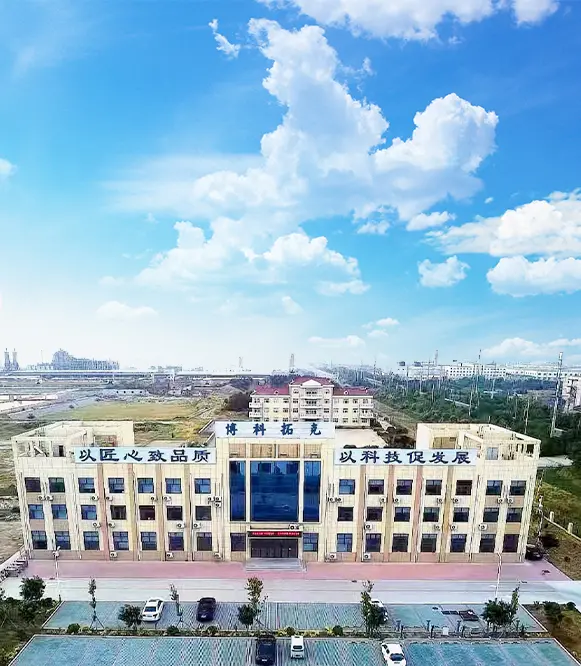


Boctok's Tier II core business encompasses petroleum resins. Through strategic equity investments in key hydrocarbon resin manufacturers in China, we currently operate three state-of-the-art facilities located in Zibo, Fushun, and Nanjing. Leveraging stable, high-quality chemical feedstocks from market giants SINOPEC and PetroChina, our operations provide premium-grade C9 hydrogenated resins, C5 hydrocarbon resins, C5 modified C9 resins, pure C9 resins, dicyclopentadiene (DCPD), and methyl cyclopentadiene dimer.
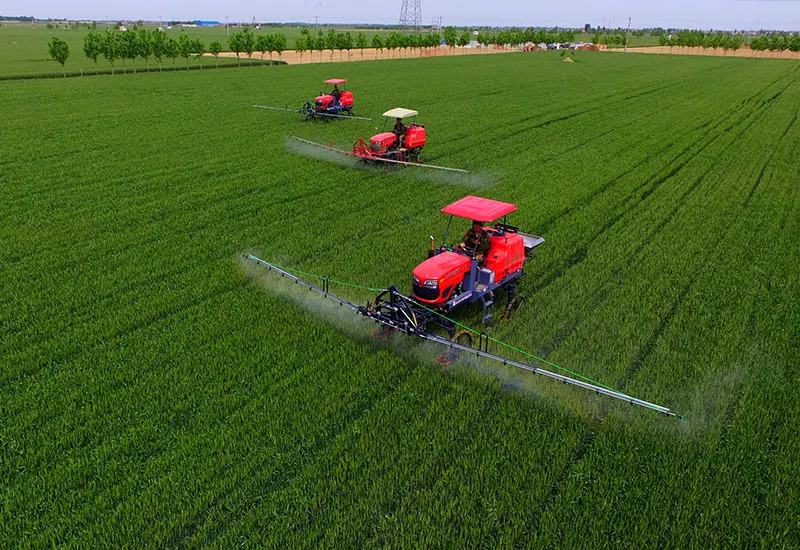
Additionally, Boctok is deeply integrated into the agrochemical value chain. We synthesize high-purity intermediates and primary raw materials essential for manufacturing agricultural pesticides, fungicides, insecticides, seed treatments, herbicides, and plant growth regulators.
Why global procurement networks rely on Boctok's vertically integrated infrastructure
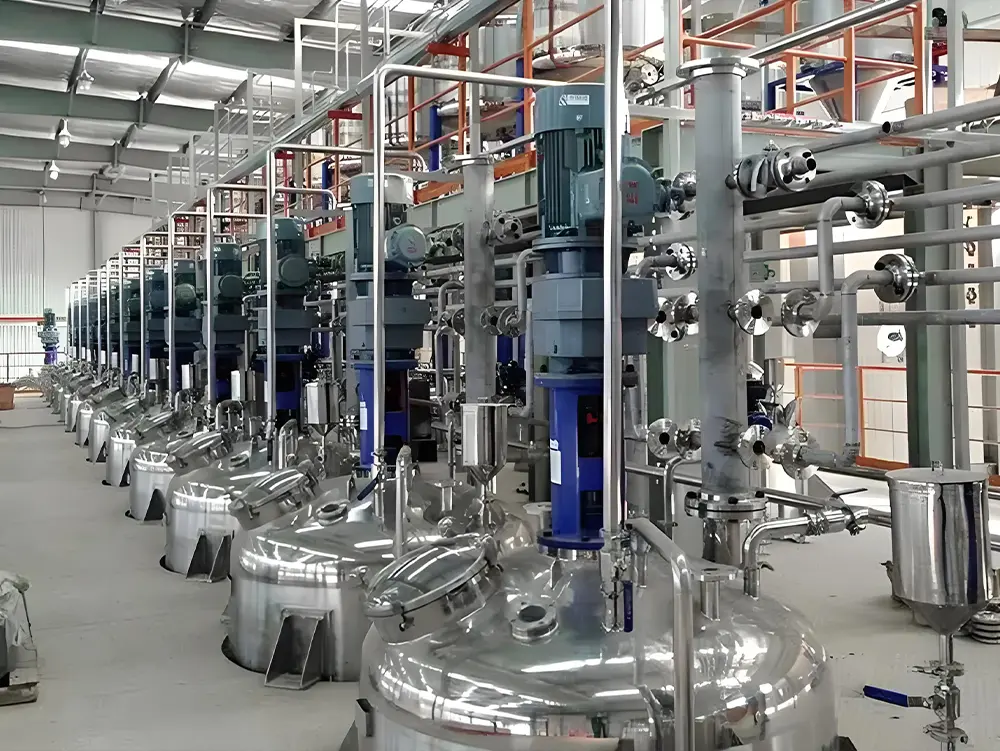
The global silicone and polymer industry demands both chemical performance and logistical consistency. Shandong Boctok Chemical Co. addresses these dual requirements through a state-of-the-art facility located in the Bohai Industrial Park (Shouguang City, Shandong Province), a government-approved chemical development zone. This strategic location represents an investment of US$65 million, engineered to expand the production chain of silane coupling agents and advanced silicone polymers.
Six automated production lines deliver consistent large-scale batches of silane coupling agents and silicone intermediates.
Equipped with Distributed Control Systems (DCS) and Safety Instrumented Systems (SIS) to ensure extreme precision and chemical stability.
Full implementation of ISO9001 quality management system throughout the manufacturing lifecycle to guarantee zero-defect shipments.
To guarantee stable continuous production without environmental interruption, Boctok has built robust dedicated waste-treatment facilities, including high-capacity waste gas thermal collectors and treatment scrubbers, alongside a comprehensive biological and chemical wastewater plant. This aligns with China's strict national environmental standards, assuring global buyers of sustainable and uninterrupted material supply.
Ensuring compliance, documentation, and expert assistance across global boundaries
Procuring specialty silicone polymers like Vinyl-Terminated Polymethylvinylsiloxane requires adherence to strict global regulatory frameworks. At Boctok Chemical, our dedicated regulatory department ensures that all shipped chemicals conform to the domestic rules of the target jurisdictions:
We supply full registration profiles for EU REACH, ensuring trouble-free imports into European markets. For North American partners, our products conform to EPA TSCA inventory standards. Additionally, all electronics-grade siloxanes are certified to comply with RoHS and WEEE directives.
With the BOCTOK brand deeply focused on the Russian market, we provide native Russian documentation, technical data sheets (TDS), safety data sheets (SDS) conforming to GOST standards, and specialized customs clearance facilitation for fast overland and maritime transit.
How our polymer grades perform in real-world extreme environments
In extremely cold climates, standard cables become brittle and crack. By blending our Vinyl-Terminated Polymethylvinylsiloxane with vinyl VMQ resin, engineers synthesize RTV and HTV rubbers that maintain outstanding elasticity and dielectric breakdown strength down to -60°C.
Electric vehicle battery assemblies require thermal dissipation and vibration damping. VTPMVS-based addition-cure potting gels flow easily into complex module cavities, crosslinking rapidly at mild temperatures to form a shock-absorbent thermal barrier.
For high-speed transport systems, seals must withstand friction and ozone exposure. The vinyl crosslinking mechanism of Boctok's vinyl silicone oils ensures low compression set and high resistance to oxidation under repeated structural stress cycles.
Operational excellence delivering real value to your global procurement operations

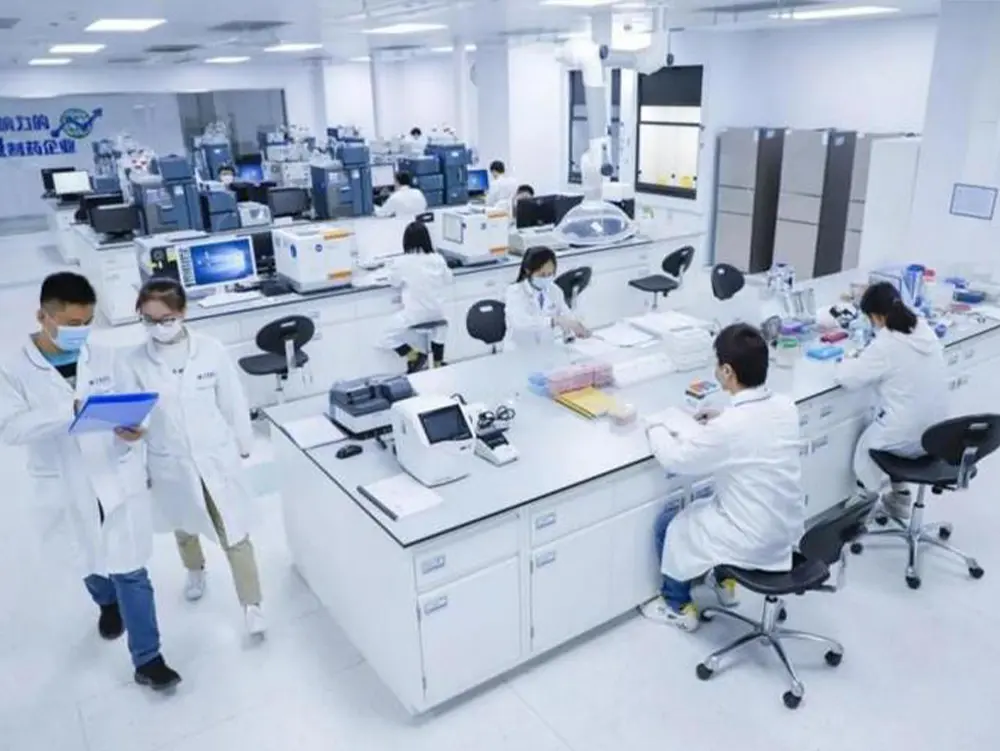
Our products undergo rigorous multi-stage analytical testing to ensure that every aspect meets the highest global standards.

Advanced synthesis plants allow us to scale up production and meet demands for custom polymer blends and bulk quantities.

Our expert chemical engineers are available 24 hours a day to provide support, troubleshoot formulations, and resolve orders.

An optimized global supply chain structure ensures rapid order processing and punctual sea, rail, and land dispatch.
Comprehensive portfolio overview for varied industrial applications

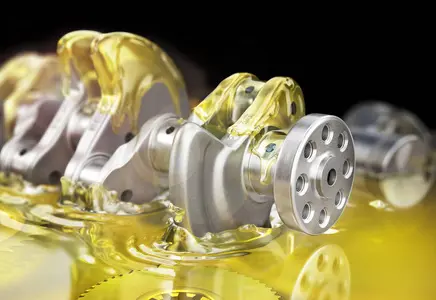
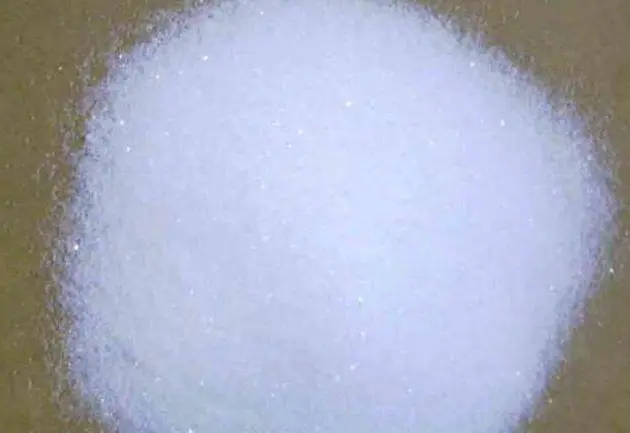
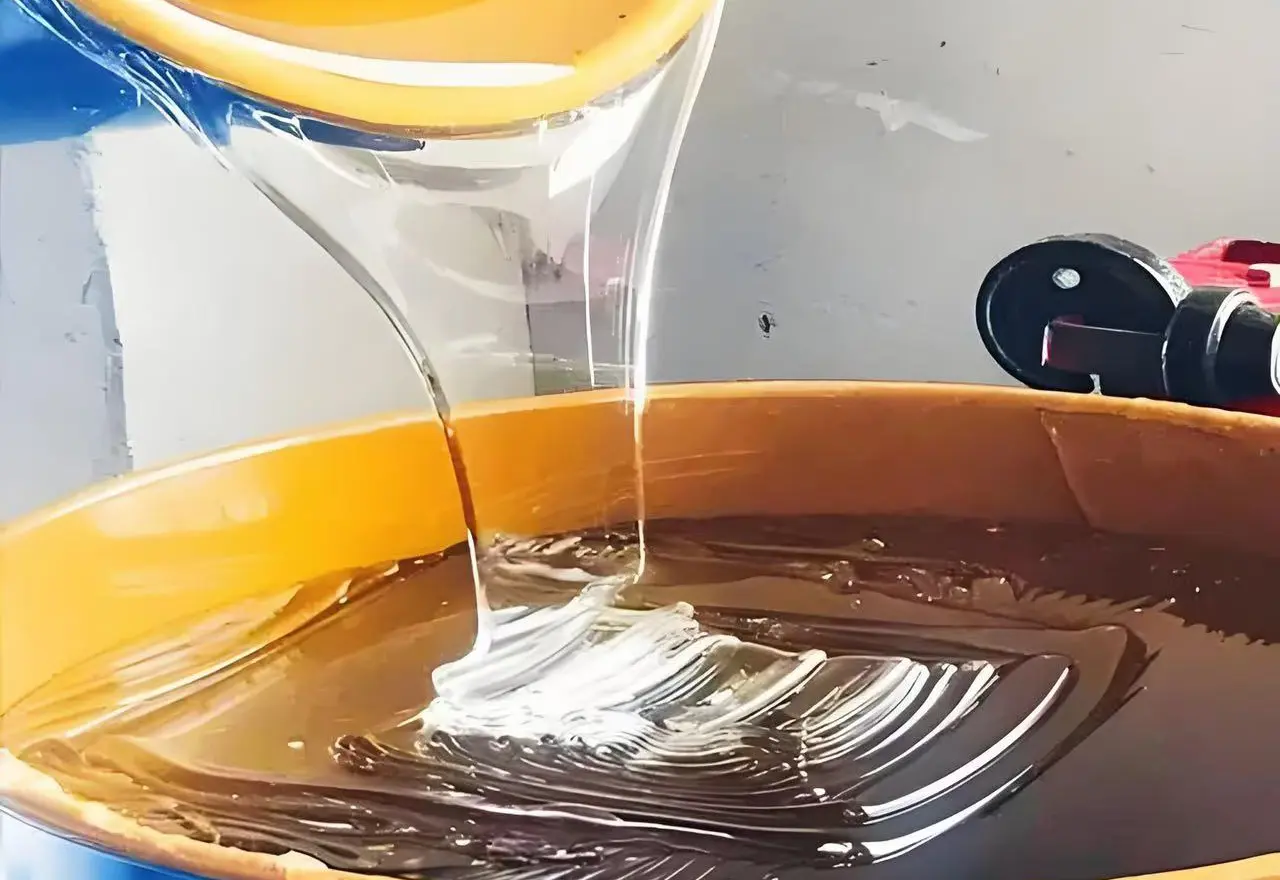
High purity silicon monomers, specialized vinyl oils, coupling agents, functional crosslinkers, and MQ/VMQ structural resins.

Active ingredients, stabilizers, emulsifying agents, and specialized intermediates tailored for global agricultural chemical protection.
Delivering performance materials across critical sectors
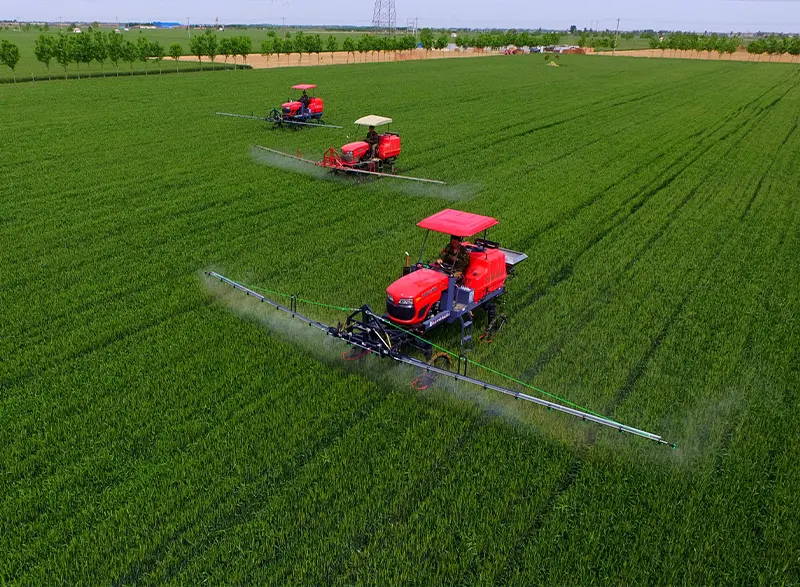




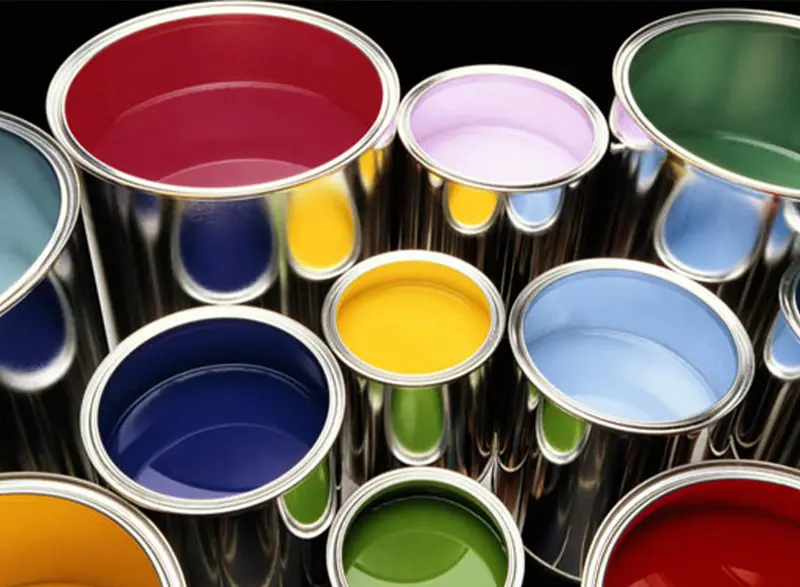
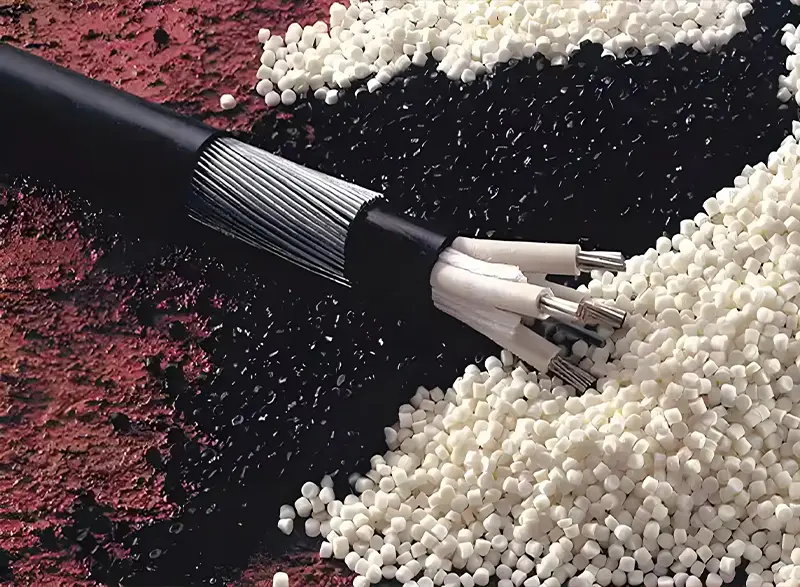
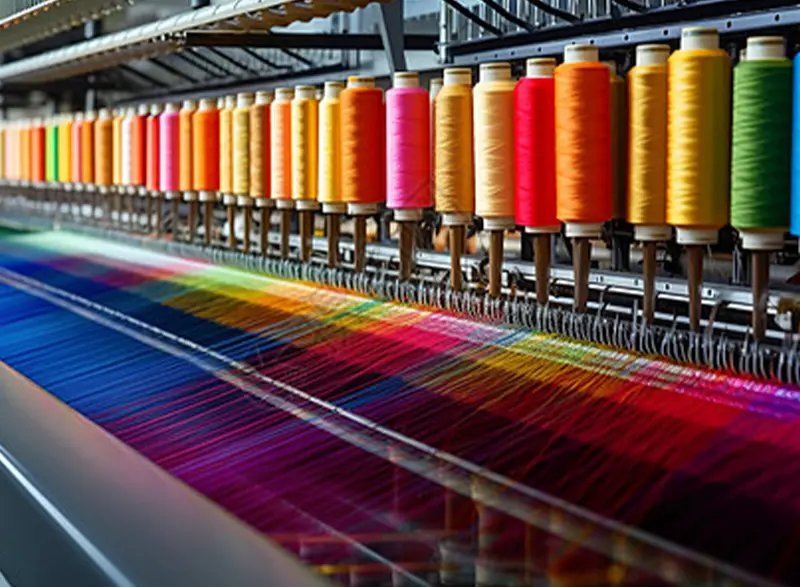
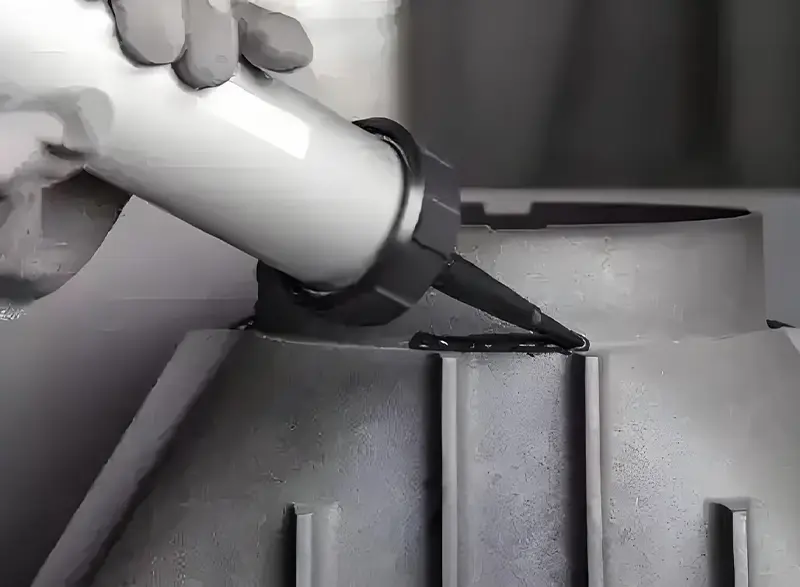

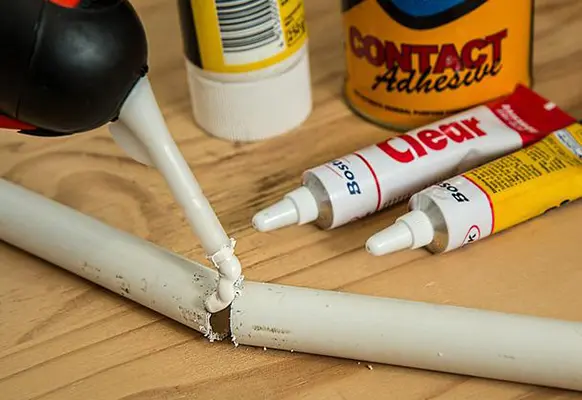
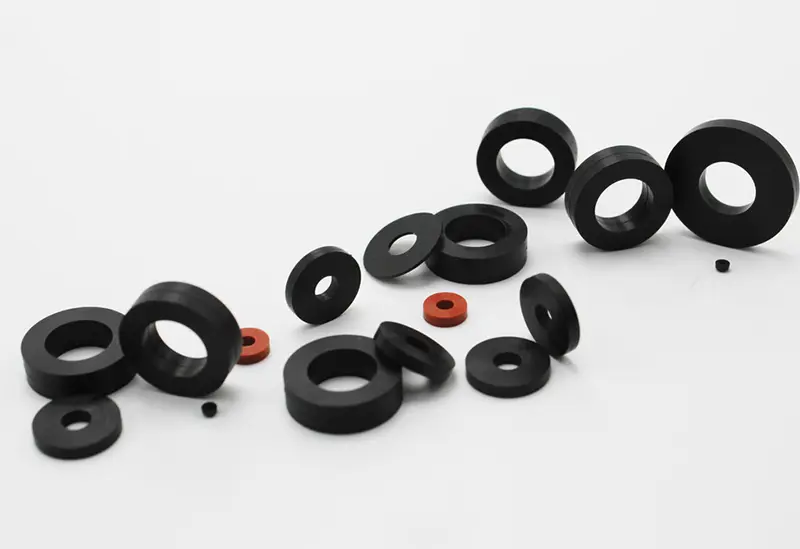
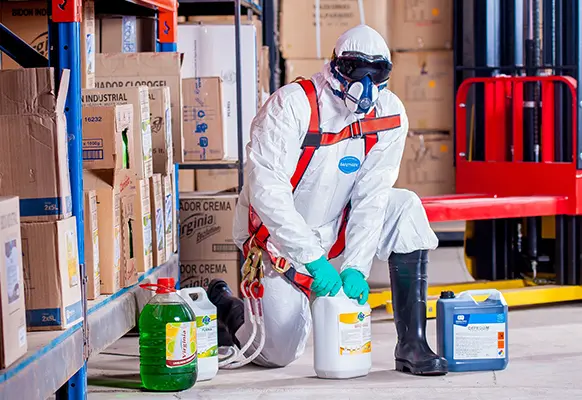
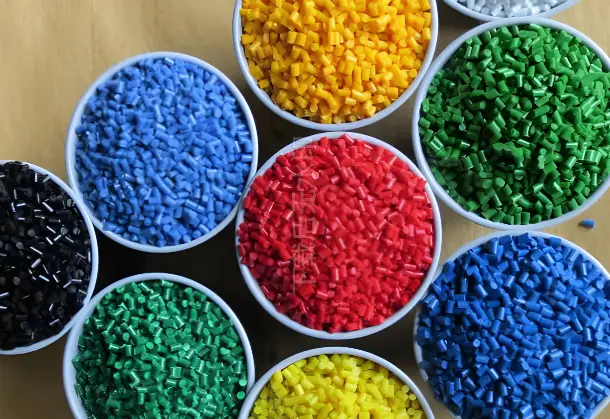
Cross-industry chemical and material application gallery




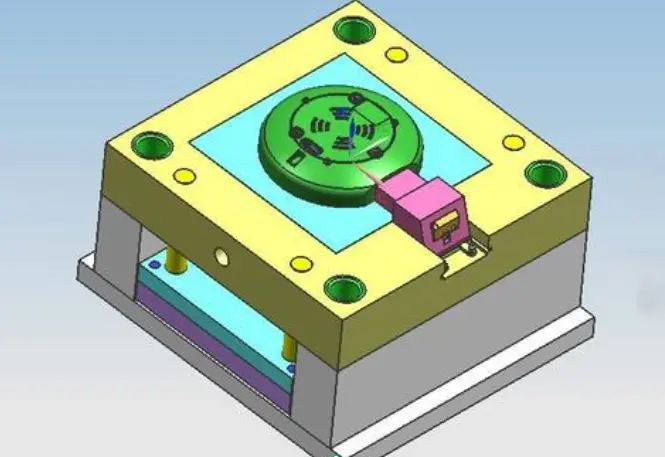


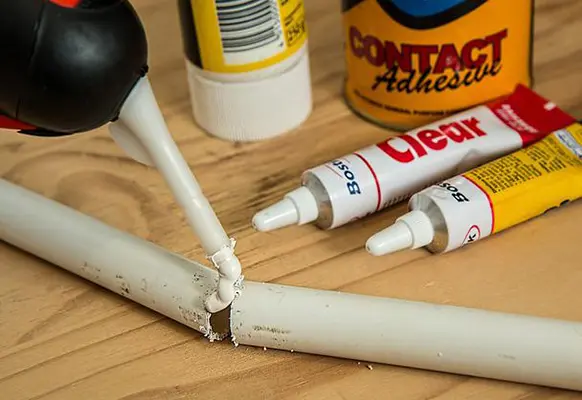
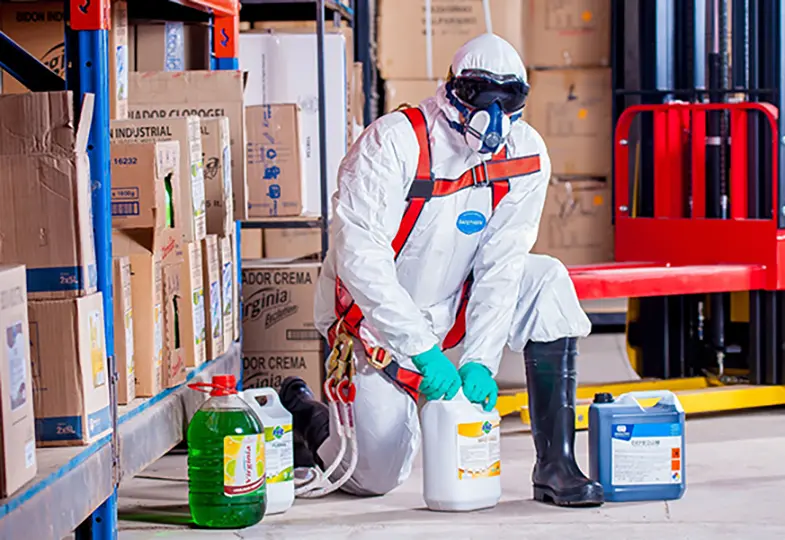

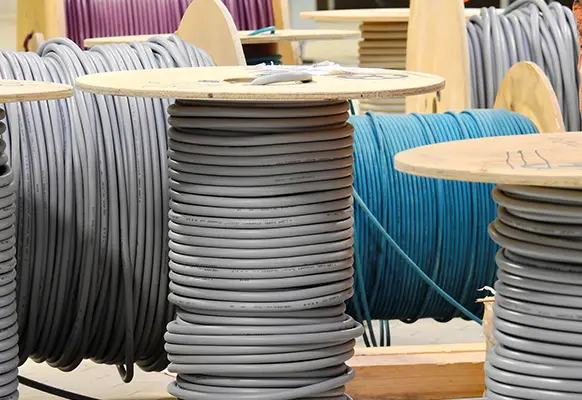





Understanding critical metrics and strategic choices in silicone polymer sourcing
Industrial procurement teams seeking Vinyl-Terminated Polymethylvinylsiloxane face complex technical decisions. To guarantee consistent formulation performance in end products, procurement professionals must prioritize and evaluate key metrics:
This metric defines the crosslinking density. Procuring departments must match the exact vinyl concentration (ranging from 0.05 mol% to over 3.0 mol%) to ensure their vulcanized systems achieve correct mechanical hardness, elongation, and tear strength.
Viscosity directly influences processing flow. Ranging from 100 mPa·s for casting gels to 100,000 mPa·s for viscous rubbers, selecting the exact rheological behavior prevents extrusion line delays or potting voids in electronic hardware assembly.
Advanced industries, particularly semiconductor and medical manufacturing, require deep purification to minimize volatile cyclic silicones. Buyers must source polymers with low-volatile specifications to prevent contamination and outgassing.
Shandong Boctok Chemical Co. addresses these rigorous sourcing criteria. We provide complete technical specifications, custom viscosity blending, gas chromatography (GC) purity verification, and batch traceability from our automated facility in China, eliminating the typical supply-chain risks associated with specialty chemicals.
Exploring the next frontier of silicone polymer engineering and sustainable manufacturing
The global silicone market is undergoing rapid evolution, influenced by environmental sustainability, miniaturization in electronics, and the rise of high-performance electric vehicles. Understanding these macro trends helps strategic managers position their product lines for future requirements:
Historically, peroxide-cured systems dominated elastomer manufacturing. However, environmental and health regulations are driving a major shift towards addition-cure systems using Vinyl-Terminated Polymethylvinylsiloxane. These systems emit no toxic byproducts, cure faster at lower heat, and are safe for medical applications, representing a critical modern advancement.
As electric vehicle charging speeds increase and microchips pack more transistors, the demand for highly conductive TIMs has surged. Purified VTPMVS polymers serve as the matrix for thermal greases, pads, and gels, loaded with conductive fillers. They maintain elasticity under extreme temperatures, ensuring long-term protection for critical circuitry.
Expert answers to common questions about Vinyl-Terminated Polymethylvinylsiloxane and chemical compatibility
Premium organosilicon chemistry and specialized formulations for global shipping
 Boctok Chemical