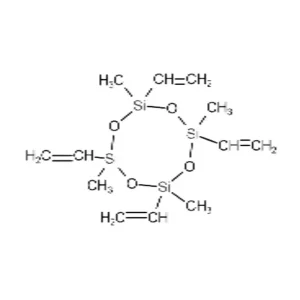
In the high-performance silicone chemical sector, Tetramethyltetravinylcyclotetrasiloxane (abbreviated as D4V, V4, or methylvinylcyclotetrasiloxane) stands out as an irreplaceable organosilicon precursor. Registered under CAS Number 2554-06-5, this cyclic compound features a distinct structure composed of alternating silicon-oxygen bonds with vinyl and methyl substituents attached to each silicon atom. This molecular design yields a density of roughly 0.99 g/cm³, a boiling point around 224°C, and exceptional hydrosilylation crosslinking chemistry.
Thanks to its reactive vinyl groups, D4V serves as a key modifying agent and vinyl-terminated polymer intermediate. By introducing vinyl groups to polysiloxane backbones, it helps control crosslinking density and hardness in specialized rubbers. It is widely used in high-purity additions like Liquid Silicone Rubbers (LSR), optical-grade LED encapsulants, high-voltage insulation materials, and biomedical-grade elastomers. Ensuring consistent quality from factory floor to dispatch is vital, as trace impurities can disrupt platinum-catalyzed addition curing reactions.
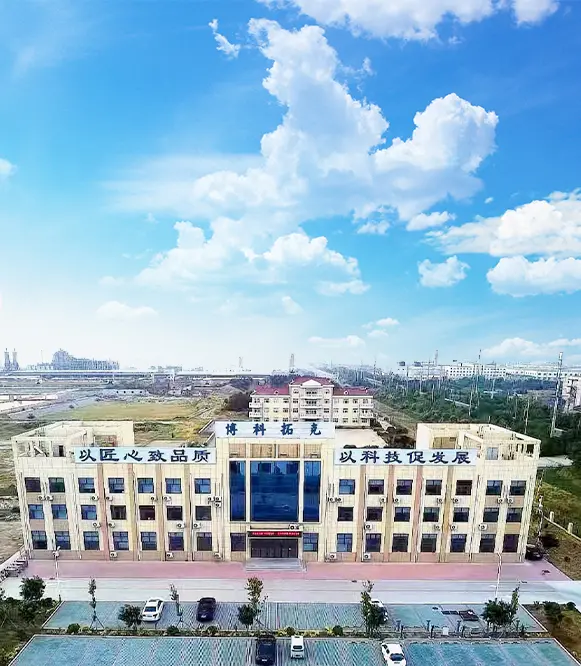
Founded in 2012, Shandong Boctok Chemical Co. serves as the marketing, sales, and operations center for Boctok™ domestic and international business. Driven by technical expertise, quality assurance, and customer-focused service, the company reached annual sales of US$280 million in 2023. The BOCTOK brand specializes in serving the Russian market while supplying premium products globally.
Boctok’s core organosilicone business spans twelve series of silane coupling agents and crosslinkers. This comprehensive line includes aminosilanes, methacrylate silanes, epoxy silanes, vinyl silanes, mercaptosilanes, alkyl silanes, ethyl silicates, chlorosilanes, silane isocyanates, phenyl silanes, ureidosilanes, and serosilanes. In addition, Boctok focuses on high-performance silicone fluids, resins, and rubbers, such as high-hydrogen silicone oil, dimethicone, vinyl silicone oil, polyphenylmethyldimethylsiloxane, phenyl silicone oil, silanol silicone oil, OH polymer, alkoxy silicone oil, methyl MQ resin, vinyl VMQ resin, room-temperature vulcanized methyl silicone rubber, 110 methyl vinyl silicone rubber, and 120 methyl phenyl rubber.
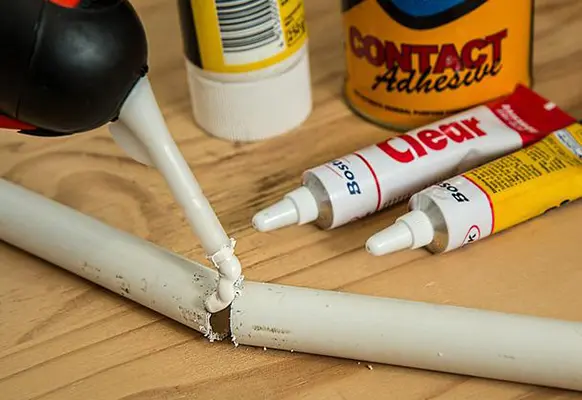
These advanced materials improve product performance across diverse sectors, including glass fiber, electronics, wind energy, daily chemical products, coatings, adhesives, XLPE electric cables, hot water pipes, oil field drilling, textiles, rubber, and precision molding. By investing in manufacturing scale and process control, Boctok provides consistent chemical solutions to companies worldwide.
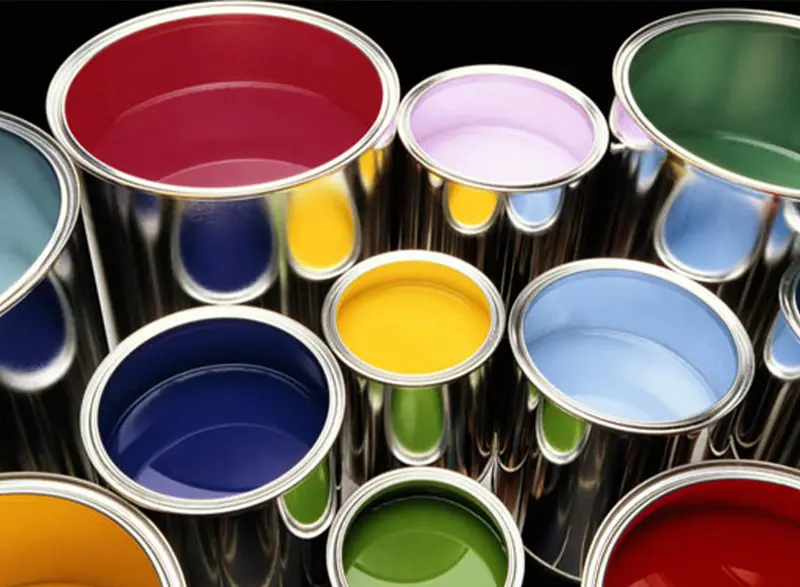
Boctok's Tier II core business includes petroleum resins, backed by investments in a key hydrocarbon resin manufacturer in China. Operating three modern factories in Zibo, Fushun, and Nanjing, Boctok secures reliable raw materials from SINOPEC and PetroChina. Products like C9 hydrogenated resins, C5 hydrocarbon resins, C5/C9 copolymerized resins, and dicyclopentadiene (DCPD) are widely used by Fortune 500 companies in coatings, hot-melt adhesives, and road marking paints.
Boctok also serves the agrochemical industry, producing intermediates and raw materials for pesticides, fungicides, insecticides, seed treatments, herbicides, and plant growth regulators. Our advanced purification and synthesis systems ensure high bio-efficacy and strict compliance with agricultural safety standards.
Boctok’s products are distributed throughout China and exported to North America, Europe, Japan, South Korea, Australia, South America, the Middle East, India, Southeast Asia, and Russia. This global presence has built strong relationships based on dependable delivery and technical support.
Sourcing Tetramethyltetravinylcyclotetrasiloxane from China offers international buyers strong cost, capacity, and supply chain benefits. Chinese organosilicon factories have transitioned from basic manufacturing to high-tech, automated production hubs that meet strict international environmental and quality standards.
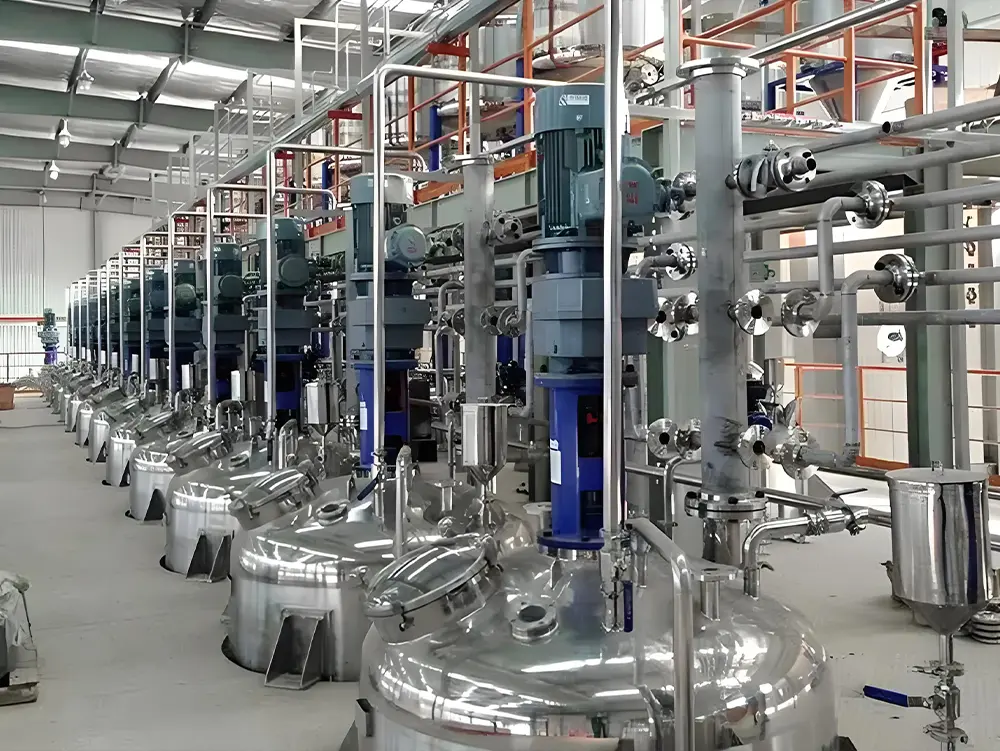
Our Shouguang plant, located in Shandong Province’s Bohai Industrial Park, reflects this progress. Built with a recent US$65 million investment, the facility is designed to expand our silane coupling agent and cyclosiloxane production lines. It features 6 fully automated Distributed Control System (DCS) lines with an annual output capacity of 30,000 tons. This integrated approach ensures consistent quality, reduced batch-to-batch variation, and stable supply lines even during raw material fluctuations.
Operational safety and quality control are central to our Shouguang operations. The facility is equipped with automated remote DCS controls, Safety Instrument Systems (SIS), and advanced safety hardware. Every production stage is monitored to meet ISO9001 quality management standards. To support environmental sustainability, we operate comprehensive waste gas collection systems and on-site wastewater treatment plants, ensuring compliance with green manufacturing requirements.



The global organosilicon market is shifting toward specialized, high-performance formulations. Standard dimethicone products are increasingly being replaced by modified vinyl, phenyl, and amino-functionalized siloxanes. This evolution is driven by demanding applications in automotive electrification, high-frequency electronics, and clean energy systems.
Regulations on cyclic methylsiloxanes (like D4, D5, and D6) are driving demand for highly purified intermediates. Stripping unreacted monomer residues and controlling volatile organic compounds (VOCs) helps elastomer manufacturers meet international environmental standards.
Modern LEDs, high-speed micro-sensors, and solar panels require protective encapsulants with high refractive indexes and minimal yellowing. High-purity vinyl cyclosiloxanes like CAS 2554-06-5 help maintain clarity under continuous UV exposure and thermal stress.
Medical devices, dental molding, and wear resistant consumer items require high-tensile, non-toxic addition-cure liquid silicone rubbers (LSR). Premium D4V serves as a structural control agent, improving mechanical stability in biocompatible formulations.
Tetramethyltetravinylcyclotetrasiloxane serves as a key building block across diverse industrial fields. Its chemical structure allows engineers to modify polymer networks to withstand harsh operational conditions.











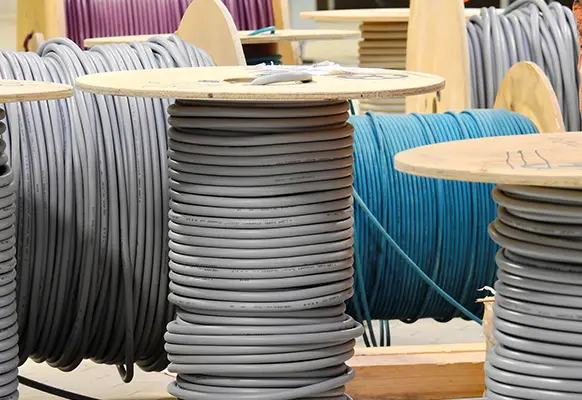
In automotive engineering, addition-cure silicone rubbers modified with V4 help protect critical electronics from heat and moisture. They provide chemical resistance and electrical insulation for wire harnesses, gaskets, and connector seals. In construction, vinyl silicone resins form the basis of architectural coatings and weather-resistant sealants, offering durability against UV radiation and thermal cycling.
Sourcing Tetramethyltetravinylcyclotetrasiloxane requires balancing chemical specification requirements with supplier stability. Purchasing departments and formulation chemists should focus on key technical metrics during evaluation:
For high-performance applications, a purity level of 99.0% to 99.5% is typical. Impurities like residual water, silanols, or acid traces can poison platinum catalysts, leading to incomplete curing, tackiness, or structural weakness in the final elastomer.
Trace moisture levels must remain below 50–100 ppm. Excess moisture can trigger hydrolysis, altering the product's storage stability and crosslinking profile. Strict control of acid values is also required to prevent premature degradation of silicone polymers.
Reliable manufacturers use integrated Distributed Control Systems (DCS) and Safety Instrument Systems (SIS). These systems monitor critical variables like temperature, pressure, and flow rates in real time, ensuring consistent product specifications across every batch.
Boctok’s materials support a wide array of application environments, helping industrial clients improve performance, durability, and processing efficiency.













 Boctok Chemical
![China Bis-[3-(triethoxysilyl)-propyl]amine](https://site.cdnfile.io/www.boctoksilicone.com/837bedcc9470a3ee1f202feb49d8ce69300_300.webp)