Famous Silicone Base Coating Manufacturers & Companies

Global Industrial Formulations, High-Performance Silane Precursors, & Resilient Supply Chain Operations

Premium Chemical Materials & Silane Agents

Explore our primary list of high-grade silicone precursors, specialty coupling agents, polymer modifiers, and chemical intermediates optimized for global manufacturing pipelines.
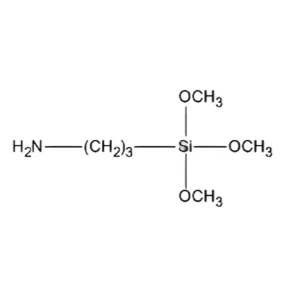
3-Aminopropyltrimethoxysilane Cas 13822-56-5

Famous 3-Aminopropyltrimethoxysilane Cas 13822-56-5 Manufacturer, Suppliers

View Details
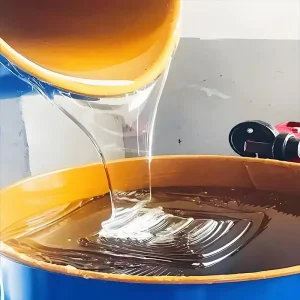
Hydroxysilicone oil 63148-60-7

China Hydroxysilicone oil 63148-60-7 Supplier, Factory

View Details
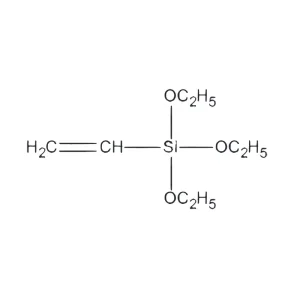
Vinyltriethoxysilane Cas 78-08-0

Famous Vinyltriethoxysilane Cas 78-08-0 Company, Supplier

View Details
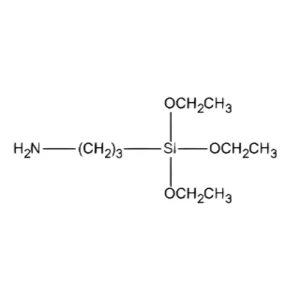
3-Aminopropyltriethoxysilane Cas 919-30-2

China 3-Aminopropyltriethoxysilane Cas 919-30-2 Manufacturers, Company

View Details
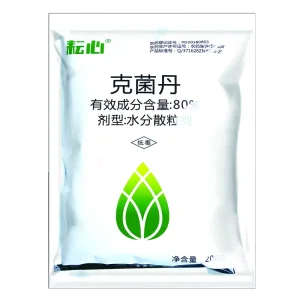
80% клостридана

China 80% клостридана Manufacturer, Factory

View Details
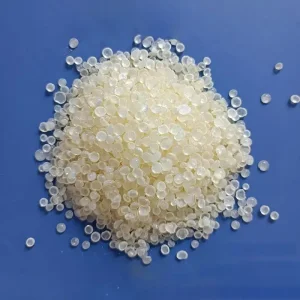
C5 C9 Copolymerized Modified Hydrocarbon Resin for Road Marking Paint CAS 68131-99-7

Famous C5 C9 Copolymerized Modified Hydrocarbon Resin for Road Marking Paint CAS 68131-99-7 Manufacturers, Companies

View Details
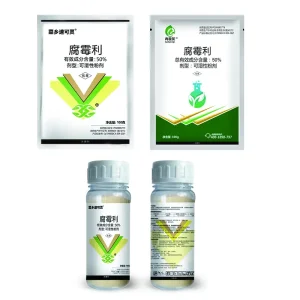
50 процентов гнилого

Famous 50 процентов гнилого Manufacturers, Products

View Details
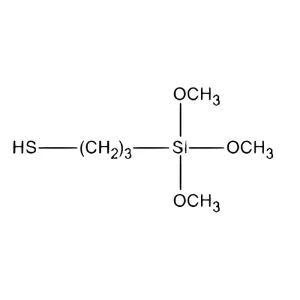
3-Mercaptopropyltrimethoxysilane

Famous 3-Mercaptopropyltrimethoxysilane Products, Product

View Details
Executive Brief

A Global Paradigm Shift in Industrial Silicone Coatings & Crosslinking Science

The global demand for high-performance protective matrices has led to massive evolution in the chemical synthesis of silicone base coatings. At the core of this revolution lies organosilicone chemistry: twelve series of silane coupling agents and crosslinkers that form the bedrock of interfacial bond engineering. Modern manufacturing requires coatings that provide not only moisture barriers and atmospheric protection, but also enhance the substrate's mechanical, electrical, and thermal qualities.

By engineering siloxane bonds (Si-O-Si) with various organofunctional matrices, modern manufacturers have developed coatings that resist temperature fluctuations, chemical oxidation, and UV degradation. This white paper analyzes the supply chain characteristics, product quality parameters, and industrial applications that define the world's leading silicone coating and silane coupling agent producers.
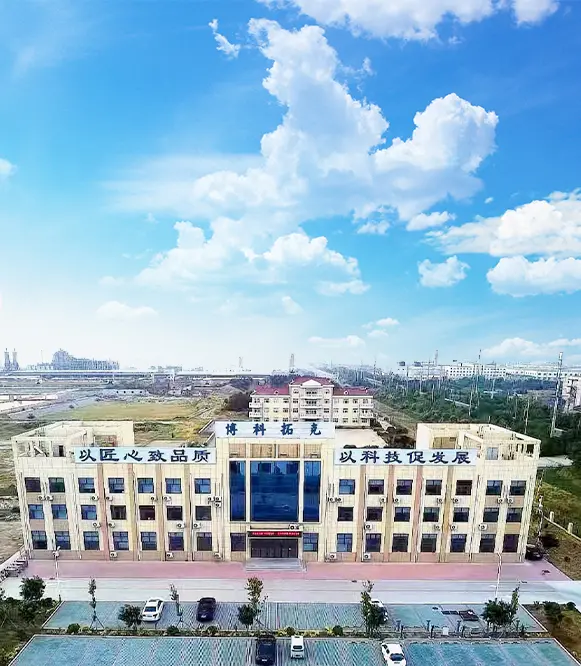
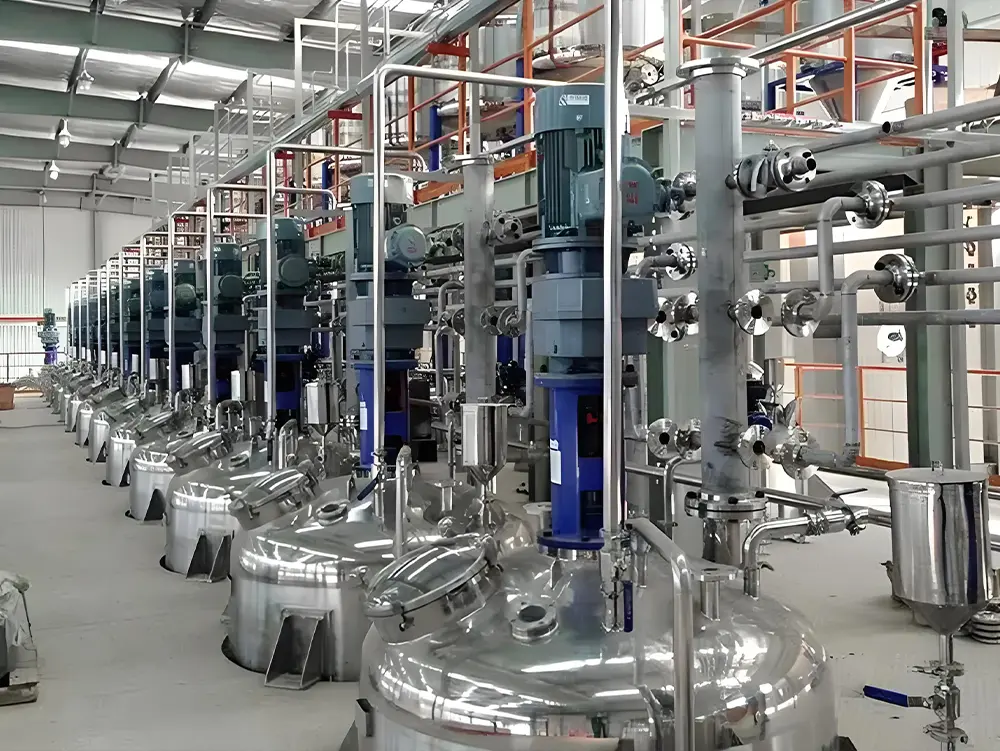
Organosilicone Chemical Industrial Facility

Leading the Industry: Shandong Boctok Chemical Co.

Connecting Chinese industrial manufacturing capacity with global logistics pipelines and target markets.

Scale & Authority

Founded in 2012 as a consolidated marketing and sales engine for domestic and international organosilicone and hydrocarbon distribution, Shandong Boctok Chemical Co. reached US$280 million in sales in 2023. Operating under the renowned Boctok™ brand, our products serve major industrial centers, with a specific, highly optimized operational framework dedicated to the Russian market.

Three Core Pillars

Our operation is built on three core pillars: Organosilicon materials (covering silane coupling agents, silicone oils, resin, and silicone rubber matrices), high-performance Petroleum Hydrocarbon Resins (C5 and C9 polymer architectures), and specialized Agrochemicals (essential active ingredients and chemical intermediates).

Global Export Footprint

Boctok’s products are distributed throughout domestic industrial zones in China and exported to highly regulated markets across North America, Europe, Japan, South Korea, Australia, South America, the Middle East, India, Southeast Asia, and Russia, earning the trust of regional industrial buyers.

$280M
2023 Annual Sales (USD)
30K Tons
Annual Silane Output Capacity
6 Lines
Automatic DCS Production Lines
12 Series
Silane Coupling Agents Developed

Advanced Infrastructure & Production Facilities

Boctok investments combine raw material integration, automation systems, and environmental compliance.

Production Facility 1
Production Facility 2
Production Facility 3
Production Facility 4

Strategic Upstream Integration & Raw Material Security

Our hydrocarbon resin division represents a targeted joint venture investment with key Chinese hydrocarbon polymer manufacturers. Operating out of three production facilities in Zibo, Fushun, and Nanjing, we leverage direct feed pipelines and long-term contracts with industry giants SINOPEC and PetroChina. This feedstock integration protects Boctok and our partners from raw monomer price fluctuations, ensuring continuous supply stability even during global shipping disruptions.

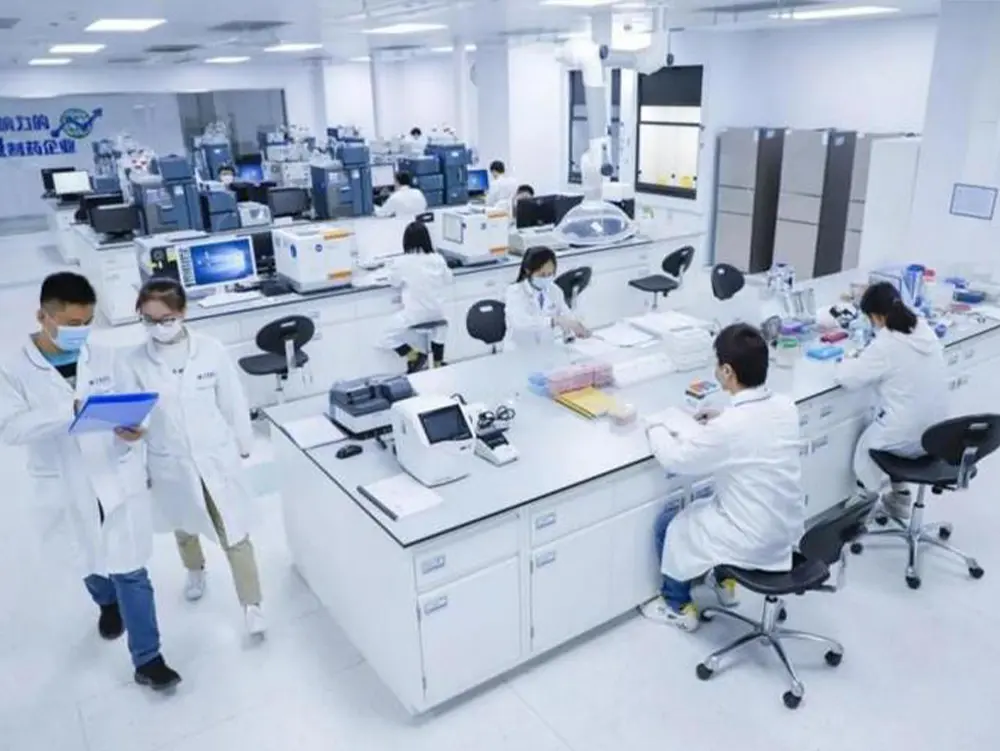
Chemical Research Laboratory - Silane Formulation
Market Intelligence

Key Trends in the Silicone Base Coating Industry

Global environmental mandates and the transition toward green energy are redefining the technical specifications of industrial coatings. Four major trends dominate the R&D priorities of leading global manufacturers:

  • Low-VOC and Solvent-Free Formulations: Regulatory bodies like the EPA and REACH are forcing a transition away from solvent-borne formulations toward water-dispersible silane systems and 100% solids silicone coatings.
  • Intelligent Hybrid Coatings: Integrating organic epoxy, polyurethane, or acrylic polymers with inorganic siloxane backbones to produce hybrid coatings that combine chemical resistance with high mechanical impact tolerance.
  • Thermal Management for Electrified Platforms: With the rise of electric vehicles and high-power density electronics, silicone coatings are increasingly relied upon for thermal dissipation, electrical isolation, and fire-retardant barriers.
  • Superhydrophobic and Self-Cleaning Surfaces: Advanced room-temperature vulcanizing (RTV) coatings are engineered to exhibit extreme water contact angles, preventing ice accumulation and atmospheric dust buildup on high-voltage power lines and wind turbine blades.

Global Enterprise Procurement Requirements

How Fortune 500 chemical companies and industrial end-users assess supplier portfolios to secure supply chains.

Regulatory Compliance & Certifications

Modern enterprises require complete trace documentation for chemical materials. Sourcing departments demand strict adherence to ISO 9001 quality metrics, ISO 14001 environmental standards, and regional registrations (such as REACH in the EU and TSCA in the United States) to avoid supply chain disruptions.

Customization & Chemical Purity

Industrial applications frequently require custom-tailored organofunctional groups. The ability to modify silane properties—such as controlling alkoxy hydrolysis speed or adjusting vinyl/amino loading density—is a key requirement for tier-one global chemical purchasers.

Supply Continuity & Logistics

With unpredictable global freight markets, procurement teams prioritize vendors with large-scale storage facilities, strategic shipping access, and direct relationships with global logistics networks to ensure consistent delivery times.

Factory 4.0

China Factory 4.0: Supply Chain Resilience & Efficiency Advantages

China's chemical manufacturing sector has evolved beyond simple capacity expansion, embracing smart factory architectures under Factory 4.0 standards. Boctok’s recent US$65 million investment in Shouguang City, Shandong Province, showcases this shift:

  • Automated DCS Control Systems: Six automated Distributed Control System (DCS) lines run the synthesis process, keeping temperatures, pressures, and reaction times within precise parameters to guarantee batch consistency.
  • Safety Instrument Systems (SIS): Embedded safety automation systems protect workers, reduce downtime, and ensure safe plant operations.
  • Advanced Environmental Remediation: Built-in waste gas collection, recovery, and wastewater treatment systems ensure compliance with strict environmental regulations.
  • Continuous Scalability: Boctok's facility is engineered for an annual output of 30,000 tons of silane coupling agents, allowing us to quickly scale production to meet fluctuating global demands.
Modern Automated Chemical Synthesis Plant

Industrial Applications & Performance Scenarios

How silanes, hydrocarbon resins, and specialized silicones perform under demanding field conditions.
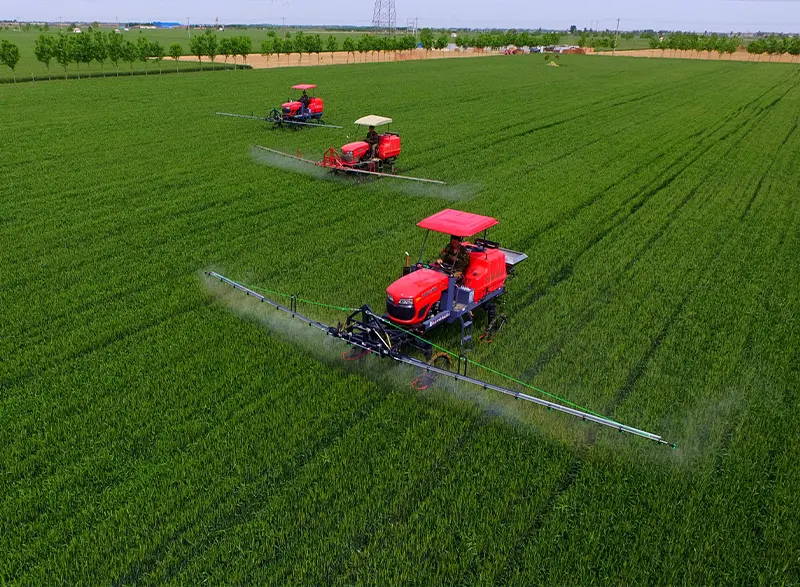

Pesticides - Fertilizers

Pesticides - Fertilizers

Pesticides - Melons and Fruits

Pesticides - Melons & Fruits

Pesticides - Flora

Pesticides - Flora

Pesticides - agricultural crops

Pesticides - Crops

Pesticides - Vegetables

Pesticides - Vegetables

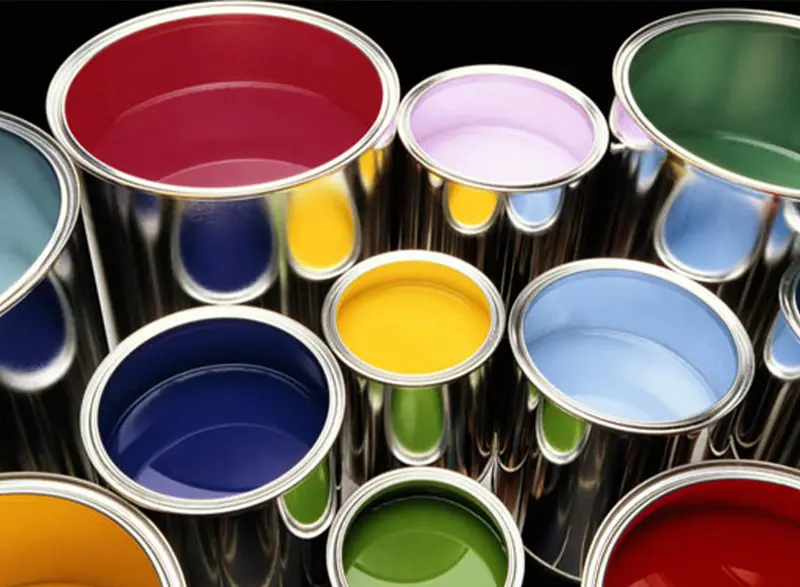
Petroleum resins - coatings

Petroleum Resins - Coatings

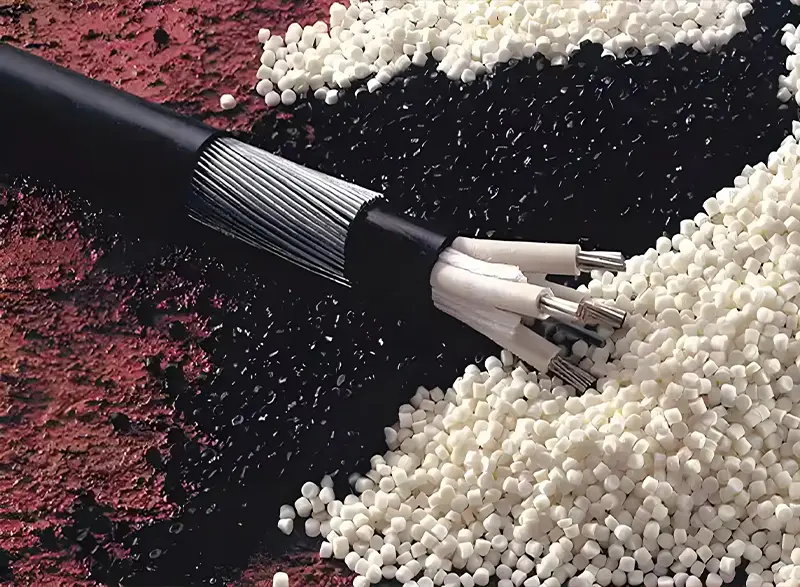
Silicones - cable materials and casting materials

Cables & Castings

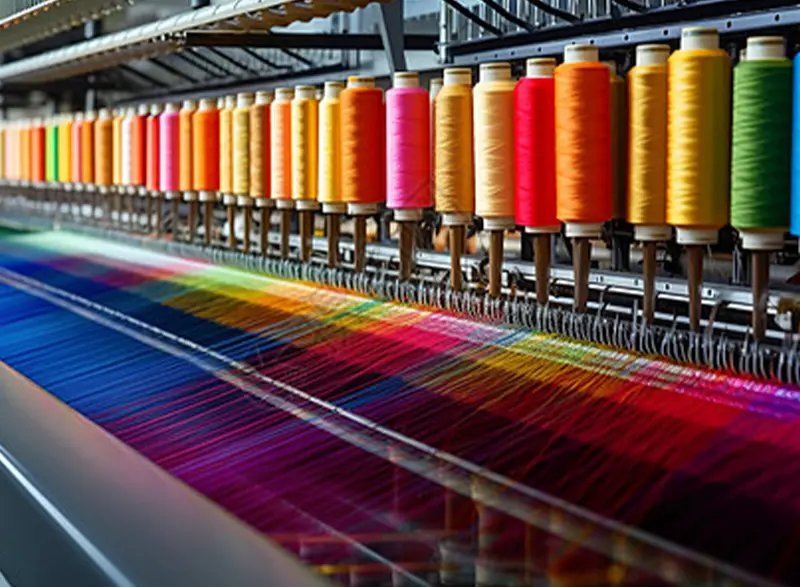
Silicone textiles

Silicone Textiles

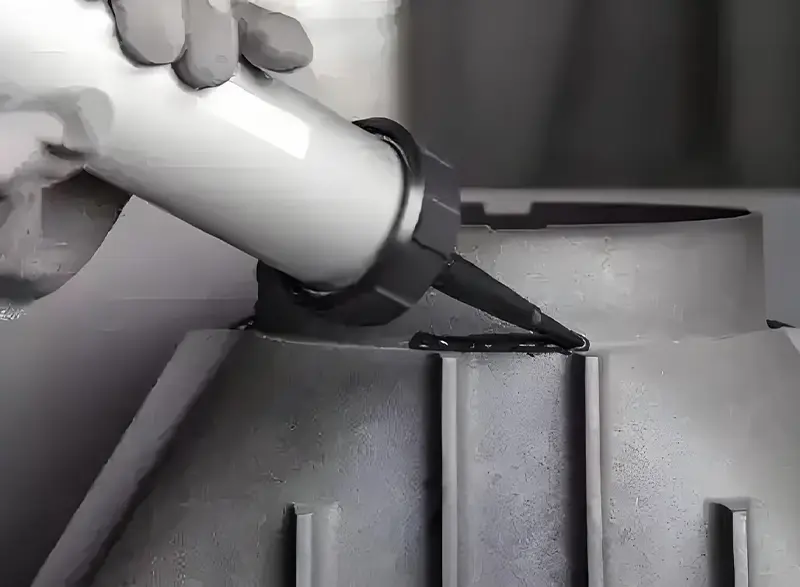
Silicone adhesives

Silicone Adhesives

Organic silicone is a daily chemical

Daily Chemicals

Cross-Sector Solutions

From the synthesis of specialized resins to structural glass fibers, high-voltage electrical insulation, wind turbine components, hot water pipelines, and agricultural treatments, Boctok's chemical formulations serve as key inputs. Our products improve moisture resistance, physical adhesion, and UV stability across diverse industrial sectors.

Technological Analysis: Organosilicon Dynamics

Deep technical breakdown of how coupling agents and crosslinkers bond incompatible materials.

Dual Chemical Reactivity

Organofunctional silanes are unique because they contain two types of reactivity within a single molecule. The general structure Y-R-Si(OR')3 includes an organic-reactive group (Y) and a hydrolyzable alkoxy group (OR'). This dual nature allows silanes to form chemical bonds between inorganic substrates (like glass, metals, and minerals) and organic polymer matrices, significantly improving mechanical strength and moisture resistance.

Hydrolysis Kinetics

When exposed to environmental moisture, the alkoxy groups (methoxy or ethoxy) undergo a hydrolysis reaction to form silanol intermediates. These silanol groups then condense with hydroxyl groups on the surface of inorganic substrates, creating durable covalent Si-O-Metal or Si-O-Si bonds. This chemical pathway is key to the long-term durability of silicone-based coatings and adhesives.

Optimizing Adhesion

Selecting the right organofunctional group is critical. Amino-functional silanes provide excellent compatibility with epoxy and phenolic resins, while vinyl-functional silanes are ideal for cross-linking polyester and polyolefin matrices. Selecting the correct chemistry is essential for optimizing coating adhesion, composite durability, and environmental protection.

Technical Q&A: Industrial Organosilicone Chemistry

Deep insights into product applications, reaction mechanisms, and sourcing strategies.

What is the primary function of 3-Aminopropyltrimethoxysilane (CAS 13822-56-5) in coatings?
CAS 13822-56-5 is a primary amino-functional silane coupling agent. It functions as an adhesion promoter in epoxy, polyurethane, and phenolic coatings. By chemically linking the organic resin and the inorganic substrate, it improves paint adhesion, moisture resistance, and corrosion protection.
How do C5 and C9 petroleum resins compare in industrial coating formulations?
C5 hydrocarbon resins, derived from aliphatic monomers, are primarily used in pressure-sensitive adhesives, hot-melt adhesives, and thermoplastic road-marking paints due to their excellent compatibility with SIS and EVA polymers. C9 resins, synthesized from aromatic fractions, are preferred in marine coatings, industrial paints, and printing inks because of their pigment wetting capabilities, hardness, water resistance, and compatibility with polar resins.
What advantages does the Shouguang plant's DCS/SIS system offer global purchasers?
The automated Distributed Control System (DCS) and Safety Instrument System (SIS) manage real-time manufacturing processes. By monitoring critical process parameters like temperature, monomer feed rates, and vacuum pressure, they eliminate human error, ensure batch-to-batch consistency, reduce environmental risks, and maintain the product purity required by global standards.
How does Hydroxysilicone Oil (CAS 63148-60-7) function in RTV silicone rubber?
Hydroxysilicone oil, also known as silanol-terminated polydimethylsiloxane, features reactive terminal hydroxyl groups. In room-temperature vulcanizing (RTV) silicone rubber, it serves as the base polymer. Combined with silane cross-linkers and catalysts, it undergoes moisture-induced condensation to create a durable, elastic silicone network with excellent thermal and weather resistance.
Why is Vinyltriethoxysilane (CAS 78-08-0) widely used in the manufacture of XLPE cables?
In cross-linked polyethylene (XLPE) cable production, CAS 78-08-0 is grafted onto the polyethylene backbone. When exposed to heat and moisture, the alkoxy groups hydrolyze and condense, cross-linking the polymer chains. This turns the thermoplastic polyethylene into a cross-linked network, enhancing the cable's thermal, mechanical, and electrical performance.
How does feedstock integration with SINOPEC and PetroChina stabilize supply lines?
Our strategic joint venture investment in hydrocarbon resin facilities secures a direct supply of polymer-grade monomers from SINOPEC and PetroChina. This feedstock integration buffers our production from market spot price spikes and ensures a stable supply of raw materials to keep our plants running smoothly.

Advanced Organosilicon & Specialty Formulations

Explore our second line of specialized silane monomers, alkyl crosslinkers, agrochemical actives, and custom industrial compounds.
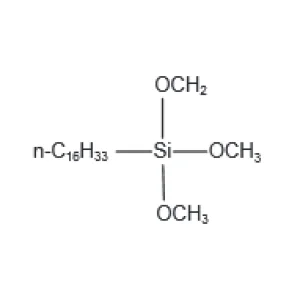
Cetyltrimethoxysilane Cas 16415-12-6

China Cetyltrimethoxysilane Cas 16415-12-6 Factories, Companies

View Details
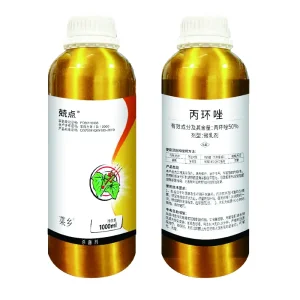
25% проциклизола

China 25% проциклизола Manufacturers, Companies

View Details
Trimethoxy-terminated polydimethylsiloxane CAS 68440-70-0

Famous Trimethoxy-terminated polydimethylsiloxane Alkoxy-terminated silicone oil CAS 68440-70-0 Suppliers, Product

View Details
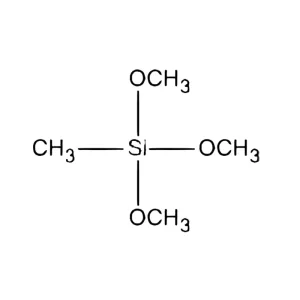
Methyltrimethoxysilane Cas 1185-55-3

China Methyltrimethoxysilane Cas 1185-55-3 Company, Supplier

View Details
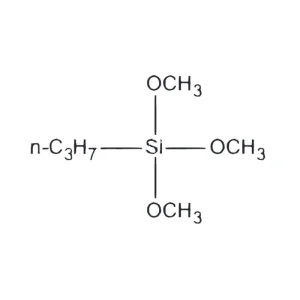
Propyltrimethoxysilane

China Propyltrimethoxysilane Manufacturer, Products

View Details
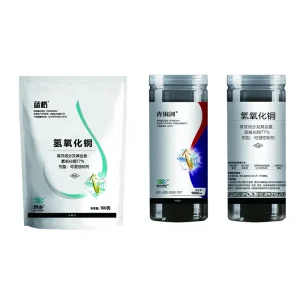
77% Гидроксид меди

Famous 77% Гидроксид меди Suppliers, Companies

View Details
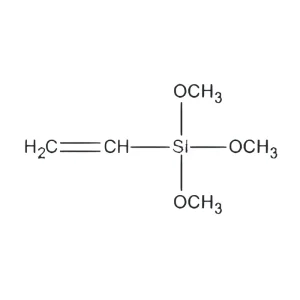
Vinyltrimethoxysilane Cas 2768-02-7

China Vinyltrimethoxysilane Cas 2768-02-7 Products, Factory

View Details
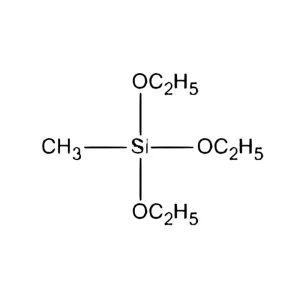
Methyltriethoxysilane Cas 2031-67-6

China Methyltriethoxysilane Cas 2031-67-6 Companies, Supplier

View Details