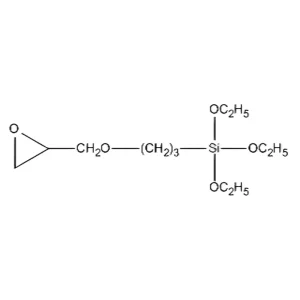
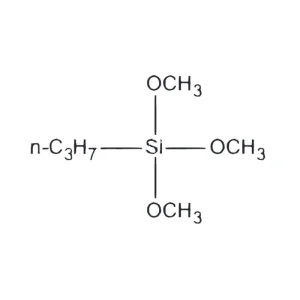
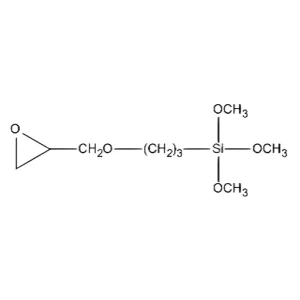
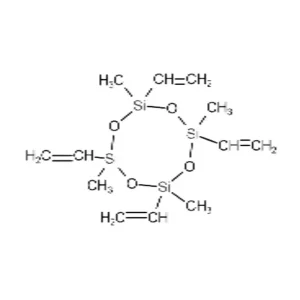
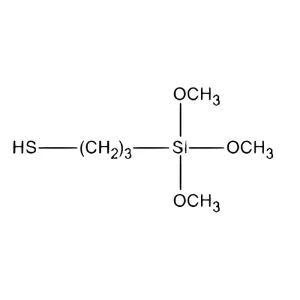
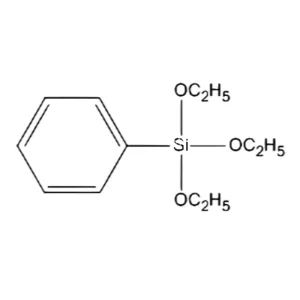
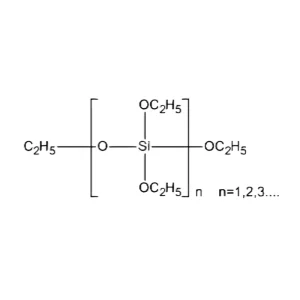
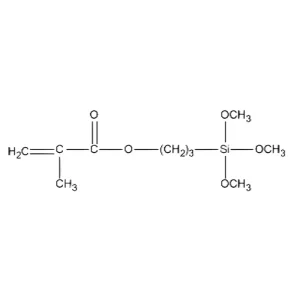
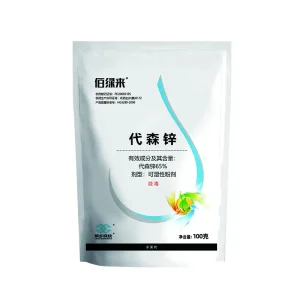
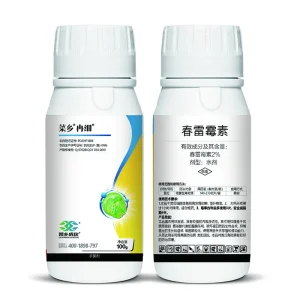
Explore our flagship chemicals engineered to improve dispersion, reinforce structural strength, and enhance composite resilience.
Founded in 2012, Shandong Boctok Chemical Co. has developed into a premier global marketing and sales enterprise specializing in advanced organosilicon derivatives, high-stability petroleum hydrocarbon resins, and agricultural intermediates. With a comprehensive manufacturing and distribution pipeline, we recorded an annual sales volume of US$280 million in 2023. Over the decade, our proprietary brand, Boctok™, has constructed a formidable footprint across international boundaries, establishing specialized market leadership within key industrial sectors, notably serving highly demanding markets including the Russian Federation, Europe, North America, and across the Asia-Pacific region.
Our organosilicon chemical division coordinates the synthesis, distribution, and customization of twelve distinct series of silane coupling agents and crosslinkers. These product portfolios cover: aminosilanes, methacrylate silanes, epoxy silanes, vinyl silanes, mercaptosilanes, alkyl silanes, ethyl silicates, chlorosilanes, silane isocyanates, phenyl silanes, ureidosilanes, and serosilanes. Furthermore, our technical capabilities extend deeply into high-purity functional silicone fluids (including high-hydrogen silicone oil, dimethicone, vinyl silicone oil, polyphenylmethyldimethylsiloxane, phenyl silicone oil, silanol silicone oil, OH polymer, and alkoxy silicone oil), structural silicone resins (methyl MQ, vinyl VMQ), and high-performance room-temperature and heat-curable silicone rubbers (RTV-1, RTV-2, 110 methyl vinyl silicone rubber, and 120 methyl phenyl rubber).
"Our technical philosophy is grounded in resolving the thermo-mechanical mismatch between inorganic fillers and organic polymer matrices. Through sophisticated surface functionalization, we enable composites to achieve structural integrity, chemical resistance, and long-term performance reliability."
Inorganic fillers like silica, aluminum trihydroxide (ATH), magnesium hydroxide (MDH), glass fibers, calcium carbonate, and clay are widely utilized to improve the structural rigidity, thermal stability, and flame-retardant properties of polymer matrix systems. However, the intrinsic thermodynamic incompatibility between highly polar, hydrophilic inorganic fillers and non-polar, hydrophobic organic polymers frequently leads to poor interfacial bonding, particle agglomeration, and severe drop in mechanical parameters.
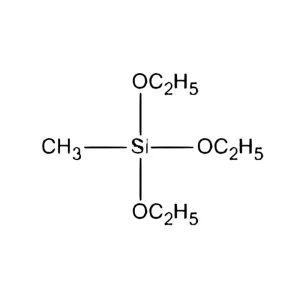
Our silane coupling agents act as molecular bridges. The general structure of a silane is defined as R-Si-X₃, where X represents hydrolyzable alkoxy groups (typically methoxy or ethoxy groups) that react with moisture to form highly reactive silanol groups. These silanols chemically bond with the hydroxyl groups located on the surface of the inorganic fillers via condensation, producing durable Si-O-M covalent linkages (where M represents the metal/metalloid atoms of the filler). The R group stands for an organofunctional organic tail (amino, vinyl, epoxy, etc.) selected specifically to co-polymerize or physically entangle within the matrix polymer. This dual-action chemical bonding dramatically enhances wet electrical properties, tensile strength, impact resistance, and limits moisture absorption.
How Boctok addresses supply chain vulnerabilities, processing bottle-necks, and performance requirements across multiple industrial verticals.
We leverage continuous, high-volume raw materials from SINOPEC and PetroChina. This structural alignment eliminates supply vulnerabilities for global buyers, stabilizing costs and guaranteeing lead times even during volatile raw materials markets.
Every filler system (silica, ATH, talc, glass) possesses distinct surface charge and hydroxyl density. Boctok engineers custom combinations of organosilanes and petroleum resins to match the mechanical requirements of specific matrices.
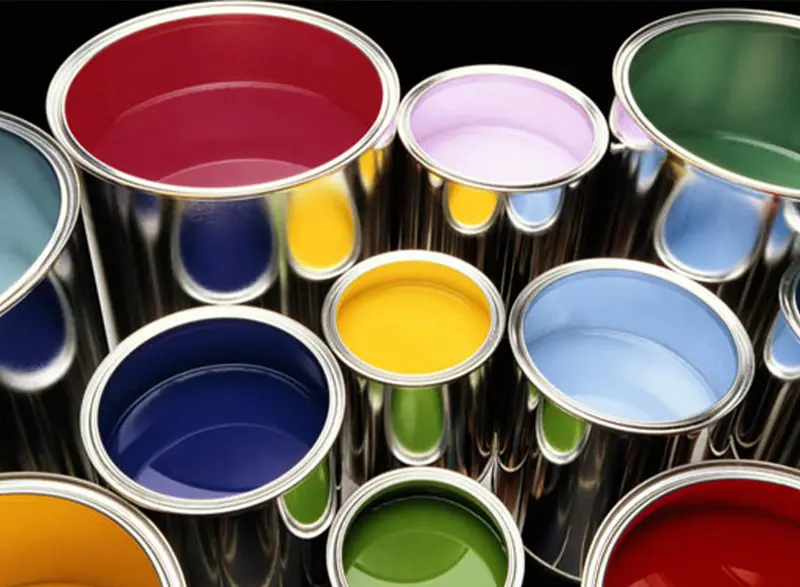
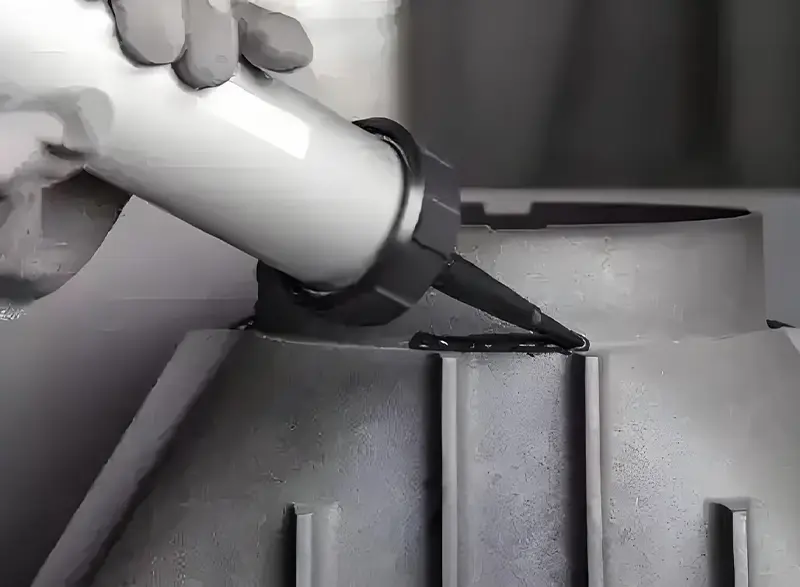
Our dual capability in silicones and petroleum resins (C5/C9, dicyclopentadiene, modified resins) enables single-source purchasing. From adhesives, XLPE cable shielding, to paint systems, we cover the entirety of raw components.
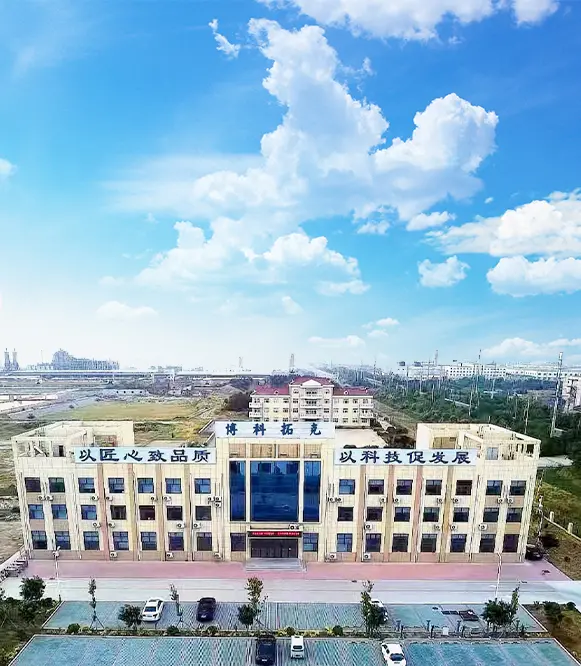
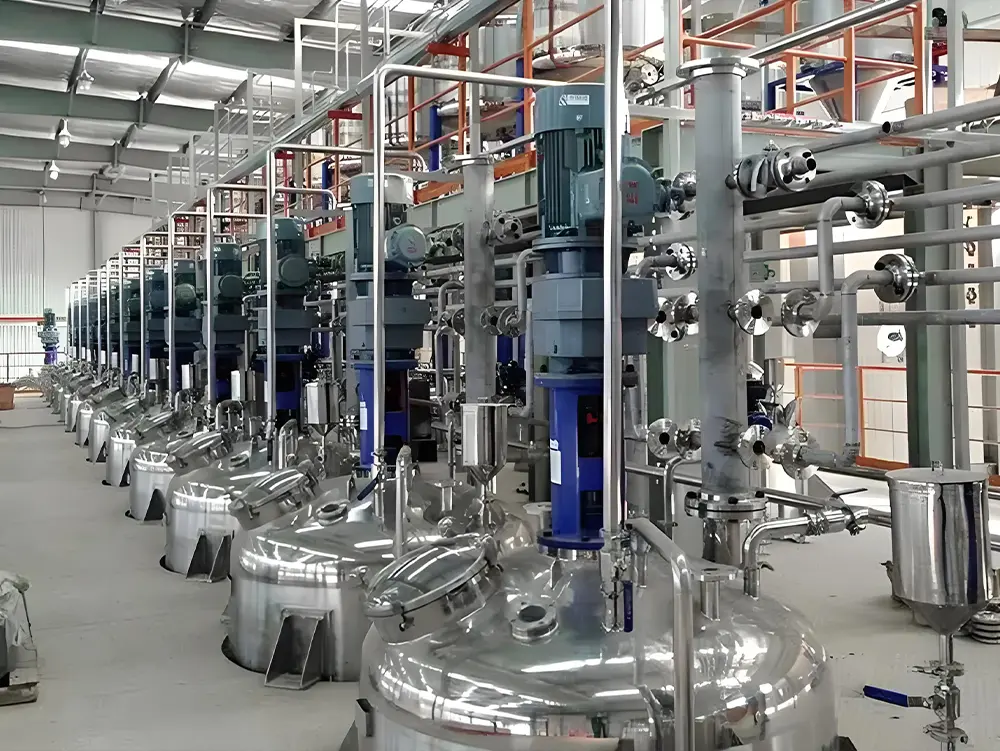
Recognizing the rapidly climbing global demand for high-purity silane coupling agents, Boctok recently completed a major capital investment of US$65 million to construct a state-of-the-art manufacturing facility located in the Bohai Industrial Park, Shouguang City, Shandong Province. This specialized chemistry zone is a provincial-level chemical industry park, ensuring stable regulatory oversight and manufacturing security.
The facility integrates 6 automatic DCS (Distributed Control System) production lines, designed to scale our annual output to 30,000 tons of silane coupling agents. Our production infrastructure maintains safety and environmental integrity via the integration of:
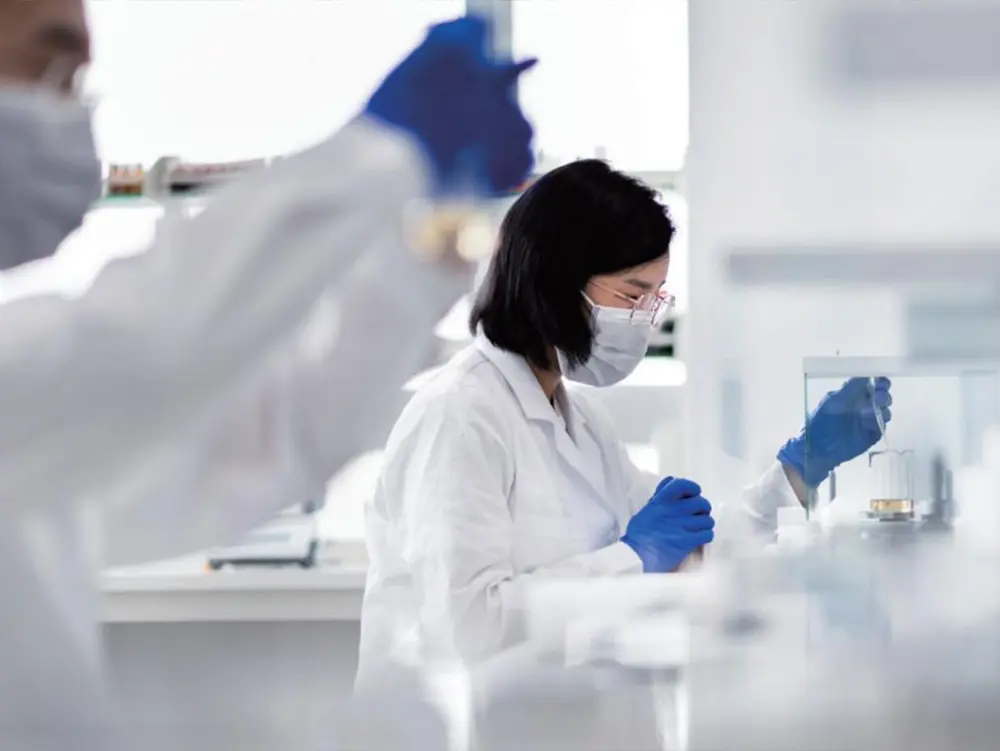

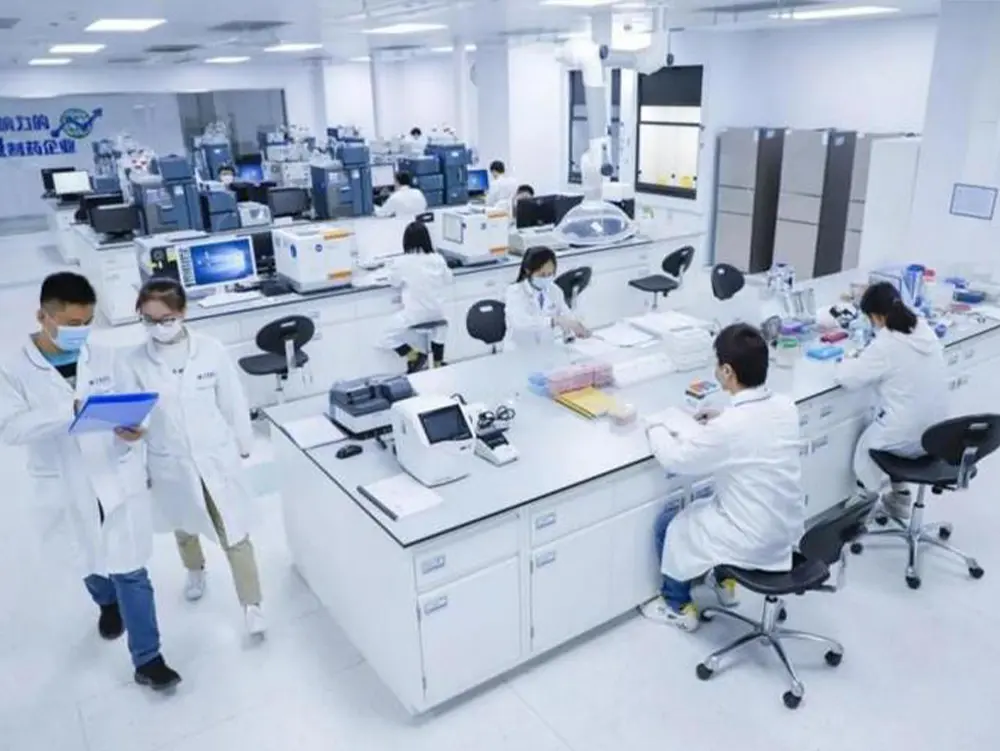
From microelectronics to structural infrastructure, Boctok chemistry enhances the interface integrity of global industrial materials.
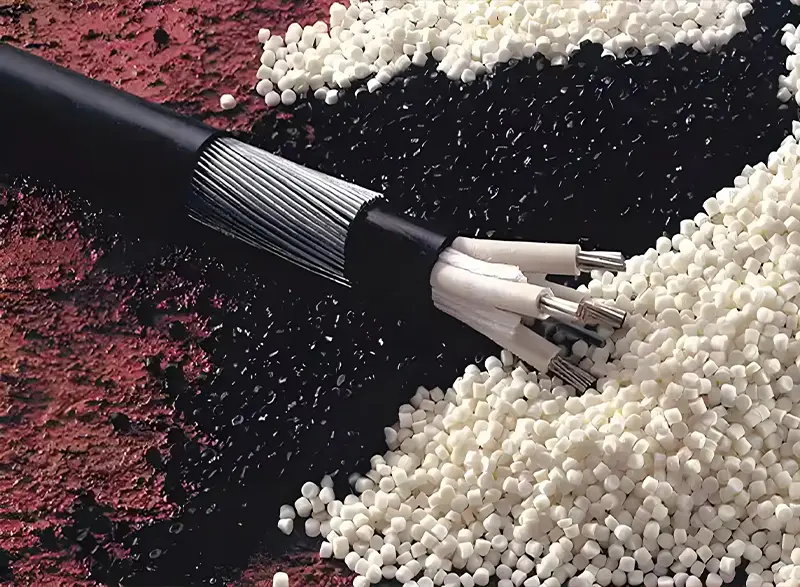
Utilizing vinyl silanes and crosslinking solutions to treat silica or ATH fillers in silane-grafted polyethylene (XLPE) formulations. This ensures outstanding wet-dielectric reliability, crosslinking speeds, and high thermal stability required for medium and high-voltage transmission lines and hot water pipes.
Applying methacrylate and epoxy silanes during glass fiber sizing. This process guarantees strong adhesion between the glass fiber reinforcement surface and epoxy or polyester resin matrices, resulting in improved fatigue resistance and mechanical stability in offshore wind blades.
High-purity phenyl silanes, VMQ resins, and epoxy functional agents modify silica fillers within electronic encapsulants and semiconductor packaging compounds, minimizing thermal expansion coefficients and elevating moisture resistance.
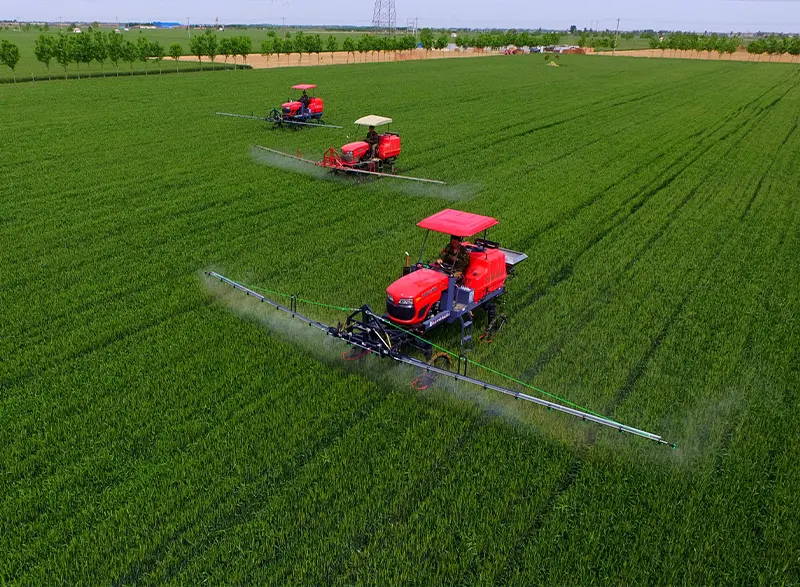





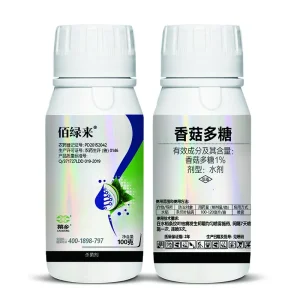
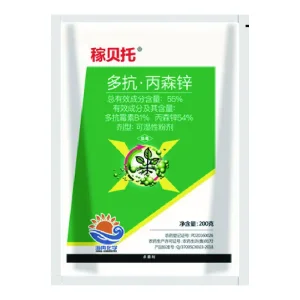
In parallel to organosilicon synthesis, Boctok operates a specialized agrochemical synthesis division. We produce critical active intermediates and formulated materials for:
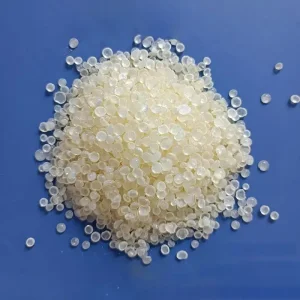
Our Tier II core business focuses on high-purity petroleum resins. Leveraging direct investments in major hydrocarbon resin manufacturing plants across China (strategically situated in Zibo, Fushun, and Nanjing), Boctok secures consistent, low-cost raw material feedstocks directly from SINOPEC and PetroChina refineries. Our petrochemical operations supply:
Our hydrocarbon resin portfolio undergoes detailed quality checks and is globally trusted by multiple Fortune 500 manufacturing corporations across the building materials, packaging, and automotive assembly industries.
As the international industry shifts towards environmental sustainability and energy-efficient systems, Boctok’s R&D department is actively executing our product development roadmap, focusing on three major technology horizons:
Traditional silane treatment agents release volatile organic compounds (typically methanol or ethanol) during hydrolysis. In response to clean-air regulations globally, we are developing oligomeric water-borne silanes and solventless coupling agents. These systems hydrolyze with zero or minimal VOC emission, allowing automotive compounders and paint manufacturers to meet volatile emissions regulations (such as REACH and EPA targets) without compromising performance.
Modern electronic devices and electric vehicle (EV) battery packs demand efficient heat dissipation. This is achieved by filling silicone or epoxy matrices with high volumes of thermally conductive fillers (alumina, boron nitride, etc.). At high loading volumes, viscosity spikes, making processing difficult. Our specialty alkyl and phenyl-functionalized silane treatments modify thermal fillers to reduce system viscosity, allowing high filler loading (up to 90% by weight) while maintaining outstanding mechanical and flow behavior.
Combining the capabilities of multiple functional silanes into a single molecule represents the next stage in high-performance coatings and structural adhesives. Our lab is piloting dual-functionalized silanes (e.g., amine-epoxy hybrids and polyether-silane block copolymers) that offer outstanding dispersion and matrix crosslinking under variable curing profiles.
Boctok maintains a global regulatory compliance framework to assist our clients with complex international import and safety requirements.
Expert answers regarding silane chemistry application, handling, and ordering protocols.
Discover our comprehensive range of specialized catalysts, functional fluids, and zinc-based industrial compounds.
 Boctok Chemical